WIPO — A Brief History
The World Intellectual Property Organization (WIPO) has a long and interesting past. Browse some of the key milestones in the Organization's history.

1883 – Paris Convention
The Paris Convention for the Protection of Industrial Property is born. This international agreement is the first major step taken to help creators ensure that their intellectual works are protected in other countries. The need for international protection of intellectual property (IP) became evident when foreign exhibitors refused to attend the International Exhibition of Inventions in Vienna, Austria in 1873 because they were afraid their ideas would be stolen and exploited commercially in other countries. The Paris Convention covers:
1886 – Berne Convention
Following a campaign by French writer Victor Hugo and his Association Littéraire et Artistique Internationale the Berne Convention for the Protection of Literary and Artistic Works is agreed. The aim is to give creators the right to control and receive payment for their creative works on an international level. Works protected include:
- novels, short stories, poems, plays;
- songs, operas, musicals, sonatas; and
- drawings, paintings, sculptures, architectural works.

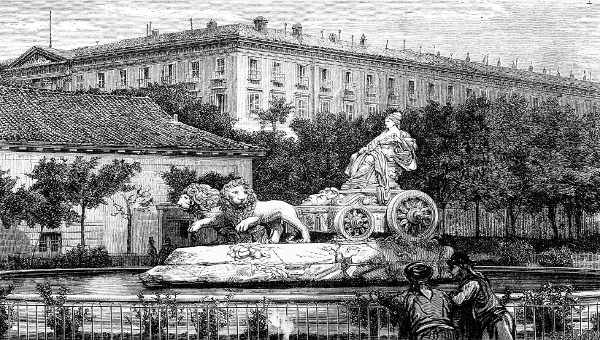
1891 – Madrid Agreement
With the adoption of the Madrid Agreement, the first international IP filing service is launched: the Madrid System for the international registration of marks. In the decades that follow, a full spectrum of international IP services will emerge under the auspices of what will later become WIPO.
1893 – BIRPI established
The two secretariats set up to administer the Paris and Berne Conventions combine to form WIPO's immediate predecessor, the United International Bureaux for the Protection of Intellectual Property – best known by its French acronym, BIRPI. The organization, with a staff of seven, is based in Berne, Switzerland.
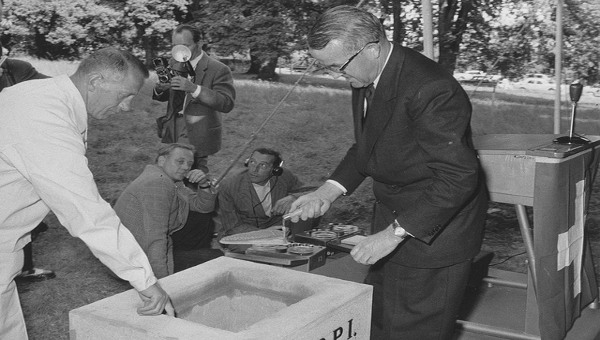
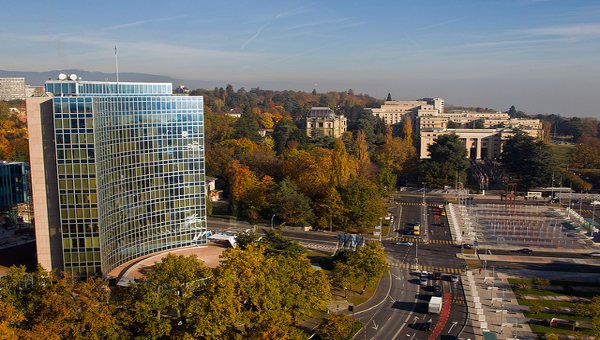
1970 – BIRPI becomes WIPO
The Convention establishing the World Intellectual Property Organization (WIPO) comes into force and BIRPI is thus transformed to become WIPO. The newly established WIPO is a member state-led, intergovernmental organization, with its headquarters in Geneva, Switzerland.
1974 – WIPO joins the UN
WIPO joins the United Nations (UN) family of organizations, becoming a specialized agency of the UN. All member states of the UN are entitled, though not obliged, to become members of the specialized agencies.

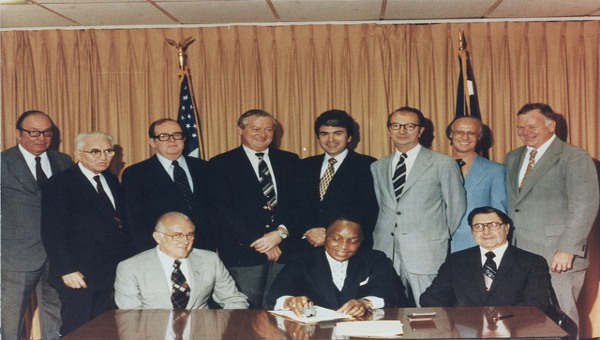
1978 – PCT System launched
The PCT international patent system begins operation. The PCT expands rapidly to become WIPO's largest international IP filing system today.
1994 – AMC established
The WIPO Arbitration and Mediation Center is established. The Center offers alternative dispute resolution services to help solve international commercial disputes between private parties.


1998 – WIPO Academy opens its doors
The WIPO Academy is established to provide general and specialized courses on IP. Academy courses are interdisciplinary in their approach and targeted at a wide range of IP professionals.
2007 – WIPO Development Agenda adopted
WIPO formally adopts its Development Agenda, with the aim of ensuring that development issues are taken into consideration throughout the Organization's work.
