Intellectual Property in Fashion

Intellectual property (IP) rights form the foundation of the fashion industry’s creative and commercial ecosystem. These rights help designers protect their original work, support brand recognition, and enable fair competition.
From haute couture runways to streetwear trends and digital fashion, in every corner of the world, designers and innovators are constantly reimagining style, materials, and production techniques to shape how we dress and express ourselves.

As the industry evolves, from sustainable fashion to tech-integrated garments, IP plays a vital role in securing investment, fostering innovation, and driving global growth. Fashion not only fuels cultural trends but also makes a significant contribution to the global economy by supporting millions of jobs and enabling a diverse range of creative enterprises.

Fashion is a dynamic showcase of IP in action. IP rights are at the core of licensing, collaborations, and merchandising agreements that generate revenue and enable fashion brands to expand their reach. 
By securing creative output and business assets, IP helps fuel innovation, investment, and growth in the global fashion industry.

Protecting a fashion item with an industrial design

Design rights protect the creative aspect behind clothing, accessories, and textile patterns.
Industrial design protection plays a critical role in safeguarding the aesthetic aspects of fashion products, from the shape, configuration, ornamentation, or combination of products. In many jurisdictions, registered design rights can protect the visual features of garments, accessories, footwear, and even packaging, provided the designs are new and possess individual character. These rights are particularly valuable in fast-moving fashion markets, where visual distinctiveness often drives consumer appeal.
Industrial design registration offers a cost-effective legal tool to prevent unauthorized copying and to strengthen enforcement efforts, particularly in cases where copyright protection may be limited or inapplicable. For fashion brands, integrating industrial design rights into broader IP strategy enhances both legal protection and commercial leverage.

The Hague System offers a streamlined way for fashion designers and brands to protect their industrial designs internationally. Through a single application filed with the World Intellectual Property Organization (WIPO), designers can seek protection for their designs in multiple member countries and regions, currently in 99 countries worldwide.
For the fashion industry, where trends move fast and global markets are essential, the Hague System simplifies the complex and costly process of filing separate design applications in each country. It allows designers to secure protection for garments, accessories, footwear, textile patterns, and other visual elements of fashion collections under one unified procedure.
This international system not only saves time and reduces administrative burden but also provides greater legal certainty and flexibility, helping fashion brands effectively safeguard their creativity on a global scale.
Featured

The Business of Handbags: Emily Blumenthal’s 101 for Handbag Designers | Mission Imagination

Emily Blumenthal standing next to a back she designed

The Business of Handbags: Emily Blumenthal’s 101 for Handbag Designers | Mission Imagination

Protecting a fashion brand with a trademark

Trademarks and brands define the unique identity of fashion houses, designers, and product lines, helping them build consumer trust and global recognition.

Trademarks are central to the fashion industry, serving as key assets in establishing and protecting brand identity. Logos, brand names, distinctive packaging, and even signature design elements, such as patterns, color combinations, can function as trademarks when they signify the source of goods and acquire distinctiveness.

Robust trademark protection enables fashion houses to build consumer recognition, differentiate products in a crowded market, and enforce rights against counterfeiting and brand dilution. Strategic trademark portfolios are also critical to licensing, franchising, and brand extension deals, which form a significant part of fashion’s commercial ecosystem. As fashion continues to globalize and digitize, effective trademark management remains vital for legal and business strategy.

The Madrid System provides a convenient and cost-effective way for fashion brands to protect their trademarks internationally. Under the management of WIPO’s centralized system, it allows trademark owners to file a single application and seek protection in multiple member countries and regions with currently covering 131 countries worldwide.

For fashion companies, trademarks are essential for building brand identity and consumer trust across global markets. The Madrid System simplifies the often complex and expensive process of registering trademarks country-by-country by centralizing application management.
This enables fashion brands to expand internationally while maintaining consistent protection for logos, brand names, slogans, and distinctive design elements.
By leveraging the Madrid System, fashion businesses can efficiently safeguard their brand assets worldwide, enforce their rights more effectively, and focus on growing their presence in new markets.
IMAGE: LOREM IPSUM

Lorem ipsum dolor sit amet

Patents in fashion

In fashion, patents support innovations in materials, manufacturing techniques, and wearable technology.

While fashion is often associated with design and branding, patents play a key role in driving innovation across the industry. From smart textiles and sustainable materials to advanced manufacturing techniques and wearable technology, patents protect the technical inventions that push fashion forward. By safeguarding these innovations, patents encourage research and development, attract investment, and give companies a competitive edge in an increasingly tech-driven market.

Innovation drives progress in the fashion industry, from new textiles and sustainable materials to smart wearables and production technologies. To protect these inventions globally, designers and companies can seek patent protection. Through WIPO’s Patent Cooperation Treaty (PCT) system, innovators can file a single international patent application that streamlines the process of seeking protection in multiple countries. This helps fashion innovators secure their rights, attract investment, and bring new technologies to market with greater confidence.

Patents are particularly valuable for advancing sustainable fashion. Innovators are developing biodegradable fabrics, plant-based leather alternatives, waterless dyeing methods, and circular production processes that reduce waste. By securing patent protection, these innovators can safeguard their technologies, attract investment for scaling production, and license their solutions to partners worldwide. This helps accelerate the transition to a more sustainable fashion ecosystem while ensuring creators are rewarded for their innovations.

In the fashion industry, copyright plays a nuanced yet increasingly important role in protecting creative output behind clothing, accessories, and textile patterns. Elements such as original textile prints, surface patterns, sketches, and visual marketing materials, including lookbooks, photographs, and videos, often qualify as protectable works.

Copyright enables designers and brands to assert control over their creative assets, deter infringement, and commercialize their work through licensing and enforcement. As digital fashion and online content proliferate, copyright continues to be a critical legal mechanism for safeguarding innovation and brand identity in an evolving marketplace.

Combatting fashion counterfeiting

Counterfeiting remains one of the biggest challenges facing the fashion industry worldwide. Fake products that imitate popular brands not only undermine the value of original designs and trademarks but also pose risks to consumer safety and brand reputation. IP rights, such as trademarks, copyrights, and design rights, are crucial tools in the fight against counterfeit goods.
Fashion brands rely on these protections to identify and take legal action against counterfeiters, whether through customs enforcement, civil lawsuits, or criminal prosecutions. Strong IP enforcement helps preserve the integrity of the brand, ensures fair competition, and protects consumers from substandard products.
As counterfeiting becomes increasingly sophisticated, the fashion industry is also turning to technology—such as digital authentication, blockchain tracking, and smart labels—to enhance anti-counterfeiting measures and safeguard their creative and commercial assets globally.
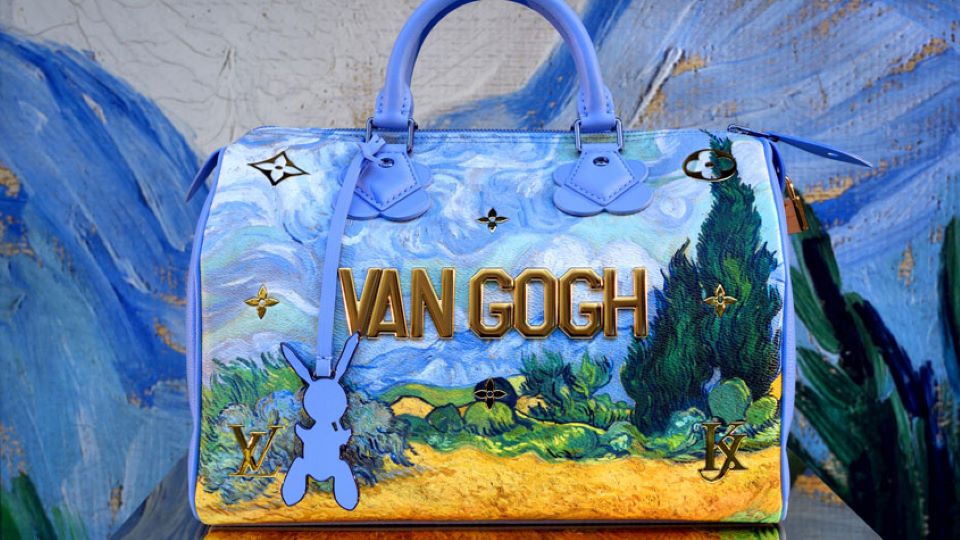
a luxury bag with Van Gogh-inspired design
IMAGE:  Peter Horree / Alamy Stock Photo

News

WIPO resources on fashion

a fashion model walking on a catwalk in front of audience
IMAGE: Image Source/getty images

Role of IPR in Fashion Industry

a fashion designer drawing a design of a garment
IMAGE: PORTISHEAD1/GETTY IMAGES

Fashion Design and Copyright in the US and EU

a variety of African fabrics
IMAGE: Jacek_Sopotnicki/getty images

The African Fashion Design Industry