
Latest
Brazil harvests the wealth of its rain forests
This article by Michael Ryan was first published in the IP Legal Times of May 2006. Mr. Ryan is the Director of the Creative and Innovative Economy Center at the George Washington University Law School. He is currently writing a book on drug innovation, patents, and health security in developing countries. This article is reproduced with the permission of the author.
Technology Based on Traditional Knowledge and Genetic Resources: Sharing the Benefits
Technological developments have increased our ability to derive industrial and commercial benefits from traditional knowledge (TK) and genetic resources. As seen in the previous article on Brazil, there are many examples of TK and genetic resources providing essential inputs to the development of valuable new products including medicines, crops and industrial enzymes.
Record Year for International Patent Filings and Trademark Applications
This article is part of our archive, offering insights from past editions. Continue reading to discover how intellectual property can foster creativity, innovation and social progress.
PCT Portraits: Combating Hazards
More than 1.2 million international patent applications, covering new technology of every description, have been filed since the Patent Cooperation Treaty (PCT) began operating in 1978. Continuing our series of snapshots, WIPO Magazine dips into the PCT database and seeks out the people behind the patents. In this edition, innovators from Israel, Australia and the U.S. pit human ingenuity against natural and unnatural hazards.
Flexibilities in the Patent System: WIPO Patent Colloquium
Two invited experts presented the colloquium with complementary views on the evolution and effectiveness of the flexibilities in the current system: Dr. N. S. Gopalakrishnan, Professor in IP law at the Cochin University of Science and Technology, India; and Professor Joseph Straus, Director of the Munich-based Max Planck Institute for Intellectual Property, Competition and Tax Law, Germany
Cybersquatting Disputes Increase
The number of Internet domain name cybersquatting disputes filed with WIPO’s Arbitration and Mediation Center increased by 25 percent in 2006. Many related to trademarks which were attracting media coverage, such as a spate of cases involving the Tamiflu trademark, filed at the height of international concern about an avian flu pandemic.
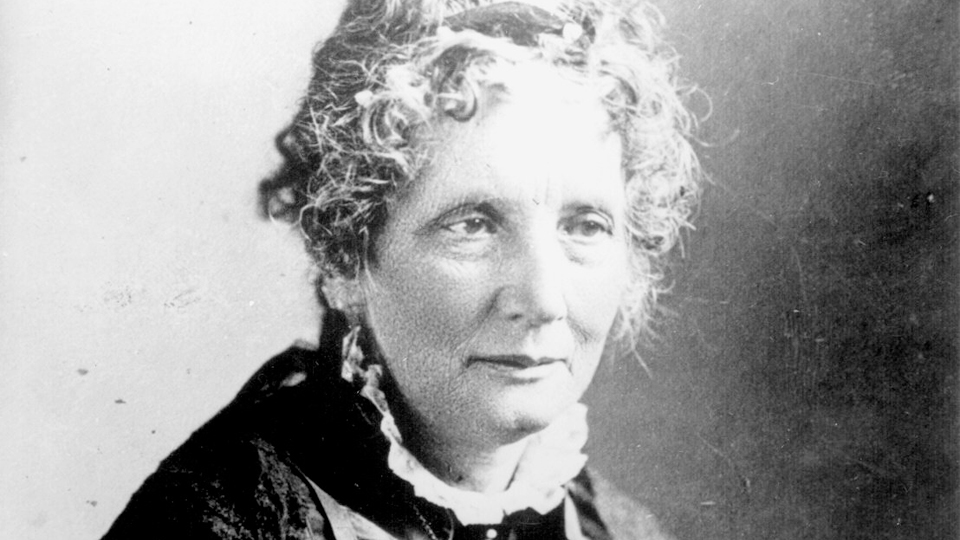
Book review: American Women Authors and Literary Property, 1822-1869
To mark International Women’s Day, March 8, WIPO Magazine reviews Melissa Homestead’s work on American women authors and literary property, which portrays the plight of women authors in a society that did not permit married women to exercise their own copyright and that lacked an instrument for the international protection of copyright.
Committee Reports: Breakthrough in Development Agenda Discussions
This article is part of our archive, offering insights from past editions. Continue reading to discover how intellectual property can foster creativity, innovation and social progress.
News Summary
This article is part of our archive, offering insights from past editions. Continue reading to discover how intellectual property can foster creativity, innovation and social progress.

Outreach: Talking to the Download Generation
A WIPO team took cameras into the classroom of an international school, showed the students a range of anti-piracy publicity materials, and filmed their reactions. With the subject of awareness-raising high on the Global Congress agenda, the film was intended to illustrate the importance of understanding the attitudes of a target audience when designing outreach campaigns.
Global Congress on Combating Counterfeiting and Piracy – The First Three Years
As delegates gather in January for the Third Global Congress on Combating Counterfeiting and Piracy, hosted by WIPO in Geneva, this article looks at how the process began, at the progress to date and the shared challenges ahead.
IP Infringements on the Internet – Some Legal Considerations
The absence of territorial limits on the Internet, along with the scope it offers for anonymity, has opened the door to infringements of intellectual property (IP) rights that are new in both nature and scale. Tangible counterfeit or pirated goods of almost every category are traded or exploited online, be it through legitimate business platforms such as online auction-houses, or through websites which trumpet their illicit character.
IP and Business: IP in the Brave New World of User-Created Computer Games
Development tools for video game hobbyists are not a new idea. The difference today is the advent of business models which make it possible to capitalize commercially on user-created content by leveraging the deep talent and varied works that flow from a worldwide body of creators. While harnessing collective creative powers is potentially lucrative, intellectual property (IP) rights issues quickly arise as these models develop.
Meet the New Top Management Team
WIPO underwent some organizational change in December, when the Organization’s top management welcomed several new members to its ranks. The new team, composed of four deputy directors general (DDGs) and three assistant directors general (ADGs), was approved by Member States in the Coordination Committee in June, following proposals put forward by WIPO Director General Kamil Idris.
Committee Meetings
This article is part of our archive, offering insights from past editions. Continue reading to discover how intellectual property can foster creativity, innovation and social progress.
Letters and Comment
This article is part of our archive, offering insights from past editions. Continue reading to discover how intellectual property can foster creativity, innovation and social progress.
New Parties to WIPO-Administered Treaties in 2006
This article is part of our archive, offering insights from past editions. Continue reading to discover how intellectual property can foster creativity, innovation and social progress.

Authors, Composers, Artists: Nathan East – Jazz Musician
En route to a concert tour in Japan in January, Nathan East made time for an interview with WIPO Magazine. In the following extracts, he shares some thoughts about his creative work and his perspective, as a musician, on copyright issues.
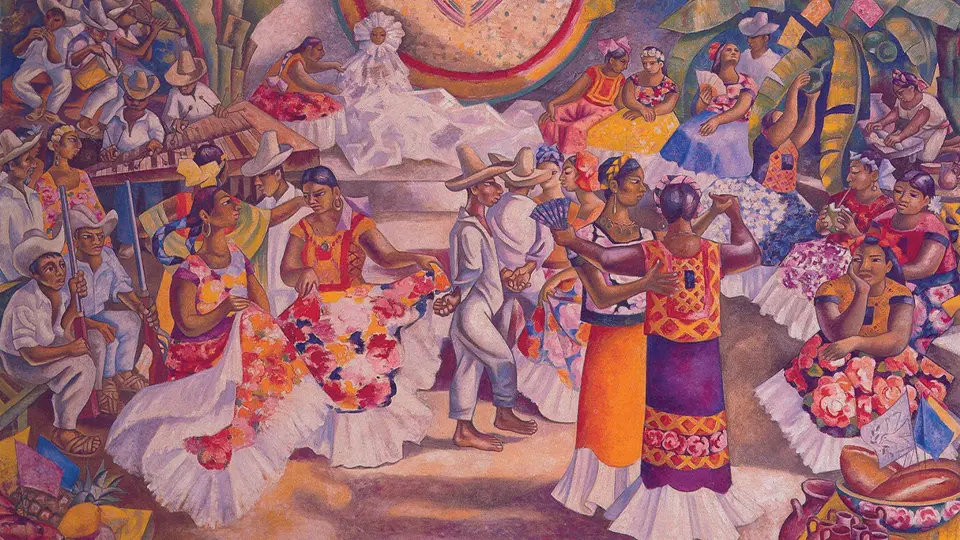
From Artist to Audience - Collective Management of Copyright
How is it possible to ensure that an individual musician is remunerated each time his song is played on the radio? Or a writer whenever his play is performed? How can the copyright and related rights of such creators be managed efficiently so as to enable them to concentrate on their creative activity, while receiving the economic reward due to them? From Artist to Audience, a WIPO booklet produced in cooperation with the International Confederation of Societies of Authors (CISAC) and the International Federation of Reproduction Rights Organisations (IFRRO), aims to answer some of these questions by exploring one way in which the copyright and related rights system works, namely through the collective management of rights.
Showing 20 of 1172 results