From 2024 to 2025, the Project on IP Skills Building and Knowledge among Young Designers strengthened young designers’ skills in IP protection and management through a practical, problem-solving approach. While design students undertook theoretical training on IP, they worked with local communities to develop packaging solutions that address functional challenges and aesthetic needs for origin-based goods, supporting producers’ efforts to protect and commercialize products linked to trademarks and geographical indications.
The project was implemented with universities in Brazil (Federal University of Amazonas (UFAM) and State University of Pará (UEPA)), Paraguay (University Ibero Americana (UNIBE)) and Peru (Pontifical Catholic University of Peru (PUC)), in collaboration with national IP offices and key partners, with support from FIT/Japan IP Global.
Brazil
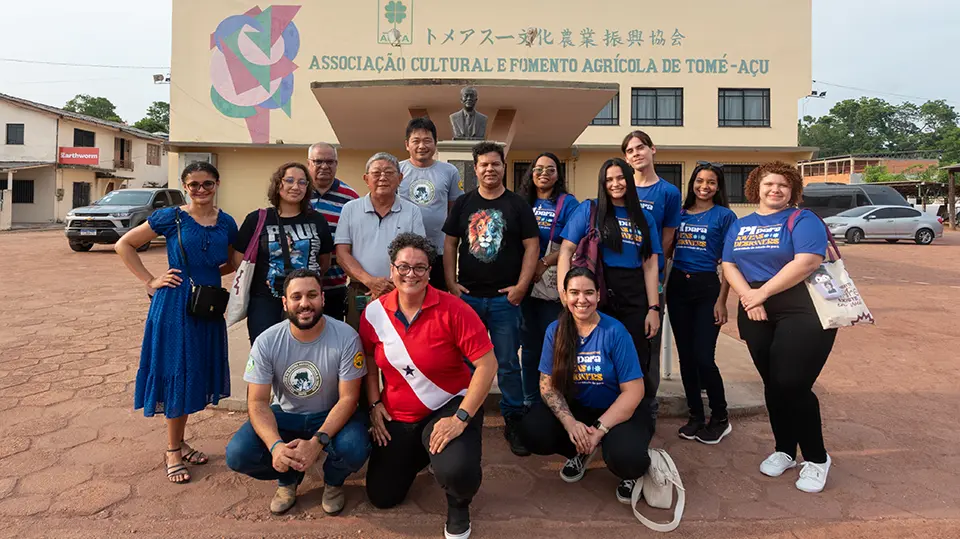
Building on the pilot project delivered in 2023, a second edition was implemented in 2024 in Brazil’s Amazon region with UFAM and UEPA, in collaboration with Brazil’s National Institute of Industrial Property (INPI) and National Service of Support for Small and Micro-Sized Enterprises (SEBRAE). Over 60 students received training on IP concepts and protection related to their creations and developed packaging solutions for origin-based products of local producers: Cheese of Marajó (Pará), Cassava flour of Bragança (Pará), Cocoa of Tomé-Açu (Pará), Coffee of Matas de Rondônia (Rondônia), Pineapple of Novo Remanso (Amazonas), Cassava flour of Cruzeiro do Sul (Acre), Açai of Feijó (Acre), Açai of Codajás (Amazonas), Casava flour of Uarini (Amazonas).
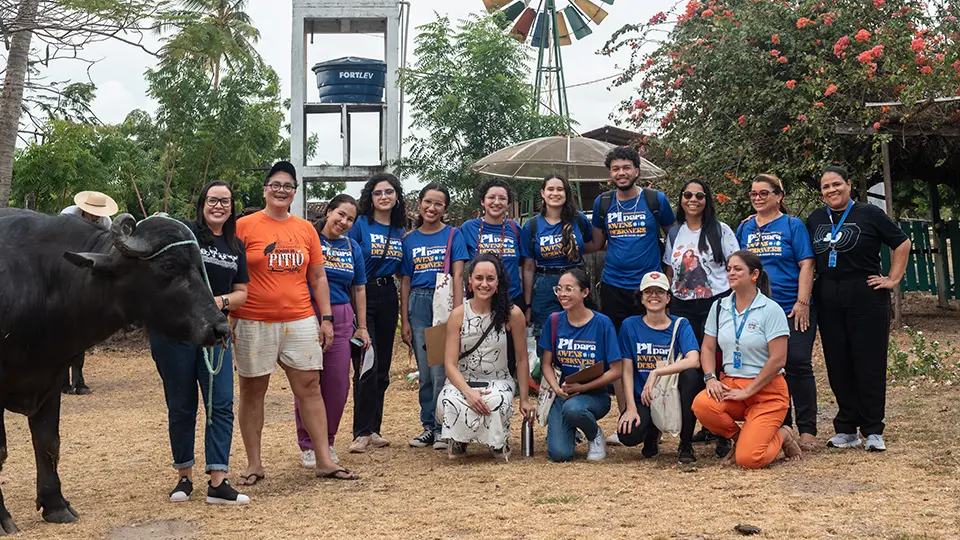
The project has yielded remarkable and lasting results. UFAM filed 18 industrial design applications, while UEPA filed 4. SEBRAE has been actively mediating licensing agreements between the student groups and producer associations to enable use of the proposed solutions.
The project’s training toolkit and distance-learning courses were validated during this edition and are available on INPI’s website to support replication by other universities.
Paraguay
The project was carried out in partnership with Universidad Iberoamericana (UNIBE) and the National Directorate of Intellectual Property (DNPI). Twelve (12) selected students from the School of Design were benefited by training on IP fundamentals and practical workshops, where they had the opportunity to develop design-based packaging proposals for 5 carefully selected products made by local communities, namely, Chilpa de Coronel Bogado, Licor de Yegros, Chorizo Sanjuanino, Miel de Caña de Arroyo de Esteros, and Cordero Misionero.
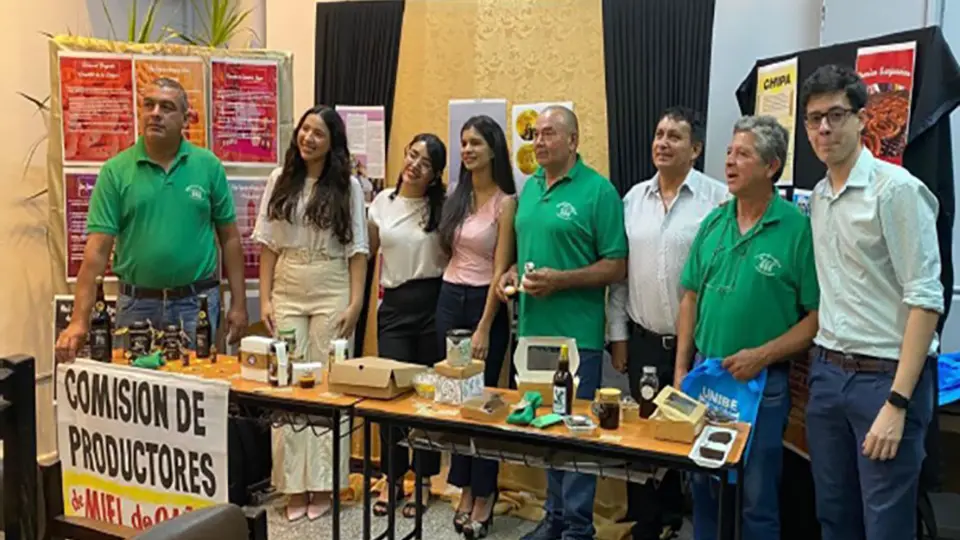
The project concluded with the final seminar where the students presented their proposals comprising 22 packaging solutions. The project provided visibility to the work made by local and indigenous communities, notably women, and supported the commercialization of their products. The project also delivered a Toolkit aimed to support new future editions of the project and assure its sustainability.
Peru
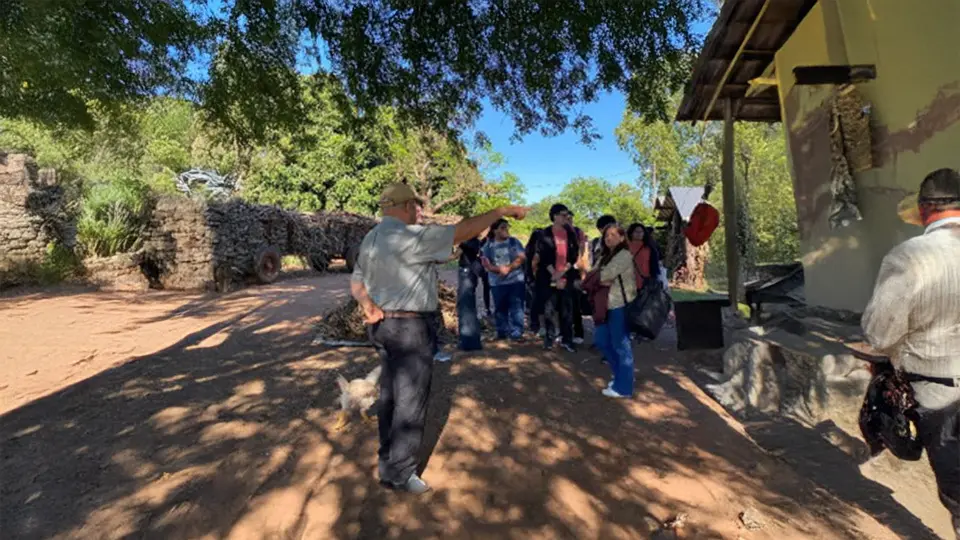
The project was implemented in partnership with the Pontifical Catholic University of Peru (PUC) and the National Institute for the Defense of Competition and Protection of Intellectual Property (INDECOPI). Ten (10) selected students from the School of Design were benefited by training on IP fundamentals and practical workshops, where they had the opportunity to develop design-based packaging proposals for 4 selected products deeply rooted in Peru’s traditions, identity and local economy, namely, avocados and plums from Huarochirí, ceramics from Piura, and traditional bread from Junín.
The activities carried out during the project included three field visits to local communities to better understand the producers’ needs. The results were presented at the final where 4 packaging proposals were showcased. To support the long-term sustainability and scalability, the IP Academy of INDECOPI IP has made academic content available through its platform. A Toolkit was also prepared to facilitate future editions of the project.
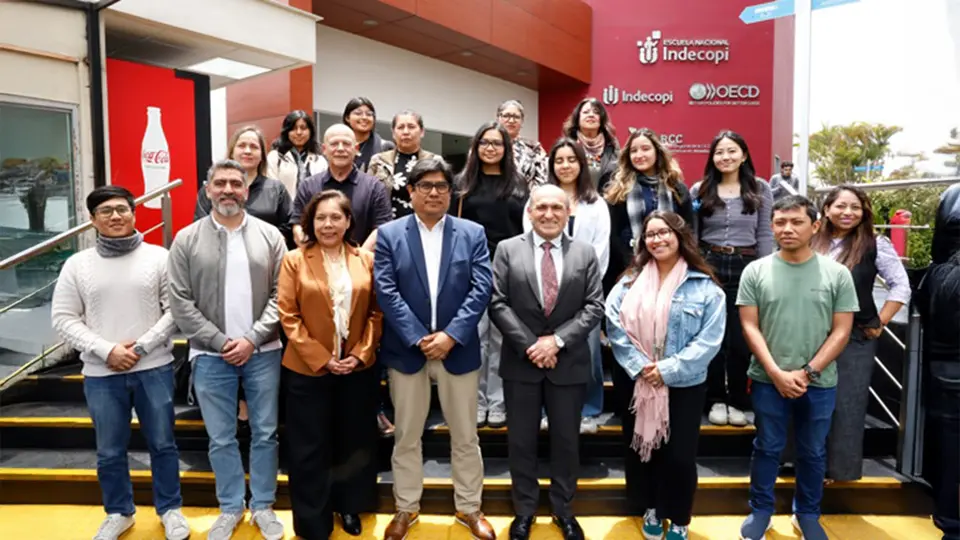
The participant’s testimonial reflected the program's transformative impact.
“Being able to closely experience the reality of producers in my state was truly transformative. Understanding their work, their products, and their challenges showed me how the skills I developed during my studies — combined with this project — could contribute to improving their daily realities through design.”
Ms. Débora Cohlyer, Design Student, UFAM, Brazil
“This experience was incredibly enriching, allowing us to immerse ourselves in a different cultural context and develop meaningful design work. As a future designer, it helped me better understand my profession and inspired me to go further — including pursuing a master’s degree and specializing in geographical indications to better support local producers.”
Ms. Ana Paula Alencar, Design Student, UEPA, Brazil
“My fellow students and I are very grateful; this project has been extremely enriching for our professional careers”.
Ms. Jacqueline Ovando, student of graphic design, Ibero American University of Paraguay (UNIBE).
“This project has brought together talented young designers, promoted the exchange of ideas, creativity, and interdisciplinary collaboration, with the aim of strengthening capacities and generating innovative proposals”.
Ms. Cesar Navarro, Director of Industrial Design, Pontifical Catholic University of Peru (PUCP).