RePG Energy began in 2016 with support from Türkiye's TUBITAK BIGG program and a clear purpose: to harness the heat and moisture naturally present in the environment. What started as a system that produces drinking water from the humidity in the air soon expanded into a broader ambition: to convert gentle, everyday warmth that usually goes unused into electricity, temperature control, and clean water, relying on what specialists call low-grade heat and atmospheric moisture. The guiding idea is that if these overlooked resources can be captured and cycled intelligently, they become reliable and renewable energy sources for real-world needs.
Air electricity generator that brings energy out of moisture
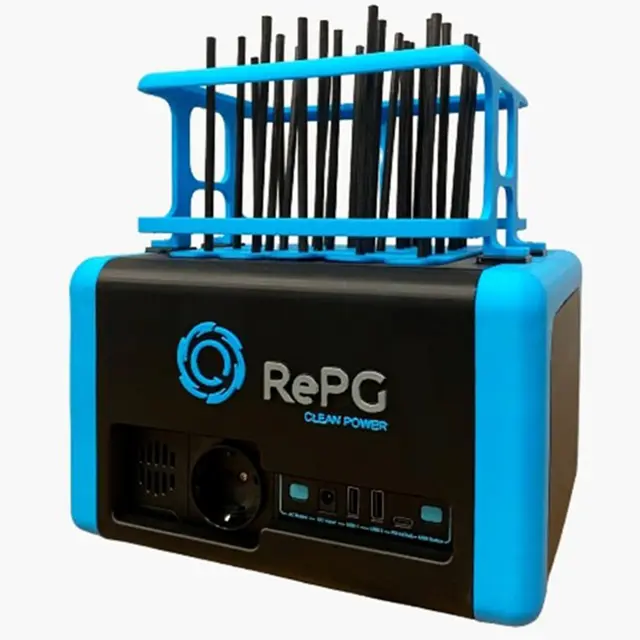
At the center of RePG's work is a repeating process that pulls water from the air, transforms it into movement and then into energy, a loop powered by natural differences in concentration across a thin filtering barrier known as a semi-permeable membrane. Water absorbed into a concentrated solution is then warmed and turned back into vapor inside the device, a step known technically as re-evaporation, creating a steady stream of moving air. That airflow passes through a compact spinning device, the turbine, which turns movement into electricity while enabling heating, cooling, and water generation through the same integrated cycle.
The system does not depend on sunlight or wind. It relies on natural humidity, the gentle heat in the air, and the internal pressure created when water moves through that membrane, a process known in the field as osmotic pressure. Sensors built into the device track the amount of water that crosses the membrane, the amount of vapor produced, and the airflow strength, adjusting the system in real time so it can operate efficiently on its own. RePG's achievement lies not just in finding a new way to tap into environmental energy, but in designing a machine that manages its own cycle and delivers several useful outputs from a single process.
Producing hygroelectricity with smart energy distribution
Designing a device that produces electricity, manages temperature, and generates clean water at the same time required solving several engineering questions. One of the first tasks was keeping the stream of air that turns the turbine steady, which meant balancing how quickly water passes through the membrane, known as membrane flux, with how quickly it turns into vapor, known as the evaporation rate. RePG built a sensor-guided module that automatically handles this balance.
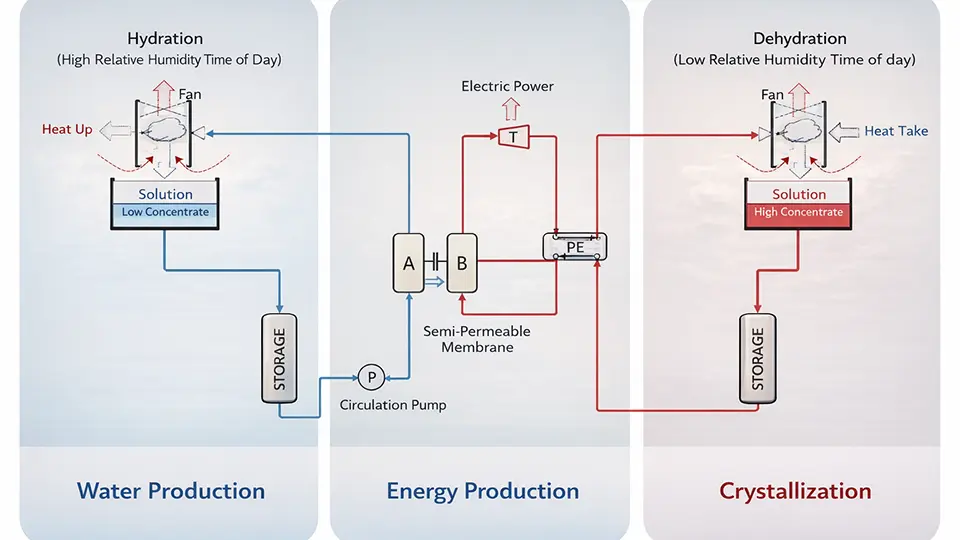
The next challenge was keeping the internal working liquid at the right strength so the system could run continuously. This liquid is the osmotic solution that powers the water movement inside the device, and the team created a version that refreshes itself as it cycles. Coordinating all outputs then required precise software to decide, moment by moment, how much of the system’s energy should go to electricity, water, or temperature control. These decision-making tools, referred to as smart distribution algorithms, help the system respond to user needs without wasting energy. Altogether, these solutions form an integrated architecture in which hardware and software operate as a single, long-lasting system designed for stable performance over many years.
A trial and tested renewable energy technology with multiple benefits
RePG has tested its system in different environments, and the results highlight both environmental and financial benefits. These early installations, known as pilot deployments, showed that the system can significantly reduce the pollution linked to traditional energy use because it draws power from the natural environment rather than from fuels that emit carbon when burned. Users also reported that the device runs consistently, requires little maintenance, is water-efficient, and is easy to operate thanks to real-time monitoring.
From an economic standpoint, the system can pay for itself over a reasonable period as the savings from its combined output gradually match the initial investment. This period is often described as the medium term, meaning that adoption becomes financially attractive without requiring decades to see returns. The combination of clean operation, multiple outputs, and realistic cost recovery makes the technology appealing to both communities and industry.
Waste heat to energy for cleaner mobility
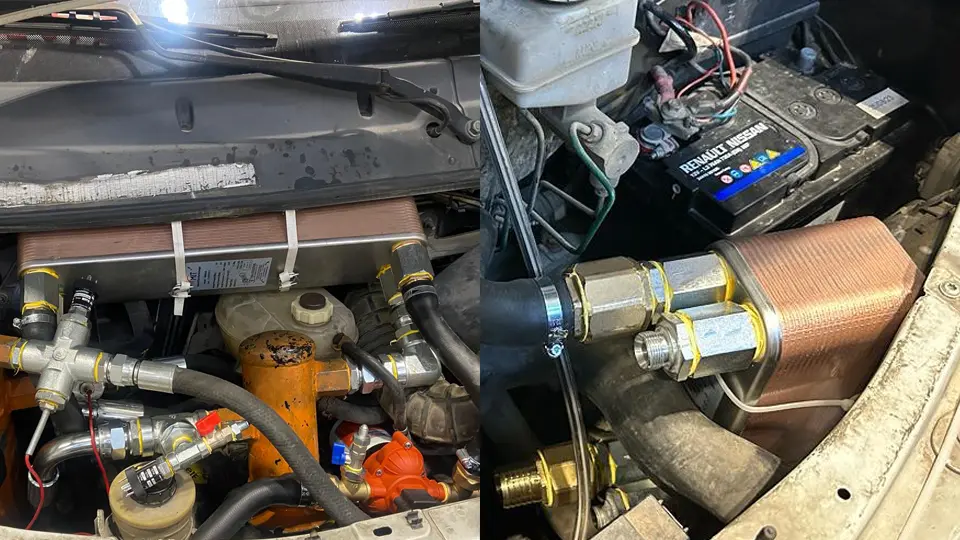
RePG has extended its approach into the automotive sector by developing a system that captures the heat normally released by a vehicle’s engine during operation. This excess warmth, which comes from the engine coolant and the exhaust gases that leave the engine, is usually carried away by the vehicle radiator and lost. RePG’s design uses this wasted heat to generate electricity onboard, reducing the workload on the radiator and lowering emissions in the process.
The system has been tested on Renault and Fiat vehicles in both controlled and long-distance settings, achieving 5% fuel savings during steady cruising at 100 km/h. This demonstrates how the same principle of recovering value from energy that would otherwise disappear into the air can be applied effectively beyond stationary systems.
RePG Energy’s structured IP strategy built for growth
RePG considers intellectual property a central element of its business model. The company protects its technology through a combination of patents, utility models, industrial designs, and trademarks, which together safeguard the broad concepts behind the invention as well as the technical solutions that make it practical. Decisions about what to patent depend on whether the idea is new, commercially meaningful, and strategically important. At the same time, other know-how, such as material recipes, internal software logic, or manufacturing steps, is kept as trade secrets.
By combining tools that protect both the visible and the hidden elements of the system, RePG builds a layered IP strategy that encourages innovation while discouraging imitation. This approach allows the company to grow while keeping control over how its technology is used and developed.
Using WIPO tools to support RePG Energy’s global expansion
RePG’s worldwide patenting efforts extensively use the Patent Cooperation Treaty administered by WIPO. The PCT gives the company a structured way to plan its international filings by offering more time to choose which countries to enter, a unified initial filing, and an international search report that helps clarify the patent landscape before committing to national costs. When selecting countries for protection, the company looks at market potential, competition, cost, and opportunities for collaboration.
RePG also relies on WIPO trademark databases to safeguard its brand identity. By checking new filings regularly and responding when another mark comes close to theirs, the company protects the clarity and recognition of its brand in the markets where it operates. The combination of PCT filings and trademark management shows a deliberate and strategic use of WIPO services to support international growth.
IP is integrated into R&D in green energy, every step of the way
RePG incorporates IP considerations from the very beginning of the research process. Engineers and patent specialists work together to decide which ideas are new enough to protect, which parts of the system may require exclusive rights, and how to ensure that the company can use its own technology without infringing the rights of others. This early evaluation of novelty and protectable elements helps guide engineering choices and reduces the risk of obstacles later in development. It also supports freedom to operate, which means having the legal clarity to make, use, and sell a product without violating existing patents.
Continuous communication between the technical and IP teams, combined with early patentability assessments and regular checks on the competitive landscape, results in technology that is both robust and legally secure. As the company prepares for broader commercialization, it applies a gradual approach to enforcement, beginning with observation and dialogue before considering more formal steps. This allows RePG to protect its technology while maintaining constructive relationships in its sector.
Looking to the future with continued research in clean energy
RePG’s future plans align closely with its commitment to innovation and IP. The company follows developments in clean energy technologies, anticipates long-term needs, and prepares new filings in advance so that its growing portfolio keeps pace with its research. It aims to surpass 100 national and international applications by the end of 2026, ensuring that its work remains protected as it scales.
Taken as a whole, RePG’s story shows how scientific curiosity, thoughtful engineering, and structured intellectual property planning can reinforce one another. The company is not only developing devices but also building a framework for cleaner energy use, wider access to water, and smarter use of the resources we already have. Its approach is grounded and practical, but it also opens the door to a more sustainable way of thinking that can benefit many communities and industries.

