With more than 40 participants, including representatives of five collective mark holders, the two-day training strengthened national capacity to support the development, management and promotion of collective marks in Brazil.
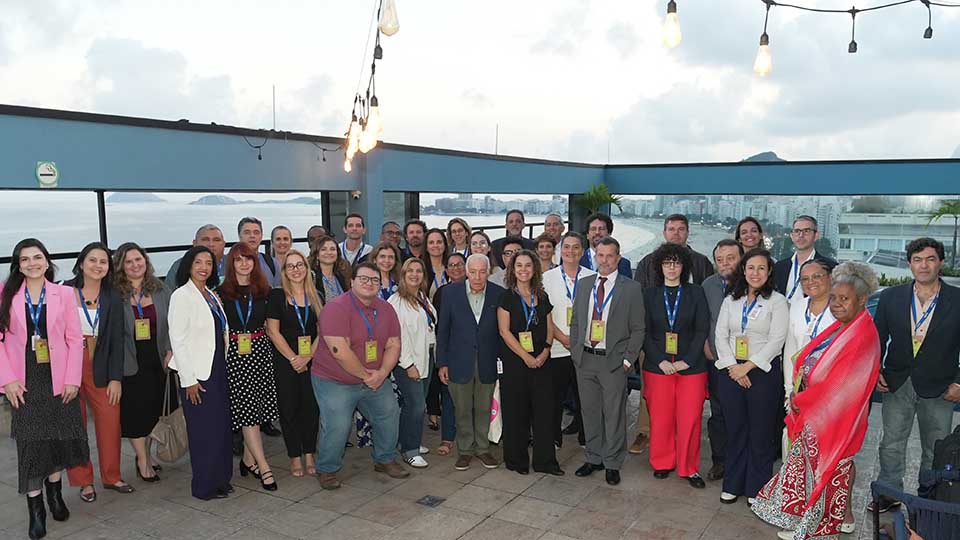
The World Intellectual Property Organization (WIPO), in cooperation with the National Institute of Industrial Property (INPI) of Brazil, organized a Training of Trainers on collective marks in Rio de Janeiro, Brazil, on June 10 and 11, 2026. The activity was conducted under the Development Agenda Project on Sustaining and Strengthening the Role of Collective Marks as a Tool for Economic, Cultural and Social Development through a Holistic Developmental Approach.
The training brought together representatives from National Institute of Industrial Property (INPI), local collective mark holders, and other partner institutions like the Brazilian Micro and Small Business Support Service (SEBRAE), the Pará State Secretariat for Agricultural Development and Fisheries (SEDAP), and the Forum on Geographical Indications and Collective Marks. The training also benefited from expertise from National Institute for the Defense of Competition and the Protection of Intellectual Property (INDECOPI) of Peru. The objective was to strengthen national expertise on collective marks and enhancing the capacity of participants to support local producer groups and associations.
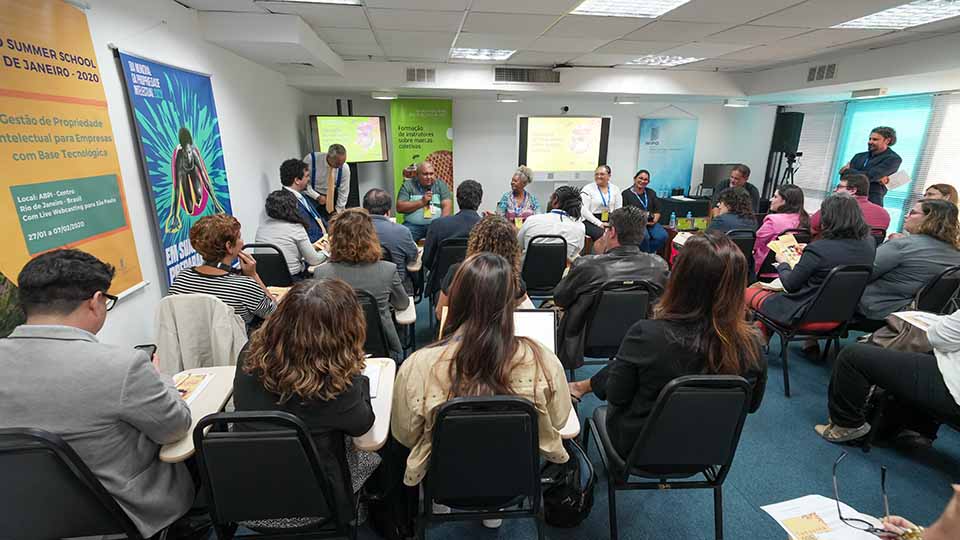
By equipping trainers with practical knowledge and tools, the program aimed to facilitate the wider dissemination of expertise on collective marks throughout Brazil. Throughout the day, experts from WIPO, INPI, SEBRAE and the other partner institutions shared experiences and perspectives, while participants actively contributed through questions and reflections drawing on their respective professional and institutional backgrounds.
Building Knowledge on Collective Marks
The first day of the program focused on the development and structuring of collective marks. Through presentations and interactive discussions, participants explored the role of collective marks in promoting local products and services, supporting economic development and creating shared value for producer groups and communities.
Sessions addressed key topics related to ownership structures, member participation, governance mechanisms and the relationship between collective marks and geographical indications. Participants also examined the development of regulations governing the use of collective marks and discussed practical considerations for their implementation.
Learning from Collective Mark Holders
An important component of the training was the participation of representatives from five collective mark holders in Brazil. Through dedicated panel discussions, participants had the opportunity to hear firsthand accounts of the experiences, achievements and challenges associated with developing and managing collective marks.
Representatives from the Dandara Women’s Collective (Goiânia, Goiás), the Combu Women’s Extractivist Association (Belém, Pará), Flona Tefé (Tefé, Amazonas), the Santarém Riverine Artisans Association (Santarém, Pará) and the Lago Oeste Coffee Entrepreneurs Association (Brasília, Federal District) shared insights from their respective initiatives and exchanged experiences with participants and experts. Bringing together experiences from regions across Brazil, from the Amazon rainforest to the Cerrado, the discussions highlighted how collective marks can support local producers, strengthen community-based enterprises and promote regional identities.
These discussions provided practical examples of how collective marks can be used to strengthen collective identities, support local producers and enhance the visibility of products and services linked to specific communities and territories.

Addressing Management, Enforcement and Promotion
The second day focused on the management and enforcement of collective marks after registration, as well as strategies to maximize their value and long-term impact. Participants explored issues related to governance, monitoring, compliance and protection, while discussing approaches to maintaining the reputation and credibility of collective marks.
Additional sessions examined branding and marketing strategies, highlighting ways in which collective mark holders can strengthen market recognition and effectively communicate the qualities and values associated with their collective identity.
The program also benefited from international perspectives and exchanges of experiences, enabling participants to compare approaches and identify good practices for supporting collective mark holders and producer groups.
Strengthening National Capacity
The Rio de Janeiro training highlighted the importance of capacity-building, peer learning and institutional cooperation in promoting the effective use of collective marks. By combining technical expertise with practical experiences from collective mark holders, the program contributed to strengthening Brazil’s capacity to support collective marks as instruments for economic development, value creation and community empowerment.
As activities under the Development Agenda Project continue, WIPO and its partners remain committed to supporting initiatives that enhance the role of collective marks in fostering sustainable and inclusive development.