The projects bundle practical skills-building with policy support and are developed with Member States to meet specific development priorities and local needs.
The projects bundle practical skills-building with policy support and are developed with Member States to meet specific development priorities and local needs.
All WIPO Member States can benefit from IP cooperation projects targeting specific groups of current or potential IP users across industries. Participants of the projects gain hands-on skills to:
- brand their products,
- register their IP,
- protect their IP assets, plus
- commercialize and license their products.
Projects in numbers
WIPO has initiated 37 projects for 40 member states…
… which have achieved 97 IP registrations across trademarks, geographical indications, designs and copyright.
95% of project participants come from traditionally underserved communities ranging from women, to youth, and SMEs.

How WIPO delivers projects for impact on the ground?
Identification and scoping
Design and formulation
Approval and mobilization
Implementation and monitoring
Evaluation and sustainability
Communication and reporting
Identification and scoping
Design and formulation
Approval and mobilization
Implementation and monitoring
Evaluation and sustainability
Communication and reporting
Projects spotlight
In 2024/25 more than 110 projects were implemented across Member States to empower current and future users of IP across to harness their ideas for betterment of their communities at scale.

In Trinidad and Tobago and in Saint Kitts and Nevis, WIPO worked with IP and national sports authorities to empower athletes and sports agencies to unlock greater economic value.
The project forged an Action Plan with practical policy recommendations to integrate IP into sports governance, modernize legal frameworks, protect image rights and media revenues, raise IP awareness among athletes and sports authorities, strengthen the role of sports facilities as hubs of community and innovation, and foster opportunities for entrepreneurship.

WIPO supported the development of an educational game on IP by youth through the Y2IP Bahrain project which was implemented with the Ministry of Youth, Ministry of Industry and Commerce, Fab Lab Bahrain, and the Bahrain Science Center for SDGs.
Youth across Bahrain learned how to turn creativity into opportunity through trademark registration, copyright awareness, IP strategy development, and learning through playing.
They built games to teach others how IP works, took part in bootcamps, design sprints, and engaged in co-creation sessions, mentored by national experts and creative leaders.

Through a WIPO-led project, 25 traditional medicine practitioners in Botswana are now embracing IP, branding, marketing and commercialization to enhance their products and market value.
The traditional medicine practitioners have filed for the protection of 6 trademarks and 10 traditional knowledge rights after training and mentorship from the project.
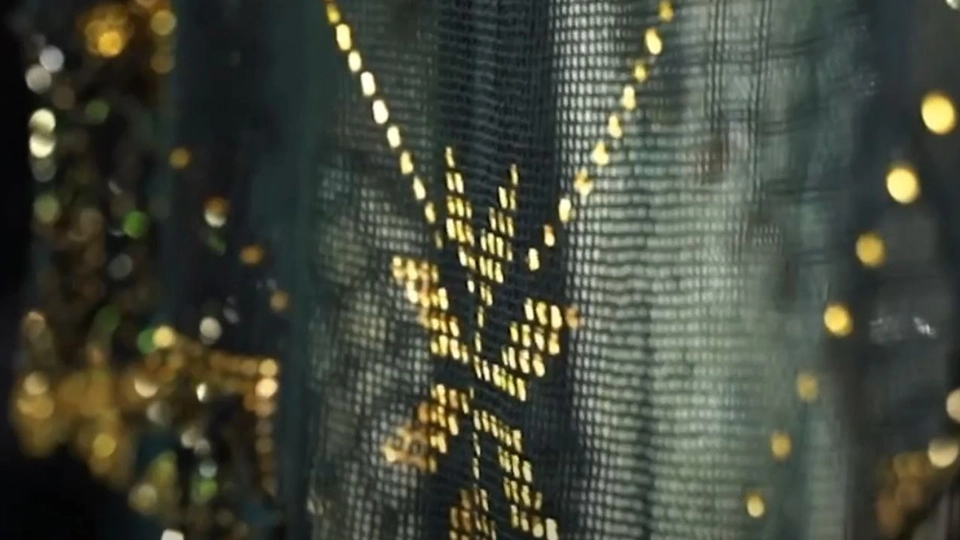
WIPO and Egypt’s National Council for Women teamed up to support 20 women artisans from Sohag to transform the traditional craft of Tally embroidery into growing businesses through the strategic use of IP.
The project supported the application of 18 individual trademarks, and the successful development and registration of the collective mark “Tally Shandaweil”. The outcomes of the project helped artisans strengthen recognition of their products, expand market opportunities and preserve an important element of Egypt’s cultural heritage.
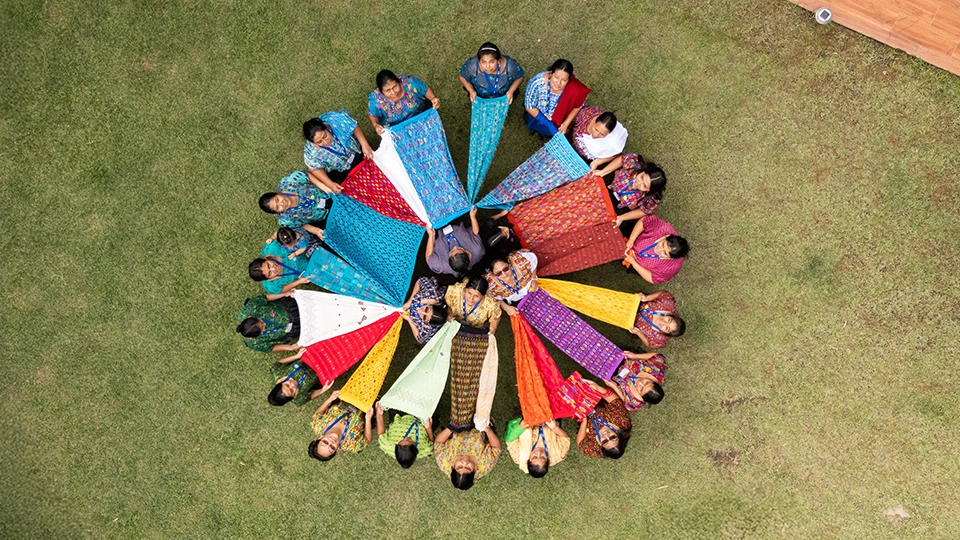
As a result of a WIPO project with the Ministry of Economy and Institute of Tourism in Guatemala, 30 Poqomchi’ Indigenous women weavers strengthened their skills in IP, branding, e-commerce and digital marketing to grow their businesses while preserving their ancestral textile traditions.
The project enabled the creation and filing of three trademarks rooted in Mayan identity, helping the weavers protect and promote their products, enhance market recognition and create new economic opportunities.
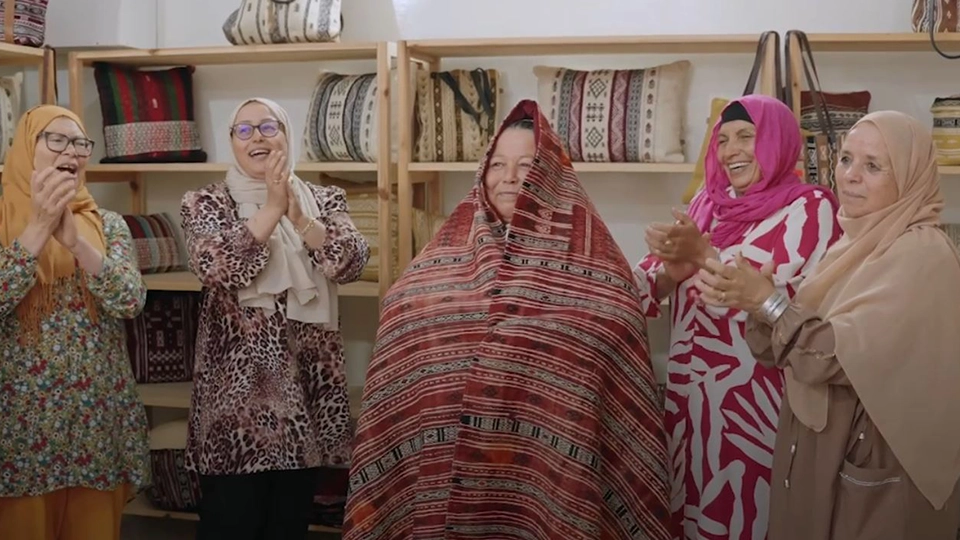
In Tunisia, a WIPO project implemented with the National Office of Tunisian Handicrafts, empowered 38 women artisans in Jebeniana to use IP for branding, commercialization and business development.