WIPO Global Awards 2026

Celebrating Innovation and the Power of IP for SMEs and Startups Across Five Sectors, and, for the First Time, Sports

Selected from 1,300 applications submitted by companies in 126 countries, the 33 finalists of the 2026 WIPO Global Awards represent startups and SMEs that have turned ideas into businesses, and used IP to protect them, grow them, and take them global. 
All 33 finalists join the WIPO Global Awards Alumni Community, gaining access to investor and accelerator matchmaking, expert talks on IP strategy, and curated introductions to events and opportunities throughout the year.
Winners will be selected by an international jury of entrepreneurs, investors, and industry leaders and announced live on Friday, July 10, during the WIPO Assemblies in Geneva, in front of delegates from 194 countries.

Meet the finalists

The 2026 finalists are grouped across six categories: Agriculture & Food, Creative Industries, Environment, Health, ICT, and – new this year – Sports. They were selected based on four criteria: their business case and current IP portfolio, future growth and international IP strategy, IP culture within the company, and their potential for positive societal impact. Finalists are recognized in both SME and startup tracks.

SMEs

Start-ups

AgZen

AI-optimized crop spraying — United States of America
Less than 10% of what farmers spray actually reaches the target crop, wasting chemicals and money at massive scale. AgZen's RealCoverage system uses optical sensors mounted on existing sprayer booms to measure droplet deposition in real time and guide operators to adjust pressure, speed, and nozzle configuration within the same pass, delivering a 2.5x increase in droplet coverage per leaf and a 30–50% reduction in chemical use. No product advances to commercial launch without appropriate filings in place ; every field deployment is preceded by patent protection, ensuring that what took years to build cannot be replicated overnight.

Biome Technologies

Portable soil health diagnostics — India
Over 140 million Indian smallholder farmers make input decisions without reliable soil data, using more fertilizers and pesticides but getting lower profits and weaker soils, accelerating degradation across nearly 150 million hectares of already depleted land. The Soilometer makes soil biology measurable in the field: a real time microbial health diagnostic covering six parameters in under three hours, at roughly 300 rupees (USD 3.50) per test, operated by local community members with no laboratory background. Every test makes the system smarter, and for the founders, this is what IP really means: not just legal protection, but a growing body of scientific knowledge ensuring that innovations solving real problems can scale globally.

Palmear

Acoustic pest detection in trees — United Arab Emirates
The red palm weevil spends roughly 80% of its life cycle hidden inside the trunk, invisible until the tree is already dying. Palmear's patented bioacoustic sensors listen for larvae feeding inside the wood, delivering a tree-by-tree infected-or-clear diagnosis in under 20 seconds without specialist training. The founding story begins with a family farm near Jericho destroyed by the pest, Zeid Sinokrot built the solution his father never had, and protected it with granted patents in key palm-cultivating markets before expanding commercially.

INFIRA

Annual crops made perennial — Argentina
Each year, nearly 70% of the world's agricultural land is ploughed, sown, and harvested in cycles that consume machinery, inputs, water, and soil. INFIRA's biotechnology platform reactivates a gene lost during crop domestication 80 million years ago, enabling commercial crops such as rice and soybean to survive multiple harvests from a single sowing. The technology was first patented in Argentina and filed internationally through the PCT system, with grants already secured in key agricultural markets aligned with the company's licensing strategy.

Savanna Circuit Technologies

Solar cold chain for farmers — Kenya
Across rural Africa, smallholder dairy farmers lose up to 40% of milk to spoilage because cooling infrastructure stops far from where milk is produced. Savanna Circuit’s SOLAR THRIVE ecosystem combines solar-powered ice water dispensers, insulated transport cans, and a digital dairy management system, delivered under a cooling-as-a-service model so cooperatives pay per use rather than buying expensive equipment. The company secured patent and industrial design protection prior to the broader commercial rollout of the new product configuration.

Plantvoice

Biosensors inserted in plants to monitor crop health — Italy 
Most agricultural monitoring systems read soil moisture or weather data from outside the plant, estimating crop needs rather than measuring them directly. Plantvoice's biocompatible sensor is inserted directly into the stem, continuously analyzing sap flow and ionic composition to detect water stress, disease, or nutritional imbalance before any visible symptom appears. Patent protection was secured before scaling commercialization: early deployments with research institutions and supply chain partners only began after the core sensing invention was formally protected.

SMEs

Start-ups

Jade ND

Game-based learning platform for neurodivergent children — Brazil
Early identification of neurodevelopmental conditions such as autism and ADHD depends on scarce specialists, long waiting times, and high costs, delaying intervention during the most critical stages of children’s development and hindering their educational potential. Jade's platform embeds cognitive assessment directly into gameplay, capturing behavioral data to generate individualized developmental insights for educators, therapists, and families. The platform has supported over 180,000 children across more than 170 countries, accelerating educational outcomes for neurodivergent children by 42%, and won the Zayed Sustainability Prize worth USD 1 million.

AUROARTS

Wild botanicals preserved and crafted into durable art pieces — India
AUROARTS grew from a simple observation: overlooked wild botanicals and underemployed rural women occupied the same landscape, yet no one had connected them. Through years of experimentation, founder Anuradha Sahu developed a botanical preservation technique that transforms hand-plucked native wild flora into durable decorative art pieces without toxic chemicals. That grassroots process has since been patented in five countries across three continents.

Melodie Music

AI music licensing, 50% back to composers — Australia
Digital content creation has grown exponentially, yet music licensing remains a persistent challenge for content creators seeking legally cleared music, while independent composers often struggle to generate sustainable income from their work. Melodie's platform combines AI-powered search with a catalogue of over 5,500 fully rights-cleared original works, giving composers 50% of all revenues in perpetuity.

DABIDA

Handwriting-based AI tutoring system — Republic of Korea
Most AI tutoring platforms evaluate only whether a final answer is correct, missing the entire reasoning process that determines whether a student has actually understood. DABIDA's GENITEACHER captures every stroke of a student's handwriting in real time, analyzes the problem-solving process step by step, and delivers progressive hints that guide students toward the answer. Protected by 23 registered patents, every distribution agreement across seven countries was anchored by the strength of that protected technology.

MONSTA Studios

Original superhero animation franchises — Malaysia
Southeast Asian animation studios have long faced barriers to global distribution, competing in markets where Western and Japanese content has held the dominant position. MONSTA has built an interconnected universe of original 3D animation franchises now distributed on Netflix, Cartoon Network, and Disney Channel across more than 100 countries. The final title of Papa Zola the Movie was chosen specifically because the trademark was already registered, commercial protection secured before the first poster went up.

Manetho

AI hieroglyphic translator, AR museums — Egypt
Millions of tourists stand in front of ancient inscriptions every year without understanding a single symbol. Manetho's platform uses computer vision and AI to recognize and translate Egyptian hieroglyphs in real time from a mobile image, and layers augmented reality storytelling onto museum artifacts. The company secured its trademark before entering global markets and events, ensuring the brand was protected before any international exposure.

SMEs

Start-ups

Botree

Lithium battery recycling — China
By 2030, retired power batteries will exceed 12 million tons globally, yet existing recycling technologies struggle to meet both cost and environmental standards simultaneously. Botree's proprietary recycling technology recovers critical battery materials (nickel, cobalt, manganese, and lithium) in a single extraction step, cutting the process time by 50% and achieving lithium recovery rates of 90–95%. IP due diligence was the first step when a European partner approached for collaboration; formal negotiation only began after confirming core technology was protected by local law.

FLOSFIA

Energy-saving chips for greener electronics — Japan
Power semiconductors control electricity flow in everything from EV drives to data centers, yet the dominant material, silicon carbide, is expensive and energy-intensive to produce. FLOSFIA has commercialized a gallium oxide chip that outperforms silicon carbide at a fraction of the cost, using a low-energy atmospheric manufacturing process. Rather than selling chips alone, the company licenses its technology through milestone payments and royalties to partners including Mitsubishi Heavy Industries and DENSO, backed by 400+ granted patents.

ROC Water Technologies

Mining wastewater treatment — South Africa
Industries like mining and power generation produce vast quantities of contaminated wastewater they cannot treat affordably: disposal is costly, regulation is tightening, and conventional technologies fall short. ROC Water’s patented process recovers clean water and sellable salt products from wastewater streams that others write off as waste. Operating at a fraction of the energy cost of conventional methods, the technology has been validated through commercial operation in South Africa and an international challenge run by Innovate UK and Veolia.

Phabuilder

Low-cost microbial bioplastics — China
Over 430 million tons of plastic are produced globally each year, two-thirds of which become short-lived waste, yet biodegradable alternatives remain too expensive for mainstream adoption. Phabuilder's next-generation biotechnology uses bacteria in an open, non-sterile fermentation process using seawater as a medium, cutting energy consumption by over 50% compared to traditional biomanufacturing. An international patent portfolio is being built in parallel with commercial expansion, aligned with the markets where partnerships and distribution are most strategically important.

SPACECOOL

Zero-energy cooling for datacenters and buildings — Japan
Data centers alone are projected to double their power consumption by 2030, and cooling is a growing share of that burden. SPACECOOL is an ultra-thin film that reflects sunlight and releases heat through the atmosphere, keeping surfaces cooler than the surrounding air with no electricity whatsoever. Spun off from Osaka Gas Group, the company operates under a fabless model, licensing its patented material technology to manufacturing partners who integrate it into their own products, enabling rapid global expansion without owning production facilities. It has already been installed in 10,000 units worldwide and deployed at Expo 2025 Osaka.

Saltech Design Labs

Plastic waste recycled into construction materials — India
Millions of tons of low-value plastic packaging – too mixed and contaminated to recycle through conventional means – end up in landfills or incinerated near communities that bear the health consequences. Saltech's patented process combines unsorted plastic waste with industrial by-products to produce construction materials that outperform concrete alternatives, with no cement or water required. Patents granted in India and the United States, with an international filing strategy aligned with the company's expansion roadmap.

SMEs

Start-ups

ArteryFlow

AI cardiovascular diagnostics platform — China
Cardiovascular diseases claim approximately 18 million lives annually, yet precision diagnostics remain concentrated in elite hospitals and largely inaccessible at primary care level. ArteryFlow's AI platform applies aerospace fluid dynamics to human blood flow, delivering non-invasive coronary and cerebrovascular assessments from standard imaging in under five minutes, at 25% of the cost of invasive wire-based methods. The platform holds regulatory clearance in China, the United States, and Europe simultaneously, and has been deployed across 400+ medical institutions serving over 100,000 patients.

PHIOGEN

Therapy for recurring urinary tract infections — United States of America
Urinary tract infections affect over 400 million people annually, with roughly 40% experiencing recurrence and over 50% harboring multidrug-resistant bacteria, yet no FDA-approved preventive therapy exists. PHIOGEN's PHI-UI-01 uses a directed evolution platform to produce a biologic eliminating infection within 24 hours while generating lasting immune protection against reinfection, a dual-action mechanism no antibiotic or vaccine has demonstrated. Patents were filed based on real clinical cases before broader disclosure, a discipline now standard across all company operations.

Craif

Urine-based multi-cancer detection — Japan
Most cancer screening methods require needles, radiation, or clinical visits, barriers that lead millions to skip testing altogether. Craif's AI platform analyzes microRNA biomarkers from a simple urine sample to detect multiple cancer risks simultaneously, with no hospital visit required, turning subtle biological signals into life-saving insights. Spun off from Nagoya University, the company has built a commercial network of over 2,000 medical institutions and 4,600 pharmacies across Japan, with a proprietary biomarker database and AI models fully owned by the company underpinning its international expansion strategy.

Regend Therapeutics

Lung tissue regeneration — China
Chronic lung diseases affect hundreds of millions worldwide, yet existing treatments can only slow progression, none can repair damaged lung tissue. Regend's cell therapy uses a patient's own lung stem cells to reconstruct functional lung structures, with Phase II trials showing statistically significant improvements in breathing capacity. Over 150 paid treatments have been completed in China's Hainan pilot zone, the next-generation product has received FDA Orphan Drug Designation, and core patents cover the full chain from cell extraction to therapeutic application.

Raynovent

Anti-influenza drug beating drug-resistant strains — China
Existing anti-influenza drugs face a growing resistance crisis, over 50% of recurrent cases now involve strains that standard treatments cannot reliably clear. Raynovent's Onradivir targets the flu virus at a different point in its replication cycle, proven effective against drug-resistant strains and tested in large clinical trials (Phase III) with results published in one of the world's top medical journals (The Lancet). Approved in China in 2025 and included in the national reimbursement list, core compound patents are granted in China, the United States, Europe, and Japan, with market exclusivity expected until 2040.

UNTECH

Treatment for chronic wounds — Argentina
Diabetic foot ulcers, pressure sores, and venous ulcers can remain open for months or years, resisting treatment and leading to amputation in the most severe cases. UNTECH's formulation combines five molecules and one enzyme into a single product targeting all major barriers to healing at once, with preclinical results showing rapid bacterial clearance and lasting protection against reinfection. A fast-track strategy at the USPTO secured the US patent at an unusually early stage, enabling the company to enter national phases across more than 40 countries.

SMEs

Start-ups

ICTK

Keyless hardware security chips  — Republic of Korea
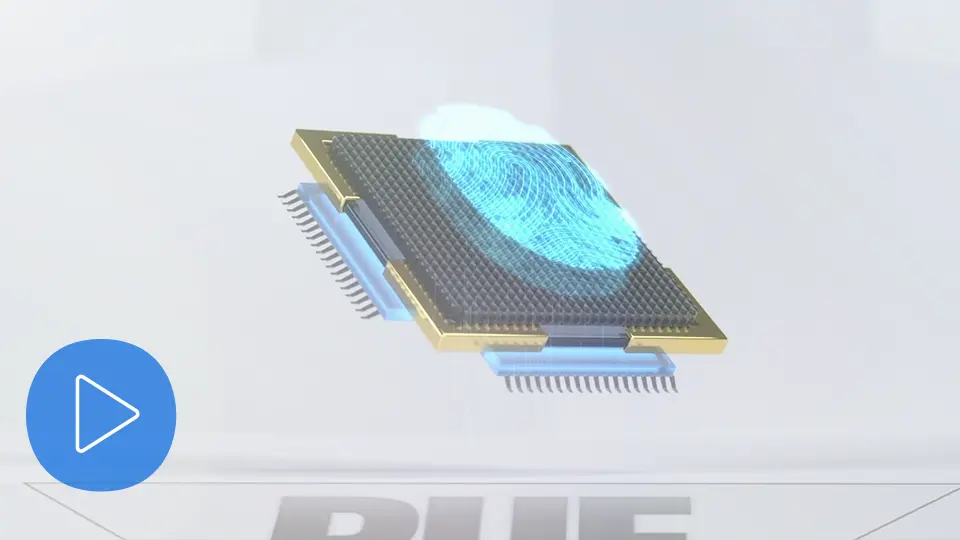
Every connected device stores a secret cryptographic key in memory — and that stored key is what hackers target. ICTK's chips generate a unique security fingerprint from the microscopic variations naturally occurring during semiconductor manufacturing, eliminating the need to store any key at all. Listed on the Korean stock exchange, the company operates a dual revenue model combining hardware sales and IP licensing, backed by over 300 global patents and a recent USD 15 million strategic investment from quantum security firm BTQ Technologies.

Drovid

Drones detecting human-caused forest fires early — Chile
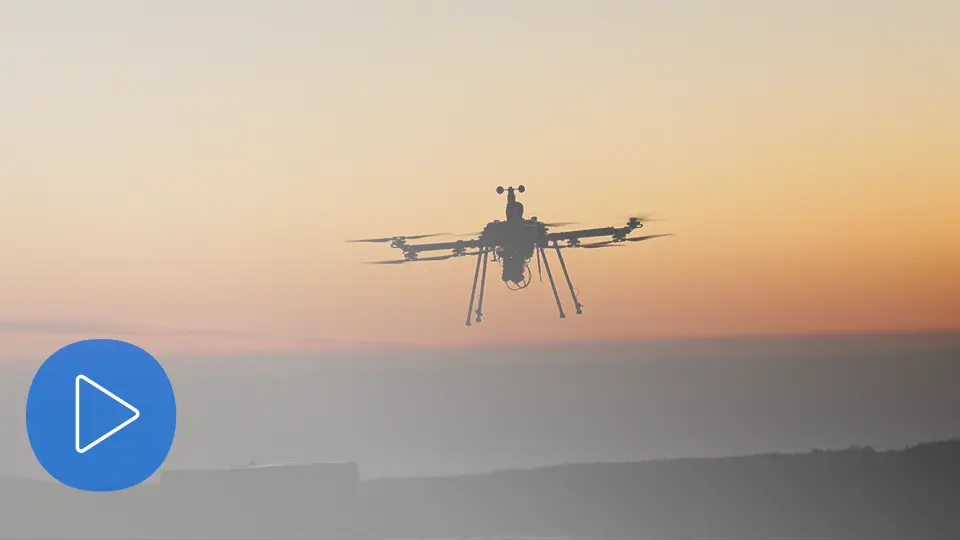
99% of forest fires worldwide are caused by human activity, yet most monitoring systems only detect fires once they have already started. Drovid's autonomous drones use onboard AI to scan up to 20,000 hectares per flight, identifying human presence and early smoke signatures before ignition, transmitting processed intelligence rather than raw video to keep response times minimal. The prevention method and system are protected through an international PCT patent application, with trademark coverage across 58 countries.

Rokid

AI glasses with augmented reality display — China
Smart glasses have long promised to overlay digital information onto the real world, but weight, cost, and complexity have kept them out of everyday life. Rokid's AI glasses weigh just 49 grams and are deployed across museums, industrial sites, and consumer markets in over 100 countries, with more than 300,000 units shipped. With 613 patents across multiple jurisdictions and 491 trademarks registered in 34 countries, the company has built one of the broadest IP portfolios in the augmented reality industry.

MIMOPT

Digital twins for optical networks — France
Telecom operators upgrading their networks to add capacity, cut energy use, or switch suppliers, risk disrupting live services if something goes wrong, and have limited tools to test changes before deployment. MIMOPT's simulation platform creates a digital twin of an optical network, allowing operators to test upgrades, migrations, and optimizations in a virtual environment before touching the physical infrastructure. Spun off from Télécom Paris after 15 years of research, the company holds 11 patent families covering the core signal processing technologies at the heart of the platform.

Whale Seeker

AI marine mammal detection for industrial compliance — Canada
Industrial operations at sea (e.g. offshore energy, shipping, seismic surveys) face growing regulatory pressure to prove they are not harming protected marine mammals, yet traditional monitoring methods are slow, costly, and weather-dependent. Whale Seeker's AI platform processes aerial and drone imagery to detect and classify marine mammals in real time, enabling operators to make immediate mitigation decisions. Developed in partnership with Transport Canada, its proprietary detection models and ecological datasets are protected as trade secrets, built from years of fieldwork that no competitor can shortcut.

OrionX

Africa's sovereign AI infrastructure — Botswana
Most AI systems are built on Western data, hosted offshore, and optimized for high-bandwidth English environments, forcing African businesses and institutions to depend on infrastructure that was never designed for their context. OrionX's Uhuru platform delivers AI that understands African languages, regulatory frameworks, and local business realities, accessible through web and WhatsApp without requiring high connectivity. The company protects its core model architecture and training methods as trade secrets, with trademark and copyright protection filed across its operating markets.

SMEs

Start-ups

Bearmind

Helmet sensors tracking brain health in contact sports — Switzerland
In contact sports, repeated head impacts below the threshold of a diagnosed concussion accumulate silently across a season, yet no tool currently monitors them reliably during real training. Bearmind's sensors transform any standard helmet foam into a distributed force-sensing matrix, feeding a clinical analytics platform that detects cognitive changes before symptoms appear. Approved by both the Professional Hockey Players' Association and its women's equivalent, the company signed a Joint Development Agreement with Bauer (the leading ice hockey helmet manufacturer) with two PCT patent families underpinning all commercial negotiations.

Mirai Tech

Battery-free insoles monitoring movement and injury risk — Kazakhstan
Coaches and medical staff managing athlete workloads in professional team sports rely largely on observation and instinct; early signs of overload or asymmetry in how an athlete moves go undetected until damage is done. Mirai Tech embeds self-powered sensors into insoles, generating continuous lower-limb biomechanical data (e.g. knees, ankles, and hips) from the athlete's own movement, and translating it into actionable insights for performance and medical staff. Developed from six years of university research, the core sensing technology is patent-protected in Kazakhstan with international filings underway.

Guardian Sports

Soft-shell reducing head impact — United States of America
Players at every level of American football absorb hundreds of head impacts per season, yet traditional helmets were designed to prevent catastrophic injury, not to reduce the forces of routine collisions. Guardian Sports' answer is a soft-shell cover that fits over any existing helmet, absorbing and dissipating impact energy before it reaches the head, with no sensors, no data, no app required. From youth leagues to the NFL, more than 500,000 athletes worldwide now wear it, backed by 9 granted patents and the 2025 IPOEF Inventor of the Year award.