The World Intellectual Property Organization (WIPO) and the Intellectual Property Office of Singapore (IPOS), in cooperation with the Singapore Cooperation Program (SCP) and with the support of the Japan Patent Office (JPO), convened “Unlocking IP Value: A Regional Dialogue on IP Valuation and Financing Across Southeast Asia” in Singapore from August 24 to 26, 2026. The dialogue brought together representatives from ASEAN Member States, government ministries and agencies and IP offices, to share experiences and advance regional cooperation on IP valuation and financing.
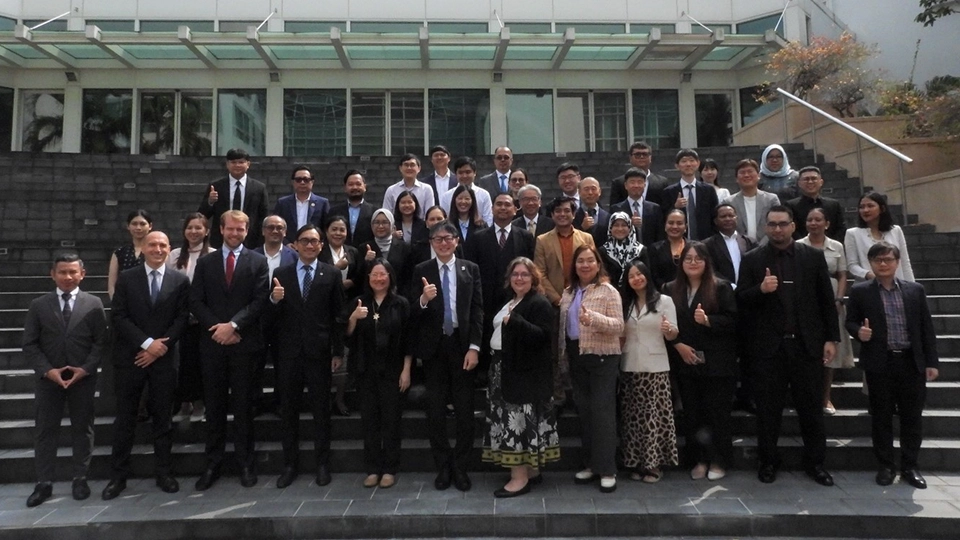
Participants, speakers and organizers of the Regional Dialogue on IP Valuation and Financing Across Southeast Asia.
Building the Foundations for IP Valuation and Financing
Day 1 focused on the foundations needed to build trusted IP valuation and financing ecosystems. Ms. Allison Mages, Head of WIPO’s IP Commercialization Section, outlined how governments, development banks, financial institutions, valuers and insurers can work together to address financing gaps faced by intangible-intensive businesses. Mr. Alex Haigh of Brand Finance complemented this with data showing the growing value of intangible assets, while highlighting persistent ASEAN gaps in disclosure, valuation practices and the use of IP as collateral.
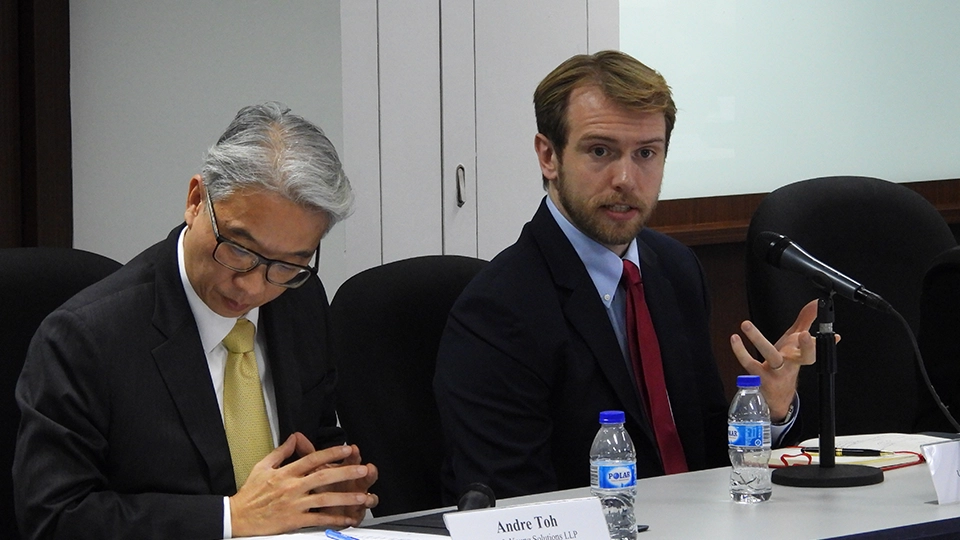
Mr. Andre Toh and Mr. Alex Haigh during the session on market realities and strategic gaps in IP valuation and financing.
Ms. Chua Ai Leng of EY-Parthenon and the Institute of Valuers and Appraisers, Singapore (IVAS) introduced Singapore’s Intangible Asset Valuation Guidelines and explained how greater transparency around assumptions, risks, economic life and valuation methods can strengthen confidence in valuation outcomes. ASEAN Member States then shared their own approaches, including Indonesia’s IP-backed financing framework and pilot, Malaysia’s efforts to build IP valuation capacity, Thailand’s engagement with financial institutions, and the Philippines’ development of the ASEAN IP Valuation Handy Manual.
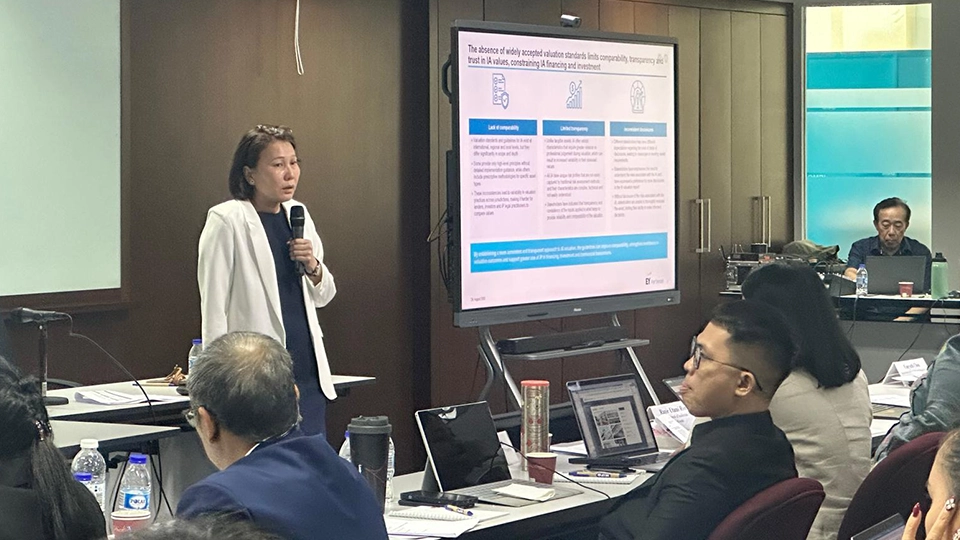
Ms. Chua Ai Leng presents Singapore’s Intangible Asset Valuation Guidelines and their role in strengthening confidence in IP valuation.
The discussions then shifted to the practical characteristics and conditions that make IP a viable asset for financing . Mr. Michael Kos of WIPO highlighted the legal, regulatory, valuation and risk-sharing conditions that have supported IP finance in different markets. Ms. Lally Rementilla of IP Investment Partners emphasized the importance of predictable IP-linked cash flows, risk-adjusted returns and a scalable pipeline for investors, while Mr. Jeremy Loh of Genesis Alternative Ventures discussed the challenges faced by Southeast Asian lenders in assessing IP and the potential role of specialist expertise and IP as supplementary collateral.
From Frameworks to Market Practice and Regional Action
Day 2 shifted the discussion from frameworks to how IP financing works in practice. Mr. Murli Ravi of Tin Men Capital emphasized that investors ultimately finance businesses, not IP in isolation, and look at factors such as the team, market opportunity and commercial traction. Ms. Mary Jade T. Roxas-Divinagracia of PwC Philippines highlighted the importance of sustainable cash flows and commercialization, while Ms. Christine Ng of Adastra Intellectual Property discussed how valuation can translate IP into information that lenders and investors can use in financing decisions.
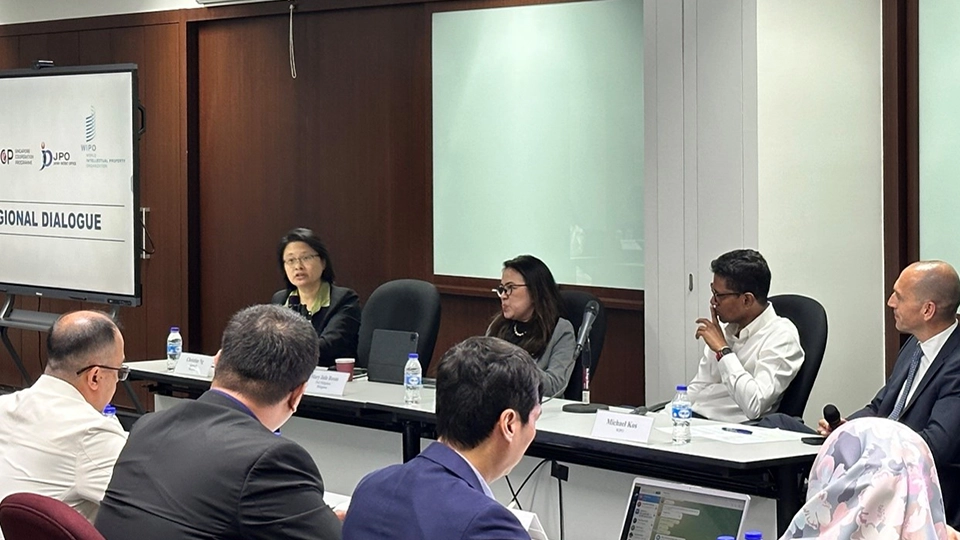
Ms. Christine Ng, Ms. Mary Jade T. Roxas-Divinagracia and Mr. Murli Ravi, with moderator Mr. Michael Kos, discuss market perspectives on IP valuation and financing.
Further, drawing on the Republic of Korea’s experience, Mr. Choi Jin Yong, CEO of Lux Ventures, highlighted how IP financing can evolve from valuation and public risk-sharing towards a broader institutional ecosystem linking valuation, repayment capacity, risk mitigation, commercialization and recovery. He emphasized that IP ownership alone does not create bankability and that different financing purposes require different approaches to value.
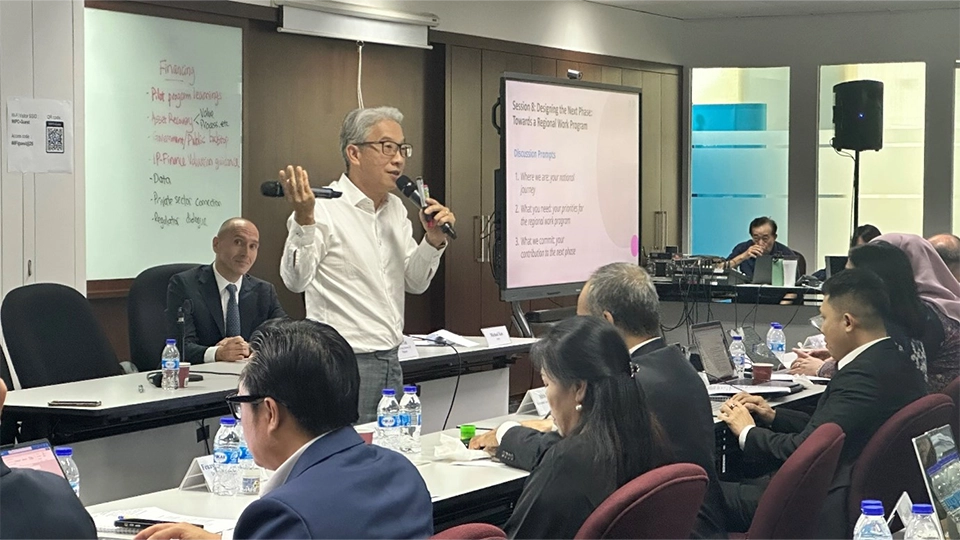
Mr. Andre Toh facilitates the Day 2 discussion on regional priorities and the next phase of the ASEAN IP Valuation Project.
The dialogue concluded with ASEAN Member States identifying possible priorities for the next phase of regional work, including practical valuation guidance, common terminology, model reports and case studies, stronger professional and financial-sector capacity, improved access to transaction data, and continued engagement with regulators and private-sector partners. The discussions will help inform the next phase of the WIPO ASEAN IP Valuation Project and wider efforts to strengthen IP valuation and financing ecosystems across the region.