Sports Sponsorships
Companies seeking to promote their brand, build their reputation and develop deeper customer relationships often team up with a sporting organization or associate themselves closely with a sporting event. Sports sponsorship offers them massive exposure as the millions of fans and viewers who tune into sports events across the globe see the brands in question many hundreds of times.
In sports, brands can sponsor a team, a league, an athlete, a venue or a tournament depending on their marketing strategy.
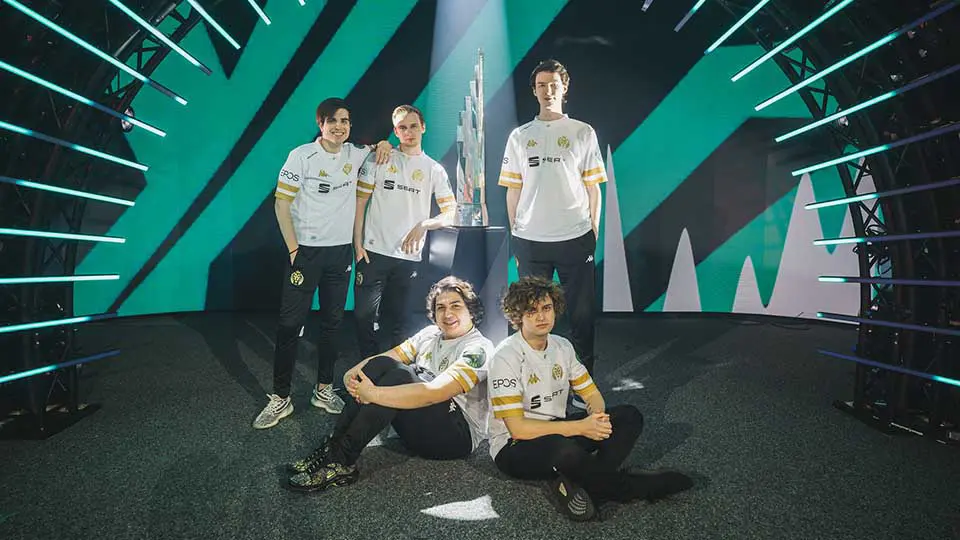
Team sponsorship
Team sponsorship is a partnership between a brand and a sports team under which the sponsor gets brand exposure in exchange of financial support and/or equipment.
As an example of one of the most successful team sponsorships deals is Red Bull in Formula 1. In 2004, Red Bull purchased the Jaguar racing team rebranding it Red Bull Racing, surpassing traditional sponsorship. This has increased Red Bull’s global brand visibility and reinforced its positioning as a high-energy drink.

Athletes' endorsements
Athlete endorsement is a form of marketing that consists in associating a brand’s products or services to an athlete’s image that shares common values. A personality licensing agreement is concluded that allows the brand to use the athlete’s name and image for commercial exploitation.
For example, Olympic gold medalist, Simone Biles endorses the sportwear brand Athleta and they co-launched the Athleta Girl x Simone Biles product line to inspire the next generation of female athletes.

Sponsorship of sports events
Flagship sporting events, such as the Olympic Games, which capture the imagination, stir the emotions and inflame the passions of fans across the globe, are extremely effective international corporate marketing platforms from which a company can create awareness, enhance its image and foster goodwill.
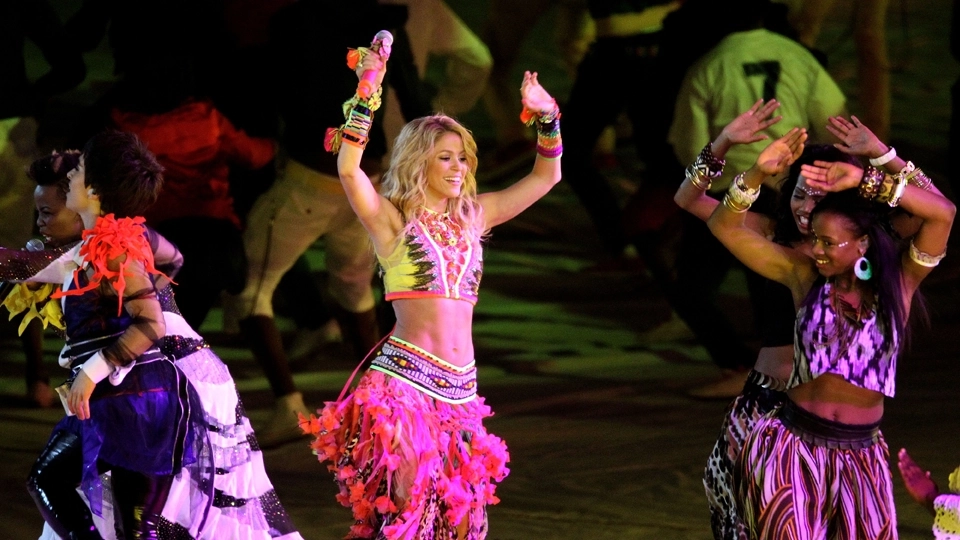
FIFA’s approach to sponsorship for instance offers its partners a multitude of ways to promote themselves and their products in conjunction with the FIFA World Cup™ and other FIFA events. The marketing rights are broad enough to include everything from grassroots initiatives to the names of the logos on signs captured on television during matches.
A three-tier sponsorship structure has FIFA Partners in the first tier, FIFA World Cup Sponsors in the second tier and National Supporters in the third tier for each FIFA event. The six FIFA Partners have the highest level of association with FIFA and all FIFA events, as well as playing a wider role in the development of football around the world.
FIFA World Cup Sponsors have rights to the FIFA Confederations Cup and the FIFA World Cup™ on a global basis. The main rights for a sponsor in this tier are brand association, the use of selected marketing assets and media exposure, as well as ticketing and hospitality offers for the events. Meanwhile, the National Supporter level allows companies with roots in the host country of each FIFA event to promote an association in the domestic market.
Licensing for sports merchandising
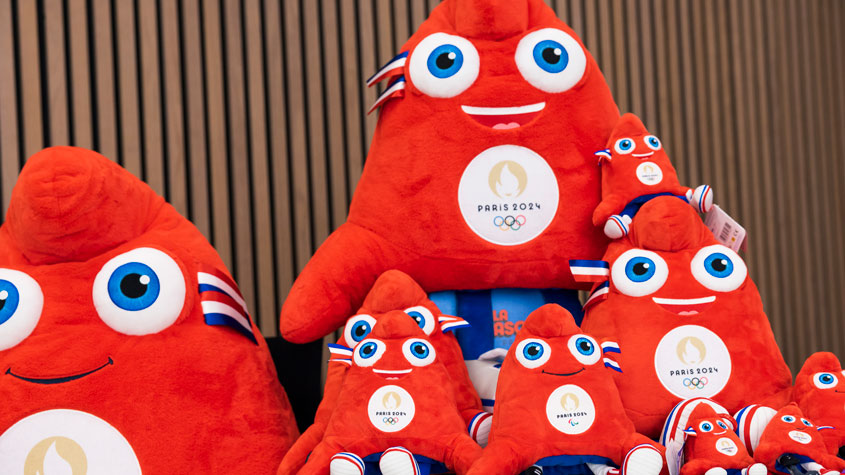
A trademark license underpins all merchandising programs and grants rights without transferring IP ownership. It defines the relationship between the owner of a trademark (licensor) and the producer of the goods or services to which the mark is to be affixed (the licensee). While licensors are not involved in the manufacturing of the products, for their reputation’s sake they must ensure that licensees maintain the quality of the product bearing their trademark.
Licensing for merchandising within the sports industry provides rights holders with enormous strategic, marketing and earning potential as sports merchandise:
- allows fans to indulge their passion for a sporting event,
- enables fans to support the event,
- offers fans authentic official licensed products.
Sports marketing
At each level of sponsorship, companies benefit from a range of exclusive and customized marketing opportunities to associate their brand with a sports event, both at and around the event. Moreover, events like the Tour de France, Formula 1 races or the Super Bowl offer wide product category exclusivity that allows each brand to distinguish itself from competing brands in its product category. Companies are able to use their marketing rights – in line with each company’s individual marketing strategy – to deliver a clear brand image to the public.
Ambush marketing
To make sure that sponsorship rights, and the event itself, are not undermined, organizers of sports events put in place a wide range of measures to combat what is known as “ambush marketing”. This can take a variety of forms, such as the unauthorized use of trademarks and logos, or publicity stunts designed to be captured by live sports broadcasts.
Also known as parasitic or guerrilla marketing, ambush marketing describes a business’ attempts to attach itself to a major sports event without paying sponsorship fees. As a result, the business gains the benefits of being associated with the goodwill and public excitement around the event for free. This damages the investment of genuine sponsors and risks the organizers’ ability to fund the event.

Protecting sports sponsorship rights internationally: the Madrid System
Stories on sports sponsorship