Celebrating 100 Years of Design Protection
The Hague System for the International Registration of Industrial Designs
100 Years of Design Protection
Creativity in action
For 100 years, the Hague System has supported this vital force, evolving from eleven founding signatories in 1925 into a truly global framework covering nearly 100 economies today.

1925-2025: A century of design registration
Iconic designs, protected through WIPO’s Hague System
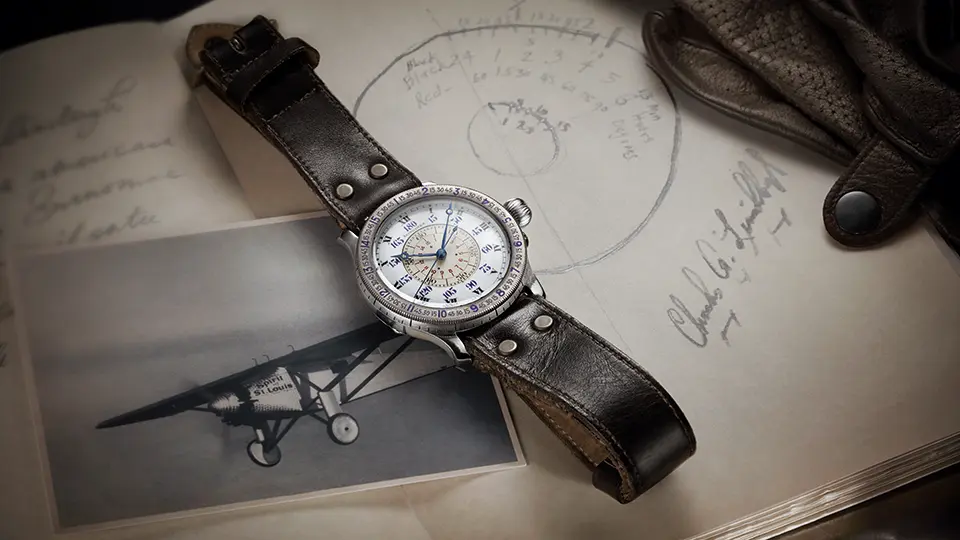
Fabrique des Longines / Switzerland / 1931
Born from Charles Lindbergh’s vision, this watch transformed aviation navigation, introducing the hour angle for faster longitude calculations and pioneering features decades ahead of contemporary timepieces.

Braun / Germany / 1963
Dieter Rams’ T 1000 World Receiver exemplifies minimalist elegance and intuitive functionality, concealing advanced technology within a clean, ordered form - a landmark of industrial design.
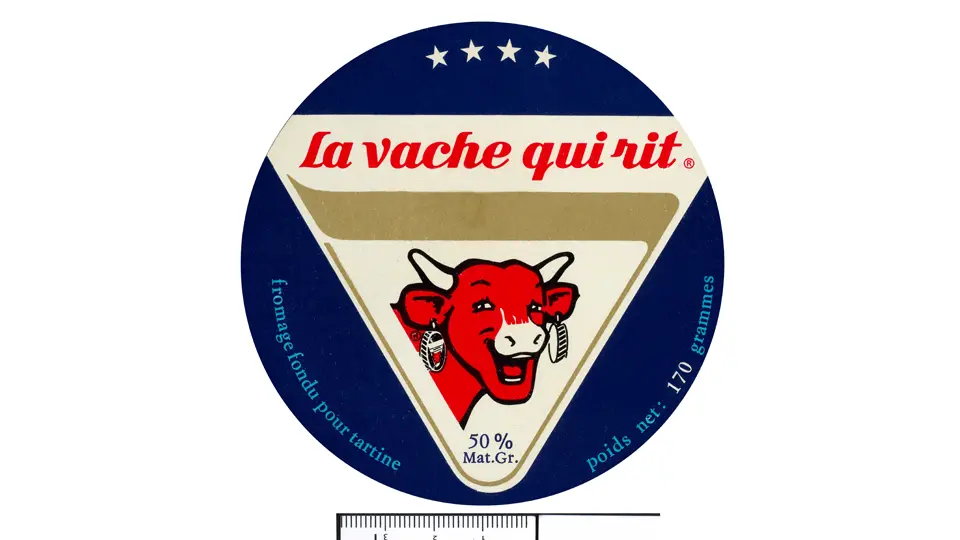
The Laughing Cow / France / 1971
The 1971 redesign of The Laughing Cow simplified and stylized the mascot, linking it to its iconic wedge packaging while reinforcing playful, recognizable and enduring brand identity.

Sony / Japan / 1994
The original PlayStation combined compact, ergonomic design with CD-ROM technology, redefining gaming aesthetics and establishing interactive entertainment as a mainstream cultural phenomenon.

Piaggio / Italy / 2019
The Vespa GTS carries a postwar design legacy into the modern era, blending timeless curves, elegant proportions and advanced engineering for a symbol of style and mobility.

Icewind / Iceland / 2019
Designed to harness energy from unpredictable winds, the Njord RW500 vertical-axis turbine operates efficiently from any direction, ideal for sites with rapidly shifting wind patterns.
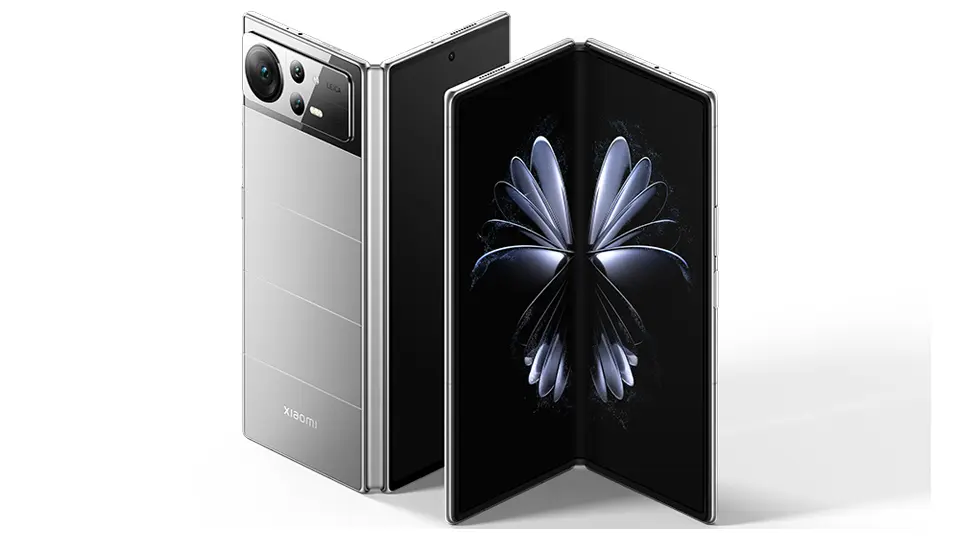
Xiaomi / China / 2023
The Xiaomi MIX Fold 2 blends ultra-slim precision and folding functionality, delivering a portable, ergonomic and aesthetically refined device that bridges smartphone and tablet use.
Empowering creators for tomorrow

Video: WIPO’s Hague System helps designers shape our world
Advantages of the Hague System
- Save costs: File one application in a single language, pay one set of fees in one currency and avoid higher expenses of multiple domestic applications.
- Reduce complexity: Eliminate the need to navigate different offices, procedures and payment systems, lowering the risk of errors or missed deadlines.
- Centralize management: Handle post-registration tasks, such as ownership changes and renewals, directly through WIPO in one streamlined system.
- Provide global reach and flexibility: Secure protection for designs across multiple jurisdictions, with durations and renewals managed consistently.
- Ensure time efficiency: Streamline filing and management processes to save significant time compared with handling separate national applications.
