For Marcus Braveboy, every “riddim” is also a right. The artist and law graduate uses intellectual property (IP) to fuel his work, from recording is various studios locally, to the world.
When listeners hear the pulsating bounce of soca or the heavy bassline of reggae-dancehall, Marcus Braveboy hears a different tune that resonates with every artist: Who wrote the song? Who owns the recording? And who gets compensated every time it plays? For the recording artist, songwriter, and creative entrepreneur from Trinidad and Tobago, these questions reshaped his career because the answers determine who controls and profits from that creative asset.
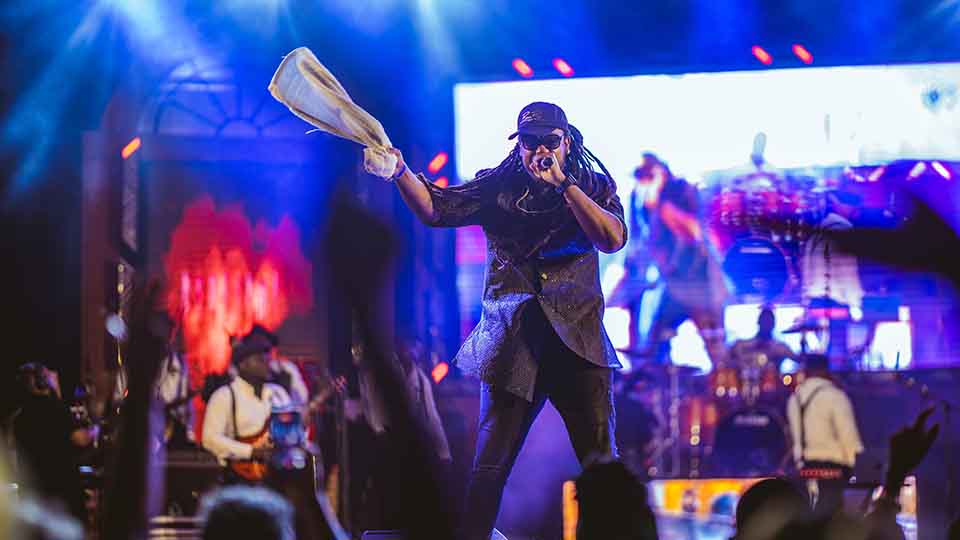
His career spans high-energy performances at Lollapalooza and Miami Music Week, as well as opening sets for Steve Aoki, Evanescence, and Stephen Marley. But behind the stage lights, Braveboy represents a new generation of Caribbean creatives. He is armed with a Bachelor of Laws from the University of London, which complements his vocal range and stage presence.
For much of my earlier career, I thought primarily like an artist: write the song, record it, release it, and find an audience. As my career developed, I began to understand that creating music is only one part of the process; the business and legal side of music is equally important, and artists need to equip themselves with the knowledge to protect their rights. I went from only being a member of COTT (Copyright Organisation of Trinidad & Tobago) to having split membership and also joining BMI. I was able to sign up with a publishing admin, who administers my publishing globally as well as sign up with neighboring rights collections agencies like Sound Exchange. I also saw the importance of owning my own ISRC codes when distributing my own music, as well as ensuring all the metadata for my songs is inserted correctly.
Riddim in the Caribbean
Vibrant music from the Caribbean, such as calypso, reggae, soca, and dancehall, has long captivated global audiences. In this context, IP frameworks can serve as a valuable tool to support creators’ livelihoods.
In the region, the creative process is communal: producers create instrumental tracks called “riddims”, which are musical accompaniments used in soca, reggae, dancehall, and dub music that vocalists and songwriters build on. This collaborative spirit reflects the region's ingenuity, one Braveboy would later hear echoed in Accra, Ghana, at the WIPO Cross-Regional Forum on IP and Music: Africa-Caribbean Creative Bridge, held September 21 to 23, 2026. Because so many creators contribute to a single track, formal documentation is essential. As Braveboy notes, when that openness isn’t supported with clear agreements and a song travels abroad, the artists behind it risk being locked out of backend royalties, synchronization (sync) deals, and long-term equity. Without paperwork, much of the value culture generates can flow away from its creators.
Braveboy saw an untapped pipeline in sync licensing, but accessing it meant treating music as an IP asset, not just a creative output.
Beyond the radio
The turning point came when his music began reaching markets far beyond the traditional radio circuit. Tracks he helped create were licensed for mainstream television, fitness platforms and video games, with placements in Love Island, Fast & Furious: Spy Racers, Selling Tampa, Zumba Fitness, and the game Bodycam.
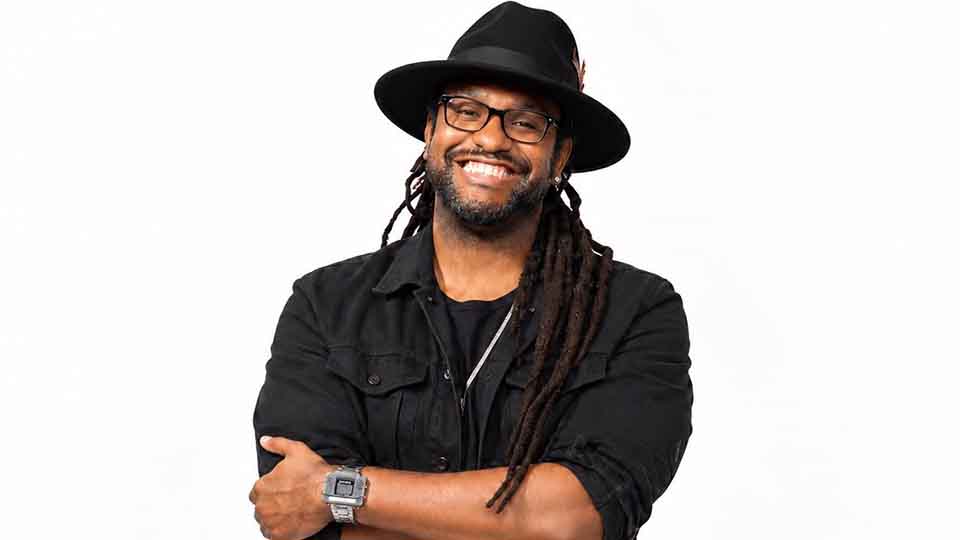
Sync licensing was truly an eye-opener for me. Seeing music that I helped create, appear in global television shows such as Fast and Furious Spy Racers and Love Island, fitness platforms like Zumba Fitness , and video games such as BodyCam, demonstrated to me that intellectual property continues traveling into completely different markets and generating opportunities years after the studio session is over, I’ll put it this way - It all adds up, so as creatives we have to ensure that we have everything in place , to maximize revenue connected to our IP , such as streaming, performance royalties and sync licensing fees.
This is one area where IP can make a real difference. A live performance is paid once. A well-documented, properly cleared recording keeps earning in new markets, on new screens, long after the studio lights have gone off.
‘Nkabom’ - ‘All ah we is one’
That insight deepened in Accra, Ghana, where Braveboy took part in the WIPO Cross-Regional Forum on IP and Music: Africa-Caribbean Creative Bridge. The forum brought together industry stakeholders from across Africa and the Caribbean, and Braveboy found himself in a space shaped by unity and togetherness.
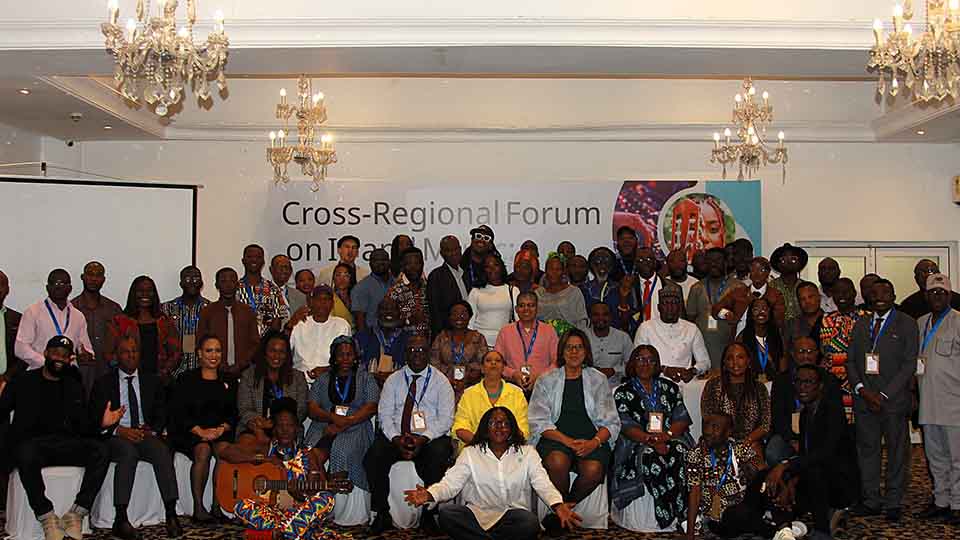
The Forum embodied both the Ghanaian Akan (Twi) concept of nkabom, which means “coming together” or “unification” in collective harmony, and the Trinidad and Tobago calypso expression “all ah we is one”, which celebrates shared communal identity across diverse populations.
Africa and the Caribbean share so much more than musical influences – we share a rich history, culture, and creative traditions. When we unite our rhythms with legal ownership, we empower creators to build sustainable livelihoods from the culture they are already producing. Ghanaian High Life music reminds me of Calypso so much. Modern contemporary African music and Caribbean music share so many similarities, especially with drum patterns.
Africa and the Caribbean share rhythmic lineages and as the Forum discussions highlighted, similar IP challenges. For Braveboy, that shared history must be matched with shared commercial defenses. As he puts it, true unity between our creative worlds “cannot just be emotional – it must be structural.”
What an IP-first artist does differently
Through his independent imprint, Bravehouse Music Group, and advisory ventures such as IKE Consulting and Content Island, Braveboy has turned using IP into an everyday habit.
He immediately secures dual ownership of his work by registering both the composition and the master recording, ensuring revenue from every stream and broadcast reaches the creators. Rather than relying on unspoken agreements, Braveboy normalizes the use of split sheets, settling ownership percentages before a session even ends. He recognizes that it is infinitely easier to negotiate splits over a good vibe than a hit record.
This level of documentation makes his catalog highly attractive to television networks, film studios, and game developers, who license music only with clean rights. Since his tracks are properly tagged and free of mystery samples, uncredited vocals, or publisher disputes, global music supervisors can greenlight placements without hesitation.
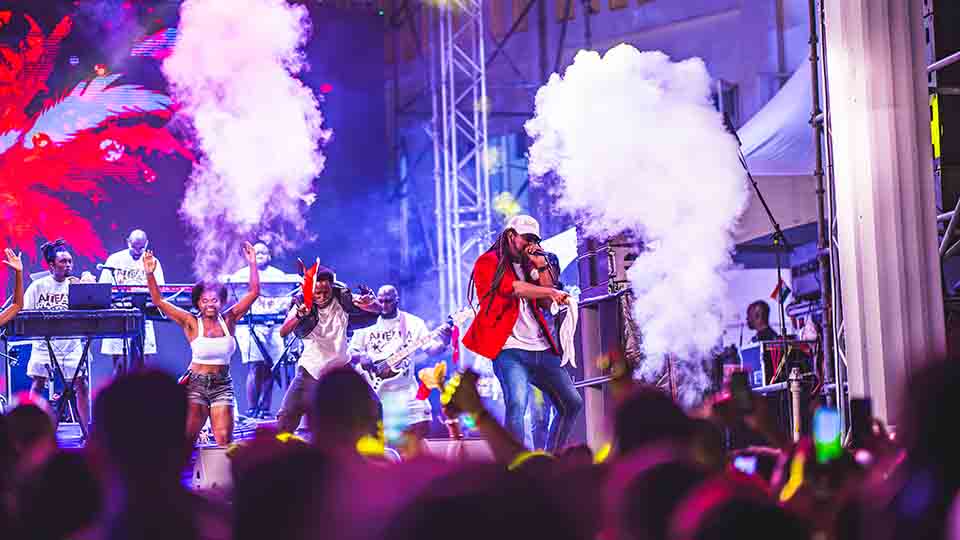
Ultimately, this structural discipline empowers his live performances. When he embarked on his independent 2026 Braveboy Meets World tour across Europe and Toronto, he hit the stage not as an artist renting his catalog back from a label, but as the outright owner of his masters and the primary stakeholder in his own creative output.
Looking ahead
As Braveboy looks toward the 2027 Trinidad and Tobago Carnival season and new collaborations that bridge soca with afrobeats and amapiano, his ambitions extend well beyond chart positions. His journey reflects a core message of WIPO’s work with creators. IP protection can give creators the commercial armor to share their heritage with the world without relinquishing ownership.
The Caribbean has never lacked rhythm. Braveboy’s journey shows what's possible when IP is part of that rhythm. For the next generation of the region’s creators, his story offers a practical blueprint.