Bali Hosts Training of Trainers to Boost Local Brands through Collective Marks
October 29, 2025
How can collective marks be effectively developed, managed, and sustained to benefit local communities and small enterprises? What tools and approaches are needed to ensure that collective marks serve as engines of economic, cultural, and social development?

To answer these questions, a training of trainers was held in Bali, Indonesia, from August 26 to 28, 2025. This was organized in collaboration with the Ministry of Creative Economy of the Republic of Indonesia, and in the context of WIPO’s Development Agenda (DA) Project on Sustaining and Strengthening the Role of Collective Marks as a Tool for Economic, Cultural, and Social Development through a Holistic Developmental Approach. Around 40 participants from Indonesia, representing the spa and handicrafts sectors as well as government institutions, took part in the training, bringing together diverse perspectives from local industries and the Government.
The training built on the ‘UnBALIvable’ collective mark, a collaborative effort between WIPO and the Government of Republic of Indonesia has since been integrated into the DA Project alongside the other beneficiary countries.
Comprehensive Training Program on Collective Marks for Indonesia
To achieve the objectives of the project, a comprehensive practical training program was developed to cover the entire life cycle of collective marks. The program included modules on the introduction to collective marks; building and developing a collective mark; understanding the registration process; management and enforcement; and promoting and leveraging collective marks for market success. It was carefully tailored to the national context of Indonesia through the integration of local case studies, examples, and legislation. Close collaboration with National Focal Points ensured that the training addressed country-specific needs.
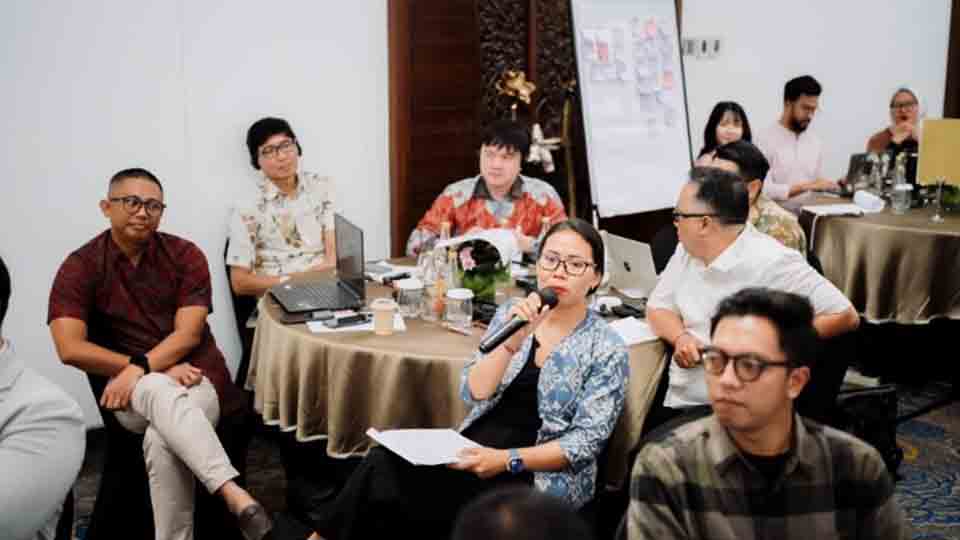
The training program was held in Bali, featuring businesses supported by the collective mark “UnBALIvable,” which embodies Bali’s arts, creativity, and cultural richness. The mark supports SMEs in leveraging intellectual property to enhance the value of their products and services. Through interactive lectures, presentations, and panel discussions, participants engaged actively with the modules and activities, gaining practical insights into developing and managing collective marks for market success.
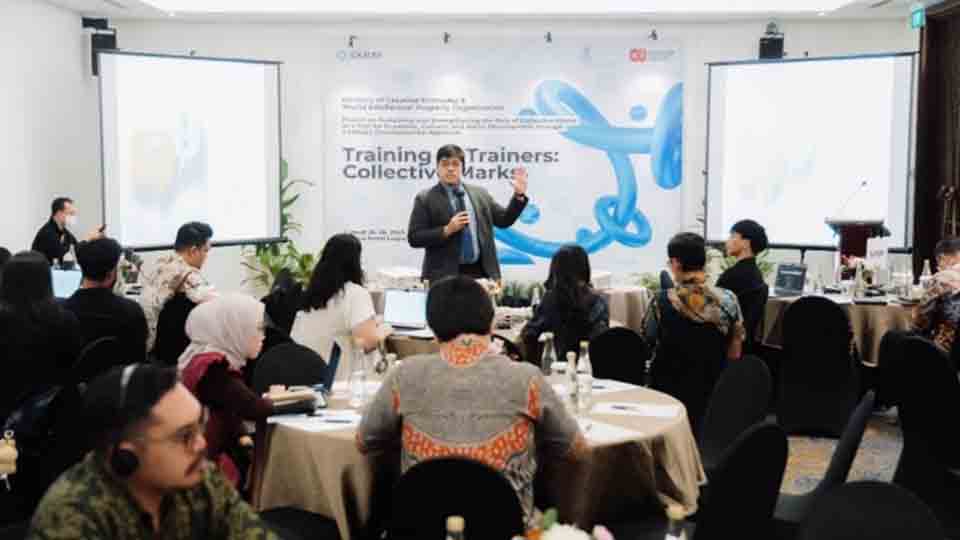
The Bali training demonstrated the value of collective knowledge-sharing and confirmed the importance of collective marks in supporting local industries. With future training sessions planned, the Project continues to strengthen national capacities and ensures that collective marks remain a catalyst for inclusive and sustainable development.
Find out more
- Development Agenda for WIPO
- Committee on Development and Intellectual Property (CDIP)
- DA Project on Sustaining and Strengthening the Role of Collective Marks as a Tool for Economic, Cultural, and Social Development through a Holistic Developmental Approach
- Transforming Bali's Tourism Through Intellectual Property: A WIPO Project Highlight