ARDI offers free or low-cost access to scientific and technical journals and publications to local, not-for-profit institutions in over 120 developing and least developed countries worldwide.
Supporting research and innovation
As embodied by the Partners’ Statement of Intent, ARDI helps bridge the global knowledge gap by giving researchers and innovators access to the information they need to advance science, technology and innovation.
ARDI aims to:
- Strengthen research capacity in developing and least developed countries and support their participation in the global knowledge economy.
- Empower researchers and innovators to develop new solutions to technical challenges at both the local and global levels.
- Improve access to knowledge by connecting eligible institutions with high-quality scientific and technical research.
ARDI is part of Research4Life, a public-private partnership that aims to build an inclusive, diverse and equitable scholarly communications environment by delivering free or low-cost online access to academic and professional peer-reviewed content, user-focused training and resources to researchers in developing and least developed countries.
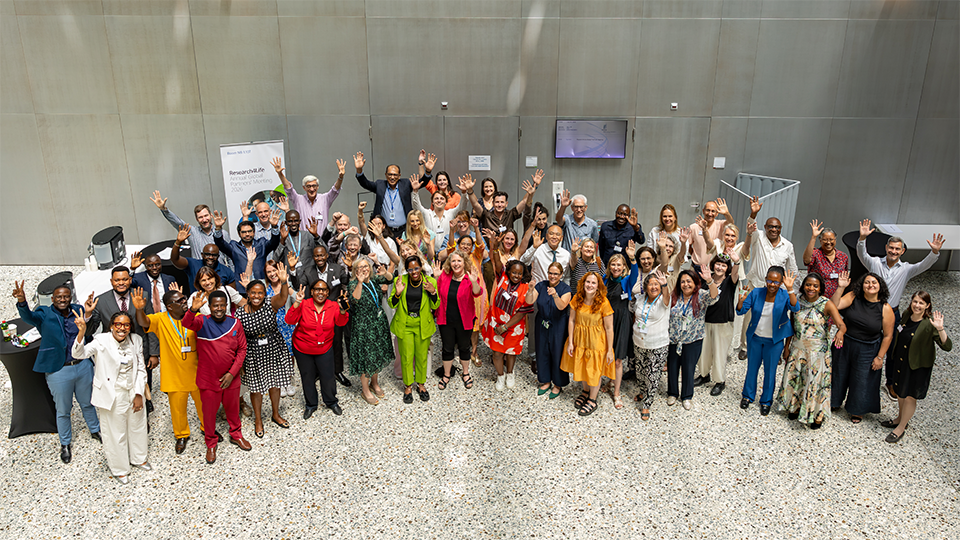
IMAGE: WIPO/Berrod
Research4Life partners mark 25 years of expanding access to knowledge
In July 2026, the World Intellectual Property Organization (WIPO) hosted the Research4Life Global Partners’ Meeting at its Geneva headquarters, bringing partners together to celebrate the initiative’s 25th anniversary and explore the future of equitable access to scientific and technical knowledge.
Supporting research and innovation
As embodied by the Partners’ Statement of Intent, ARDI helps bridge the global knowledge gap by giving researchers and innovators access to the information they need to advance science, technology and innovation.
ARDI aims to:
- Strengthen research capacity in developing countries and support their participation in the global knowledge economy.
- Empower researchers and innovators to develop new solutions to technical challenges at both the local and global levels.
- Improve access to knowledge by connecting eligible institutions with high-quality scientific and technical research.
ARDI is part of Research4Life, a public-private partnership that aims to build an inclusive, diverse and equitable scholarly communications environment by delivering free or low-cost online access to academic and professional peer-reviewed content, user-focused training and resources to researchers in lower-income countries.

Research4Life partners mark 25 years of expanding access to knowledge
In July 2026, the World Intellectual Property Organization (WIPO) hosted the Research4Life Global Partners’ Meeting at its Geneva headquarters, bringing partners together to celebrate the initiative’s 25th anniversary and explore the future of equitable access to scientific and technical knowledge.
ARDI by the numbers
+ 12,000
registered institutions
+ 250,000
journals and books
+ 200
publisher partners
Eligibility
Local, not-for-profit academic and research institutions and national intellectual property offices in two groups of countries and territories may register for access to resources made available through ARDI.
If your institution is based in a Group A country or territory, access through ARDI is provided free of charge. Institutions based in Group B countries and territories can subscribe for 1,500 US dollars per institution each year and are also invited to explore the resources first through a six-month free trial.
For more information on eligibility for access, visit the Reasearch4Life website.
Impact stories
At the heart of expanding access to research are the people who make it meaningful. Here, researchers, librarians, institutions, and publishing partners from around the world share their stories in their own words, reflecting on how access to knowledge has shaped their work, teaching and communities. Explore their experiences and discover the impact of greater access to research in these stories.
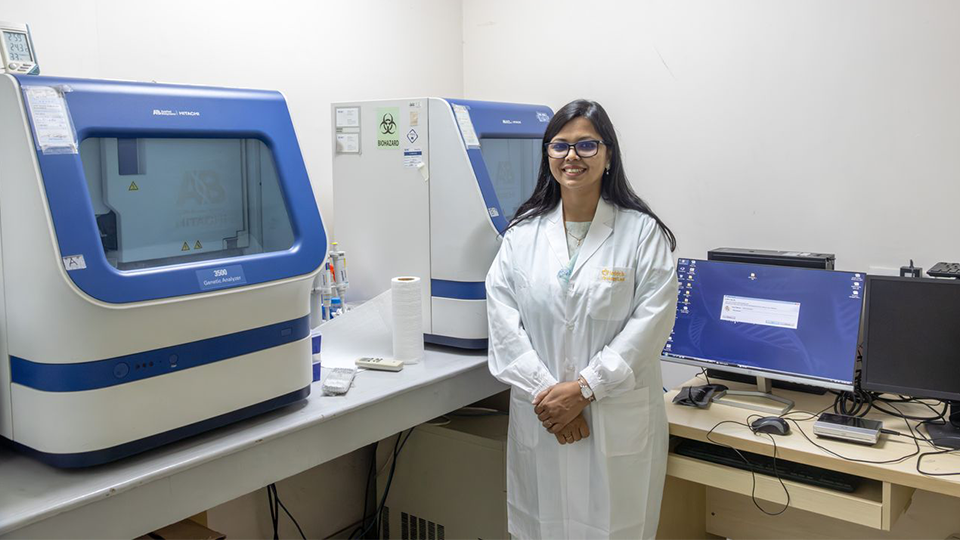
Impact stories
Access to technology information
ASPI – Access to Specialized Patent Information
Provides free or low-cost access to high-quality patent information for academic and research institutions in eligible developing countries.
Research4Life
A partnership connecting five UN agencies, leading universities such as Cornell and Yale, the International Association of Scientific, Technical & Medical Publishers (STM) to provide access to scholarly knowledge.
HINARI – Research in Health
Coordinated by the World Health Organization (WHO), provides access to medical science and health literature.
AGORA – Research in Agriculture
Coordinated by the Food and Agriculture Organization (FAO), provides access to knowledge resources in the field of food and agriculture.
OARE – Research in the Environment
Coordinated by the United Nations Environment Programme (UNEP), provides access to the content resources in environment.
GOALI – Research for Global Justice
Coordinated by the International Labour Organization (ILO), provides access to legal information and resources.
TISCs – Technology and Innovation Support Centers
Coordinated by the World Intellectual Property Organization (WIPO), provide assistance to researchers, inventors and entrepreneurs around the to protect, manage and create value with their IP rights.
WIPO INSPIRE
Coordinated by the World Intellectual Property Organization (WIPO), supports researchers, innovators and entrepreneurs in accessing and using innovation resources.
Le programme d’accès à la recherche pour le développement et l’innovation (ARDI), coordonné par l’OMPI en collaboration avec ses partenaires de l’industrie de l’édition, vise à fournir aux organismes locaux à but non lucratif des pays les moins avancés un accès gratuit aux principaux périodiques scientifiques et techniques en ligne et aux offices de propriété industrielle de certains pays en développement un accès à coût abordable à ces mêmes périodiques scientifiques et techniques en ligne.
Le programme ARDI, qui a été lancé en 2009 par l’OMPI en collaboration avec 12 grands éditeurs afin de promouvoir l’innovation et d’aider les pays en développement à accéder aux connaissances, vise
- renforcer la capacité des pays en développement à participer à l’économie mondiale du savoir; et
- aider les chercheurs des pays en développement à trouver et à développer de nouvelles solutions aux défis techniques auxquels ils sont confrontés à l’échelle nationale et internationale.
Le programme ARDI est membre du partenariat Research4Life.

Matériel disponible dans le cadre du programme
Liens
Brevets
Accès à l’information technique
- ASPI – Accès à l’information spécialisée en matière de brevets
- TISC – Centres d’appui à la technologie et à l’innovation
- ICE – Coopération internationale en matière d’examen des brevets
- research4life - Research in the Developing World
- GOALI - Accès mondial en ligne à l'information juridique
- HINARI - Recherche dans le domaine de la santé
- AGORA - Recherche sur l'agriculture
- OARE - Research in the Environment