用集体商标作为发展工具
集体商标是集体组织的成员所拥有和使用的商标。
WIPO is carrying out a project that aims to empower SMEs and local communities in developing countries to collective marks to add value to their products and services.
Five countries are participating in the project: the Plurinational State of Bolivia, Brazil, Indonesia, the Philippines, and Tunisia.
在上述国家中的每一国,项目组都选择了一组企业家作为试点。该项目将帮助这些企业家为其产品开发和注册一个集体商标。参加培训和提升意识活动将帮助利益攸关方更好地了解如何使用这一品牌工具来集体营销其产品。

新消息

国别概况

玻利维亚
在玻利维亚,生产者群体分属42个不同组织,这些组织都属于一个名为丘基萨卡省查科地区养蜂人协会(ARACH)的伞式协会,在丘基萨卡省查科地区生产蜂蜜。

巴西
在巴西,该项目与位于亚马逊地区特费和阿尔瓦朗伊斯的国家森林及周边地区农业提取物生产商协会(APAFE)合作,其主要产品是木薯粉及其衍生产品、蜂蜜和油。

Indonesia
In Indonesia, the project empowers Bali’s spa and handicraft SMEs through the “UnBALIvable” collective mark, celebrating local creativity and driving tourism.
菲律宾
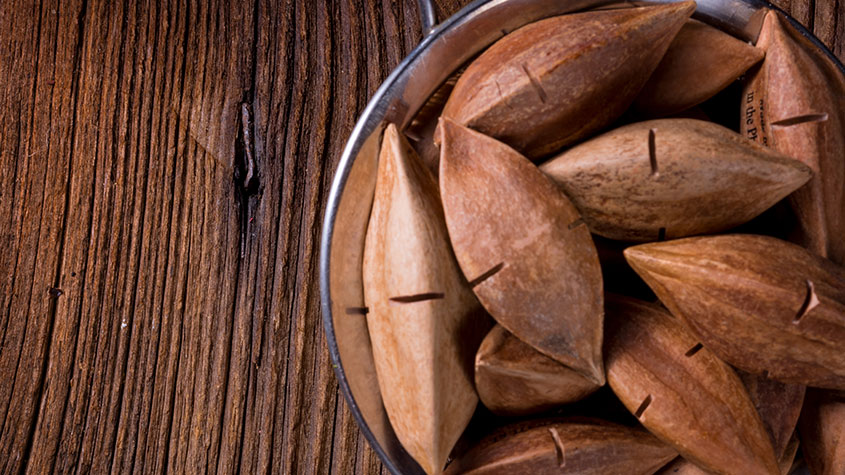
在菲律宾,选定的群体由比科尔地区的坚果和其他霹雳果产品生产者、加工者和贸易商组成,隶属于“比科尔的骄傲”(OKB)协会。

Tunisia
就突尼斯而言,该项目正在与位于坚杜拜的加尔迪马山区的一组蜂蜜、蜂蜜衍生产品、精油及其他当地产品的生产者共同开展。
Outputs
Training program
The first output of the project is to develop a practical training materials on registration, management, and use of collective marks.
Toolkit and guide
Following that, the project focuses on creating a toolkit for managing and using the collective marks, covering regulations, compliance, governance, quality control, and consumer protection.
Business strategy
Thirdly, the project plans to formulate a development strategy to boost competitiveness of the collective mark holders in domestic and global markets.
项目背景
产权组织发展与知识产权委员会(CDIP)在玻利维亚提交提案后委托开展该项目。该提案最初在委员会第二十三届会议(2019年5月)提交,并在第二十四届会议(2019年11月)获得批准。 After the completion of the project, the beneficiary countries proposed a Phase II of the project at the 32nd session (May 2024) of the Committee, which was approved. This project started its iplementation in 2025.
委员会正在开展这一项目,作为有效落实产权组织发展议程努力的一项工作。
关键文件:
Phase I

发展议程
集体商标项目有助于落实产权组织发展议程建议,特别是第1、4和第10项建议。