创意经济数据模型
创造力是人类发明与表达的根本能力,也是推动可持续经济增长的关键动力。因此,世界各国正致力于收集实证证据,这些证据可以揭示促进本国创意经济发展的系统性因素与维度。为推动这方面的工作,产权组织拟推出创意经济数据模型(CEDM),这是一项全方位的衡量工具,旨在通过考量多方面的因素,对成员国的创意经济生态系统进行评价。待考量的因素大致包括:生产创意产出的制度环境、创意生产所需的资源,以及体现该行业对经济影响力的创意产出。
该工具的创新性在于其全局性方法,不仅考量经济层面,而且整合了与创意经济息息相关的社会和文化维度。重点是知识产权——它驱动着从创意到产品的转化,并且是数据模型中的关键横向要素。作为文化多样性重要推动力的版权,将在模型中得到相应评估。此外,该工具聚焦社会凝聚力这一核心要素——它能凝聚多元群体与思想,为创意的蓬勃发展营造社群环境。另外,它通过考察数字化适应情况、资源以及平台经济中的创意生产规模,捕捉创意产业的数字化转型过程。

CEDM in practice
新消息
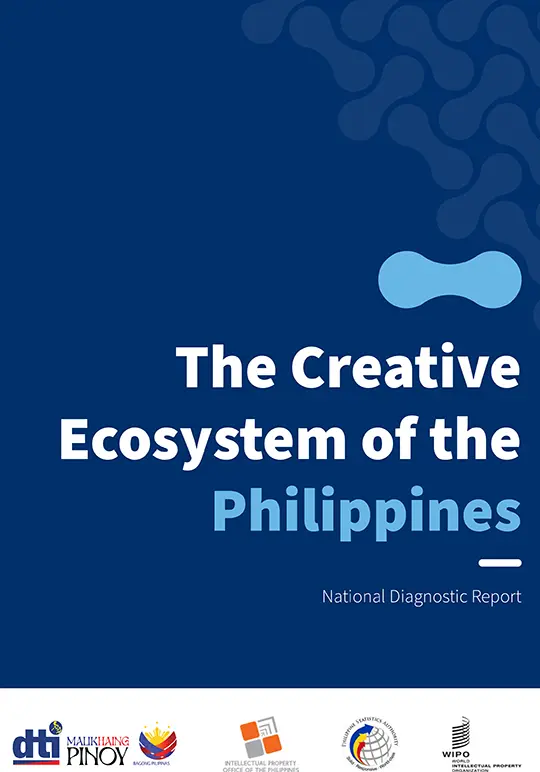
The Creative Ecosystem of the Philippines
PUBLICATION YEAR: 2026
版权产业的经济表现
利用版权及相关权的产业通常被称为版权产业或创意产业。这种产业对经济表现和经济发展有着直接和间接的影响,被认为对实现重要的国家经济、社会目标日益重要。
产权组织开展了有关活动,在收集证据方面对各国予以支持,这些证据涉及版权产业的经济表现和版权对其产生的影响。许多项目旨在向成员国和利益攸关方提供如何开展研究工作方面的建议和指导意见,但是其他项目旨在就培训、政策制定、版权经济学的研究方面提供援助。
衡量版权产业规模
产权组织帮助成员国从创意产业占国内生产总值的比例、创造就业机会和贸易发展的角度明确版权产业的经济贡献。这种援助根据2015年《产权组织关于版权产业的经济贡献的调查指南》确定的方法进行 [PDF]. 该指南:
-
总结对依据版权及相关权保护运作的创意产业进行调查的现有经验;
-
以指导方针、建议和调研方法的形式开发一种切实可行的工具,以供今后对一个国家的创意产业的经济贡献进行调查时参照和使用;以及
-
建立一个用以比较今后在可靠数据和共同方法基础上所进行调研的基础。

国别研究报告结果
- 阿根廷 (2014) [PDF]
- 澳大利亚 (2011) [PDF] | (2012) [PDF] | (2014) [PDF] | (2017) [PDF] | (2020) [PDF]
- 不丹 (2012) [PDF]
- 博茨瓦纳 (2019) [PDF]
- 文莱达鲁萨兰国 (2012) [PDF]
- 保加利亚 (2008) [PDF]
- 加拿大 (2004) [PDF] | (2020) [PDF]
- 中国 (2011) [PDF]
- 哥伦比亚 (2010) [PDF]
- 克罗地亚 (2010) [PDF]
- 多米尼克 (2014) [PDF]
- 厄瓜多尔 (2017) [PDF]
- 埃塞俄比亚 (2014) [PDF]
- 芬兰 (2011) [PDF] | (2014) [PDF] | (2015) [PDF] | (2022) [PDF]
- 法国 (2016) [PDF]
- 加纳 (2020) [PDF]
- 格林纳达 (2014) [PDF]
- 匈牙利 (2004) [PDF] | (2017) [PDF]
- 印度尼西亚 (2014) [PDF]
- 牙买加 (2008) [PDF]
- 约旦 (2013) [PDF]
- 肯尼亚 (2011) [PDF]
- 吉尔吉斯斯坦 (2022) [PDF]
- 拉脱维亚 (2004) [PDF]
- 黎巴嫩 (2008) [PDF]
- 立陶宛 (2013) [PDF]
- 马拉维 (2013) [PDF]
- 马来西亚 (2008) [PDF]
- 墨西哥 (2008) [PDF]
- 荷兰 (2011) [PDF] | (2014) [PDF] | (2025) [PDF]
- 巴基斯坦 (2011) [PDF]
- 巴拿马 (2011) [PDF]
- 秘鲁 (2011) [PDF]
- 菲律宾 (2008) [PDF]
- 大韩民国 (2012) [PDF] | 2025 [PDF]
- 摩尔多瓦共和国 (2015) [PDF]
- 罗马尼亚 (2010) [PDF]
- 俄罗斯联邦 (2010) [PDF]
- 圣基茨和尼维斯 (2014) [PDF]
- 圣卢西亚 (2014) [PDF]
- 圣文森特和格林纳丁斯 (2014) [PDF]
- 塞尔维亚 (2014) [PDF]
- 新加坡 (2004) [PDF]
- 斯洛文尼亚 (2011) [PDF]
- 南非 (2012) [PDF]
- 泰国 (2012) [PDF]
- 特立尼达和多巴哥 (2013) [PDF]
- 土耳其 (2014) [PDF] | (2018) [PDF]
- 乌克兰 (2010) [PDF]
- 坦桑尼亚联合共和国 (2013) [PDF]
- 美利坚合众国 (2004) [PDF] | (2006) [PDF] | (2003-2007) [PDF] | (2011) [PDF] | (2013) [PDF] | (2014) [PDF] | (2016) [PDF] | (2018) [PDF] | (2020) [PDF] | (2022) [PDF]
- 东加勒比国家组织 (2014) [PDF]
版权绩效研究
产权组织向成员国提供援助,帮助它们确定版权及相关权在选定的版权产业的绩效方面发挥的具体作用。下列研究均来源于这种援助:

文字和图像版权补偿金国际调查
由产权组织与国际复制权组织联合会(IFRRO)共同发布的《文字和图像版权补偿金国际调查》系列,分析了世界各地文字和图像版权补偿金的起源、范围及当前应用情况。它揭示了该机制在确保版权材料合法便捷获取中的作用,并阐明其与音频及视听私人复制费的主要差异。调查基于IFRRO成员的数据,对版权持有者这一重要收入来源进行了概述。

私人复制国际调查
这些调查从全球视角审视私人复制补偿金(亦称私人复制费)——版权及相关权架构中的重要元素。这些调查旨在促进循证决策,并针对在其法律体系中设有私人复制例外的国家,更新其在私人复制法律与实践方面的重要进展。