Patents in sports
From the sports shoe to the swimsuit and the tennis racket to the football, sports technologists have applied their ingenuity, creativity and expertise to develop better and safer equipment in the quest for sporting excellence. In order to protect sports inventions, manufacturers can file a patent.
Patents for sport technologies and equipment
Novel and groundbreaking sports technologies and equipment are protected under the intellectual property (IP) system by patents. Patents protect new inventions and facilitate the diffusion of technology. They prevent the unauthorized use of a sport technology invention for the life of the patent – usually 20 years.
What sports technologies and equipment can you patent?
This cycle of innovation, promoted by patents, has resulted in the progressive replacement of the natural materials (wood, twine, gut, rubber) used to make early sports equipment by a wide range of highly sophisticated man-made materials including alloys and polymers.
Stronger and lighter sports equipment made with these high-tech materials has enabled sportsmen and women across the globe to reach new heights of achievement while minimizing the risk of injury, and has helped sports enthusiasts everywhere to enhance their performance. Other improvements range from sleeker and faster surfboards to more comfortable gloves with an anti-slip lining for football goal-keepers.
Other patented sports and training equipment includes bobsleds, aquatic wheelchairs, starting block assemblies, stop-watches, golf clubs and gym equipment. Sports drinks, and muscle-building and nutritional supplements, are other examples of sports patents.

Conditions to patent sports technologies
To patent sports technologies, the following conditions must be reunited for the invention:
- Novelty
- Inventive
- Utility
- Patentable subject matter
- Sufficiency of disclosure
What are the benefits of patenting sports technologies?
The benefits of patenting sports technologies are manifold and include:
- better, safer and more effective sports equipment;
- precision measurement of performance;
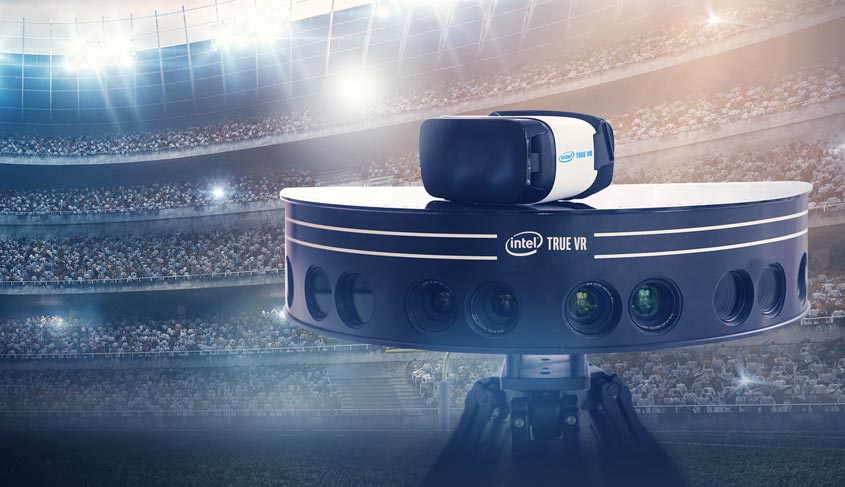
- a multiplicity of ways to experience sporting events anywhere and at any time.
- manufacturers of sports equipment gain financially from innovation, which in turn boosts the strength and vitality of the industry for the benefit of the economy as a whole;
- researchers have access to a mine of technical information, which they can use to inspire innovation and improvements to existing products;
- sportsmen and women around the world benefit from innovations in sports equipment to enhance their performance, minimize injury and promote fast recovery when injured;
- the general public benefits from a wider range of high-quality sporting goods.
Technology license for sports equipment
A technology license may be a useful option for companies involved in the development of sports-related equipment. Companies rely more and more on improved technology to obtain a competitive advantage. Technology licenses can be used both to “license in” technologies developed by other companies or to earn additional income by “licensing out” home-grown technologies.
Protecting patent rights in sports internationally
Like other IP rights, patents are territorial – they have legal effect only in the country or region in which they are granted. Seeking patent protection in multiple countries can, therefore, be time-consuming and expensive. WIPO’s Patent Cooperation Treaty (PCT) enables inventors to file a single “international” application to set in motion the process of obtaining patent protection in multiple countries.