
Technological developments and trends
Wildfires and climate change converge to form a vicious cycle: rising temperatures and shifting humidity and wind patterns fuel more severe fire seasons, while wildfires cause greenhouse gas (GHG) emissions and damage ecosystems, contributing further to global warming (
Wildfires: a growing global threat
A wildfire is any fire occurring in wildland areas, including forests, grasslands and other natural landscapes. Wildfires are different than structural fires, i.e., those occurring in buildings and urban areas (
Wildfires are rapidly becoming a global threat, profoundly impacting societies, ecosystems and economies. They cause increasing loss of life, displacement and evacuations each year. Besides carbon dioxide, wildfires also emit harmful pollutants such as black carbon, carbon monoxide, particulate matter, volatile organic compounds (VOCs) and nitrogen oxides, which pose serious health risks, including respiratory problems and higher premature mortality (
Wildfires are rapidly becoming a global threat, profoundly impacting societies, ecosystems and economies
Climate change is fueling wildfires
In recent decades, the combined effects of global warming and land-use changes have led to more frequent heatwaves, droughts and infestations of wood-eating insects. These factors have weakened ecosystems and increased wildfire risk. Heatwaves, often occurring alongside dry conditions, significantly increase the likelihood and intensity of wildfires. Heat dries out vegetation, creating perfect conditions for fires to ignite and spread. The rapid spread of many fires, in some cases driven by winds but also the rising availability of these dry fuels, often outpaces both evacuation efforts and firefighting responses, and heightens the direct threat to life and safety. Recent attribution studies found climate change made extreme events, such as Los Angeles’s catastrophic fires in January 2025, 30 percent more likely (
The combined effects of global warming and land-use changes have led to more frequent heatwaves, droughts and infestations of wood-eating insects
Burning the expanding WUI
Land-use changes have paradoxically reduced total burned area in grasslands due to agricultural expansion, even as forest fires intensify (
Nearly 12 million hectares burned globally in 2023, roughly corresponding to the land area of Bangladesh, surpassing the previous record by approximately 24 percent. Extreme wildfires in Canada were responsible for about two-thirds of the fire-related tree cover loss, contributing 27 percent of global tree cover loss (
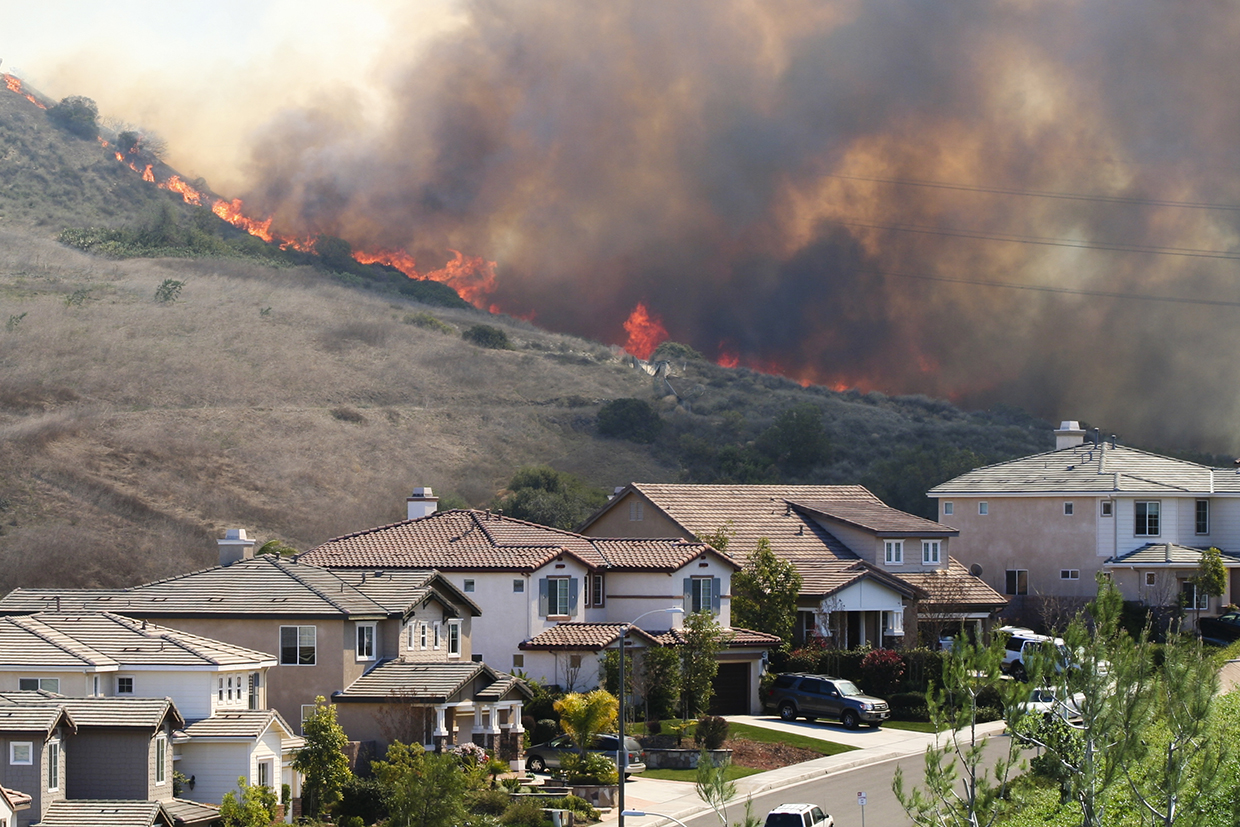
In the WUI, large flames are often mistakenly identified as the primary threat, when in fact wind-driven embers – which ignite structures far from the original fire – pose the greater danger. It is also common for houses to catch fire after the main fire has passed due to embers that have landed in vents. This turns wildfires into “urban disasters” (
Power grids and power lines – increasing fire hazards in an era of climate change
Wildfires can impact critical parts of the power grid, including transmission and distribution lines, and even power plants. Power lines, especially those that are older or in poor condition, can spark fires, and have become a significant concern in dry or windy places with high fire danger. Electricity can arc and ignite surrounding vegetation, while equipment such as transformers and electrical insulators can overheat, causing sparks. Grid failures can cause fires, and therefore wildfires and grid failures have begun to exacerbate each other (
Argentina, Australia, Chile and the western United States face these risks, and their governments are focused on hardening power grids, improving maintenance, and transitioning to using underground cables. In California, Pacific Gas and Electric (PG&E, a public utility company) equipment was linked to several fire starts, and in response the state imposed stricter regulations, including public safety power shut-offs during extreme weather events to prevent fires (
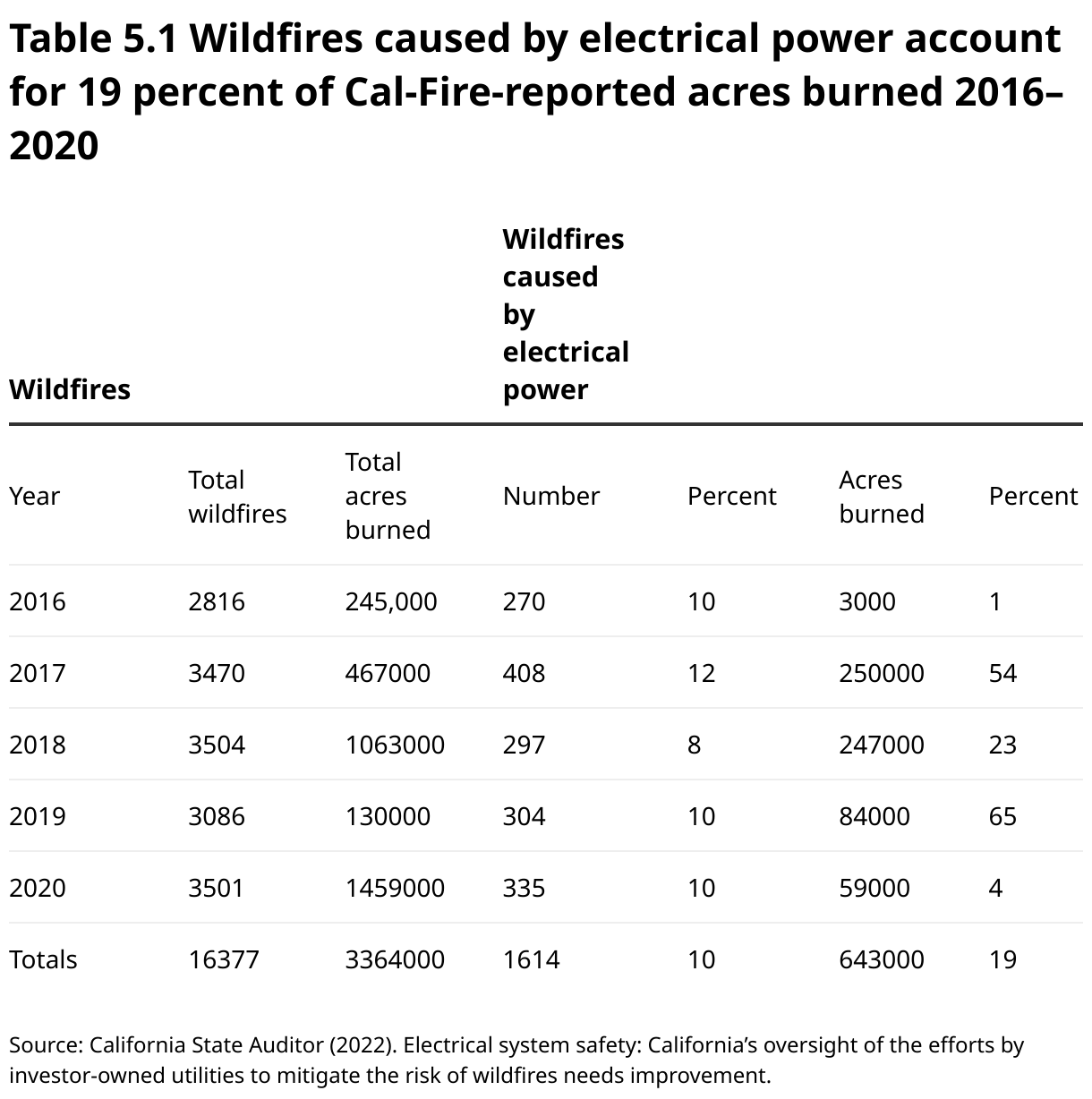
California utilities are now investing heavily in measures to reduce the risk of ignitions. However, this is a costly endeavor. Innovations such as GE Vernova’s SPEEDWORM robot, which tunnels 300 m in two hours, and Prysmian Group’s automated splicing machine (which reduces cable splicing failures that occur when two sections of cable are damaged at the point where they are spliced), aim to cut costs and boost grid safety. AI is helping analyze vegetation near lines, while Gridware’s sensors, deployed by PG&E, detect faults and fire risks in real time.
Innovation in firefighting has advanced rapidly in the last decade
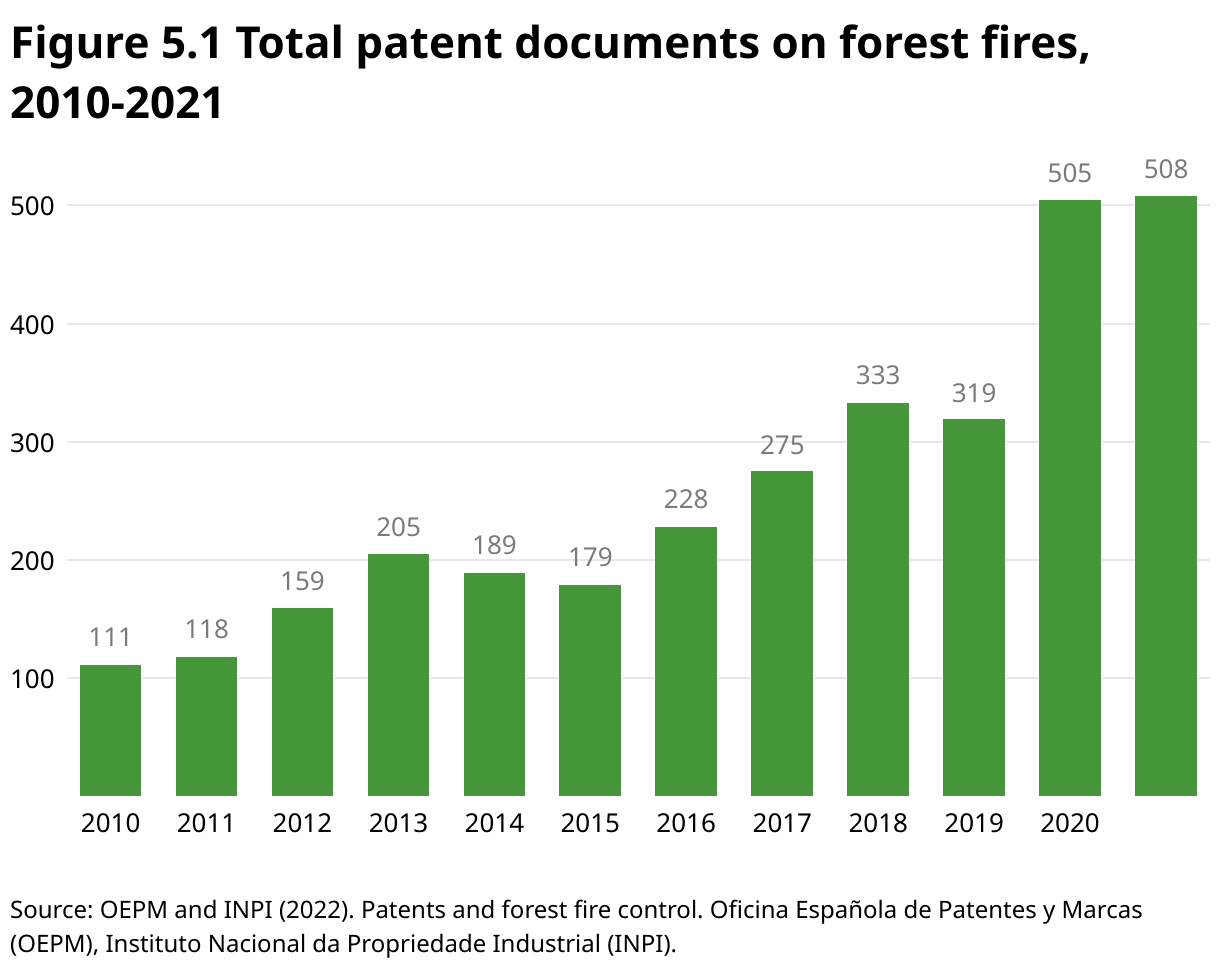
Since 2020, the number of patent applications related to forest fires has substantially increased globally. While Australia, the Russian Federation and Spain may not be the leading patent filing offices worldwide, they are notable for their contributions in the field of forest fire technologies, surpassing other offices such as Japan or the European Patent Office. Increasingly, innovations focus on the use of AI and drones in combating and managing forest fires. Portugal is actively involved in research and development projects aimed at fire prevention and detection, including aerial technologies, AI and sensors. The field of fire extinguishing technology leads in patent filings, surpassing detection and prevention or protective equipment. Post-fire restoration is the least patented sector, leaving significant opportunities for innovation (
Figure 5.1 shows total global patent documents on forest fires between 2010 and 2021, during which a total of 3,129 patent and utility model documents related to forest fires were published.
Early fire detection: catching fires before they spread
Early fire detection systems are critical for minimizing wildfire damage and danger to human life and the environment. Technologies such as satellite imaging, drones with infrared cameras, and AI-driven predictive analytics have drastically improved the speed and accuracy of detecting fires at their earliest stages. By using real-time monitoring systems, fire response teams can quickly assess new ignitions and respond with minimal delay, often before a fire spreads.
Key innovations in fire detection include real-time environmental monitoring through internet-of-things (IoT) sensors that track conditions such as temperature, humidity and smoke levels. These sensors, combined with AI algorithms, help forecast potential fire risks and send alerts to emergency managers when danger is imminent. Integrated communication networks such as mobile apps and crowdsourcing further enhance situational awareness, alerting both responders and the public about fire events as they unfold. A key example is Pano AI’s high-resolution, 360°Cameras on mountaintops and cell towers that use AI to detect smoke and fire around the clock. Other systems combine multispectral sensors with advanced geographical information system (GIS) models to monitor fire progression.
Thermal cameras provide real-time information even in darkness
Among the most critical tools in wildfire monitoring are thermal cameras. These systems provide real-time information about fire hotspots, even in low-visibility conditions such as smoke or darkness. Thermal cameras are particularly effective at detecting heat signatures, helping firefighters pinpoint smoldering areas that may reignite.
Thermal cameras are particularly effective at detecting heat signatures, helping firefighters pinpoint smoldering areas that may reignite
For instance, UC San Diego’s ALERT California program uses a network of over 1,000 wildfire-monitoring cameras paired with advanced sensors to provide real-time data on ongoing fires and other hazards (
Satellites for fire detection, mapping and post-fire recovery
Satellites have become a vital tool in wildfire monitoring and management. Equipped with advanced sensors, they provide information on fire behavior, intensity and the surrounding environment. Earth observation satellites have evolved dramatically over the last few decades via a mix of public programs and private entrepreneurs. Together, they offer a wide range of products for specialized tasks such as wildfire detection and monitoring, often at competitive prices.
MODIS (moderate resolution imaging spectroradiometer) is a sensor on the National Aeronautics and Space Administration’s (NASA) Terra and Aqua satellites that provides frequent global coverage (250 m–1 km resolution) and near real-time wildfire detection (1–3 hours), mapping fire intensity, progression, smoke plumes and atmospheric impacts. Landsat is a series of Earth-observing satellites operated by NASA and the United States (US) Geological Survey that provide high-resolution imagery (30 m) for detailed post-fire analysis, such as land-cover changes and ecosystem recovery. Sentinel satellites, operated by the European Space Agency (ESA), have high spatial resolution (up to 10 m). Sentinel-1 uses synthetic aperture radar (SAR) to detect fire damage through smoke and clouds, while Sentinel-2 provides optical imagery to assess fire effects on vegetation.
NASA’s Fire Information for Resource Management System (FIRMS) provides multiple sources of active fire detection data products and low-latency (available almost immediately) satellite imagery. FIRMS uses 15 satellites – 10 polar-orbiting and five geostationary. Polar orbiting satellites are low (<1000 km), sun-synchronous, collect one or two observations daily, and have relatively high spatial resolution. Geostationary satellite orbits are locked on a fixed point above the equator while Earth rotates, using a higher orbit (35,000 km). They collect multiple observations per hour but have lower spatial resolution. FIRMS uses 16 sensors implemented by five different space agencies: NASA, the National Oceanic and Atmospheric Administration (NOAA), ESA, the European Organisation for the Exploitation of Meteorological Satellites (EUMETSAT) and the Japan Aerospace Exploration Agency (JAXA), as no one satellite sensor meets all requirements (high spatial resolution, frequent observations, global coverage, consistency, accuracy, and reliability) (
Satellite surveillance enhanced by AI pattern recognition can quickly and accurately detect wildfires. German startup OroraTech uses mini satellites in low orbit to capture thermal images. OroraTech’s algorithms factor in vegetation and humidity, enabling firefighting agencies to prioritize resources and focus on fires with large growth potential.
SAR for wildfire detection
SAR is a remote sensing technology that also operates in conditions of cloud cover, haze and smoke, overcoming the limitations of traditional optical sensors as well as light detection and ranging (LIDAR)-based systems. SAR is further discussed in the storms and flooding chapter. Researchers at Ohio State University are experimenting with SAR for wildfire detection by integrating it into predictive models to improve early warning systems and wildfire management strategies (
Mobile Doppler radar systems – not just for storm tracking
Doppler radar systems provide critical information about atmospheric conditions that impact wildfire behavior and suppression efforts. Importantly, Doppler radar can detect and track fire-generated weather patterns. For example, wildfires sometimes generate pyrocumulonimbus clouds (fire-induced thunderstorms) that produce lightning and strong winds. Doppler can provide wind speed and direction data to help predict fire behavior, smoke plumes and ash clouds (especially if smoke reaches higher altitudes). Doppler can also be integrated with satellite imagery and ground-based sensors for better modeling of fire behavior.
Fire behavior models guide wildfire strategy worldwide
Fire behavior modeling is essential for understanding and predicting wildfire spread. Several advanced systems integrate satellite, weather and ground data to create accurate models. The Rothermel spread model (1972) remains the foundation for many systems, powering tools such as FARSITE – the US standard for tactical fire spread prediction, Canada’s Fire Behavior Prediction System, Australia’s PHOENIX RapidFire and FIRECAST, and Europe’s ELMFIRE for cross-border wildfire scenarios. These models predict fire spread by simulating how factors such as terrain, wind and fuel affect fire behavior, and are often combined with satellite data and AI-powered platforms.
Emerging models that integrate machine learning are improving our ability to predict fire risks and damage. Some models predict lightning-induced fire risk. AI-powered applications are also leveraging crowdsourcing through analysis of user-submitted photos documenting fire-prone areas. Platforms such as Google Earth Engine provide powerful geospatial analysis capabilities to track active fires and predict fire spread.
Models predict fire spread by simulating how factors such as terrain, wind and fuel affect fire behavior, and are often combined with satellite data and AI-powered platforms
When models fall short. Fire behavior models face limitations such as outdated fuel maps, computational bottlenecks, and difficulties predicting extreme fires (e.g., ember storms, crown fires) (
Digital twins for wildfires. Using AI and machine learning, digital twins) merge data from sensors located on the ground, in air, and in space to produce highly accurate global wildfire models. Unlike current models with spatial resolution of 10 km per pixel, NASA’s Wildfire Digital Twin project is developing models with a resolution of 10–30 m per pixel. These models can be generated in minutes, while current global models take hours. The NASA digital twin project aims to improve global wildfire forecasting and better understand the health impacts of wildfire smoke, particularly fine aerosols such as particulate matter 2.5.
Fighting fires from above – aerial innovations
Aerial firefighting technologies enable fire suppression in difficult-to-reach areas such as remote forests, rugged terrain, or areas with limited road access using aircraft that drop water, fire retardants, or other fire-suppressing agents such as foam, gel agents, powder or dry chemical agents onto the wildfire. They can also be used for monitoring, reconnaissance and coordination.
Fixed-wing aircraft are primarily used for large-scale aerial water or retardant drops. Aircraft such as the DC-10 or C-130 Hercules are modified for firefighting, carrying more than 37,000 liters of retardant and covering large areas. Fixed-wing aircraft also create firebreaks by dropping retardant ahead of the fire’s path to prevent it from spreading. Air tankers are specialized aircraft designed specifically for dropping water or fire retardant. They are large, high-performance aircraft converted for firefighting use. The Canadair CL-215 and CL-415 are iconic firefighters, now produced by De Havilland Canada with the model name DHC-515. Other examples include the Lockheed P-3 Orion, Boeing 737, and the Air Tractor AT-802. They typically carry between 3,785 and 11,350 liters of fire retardant or water.

Helicopters are more versatile than fixed-wing aircraft, primarily used for precision drops. The CH-47 Chinook or the Kaman K-MAX can carry large buckets (often referred to as “bambi buckets”) that scoop water from nearby water bodies and dump it directly on the fire. Helicopters can access areas that are difficult for fixed-wing aircraft to reach. Their flexibility allows them to make multiple precise drops, and they can hover in place to directly target hotspots.
Drones are becoming more prominent in wildfire management, equipped with thermal imaging, infrared and high-definition cameras, sensors and small fire suppression systems
UAVs or drones are becoming more prominent in wildfire management, equipped with thermal imaging, infrared and high-definition cameras, sensors and small fire suppression systems. They track fire movement, locate spot fires, assess fire behavior, coordinate firefighting efforts, and can ignite prescribed fires by dropping incendiary devices. Drones also support post-fire reforestation by dropping seeds in inaccessible areas. Advanced drones provide real-time aerial footage and live feeds. High-capacity industrial models, such as those developed by Drone Hopper, operate at night to create firebreaks or tackle small fires. Emerging systems combine manned and unmanned aircraft for autonomous nighttime firefighting with automated return after retardant drops.
Fire retardants. Water has been the most used fire suppressant due to its ability to cool, suffocate and interrupt the combustion process. Inorganic compounds such as phosphorus and nitrogen salts are used as flame retardants. However, these salts can contribute to pollution if they enter water sources. Another common retardant is foam, which enhances water’s ability to penetrate and cling to surfaces. However, foam is still a short-term solution since it relies on water, and its effect ends once the water evaporates (
Innovations are focused on improving aqueous solutions that are more effective than water, such as mixtures of surfactants (trisiloxane–polyether) and salts, along with biodegradable and low-toxicity options such as organic components, nitrification inhibitors or gelling agents (
Fighting fire with fire
“Fighting fire with fire” is a containment tactic to eliminate some or all of the fuel – such as dry grasses or woodland – ahead of a spreading fire in a targeted way. This is a frequent component of fire suppression efforts by fire crews on the ground.
Prescribed fires are carefully planned to ensure that the fire stays contained and achieves the desired ecological benefits without threatening nearby communities
Prescribed or controlled fires are conducted separately from fire suppression activities. They are intentionally ignited under carefully managed conditions to reduce the risk of uncontrolled wildfires and improve ecosystem health. These fires help clear dead vegetation, excess fuel, and underbrush, which can otherwise contribute to larger, more dangerous wildfires. They also promote the regeneration of certain plant species that rely on fire for regeneration, such as sequoia trees, longleaf and jack pines, Kowhai trees and Banksia species. Conducted by trained professionals, prescribed fires are carefully planned to ensure that the fire stays contained and achieves the desired ecological benefits without threatening nearby communities.

In addition to prescribed fires, mechanical thinning is another important method for reducing fuel loads. This technique involves removing trees, shrubs and underbrush to lower fire intensity, create defensible spaces and improve forest health.
Fuel breaks are cleared areas that reduce flammable vegetation to slow or stop wildfire spread. Placed strategically around communities and infrastructure, they interrupt continuous fuel, protecting against fire damage. Fuel breaks create safer zones for firefighters, improve fire control and buy response time. They are made using heavy machinery such as bulldozers or chainsaws, and also by grazing, manual clearing, controlled burns, or sometimes chemical treatments in hard-to-manage areas.
Safer, more efficient firefighting on the ground
As technology continues to evolve, innovative solutions are being developed not only to improve the effectiveness of firefighting but also to prioritize the safety and efficiency of responders.
Robots are increasingly being used in firefighting, equipped with heat-sensing cameras and fire retardants to fight fires in dangerous areas. While many are controlled remotely, advancements in AI are allowing robots to make independent firefighting decisions by using thermal and infrared cameras, either on the ground or in the air. Robots can also carry equipment and evacuate people, ensuring firefighter safety. However, their high cost remains a major barrier to widespread adoption.
Virtual reality (VR) is being explored to improve firefighter training since it helps firefighters practice various skills, such as rescue techniques, in a controlled environment. The addition of haptic technology – systems that use tactile feedback to simulate the sense of touch, involving sensations of vibration, force or motion that can be felt by users through devices such as wearable suits, gloves or handheld controllers – enhances the experience. Some companies, such as FLAIM Systems, combine VR with real-world heat simulations for more realistic training.
Firefighting gear reinvented
Innovations in personal protective equipment (PPE) and firefighting gear are revolutionizing firefighter safety and convenience, and making gear lighter, more durable, and better at protecting against extreme heat, toxic smoke and physical hazards.
Fire-resistant fabrics made with poly(p-phenylene-2,6-benzobisoxazole) (PBO) provide exceptional heat resistance and durability. Recent innovations in “smart PPE” feature wearable physiological monitoring devices that measure temperature, relative humidity and heat index, and assess safety and send alerts. Some monitor carbon monoxide, nitrogen dioxide, temperature, humidity, firefighter heart rate and smoke density. Kestrel weather devices enable firefighters to gather critical on-site weather observations. New generation fire shelters are now used across the globe. Box 5.1 provides a brief history of the wildfire shelter.
Emergency wildfire shelters are lightweight, heat-reflective tents that firefighters carry and deploy as a last resort to protect themselves if trapped by wildfire. They were first developed in 1959 by the U.S. Forest Service, with the first documented use in 1964, saving 36 lives. By 1967, shelters were mass-produced with an A-frame design using aluminum foil, fiberglass and kraft paper. In 2002, the U.S. Forest Service introduced the New Generation Fire Shelter, which incorporated woven silica and fiberglass for better protection, though it still wasn’t sufficient for extreme conditions.
The Fire Shelter Project Review began in 2014, with NASA Langley Research Center developing the Convective Heating Improvement for Emergency Fire Shelters (CHIEFS) project to test over 300 material combinations for better heat resistance without adding bulk. By 2015, full-scale tests showed promising results. However, shelters haven’t changed significantly since the 2002 design, as the CHIEFS prototype has not yet been widely adopted. Key challenges remain: no material can withstand extreme fire temperatures without becoming too bulky or fragile, and the materials are too expensive for field use. Until a breakthrough material is found, the 2002 design will likely remain in use.
Fireproofing homes – materials that withstand heat
First, creating a defensible space by clearing vegetation around the home helps reduce the risk of direct flame contact. Addressing the threat of embers and radiant heat is also essential for safeguarding homes (
Concrete is highly fire-resistant, providing strong heat protection and a thick barrier against flames. Insulated concrete forms, combining reinforced concrete with foam panels, enhance thermal insulation. Other common fire-resistant materials include bricks, clay, fire-resistant and tempered glass (including wired glass), and stucco, which offers a one-hour fire rating at 2.5 cm thickness (i.e., can resist fire for one hour at this thickness) (
Creating a defensible space by clearing vegetation around the home helps reduce the risk of direct flame contact
Stainless steel rebar and fire-resistant coatings provide durability, while glass-fiber-reinforced polymer combined with lightweight concrete is ideal for fire-prone areas due to its rust resistance, non-conductivity and high strength-to-weight ratio (
Innovation examples
NASA FireSense deploys drone technologies on a prescribed fire, Alabama, USA
2.jpg)
A team from NASA’s Armstrong Flight Research Center demonstrated drone technology during a prescribed burn in Geneva State Forest, Alabama, as part of its FireSense project. The team installed two instruments from NASA’s Langley Research Center on the Alta X drone: a 3D wind sensor and a radiosonde to measure temperature, pressure and humidity. The collected data helped predict smoke dispersion and mixing height (the extent or depth to which smoke will be dispersed), which can be difficult to forecast for prescribed burns. The Alta X drone’s vertical flight path and autonomous data collection allowed the team to monitor fire behavior from 3,000 feet (0.91 km), while NASA Armstrong’s B200 King Air flew over actively burning fires at 6,500 feet (1.98 km) with sensors gathering data at varying altitudes during and after the fire. This mission not only aimed to showcase the technology as an improved method of monitoring the variables for a prescribed burn, but also to refine burn forecast models. In August 2024, similar drone technology was tested in Missoula, Montana, for further refinement of fire forecasting (
Watch Duty: an app for the ages
When Southern California’s wildfires erupted in January 2025, Los Angeles County’s alert system failed, prompting residents to turn to the nonprofit app Watch Duty. The app provides real-time updates on fire perimeters, wind direction, and evacuation routes. It quickly gained over 2 million new users in its first week alone, and the city’s emergency operations center began using its live map to track developments. Watch Duty works by collecting real-time data from various sources, including radio broadcasts from emergency responders and other official channels, but also inputs from citizens. It was founded in 2021 by John Mills, a tech entrepreneur, after experiencing his own difficulty finding information during a wildfire. His development team includes former firefighters, which has helped the app gain trust among both citizens and professionals. Watch Duty is now available in 22 North American states, and a paid version has been launched with additional features such as data on electric and gas lines and land ownership. In Los Angeles County, home to nearly 10 million people, Watch Duty has become a vital tool, providing faster, more reliable updates than the county’s buggy alert system. It is supported by a team of 200 volunteers and 15 employees. Next, Watch Duty plans to launch a flood-warning system (
FireAId’s AI-supported maps predict wildfires with 80 percent accuracy in Türkiye
The FireAId initiative, launched in January 2022, is aimed at reducing wildfire risks in Türkiye through a global collaboration involving tech giants such as Microsoft, Google, NASA and other key organizations. In response to the rising frequency of wildfires, the World Economic Forum Centre for the Fourth Industrial Revolution, Koç Holding, the Turkish Ministry for Agriculture and Forestry, and Deloitte spearheaded this initiative, using AI to enhance wildfire prediction and prevention. The pilot program has successfully created an interactive wildfire risk map utilizing AI and machine-learning algorithms. The map integrated more than 400 variables from 14 different data sets, including historical, meteorological and geographical data, to optimize resource allocation and predict wildfire starts. After its implementation in Türkiye, the system achieved an impressive 80 percent accuracy rate in forecasting wildfires 24 hours in advance. The FireAId initiative’s success in Türkiye has inspired other countries such as Portugal and South Africa to join the effort, promoting global knowledge exchange and the integration of emerging technologies into wildfire prevention and response (
AI model helps predict and prevent peatland fires in Indonesia

Peatlands, often drained for agriculture and urban expansion, are highly vulnerable to recurring fires, which not only endanger lives and livelihoods but also release significant carbon dioxide. Researchers from Aalto University have developed a neural network model to predict the occurrence of these fires in Central Kalimantan, Indonesia, an area severely impacted by peatland fires. The model uses measurements taken before each fire season in 2002–2019 to predict the distribution of peatland fires, and a neural network analyzes 31 variables including land cover, vegetation and drought indices to predict fire likelihood. While the model’s predictions were accurate 80–95 percent of the time, it still missed many isolated fires, showing the need for further refinement. Researchers simulated various fire management strategies and discovered that converting scrubland to swamp forests could reduce fires by 50 percent, and blocking drainage canals could reduce it by 70 percent. However, these strategies could disrupt the local economy, which relies on stable cultivation. Alternative strategies, such as establishing plantations, could reduce fire risks but often lead to forest loss and minimal local economic benefits. Ultimately, the study provides valuable insights for policymakers to balance fire prevention with economic and environmental considerations (
Proven technology solutions
Detection: multispectral sensors for fire detection and early-stage fire suppression
IQ Technologies for Earth and Space
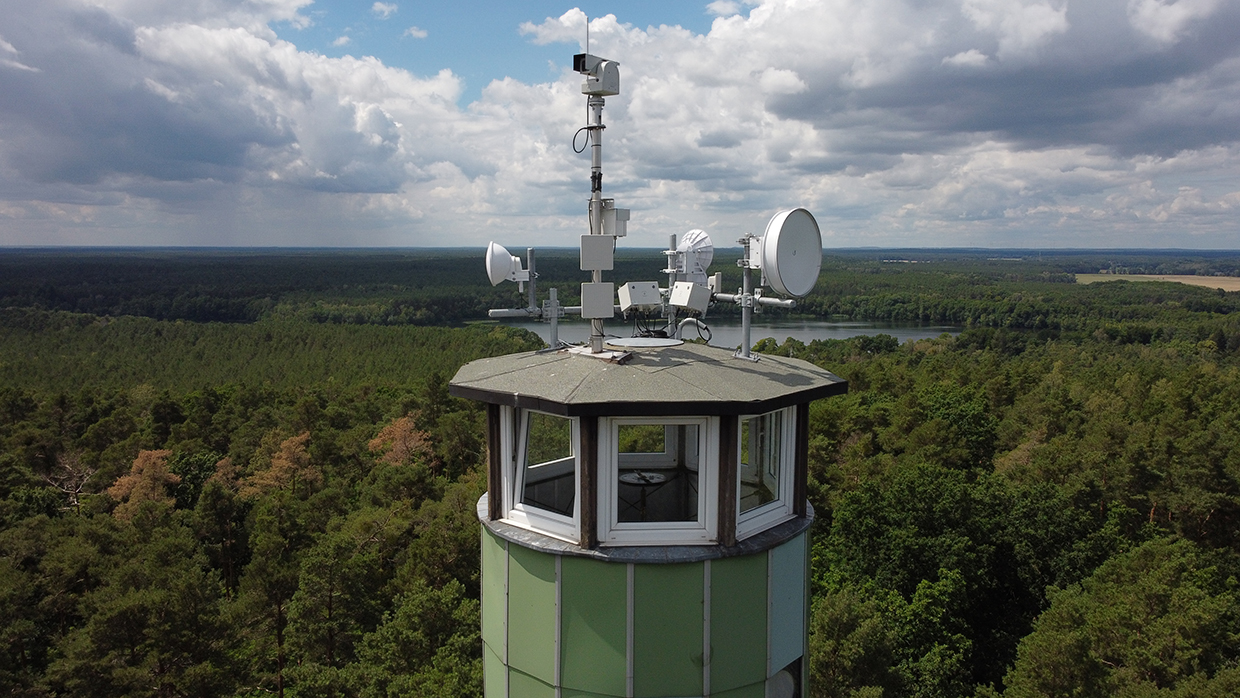
IQ FireWatch is an advanced wildfire detection system that combines multiple sensors and AI to outperform traditional methods such as closed-circuit television (CCTV), spectroscopy and thermal infrared. It uses a multispectral sensor suite, including monochrome, near-infrared, red–green–blue and optional thermal infrared sensors, to detect fires across all conditions and regions. With a large spectral range, it captures more light than standard color cameras, enhancing information. The system integrates classic feature-based detection with AI, reducing false alarms and increasing detection speed. Real-time raw data processing ensures optimal performance without loss of information, even in poor weather. Unlike compressed image formats used by conventional cameras, IQ FireWatch delivers clearer, more detailed data, enabling faster and more accurate wildfire detection.
Technological maturity: Proven
Contracting type: For sale
Technology level: High
Place of origin: Germany
Availability: Worldwide
Contact: WIPO GREEN Database
Firefighting PPE: fire-resistant fabric made with PBO
TAIWAN K.K. CORP

KANOX PBO Pioneer is an advanced, inherently fire-resistant material designed for firefighter protection. PBO is a high-performance synthetic fiber, offering heat resistance up to 650 degrees Celsius (°C) and surpassing materials such as Nomex and Kevlar. It is lightweight (PBO is twice as strong as Kevlar at the same weight) and made with a durable twill weave, offering exceptional tensile strength and tear resistance, enabling firefighters to work in extreme conditions.
Technological maturity: Proven
Contracting type: For sale
Technology level: Medium
Place of origin: Taiwan
Availability: Worldwide
Contact: WIPO GREEN Database
Firefighting equipment: weather devices for firefighters
Kestrel
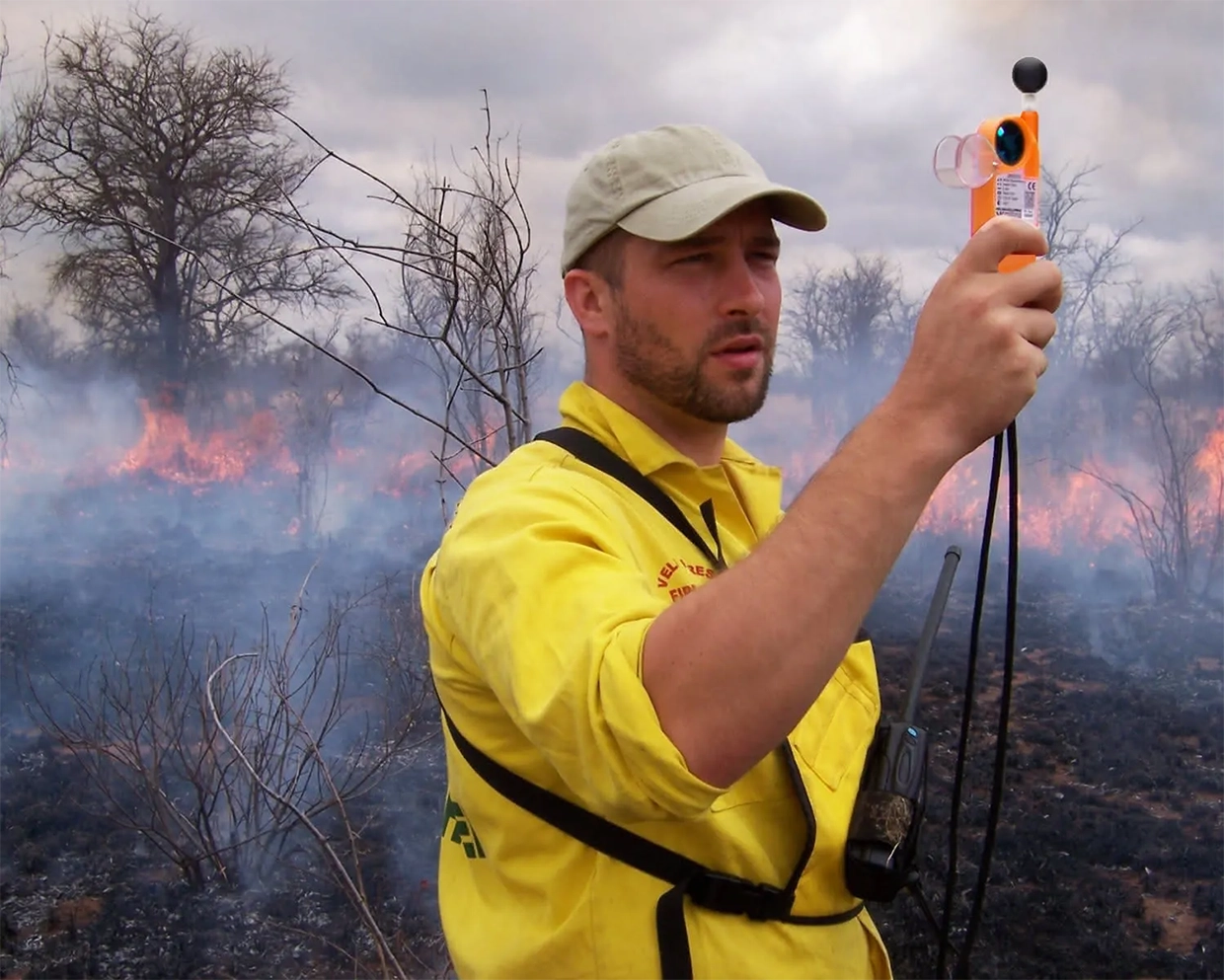
Kestrel weather meters are essential tools for firefighters, providing accurate, real-time weather data that are critical for fire behavior analysis and safety. Meters measure key variables such as wind speed, temperature, humidity and pressure, with advanced models featuring built-in calculations of probability of ignition and fine dead fuel moisture. The Kestrel PRO line includes wireless data transfer via the Kestrel LiNK app, making it easier to share real-time conditions. The meters also track environmental trends and provide instant access to critical fire behavior data, eliminating the need for paper lookup tables. Additionally, Kestrel’s Fire Weather Meters help predict heat stress and prevent injuries during training and operations by measuring wet bulb globe temperature (WBGT). The Kestrel DROP D3FW loggers allow for continuous monitoring of temperature and humidity, which is useful for prescribed burns.
Technological maturity: Proven
Contracting type: For sale
Technology level: Medium
Place of origin: United States
Availability: Worldwide
Contact: WIPO GREEN Database
Firefighting equipment: thermal camera
SeekThermal

The FirePRO Series provides cost-effective, lightweight thermal cameras that enhance firefighter safety and efficiency. The FirePRO 300 features a 320 × 240 resolution sensor, while the FirePRO 200 offers 200 × 150 resolution. Both models use Seek’s Mixed Gain Mode, allowing firefighters to observe both hot and cool areas in a single image, making thermal imaging more intuitive. The cameras are useful in low-visibility conditions, detecting heat signatures through smoke, darkness or haze to locate hotspots and people, and monitor fire progression. Thermal cameras also support coordination with aerial units such as drones, improving firefighting efficiency, and can help in post-fire assessments to identify remaining heat sources and prevent reignition.
Technological maturity: Proven
Contracting type: For sale
Technology level: Medium
Place of origin: United States
Availability: Worldwide
Contact: WIPO GREEN Database
Firefighting equipment: thermal camera
Exosens

Exosens designs advanced thermal imaging systems for firefighting and critical infrastructure, including handheld and wearable (helmet/jacket-mounted) cameras. These tools provide real-time visibility in smoke-filled environments, aiding in victim rescue, hotspot detection and structural integrity assessment. Equipped with Photonis’ shutterless infrared cores, they maintain image clarity amid rapid temperature changes. While primarily tactical, their high-resolution thermal data also support wildfire research – such as prescribed burn monitoring – improving fire behavior models over time.
Technological maturity: Proven
Contracting type: For sale
Technology level: High
Place of origin: France
Availability: Worldwide
Contact: WIPO GREEN Database
Firefighting equipment: firefighting turbine
EmiControls

A firefighting turbine uses highly efficient fire safety technology that atomizes water, foam or a mixture of the two into fine droplets, creating a large surface area for enhanced heat absorption. This mist envelops objects and reaches hidden fire sources, making it more effective than conventional water jets. The technology offers high cooling capacity with low water consumption and can deliver water mist with pinpoint accuracy at low pressures. Available in both stationary and mobile set-ups, the turbines can integrate with any fire detection system for fully automatic deployment, or be incorporated into a firefighting robot or fire truck. They can also be remotely controlled at distances up to 300 m.
Technological maturity: Proven
Contracting type: For sale
Technology level: Medium
Place of origin: Italy
Availability: Worldwide
Contact: WIPO GREEN Database
Aerial firefighting: helicopter firefighting bucket with refill pump
Kawak Aviation Technologies

The Cascade helicopter firefighting bucket is designed for efficient aerial firefighting. The bucket’s rapid dip-fill capability reduces turnaround time. Its compact, collapsible design allows for easy storage, transport and deployment. The KJet series helicopter bucket refill system offers simplified faster filling. Designed for bottom-filling buckets, it can fill from shallow streams, ponds and tanks, reducing cycle times and increasing flexibility in dip sites. Its corrosion-resistant construction ensures durability in harsh environments with minimal maintenance.
Technological maturity: Proven
Contracting type: For sale
Technology level: Medium
Place of origin: United States
Availability: Worldwide
Contact: WIPO GREEN Database
Aerial firefighting: amphibious aircraft
Beriev Aircraft Company (part of PJSC UAC of Rostec State Corporation)

The Be-200ES is the world’s only amphibious jet aircraft. It can drop up to 270 metric tonnes in a single refueling, making it highly effective for large-scale firefighting operations. The Be-200ES has garnered international attention, with its first foreign contract in 2020 receiving positive feedback. Manufactured by the Beriev Aircraft Company (part of PJSC UAC), this aircraft has proven its effectiveness in combating fires in the Russian Federation and is expanding its presence in global markets for firefighting services.
Technological maturity: Proven
Contracting type: For sale
Technology level: Medium
Place of origin: Russian Federation
Availability: Worldwide
Contact: WIPO GREEN Database
Fire monitoring: provision of real-time data on wildfire activity
NASA
1.jpg)
NASA’s Fire Information for Resource Management System (FIRMS) provides near real-time satellite-based global wildfire detection and monitoring tools. Originally developed in 2007 by the University of Maryland with NASA and UN support, FIRMS delivers fire location, extent and intensity data using MODIS and VIIRS satellite sensors. In 2021, NASA and the US Forest Service launched FIRMS US/Canada, a modernized platform combining data from NASA, NOAA and other agencies to support wildfire response and decision-making. New features include the static thermal anomalies mask, helping distinguish fire types. The system aids fire managers and the public by visualizing active fires and hotspots. Users can access FIRMS through its Fire Map Viewer, an interactive tool for visualizing active fire locations globally. Data downloads are available in shapefiles, keyhole markup language or text files. FIRMS also offers web map service capabilities for integrating fire data into other applications.
Technological maturity: Proven
Contracting type: Data is open access
Technology level: High
Place of origin: United States
Availability: Worldwide
Contact: WIPO GREEN Database
Fire retardant: Instant Foam for Fighting Forest Fires (I4F)
R-Fire and TFEX Engineering Ltd
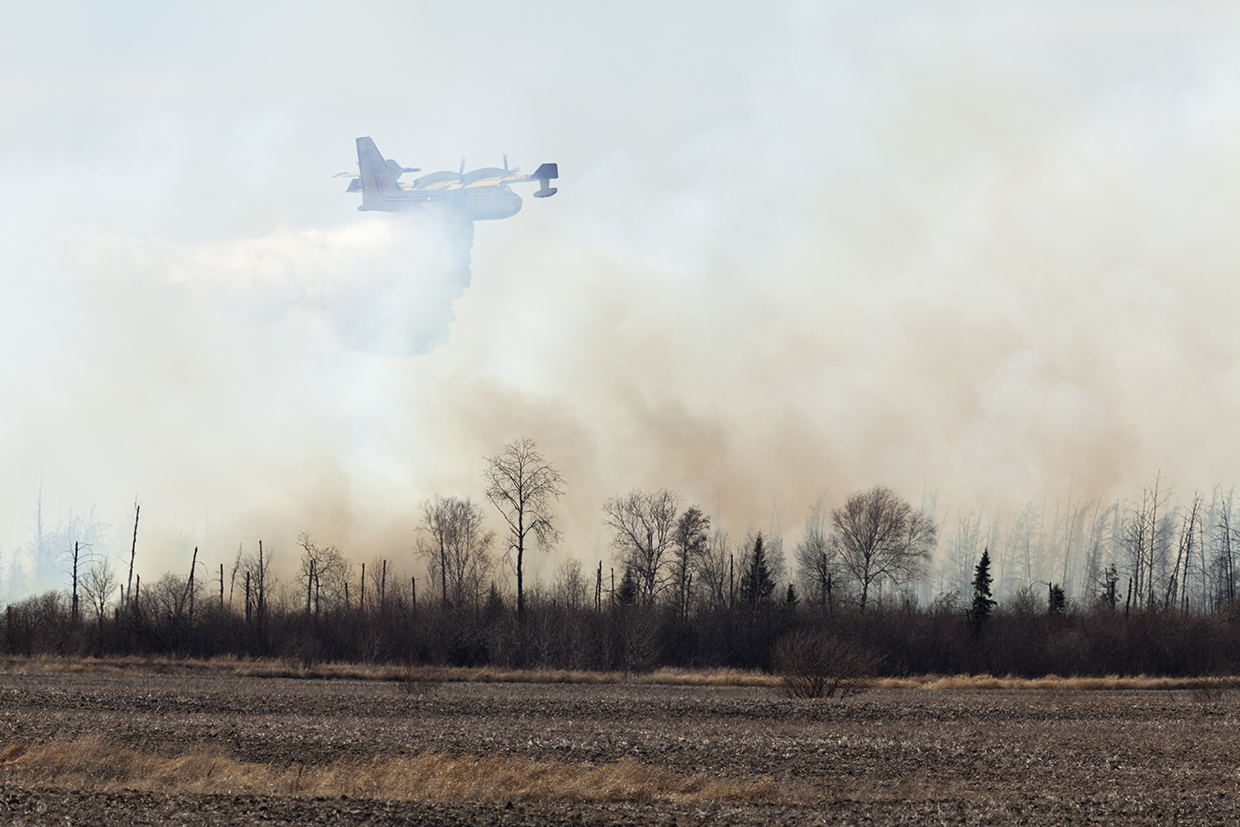
Unlike traditional water or foam-based methods, I4F uses a unique foam technology that stays on the branches of trees, preventing fire from spreading. This foam can be carried in smaller volumes, reducing the risk to pilots by minimizing the need to fly directly over the fire. The technology provides up to three times the extinguishing capacity of water, with a cooling effect that can last up to 60 minutes, compared to conventional foams that last only 25 minutes. I4F foam is also more cost-effective than long-term retardants, reduces water waste, lowers carbon dioxide (CO2) emissions, protects flora and fauna, and helps safeguard human lives in WUIs.
Technological maturity: Proven
Contracting type: For sale
Technology level: Medium
Place of origin: Hungary
Availability: Worldwide
Contact: WIPO GREEN Database
Fire-resistant building materials: bio-based composite
Duplicor

Duplicor® resin is a 100 percent bio-based composite material made from crop residues. When combined with natural fibers such as flax, jute or hemp, it forms an eco-friendly, fire-resistant material. Duplicor® is extremely fire-resistant, achieving Euro fire class B without requiring additional fire retardants. It emits minimal smoke and does not release hazardous particles. Beyond fire resistance, it offers a sustainable alternative for the construction industry, significantly reducing CO2 emissions compared to traditional materials.
Technological maturity: Proven
Contracting type: For sale
Technology level: Medium
Place of origin: Kingdom of the Netherlands
Availability: Europe
Contact: WIPO GREEN Database
Frontier technology solutions
Power-line fire mitigation: AI-driven platform for vegetation management
Overstory

Overstory’s AI-driven platform helps utility companies manage vegetation near power lines to reduce wildfire risks. By processing satellite images, it extracts detailed data on tree and shrub health, height and species. The system then generates risk assessments to pinpoint which vegetation poses a fire threat, recommending pruning or removal for mitigation. With actionable insights and optimization guidelines, Overstory enables utilities to proactively manage fire hazards, integrating smoothly with their existing systems for effective, real-time risk management.
Technological maturity: Frontier
Contracting type: For sale
Technology level: High
Place of origin: Germany
Availability: Brazil, Canada, Europe, United States
Contact: WIPO GREEN Database
Power line fire mitigation: sensor system for real-time grid monitoring
Gridware
Gridware uses advanced sensors placed on power poles to continuously monitor grid infrastructure, alerting operators in real time to hazards and faults. The sensors detect wildfire threats, such as equipment failures, downed lines, or contact with vegetation, enabling rapid response and repairs. Since the devices run on solar power, they remain operational during power outages. In 2023, the Californian power utility company PG&E deployed 1,875 sensors, and planned to expand to 10,000 in 2024, monitoring thousands of kilometers of power lines.
Technological maturity: Frontier
Contracting type: For sale
Technology level: High
Place of origin: United States
Availability: United States
Contact: WIPO GREEN Database
Detection: intelligent platform for fire detection
Pano AI

Pano Rapid Detect is an advanced platform designed to help fire professionals detect and respond to wildfires faster and more accurately. Utilizing 360° ultra-high-definition cameras and AI-driven analysis, Pano stations are deployed on high vantage points to scan landscapes and spot wildfire activity within a 16 km radius. The platform integrates satellite data, emergency alerts and communication tools, ensuring real-time information sharing with responders, while using deep learning to automatically detect, verify and classify fire events in real time. Once a fire is detected, Pano sends rapid alerts to fire-monitoring teams.
Technological maturity: Frontier
Contracting type: For sale
Technology level: High
Place of origin: United States
Availability: Worldwide
Contact: WIPO GREEN Database
Fire modeling: satellite-based mapping and monitoring of fire damage
OroraTech

The Burnt Area solution provides burnt area mapping and fire progression tracking using satellite data. It provides detailed insights into fire damage globally, supporting decision-making and recovery efforts in the aftermath of wildfires. Its high-resolution fire data have 20 m precision and can provide fire damage data within 2–3 days of a fire event. The system maps burnt areas and assesses damage severity more quickly than aerial mapping. It can provide continuous updates on fire movement and impacts and is scalable and adaptable for both small fires and large-scale fire events.
Technological maturity: Frontier
Contracting type: For sale
Technology level: High
Place of origin: Germany
Availability: Worldwide
Contact: WIPO GREEN Database
Fire retardant: non-toxic fire retardant and pump proportioner
FireRein
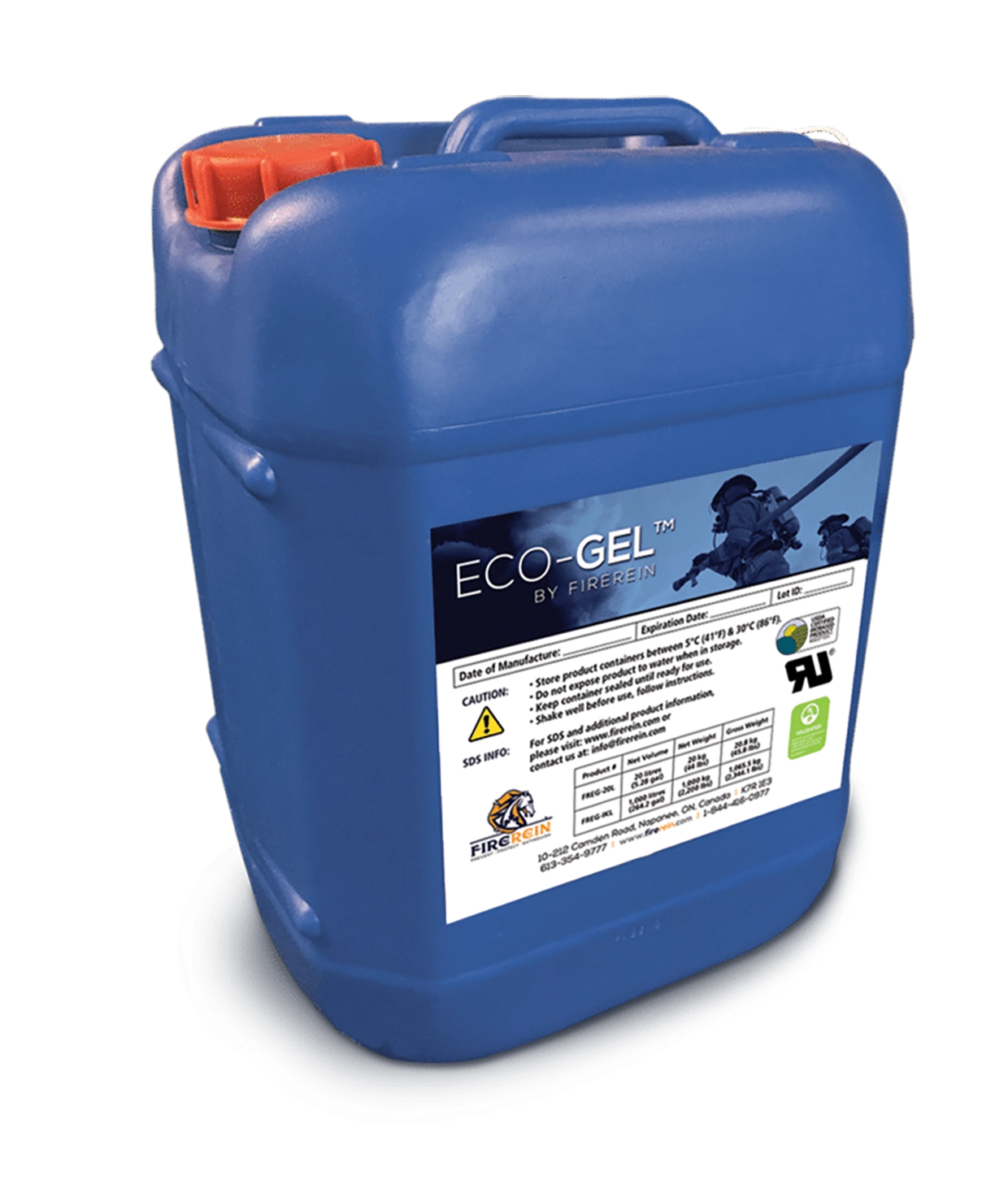
Eco-Gel™ is a non-toxic and biodegradable plant-based firefighting water additive. It is the first firefighting gel to be Underwriters Laboratories listed for both Class A (ordinary combustibles – wood, paper, vegetation) and Class B (flammable liquids – gasoline, oil, chemicals) fires, making it effective for a wide range of fire scenarios. When mixed with water, Eco-Gel™ creates a hydrogel that clings to surfaces – vertical, horizontal, and overhead – providing protection for firefighters and preventing fire re-ignition. Its food-grade ingredients make it exceptionally safe, and it has been certified by the United States Department of Agriculture’s BioPreferred Program. FireRein also offers the FireRein TPP™ (Through Pump Proportioner) system, which enables users to introduce Eco-Gel™ into a firefighting water stream, adjusting its viscosity as needed. The product has a shelf life of five years.
Technological maturity: Frontier
Contracting type: For sale
Technology level: Medium
Place of origin: Canada
Availability: North America (limited availability in Australia, EU, Middle East)
Contact: WIPO GREEN Database
Firefighting UAV: drone for nocturnal operations
Drone Hopper
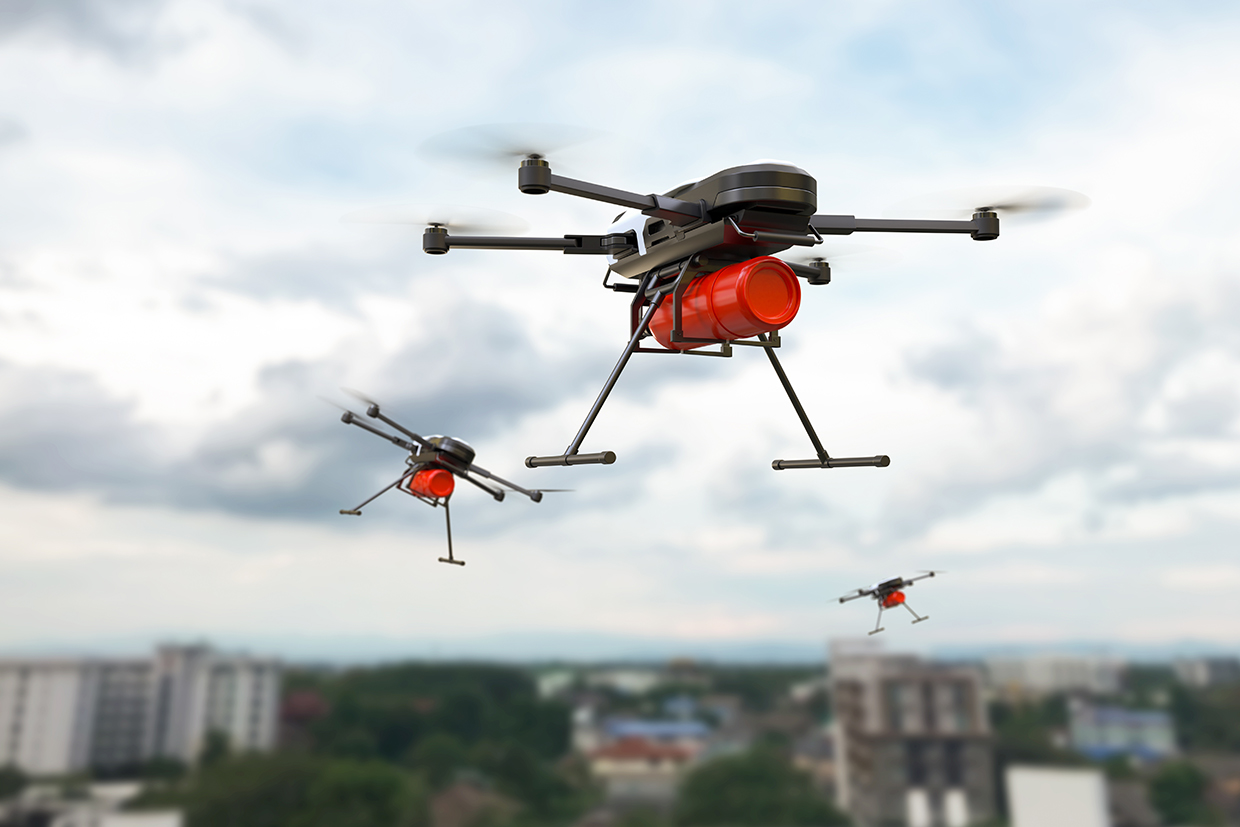
Drone Hopper specializes in manufacturing high-load capacity industrial drones with thermal engines. Their product line includes both heavy-duty drones with high autonomy and lighter drones with industrial features. The company’s WILD HOPPER project focuses on creating drones specifically for firefighting applications, aiming to complement existing aerial resources. Drone Hopper’s drones are particularly useful in areas where conventional piloted aircrafts cannot operate. The drones are employed in indirect attack methods (e.g., creating firebreaks) and direct interventions to combat smaller fires or provide quick response.
Technological maturity: Frontier
Contracting type: For sale
Technology level: High
Place of origin: Spain
Availability: Spain
Contact: WIPO GREEN Database
Firefighting robot: forest mulcher
Vallfirest
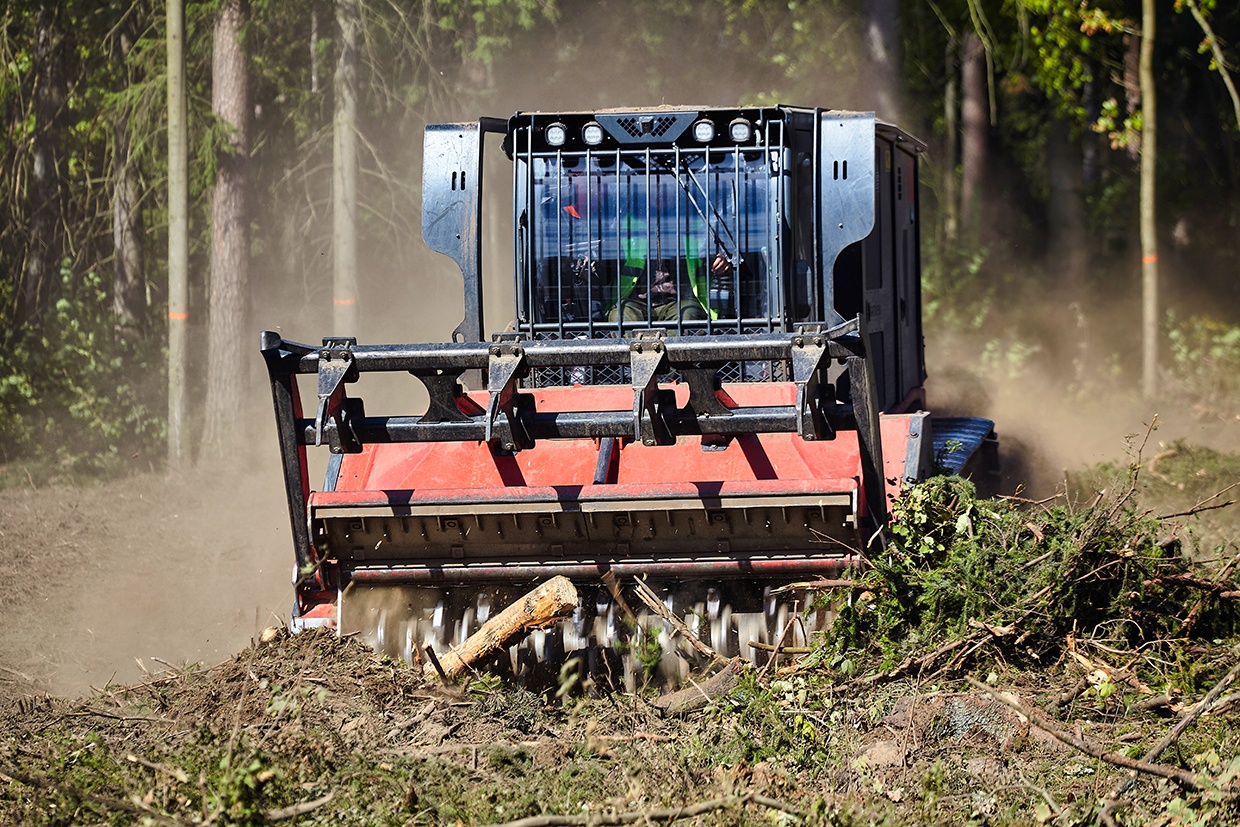
Dronster is a remote-controlled emergency robot designed to improve safety and efficiency in wildland firefighting, structural fires and rescue operations. The Dronster can operate multiple attachments such as trenchers, snowplows and extinguishing monitors, allowing it to adapt to various emergency scenarios. Remotely controlled from up to 150 m, it enables firefighters to handle dangerous tasks from a safe distance. It can navigate difficult terrain, including slopes of over 30° and dense vegetation. Weighing about 850 kg, the Dronster can be transported by pickup trucks, vans, or helicopters, ensuring quick deployment to emergency sites.
Technological maturity: Frontier
Contracting type: For sale
Technology level: High
Place of origin: Spain
Availability: Worldwide
Contact: WIPO GREEN Database
Firefighting equipment: smart personal protective equipment
SlateSafety
The BEACON V2 is an advanced environmental monitoring system designed to measure real-time temperature, relative humidity, heat index and effective WBGT. It serves as a hyperlocal monitor for heat tracking and can also be integrated with the BAND V2 wearable device, creating a comprehensive safety system for teams in physically demanding roles. The BAND V2 is a safety wearable that continuously monitors physiological data and sends real-time alerts to ensure worker safety. The data collected from both devices are processed and stored securely in the cloud. Additionally, BEACON V2 provides coarse real-time location system capabilities.
Technological maturity: Frontier
Contracting type: For sale
Technology level: High
Place of origin: United States
Availability: Worldwide
Contact: WIPO GREEN Database
Fire prevention: user-driven app for assessing potential bushfire fuel loads
NOBURN
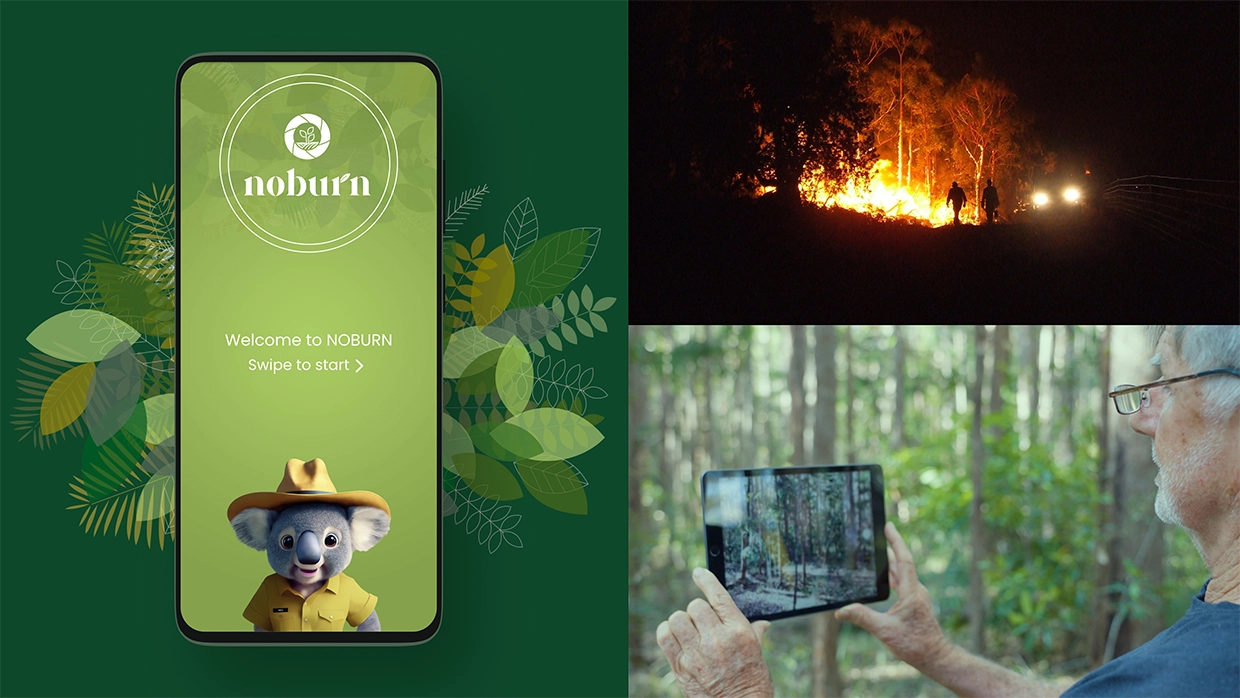
The NOBURN app, developed by researchers at the Universities of Adelaide and the Sunshine Coast, uses AI and computer vision to analyze user-submitted photos of fire-prone areas. It assesses bushfire fuel loads and predicts potential bushfire severity and spread. The app aims to raise awareness about the role AI can play in preventing devastating bushfire losses and in providing situational awareness for bushfire commanders. By enabling thousands of citizens to contribute data through photos, the app facilitates a broader approach to bushfire prevention. The app has the potential to expand into real-time resource deployment tracking and even AI-assisted communication with firefighters.
Technological maturity: Frontier
Contracting type: Open access
Technology level: High
Place of origin: Australia
Availability: Australia
Contact: WIPO GREEN Database
Fire-resistant building materials: fire protection coating
Flame Security International

FIRECOAT Interior is a water-based, fire-resistant coating tested to Bushfire Attack Level (BAL-29) under Australian Standard AS 3959. Designed for homes and commercial interiors, it reacts to heat by forming an insulating char layer, delaying ignition and flame spread while reducing smoke. Ideal for ceilings, kitchens and areas with electrical equipment, it provides critical evacuation time. Applied via brush, roller or spray (2–3 coats required), it meets stringent safety standards for radiant heat and ember exposure. Exterior and structural fireproofing require FIRECOAT’s specialized variants.
Technological maturity: Frontier
Contracting type: For sale
Technology level: High
Place of origin: Australia
Availability: Australia, Sweden, United States
Contact: WIPO GREEN Database
Fire-resistant building materials: bio-based alternative for ecological construction
Nordtreat

NORFLAM® is a flame-retardant treatment for wood-based products offering fire protection and unlimited color selections in one. Applied either industrially or manually on-site, NORFLAM® provides fire protection ranging from Euroclass standards B-s1, d0, to D-s1, d0, making it suitable for various applications in construction. The solution is commonly used for materials such as solid wood cladding, thermally modified timber, interior paneling and wood-based panels. Over 95 percent of the raw materials used in NORFLAM® are non-fossil, and more than 40 percent are bio-based. This helps the product meet certifications such as LEED, M1 and A+ emission ratings.
Technological maturity: Frontier
Contracting type: For sale
Technology level: Medium
Place of origin: Finland
Availability: Europe
Contact: WIPO GREEN Database
VR: firefighter training system
FLAIM
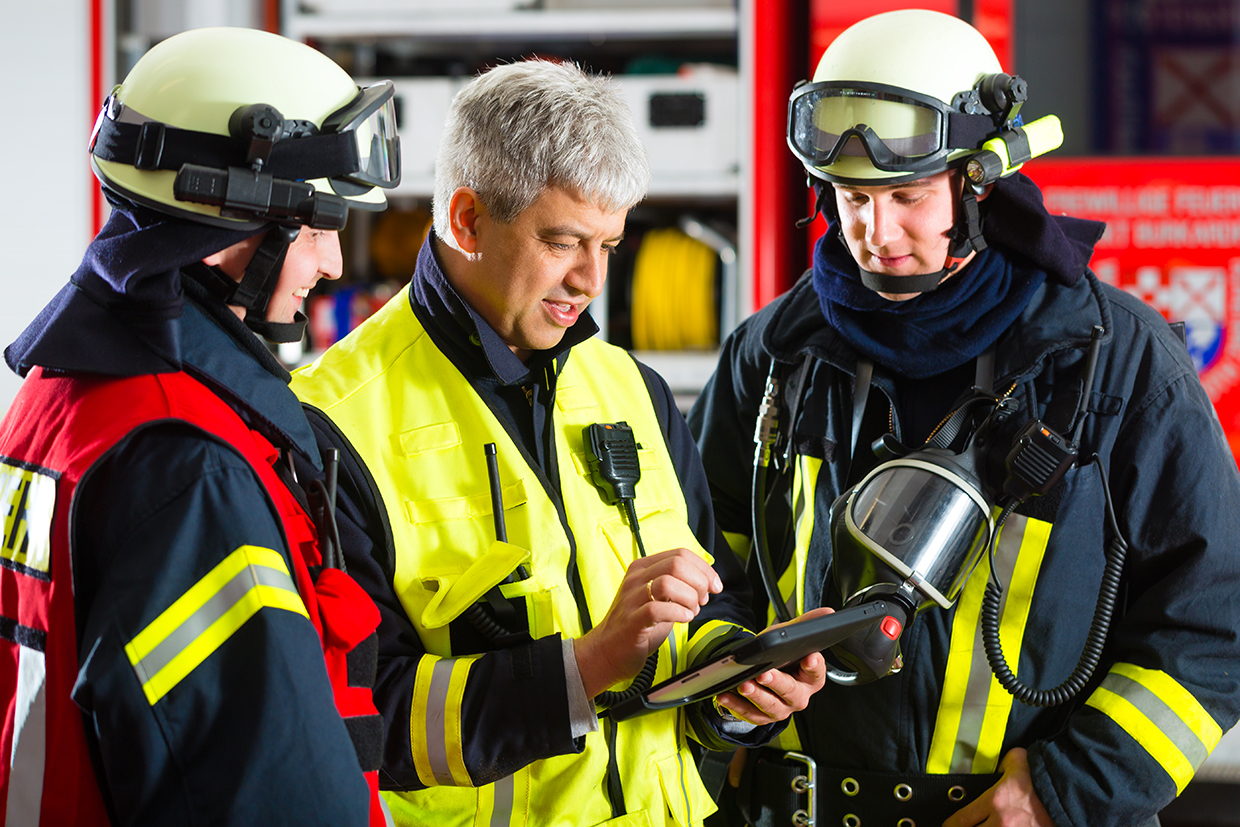
FLAIM technology provides advanced VR firefighter training solutions, designed to deliver immersive, high-fidelity fire scenarios that simulate real-world emergencies. Their platform includes FLAIM Trainer, which combines VR fire simulations with firefighting equipment to create realistic training experiences. This helps firefighters develop crucial skills, such as situational awareness and quick decision-making, all while maintaining safety during training. FLAIM also integrates with Capture, a web-based learning and analytics platform that securely tracks and reports on performance and competency during training sessions. The platform records key data, which are then used to evaluate and improve training strategies and outcomes.
Technological maturity: Frontier
Contracting type: For sale
Technology level: High
Place of origin: Australia
Availability: Worldwide
Contact: WIPO GREEN Database
Horizon technology solutions
Place-of-origin detection and response: autonomous drones for ultra-early wildfire response
Dryad

The Silvaguard drone system integrates with Dryad’s Silvanet ultra-early fire detection system, using solar-powered gas sensors to detect wildfires at the smoldering stage. Upon detection, Silvaguard drones autonomously deploy, providing real-time aerial observation and pinpointing fire location and size. In the future, Silvaguard drones will use suppression technologies, such as acoustic waves (a novel suppression method whereby high-intensity sound waves vibrate air molecules and separate oxygen from fuel vapors), to extinguish fires in their early stages. As of 2025, the system is a fully functional prototype and is undergoing testing to enhance suppression capabilities and refine drone autonomy. The Silvaguard system represents a significant step toward automated, real-time wildfire detection and suppression, with the long-term vision of deploying fleets of drones for widespread wildfire management.
Technological maturity: Horizon
Contracting type: Under development
Technology level: High
Place of origin: Germany
Availability: N/A
Contact: WIPO GREEN Database
Detection: CubeSat AI model
University of South Australia (UniSA)
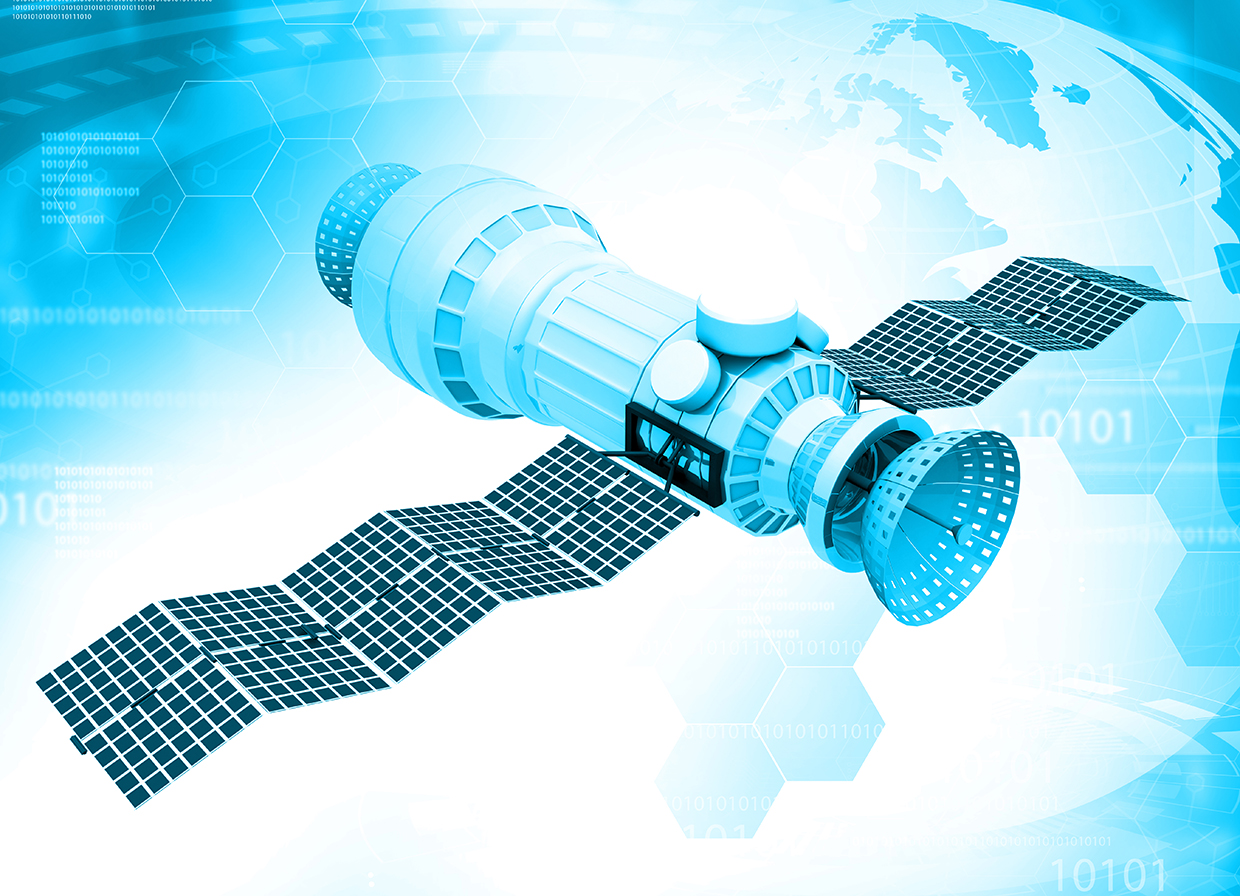
Researchers from UniSA, Swinburne University of Technology and Geoscience Australia have developed an energy-efficient AI model for detecting bushfire smoke using onboard image processing in cube satellites (standardized and miniaturized, lightweight, low-cost satellites). Part of the broader Kanyini CubeSat mission managed by SmartSat CRC, the project addresses the challenge of processing large volumes of data within the strict power, storage and transmission capabilities of small satellites. By processing imagery in orbit rather than after downlink, the system reduces data volumes by 84 percent while consuming 69 percent less energy. In one simulated event, it took 14 minutes for the onboard AI to detect smoke and send the data to the ground station. This approach enables fire smoke detection at rates up to 500 times faster than that of conventional on-ground processing. Once operational, the technology could be commercialized and used in a CubeSat constellation.
Technological maturity: Horizon
Contracting type: Under development
Technology level: High
Place of origin: Australia
Availability: N/A
Contact: WIPO GREEN Database
Detection and response: autonomous vase/vessel fire protection system
Hephaesnus
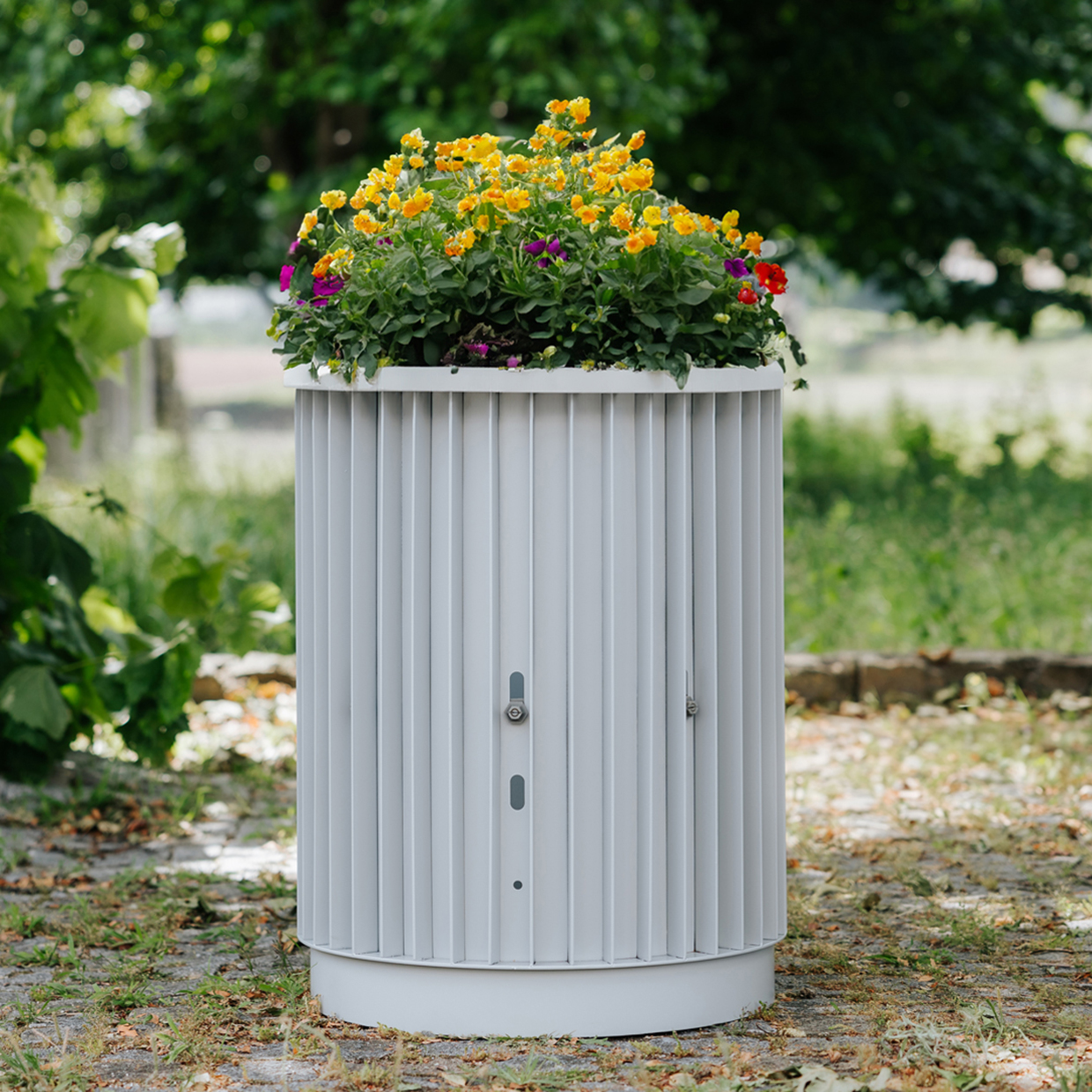
The Sallus® Guard is an autonomous fire protection system designed to detect and suppress fires around properties. The system independently identifies flames from up to 10 m away and releases a retardant to cover approximately 30 m². It operates without electrical, water or other external connections. Beyond fire protection, the Sallus® Guard serves as a decorative element, featuring optional enhancements such as CCTV systems and device-charging capabilities.
Technological maturity: Horizon
Contracting type: Available for pre-order
Technology level: High
Place of origin: Portugal
Availability: N/A
Contact: WIPO GREEN Database
Aerial firefighting: autonomous aircraft for wildfire response
Rain

Rain has developed a wildfire mission autonomy system that enables uncrewed and optionally piloted aircraft to autonomously detect and suppress wildfires. The system integrates onboard sensors, infrared and visual cameras, global positioning system (GPS) and inertial navigation systems with software for wildfire mission management, path planning, fire perception, suppression strategy and suppressant targeting. It enables autonomous mapping of fire size and behavior, and uses the data to design a suppression strategy. A handheld control interface, the Rain tablet, allows operators to command tasks such as area searches, water drops, and bucket refills. In partnership with Sikorsky, Rain demonstrated the technology in California, where a tablet-controlled Black Hawk helicopter performed autonomous fire suppression, including drops in high winds and real-time path adjustments.
Technological maturity: Horizon
Contracting type: Under development
Technology level: High
Place of origin: United States
Availability: N/A
Contact: WIPO GREEN Database
Fire modeling: AI-enabled lightning strike prediction model
Bar-Ilan University
Researchers from Bar-Ilan University are developing a machine-learning model that predicts lightning-induced wildfire risk globally. Unlike previous models, it uses seven years of high-resolution satellite data, considering factors such as lightning strikes, vegetation, weather and topography. The AI model was tested on 2021 wildfire data, achieving over 90 percent accuracy. Testing also revealed that lightning-induced wildfires behave differently from those caused by humans, highlighting the need for specialized prediction models. The model shows that climate change is increasing lightning fire risks, driven by more frequent extreme weather. While not yet implemented in real-time forecasting systems, this AI model demonstrates how big data and AI can improve wildfire management.
Technological maturity: Horizon
Contracting type: Under development
Technology level: High
Place of origin: Israel
Availability: N/A
Contact: WIPO GREEN Database