
Technological developments and trends
Droughts are prolonged dry periods in the natural climate cycle caused by a lack of rainfall. Although they are historically part of the natural climate cycle, human-driven climate change is now making them longer, more severe and less predictable (
Droughts are not just disasters – they are slow-burning crises that destabilize food, energy and health systems. This means they disrupt the water–energy–food nexus, a framework that highlights the critical interdependence between these sectors, showing how pressure on one (such as water) can ripple across the others (such as food production and energy supply) (
As droughts typically unfold over extended periods, much of the discussion and solutions in this section focus on prevention and preparedness rather than immediate emergency response. In acute drought situations, emergency measures typically involve transporting water to affected areas and populations, conserving the sparse water resources available, or organizing evacuations. Prevention measures to optimize water use, along with surveying, recycling and managing water resources efficiently, are numerous and increasingly critical in a “new normal” marked by more frequent and severe climate-induced droughts.
Droughts are not just disasters – they are slow-burning crises that destabilize food, energy and health systems
Economically, one study estimated that up to 5 percent of global GDP will be exposed to severe droughts over the next 50 years, with losses rising from USD 4.7 billion in the 2030s to USD 10 billion by the 2050s (in 2005 prices). Despite these growing risks, droughts have received less attention than other disasters, and response efforts remain insufficient.
Sanitation and hygiene worsened by drought
As of 2022, 2.2 billion people lacked safe drinking water, while 3.5 billion lacked safe sanitation. Drought reduces water availability, hindering safe water management, especially in areas affected by conflict or unequal access. People may resort to unsafe water, increasing the risk of waterborne diseases. Limited water can also lead to poor hygiene, contributing to illnesses such as diarrhea and skin infections (
Droughts also lower groundwater levels and strain water infrastructure, increasing reliance on untreated sources that may contain naturally occurring toxins such as arsenic (
To address these risks, portable testing labs and rapid detection methods (e.g., membrane filtration) can help identify contamination, Purification tools such as solar-powered filters, ultraviolet (UV) disinfection with advanced oxidation processes (AOP) and reverse osmosis can treat high-risk water. AOP, for instance, combines UV light and oxidants (usually hydrogen peroxide) to form powerful hydroxyl radicals that break down difficult-to-remove contaminants, such as micropollutants, that are often resistant to traditional water treatment methods.
Drought conditions also further degrade water quality by concentrating pollutants such as heavy metals and overwhelming wastewater systems. They may also shift the distribution of disease vectors such as mosquitoes, raising the risk of disease infections such as Malaria, West Nile and Dengue virus, as they gather around limited or stored water sources often more prevalent in populated areas during water stress situations.
From sky to soil – predicting and monitoring drought with data
As droughts become more frequent and severe, early warning and monitoring systems are increasingly vital. Key drought indices, such as the Standardized Precipitation Index, which tracks precipitation deficits, and the Standardized Evapotranspiration Precipitation Index, which accounts for both precipitation and evapotranspiration, help assess drought risk (
Feeding the world in a drier future
Agriculture was the largest consumer of freshwater globally in 2024, accounting for approximately 70 percent of all water withdrawals (
Among the four main global crops – wheat, maize, rice, and soybeans – wheat is the most sensitive to drought, followed by soybean and maize
The impact of drought on crop yields is complex. Drought degrades soils by reducing moisture levels, diminishing fertility, causing erosion and lowering soil quality. Reduced water availability often leads to smaller, lower-quality harvests. Crop type and variety, location, irrigation, plant phenology, and drought severity and evolution all influence how agricultural systems respond to water stress (
Among the four main global crops – wheat, maize, rice, and soybeans – wheat is the most sensitive to drought, followed by soybean and maize. Rice appears to have been less affected by changes in drought severity over the past decade (
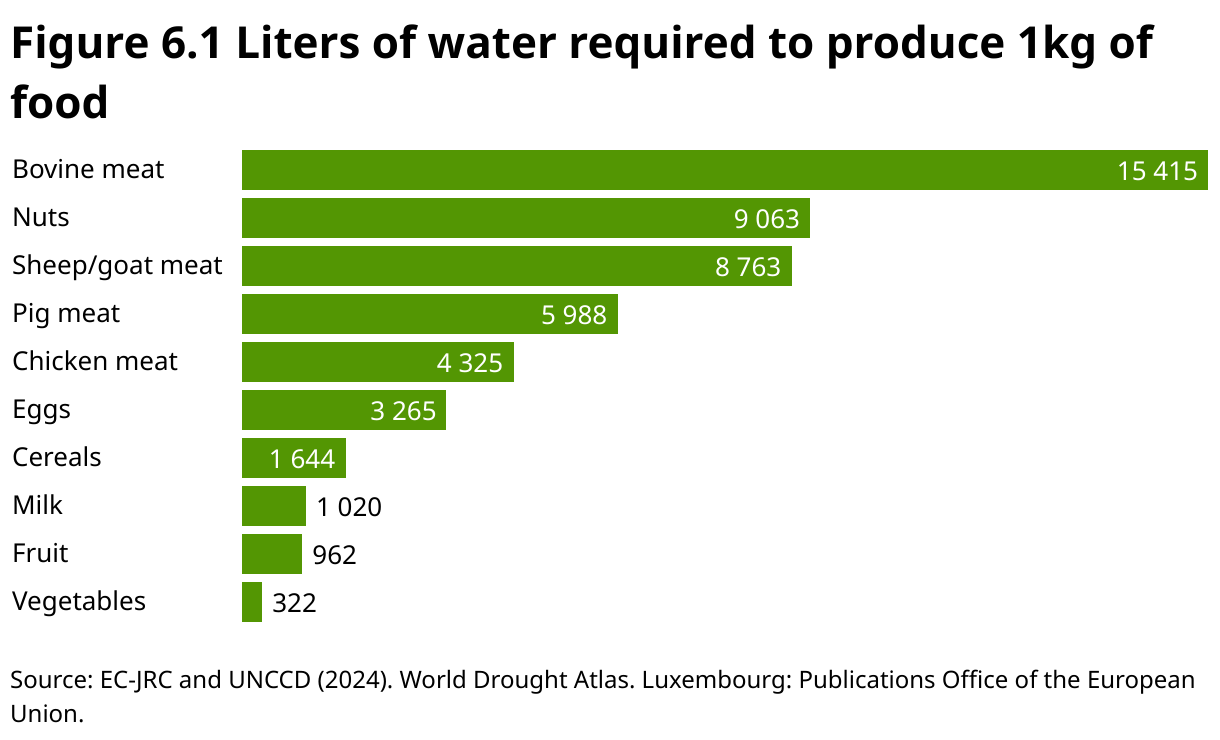
Water use varies dramatically with different food products. Figure 6.1 shows the water required to produce 1 kg of various agricultural products.
Genetic innovation in crops: CRISPR/Cas9 and GM
Drought tolerance is a complex trait influenced by multiple genes, making it one of the most difficult characteristics to study and categorize (
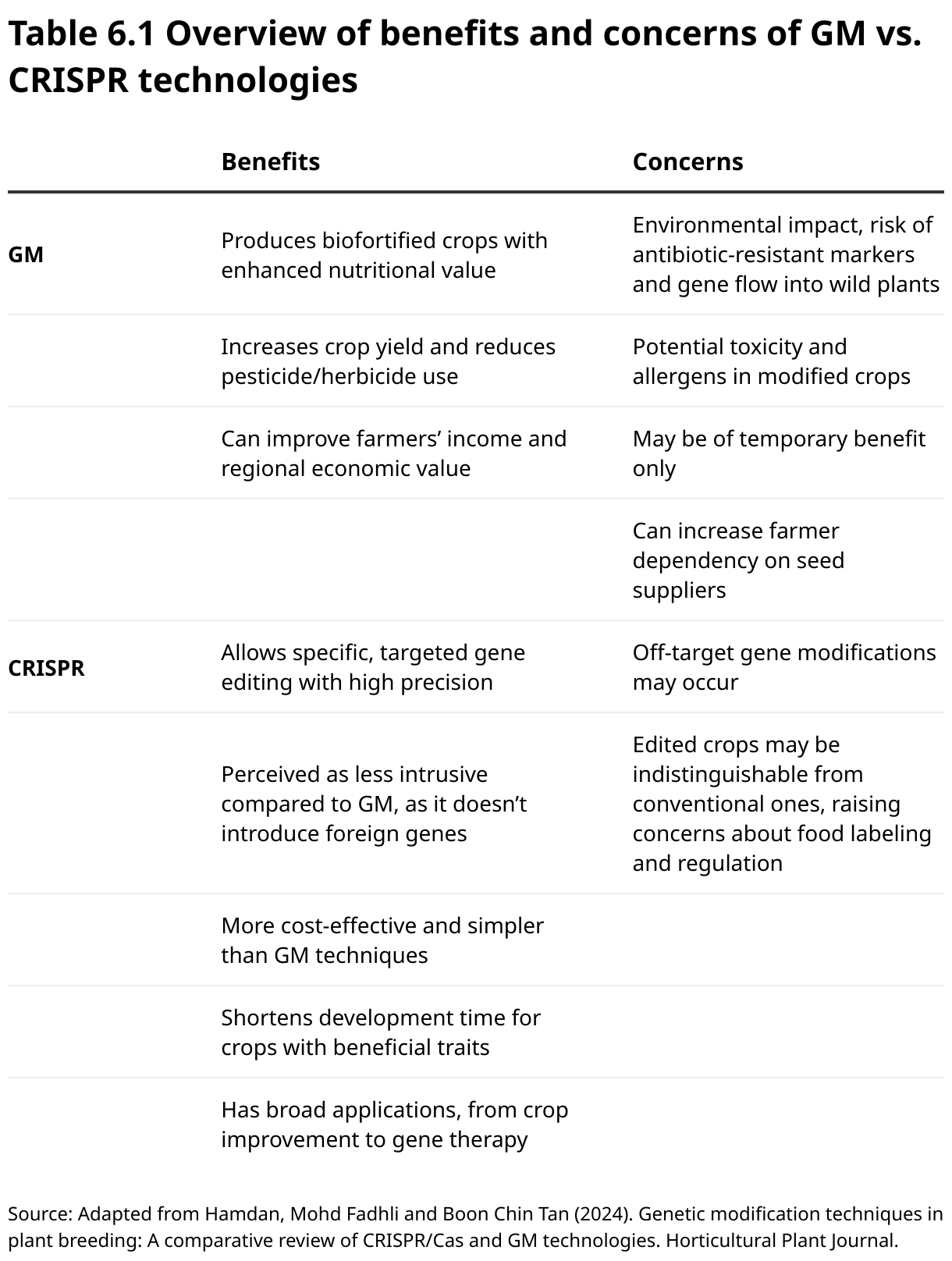
The development of recombinant technology in the late 20th century led to the development of genetically modified (GM) crops, offering potential benefits in nutrition, yield and stress resilience. Despite ongoing controversy, GM crops are now grown on 190 million hectares by 17 million farmers across 29 countries, marking a 112-fold increase since 1996 (
Gene editing (via CRISPR/CRISPR-associated protein 9 (Cas9)) allows precise modifications to specific genes related to drought tolerance, such as those controlling water use efficiency and stomatal regulation (
The CRISPR/Cas9 system has thus gained attention for its ability to edit plant genomes by creating precise DNA breaks. Unlike GM, CRISPR doesn’t always require foreign DNA insertion, and thus presents a more efficient and accurate method than traditional breeding. Supporters view CRISPR/Cas9 as a powerful tool for developing crops with better resilience, higher yields and improved nutrition. It has been used to enhance nearly 120 crops (
Marker-assisted selection and genome-wide association studies help breeders identify plants with drought-tolerant traits, such as deep roots and efficient water use, speeding up breeding cycles by selecting for these traits without waiting for plants to express them in the field (
Techniques such as somaclonal variation and tissue culture can discover new drought-tolerant plants or rapidly propagate those with desirable traits (
Specific crops leading the fight against drought
The global drought-resistant crops market is expected to grow at a 6.9 percent compound annual growth rate until 2032. Key segments such as oilseeds, pulses and conventional breeding methods will play a significant role in fostering market growth, with Europe slated to lead in research and development efforts (
Certain crops help farmers mitigate risks from changing weather patterns. Chilies and millets are drought-resistant alternatives to traditional corn farming. Chilies thrive in harsh conditions, while millet is praised for its resilience in dry, poor soils (
HB4 wheat, a genetically modified wheat variety developed by Bioceres, an Argentinian crop productivity solutions company, is designed to address water shortages. By incorporating the HaHB4 gene from sunflowers, it helps plants survive dry spells through the production of antioxidants and osmoprotectants (small molecules that help plants retain water and protect cells during drought). Approved in Argentina in 2020, HB4 wheat has produced up to 38 percent higher yields in drought conditions and 23 percent more in optimal conditions (
Crop wild relatives are wild plants related to domesticated crops, providing genetic diversity for breeding programs
Cutting-edge innovations are on the horizon. Australia’s Grains Research and Development Corporation, led by the Commonwealth Scientific and Industrial Research Organization (CSIRO), Australia’s national science agency, is investing USD 12.7 million in a project to integrate long coleoptile wheat, which can be sown deeper, improving yield by up to 20 percent by better utilizing soil moisture (
Crop wild relatives (CWRs) are wild plants related to domesticated crops, providing genetic diversity for breeding programs. The Dissemination of Interspecific International Center for Agricultural Research in the Dry Areas (ICARDA) Varieties and Elites through Participatory Research (DIIVA-PR) initiative enhances food security and resilience for wheat and barley farmers by evaluating CWR-derived lines in Ethiopia, Morocco and Tunisia, assessing landraces, and integrating the best germplasm into breeding. The project has released six drought-tolerant varieties and conducted trials in 23 countries (
Livestock vulnerability to drought
Drought reduces the availability of pasture and water, leading to malnutrition, dehydration and, in recurring cases, starvation and death for livestock – threatening the livelihoods of pastoralists (
Practical strategies for livestock feed include extending grazing seasons through managed grazing and planting drought-tolerant forages such as sorghum, millet and brassicas. Drought-tolerant grains (which endure drought stress and survive despite water shortage) such as sorghum and millet are well-suited to arid climates, requiring much less water than crops such as corn. Crop residues, such as corn stover and soybean residue, can supplement feed. Cottonseed hulls (in parts of Africa, and in Australia and India), alfalfa pellets and cactus pads (Africa, Mexico and the Middle East) are region-specific alternatives that provide water-efficient feed in dry areas (
Enhancing drought resilience through water efficiency and climate-smart agriculture (CSA)
Drought is not merely a climatic event, but also a consequence of unsustainable land use. Its impacts are disproportionately borne by women and marginalized communities who often rely on degraded land for subsistence farming and lack access to early warnings or adaptive technologies. Deforestation, overgrazing and soil degradation amplify water scarcity and vulnerability. Transitioning to CSA, precision farming and improved breeding techniques can improve drought resilience, reduce environmental impacts, bolster food security and restore landscapes. Improved irrigation methods and precision agriculture have been covered in other editions of the Green Technology Book, including Adaptation, Mitigation, Energy and special EXPO editions.
Precision agriculture (PA), which is rapidly gaining popularity worldwide, is a farming approach that uses GPS, sensors and IoT devices to improve resource efficiency by applying site-specific inputs. The global market for PA is projected to grow from USD 9.8 billion in 2024 to USD 22.5 billion by 2034, reflecting a compound annual growth rate of 8.6 percent, driven by advancements in IoT, AI and data analytics (
In regions such as the United States, large-scale farms are leading the adoption of precision agriculture technologies. In 2023, 70 percent of large-scale crop-producing farms employed guidance autosteering systems, a significant increase from the single-digit adoption rates seen in the early 2000s (
Agricultural drones are rapidly expanding worldwide, with China already using them to spray one-third of its farmland. These drones enable targeted irrigation, reducing overwatering and conserving water. So far, their efficient spraying and no-till operations have saved 210 million tonnes of water globally (
Drones with multispectral or thermal cameras can detect early signs of water stress in plants and assess soil moisture variations across fields
Conservation agriculture is a farming technique aimed at resource-efficient agriculture. It is based on minimal soil disturbance (e.g., zero or reduced tillage), permanent soil cover (e.g., crop residues or cover crops) and crop rotation or diversification. Zero or low-tillage systems help build drought resilience by improving soil health, conserving moisture and reducing erosion. CSA, as defined by the Food and Agriculture Organization of the United Nations (FAO), expands on conservation agriculture with a broader framework to address the triple challenge of sustainably increasing agricultural productivity and incomes; adapting and building resilience to climate change; and reducing or removing GHG emissions where possible (
The UNCCD’s (United Nations Convention to Combat Desertification) proactive drought management approach is built on three key pillars: monitoring and early warning systems, vulnerability and impact assessments, and risk mitigation through sustainable land management. This approach is used by governments, agencies and communities to anticipate and reduce drought impacts before emergencies arise. The first pillar focuses on continuously monitoring climate, hydrology and water-supply conditions to provide timely information that helps anticipate drought events. The second pillar involves assessing the vulnerability of communities and ecosystems to drought, ensuring that interventions target those most at risk. The third pillar emphasizes risk reduction by promoting sustainable practices such as conservation agriculture, which improve soil health, retain moisture and reduce erosion. Together, these tools form a comprehensive drought toolbox designed to enhance preparedness, reduce impacts and build resilience against increasingly frequent and severe droughts.
Source:
Protecting the world’s disappearing groundwater
Groundwater levels are influenced by increasing water demand and climate change. Rapid declines in groundwater levels (greater than 0.5 m per year) have been widespread in the 21st century, particularly in dry regions with large agricultural areas. Alarmingly, groundwater depletion has accelerated in 30 percent of the world’s regional aquifers over the past 40 years (
Groundwater monitoring is challenging due to the complexity of underground systems. Varying soil conditions, irregular flow of aquifers and the long timescales required for data to reflect significant changes complicate accurate assessment. However, technologies such as remote sensing, hydrological modeling, geophysical surveys and real-time data sensors are enhancing monitoring capabilities.
Ground penetrating radar (GPR) is an innovative, non-invasive technology used to monitor groundwater resources and detect contamination of migration pathways. By emitting high-frequency electromagnetic pulses into the ground, GPR creates cross-sectional images of subsurface structures, revealing potential contaminant zones, voids and migration pathways. It is useful for mapping water tables and aquifer characteristics.
Groundwater depletion has accelerated in 30 percent of the world’s regional aquifers over the past 40 years
NASA’s unmanned aerial vehicle synthetic aperture radar (UAVSAR) technology uses advanced radar to track underground water movement, detecting surface elevation changes caused by snowmelt recharging groundwater and helping to identify and quantify aquifer replenishment. Satellite-based InSAR and airborne electromagnetic systems (such as the one described in the innovation examples) work together to map underground water pathways to identify recharge locations. The Gravity Recovery and Climate Experiment (GRACE), a joint mission between NASA and the German Aerospace Center (DLR), also works alongside the UAVSAR data to provide tools for monitoring water storage, recharge hotspots, and groundwater movement on both regional and global scales.
Airborne electromagnetic (AEM) surveys are another important geophysical tool for mapping groundwater. This method works by flying an aircraft equipped with a large wire coil that generates a controlled electromagnetic field. This field penetrates the ground and interacts with subsurface materials, inducing secondary electrical currents whose strength depends on the conductivity of the underlying geology. Sensors on the aircraft measure these returning signals, which are then processed to map groundwater depth, salinity and aquifer structure without drilling.
To manage water scarcity, various storage techniques are being utilized, from rainwater harvesting to large reservoirs and nature-based solutions such as wetlands, which store water and replenish groundwater.
Managed aquifer recharge is a method that boosts and sustains natural groundwater recharge through various techniques such as spreading, recharge or injection. These approaches optimize water storage, enhance water security, restore aquifers, prevent seawater intrusion in coastal areas, stop land subsidence, improve water quality, and support ecosystems reliant on groundwater (
Efficient water management in cities and at home
A wide array of technologies for efficient water management across communities and households is available. Smart water meters are advanced devices that measure water usage in real-time and transmit data digitally. Cutting-edge innovations feature remote monitoring, IoT integration and predictive analytics, which enable proactive leak detection, dynamic pricing and more precise water management. Household appliances include low-flow toilets, faucets and laundry machines. Water management technologies are addressed in both the Green Technology Book Adaptation and Energy editions.
Making every drop count – turning wastewater into water wealth
Recycling wastewater offers a promising solution to combat drought by providing a sustainable, alternative water source for agricultural, industrial and domestic use. Modern water treatment and wastewater reclamation have evolved significantly, improving water extraction, management and treatment for various uses such as drinking, irrigation and industrial processes. The global market for wastewater recovery systems was valued at approximately USD 37.3 billion in 2022 and is projected to reach USD 88.5 billion by 2032, growing at a compound annual growth rate of 9.1 percent (
Zero liquid discharge (ZLD) is an advanced wastewater treatment approach that enables industrial facilities to recover and reuse most water – often over 95 percent – while converting the remaining contaminants into solid waste. Although ZLD significantly reduces freshwater intake and eliminates liquid effluent discharge, it still requires some make-up water and is energy- and cost-intensive, making it most practical in water-scarce regions or where strict environmental regulations apply.
Harvesting water from the air
Around 2 billion people experience daily water stress, with 1.1 billion – mainly in urban slums or remote arid regions – having access to just 5 liters per day (
Passive fog harvesting systems use vertical fences of nanoscopic woven mesh to capture microscopic water droplets from fog. These systems yield between 5.3 and 13.4 liters/m² mesh per day, depending on factors such as fog moisture content, droplet size, mesh properties, wind speed and the season (
Fog harvesting provides a sustainable supplementary water source for communities facing chronic or seasonal water scarcity
To address contamination from pollutants in the water from fog collectors, researchers have developed polymer coatings with photocatalytically active nanoparticles such as titanium dioxide that break down contaminants when exposed to sunlight. Recent advancements allow the coatings to remain reactive even in cloudy conditions, enabling passive purification.
Metal–organic frameworks (MOFs) are highly efficient in capturing water vapor from the air, even in low humidity, due to their porous structures that provide an exceptionally high surface area. MOFs, such as those used in AirJoule® (described in frontier technology solutions), enable atmospheric water harvesting with minimal energy input and reduce reliance on traditional dehumidification methods, which consume more energy and may use climate-harmful refrigerants.
Hydropower in hot water
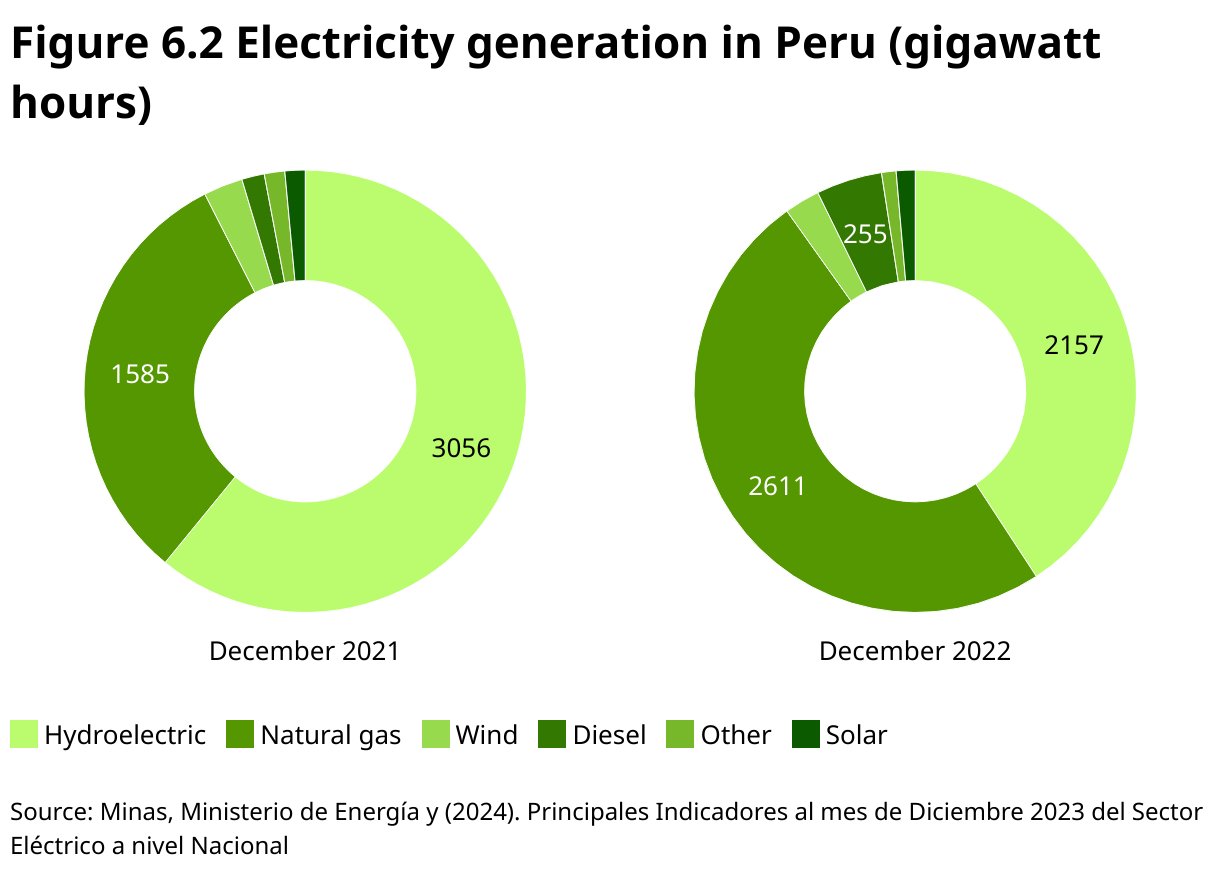
Droughts reduce water flow and reservoir levels, significantly limiting hydropower generation and sometimes causing shutdowns. This forces increased reliance on costly and carbon-intensive fossil fuels, leading to power disruptions and economic strain in agricultural and industrial operations, and across communities (
Regions such as Brazil, Ghana, Peru, Uganda and the western United States have all faced power shortages due to drought-induced hydropower declines, resulting in higher fossil fuel use and emissions (
Advances in hydropower technology, such as more efficient turbines and floating solar panels on reservoirs (that reduce evaporation losses), can maximize energy generation even with reduced water (
Keeping power flowing when water runs low
Beyond hydropower, droughts also challenge thermal power plants that rely on water for cooling, forcing reduced output or shutdowns to avoid overheating. Reduced water availability lowers their cooling efficiency, which can lead to a decrease in their overall electricity generation. Underground water storage can help maintain cooling supplies during droughts, supporting continued plant operation.
Mitigating these impacts requires diversifying energy sources and modernizing the grid. Incorporating renewable energy technologies (e.g., solar, wind) reduces dependence on hydropower and fossil fuels, bolstering resilience. Pumped storage hydropower, a form of energy storage that uses stored water rather than continuous river flows, improves grid stability by storing excess energy for later use (
Smart grids, demand response and energy storage (e.g. batteries) help balance electricity supply and demand during drought-induced stresses. Advanced cooling methods such as closed-loop systems and air-cooled condensers reduce water use in thermal plants (
Innovation examples
Satellite-powered forecasting system tackles drought in Saint Kitts and Nevis

Saint Kitts and Nevis, a twin-island Caribbean nation, is becoming more vulnerable to climate change impacts, including drought. With rainfall being the only source of potable water, decreasing precipitation has led to regular water outages affecting 80 percent of the population. This is a recent challenge for Saint Kitts and Nevis, with the first occurrence in 2015. To address this, the United Nations Climate Technology Centre and Network (CTCN), in collaboration with HR Wallingford and the Department of Environment, developed a system that uses satellite and remote monitoring data to forecast droughts and predict groundwater availability. This system generates drought risk maps and provides forecasts to farmers via WhatsApp through the island’s Met Office. Extension officers then visit farmers to advise them on optimal planting and harvesting times. This timely information helps farmers better manage water resources and adapt to changing conditions, especially as tourism and housing continue to increase water demand. This technology could also be adapted for use in other regions facing similar climate challenges. While small island nations need over USD 5 billion annually for climate adaptation, scalable tools such as this offer a cost-effective way to build resilience (
Unlocking hidden water: aerial mapping transforms groundwater recharge in California

Tulare County, a heavily agricultural region in California’s Central Valley, faces severe groundwater depletion due to prolonged over pumping. Declining water tables, dry wells and land subsidence have threatened both farms and communities. Under California’s Sustainable Groundwater Management Act, local agencies must achieve aquifer sustainability by 2040 – therefore requiring smarter water storage solutions. AEM, a new underground mapping technology, is helping identify the best locations for storing surplus water. Helicopters equipped with electromagnetic sensors map underground geology, identifying paleo valleys – ancient riverbeds of porous gravel and sand ideal for rapid water recharge. These high-resolution 3D maps allow agencies such as the Tulare Irrigation District to target floodwater capture and groundwater banking precisely. AEM mapping is also being used in Denmark and other countries, where it has helped identify areas with significant water storage potential. In California, the Department of Water Resources has surveyed over 11,000 miles (17,703 km). AEM revealed unexpected aquifer depths and recharge potential in Tulare’s Kaweah Subbasin, which shifted pumping limits and guided new recharge projects. However, challenges persist in securing land, funding infrastructure and navigating water rights (
Recharging the land: the promise of sand dams in Kenya

In southeastern Kenya, sand dams are transforming water access in arid regions, especially in villages such as Kasengela. These concrete barriers built across seasonal rivers trap water and sand, creating artificial aquifers that store water during the rainy season, recharge groundwater and minimize evaporation. With only 5 percent of Makueni County’s households having access to clean piped water, sand dams have significantly improved water availability. This sustainable solution has also alleviated the long, dangerous water collection journeys once faced by locals. The community-led construction of these dams, supported by organizations such as the Africa Sand Dam Foundation, has resulted in the creation of 680 dams since 2010. The dams also support the environment by revitalizing vegetation and replenishing groundwater, which can lead to the formation of springs and boreholes. The success of each dam, however, depends on factors such as rainfall patterns, soil composition and geological characteristics. The success of these sand dams, while reliant on careful site selection, has caught the attention of the international community as a model of sustainable water management that can be replicated in other drought-prone regions (
Smart farming in Cabo Verde: harnessing IoT and AI to tackle drought

Cabo Verde is adopting emerging technologies such as IoT and AI to address the agricultural challenges caused by recurring droughts. Traditional farming methods in the country, such as rainfed agriculture and terracing, have been limited by arid conditions. To combat this, smart agriculture techniques are being introduced, including wireless sensor networks for soil, weather, and water monitoring, as well as drones for crop growth tracking. These technologies enable farmers to make more informed decisions about irrigation and crop management. A pilot project, led by researcher Sónia Semedo and supported by Primebotics and the Ribeira de São Filipe Producers Association, aims to test these technologies’ viability. The project focuses on optimizing agricultural production through smart irrigation systems and AI-driven strategies. It also emphasizes training, with farmers learning to operate drones and utilize the smart irrigation system. Notably, the project has involved female farmers to ensure that solutions meet the needs of all agricultural workers. With initial successes, including a working prototype and training for local farmers, the project is now exploring scalability and future expansion, potentially revolutionizing farming practices in the region (
Proven technology solutions
Laundry water saving: NuTek Ozone Laundry Support System (OLSS)
NuTek International
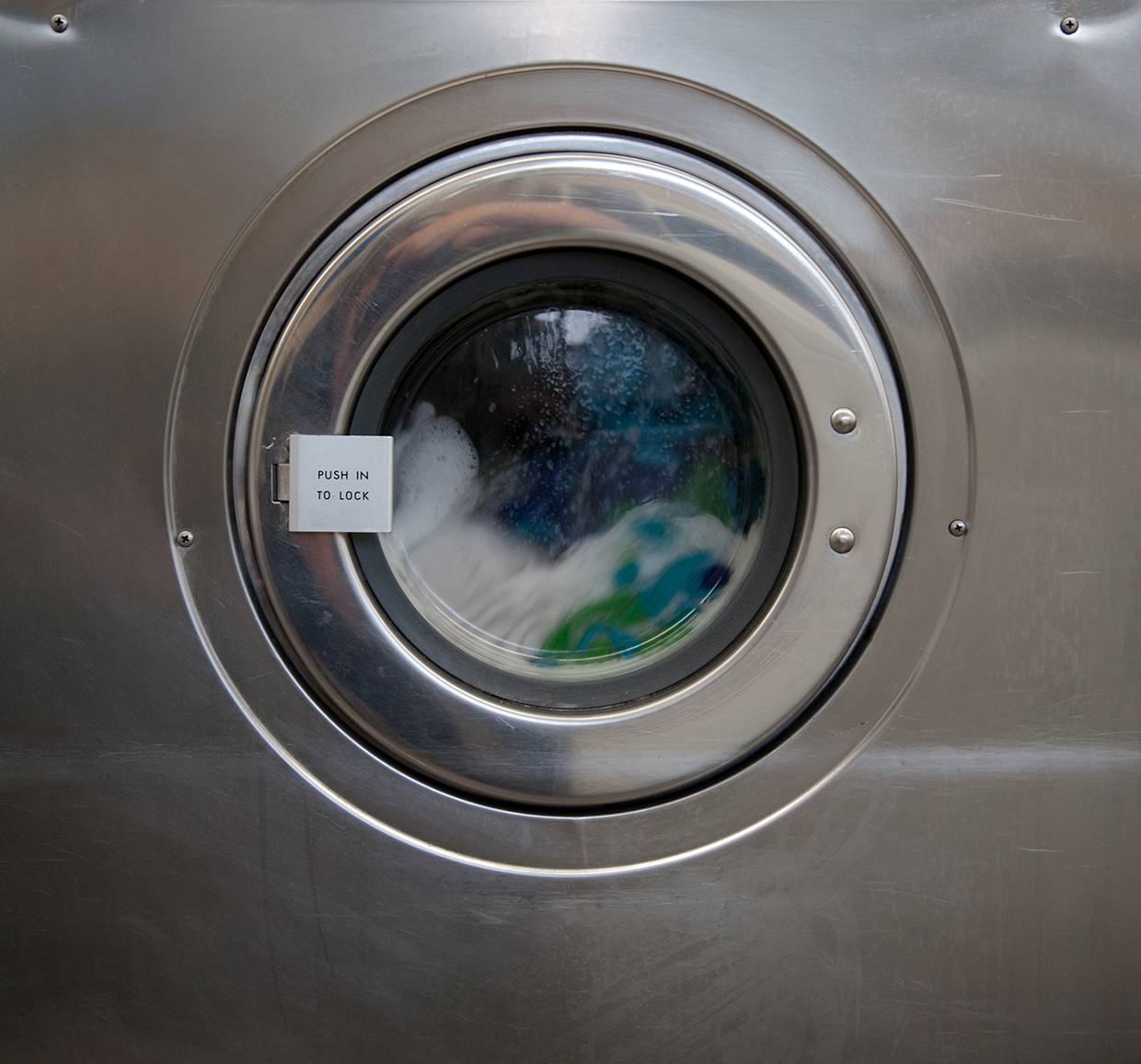
NuTek’s OLSS technology provides water and energy savings as well as sanitation. By using ozone in both wash and rinse cycles, it effectively eliminates 99.99 percent of harmful microorganisms, including antibiotic-resistant bacteria in cold water. Unlike traditional systems that rely on hot water and multiple rinse cycles, OLSS reduces water consumption by using fewer cycles and lower temperatures. Additionally, the system enhances chemical efficiency, lowering chemical usage. The reduced water saturation also results in shorter drying times, further conserving energy. With proven results from third-party tests, NuTek’s OLSS provides solutions for healthcare, hospitality, and commercial laundry operations.
Technological maturity: Proven
Contracting type: For sale
Technology level: Medium
Place of origin: United States
Availability: Worldwide
Contact: WIPO GREEN Database
Water quality: automated microbial measurement system
Vienna Water Monitoring Solutions

The ColiMinder® CMI-02 is a device designed for continuous, automated monitoring of microbiological water quality in various applications. Available in three versions – the industrial standard, the low-energy, and the portable Emergency Response Unit – it measures microbiological contamination within 15 minutes using enzymatic activity and operates with fully automated sampling, measurement, cleaning and calibration. The system can perform up to 54 measurements per day. The ColiMinder® provides real-time data transfer and visualization and users can receive notifications via email or SMS. It supports up to two sample intakes, with additional options available, and can be remotely controlled. The system enables up to 1,000 measurements without staff intervention, ensuring efficient, remote and continuous monitoring.
Technological maturity: Proven
Contracting type: For sale
Technology level: Medium
Place of origin: Austria
Availability: Worldwide
Contact: WIPO GREEN Database
Energy systems: closed circuit cooling tower
Casen
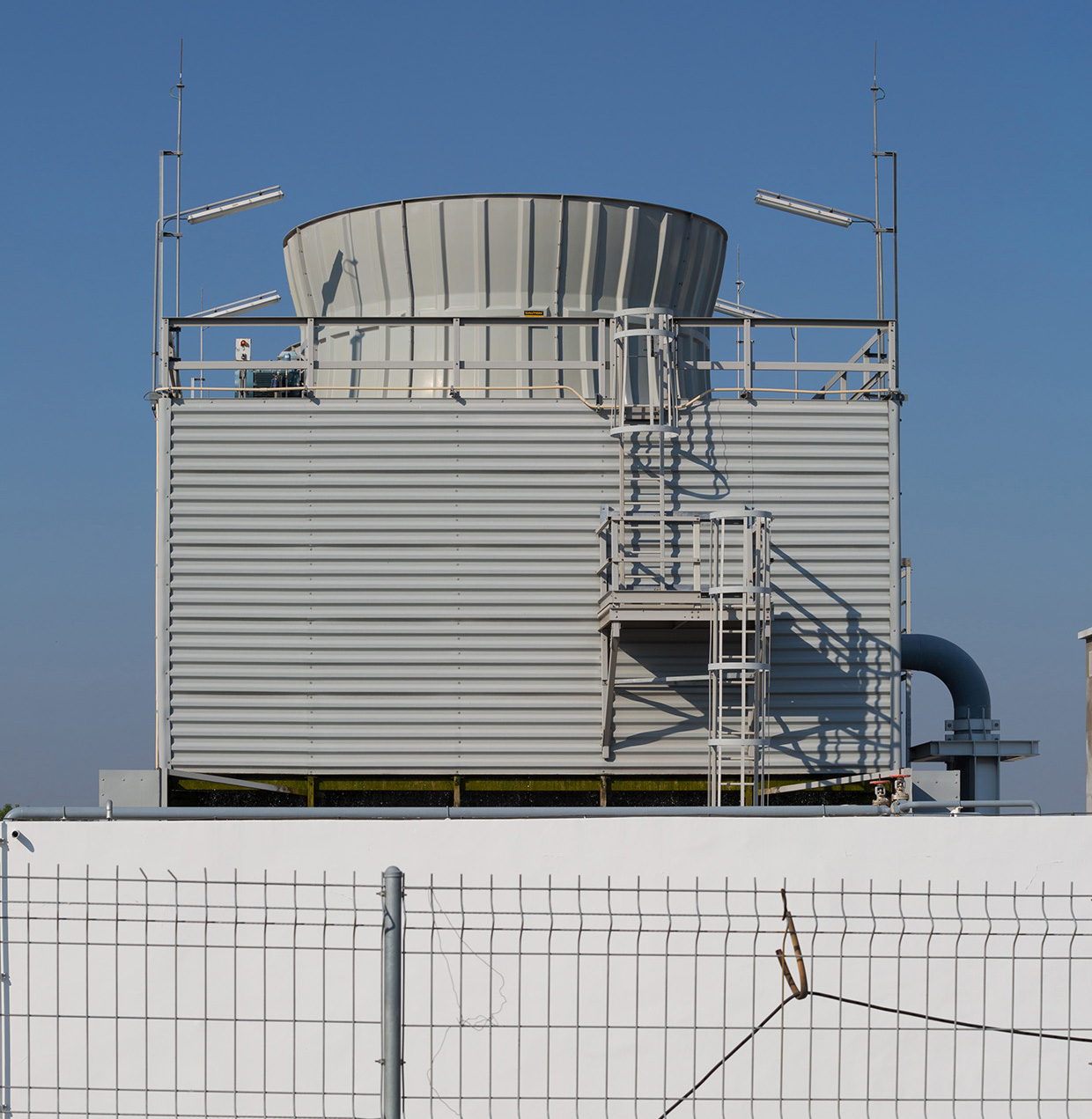
A closed cooling tower is a type of heat exchanger that cools water or process fluid by using air and a heat exchange coil. The KCH series features a multi-modular design with a condensing coil and PVC fill to enhance heat transfer efficiency. In this system, water is circulated over the fill, while air is drawn through it, causing evaporation to cool the water. The process combines evaporative and sensible cooling, reducing scale build-up and minimizing water evaporation. Unlike open cooling towers, which expose water directly to the atmosphere, closed cooling towers recirculate water in a closed loop. This reduces water loss and the need for a constant supply of fresh water, making them more water-efficient. Closed cooling towers are especially beneficial in industrial and HVAC applications, with available configurations such as crossflow and counterflow for different operational needs.
Technological maturity: Proven
Contracting type: For sale
Technology level: Medium
Place of origin: China
Availability: Worldwide
Contact: WIPO GREEN Database
Energy systems: induced draft-air-cooled condenser
ENEXIO
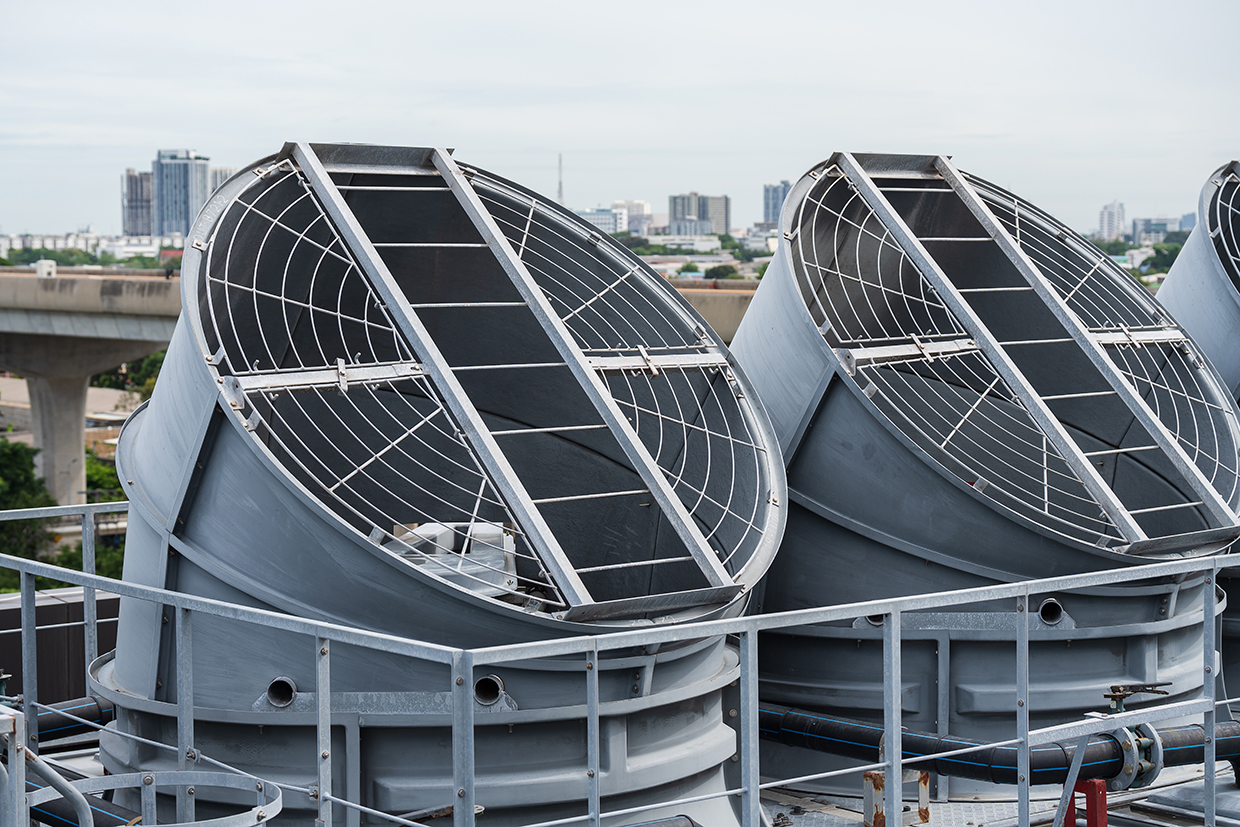
ENEXIO is the inventor of the air-cooled condenser. Their latest innovation, the InAIR, uses induced-draft fans, commonly found in wet cooling systems, now adapted for dry cooling. They pull ambient air through heat exchange coils, where the air absorbs heat from the hot fluid, cooling it down without the need for water, before discharging the heated air into the atmosphere. This process significantly reduces water usage by eliminating the need for water-intensive cooling towers. Additional benefits include up to 60 percent reduction in steel structure quantities and a 50 percent reduction in steel weight, which could result in a 10–25 percent cost reduction in construction costs. The InAIR also offers shorter delivery and construction periods, along with easier pre-assembly.
Technological maturity: Proven
Contracting type: For sale
Technology level: Medium
Place of origin: Germany
Availability: Worldwide
Contact: WIPO GREEN Database
Wastewater treatment: ZLD system
Vifluter

Wastewater systems typically release some degree of effluent into external water sources. A ZLD system eliminates this problem by removing all suspended solids and converting them into solid waste. This way, the wastewater is treated to the point where it can be reused without causing issues such as clogging or corrosion down-stream. Viflter’s ZLD system begins with efficient pretreatment, using both physical and chemical methods such as screens, ceramic membranes, emulsion breaking and bag filters to remove large debris and impurities. Next, the system applies state-of-the-art membrane technologies to reduce the level of total dissolved solids and enhance concentration efficiency. This is followed by an evaporation crystallization process, which transforms the concentrated salts into solid waste. Finally, the residual brine is dried to separate any remaining solids from the water, resulting in only solid waste and clear, reusable water.
Technological maturity: Proven
Contracting type: For sale
Technology level: Medium
Place of origin: China
Availability: Worldwide
Contact: WIPO GREEN Database
Household appliance: extremely low-flush toilet
Wostman Ecology AB
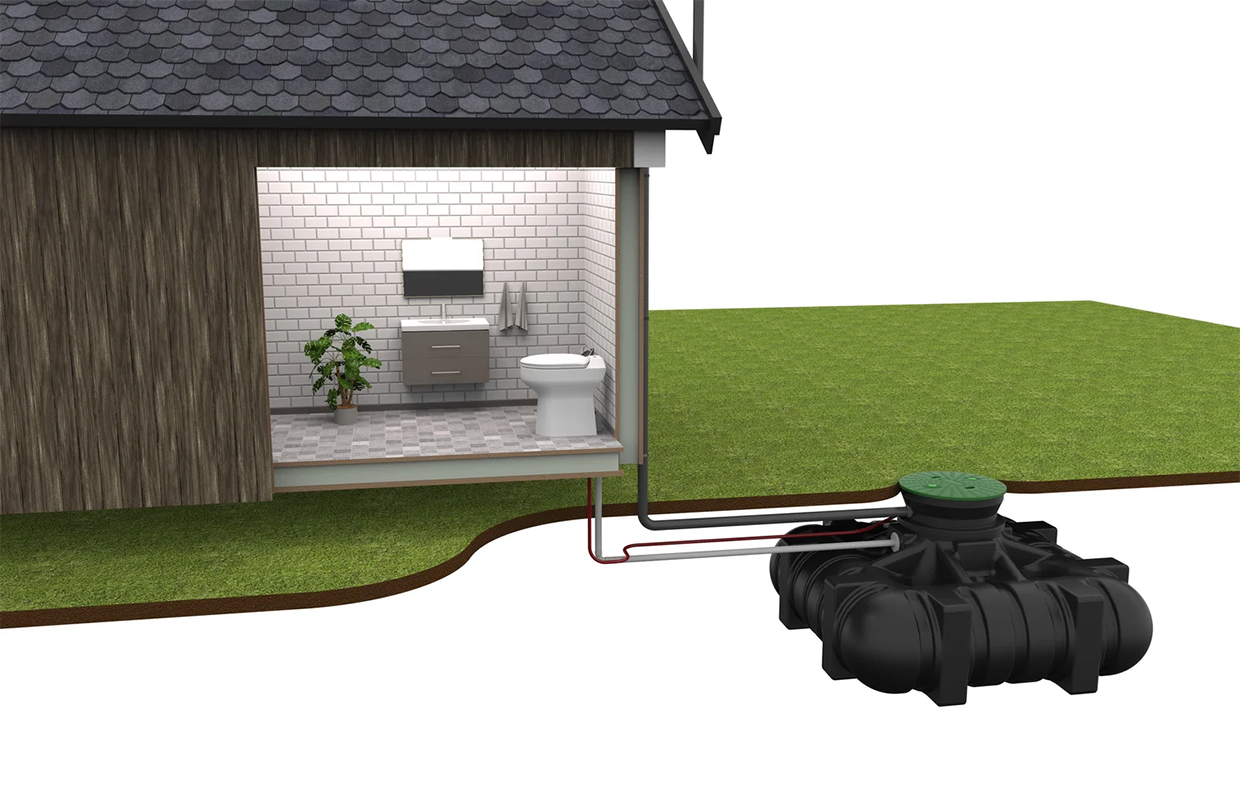
The EcoVac™ is an innovative toilet that flushes with only 0.2–0.6 liters of water per flush, offering up to 95 percent water savings. This highly efficient toilet can be used by septic tank owners, island residents, or in remote areas, with various tanks, containers or bio-containers. It is also suitable for buses, trains and boats. The vacuum-powered flushing system quickly transports waste into the container, saving both water and energy while maintaining the comfort of a flushing toilet. In a year, the EcoVac™ requires only about 5 kWh of energy, and the septic tank only requires approximately one instance of emptying.
Technological maturity: Proven
Contracting type: For sale
Technology level: Medium
Place of origin: Sweden
Availability: Worldwide
Contact: WIPO GREEN Database
Irrigation: driplines for landscaping
Netafim
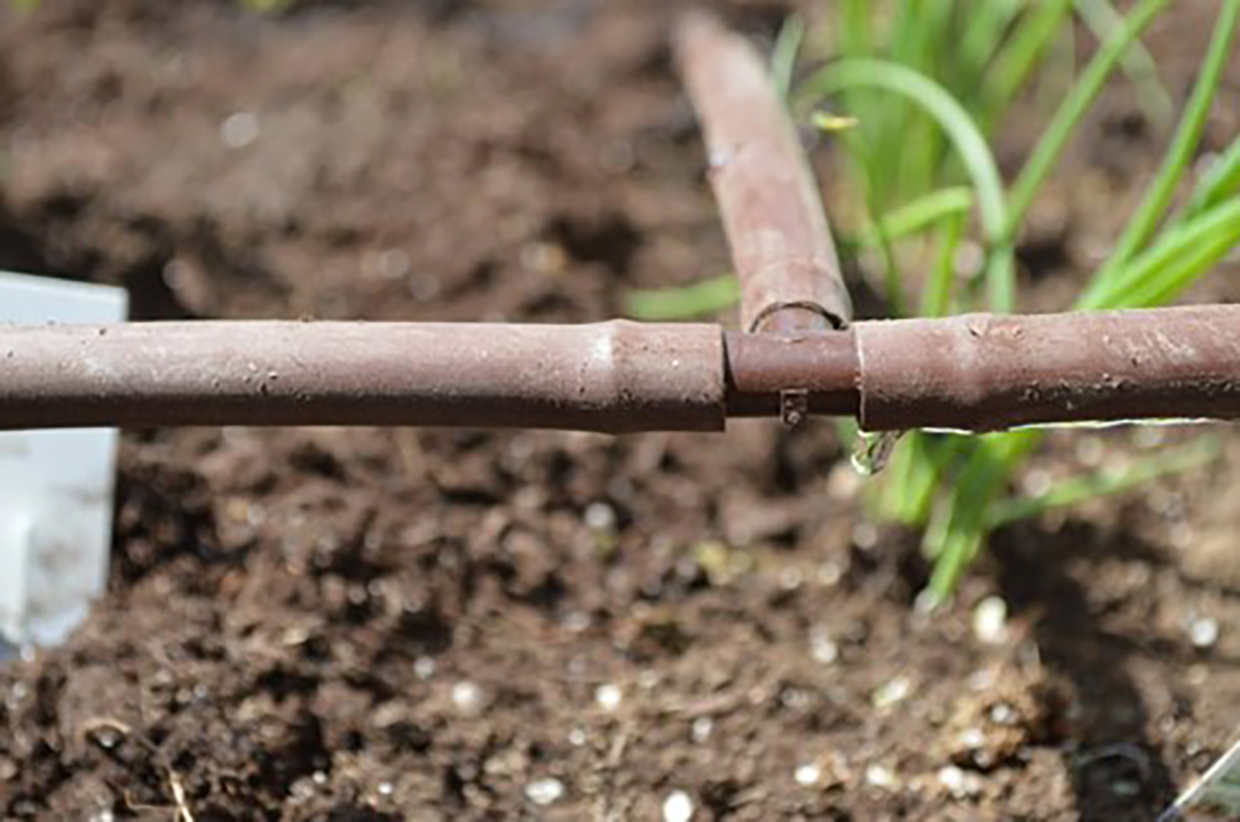
Netafim’s Techline family of driplines provides efficient, water-saving irrigation by delivering water directly to a plant’s root zone. Unlike sprinklers, which can cause overspray, staining and wasted water, these driplines release water slowly and precisely, preventing evaporation and runoff. The system saves 30 percent to 70 percent of water compared to traditional sprinklers. It promotes healthier, fuller plant growth, reduces plant diseases by keeping foliage dry, and prevents stains on surfaces. The system provides the option to lay the tubing on the ground or bury it beneath the soil. Techline’s flexible design adapts to various planting shapes, making it ideal for oddly shaped or hard-to-water areas.
Technological maturity: Proven
Contracting type: For sale
Technology level: Medium
Place of origin: Israel
Availability: Worldwide
Contact: WIPO GREEN Database
Water supply and management: Smart metering solution
Telefónica Tech
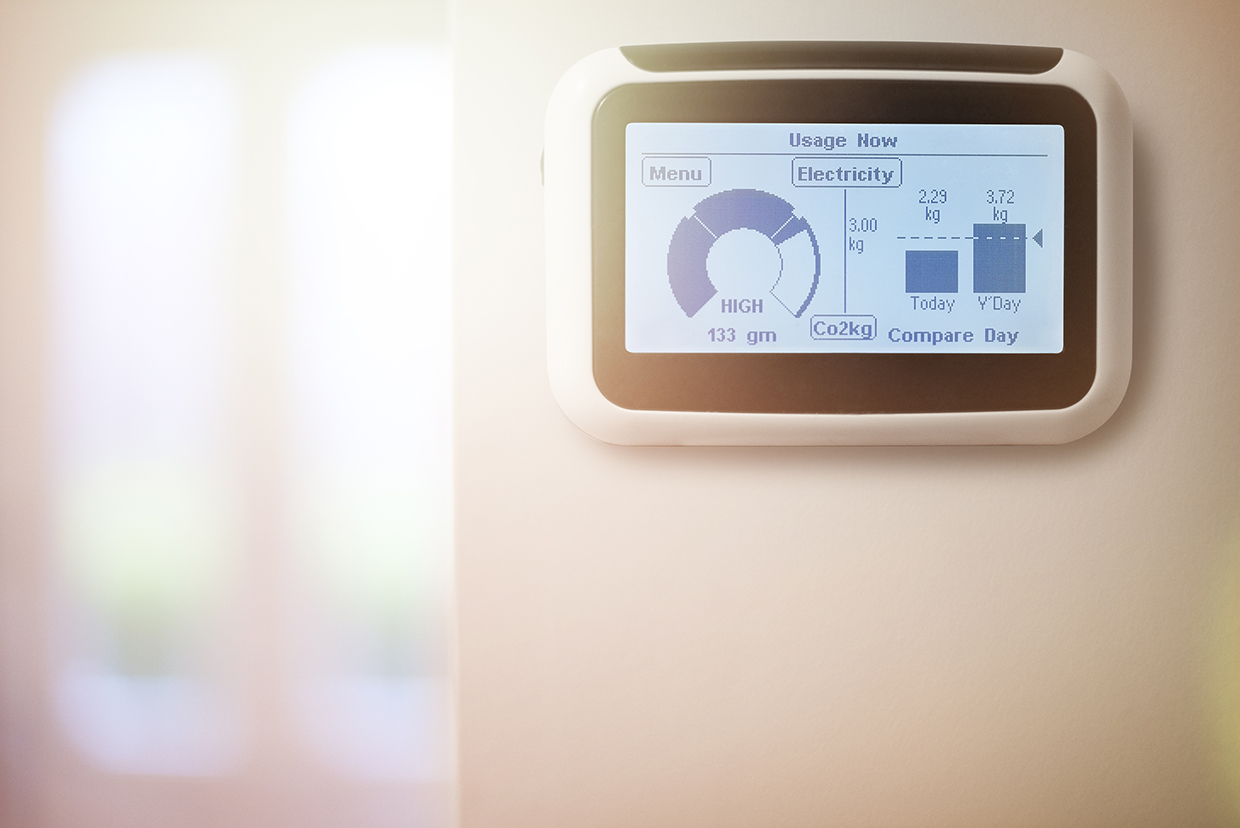
Telefónica Tech’s Smart Water supply and management solution optimizes the entire water cycle from collection to wastewater treatment. By integrating Narrowband-IoT water meters, the solution enables remote monitoring, automatic consumption readings, and a 40 percent reduction in leaks, saving 15–20 percent of total water consumption. Designed for public, private and mixed water companies, the solution detects leaks, controls unauthorized consumption and manages water loss efficiently. Its modular and scalable design allows customization for each customer.
Technological maturity: Proven
Contracting type: For sale
Technology level: Medium
Place of origin: Spain
Availability: Worldwide
Contact: WIPO GREEN Database
Water supply and management: AEM survey system
SkyTEM

SkyTEM uses airborne geophysics to map the top 600 m of the subsurface in 3D. Its system measures electrical conductivity (or resistivity) and can also include sensors for magnetic susceptibility and natural radioactivity (potassium, uranium, thorium). Variations in these parameters reveal changes in mineralogy, moisture content, stratigraphy, porosity, and salinity—critical factors for groundwater studies. Airborne electromagnetic (AEM) surveys detect conductivity and resistivity variations to locate aquifers, track water quality, and assess salinity. Magnetic surveys map variations in magnetite content, aiding geological interpretation, while radiometric surveys detect natural gamma radiation to identify soil and rock types. Sensors mounted close to the ground beneath the aircraft capture subtle variations with high resolution, enabling water managers to visualize and manage groundwater resources efficiently and sustainably without invasive drilling.
Technological maturity: Proven
Contracting type: For service
Technology level: High
Place of origin: Denmark
Availability: Worldwide
Contact: WIPO GREEN Database
Frontier technology solutions
Hydrogel: non-synthetic formulations for agriculture
AEH Innovative Hydrogel
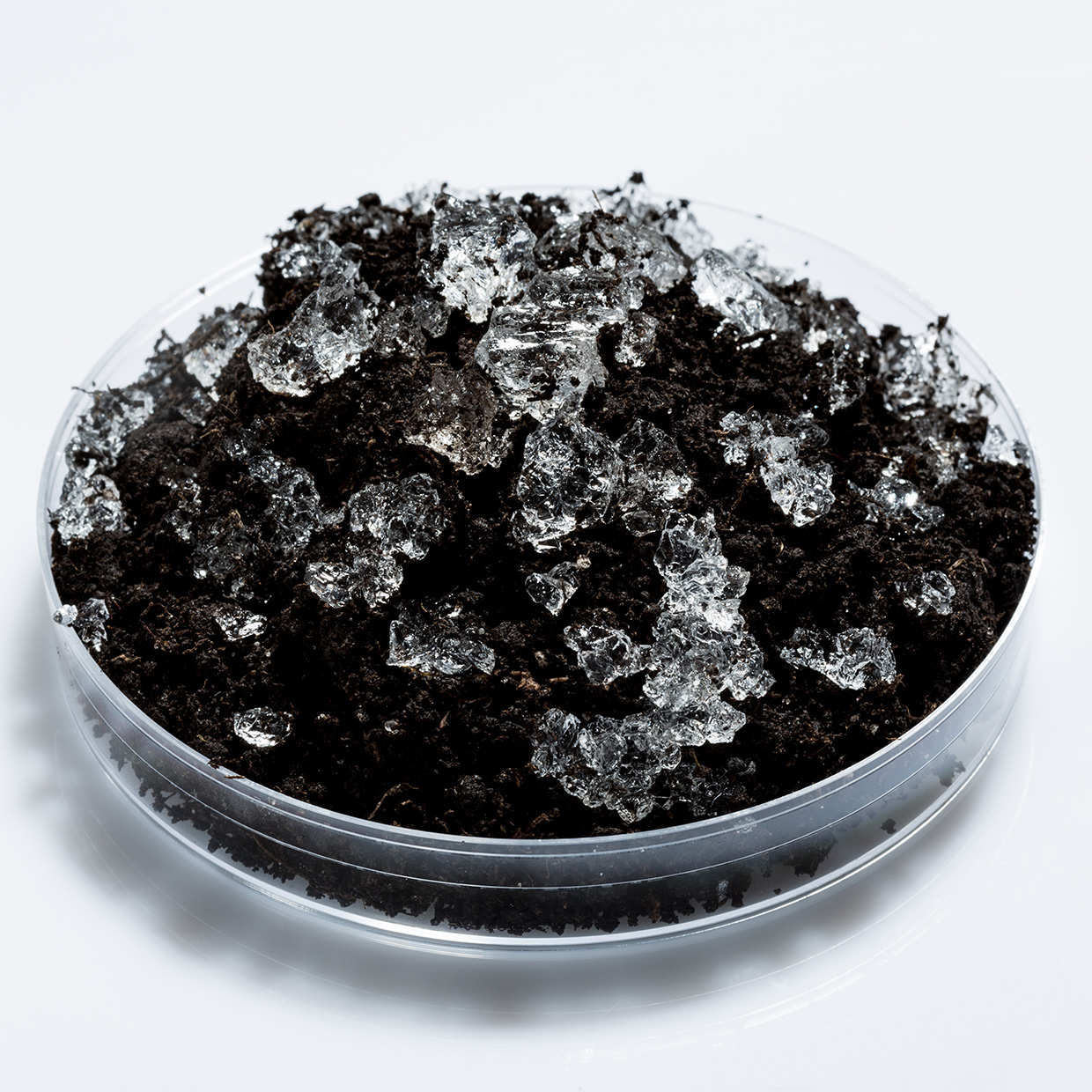
AEH Innovative Hydrogel’s GelPonics technology, developed with support from Innovate UK’s Transforming Food Production challenge, provides biodegradable, hydrogel-based substrates for agriculture. The technology includes soil improver granules, which mix with soil to improve water retention and reduce soil erosion; dry sheets, which are used in propagation trays in controlled environment agriculture, replacing traditional growth substrates such as peat and coir; and plugs, designed for pots and troughs in hydro- and aeroponic systems. The GelPonics products’ high-water holding capacity enhances crop resilience in dry conditions, reducing the need for frequent irrigation, and contributing to boosted yields.
Technological maturity: Frontier
Contracting type: For sale
Technology level: Medium
Place of origin: United Kingdom
Availability: United Kingdom
Contact: WIPO GREEN Database
Water quality: portable microbiological water-testing lab
Roshan Water Solutions

VeloCens™ uses a light-addressable potentiometric sensor (an electrochemical sensor technology that detects changes in voltage caused by the presence of target substances) combined with nanotechnology-sensor-based test cartridges to quickly test water for E. coli and total coliform within one hour. The nanostructures on the cartridges attract targeted species of bacteria and are highly sensitive to their activity, allowing for on-site, on-demand water quality monitoring. This provides real-time decisions about water safety, significantly improving turnaround time by 18 times compared to traditional methods. VeloCens™ follows stringent protocols, ensuring its performance matches that of standard microbiological lab equipment. All sample data is automatically logged into a cloud data center, offering 24/7 access, where results can be mapped by location and time.
Technological maturity: Frontier
Contracting type: For sale
Technology level: Medium
Place of origin: Canada
Availability: Worldwide
Contact: WIPO GREEN Database
Early warning and monitoring: UAVSAR system
NASA

NASA’s UAVSAR is an advanced airborne radar system that uses differential InSAR techniques to detect tiny ground surface movements – often less than a centimeter – caused by subsurface water activity. By capturing repeat radar images with precision GPS-guided flight paths, UAVSAR monitors groundwater recharge and movement. It has been instrumental in mapping areas of aquifer replenishment, such as California’s San Joaquin Valley, and supports groundwater modeling when combined with other data such as AEM readings. Operating across multiple radar bands, UAVSAR provides critical insights into root zone moisture and subsurface changes to support sustainable water management.
Technological maturity: Frontier
Contracting type: Not commercially available/for scientific collaboration and application
Technology level: High
Place of origin: United States
Availability: Worldwide
Contact: WIPO GREEN Database
Water supply and management: Smart water metering system using GSM and sensors
HydroIQ

HydroIQ SmartGrid is the world’s first virtual water network operator, transforming traditional water systems into smart, integrated grids. Using advanced IoT devices, it monitors water consumption, pressure, levels and quality at both the consumer level and throughout the network. This enables predictive maintenance, real-time data analytics and reporting for industrial, utility and smart city projects. HydroIQ’s SmartBilling platform allows property managers to remotely monitor, manage, bill and collect payments. Additionally, HydroIQ Snap uses a mobile app to capture precise meter readings, while HydroIQ Pay ensures 100 percent utility bill collection and reduces operational costs by over 90 percent, guaranteeing no revenue loss and eliminating follow-up.
Technological maturity: Frontier
Contracting type: For sale
Technology level: Medium
Place of origin: Kenya
Availability: Guatemala, Kenya, Nigeria, South Africa, Tanzania
Contact: WIPO GREEN Database
Water supply and management: AI-powered digital platform for industrial water management
Veolia Water Technologies

Hubgrade Water Footprint is Veolia’s AI-powered digital platform designed to help industrial clients reduce their water use, energy consumption and carbon emissions. Unlike traditional water audits, Hubgrade provides real-time insights into water operations by combining in-field data, advanced analytics, and Veolia’s global expertise. It identifies water wastage events as they occur and offers customizable alerts, ensuring immediate action can be taken. The system estimates true water costs, usage ratios and balances, supporting strategic sustainability planning. In addition, Hubgrade integrates seamlessly with existing water management systems, helping clients optimize water reuse and recycling efforts. Hubgrade began expanding globally in 2024, helping companies meet water neutrality goals and regulatory demands.
Technological maturity: Frontier
Contracting type: For sale
Technology level: High
Place of origin: France
Availability: Worldwide
Contact: WIPO GREEN Database
Improved crop breeding: speed breeding system
Nexsel Tech
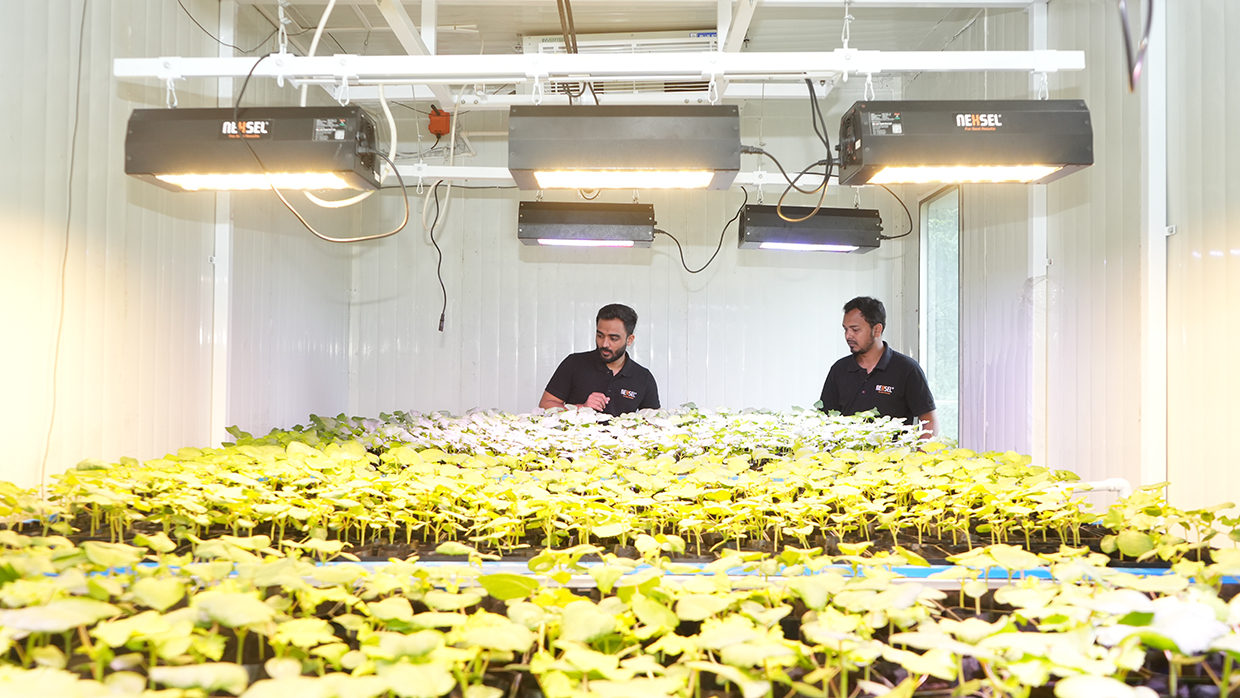
Nexsel has pioneered speed breeding solutions using the 7P control mechanism, which reduces breeding time by up to 60 percent. This advanced technique accelerates plant growth by optimizing seven environmental conditions, shortening breeding cycles for crops such as wheat, rice, cotton and okra. The company offers two types of 7P control speed breeding growth chambers: the portable chamber, designed for developing growing protocols with precise control over environmental parameters, and the walk-in chamber, which provides a comprehensive solution for commercial speed breeding with full control over light, temperature, humidity and CO2 levels.
Technological maturity: Frontier
Contracting type: For sale
Technology level: High
Place of origin: India
Availability: India, United Arab Emirates
Contact: WIPO GREEN Database
Water treatment: UV advanced oxidation process (UV AOP)
Trojan Technologies
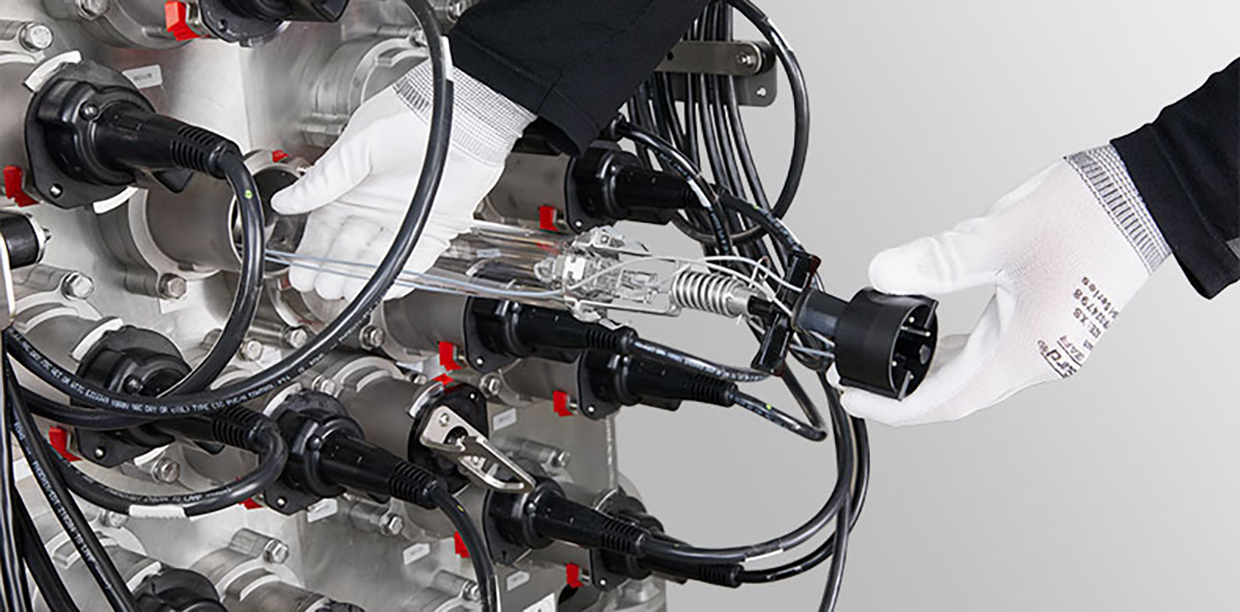
The TrojanUVFlex®AOP is a UV advanced oxidation solution designed to treat a wide range of contaminants in groundwater and surface water. Its cross-flow lamp orientation improves treatment efficiency, meaning that the water flows perpendicular to the path of the UV light to ensure that the water is exposed to the light more effectively. UV AOP works by using UV light (along with an oxidant) to break down chemical bonds in contaminants such as VOCs, pesticides, by-products, algal toxins and hazardous substances, including 1,4-dioxane, trichloroethylene and cyanide. The system’s compact, modular design allows for easy installation and expansion, even in small spaces. Unlike filtration methods such as granulated activated carbon, UV AOP does not physically remove contaminants; instead, it chemically breaks them down, making it highly effective for treating complex pollutants that other methods may miss.
Technological maturity: Frontier
Contracting type: For sale
Technology level: High
Place of origin: Canada
Availability: Worldwide
Contact: WIPO GREEN Database
Wastewater treatment: modular all-in-one system for gray and black water
Big Red

Big Red is an all-in-one wastewater treatment system designed to convert black and gray water into recycled effluent for irrigation. It combines all necessary components of a treatment plant into a modular, scalable “plug-and-play” unit that is available for immediate installation in South Africa. The system processes wastewater through a multi-chambered septic tank for solids breakdown, followed by aerobic digestion in a bioreactor, and disinfection with an inline chlorinator. Made from 100 percent recyclable, durable polyethylene, the system can be installed underground, above ground, or containerized for export. It is solar-compatible, and suitable for various settings, including remote areas, schools, clinics and urban environments. The system can handle flow rates from 1 kliter/day to 500 kliter/day, with options for domestic (4–12 people) or commercial use (up to 2,000 people).
Technological maturity: Frontier
Contracting type: For sale
Technology level: Medium
Place of origin: South Africa
Availability: South Africa
Contact: WIPO GREEN Database
Household appliance: water-saving automatic faucet
TOTO
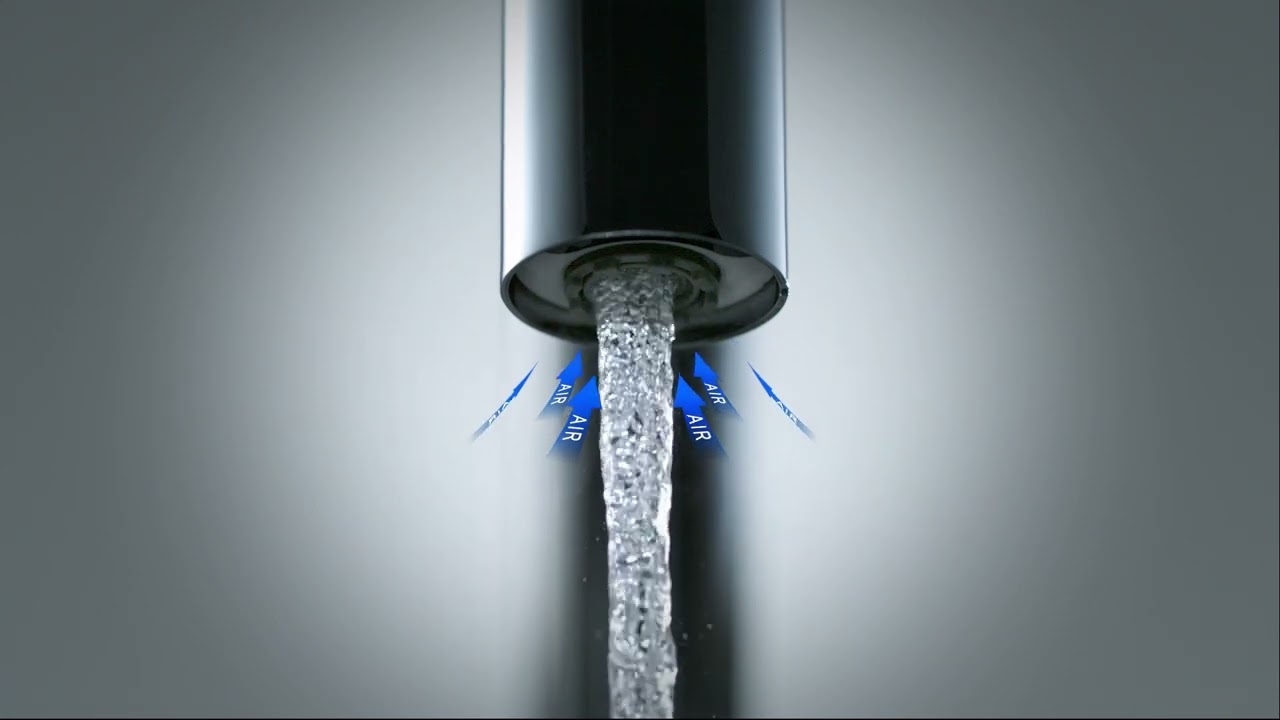
TOTO’s ECO CAP technology reduces water consumption by aerating the water flow. Their latest generation of touchless faucets, introduced in 2022, uses only 2 liters per minute while still providing a voluminous water flow and a comfortable handwashing experience. TOTO’s automatic faucets also feature SELFPOWER technology, which generates energy from the water flow to operate the faucet’s sensor, eliminating the need for external power sources or batteries.
Technological maturity: Frontier
Contracting type: For sale
Technology level: Medium
Place of origin: Japan
Availability: Worldwide
Contact: WIPO GREEN Database
Horizon technology solutions
Improved crop breeding: CRISPR acceleration system
BetterSeeds
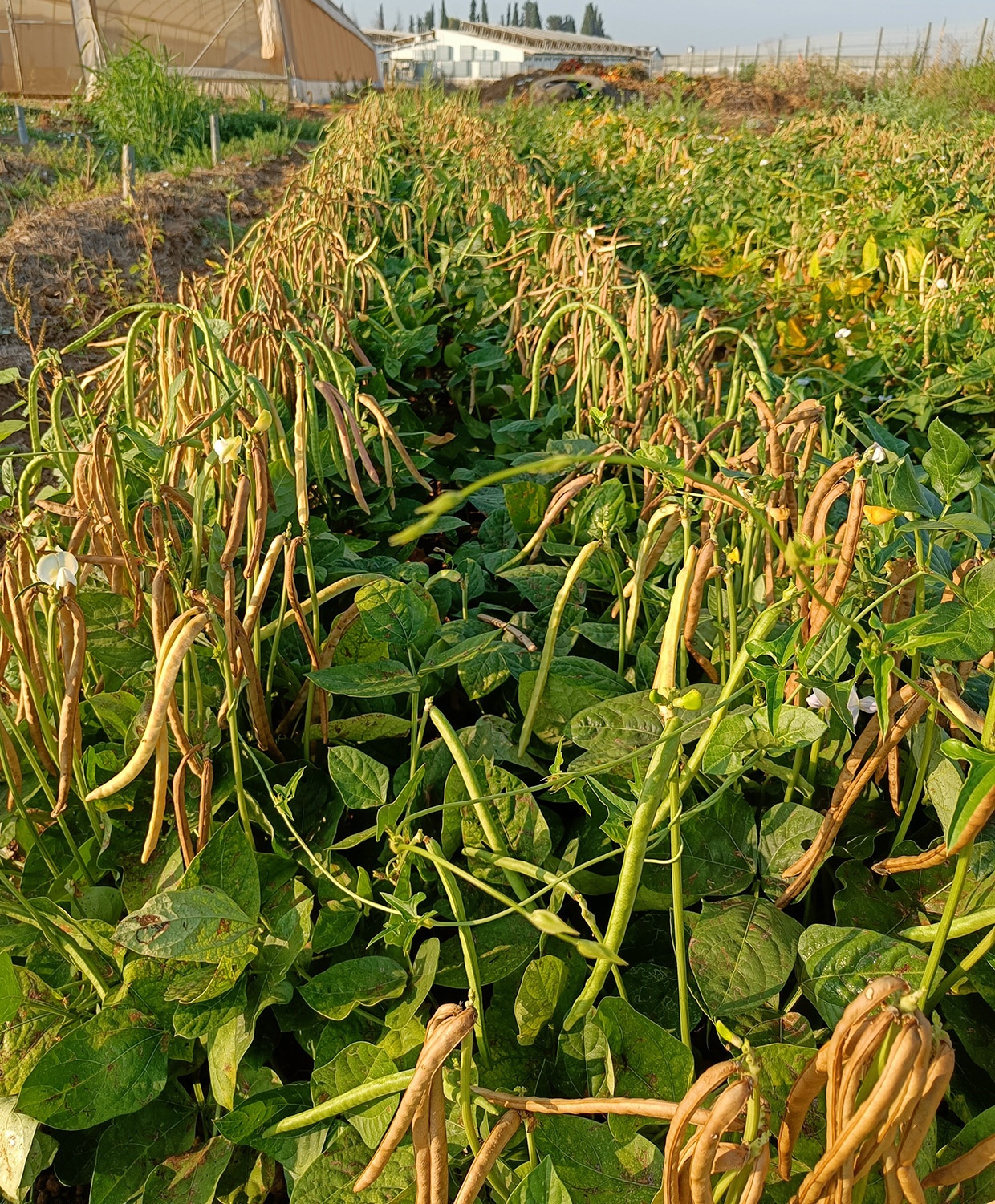
CRISPR gene editing is a powerful tool for improving specific crops, but its use is limited by the time and resources required to develop edits for new crops. BetterSeeds is addressing these challenges with EDGE™ (Efficient Delivery of Gene Editing), a system designed to accelerate the process of introducing CRISPR-based traits across a broader spectrum of crops. With EDGE™, the time it takes to incorporate valuable traits – such as drought and heat tolerance – into crops is dramatically reduced, allowing for more rapid advancements. In addition to improving climate resilience, the EDGE™ system can also facilitate the development of crops with enhanced nutritional profiles, better disease resistance and improved yield.
Technological maturity: Horizon
Contracting type: Under development
Technology level: High
Place of origin: Israel
Availability: N/A
Contact: WIPO GREEN Database
Improved crop breeding: non-GMO hybrid wheat technology
Corteva

In 2024, Corteva unveiled a proprietary non-GMO hybrid wheat technology. While hybrid technology has boosted yields in other crops, wheat has struggled to achieve the same benefits. Corteva’s hybrid wheat could increase yields by 10 percent with the same resource usage and improve drought resistance, showing a 20 percent higher yield in water-stressed conditions. This technology also accelerates the development of elite germplasm by scaling up parent seed production. Corteva’s hybrid technology is compatible with all wheat germplasm, enabling faster genetic improvements and commercial-scale seed production. The company plans to launch hybrid hard red winter wheat in North America by 2027, offering substantial benefits for farmers and global food security, similar to the impact of hybrid corn.
Technological maturity: Horizon
Contracting type: Under development
Technology level: High
Place of origin: United States
Availability: N/A
Contact: WIPO GREEN Database
Improved crop breeding: salt-tolerant wheat variety/resilient cereals
OlsAro
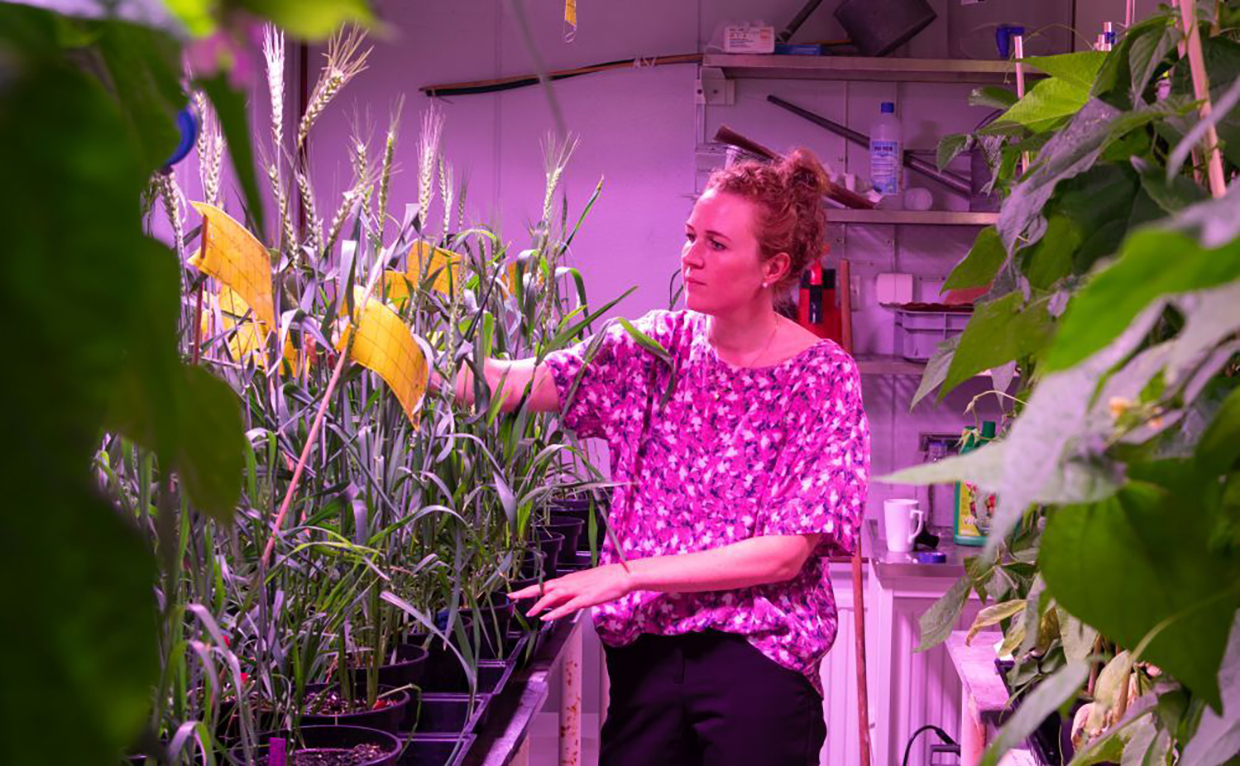
Swedish agtech startup OlsAro has raised €2.5 million in pre-seed funding to advance its development of climate-resilient wheat varieties. Backed by investors such as Future Food Fund, PINC (Paulig), and AgFunder, OlsAro uses an AI-driven breeding platform to accelerate crop development threefold. AI is used to analyze vast data sets and predict the best genetic combinations. Its first product – a salt-tolerant wheat – boosted yields by 52 percent in saline conditions in Bangladesh, enabling farming on degraded land. With over 830 million hectares of land globally affected by salinity, OlsAro’s solution offers farmers new opportunities during dry seasons while supporting local food systems.
Technological maturity: Horizon
Contracting type: Under development
Technology level: High
Place of origin: Sweden
Availability: N/A
Contact: WIPO GREEN Database
Wastewater treatment: high-removal ultrafiltration (UF) membrane
Toray
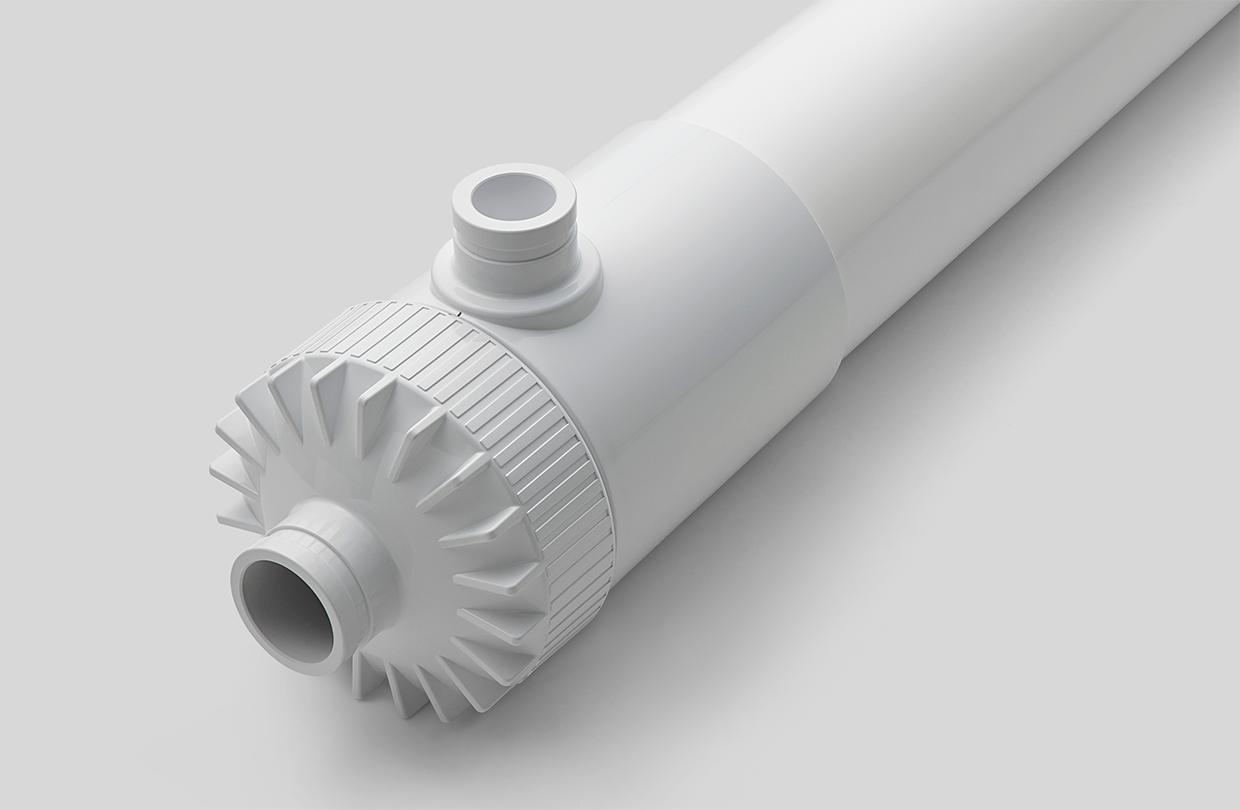
Toray has developed a high-performance UF membrane that improves wastewater reuse by reducing the strain on reverse osmosis (RO) membranes. This innovation ensures consistent production of high-quality water for applications such as semiconductor manufacturing and potable water production. Featuring sub-10 nm nanopores, the new UF membrane effectively blocks biopolymers commonly found in wastewater, reducing RO membrane contamination. This leads to less frequent chemical cleaning, extending RO membrane lifespans, which lowers operational costs and reduces associated CO2 emissions by over 30%. Toray’s tests show the UF membrane can reduce the decline in RO membrane permeability by one-third. The technology is set for mass production and will launch in North America in mid-2025, followed by expansion into other markets.
Technological maturity: Horizon
Contracting type: Under development
Technology level: High
Place of origin: Japan
Availability: N/A
Contact: WIPO GREEN Database
Water harvesting: fog harvesting and treatment system
ETH Zurich/University of California – Berkeley

Researchers have developed a passive system for harvesting and treating fog water, particularly in urban and industrial areas where fog droplets may contain harmful pollutants. The system uses polymer coatings embedded with photocatalytic metal oxide nanoparticles, such as titanium dioxide, to break down pollutants when exposed to sunlight, making the water safe for drinking. Unlike previous systems requiring UV light, this new approach allows the coating to remain active even under cloudy or foggy conditions, functioning similarly to how a battery stores charge. Two types of coatings were tested: hydrophilic (water-attracting) and hydrophobic (water-repelling). The hydrophilic coating proved more efficient at removing contaminants. In real-world tests, the system successfully reduced organic pollutants by over 90 percent, showing effective water collection performance. This method has the potential to be scaled in polluted regions, though challenges remain in adapting it to different types of air pollution.
Technological maturity: Horizon
Contracting type: Under development
Technology level: High
Place of origin: Switzerland
Availability: N/A
Contact: WIPO GREEN Database