
Technological developments and trends
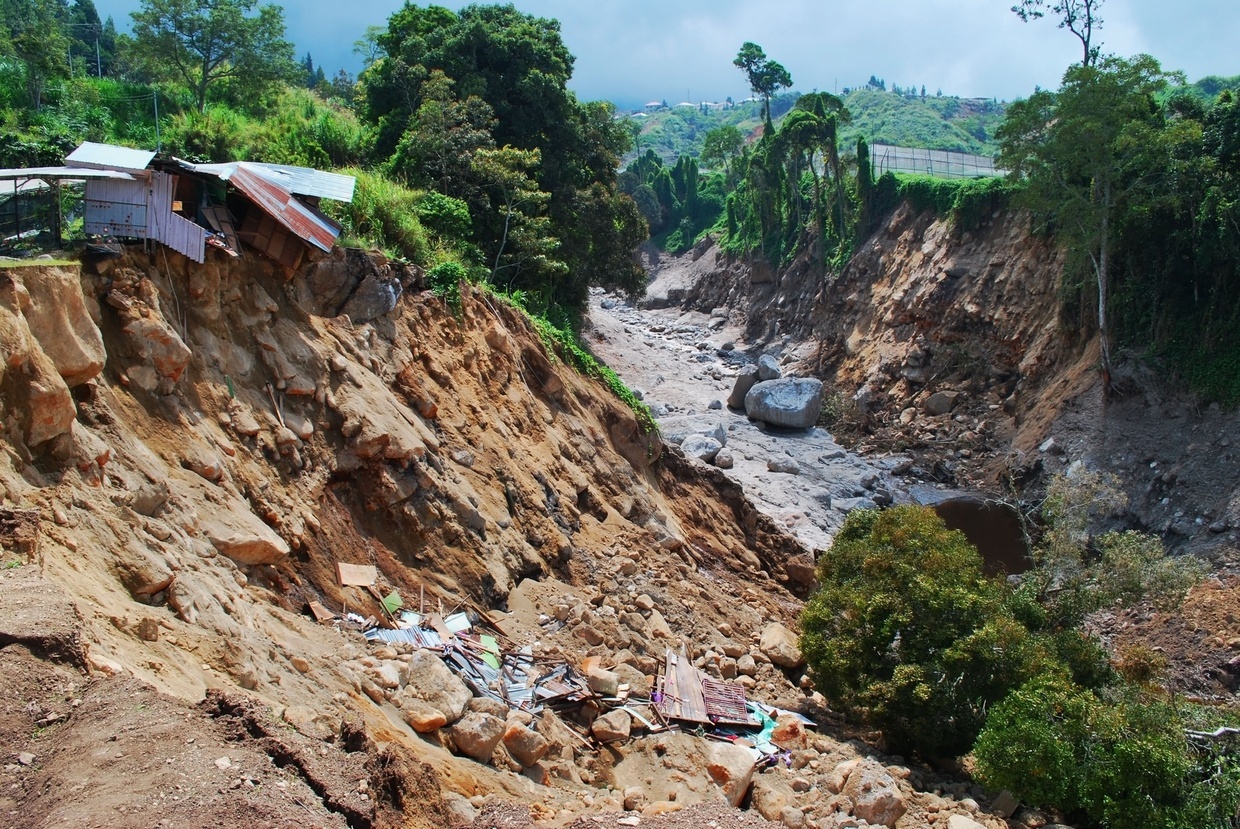
Landslides – the sudden or slow downhill movement of rock, soil or debris – are powerful natural events that shape landscapes and threaten communities worldwide. They come in many forms, such as falls, topples, slides, spreads and flows (
Landslides can move rapidly, with debris flows reaching speeds of 60–80 km/h, or slowly at rates of millimeters to centimeters per year
When a landslide occurs there is not much that can be done to remedy the situation for those affected people or infrastructure. Most of the technologies discussed in this section are therefore related to prevention and early warning systems.
Landslides can move rapidly, with debris flows reaching speeds of 60–80 km/h, or slowly at rates of millimeters to centimeters per year (
Climate change is expected to trigger more landslides, particularly in mountainous regions, largely driven by an increase in extreme rainfall. Warming can also lead to permafrost melting and associated landslides in higher mountain ranges (European Climate and Health Observatory and ADAPT, 2025).
Innovative landslide monitoring technologies to detect and analyze landslide activity
Landslide monitoring technologies range from instrumental ground sensors and devices to global positioning systems (GPS), aerial photography, satellite images and LiDAR. Surface and subsurface monitoring technologies work together to provide a comprehensive understanding of both surface and subsurface conditions, which is critical to the evaluation and prevention of landslides (
Surface monitoring
Tiltmeters measure changes in slope angle or inclination in order to provide information on ground movement and are usually installed at multiple locations along a slope to detect potential landslide activity. These instruments are sensitive to ground movements at or near the surface, allowing early detection of shifts in slope stability.
Extensometers measure the change in distance (or elongation) between two fixed points on a material or structure, typically over larger distances. In the same way as for tiltmeters, observed changes may indicate movement as a precursor to a landslide event.
Subsurface monitoring
Inclinometers measure the angle of inclination or slope deflection below the ground surface. They are typically installed in boreholes or inclinometer casings to track subsurface movements and evaluate slope stability.
Strain gauges measure the strain or deformation within a structural element, such as a retaining wall, providing data on the mechanical behavior of materials and helping assess slope stability from within the ground or structure.
Piezometers or pore pressure sensors measure groundwater or pore water pressure within soil or rock formations, enabling the monitoring of groundwater levels and the identification of potential slope failure triggers.
Seismic sensors detect the seismic waves and ground vibrations generated by landslides and earthquakes, and play a role in providing early warnings.
Earth pressure cells monitor the pressure within earth-fill dams, embankments or at the interface between a structure and excavation walls. They consist of two welded stainless-steel plates with a vacuum-sealed gap filled with de-aired oil. A pressure pad connected to a transducer forms a closed hydraulic system, generating an electrical signal that can be read remotely. Vibrating wire technology is often used in these systems to measure strain, displacement or pressure. A wire attached to the sensor vibrates under stress, and the frequency change is converted into an electrical signal proportionate to the pressure. This signal is then sent to a readout unit or data logger for monitoring.
Revolutionizing landslide monitoring, modeling and risk mapping with satellites and remote sensing
In addition to ground-based monitoring, satellite-based or other platforms for remote sensing technologies have become crucial for detecting and tracking landslides. These technologies enable large-scale monitoring with minimal environmental disruption.
Global navigation satellite systems (GNSSs) help monitor ground movements and detect landslides. They use a network of satellites orbiting the Earth that send signals to receivers on the ground. A GNSS includes global coverage systems such as GPS (United States), Galileo (European Union), GLONASS (Russian Federation) and BeiDou (China). These technologies enable the precise measurement of ground movement and displacement by tracking changes in the position of receivers.
In addition to ground-based monitoring, satellite-based or other platforms for remote sensing technologies have become crucial for detecting and tracking landslides
Synthetic aperture radar (SAR) is a remote sensing technology that uses radar waves from satellites to capture images of the Earth’s surface, as defined in the chapter on storms and flooding. SAR uses microwave signals to capture high-resolution images of the Earth’s surface, enabling the detailed monitoring of landscapes, weather patterns and disasters, even through cloud cover. In dry conditions it can also reveal shallow subsurface features. SAR captures images of the Earth’s surface before and after a landslide event and tracks changes in surface elevation. If there is a shift in terrain due to a landslide, the phase difference in the SAR images can reveal the quantity of displacement and show the precise area affected. Repeated SAR scans can monitor stability over time. SAR can also help map an area and assess damage.
Interferometric synthetic aperture radar (InSAR) is a more advanced remote sensing technology that uses SAR satellites for monitoring and detecting ground deformation. InSAR enhances SAR by processing multiple SAR images taken at different times in order to detect subtle changes to the Earth’s surface such as land subsidence or movement related to landslides. It has millimeter precision, enabling the early detection of land movement, and the ability to cover large areas. It provides abundant archive data enabling time-series analyses of change (
From space to surface: high-tech tools for landslide tracking
NASA’s landslides team has developed the Landslide Hazard Assessment for Situational Awareness (LHASA) model, which provides timing and location information on potential landslide occurrences every 30 minutes. NASA has also developed the Landslide Susceptibility Map, a tool to identify and map regions at risk, and the Global Landslide Catalog, a global database that tracks and records landslides worldwide by compiling information from satellite data, ground observations and scientific reports to create a detailed record of landslide events. The landslide project is part of NASA’s Global Precipitation Measurement (GPM) mission (explained in the storms and flooding chap) utilizing satellite data and citizen science contributions in order to model and record landslides worldwide.
For decades, optical data has been the primary tool for landslide modeling. Optical satellites, including the Landsat series and Sentinel-2, have enabled large-scale assessments with increasingly higher temporal and spatial resolution analysis. The use of multiple spectral bands also allows for the analysis of higher-contrast data, including NDVI, a combination of spectral bands used to assess and monitor vegetation health and density. However, cloud cover poses a challenge to optical data from satellites (
Hyperspectral remote sensing – also called imaging spectroscopy – analyzes reflected radiation across many narrow spectral bands, allowing for more advanced analyses of spectral signatures of land and vegetation features, which helps determine bio- and geochemical information about an area (
The terrestrial laser scanner (TLS) is a specific type of LiDAR system designed to be used on the ground. TLS are used to create precise 3D maps of damage, monitor slope stability, plan debris removal and reconstruction, support search and rescue efforts, and analyze the causes and mechanics of a landslide. Whereas LiDAR is used in a variety of settings, including aerial or satellite-based scanning, TLS is typically stationary and placed at various points on the ground to obtain high-resolution scans of smaller, more localized areas such as landslides, steep slopes, damaged infrastructure and collapsed tunnels. TLS works by sending laser pulses that are reflected back from the first solid surface they encounter, such as soil, rock, vegetation or a man-made structure. This means it cannot penetrate the ground, unlike ground-penetrating radar, but can capture detailed surface geometry.
The growing availability, reliability and cost efficiency of remote-controlled drones has made it easier to access real-time aerial images in remote, unsafe or otherwise unreachable locations
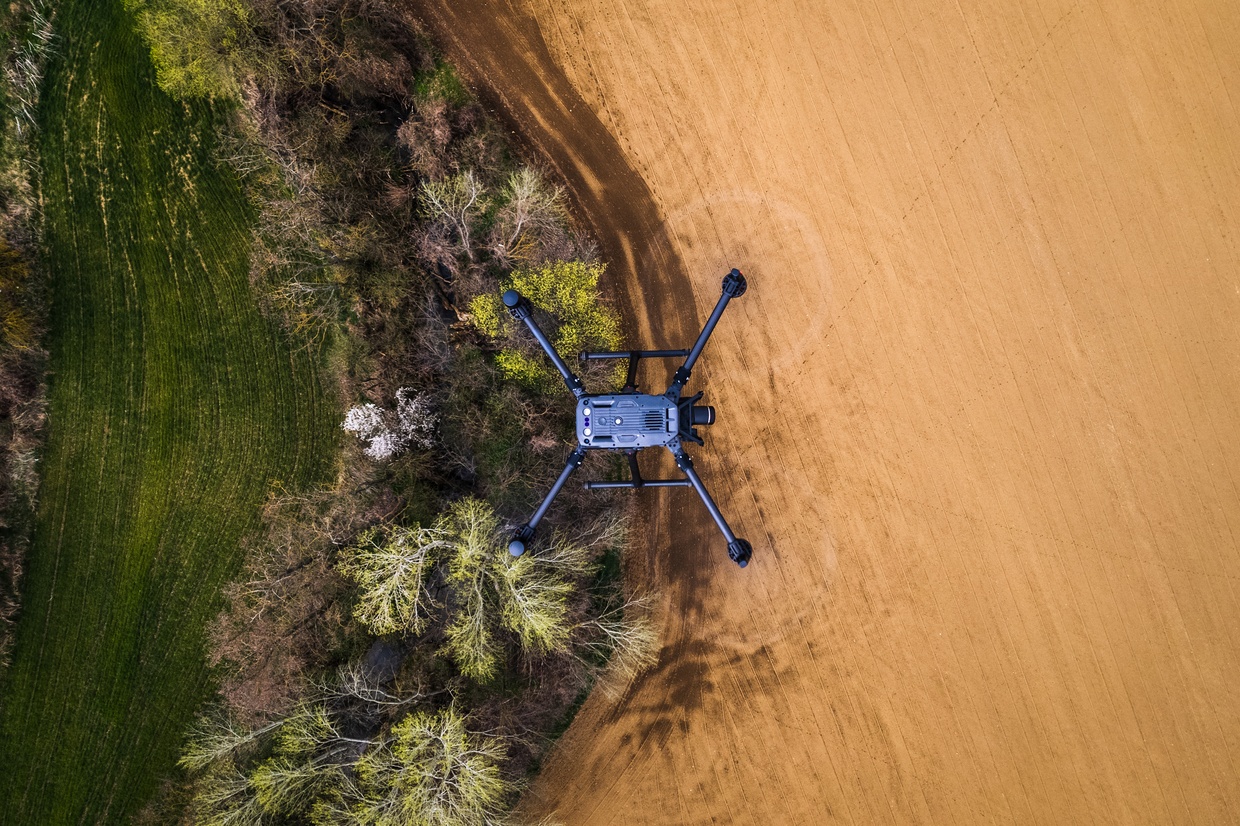
Like with other extreme weather events, drones are useful in the aftermath of a landslide. Aerial photographs have long been a useful tool, and the growing availability, reliability and cost efficiency of remote-controlled drones has made it easier to access real-time aerial images in remote, unsafe or otherwise unreachable locations. This has significantly raised the importance of drones for conducting landslide assessments (
AI and big data: integrating multiple data sources for landslide monitoring
As is the case with flooding, advancements in big data and AI have improved landslide monitoring and prediction systems. The latest technologies use real-time data collection, advanced computation techniques and dynamic risk assessment to predict landslides with greater accuracy, issue early warnings and reduce loss of life and property.
The combination of big data and AI has improved data analysis, occurring alongside the increased use of drones, satellites, remote sensing and IoT sensors, ground sensor networks and meteorological data. Big data can help process this in real time. Additionally, AI algorithms analyze volumes of historical data to identify patterns. Importantly, AI models can dynamically adjust predictions based on feedback concerning changing conditions delivered by ground sensors (
Prepare for the future or recover from past landslides – soil stabilization
A variety of methods are employed to stabilize slopes and improve soil stability, ranging from traditional engineering techniques to innovative, eco-friendly solutions.
Retaining walls constructed out of concrete, steel or geosynthetic materials are commonly used to stabilize slopes, alongside gravity walls, which rely on their own weight to hold back soil. To enhance soil stability and address issues like erosion and foundation weaknesses, innovative methods such as biogrout, soil nailing and ground improvement techniques are gaining popularity. These techniques offer sustainable, efficient and cost-effective solutions compared to traditional methods.
Biogrout is an eco-friendly material that serves as an alternative to conventional chemical soil stabilization methods. Bacteria, such as Sporosarcina pasteurii, are inserted into the soil in order to produce calcium carbonate (limestone) which fills the soil pores and binds particles together, thereby improving soil stability and strength. Not only does this process strengthen weak soils, it also reduces water seepage in landfill and seals underground water channels. This process can augment the load-bearing capacity of foundations and provide improved structural support.
A variety of methods are employed to stabilize slopes and improve soil stability, ranging from traditional engineering techniques to innovative, eco-friendly solutions
Soil nailing is an engineering technique used to stabilize slopes and excavations by installing closely spaced steel bars in the soil, so as to stabilize either a natural slope or reinforce an over-steepened slope. It involves drilling or launching steel bars to a specified depth. Systems like the GeoStabilization Soil Nail Launcher™ use compressed air to drive nails at high speed for increased efficiency.
In addition, rock bolting involves inserting steel bolts into a rock face for stabilization. Shotcrete is a method of spraying concrete onto an unstable rock or soil surface using compressed air at high velocity to provide a protective layer.
Ground improvement techniques are methods used to compact the soil and increase its density and strength through the use of mechanical vibration (using vibratory rollers or vibrating plates), dynamic compaction (dropping a heavy weight, e.g., a large steel block or hammer, from a significant height onto the soil surface), vibroflotation (using a high-frequency vibrating probe, called a vibroflot, to compact granular soils) or the addition of cementitious materials. These techniques are often used in conjunction with soil stabilization methods like biogrout and soil nailing.
Geosynthetic clay liners (composed of a layer of bentonite (very absorbent) clay sandwiched between two layers of geosynthetic fabrics) can also be used in soil stabilization to prevent water seepage and improve the load-bearing capacity of soil. When applied in conjunction with biogrout or another stabilization method, they can reduce water flow and prevent erosion, thereby contributing to long-term slope stability.
As explained in the coastal erosion chapter, geogrids reinforce soil by adding tensile strength to the soil mass. They are often used either in conjunction with soil nailing or as part of a retaining wall system. Finally, planting deep-rooted plants and grasses can help stabilize soil naturally. Biodegradable erosion control mats protect soil during the establishment of vegetation, preventing erosion until the plants take root.
Dealing with debris and damage
In areas prone to rockfalls, protection nets and barriers can be installed to capture falling rocks before they impact roads or infrastructure. Typically made of high-tensile steel cables or mesh, these rockfall protection nets absorb the impact of falling rocks and safely direct them to the ground.
Debris flow barriers, slurry pumps and other technologies used for landslide debris cleanup are essential for managing and mitigating the aftermath of a landslide. Debris flow barriers block the flow of landslide debris, including mud, rocks and trees, before it can damage infrastructure. They can be passive (in the case of permanent structures) or active (meaning they can be adjusted to handle varying flow volumes) and are constructed from steel, concrete or mesh materials.
Slurry pumps are heavy-duty pumps designed to handle thick, viscous mixtures of water, mud, debris and sediment using a combination of high pressure and specialized impellers to move debris-laden liquids. They remove and transport mud and other loose materials to either safer locations or treatment facilities.
Additionally, excavators, bulldozers, vacuum trucks and hydraulic excavation using waterjets combined with excavation machinery can all be used in debris clean-up efforts. Sediment removal and screening using classifiers, screens and separators are also employed to remove large debris particles.
Innovation examples
Aerial mapping with drones in Tbilisi, Georgia
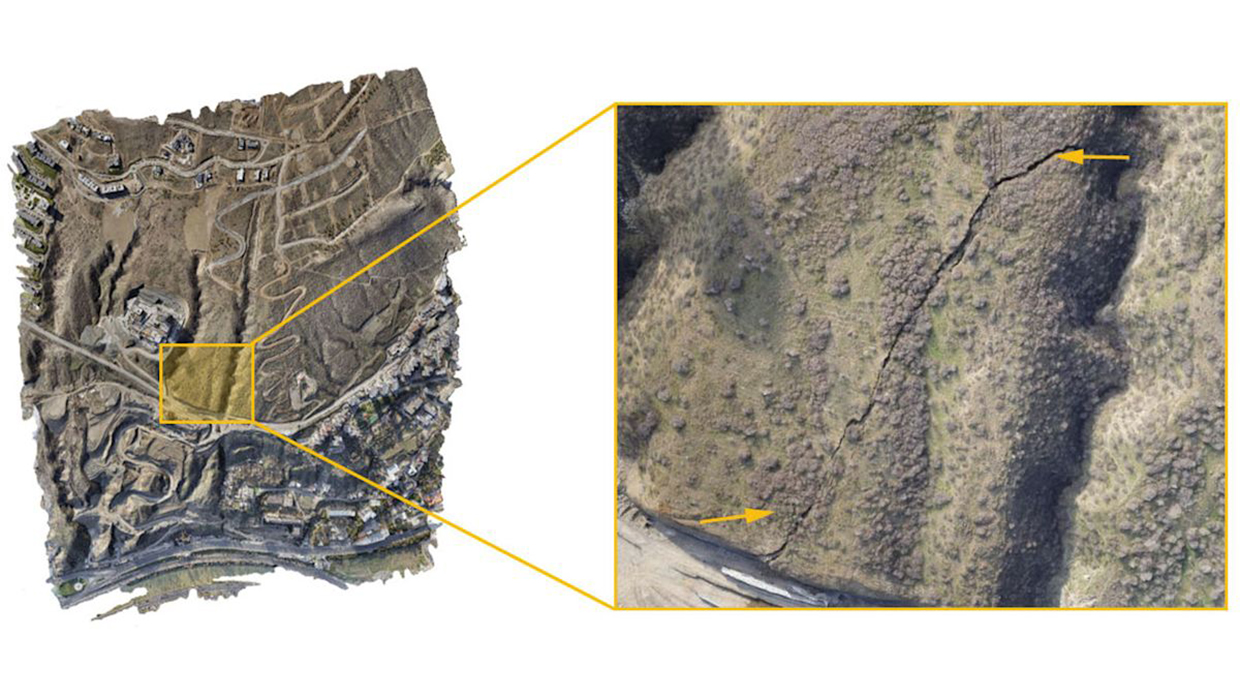
In 2021, a fissure opened on a hillside near two residential areas in Tbilisi, Georgia, prompting local authorities to assess the potential damage. To safely carry out this operation, the National Environmental Agency of Georgia turned to drones and the PIX4Dmapper. They selected the eBee X fixed-wing drone for its long flight time and battery efficiency (see also Green Technology Book Mitigation edition, agriculture section). Using photogrammetry, the eBee X captured data across various parameters, which were then analyzed with the help of PIX4D’s specialized mapping software. The PIX4Dmapper allowed the team to measure and quantify key features of the landmass, including volume and movement. Over two flights, they collected more than 800 images, creating a digital surface model (DSM) that provided an in-depth analysis of the fissure’s depth, volume, curvature, potential movement and flow accumulation. The fissure measured 14 meters in depth with a displaced volume of half a million cubic meters of land. Thanks to these advanced technologies, stabilization measures were quickly implemented to protect residents and their property (
Soil nailing and rock bolting stabilize active landslide zones in India
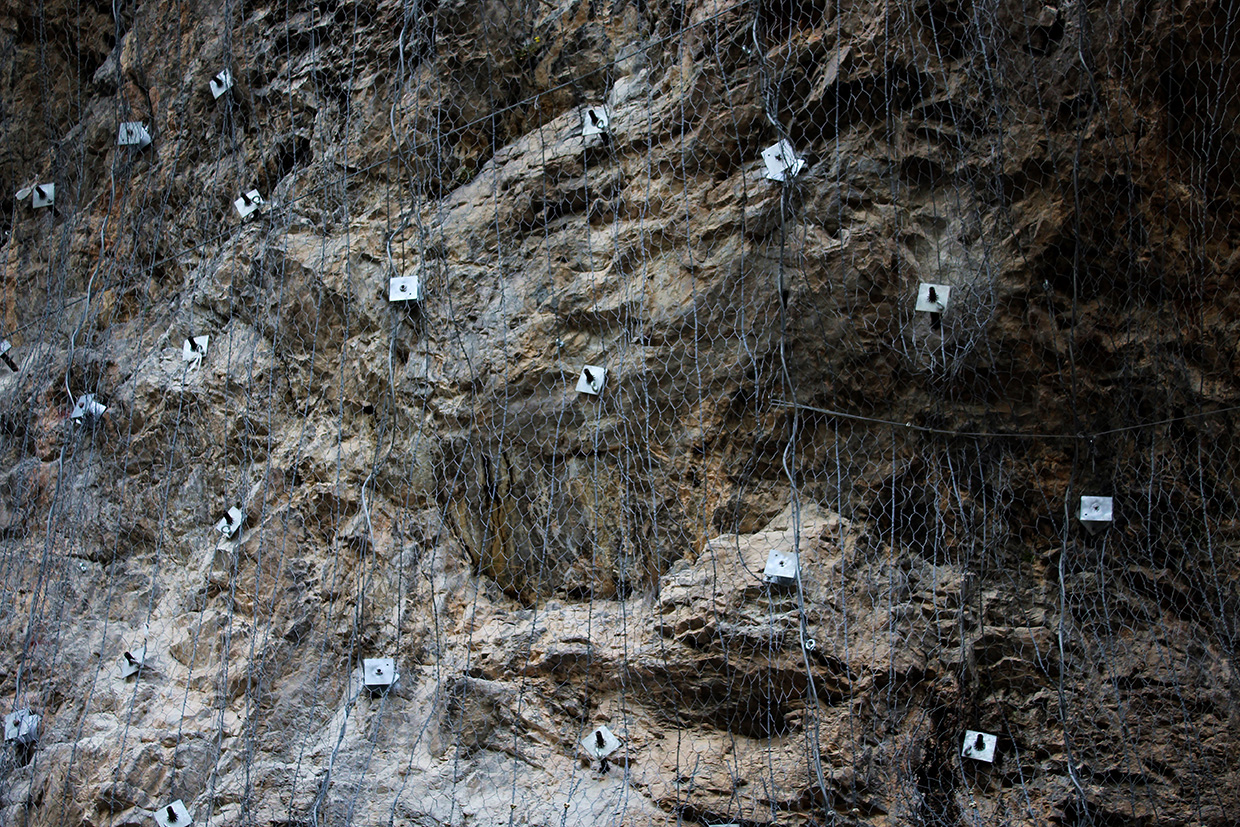
In Uttarakhand, landslides frequently disrupt roads, particularly during the monsoon season, presenting a major challenge for Char Dham pilgrims. To address this, the Border Roads Organisation (BRO) is employing Australian rock bolt technology to stabilize landslide-prone areas along the Gangotri and Yamunotri highways. This proven technology involves removing loose debris and reinforcing bedrock through soil nailing and rock bolting. Specialized drilling is used to secure fractured rocks by inserting bolts at critical fracture points, enhancing the stability of the formations. The technique has been shown to be 90 percent effective in preventing future landslides. According to BRO officials, using this method has significantly improved the safety of the roads in question for both pilgrims and tourists. After stabilizing the area, excavation tunnels were constructed, and treatments started in two additional landslide zones, with the goal of completing stabilization efforts by spring 2025. This initiative is part of a broader effort to improve road safety and resilience within Uttarakhand’s challenging mountainous landscape (
A drone in the dark: assessing a collapsed tunnel
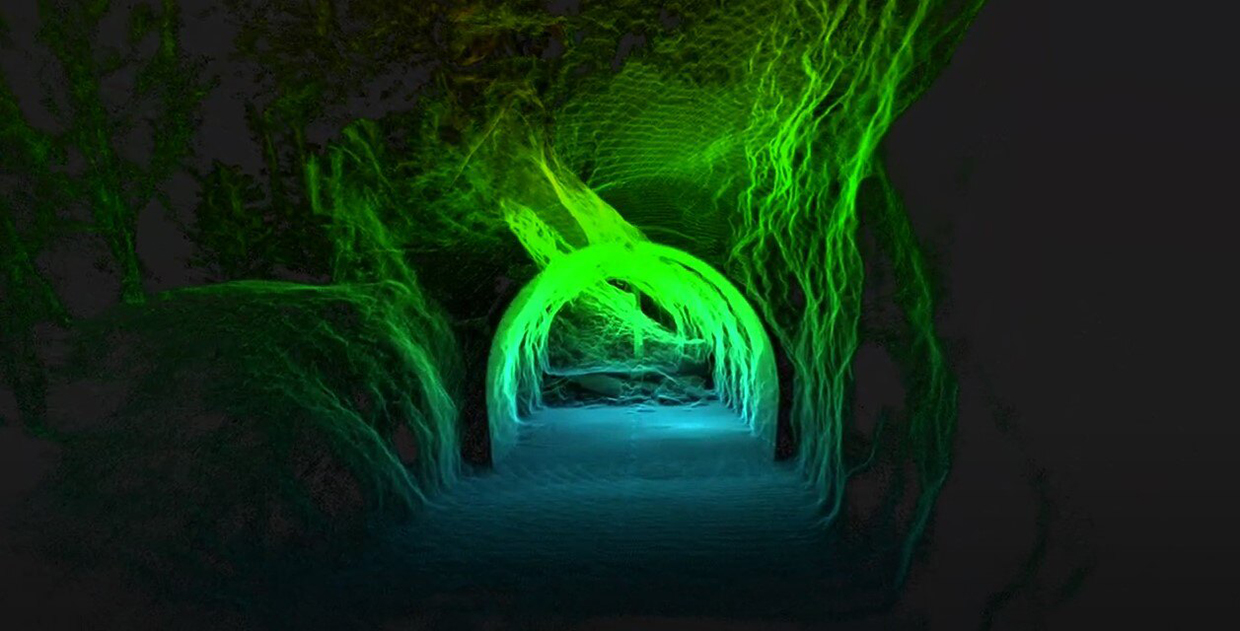
In 2024, several landslides collapsed a tunnel in Switzerland, cutting off access between villages and a ski resort. Safe entry was impossible, so the local authorities employed Flyability’s Elios 3 indoor drone to assess the collapsed tunnel. The drone collected data via LiDAR, photos and videos, and the point cloud datasets from the LiDAR scan provided a clear view of the damage. It also helped show how the tunnel’s design, specifically a small and unnecessary window, contributed to its vulnerability. Cold air flowing through the window since the tunnel was built in the 1960s had caused a type of freeze–thaw weathering effect (where water freezes and expands, causing cracks and faults over time) inside the tunnel. The surrounding rock had also developed faults due to weathering, traffic vibration and minor seismic events. The Elios 3 drone’s key features – its autonomous stabilization, protective cage, ability to survive colliding with walls, advanced processing, 4 K cameras for clear visualization in low light, thermal cameras to detect structural weaknesses and laser distance measurement – made it essential for investigating the accident. Thanks to these capabilities, the tunnel was reopened within months, demonstrating how drone technology can enhance emergency response and prevent future incidents (
Proven technology solutions
Slope stabilization: soil nail launcher
Geostabilization International

The Soil Nail Launcher™ was originally developed by the British military and is a compressed air cannon that shoots a 6-meter steel or fiberglass tube at speeds of up to 400 km/h. The high-speed launch creates tensile stresses that prevent the nail from buckling and helps it penetrate the ground efficiently. The shockwave at the tip displaces soil during installation, and the process stops when friction at the nail tip absorbs the cannon’s energy. Unlike traditional methods, this system minimizes wear and preserves the nails’ corrosion protection, leading to higher pullout capacities (the maximum force or resistance a soil nail can withstand before it starts to be pulled out or displaced from the ground). It also increases soil density in the nailed area, unlike open-hole drilling, which can weaken the connection between the soil nail and the surrounding soil.
Technological maturity: Proven
Contracting type: For sale
Technology level: Medium
Place of origin: United States
Availability: Canada, New Zealand, United States
Contact: WIPO GREEN Database
Slope stabilization: 2D-Geo system
GEOIZOL Project

The 2D-Geo is a high-strength steel net with diamond-shaped meshes designed to stabilize slopes and prevent erosion. It is anchored to the ground using special plates and can be combined with anti-erosion fabric for added protection. Supplied in rolls and connected with steel spirals, the net can cover a large area. It is effective for stabilizing mudslides, rockfalls and landslides, as well as protecting against erosion. Key benefits include stabilizing slopes of up to 70–80 degrees, saving up to 40 percent compared to lower-strength nets. It also offers high tear strength, has minimal environmental impact and encourages grass seed germination by creating a fertile soil layer. Additionally, its large mesh size helps preserve the landscape’s aesthetic appearance.
Technological maturity: Proven
Contracting type: For sale
Technology level: Medium
Place of origin: Russian Federation
Availability: Russian Federation
Contact: WIPO GREEN Database
Landslide monitoring: wireless tilt sensor
Next Industries
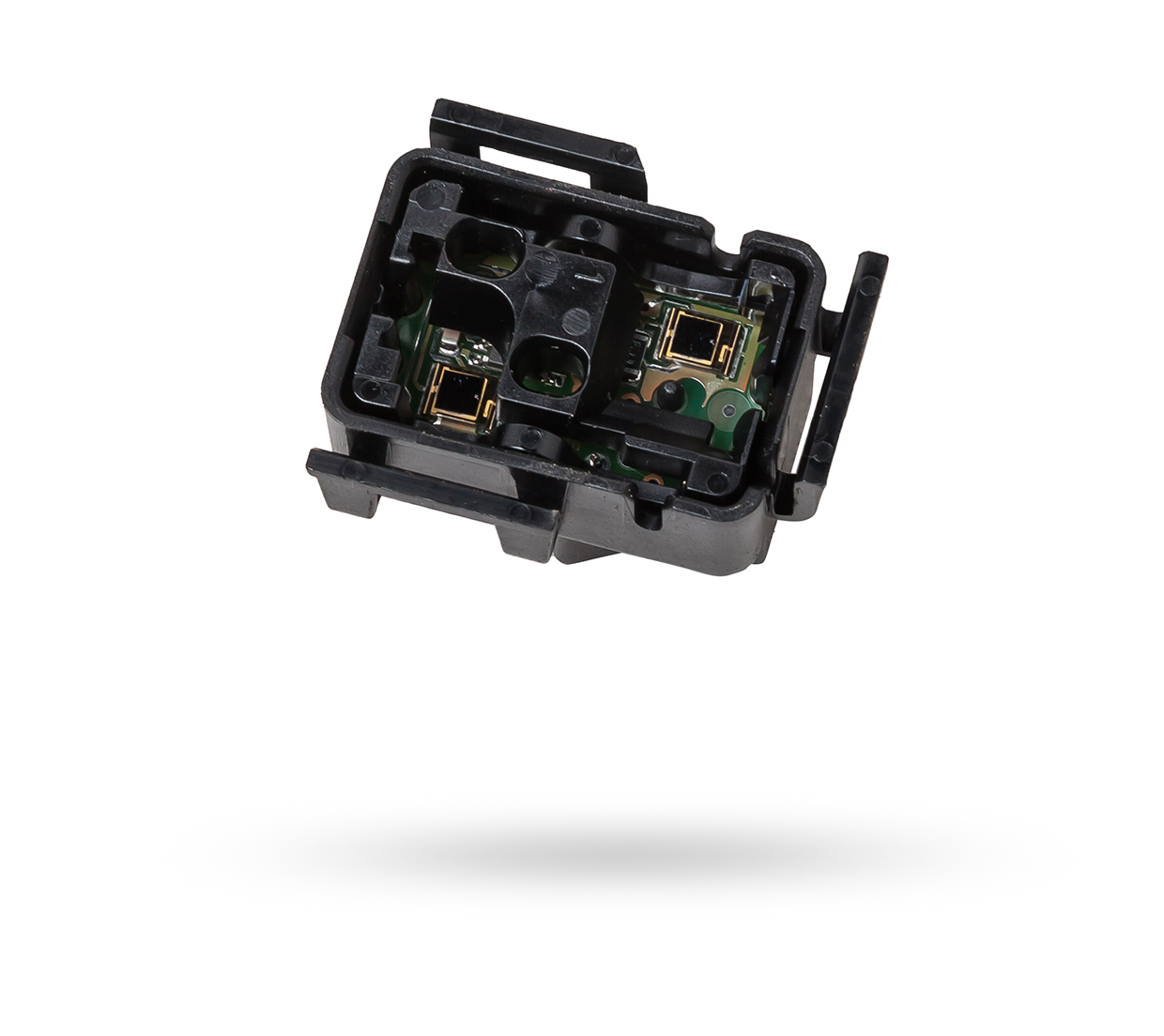
The NI310-TIL Wireless LoRa Tilt Sensor is a compact device that measures tilt angles in real time. It has a built-in micro-electromechanical systems (MEMS) accelerometer (to detect changes in movement or tilt by measuring the displacement of a mass suspended on a spring, which is then converted into an electrical signal) for accurate readings and can be set up quickly with customizable angle thresholds. The sensor is waterproof. Users can create up to 36 trigger rules, so the sensor sends an alarm when a certain tilt angle is reached. It is easy to install and can be wirelessly connected to other systems, allowing data to be transmitted to an IoT cloud platform for remote monitoring and analysis.
Technological maturity: Proven
Contracting type: For sale
Technology level: Medium
Place of origin: Italy
Availability: Worldwide
Contact: WIPO GREEN Database
Landslide monitoring: extensometers (clip-on, sensor arm, video and laser)
ZwickRoell

Extensometers are devices used to measure the displacement or strain of an object, and they come in various types. Sensor arm extensometers are mounted directly onto the object using knife edges attached to sensor arms, measuring strain by detecting changes in the arms’ angle or travel distance. They are modular and adaptable. Clip-on extensometers are also directly attached, offering high accuracy, but limited flexibility. Video and laser extensometers are contactless: laser extensometers use a laser beam directed at a target on the object to measure the distance, while video extensometers use high-resolution cameras to track the movement of markers placed on an object, with software analyzing the images to calculate the displacement.
Technological maturity: Proven
Contracting type: For sale
Technology level: Medium
Place of origin: Germany
Availability: Worldwide
Contact: WIPO GREEN Database
Landslide monitoring: earth pressure cell
Sisgeo

Earth pressure cells measure total pressure in embankments, retaining walls and diaphragm walls. They consist of two stainless steel plates welded together, filled with de-aired oil and connected to a transducer via a tube, forming a closed hydraulic system. Pressure applied to the cell generates an electrical signal that is readable remotely using portable units or data loggers. Vibrating wire technology – often integrated into these systems – measures strain, displacement or pressure by detecting changes in a wire’s vibration frequency under stress. This frequency shift is converted into an electrical signal. Vibrating wire systems – known for their accuracy and environmental resilience – are ideal for long-term geotechnical monitoring, providing reliable data for pressure monitoring applications.
Technological maturity: Proven
Contracting type: For sale
Technology level: Medium
Place of origin: Italy
Availability: Worldwide
Contact: WIPO GREEN Database
Landslide debris clean-up: mobile debris crushers
Metso
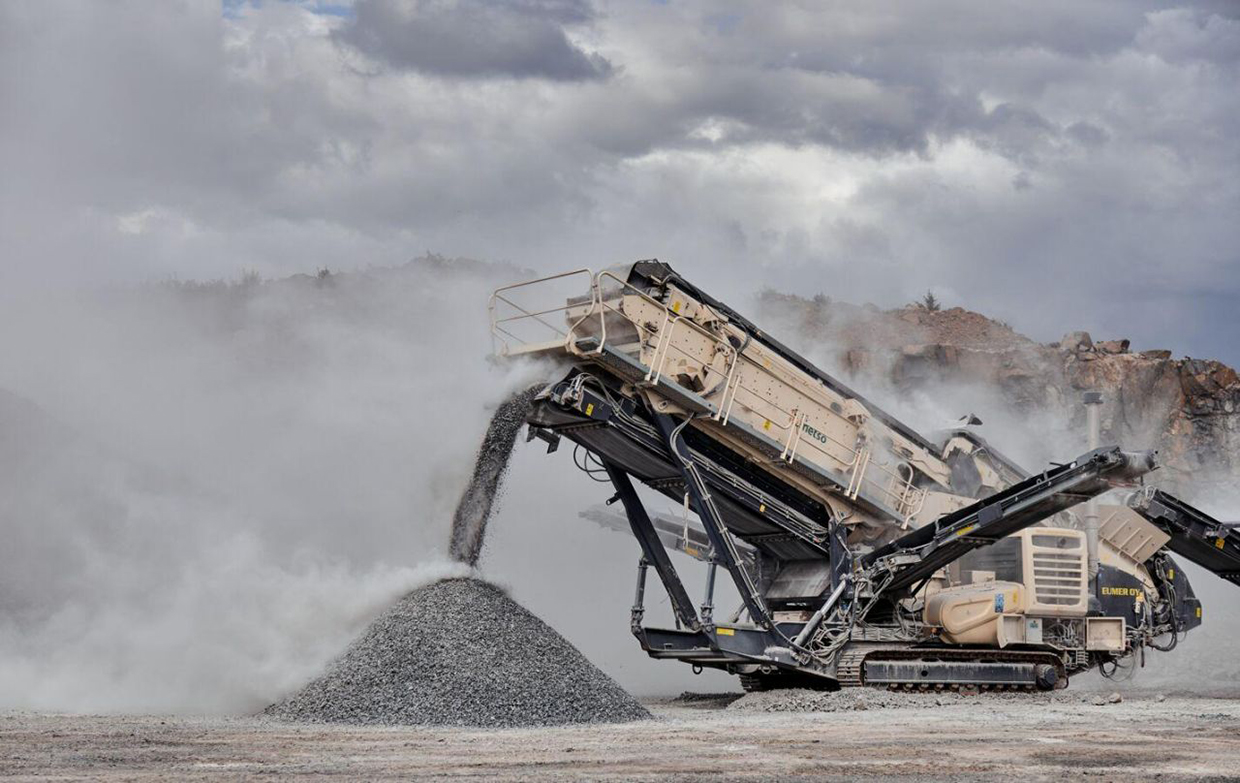
Metso crushers are designed to process debris generated in disasters or demolitions. Available in mobile and stationary configurations, they are effective for medium-hard and hard materials such as concrete, asphalt, and bricks. Mobile units are easy to relocate as work progresses and have been used in disaster recovery operations, where crushers helped manage rubble and produce aggregates for reuse in, for example, road bases, reclaimed asphalt, or erosion control.
Technological maturity: Proven
Contracting type: For sale
Technology level: Medium
Place of origin: Finland
Availability: Worldwide
Contact: WIPO GREEN Database
Landslide debris clean-up: grinding machine
Rotochopper
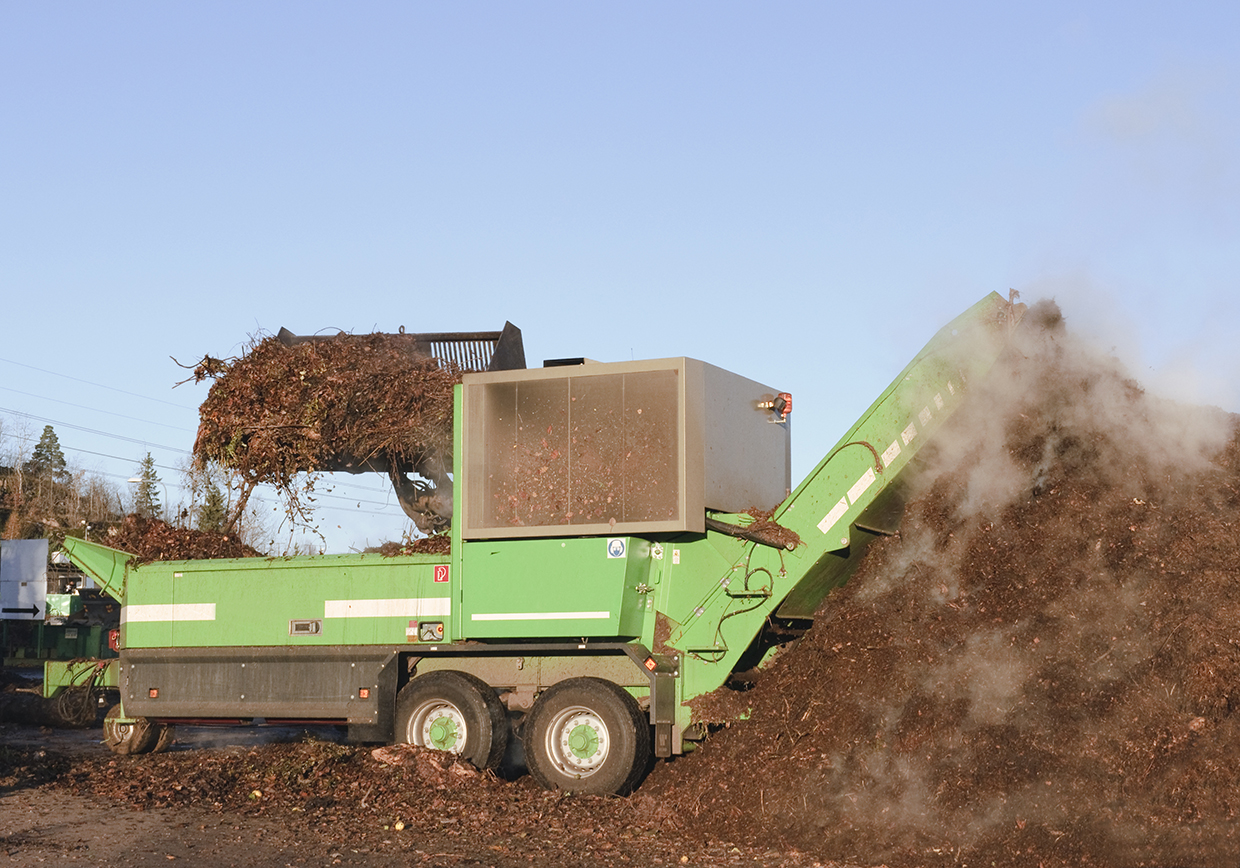
Rotochopper’s electric and diesel grinding machines are designed for the high-efficiency, high-volume processing of organic materials like wood, construction debris and green waste. They use a rotating drum with sharp, heavy-duty knives to shred and grind the material into a consistent, finely processed output. They are designed to feed logs, whole trees and brushy material into the powerfeed. The StopWatch Monitoring System can detect ungrindable objects and vibration in the rotor and stop and reverse the infeed. The electric-powered models provide a quieter, cleaner operation with less maintenance, whereas the diesel-powered models offer greater mobility for on-site operations, especially in rugged areas. Both systems have advanced features, such as adjustable screens to control particle size, and quick-change blades for minimal downtime.
Technological maturity: Proven
Contracting type: For sale
Technology level: High
Place of origin: United States
Availability: Worldwide
Contact: WIPO GREEN Database
Landslide damage assessment: 3D terrestrial laser scanner (TLS)
Leica Geosystems

The RTC360 is a high-precision 3D laser scanner with quick scanning capabilities (up to 2 million points per second) that captures detailed 3D topographical data for precise mapping of the displacement of land to assess the extent of damage. It is compact and captures detailed terrain data in rugged areas, such as landslide-prone slopes, with high accuracy. It offers software integration for processing large datasets quickly. It is small and lightweight with a collapsible tripod and therefore can be taken anywhere. It has a one-button operation for simple scanning. The Cyclone FIELD 360 app is also part of the RTC360 solution, enabling the on-site automatic capturing, registration and examination of scan and image data. The app can also connect the 3D data acquired in the field with the laser scanner and data registration back at the office.
Technological maturity: Proven
Contracting type: For sale
Technology level: High
Place of origin: Switzerland
Availability: Worldwide
Contact: WIPO GREEN Database
Frontier technology solutions
Landslide monitoring: vibrating wire multi-level piezometer
Roctest
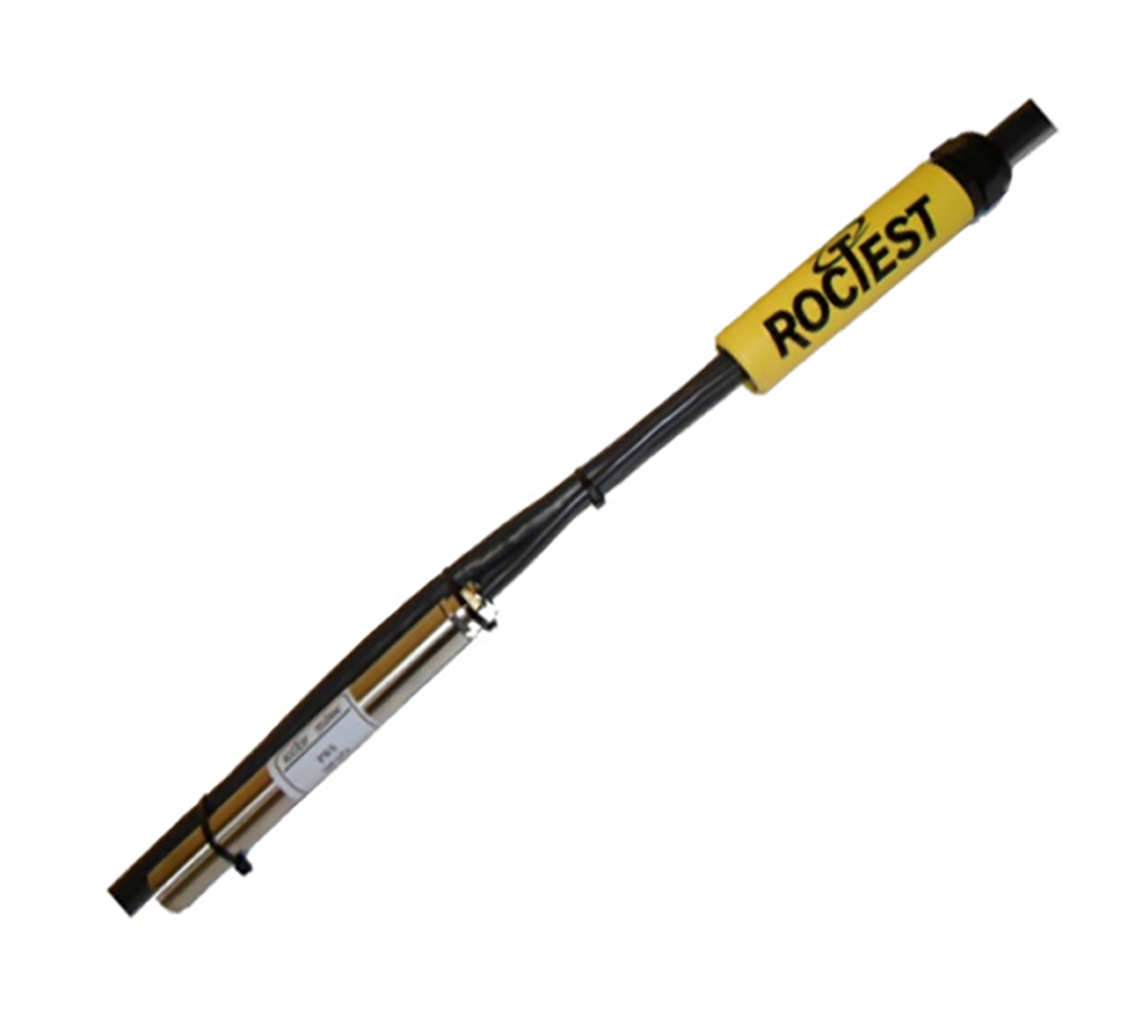
A multi-level piezometer is used to measure pore water pressure in the ground at different depths, so as to understand how water pressure changes. A wire inside vibrates at a specific frequency, and when water pressure changes, it affects the wire’s tension, which changes the vibration frequency. This change is then used to measure the pressure. The PW-ML multi-level piezometer features multiple piezometers connected to a single communication cable, which links to a data acquisition system (SENSLOG) or readout device (MB-3TL). The multi-level piezometer is installed using direct grouting with piezometer string and a grout injection tube. Once the grout hardens, the piezometers are sealed off from one another, allowing for accurate measurements of pore water pressure at different depths. This system lets the user customize sensor spacing along the cable, ensuring precise depth control based on site-specific needs. The connections between each piezometer and the main cable are reinforced with epoxy resin.
Technological maturity: Frontier
Contracting type: For sale
Technology level: High
Place of origin: Canada / Switzerland
Availability: Worldwide
Contact: WIPO GREEN Database
Landslide monitoring: land deformation monitoring services using satellite radar data (InSAR)
GeoKinesia

GeoKinesia is highly experienced in land deformation monitoring, specializing in SAR, InSAR, and other remote sensing techniques. InSAR (Interferometric Synthetic Aperture Radar) is a remote sensing method that detects land and structural displacement with millimeter precision by comparing satellite images taken at different times. GeoKinesia uses a proprietary Persistent Scatterer Interferometry (PSI) InSAR processing technique with a high level of automation and reliability. It helps estimate key factors like residual topographic error (the remaining discrepancies in height or elevation after accounting for topographic variations in data), which is crucial for accurate modeling. With this technique, GeoKinesia can create deformation velocity maps, cumulative deformation maps, time series, and analyze both horizontal and vertical movement.
Technological maturity: Frontier
Contracting type: For sale
Technology level: High
Place of origin: Spain
Availability: Worldwide
Contact: WIPO GREEN Database
Landslide monitoring: Landslide Hazard Assessment and Model for Situational Awareness (LHASA)
National Aeronautics and Space Administration (NASA)
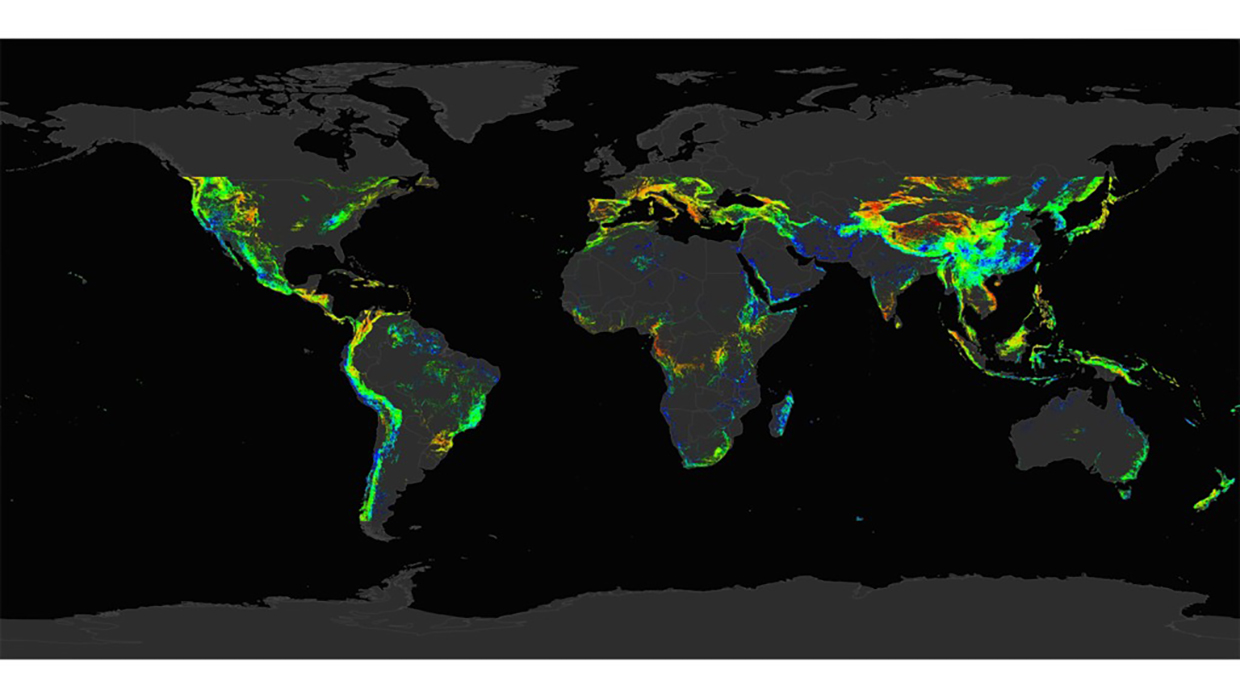
The Landslide Hazard Assessment and Model for Situational Awareness (LHASA) provides near real-time global landslide hazard forecasting to support disaster preparedness and response efforts. LHASA version 2.1 combines multiple data sources including satellite-based estimates of precipitation and soil moisture, terrain, and seismicity to predict where rainfall-triggered landslides are most likely to occur. The system uses XGBoost machine learning algorithms trained on historical landslide data to generate daily nowcasts that are publicly accessible through NASA’s Landslide Viewer. By integrating forecasts from NASA’s Goddard Earth Observing System (GEOS) Forward Processing system and incorporating new landslide inventory data, LHASA helps emergency managers, researchers, and communities worldwide better prepare for and respond to landslide hazard.
Technological maturity: Frontier
Contracting type: Open source (freely available)
Technology level: High
Place of origin: United States
Availability: Worldwide
Contact: WIPO GREEN Database
Landslide monitoring: 2D drone mapping software
Pix4D

Pix4D develops end-to-end mapping solutions that transform images into survey-grade maps, 3D models, and actionable insights, using photogrammetry and machine learning. Developed for emergency response, PIX4Dreact enables the creation of 2D maps from aerial imagery within minutes and without relying on the internet or a cloud for processing. It contributes to rapid and accurate damage assessment and subsequent planning of resources. For landslide monitoring, PIX4Dmatic combines photogrammetry and LiDAR technology to process thousands of images while maintaining survey-grade accuracy, cutting the processing time in half. The result can be viewed online using PIX4Dcloud, enabling collaborative and user-friendly progress tracking and site documentation.
Technological maturity: Frontier
Contracting type: For sale
Technology level: High
Place of origin: Switzerland
Availability: Worldwide
Contact: WIPO GREEN Database
Landslide monitoring: drone capture automation, drone data processing and analysis
Skycatch
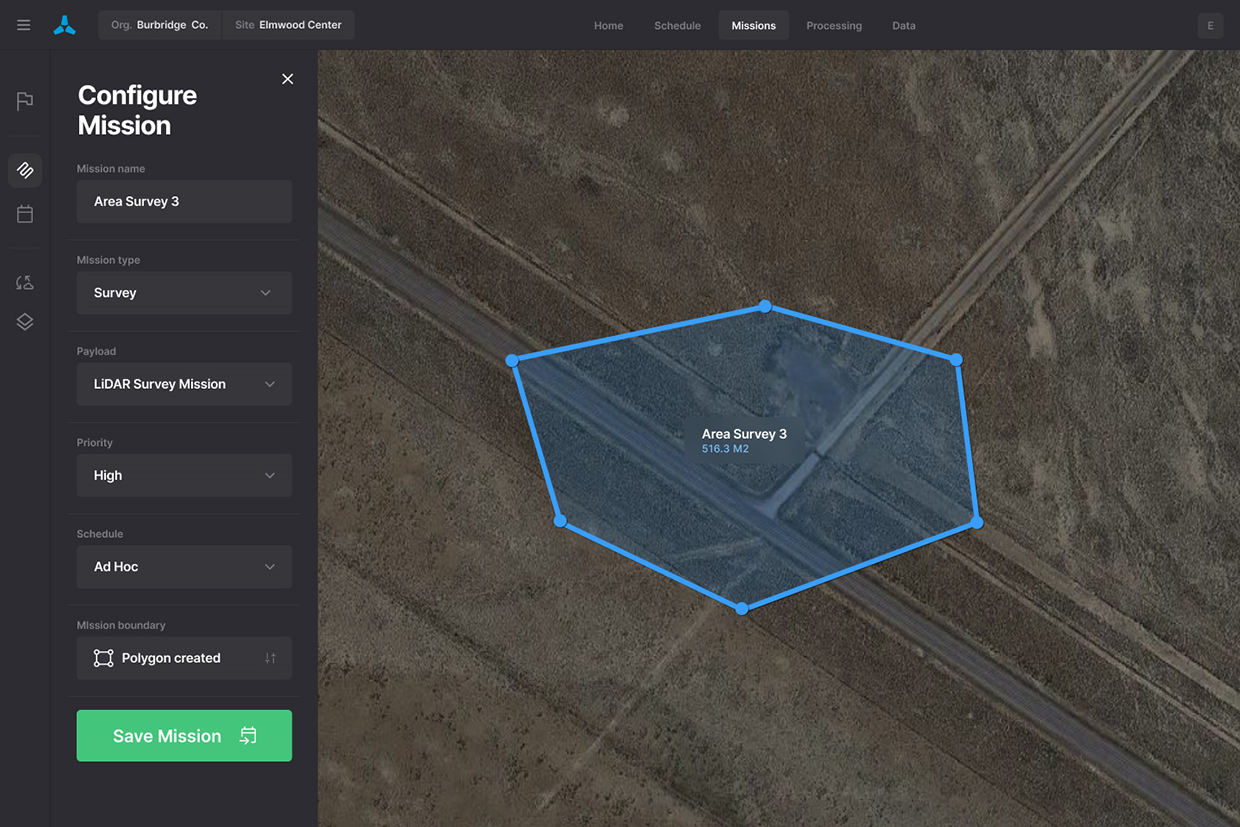
High-resolution aerial images captured by drones can be used to create detailed 3D terrain models. This data can be used for pre- and post-event comparison wherein drones can quickly map landslide areas to assess the extent of movement, erosion or deformation. Data can also be gathered from regular drone flights over landslide-prone areas to provide real-time updates on ground movement and help identify early signs of instability. Drones provide quick access to hard-to-reach areas, reducing the need for manual inspections and offering a safer, more efficient way to monitor dangerous or unstable terrain. Skycatch’s drone technology is valuable for monitoring landslides and other geohazards in real-time, providing crucial data for risk mitigation and decision-making. Skycatch works with a variety of drone hardware manufacturers, integrating its software with their drones to ensure seamless capture, data processing and analysis.
Technological maturity: Frontier
Contracting type: For sale
Technology level: High
Place of origin: United States
Availability: Worldwide
Contact: WIPO GREEN Database
Rockfall protection system: monitoring and alert system
Logistics and Supply Chain MultiTech R&D Centre (LSCM)
.jpg)
The Smart Barrier System by LSCM provides real-time monitoring of falling debris. It is a low-cost system that uses IoT sensors to first detect landslide impacts on barriers and then instantly notify authorities for follow-up actions via a web platform and mobile app. An integrated infrared camera transmits images, while an on-site warning message system (WMS) delivers landslide warnings. The system is designed to withstand extreme weather and has been used to enhance the effectiveness of remote barriers built by Hong Kong’s Civil Engineering and Development Department (CEDD).
Technological maturity: Frontier
Contracting type: For licensing
Technology level: High
Place of origin: Hong Kong, China
Availability: Hong Kong, China
Contact: WIPO GREEN Database
Rockfall protection system: monitoring and alert system
Maccaferri
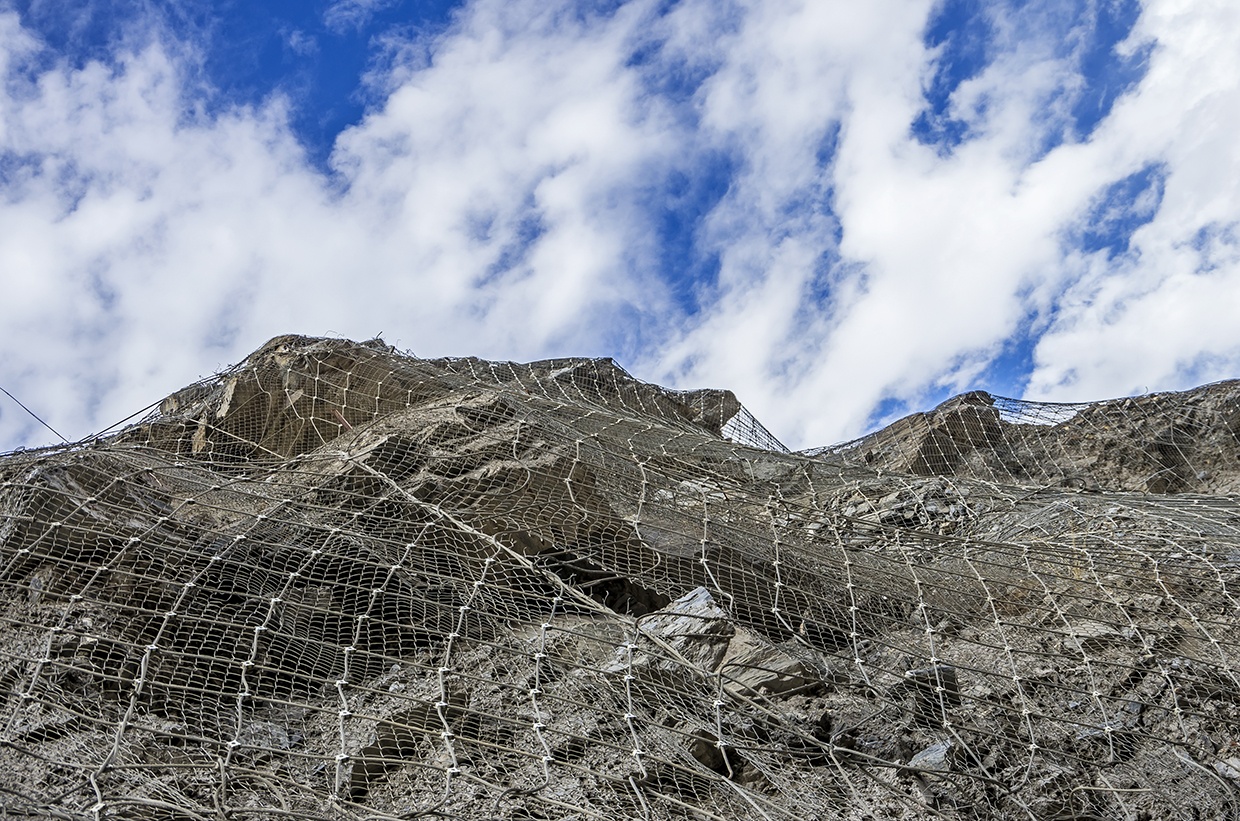
HELLOMAC is an advanced alert system designed to monitor rockfall protection systems, especially in remote areas. It detects boulder movement, stress and sagging, sending real-time notifications via mobile app, email and SMS for every section of the rock barrier. Built from durable metal alloys, its compact and robust structure is engineered to withstand harsh conditions and heavy loads. With continuous monitoring capability, it operates without external power sources, relying on batteries that last up to five years, and functions even in areas with no cell coverage.
Technological maturity: Frontier
Contracting type: For sale
Technology level: High
Place of origin: Italy
Availability: Worldwide
Contact: WIPO GREEN Database
Horizon technology solutions
Landslide research: benthic event detector (BED)
Monterey Bay Aquarium Research Institute
.jpg)
Underwater and terrestrial landslides share similar drivers, including gravity, soil composition and slope angle, and both involve the movement of sediments, rocks and debris. Studying underwater landslides helps researchers understand slope stability, which can inform landslide technology and engineering on land. A benthic event occurs near the ocean or lake floor, within the benthic zone, and benthic event detectors (BEDs) are designed to measure near-seafloor conditions in sediment gravity flows. Deployed by the Monterey Bay Aquarium Research Institute (MBARI), BEDs were used in the Coordinated Canyon Experiment to monitor sediment movement across 50 km of Monterey Canyon at depths of 200, 300 and 400 meters. These motion-sensing instruments rest on the seafloor, capturing data within the densest part of the sediment flow. Over 18 months, the BEDs recorded 10 sediment gravity flows, revealing that these flows can mobilize the top three meters of the seafloor. This research provided valuable insights into the dynamics of sediment flows. BED technology is still under development, but close to commercialization.
Technological maturity: Horizon
Contracting type: Under development
Technology level: High
Place of origin: United States
Availability: N/A
Contact: WIPO GREEN Database
Landslide research: meta-model and novel feature selection technique for understanding landslides
Leibniz Centre for Agricultural Landscape Research (ZALF)
Building upon six advanced machine learning models, researchers in Germany and India have developed a meta-model and framework to better understand and forecast landslides using data from West Bengal, India. The researchers converted spatialized features, such as geology, lithology, soil texture, land-use and land cover, into binary vectors, making them compatible with a machine learning algorithm. Then, an ensemble geospatial feature selection technique was employed, finding and including only the most influential causative aspects of landslides. The resulting meta-model stacks the predictions made by the six foundational models. It demonstrated superior accuracy as compared with the individual models due to its integration with the ensemble feature selection process. The findings have implications for both disaster management and land-use planning, and the methodology, which can be extended to other regions, is open access.
Technological maturity: Horizon
Contracting type: Under development/open access
Technology level: High
Place of origin: Germany/India
Availability: N/A
Contact: WIPO GREEN Databasehttps://wipogreen.wipo.int/wipogreen-database/articles/177267
Landslide monitoring: AI routing system for weather-affected unpaved roads
HeiGIT

The AI Logistic Awareness System (AILAS) is an AI-supported, weather-adaptive routing system designed for regions with unpaved roads. It is intended to assist planners in road development, maintenance, and humanitarian logistics, where uncertain road conditions can cause life-threatening delays. HeiGIT is currently developing and testing AILAS through a pilot project in Madagascar, where dashcams mounted on emergency vehicles capture street-level imagery to train a deep learning model. This imagery is combined with secondary weather and environmental data within a probabilistic framework to evaluate how weather conditions influence road passability. As the system evolves and sufficient imagery becomes available, AILAS will predict passability across the entire unpaved road network, including areas without direct image data. The predictions will be integrated into routing software or a web-based map tool, enabling reliable logistical planning based on both current and anticipated road conditions. HeiGIT is looking to scale the system to other regions and integrate extreme events, such as floodings or landslides.
Technological maturity: Horizon
Contracting type: Under development/for collaboration
Technology level: High
Place of origin: Germany
Availability: Madagascar
Contact: WIPO GREEN Databasehttps://wipogreen.wipo.int/wipogreen-database/articles/177281
Landslide monitoring: ground-penetrating radar and hyperlocal landslide nowcasting
Augsense Lab
Augsense Lab develops quantum and remote sensing technologies for subsurface and atmospheric monitoring related to landslide risk. The company is focused on developing two core systems: a ground-penetrating radar (GPR) and a GNSS-based atmospheric sensing platform. The GPR, an antenna-less radio-frequency receiver, detects low-frequency radio signals by leveraging the quantum properties of Rydberg atoms. It enables subsurface imaging through soil, rock, and debris without a conventional large antenna. Augsense Lab is currently focused on miniaturizing the system, with the aim of mounting it on drones for use in search-and-rescue operations. The company recently signed an iDEX contract with India’s Ministry of Defence to advance its work on next-generation quantum sensors and collaborates with Kerala-based mistEO on sensor miniaturization and AI-driven real-time forecasting. Meanwhile, the N-Sonde platform employs GNSS tomography and radio occultation to generate 3D refractivity profiles for hyper-local weather forecasting. This technology is part of a pilot project deployed by the Kerala State Disaster Management Authority, which will integrate N-Sonde data into a landslide prediction model developed by IIT Roorkee.
Technological maturity: Horizon
Contracting type: Under development
Technology level: High
Place of origin: India
Availability: N/A
Contact: WIPO GREEN Database