
Technological developments and trends
The aftermath of a storm can often be just as destructive as the storm itself. The most common consequence of a storm – flooding – can destroy homes, disrupt livelihoods and contaminate water supplies, leading to long-term health and economic challenges. Floods were the most common disaster on Earth in 2023 (

Riverine and inland flooding have long been a major concern, exacerbated by heavy rainfall and poor infrastructure, leading to widespread devastation in many parts of the world. In 2022, Pakistan experienced record monsoon rains that caused severe riverine flooding, affecting one-third of the country, 33 million people, and causing over 1,700 deaths. In 2023, catastrophic inland flooding in Libya resulting from Storm Daniel resulted in more than 4,000 deaths and widespread destruction. And in 2024, severe flooding affected parts of Spain, leading to widespread infrastructure damage, evacuations, and at least 232 fatalities.
This chapter explores the wide range of simple to advanced technologies that help predict and respond to such events, and the innovative solutions being developed to bolster resilience to their impact. From advanced satellite and remote sensing technologies and early warning systems to flood-resistant architecture and infrastructure, this chapter delves into how humanity can more efficiently and effectively respond to a world where too much water is becoming an ever-greater threat.
Riverine and inland flooding have long been a major concern, exacerbated by heavy rainfall and poor infrastructure, leading to widespread devastation in many parts of the world
What are tropical cyclones?
Tropical cyclones are rapidly rotating storms that form over warm tropical oceans, also known as hurricanes or typhoons, depending on location (
Climate change is increasing storm frequency and severity, and altering trajectories
Storms are intensifying. Over the period between 1979 and 2017, the number of major hurricanes increased, whereas smaller hurricanes decreased (
Warmer temperatures due to climate change intensify storms by increasing atmospheric moisture, leading to heavier precipitation. Climate change increases the intensity of storms, while at the same time decreasing the speed at which they travel. The reason for this is still debated. A prominent theory is that Arctic warming is contributing to the slowdown (
Impacts of tropical storms are often severe and long-lasting
Over the last 50 years, 1,945 disasters have been attributable to tropical cyclones, resulting in nearly 800,000 deaths and USD 1.4 trillion in economic losses. During this period, tropical cyclones have accounted for 17 percent of all weather, climate and water-related disasters, and were responsible for 38 percent of total deaths and 38 percent of total economic losses from such events (
Longer-term impacts can persist for up to several years as communities struggle to recover from damage and often displacement. For example, some neighborhoods in New Orleans in the United States are still rebuilding almost 20 years after Hurricane Katrina struck, with a similar situation in communities affected by Hurricane Maria in Puerto Rico and the Caribbean, and Typhoon Haiyan in the Philippines.
Flooding: the disaster after the storm
Flooding typically occurs when heavy or persistent rainfall exceeds the soil’s ability to absorb water and the capacity of rivers, streams and coastal regions to cope with the flow. Flooding is triggered by events such as heavy rainfall, thunderstorms, tornadoes, tropical cyclones, monsoons, melting snow and dam failures. Among the most common types of flooding are flash floods, snowmelt floods, coastal and river floods (
Glacier melt and thawing permafrost are exacerbating flooding. The loss of global glacier mass has accelerated, leading to the formation of more and larger glacial lakes. These lakes are potential sources of glacial lake outburst floods (known as GLOFs) and represent a significant risk to both people and infrastructure. In fact, more than 10 million people worldwide are at risk from GLOFs. In High Mountain Asia, the threat of such floods is expected to triple by 2100 (
Flood risk is rising while record floods wreak havoc
Between 2000 and 2015, the number of people living in flood-prone areas increased from 58 million to 86 million. This growth reflects both increased flooding hazards and expanded settlement in vulnerable zones. Today, 1.8 billion people (nearly one-quarter of the global population) face significant flood risk, 90 percent of whom live in low- and middle-income countries (
Today, 1.8 billion people (nearly one-quarter of the global population) face significant flood risk, 90 percent of whom live in low- and middle-income countries
Flooding causes structural damage – weakening or collapsing buildings, and damaging roofs, floors and walls. Furthermore, it erodes soil and causes landslides (discussed in the landslides chapter), damages electrical systems, contaminates drinking water and causes waterborne illnesses, damages businesses and disrupts local economies.
Growing urban communities are most vulnerable to flooding. In the 2023 edition of the United Nations Environment Programme (UNEP) Adaptation Gap Report 2024, 69 percent of the most common hazards reported by 536 cities across the globe were flood-related hazards (2,411 actions) and coastal hazards (978) (
While climate change and extreme weather events are key drivers of increasing flood risks, human activities, particularly land and infrastructure development, are crucial contributors. Urban sprawl into floodplains and coastal areas, combined with poor ecosystem management, has intensified flood vulnerability in many regions. Without consideration of natural flood defenses and more sustainable land-use policies, the risk of devastating floods will only grow. Integrating nature-based solutions and stronger regulations on land development could play a critical role in mitigating flood impacts.
In addressing flooding, the focus is primarily on solutions that respond to its impacts, rather than preventing inland or riverine flooding from occurring. Although we may not control the exact conditions that lead to these floods, the strategies for managing the aftermath — such as improving infrastructure, enhancing flood resilience, and providing early warning systems — are broadly similar across various flood types, whether coastal or inland. Both types of flooding can cause significant damage to homes, infrastructure, and the environment. Therefore, the technologies and approaches designed to respond to flooding, such as storm tracking, flood-resistant infrastructure, and real-time data gathering, are often adaptable to multiple contexts, helping communities prepare for and recover from water-related disasters more effectively.
Weather forecasting has improved significantly
Weather forecasting is challenging because of the many variables involved. However, it has come a long way in recent decades, primarily thanks to better data and technology. Scientists have developed sophisticated technologies, including advanced global climate models, an ever evolving and profound understanding of how storms develop, and an expanding record of past cyclone activity (
Additionally, the way in which forecasts are communicated has evolved, with minute-by-minute updates now available online. The United Kingdom (UK) meteorological office claims that its four-day forecasts are now as accurate as its one-day forecasts were 30 years ago (

Technology dives deeper into storms
Advanced storm tracking technologies, developed by organizations like the National Aeronautics and Space Administration (NASA), European Space Agency (ESA), Japan Aerospace Exploration Agency (JAXA), and other space agencies, use satellite-based systems to monitor and track storms in real time. These technologies employ a combination of radar, infrared, and visible light imaging to capture detailed data on storm development, movement and intensity.
For example, NASA’s Cyclone Global Navigation Satellite System (CYGNSS) uses a network of small satellites to measure wind speed in tropical cyclones. The ESA uses Sentinel satellites equipped with a synthetic aperture radar (SAR) to monitor storm surges, track rainfall and assess flood risk. SAR is a remote sensing technology that uses radar waves from satellites to generate images of the Earth’s surface even under cloud cover. It is particularly good at mapping surface water bodies and, under certain conditions, can help detect shallow subsurface moisture.
Advanced storm tracking technologies use satellite-based systems to monitor and track storms in real time
Box 2.1 provides a glimpse into a joint satellite mission to measure precipitation using a more comprehensive coverage and to enhance those global precipitation datasets that support improved storm and flood forecasting.
This is a joint satellite mission initiated by NASA and JAXA to advance the work begun under the earlier Tropical Rainfall Measuring Mission (TRMM), which measured heavy-to-moderate rainfall over tropical and subtropical oceans. The GPM system Core Observatory satellite uses the GPM Microwave Imager (GMI) and Dual-frequency Precipitation Radar (DPR) to measure precipitation from space, combining active and passive remote sensing techniques to enhance global precipitation datasets. NASA is responsible for managing the mission and overseeing operation of the GPM Core Obervatory, while JAXA provides the DPR, a core instrument on the satellite.
GPM covers both land and the ocean across 65ºN–65ºS, improving upon its predecessor, TRMM, by offering better coverage (including in medium-to-high latitudes), improved estimates of light rain and snowfall, and more frequent observations taken every 3 hours. GPM data benefits operational forecasters, climate prediction, water resource management, crop monitoring and disaster management, while also advancing the scientific understanding of Earth’s water and energy cycle. Global reinsurance companies also use GPM rainfall data to set rainfall thresholds for insurance payouts.
Dropsondes and minisondes: parachuting into storms
Dropsondes and minisondes are weather probes released from aircraft into storm systems to collect real-time data on the temperature, humidity, pressure and wind speed at different altitudes within a storm. Dropsondes are most commonly used to measure the vertifcal profiles of these parameters. They are dropped from P-3 aircraft operated by the National Oceanic and Atmospheric Administration (NOAA) from an altitude of 10,000 feet (roughly 3,000 meters) and descend to the surface using a small parachute. Data obtained are used by forecast models to predict storm track and intensity. Dropsondes have been used for decades, but NOAA is continuing to make them lighter and cheaper with the development of minisondes. Minisondes are a smaller version, and their lighter weight renders them better for high-altitude deployment. They can also be deployed in larger numbers for high-density measurement across storm systems, enabling a more complete data set over a larger area (
Drones gather data in areas otherwise difficult or dangerous to reach and are relatively cost-effective
State-of-the-art drones gather data from inside a storm
Drones are also at the cutting edge in storm research by providing real-time, high-resolution data from within storms. Equipped with sensors and cameras, advanced drones can fly into storm systems, capturing atmospheric conditions such as wind speed, temperature, humidity and pressure. They gather data in areas otherwise difficult or dangerous to reach, such as the storm’s eye, and are relatively cost-effective. The localized information they provide complements satellite and radar data, helping to improve the accuracy of storm prediction.
New drones, such as NOAA’s Altius-600 can fly very low, enabling better surface-level information-gathering where storms are actually impacting people (
Early warning systems crucial, yet still lagging in many vulnerable countries
As human-induced climate change drives more extreme weather events, the need for early warning systems has never been more critical. A multi-hazard early warning system (MHEWS) is an integrated system that enables predictions of hazardous weather or climate events, and informs how governments, communities and individuals on how act to minimize impacts. MHEWSs are built on partnerships within and across relevant sectors (
The information shared globally is first analyzed by advanced supercomputing modeling centers where models simulate the interaction between weather, hydrology, oceans and the cryosphere. Global data exchange and coordination is then facilitated by the World Meteorological Organization (WMO), with support from the UN Development Programme (UNDP), UN Educational, Scientific and Cultural Organization (UNESCO) and UN Environment Programme (UNEP).
Over the last few decades, early warning for storms and flooding has significantly improved, allowing for better preparedness and response. Yet, only half of countries worldwide have sufficient multi-hazard early warning systems in place (
Over the last few decades, early warning for storms and flooding has significantly improved, allowing for better preparedness and response
In 2022, the Early Warning for All (EW4All) initiative was launched by the United Nations Office for Disaster Risk Reduction (UNDRR) in partnership with the WMO and other key organizations. This initiative aims to ensure that everyone, everywhere – especially vulnerable populations – has access to early warning systems for disasters like floods, storms and other extreme weather events by the end of 2027. The initiative receives support from the International Telecommunication Union (ITU) and the International Federation of Red Cross and Red Crescent Societies (IFRC).
The 2024 Global Status of Multi-Hazard Early Warning Systems report analyzes the latest data on the initiative’s progress (

Doppler radar uses the Doppler effect to collect velocity data from particles being measured. In this way, Doppler radar sends out a signal that bounces off the raindrops within a storm, the radar’s receiver then detects the reflected signal and measures the frequency shift, which is directly related to the movement of the raindrops (
Developed in the 1980s, NEXRAD (Next-Generation Radar) is the weather radar used by the US National Weather Service. It measures precipitation, predicts flooding and hail, provides wind speed and direction, indicates the presence of wind shear and gust fronts, and predicts and tracks storms. NEXRAD represented an evolution from earlier radar systems when it became operational in the 1990s, as it incorporated Doppler radar capabilities in order to measure both precipitation intensity and storm particle movement (called radial velocity). NEXRAD also improved weather information by digitally processing radar data, making the data easier for non-meteorologists to interpret.
PAR (Phased Array Radar) technology then emerged as the next significant advancement in Doppler radar systems. PAR offers faster scanning capabilities, allowing the real-time tracking of storms and rapidly changing weather conditions. Unlike traditional NEXRAD systems, which require mechanical movement to scan, PAR uses electronically-controlled beams, thereby enabling continuous, high-resolution monitoring to enhance the precision and timeliness of weather forecasts, improving early warning systems.
Satellite systems. Satellites play a vital role in early warning systems by providing real-time data on weather patterns. Copernicus, operated by the ESA, offers a range of environmental monitoring tools through its Sentinel satellites. Sentinel-1 satellites are equipped with SAR, and monitor ground displacement and flood levels. The Sentinel-2 satellites offer high-resolution optical imagery, providing valuable information about land use, vegetation and disaster impacts. Sentinel satellites operate in sun-synchronous, low Earth polar orbits at an altitude of about 800 km.
Other satellite networks, such as NOAA’s Geostationary Operational Environmental Satellite (GOES) and the Japan Meteorological Agency’s Himawari 8 (launched in 2014) and Himawari 9 (launched in 2019), also enhance forecasting by providing imagery and atmospheric measurements, real-time mapping of lightning activity, and the monitoring of space weather. GOES and Himawari are both situated at approximately 36,000 km above the Equator in a geostationary orbit. This means they orbit Earth at the same rate as the planet, which allows them to remain fixed over one spot on the Earth’s surface for continuous monitoring.
AI can improve early warning, with some limitations
Early warning systems (EWS) have been shown to reduce flood-related fatalities by up to 40% and the integration of artificial intelligence and innovative detection methods has the potential to further enhance their accuracy and effectiveness (
Early warning systems (EWS) have been shown to reduce flood-related fatalities by up to 40%
AI-enabled multi-hazard monitoring systems can integrate diverse datasets to predict secondary disasters. These cross-domain models capture the interconnectedness of hazards – for example, storms can trigger floods and landslides. By synthesizing this information, AI provides a more comprehensive understanding of cascading disaster scenarios, helping emergency response teams better prepare for, or even mitigate, cascading impacts.
AI can also assist in calibrating non-contact video gauges (camera-based systems that remotely estimate water levels using computer vision) and guide forensic analysis in assessing flood risk and vulnerability. It can improve communication during emergencies by generating AI-based maps and photorealistic visualizations from digital elevation models, predicting inundation areas and damage (
However, while being a potentially highly efficient tool, AI models can be wrong and misinterpret vulnerability data, potentially leading to inappropriate emergency responses. Non-expert interpretation of AI outputs may therefore be problematic. Erroneous data and false alarms can undermine public trust, especially as AI models struggle with imprecise definitions of what is an “extreme” event (
The effectiveness of AI depends on the availability of data, and there may be different outcomes in data-rich versus data-scarce regions. Addressing the digital divide is therefore crucial, as biased data can lead to the underrepresentation of certain communities. This is particularly challenging in the Global South, where “one-size-fits-all” models may not address local needs. Tailored models with active involvement from affected communities offer a promising solution to reducing bias (
For more information on EWS technologies, see the Green Technology Book Adaptation edition.
Big data (vast, complex datasets from multiple sources) technology plays a crucial role in disaster prediction through integrating diverse data sources. Unlike traditional methods that rely on a single data source, big data combines inputs like rainfall, runoff and historical records to improve flood forecasts. Rapid processing supports timely evacuation planning for governments and communities.
Machine learning and deep learning models trained on historical data can predict events, such as hurricane paths, by analyzing long-term meteorological and oceanic data. Deep learning also improves precision by continuously analyzing satellite imagery for early signals like cloud patterns and surface temperature shifts. This real-time analysis enhances flood risk maps and resource allocation, as discussed in the emergency infrastructure and rapid response chapter.
Historically, applying machine learning to natural hazard prediction has proved challenging because of the rarity of events and limited data availability. This is especially true for hurricanes, where complex, high-dimensional meteorological data and small datasets hinder mode accuracy (
IoT and LiDAR drive real-time flood monitoring
Technologies for monitoring rainfall are critical for managing the impacts of storms and flooding. They can be quite simple, as seen in bucket rainfall sensors that tip when the bucket is full, sending a pulse signal. Other sensors use infrared light to detect raindrops as they scatter or reflect light. Sensor networks can provide comprehensive coverage. Internet of things (IoT)-based flood sensors monitor water levels in flood-prone areas and send real-time data that enable early warnings to be issued for communities, while IoT-enhanced river gauges provide continuous data to flood managers planning responses. The technologies feature wireless communication capabilities, allowing remote data transmission (via FTP, cloud platforms, SMS alerts, and so on), which ensures easy access from anywhere. Several solutions have been designed to integrate into other monitoring stations and data systems (data loggers, platforms, cloud environments) to provide a more holistic view of systems and environmental conditions. Finally, many solutions offer automated data collection and alerting features that notify users when a threshold, such as rainfall or water level, is exceeded, triggering prompt responses for disaster mitigation.
Flood risk mapping is essential for informing an emergency response, infrastructure planning and risk assessment
Flood risk mapping is essential for informing an emergency response, infrastructure planning and risk assessment, as it helps quantify potential impacts and supports awareness campaigns. There are some relatively simple flood risk mapping tools available based on digital elevation models (DEMs). However, sometimes this mapping relies on complex models and expertise, and requires costly data collection. And to effectively contribute to risk management, such maps must be integrated into broader strategies (
Technologies such as LiDAR, which stands for Light Detection and Ranging, further enhance flood assessment and response. LiDAR uses laser pulses to create accurate 3D maps that enable the identification of structural damage from water, depicting terrain changes and flood severity, while satellites offer near-real-time imagery that supports decision-making. Importantly, LiDAR can infiltrate hard-to-reach areas like basements and wall cavities to assess water intrusion and damage. Its accuracy helps calculate the volume of materials damaged by water, such as flooring, insulation and drywall, which is vital for planning drying, material removal and reconstruction.
Roofing technologies build top-down resilience
A multitude of roofing technologies and accessories enhance the strength and resilience of homes and buildings in regions prone to storms and extreme wind events.
Accessories to strengthen infrastructure. Simple, proven technologies can help fortify buildings against extreme winds. They include hurricane clips, hurricane straps, roof tie-downs, and storm braces – metal connectors and supports that secure roofs to walls and foundations.
Metal roofs perform well in storms. There are various types, including steel, aluminum and copper. They may, however, be more expensive than asphalt shingles – and noisier.
Clay roofs. Clay tiles provide storm resistance through their weight and interlocking design, which limits wind and water infiltration. Naturally water-resistant and hail-tolerant, they shed water efficiently and last 50–100 years with minimal upkeep.
Impact-resistant shingles are made of advanced polymer composites and can withstand hail and windborne debris, outperforming traditional asphalt or rubber materials in terms of durability.
Sensor-embedded roofs incorporate advanced monitoring systems that track weather conditions (temperature, humidity, wind speed), structural integrity (cracks, material fatigue) and moisture intrusion (early leak detection to prevent water damage). These sensors provide real-time alerts, enabling early leak detection and automated responses such as vent adjustment or closure of skylights.
Seamless roofing systems lack seams and joints, rendering them superior for waterproofing. They are made from liquid-applied membranes, such as silicone or polyurethane, and some offer reflective surfaces that reduce heat absorption as well.
Bituminous roofs are seamless solutions employing bituminous membranes, a type of waterproofing material used for flat or low-slope roofs. Membranes are reinforced with fiberglass or polyester and topped with gravel or foil for added protection, providing long-lasting waterproofing.
Siphonic roof drainage rapidly removes rainwater from flat roofs using negative pressure, often draining at over twice the speed of a gravity system – without requiring pumps.
Construction technologies to stormproof houses
Increasingly common in storm-prone regions like Florida in the United States, impact-resistant windows feature laminated glass that has a durable polymer interlayer and dual-pane construction. Even if shattered, such windows maintain integrity and protect against flying debris and glass shards.
Storm shutters. Roller shutters made of interlocking metal slats provide strong storm protection and can be rolled up when not in use. Motorized hurricane screens offer convenient, remote-controlled protection via smartphone or automatic activation.
Green bars. Stainless steel reinforcement bars are known for the high corrosion resistance they offer due to their chromium content. Epoxy-coated steel rebar, known as “green bars,” enhances corrosion resistance in reinforced concrete. It is a cost-effective alternative to stainless steel and helps prevent cracking in storm-exposed structures.
Fiber reinforcement polymers (FRPs), including fiberglass and carbon fiber, are emerging as green, low-carbon alternatives, offering improved corrosion resistance and improved tensile strength. Though carbon fiber is costly, using recycled waste materials in FRPs helps reduce carbon footprint.
Floating infrastructure is transitioning from a once far-fetched idea to a viable solution. First highlighted in the 2019 IPCC Special Report on Oceans and the Cryosphere in a Changing Climate (
Modern building materials are game changers for waterproofing
Traditional airbricks are ventilation openings in a building’s foundation that allow airflow. Smart airbricks integrate technology enabling them to actively respond to environmental changes, such as flooding. These advanced bricks can automatically seal to prevent water from entering through ventilation gaps. Some models come equipped with sensors that detect rising humidity or water levels and can connect to smart home systems, enabling automatic activation when needed for flood protection.
Self-healing concrete is an innovative material that can automatically repair cracks over time without human intervention. It incorporates healing agents like bacteria (commonly Bacillus species) or chemical capsules (with polyurethane or epoxy resins), which activate when cracks form and water or air enters, sealing the damage. Concrete admixtures, added during mixing, enhance concrete performance, including its strength and durability. For example, Sika’s watertight concrete system includes water-resisting admixtures, along with additional solutions like SikaSwell profiles and sealants that expand on contact with water to seal joints and penetrations.
Flood defenses reinvented
Next-generation flood defenses are transforming protection with lightweight materials and automated systems. Innovations – from self-deploying barriers to smart seals and rapid-drying tools – are delivering faster responses and more efficient protection and recovery for vulnerable properties.
Sandless sandbag solutions. Modern flood barriers have evolved beyond traditional sandbags, employing innovative materials that combine portability with rapid deployment. These water-activated systems use advanced absorption technologies to create instant barriers when needed. Some use superabsorbent polymers that rapidly expand upon contact with water to form a solid, stable barrier, while maintaining a lightweight design. Alternative solutions use hydraulic polymers or gel-based formulations that similarly absorb moisture and solidify, creating effective flood protection with significantly easier handling and placement compared to conventional sandbags. When exposed to water, such barriers activate within minutes – absorbing moisture, expanding in volume, and hardening into position.

Flood doors and barriers. Flood doors are sealed entryways that prevent water from entering a building. Hydrostatic barriers use water pressure to create a solid seal, often automatically deployed in doorways or windows. FloodGuard screw-in barriers can be screwed into place, while pivot barriers are hinged, swing-out barriers ideal for flash flooding, featuring quick opening and closing. Slot-in barriers slide into pre-installed frames to block floodwaters.
Innovations – from self-deploying barriers to smart seals and rapid-drying tools – are delivering faster responses for vulnerable properties.
Water-inflated dams are flexible barriers that use water to inflate and create a dam-like structure for temporary flood control. Water-gate barriers, on the other hand, inflate automatically when exposed to water, are deployed in smaller areas like doorways, gates or entrances, and use the pressure of rising floodwaters to inflate and create a watertight seal.
Air movers and dehumidifiers help dry out and restore water-damaged areas. These are powerful fans designed to circulate large volumes of air across wet surfaces, accelerating the evaporation process. Dehumidifiers work as heat pumps and remove moisture from the air by pulling in humid air, cooling it so as to condense the moisture, and then releasing dry air back into the environment.
See the Green Technology Book Adaptation edition for more information on flood control solutions.
From runoff to resilience – transforming cities with stormwater technology
As urban expansion and frequent flooding intensify, cities are investing in advanced stormwater management solutions. Impermeable surfaces like roads and buildings hinder natural water absorption, worsening runoff and flood risks. In response, governments are implementing underground drainage, retention basins and green infrastructure. The push for water conservation is also driving innovation, including underground detention systems and real-time monitoring technologies.
Modern stormwater technologies are smarter and more sustainable than ever before, incorporating IoT, AI and digital innovation to improve runoff management and flood resilience. Cities and industries now use real-time monitoring, automated drainage systems and digital twin simulations to optimize planning and response. Cloud-based solutions are further driving the digital transformation of stormwater management.
Nature-based solutions also play a critical role. They include:
Rain gardens and green roofs that absorb and filter water, while enhancing urban aesthetics.
Permeable pavements that reduce runoff and recharge groundwater.
Sponge cities, an urban design concept originating in China, integrate permeable surfaces, green infrastructure (parks, wetlands), rainwater harvesting and natural drainage systems to absorb, store and purify rainwater either for reuse or controlled release.
San Salvador, El Salvador, for example, is combating both floods and landslides washing away valuable topsoil and fertility through a forest and coffee farm restoration project known as CityAdapt. Led by city officials and local coffee farmers on the city’s surrounding hillsides, the project is reforesting 1,150 hectares in order to restore the land’s natural absorption capabilities, while protecting 115,000 residents from flooding (
Modern stormwater technologies incorporate IoT, AI and digital innovation to improve runoff management and flood resilience
Modular infiltration systems manage stormwater runoff by promoting rainwater absorption. Composed of interlocking modular units, they can be customized to fit site-specific needs, enhancing natural infiltration and replenishing groundwater supplies.
Active attenuation technologies. Unlike passive solutions, these systems dynamically control water flow to prevent flooding using sensors, automation or human intervention. Key features include:
Real-time adjustments via detention basins, pumps or gated channels that temporarily store and slowly release excess water.
Smart monitoring such as moisture sensors that detect water damage in buildings.
Automated systems like StormHarvester (see frontier technologies) that use predictive algorithms to adjust the water level in tanks based on rainfall forecasts. These “smart” tanks optimize storage, reduce costs by 50 percent and require less space than traditional systems.
See the Green Technology Book Adaptation edition for more information on these technologies.
Safe sanitation and hygiene
Rapid spreading of diseases is a common risk in relation to flooding when sanitation facilities and wastewater conduits are flooded and waste released. In flood-prone areas, effective sanitation and water purification rely on technologies designed for resilience, mobility and safety. Elevated or raised latrines such as Sky Latrines and urine diversion dry toilets prevent floodwater contamination by keeping waste above ground level. These systems often include sealed vaults or urine separation features that reduce pathogen risk and facilitate safe waste removal, even when the ground has become waterlogged. Container-based sanitation (CBS) is a flood-resilient, off-grid system that captures waste in sealed, removable containers that are serviced regularly and transported off-site for safe treatment, reuse or disposal. CBS is ideal for flood-prone areas, as it requires no digging. It also works in high groundwater zones, dense settlements or rocky terrain, providing a hygienic alternative where pit latrines or sewer systems are impractical. Floating treatment pods are also used in areas where ground-based toilets are infeasible, containing and processing waste in buoyant units (
For drinking water, manual and solar-powered ultrafiltration units use membranes to remove bacteria and viruses without the need for electricity, chemicals or spare parts. Mobile purification plants mounted on trailers or trucks provide rapid-response treatment at scale. These often include built-in power sources. All of these technologies emphasize portability, low maintenance and adaptability to unstable environments. See the chapters on drought and emergency infrastructure and response for more information on water purification within disaster settings.
Digital twins for flood protection – promising technologies for cities
Digital twins are transforming water management and hazard mitigation worldwide, enabling more efficient governance and decision-making (
Innovation examples
Autonomous saildrones investigate hurricane rapid intensification forecasting

The Saildrone Explorer is helping scientists improve hurricane prediction, particularly with respect to forecasting rapid intensification, when wind speeds can increase by more than 30 knots in just 24 hours. While NOAA has made progress in tracking hurricanes, understanding ocean processes during intensification remains a challenge. To tackle this, NOAA and Saildrone launched a multi-year mission in 2021 using uncrewed surface vehicles (USVs) in tropical storms and hurricanes. The goal is to collect data on near-surface atmospheric and ocean parameters to study energy and momentum exchange between the ocean and atmosphere. These USVs, equipped with special “hurricane wings” for extreme conditions, are deployed in high-risk areas like the Tropical Atlantic and Gulf of Mexico. They transmit real-time data such as air temperature, wind speed, water salinity and wave height. NOAA coordinates sampling using underwater gliders and aerial assets to measure the surface flux within a hurricane, especially around the eyewall. This helps create a complete picture of the atmospheric and water column. The data obtained from several 2021 and 2022 missions is available to the public (
Machine learning breaks the monsoon rainfall prediction barrier in South Asia

The South Asian monsoon sweeps in annually during cycles known as monsoon intraseasonal oscillations (MISOs), deluging the people of the region with heavy rains between June and September. The rainfall fluctuates widely, with some weeks seeing several inches, while other weeks remain mostly dry. Precise prediction of these wet and dry periods more than one or two days in advance is difficult. Current large-scale forecasts that predict up to 10 days in advance use numerical modeling based on computer simulations of the atmosphere. These simulations are derived from modeling the motion of fluids. By using a new machine-learning based forecast model, South Asian monsoonal rainfall prediction can be extended to 30 days with a 70 percent improvement in accuracy. This will be useful for both agriculture and urban planning, as well as deepening our understanding of how climate change is likely to affect the South Asian monsoon and other weather events. The research is a collaboration between Caltech, George Mason University, Portland State University, University of Maryland, UCLA, Imperial College London, and École Normale Supérieure in Paris, with funding from India’s Ministry of Earth Sciences, NASA, and the National Science Foundation (
Tiny bamboo homes bolster resilience against flooding in Bangladesh
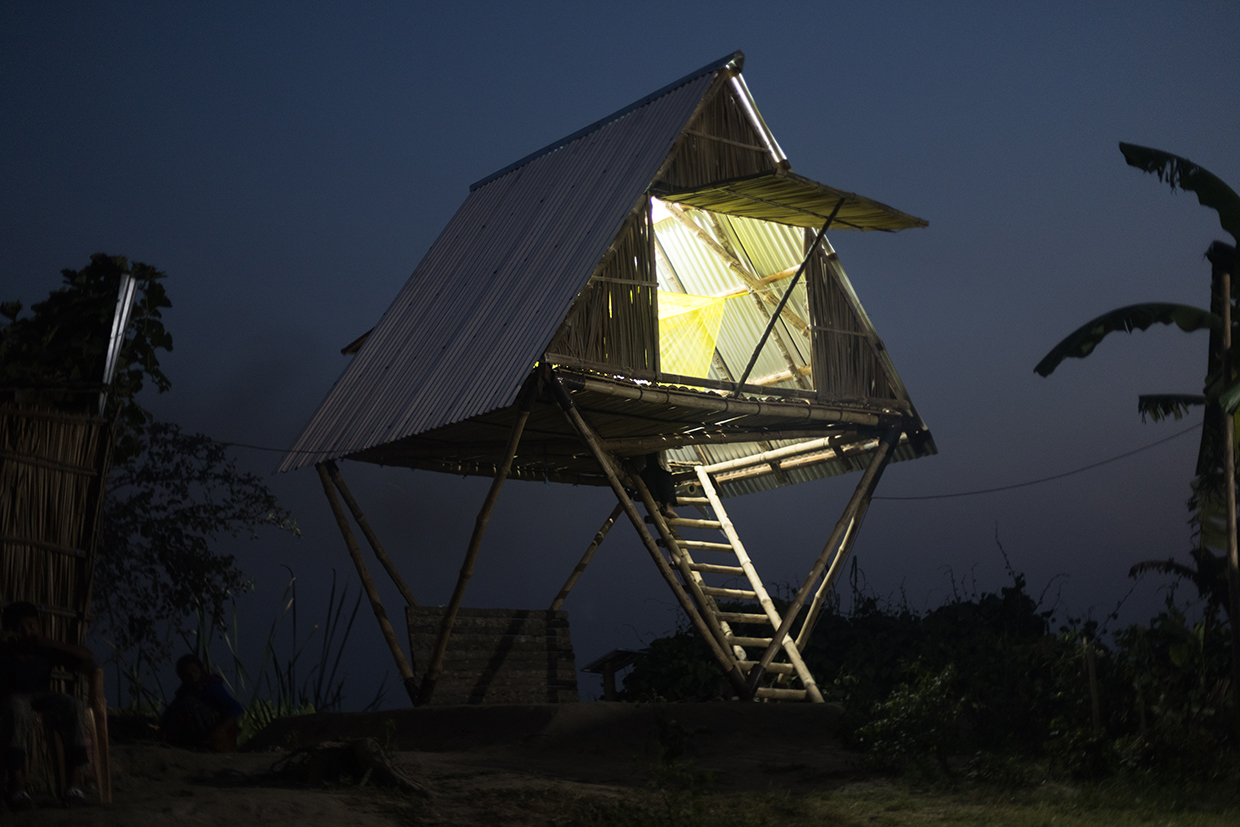
An award-winning architect in Bangladesh, Marina Tabassum, has developed an innovative housing solution to help people cope with the increasing threat of flooding caused by climate change. Her design, the “Khudi Bari” or “tiny house” is a two-floor home built on bamboo stilts, elevated to protect against rising floodwaters. During the annual monsoon floods, farmers no longer have to abandon their homes. Instead, they can simply climb a ladder to the second floor and wait for the floodwaters to recede. Unlike cyclone shelters, which are designed for short-term use during storms, Khudi Bari houses are built to withstand long-term flooding, offering both safety and mobility. Each Khudi Bari house costs around USD 450 to build, using locally-sourced materials like bamboo poles and metal sheeting. The houses are modular, meaning they can be assembled, disassembled and relocated easily. The design was inspired by traditional homes raised on stilts in central Bangladesh, but Tabassum’s innovation makes them more adaptable and practical for modern needs, allowing residents to stay safe during extended floods without losing valuable possessions (
Digital twin technology takes on flood management water scarcity in China
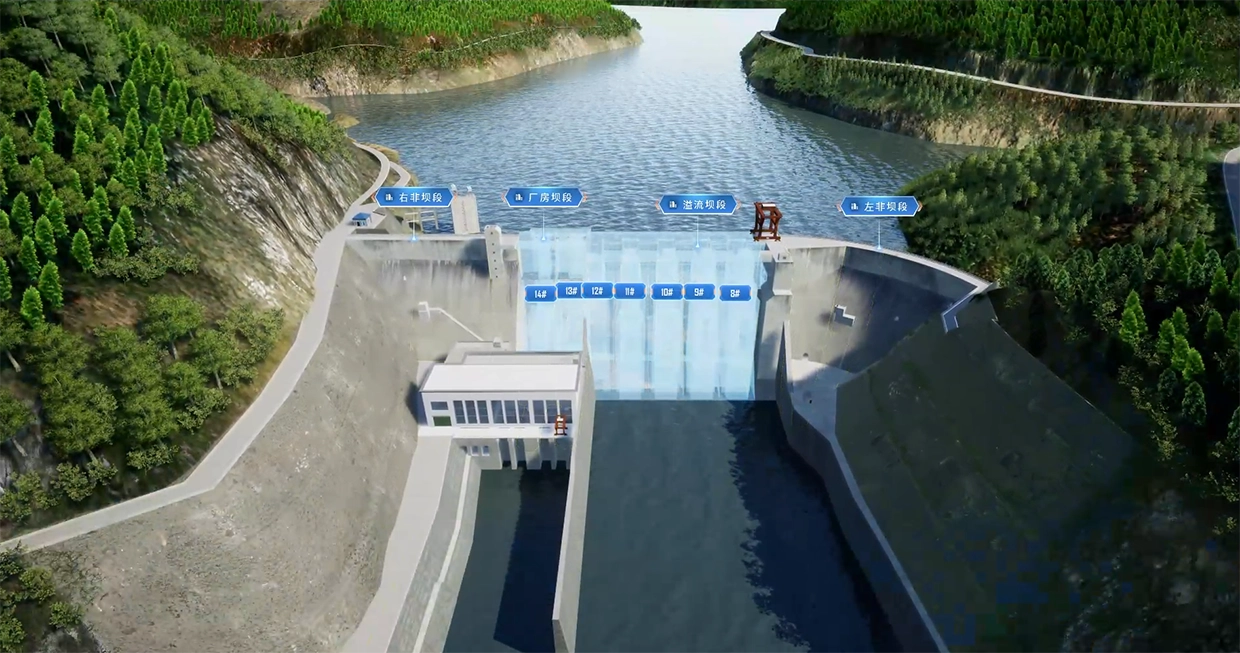
Urbanization and climate change have increased flood risks and water scarcity in China. To address these challenges, China has adopted digital twin technology for water management, enabling real-time monitoring and simulation of water systems to optimize flood control, drought relief and resource allocation. In 2022, the Ministry of Water Resources launched a nationwide digital twin system with 94 pilot programs in 48 locations. This system monitors all 5,186 small and medium-sized rivers at flood risk, collecting data from 53,000 precipitation stations, 25,000 hydrological stations, as well as meteorological satellites. A dynamic national water conservation map integrates data from 16 million water management projects, including reservoirs and river dikes. Key projects, such as the Xiaolangdi Water Conservancy Project on the Yellow River, enhance flood forecasting and early warning systems. In a simulated flood control drill at Xiaolangdi, digital twins applied 2021 flooding data and increased it by 10 percent to predict extreme water levels, helping develop response strategies. In 2025, China plans to digitalize key river basin components for real-time simulations, advancing flood prevention and water management across the country (
Proven technology solutions
Water and sanitation: modular sanitation unit
Wetlands Work!
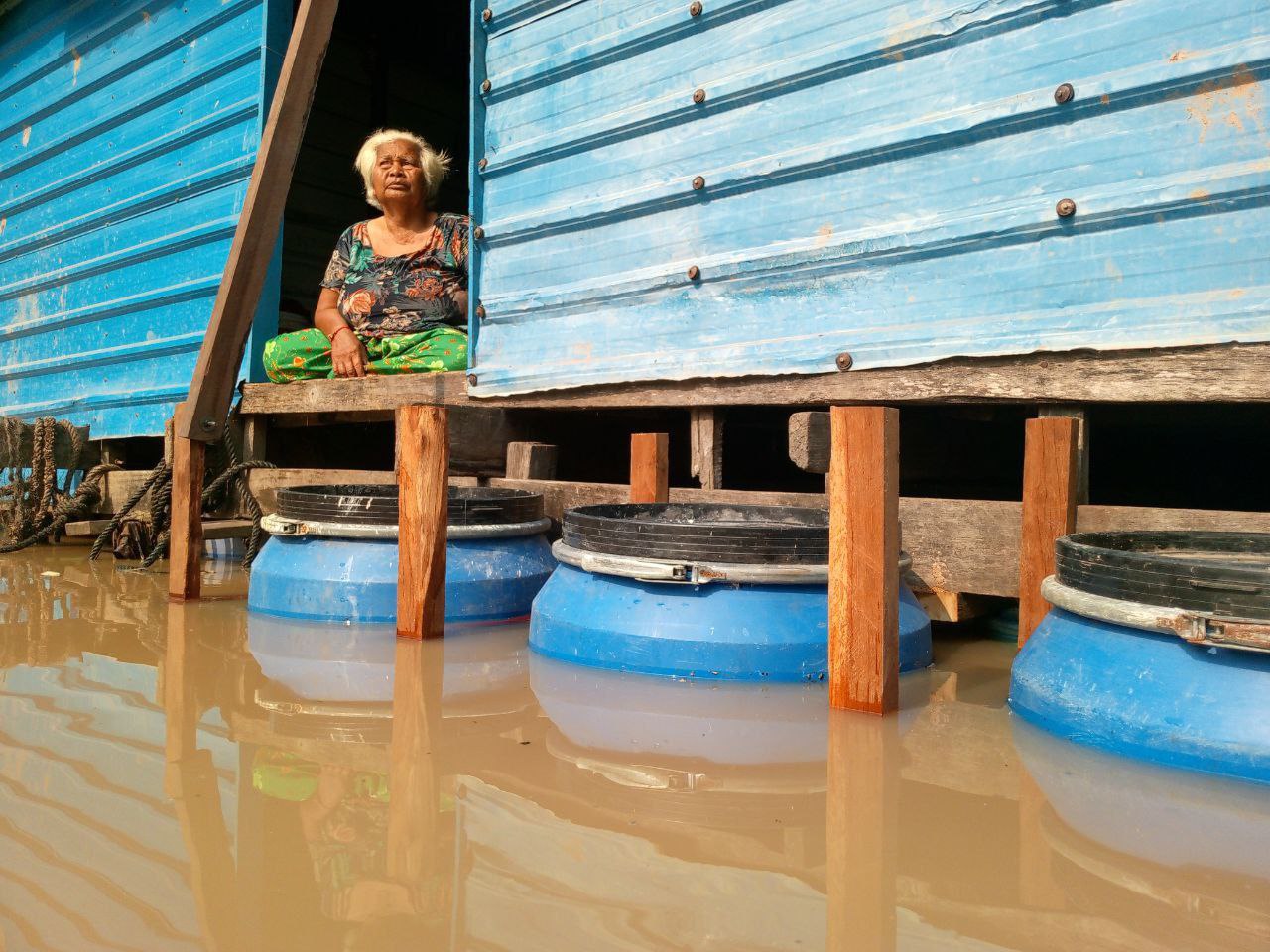
The HandyPod by Wetlands Work! is a contained and flood-resistant sanitation system designed for floating, flood-prone or high groundwater communities. Installed directly beneath a home or schools, the HandyPod collects waste into the first of three sealed containment units, preventing contact with floodwaters and groundwater contamination. It uses a multi-stage, passive gravity flow process involving treatment by anaerobic digestion and microbial biofilm, often completed with filtering through a small, constructed wetland to reduce pathogens and organic matter. The treated effluent can be safely discharged into the environment or used for home garden irrigation, while solids are periodically removed. Requiring no electricity, no moving parts, minimal water, and low maintenance, the HandyPod is particularly suited to areas where pit latrines or sewer connections are infeasible, such as on lakes, floodplains, beaches and mangroves.
Technological maturity: Proven
Contracting type: For sale
Technology level: Medium
Place of origin: Cambodia, Myanmar
Availability: Worldwide
Contact: WIPO GREEN Database
Water and sanitation: container-based toilet and composting waste treatment
Sustainable Organic Integrated Livelihoods (SOIL)
_.jpg)
SOIL provides full-cycle sanitation services, including container-based toilets and composting waste treatment services, in Haiti. Their EkoLakay toilets seal waste in containers, preventing exposure and reducing the risk of waterborne diseases during floods. Unlike traditional sanitation methods, such as pit latrines, the EkoLakay remains safe and operational even during floods or high water tables. SOIL staff regularly collect waste and transport it for treatment, generating nutrient-rich compost that supports local agriculture and depleted soils.
Technological maturity: Proven
Contracting type: For sale/service
Technology level: Medium
Place of origin: Haiti
Availability: Haiti
Contact: WIPO GREEN Database
Water and sanitation: community water filter
Grifaid

The Grifaid Community Filter is a manual, membrane-based water purifier designed for community or institutional use. Users can treat up to 300 liters per hour by simply placing an inlet pipe into a container of untreated water, and then hand-pumping it through the system. It uses ultrafiltration membranes to remove bacteria and viruses to WHO standards, delivering clear water without altering taste. It is an affordable solution requiring no electricity, chemicals, spare parts or consumables to function. Built-in self-cleaning and back-flush mechanisms prevent clogging and ensure long-term, trouble‑free use for up to 6 years.
Technological maturity: Proven
Contracting type: For sale
Technology level: Medium
Place of origin: United Kingdom
Availability: Worldwide
Contact: WIPO GREEN Database
Water and sanitation: compact mobile water purification system
Metawater
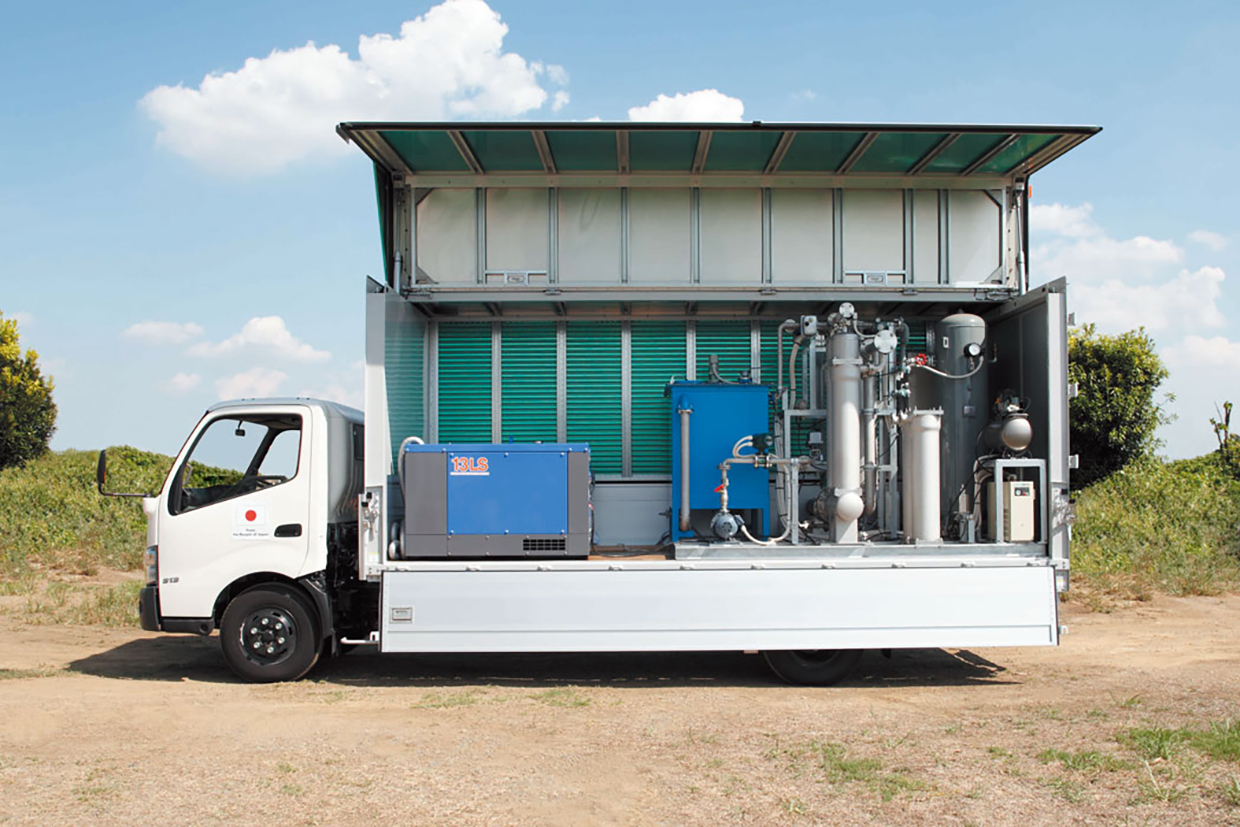
Metawater Co. Ltd has developed a mobile ceramic membrane filtration system mounted on a 4-ton truck to deliver safe drinking water during emergencies and in underserved areas. The unit uses a durable, high-performance ceramic membrane with a 0.1 μm pore size, effectively removing protozoa (e.g., Cryptosporidium), E. coli, and other bacteria, even from highly turbid or fluctuating raw water. All essential components including power generators are onboard, enabling it to operate in areas without electricity. The system is designed for quick deployment to disaster zones, like flooded regions, and for use in rural or remote communities where centralized treatment is impractical. Its simple configuration ensures easy operation and maintenance, and the ceramic elements allow long-term storage without chemicals or membrane degradation.
Technological maturity: Proven
Contracting type: For sale
Technology level: Medium
Place of origin: Japan
Availability: Worldwide
Contact: WIPO GREEN Database
Flood response: sandless sandbag
FloodSax
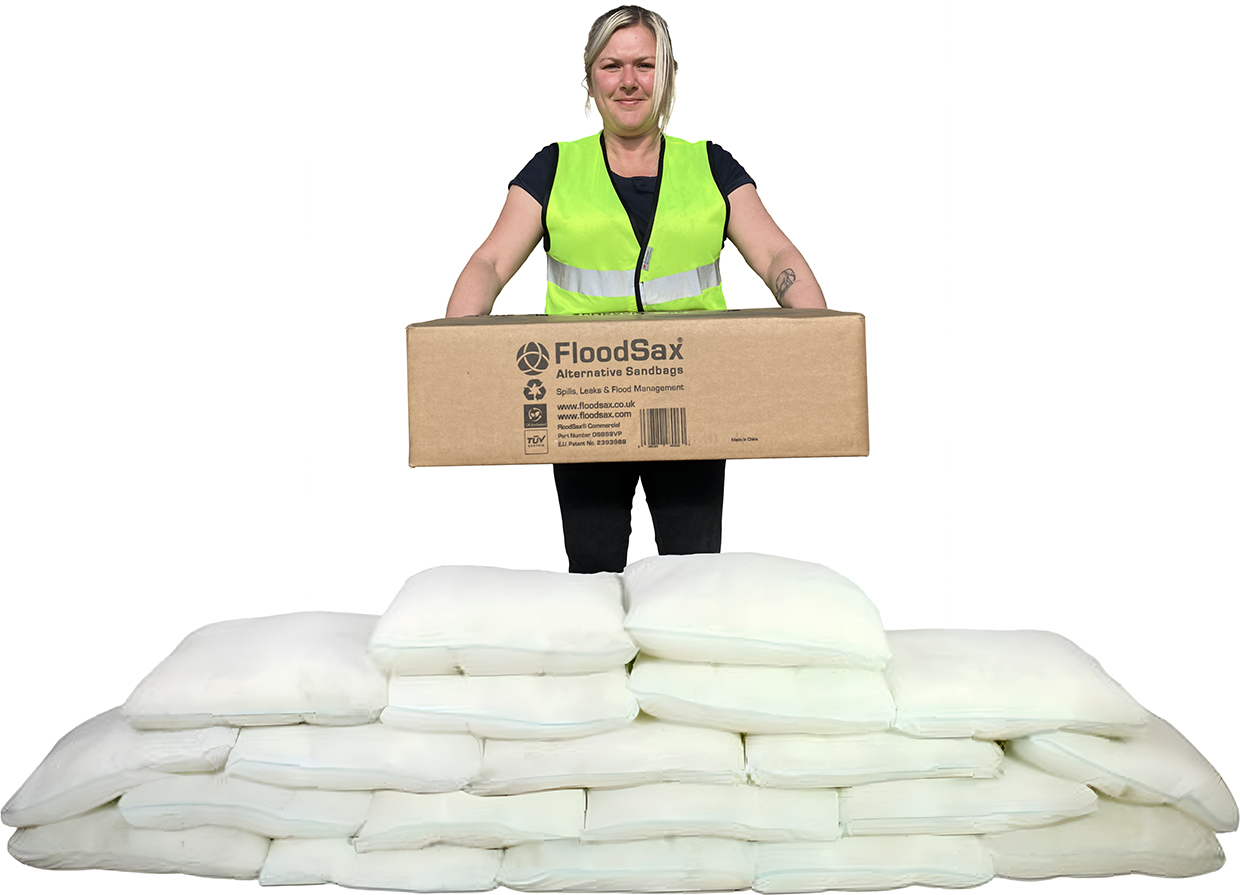
FloodSax sandless sandbags are quick and easy to deploy, being transformed within roughly 5 minutes into an effective flood barrier. FloodSax bags are designed with a semi-porous inner lining containing a gelling polymer and absorbent crystals. When activated, these crystals absorb water and expand, creating a taut, sandbag-like barrier that blocks floodwaters. Once activated (when submerged in water) they hold the water inside, preventing it from escaping. Each bag can absorb up to 20 liters of water. Before activation, they are lightweight, weighing just 370 grams. Once expanded, a standard 520 mm × 470 mm × 170 mm bag weighs 20 kg and is strong enough to withstand powerful floods. A row of FloodSax can hold back around 18 cm (7 inches) of water and they have proven to be reliable flood barriers worldwide.
Technological maturity: Proven
Contracting type: For sale
Technology level: Medium
Place of origin: United Kingdom
Availability: Worldwide
Contact: WIPO GREEN Database
Storm-resilient infrastructure: hurricane clips
MiTek South Africa

The eCo Hurricane Clip is a galvanized steel framing anchor for roofing used to connect structural timber members at right angles to each other, commonly in high-wind areas. These clips are often employed for truss-to-beam connections, providing additional strength and stability during extreme weather conditions. Hurricane Clips work by securing the roof or structural elements to the walls of a building, helping prevent roof uplift or structural separation during high winds. The Clip is installed using nails through pre-punched holes and must be used in pairs for optimal effectiveness. When fully nailed with Permfix nails, a pair of eCo Hurricane Clips can handle a design load of 1.6 kilonewtons.
Technological maturity: Proven
Contracting type: For sale
Technology level: Medium
Place of origin: South Africa
Availability: South Africa
Contact: WIPO GREEN Database
Storm-resilient infrastructure: green rebar (epoxy-coated)
Zeta Industry
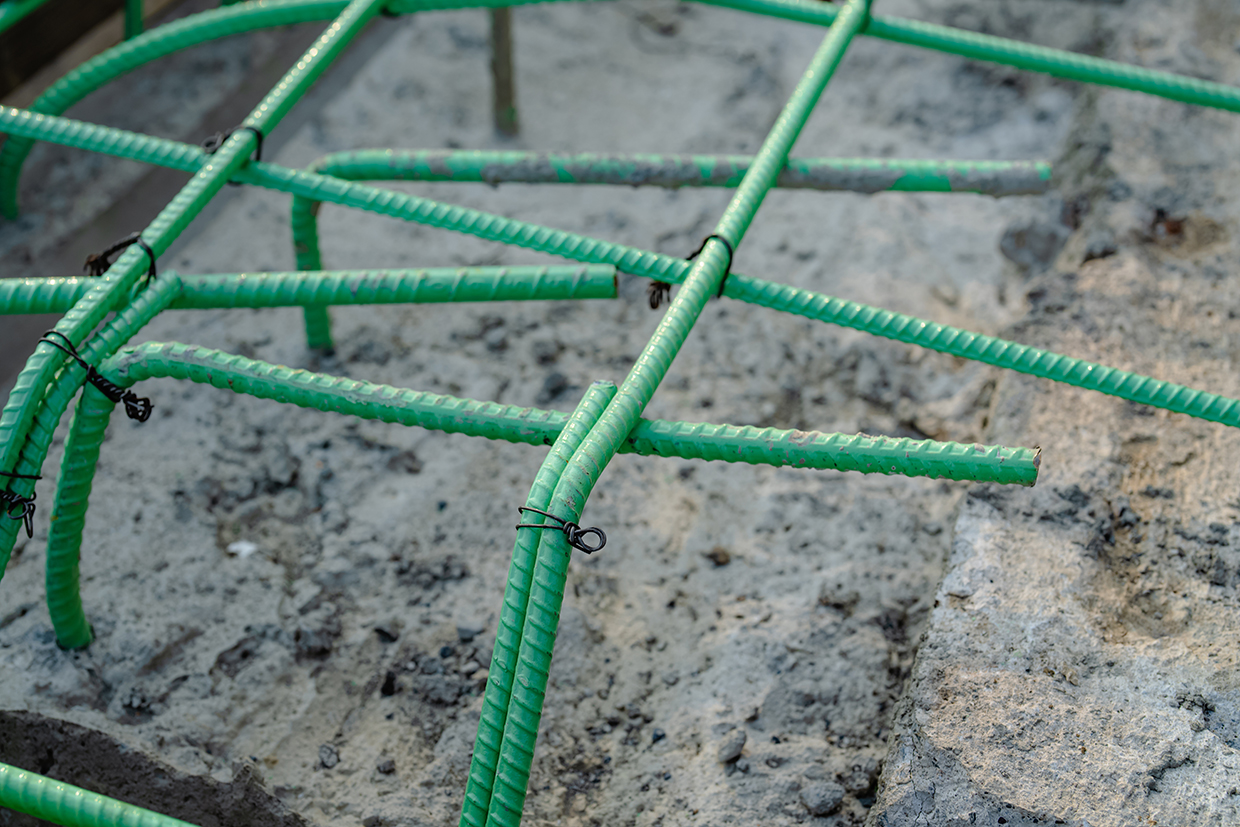
Epoxy-coated rebar is essential for reinforcing roads, bridges and industrial plants, providing protection against corrosion caused by rainwater and moisture. When either penetrate steel fittings inside concrete foundations, platforms, columns and beams, corrosion occurs, weakening load-bearing components. Corrosion also lowers the pH value, diminishing the durability of concrete and steel construction, leading to cracks, reduced mechanical strength and the need for costly repairs. The epoxy coating acts as a physical and electrochemical barrier, isolating the steel and preventing corrosion. Within the United States and Europe, using epoxy-coated rebar that meets American Society for Testing and Materials (ASTM) standards is a requirement for airports and highways. Extensive testing has shown epoxy-coated rebar to be more durable than regular rebar, offering long-term cost savings of up to 50 percent.
Technological maturity: Proven
Contracting type: For sale
Technology level: Low
Place of origin: Türkiye
Availability: Worldwide
Contact: WIPO GREEN Database
Storm-resilient infrastructure: fiber-reinforced polymer (FRP)/glass-reinforced plastic (GRP) composite rebar
Asia Composite

Steel rebar has been used in construction for over a century. But in corrosive environments, deterioration can be rapid and catastrophic. Composite rebar, known for its corrosion resistance, is being increasingly used in the retrofitting of tunnels, coastal structures and buildings exposed to a harsh environment. Made from polymers reinforced with glass fiber and resin, composite rebar is more durable. Its tensile strength and elasticity depend on factors such as fiber content, type of epoxy or polyester resin used and the orientation of the glass fibers, as well as quality control during manufacturing. This technology offers an alternative to traditional steel rebar, particularly in areas prone to corrosion, in building longer-lasting and more reliable structures.
Technological maturity: Proven
Contracting type: For sale
Technology level: Low
Place of origin: Islamic Republic of Iran
Availability: Islamic Republic of Iran
Contact: WIPO GREEN Database
Storm-resilient infrastructure: siphonic roof drainage systems
Pipelife
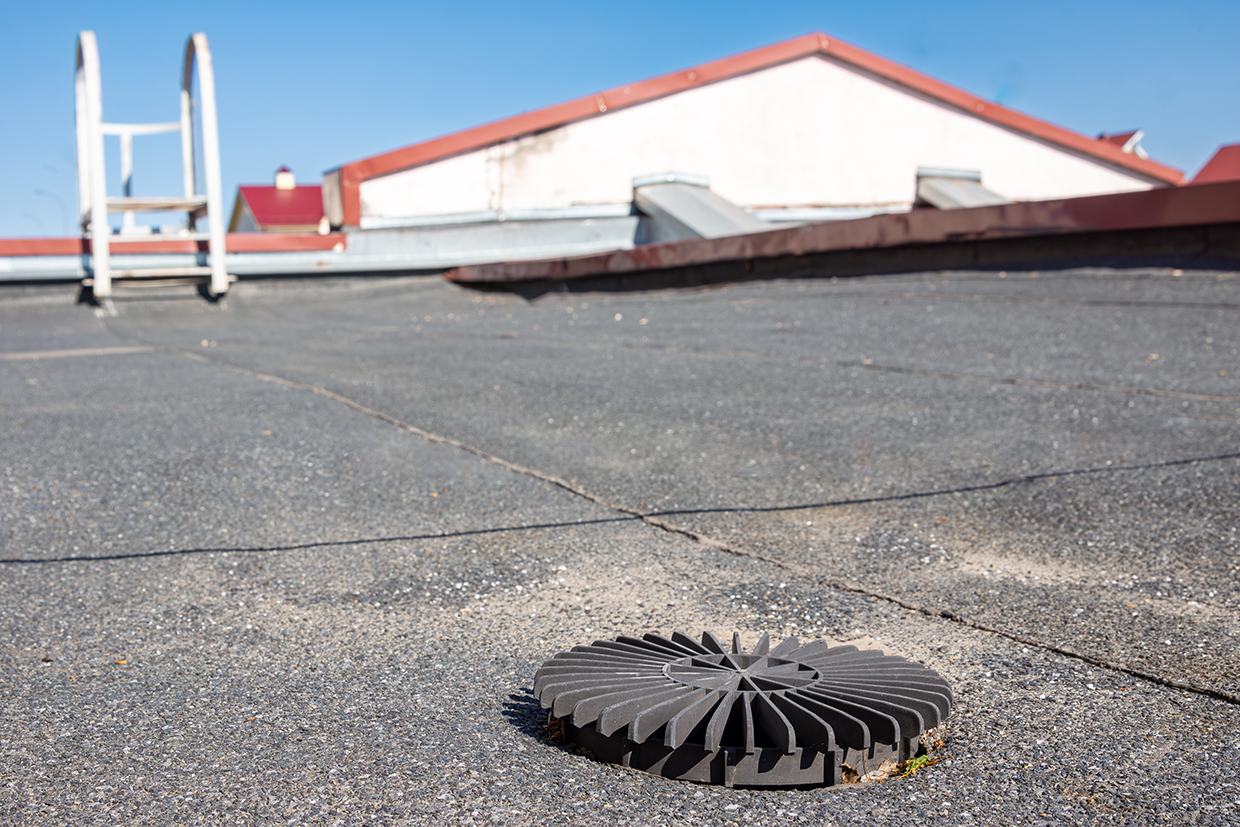
Effective rainwater drainage is crucial in maintaining the safety and integrity of flat or low-gradient roofs. Siphonic systems require fewer, smaller pipes compared to traditional gravity systems. Pipelife’s siphonic roof drainage system is designed to prevent overflows, leaks and structural damage. It contains pre-welded outlets and high-quality pipes made from durable, UV-resistant thermoplastics. Pipelife fittings are compatible with butt-welding and electrofusion connection technologies, providing strong, leak-free joints.
Technological maturity: Proven
Contracting type: For sale
Technology level: Medium
Place of origin: Austria
Availability: Worldwide
Contact: WIPO GREEN Database
Storm-resilient infrastructure: hurricane windows and doors
Neuffer
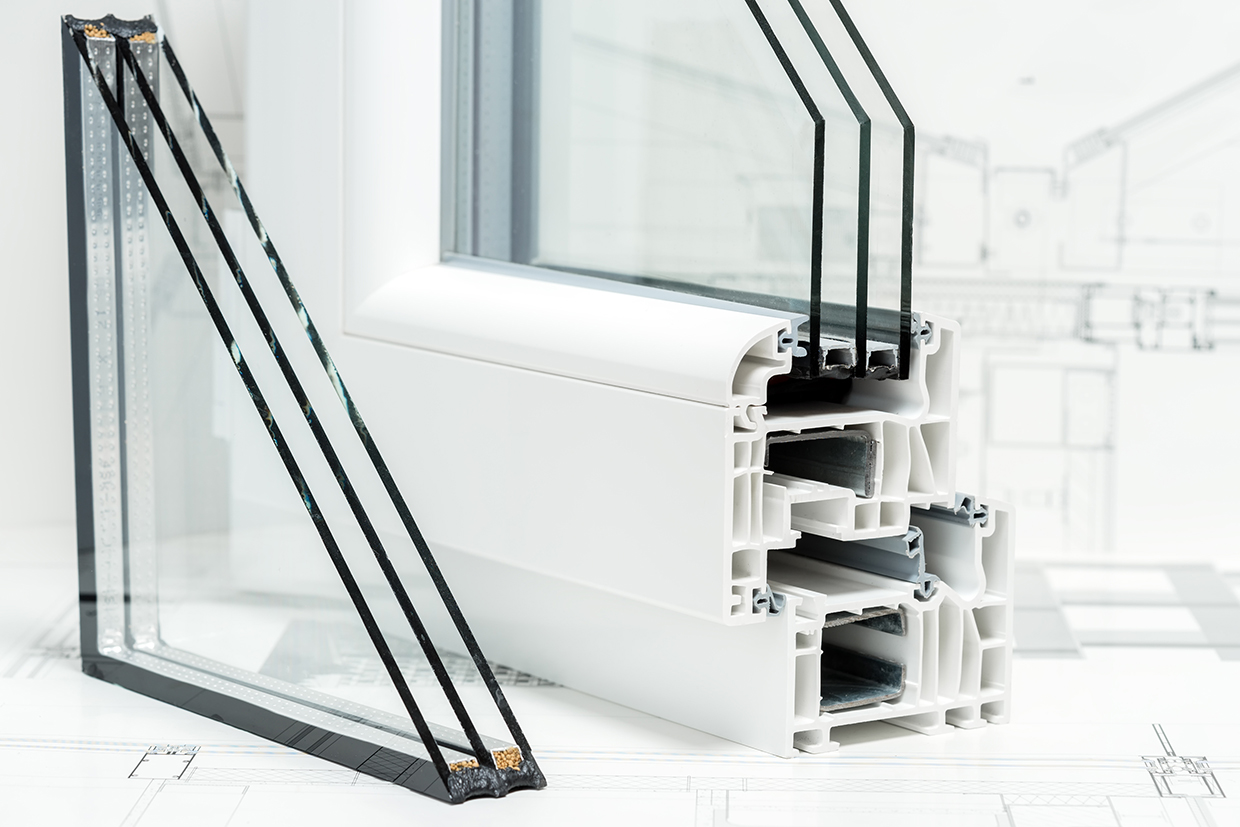
As climate change leads to more unpredictable storms and stricter building regulations, high-quality hurricane windows and doors with impact-resistant glass are essential for protection. Neuffer offers Miami-Dade-certified hurricane windows, such as the Reynaers CS 77 model, designed to withstand hurricane-strength winds and heavy rainfall. These windows feature laminated glass covered with a thick polymer film, which provides protection from flying debris and high wind pressure (up to 5,000 Pa). Unlike regular windows, Reynaers hurricane windows have five invisible layers of strong PVB polymer film and can be tempered for added flexibility upon impact. This technical design ensures that, if broken, the glass remains in place, providing excellent storm protection and injury prevention. Additionally, windows are encased in durable aluminum and uPVC frames that have a built-in drainage system to prevent water damage during storms.
Technological maturity: Proven
Contracting type: For sale
Technology level: Medium
Place of origin: Germany
Availability: Asia, Europe, North America
Contact: WIPO GREEN Database
Storm-resilient infrastructure: wind-resistant lightweight roofing systems
Onduline

Onduline’s wind resistance is attributable to several key features that work together to enhance its durability in extreme conditions: a fixation system with washers of at least 16 mm; a minimum of 10 fixations per m² that ensures a strong connection to the structure; corrugated sheets that improve rigidity and stability; a flexibility and resilience that allows the sheets to absorb shocks and vibrations from gusty winds; and accessories designed to prevent wind from passing through the sheets. Onduline CLASSIC sheets can withstand winds up to 225 km/h on metal structures and up to 260 km/h on wooden purlins (horizontal structural components used in roofing systems to support the sheeting). The Onduvilla variant offers even greater resistance, handling winds of up to 315 km/h on metal structures and up to 290 km/h on wooden purlins.
Technological maturity: Proven
Contracting type: For sale
Technology level: Medium
Place of origin: France
Availability: Worldwide
Contact: WIPO GREEN Database
Frontier technology solutions
Water and sanitation: septic tank-like upgrade for pit latrines
International Development Enterprises (iDE), Cambodia, and Engineers Without Borders (EWB) Australia

Pour-flush pit latrines that direct waste into underground pits often face issues of rapid filling and overflowing in flood-prone areas, resulting in many latrine owners resorting to unsafe emptying practices. In response, iDE and EWB Australia developed the All Seasons Upgrade (ASU), a latrine pit upgrade providing year-round pit functionality (i.e., flushing) in high groundwater and low infiltration soils. The ASU attaches a gravel filter pit and leach field to an existing latrine pit. The filter pit is filled with gravel and offers an additional treatment reactor, while preventing the leach field from clogging. And the leach field offers increased surface area for infiltration at a depth above the groundwater table, but deep enough to prevent the upward flow of contamination. The solution minimizes households’ exposure to untreated fecal sludge, thereby improving latrine functionality and reducing environmental pollution. It is sold, manufactured, installed and delivered to rural households in Cambodia’s flood-prone areas through iDE-connected sanitation entrepreneurs.
Technological maturity: Proven
Contracting type: For collaboration
Technology level: Medium
Place of origin: United States
Availability: Cambodia
Contact: WIPO GREEN Database
Weather monitoring: Automatic Weather System (AWS), Automatic Rainfall Recorder (ARR) and Automatic Water Level Recorder (AWLR)
Mertani

Mertani’s IoT systems collect precise monitoring data. The AWS provides real-time data on weather parameters like temperature, humidity, wind speed and solar radiation, aiding in weather forecasting and agricultural planning. The ARR accurately measures rainfall intensity and volume, crucial for flood prediction and water resource management. The AWLR monitors water levels in rivers, lakes and reservoirs, supporting flood warning systems and irrigation management. They are equipped with sensors, data loggers and cloud-based platforms for remote access and analysis useful for the hydrology, disaster management and agriculture industries.
Technological maturity: Frontier
Contracting type: For sale
Technology level: High
Place of origin: Indonesia
Availability: Indonesia
Contact: WIPO GREEN Database
Precipitation monitoring: hail monitoring system
KISTERS
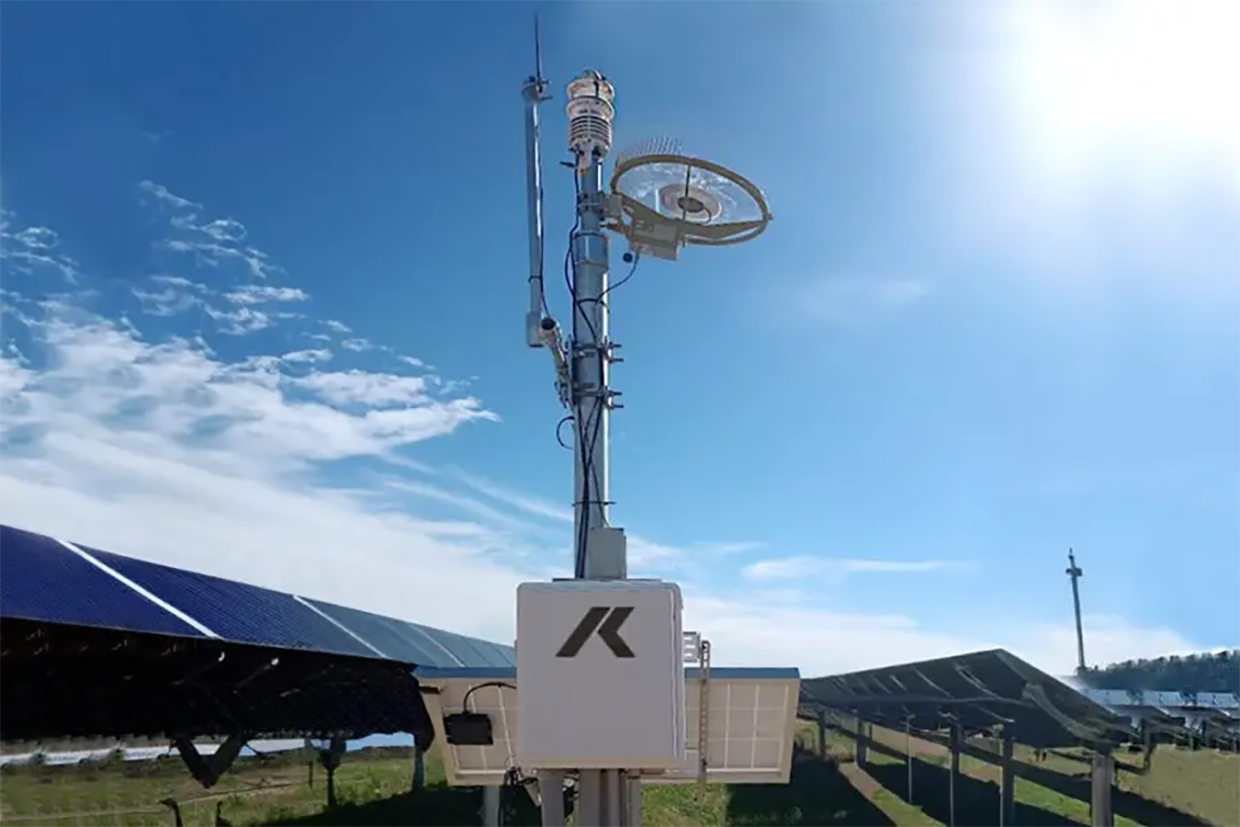
HailSens IoT is an advanced sensor for real-time hail monitoring, detecting hail impacts through kinetic energy measurement. It records key hailstone characteristics such as kinetic energy, diameter and timestamp of the impact in real-time. The receiver’s software allows for immediate assessment of the hail event and can trigger near-instant alerts based on the incoming data. The IoT allows for detailed measurements that are useful for meteorologists and insurance adjusters, as they can help optimize prediction models, manage insurance indices or even help protect solar panels by adjusting their position during hail events.
Technological maturity: Frontier
Contracting type: For sale
Technology level: Medium
Place of origin: Germany
Availability: Worldwide
Contact: WIPO GREEN Database
Stormwater management: smart tanks for active attenuation
StormHarvester

The StormHarvester Smart Tank combines flood prevention and rainwater harvesting within a single solution. It transforms an ordinary attenuation tank into a “smart” tank, allowing water to be stored and reused on-site. The system continuously monitors short- and medium-term rainfall forecasts and automatically adjusts water levels within the tank to create enough volume to manage stormwater runoff from upcoming rainfall. By connecting a valve or attenuation pump to a precise rainfall runoff prediction algorithm, StormHarvester optimizes water levels. It can reduce space requirements and lower the cost of a rainwater harvesting system by 50 percent.
Technological maturity: Frontier
Contracting type: For sale
Technology level: Medium
Place of origin: United Kingdom
Availability: Worldwide
Contact: WIPO GREEN Database
Flood barrier: easy movable dam
WaveSave
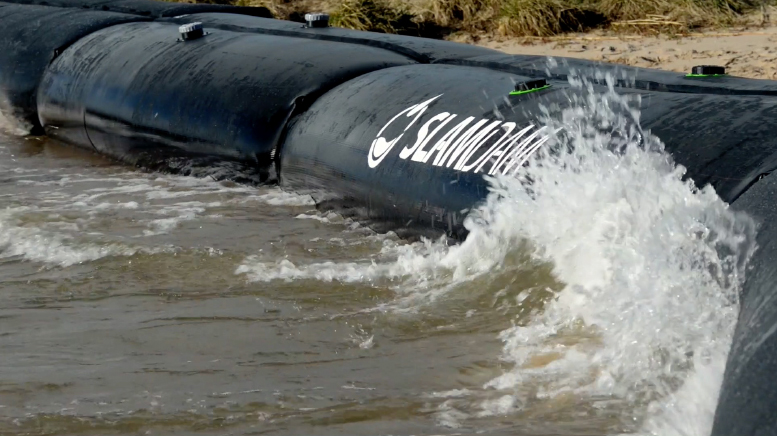
The SLAMDAM® is a patented, flexible modular flood barrier system designed to provide temporary or permanent protection against floodwaters. Its unique construction includes two tubes that must be filled simultaneously, with a specially developed intermediate membrane forming two interlocking compartments. When water pressure is applied, the stressed compartment rises slightly, while the opposing compartment slots in underneath to provide counterpressure. This design ensures that the SLAMDAM® remains firmly in place, even at high water levels. SLAMDAM® can adapt to any surface and withstand variations.
Technological maturity: Frontier
Contracting type: For sale
Technology level: Medium
Place of origin: Kingdom of the Netherlands
Availability: Worldwide
Contact: WIPO GREEN Database
Water damage response: dehumidifier
Lunor
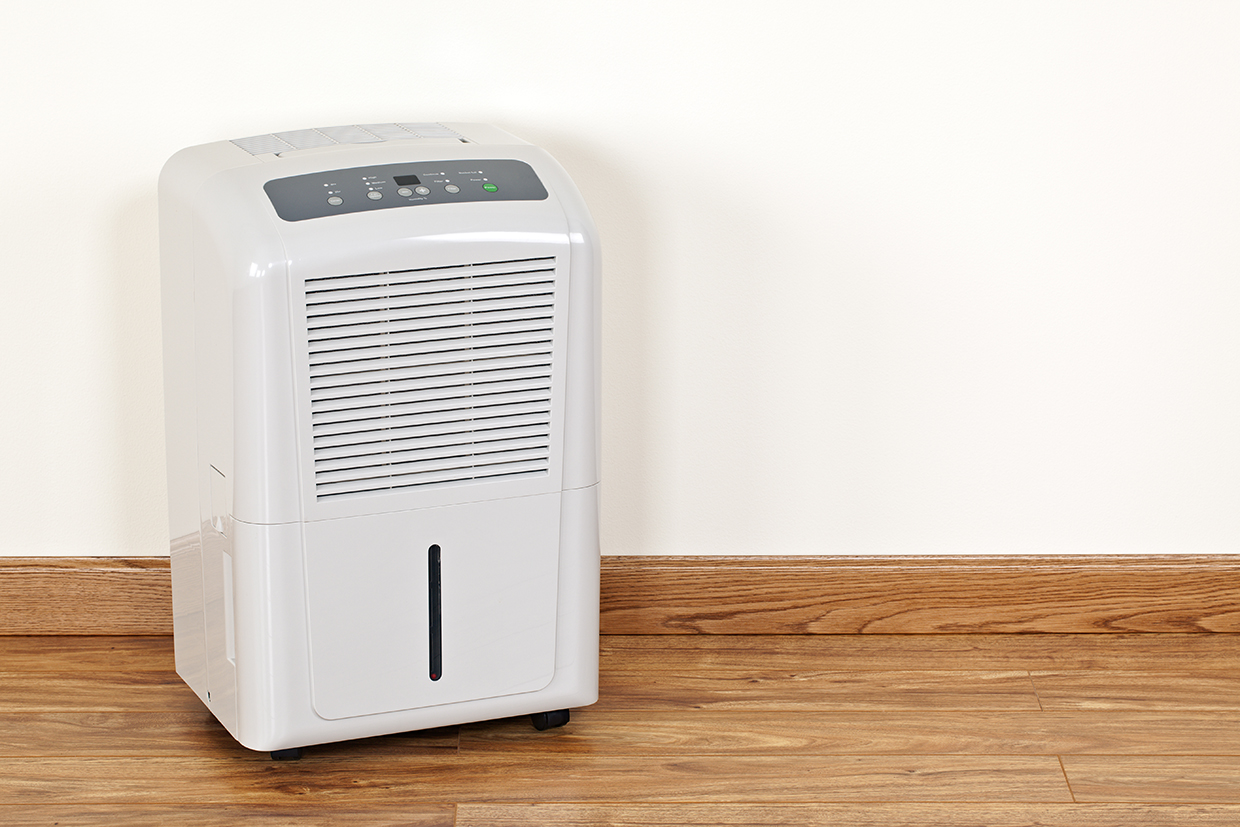
Lunor dehumidification systems are designed to save space and energy when drying. Featuring options like fresh air intake, sound insulation and climate monitoring, their key feature is the intelligent control system that automatically regulates the dehumidification process. These systems can be instaled on brackets up to 2.4 meters high, ensuring clear spaces and eliminating injury risk. Technicians also perform core drillings in concrete or brick, guide condensation water to drains via Geberit PE pipes or install condensation water pumps. A mobile version is available for garages, production areas, civil defense facilities and other locations. Units come with options like overflow protection or a prepared connection for drainage via a hose into a floor drain.
Technological maturity: Frontier
Contracting type: For sale
Technology level: Medium
Place of origin: Switzerland
Availability: Switzerland
Contact: WIPO GREEN Database
Storm-resilient infrastructure: anti-flood airbricks
Eco Coverage Technologies
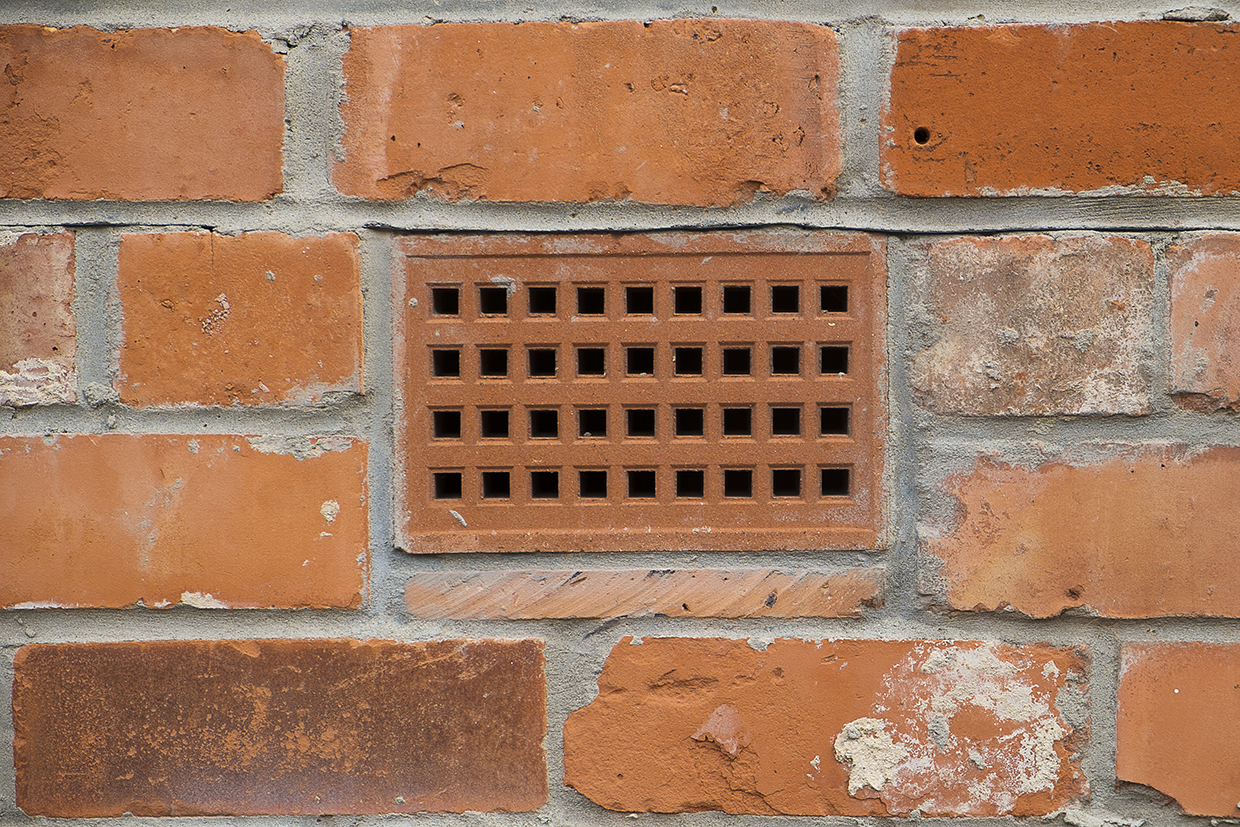
Traditionally, airbricks are used to allow air to flow under floors. But in flood-prone areas, they can also allow water to enter a building. Smart AirBricks work as a passive flood protection system designed to prevent water ingress into properties. They automatically activate to seal ventilation openings in buildings when floodwaters are detected, thereby preventing water ingress, while maintaining airflow during dry conditions. They operate without the need for an external power supply and are easy to clean after a flood.
Technological maturity: Frontier
Contracting type: For sale
Technology level: Medium
Place of origin: United Kingdom
Availability: United Kingdom
Contact: WIPO GREEN Database
Storm-resilient infrastructure: watertight concrete system
Sika Group
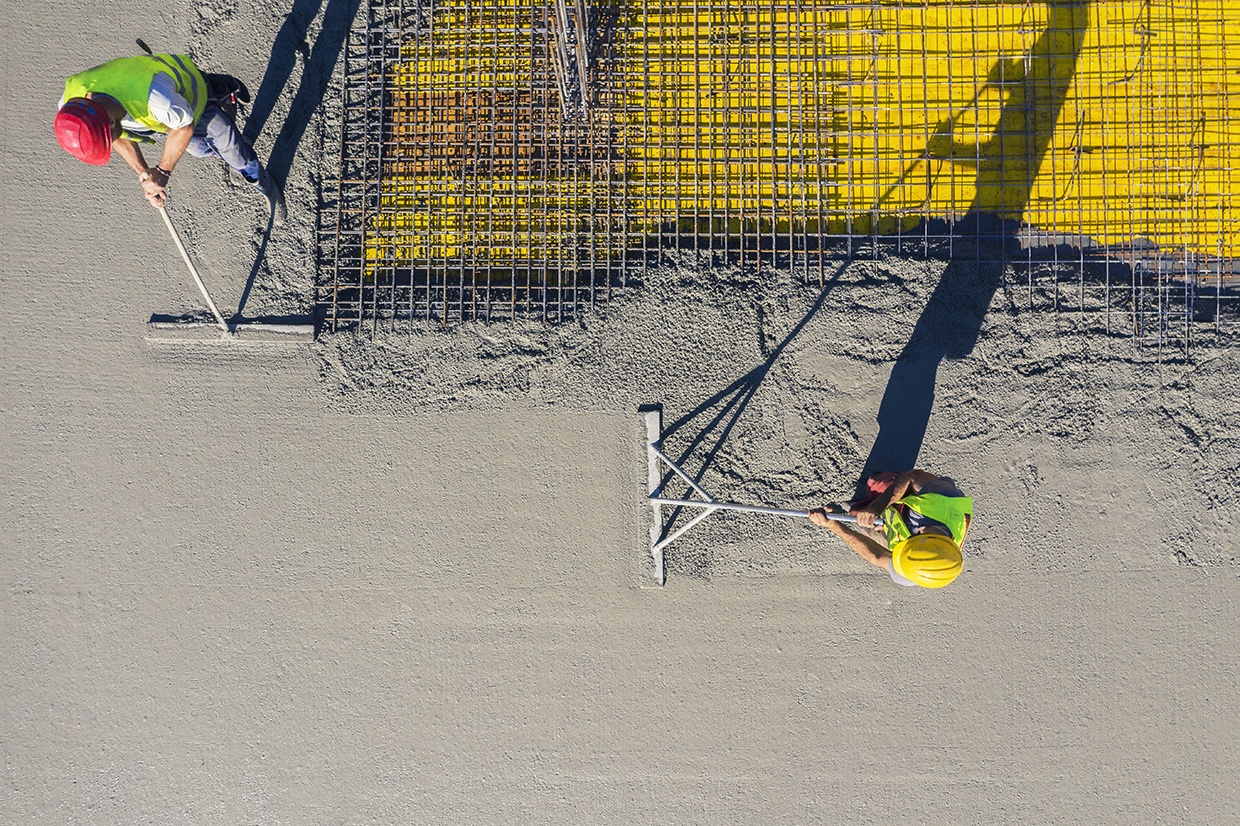
Sika Group’s watertight concrete system is designed to prevent water penetrating into concrete structures. It utilizes a combination of specialized products, including waterproofing additives, admixtures and surface treatments, to enhance the durability and resistance of concrete against water infiltration. The system works by incorporating hydrophobic agents and crystalline technology, which react with water to form a waterproof barrier within the concrete itself. This ensures long-lasting protection against water damage, reducing the risk of leaks and structural deterioration. Sika’s watertight concrete solutions are widely used in underground structures, basements, tunnels and water retention areas to prevent water ingress in concrete construction projects.
Technological maturity: Frontier
Contracting type: For sale
Technology level: Medium
Place of origin: Switzerland
Availability: Worldwide
Contact: WIPO GREEN Database
Storm-resilient infrastructure: self-healing concrete
Basilisk
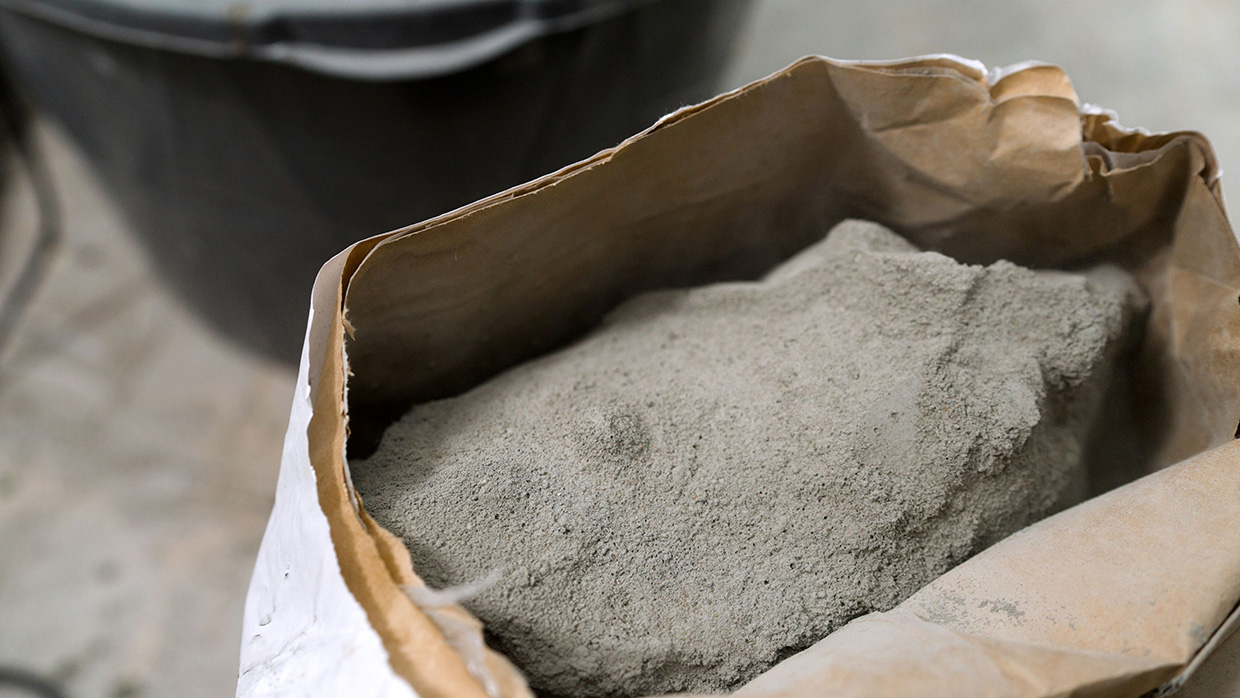
Basilisk Healing Agent is a bio-based granular additive that can convert any concrete mix into self-healing concrete. The technology uses microorganisms that produce limestone, allowing cracks in concrete structures to be repaired autonomously and enhancing durability. This self-healing system can be applied to both new and existing construction, and currently repairs cracks up to 1 mm, filling them with limestone and effectively waterproofing the concrete. Beyond waterproofing, self-healing concrete reduces the need for additional reinforcement in concrete structures to compensate for the shrinkage that occurs as concrete cures and hardens. It also creates a lower CO2 footprint and minimizes maintenance.
Technological maturity: Frontier
Contracting type: For sale
Technology level: Medium
Place of origin: Kingdom of the Netherlands
Availability: Worldwide
Contact: WIPO GREEN Database
Storm-resilient infrastructure: Alutech Smart Mobile for roller shutters
Alutech
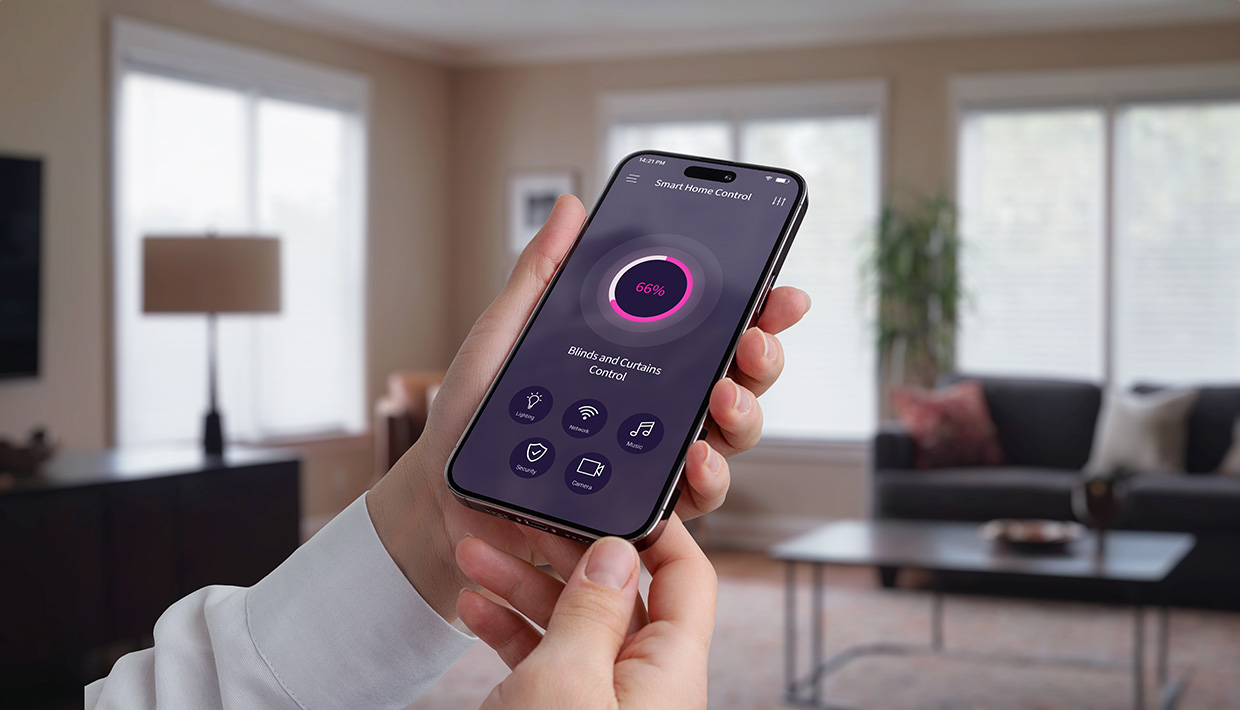
The ALUTECH Smart mobile app allows the remote control of roller shutters, allowing their opening or closing from anywhere and the setting of schedules based on weather conditions like temperature or wind. During extreme weather, the shutters can automatically close for added protection. Instead of Wi-Fi or radio, the system uses the Zigbee protocol, which creates a mesh network wherein devices communicate directly, even if out of range. It also reconnects devices if there is interference or failure. Additionally, it tracks device status and energy use, and updates automatically without needing an installer.
Technological maturity: Frontier
Contracting type: For sale
Technology level: High
Place of origin: Russian Federation
Availability: Russian Federation
Contact: WIPO GREEN Database
Storm tracking, research and prediction: lightweight weather sondes
Skyfora
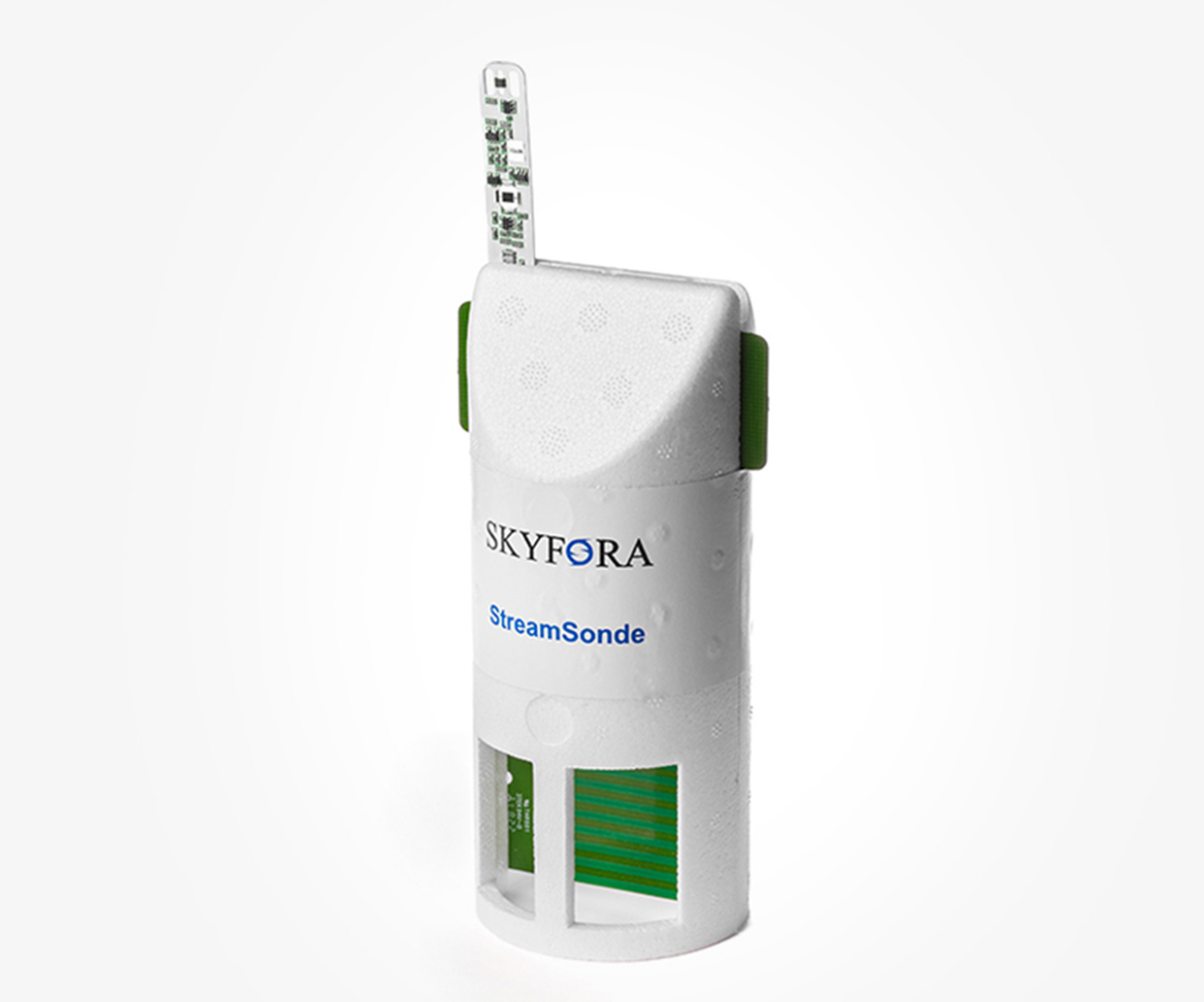
Skyfora’s StreamSonde technology is a highly accurate atmospheric data collection device that builds on prior weather sondes. StreamSondes are lightweight, small and parachute-free versions of dropsondes that can be deployed in large numbers. They are designed to stay in the air longer and gather more data, increasing the volume and accuracy of weather information collected. Deploying multiple StreamSondes simultaneously helps create detailed and high-resolution atmospheric profiles. With improved data collection capabilities, Skyfora’s technology supports more accurate weather monitoring and disaster prevention efforts, providing better insights for meteorologists and other professionals.
Technological maturity: Frontier
Contracting type: For (limited) sale
Technology level: High
Place of origin: Finland
Availability: Partnerships with government agencies, research institutions, and meteorological organizations
Contact: WIPO GREEN Database
Horizon technology solutions
Hurricane research: air-deployed unmanned aircraft system (UAS)
Black Swift Technology
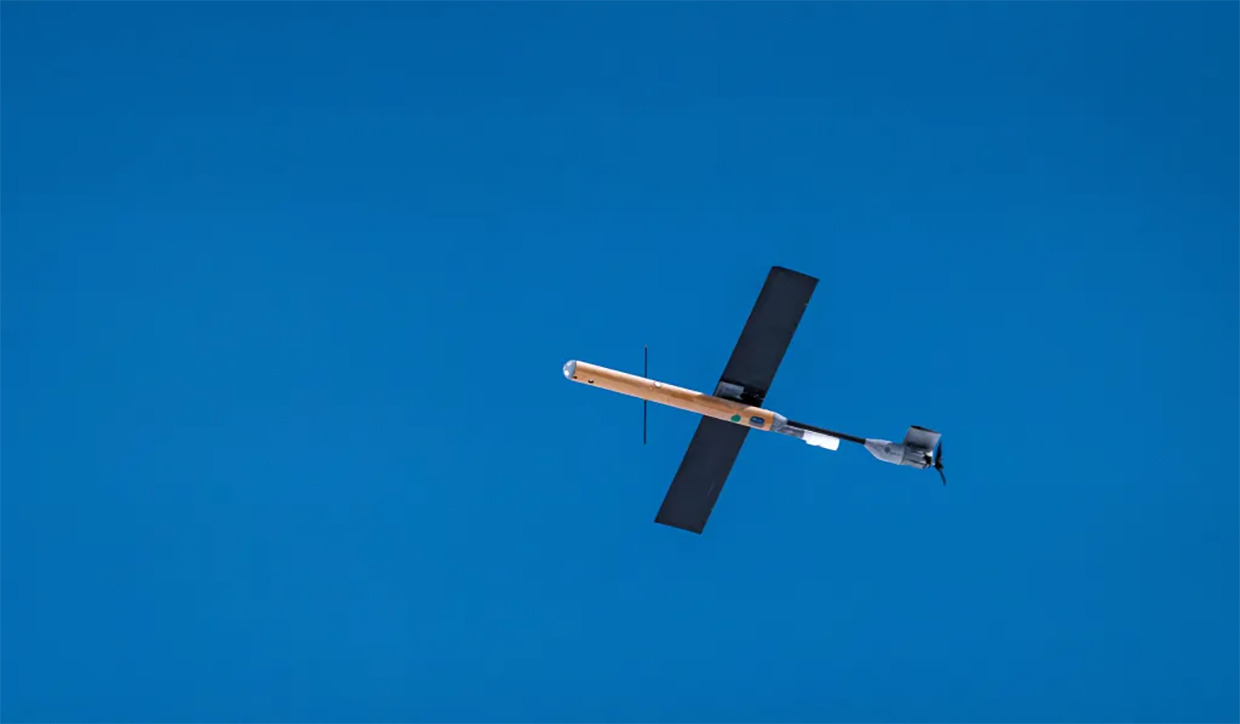
NOAA and the US Air Force sought a low-cost, air-deployed UAS to sample the lower boundary layer of a hurricane for atmospheric research. They selected Black Swift’s S0 Air Deployed UAS for the task, a lightweight and compact platform weighing just 1.2 kg, making it the lightest platform to successfully sample a tropical cyclone. The S0 can operate in dangerous parts of the storm, with the ability to transmit data within a 125 nautical mile range and fly for over 100 minutes. Its sensor suite captures 3D wind measurements, pressure, temperature, humidity and sea surface temperature – all critical for understanding tropical cyclones. The S0’s autonomous, “launch-and-forget” design aims to ensure reliable, low-cost missions for hurricane research.
Technological maturity: Horizon
Contracting type: Under development
Technology level: High
Place of origin: United States
Availability: Under development
Contact: WIPO GREEN Database
Flood protection and modeling: digital twin
TU Dresden

In 2024, the Institute of Hydraulic Engineering and Technical Hydromechanics (Institut für Wasserbau und Technische Hydromechanik, IWD) started developing an “Urban Digital Heavy Rain Twin.” It consists of a virtual model of the city, for which data can be visualized and accessed via a 3D web app on desktop and mobile devices. Then, users can conduct heavy rain simulations in urban areas and track the results in real time, ultimately assessing flood risk, even for specific individual buildings. The prototype offers fully automated creation of 2D simulation models based on free and open software, which can be complemented by precipitation forecasts from the German Weather Service. Flood simulations intersect with urban infrastructure features like roads to assess potential hazards and calculate potential damage of residential buildings. The platform will be publicly accessible at the end of 2025, while the full completion of the Urban Digital Heavy Rain Twin is scheduled for the end of 2026.
Technological maturity: Horizon
Contracting type: Under development
Technology level: High
Place of origin: Germany
Availability: Under development
Contact: WIPO GREEN Database
Flood protection and modeling: digital twin
Destination Earth
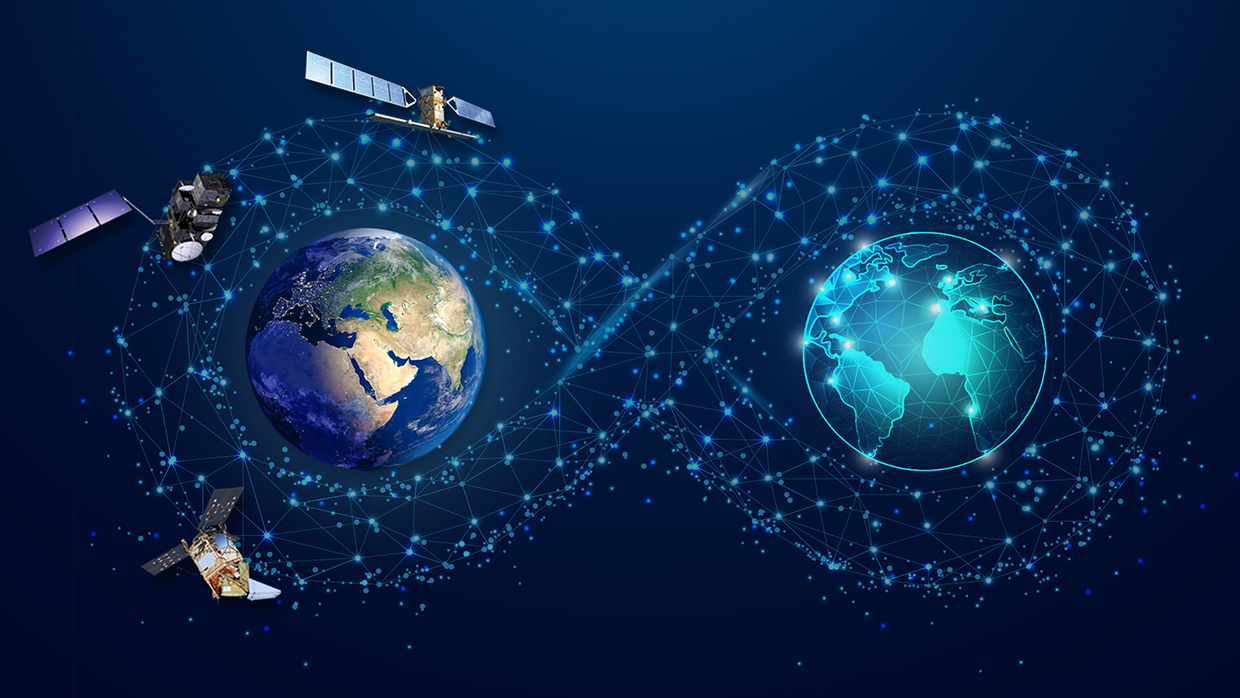
Destination Earth (DestinE) is an EU initiative to build a highly accurate digital twin (DT) of the Earth to simulate, monitor, and analyze natural and human-driven processes. It is implemented jointly by the European Space Agency (ESA), the European Centre for Medium-Range Weather Forecasts (ECMWF), and EUMETSAT under the Digital Europe Programme. DestinE builds upon three main components: the DestinE Platform, providing access to data, services, and applications; the Data Lake, harmonizing and enabling big data processing across sources such as ESA, ECMWF, EUMETSAT, and Copernicus; and the DT Engine, the software infrastructure that powers extreme-scale simulations. The first two operational digital twins are the Climate Change Adaptation DT, which produces multi-decadal, km-scale climate scenario simulations, and the Weather-Induced Extremes DT, which delivers high-resolution forecasts and interactive on-demand simulations of extreme weather. Both began demonstrations in 2024, with full-scale expansion of the system planned through 2030.
Technological maturity: Horizon
Contracting type: Under development
Technology level: High
Place of origin: United Kingdom
Availability: Under development
Contact: WIPO GREEN Database