
Technological developments and trends
Extreme cold events can be as deadly as extreme heat but are often overlooked. Arctic warming is causing more record highs than lows globally, yet it can disrupt atmospheric systems, particularly the polar vortex – a ring of strong westerly winds trapping frigid air near the North Pole. When weakened, the vortex distorts, allowing cold Arctic air to spill into mid-latitudes, triggering severe cold snaps (
Although climate models vary, some research links Arctic warming and the reduced temperature difference between the Arctic and midlatitudes to more frequent vortex disruptions and jet stream “blocking patterns” that prolong cold spells (
Extreme cold threatens health and well-being
Extreme cold preparedness is underprioritized compared to emergency planning for heat. While many cities have cooling centers, fewer have warming centers or plans to transport vulnerable groups there during cold weather.
Extreme cold has significant effects on both human health and the environment. Physically, cold temperatures increase the risk of cardiovascular problems, frostbite, hypothermia and respiratory infections by causing inflammation and drying out the mucous membranes. People tend to spend more time indoors during cold weather, which can raise the chances of illnesses such as influenza and pneumonia spreading. Mentally, cold and reduced daylight hours often lead to isolation and contribute to anxiety, depression and seasonal mood disorders. Vulnerable groups such as the elderly, outdoor workers, homeless individuals, infants, those living in poorly heated or insulated homes, disadvantaged populations and people with pre-existing health conditions face heightened risks.
While many cities have cooling centers, fewer have warming centers or plans to transport vulnerable groups there during cold weather
Economic trends can intensify the effects of extreme cold, especially during periods of high inflation. In late 2022, Europe faced inflation rates up to 8.9 percent, largely driven by a 4 percent increase in energy costs, forcing many to choose between heating and other essentials. Recent research revealed that traditional income-based measures of energy poverty underestimate the problem – but using heating use as a metric showed over twice as many households are energy insecure (
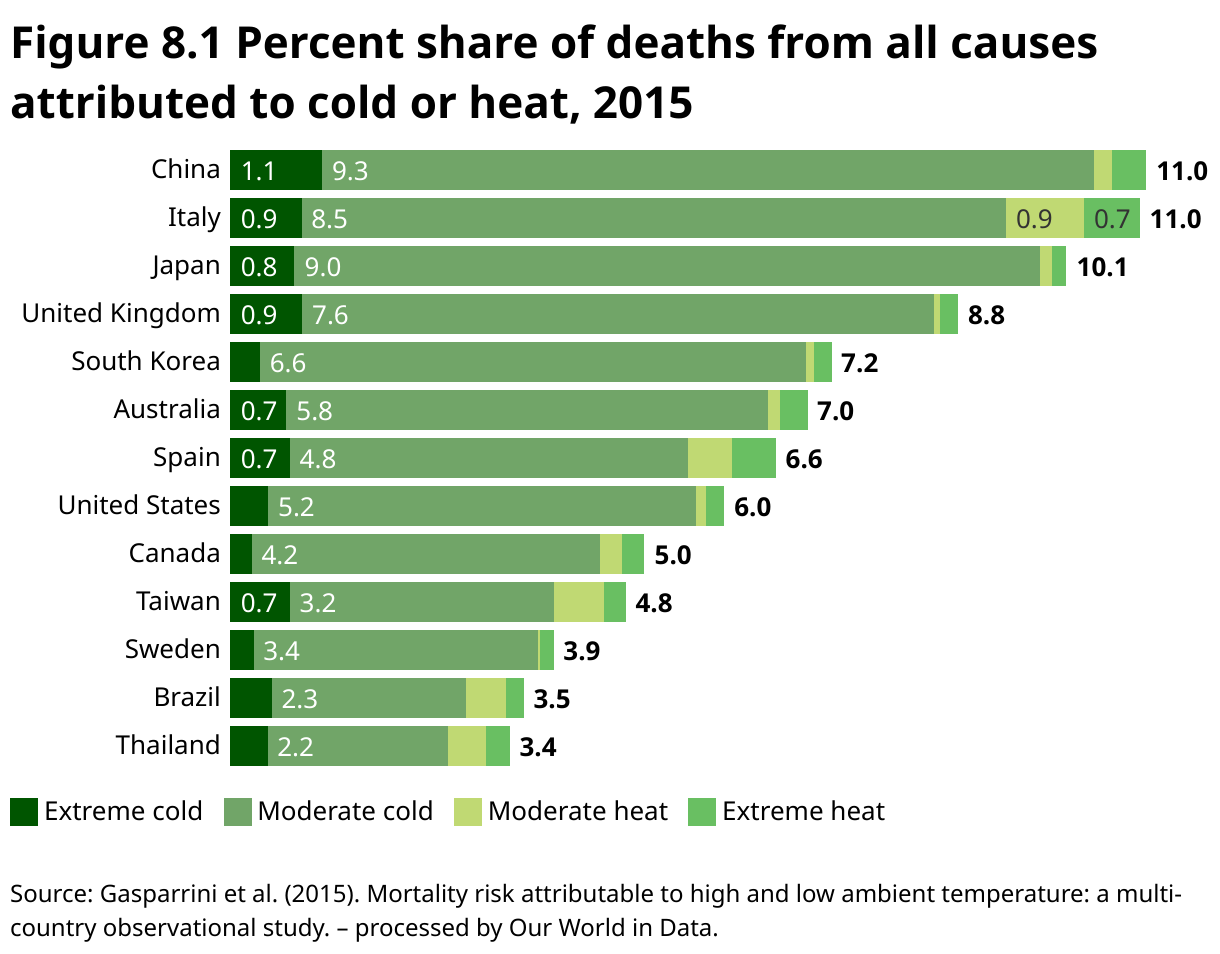
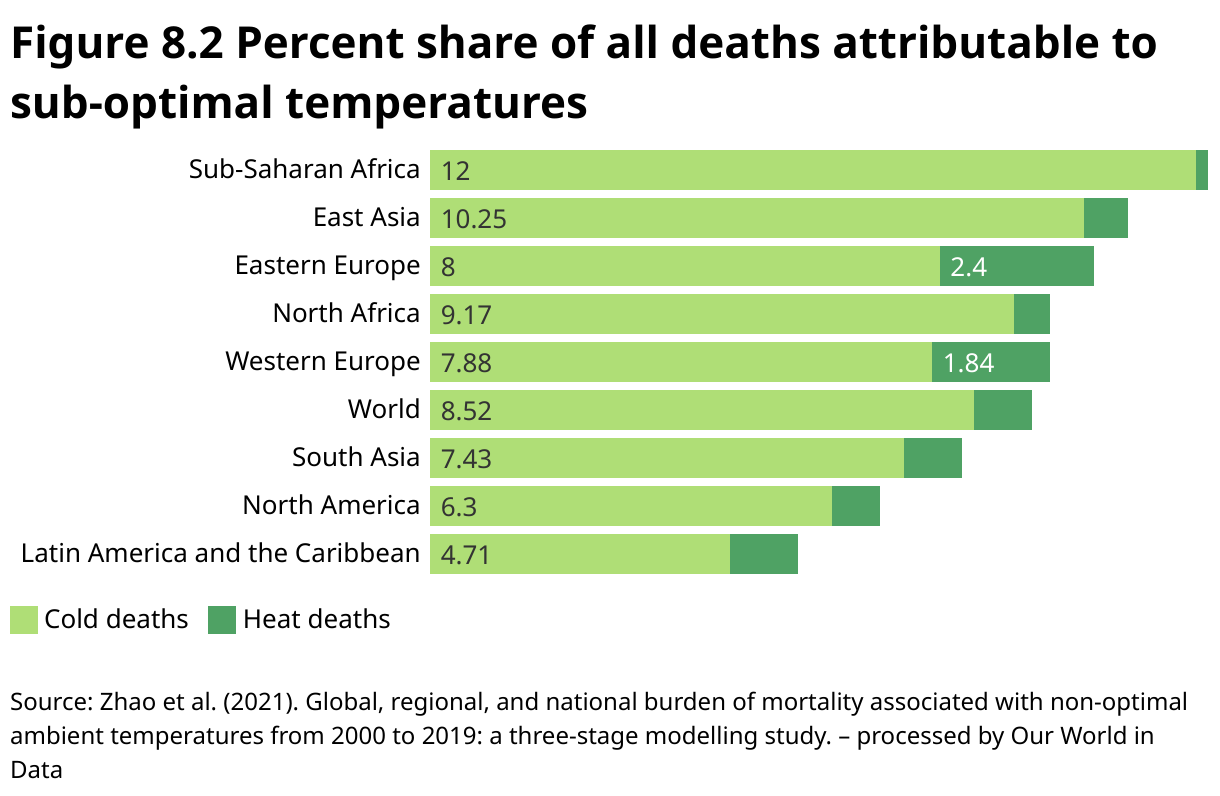
Sub-optimal temperatures cause millions of premature deaths annually, with cold-related deaths occurring four to nine times more often than heat-related ones. Studies estimate that temperature-related deaths account for roughly 7–9 percent of all deaths worldwide, predominantly affecting older populations over 65. Most deaths arise from moderately cold conditions, however, and not extreme cold – and are typically linked to worsening or triggering health issues such as cardiovascular disease, respiratory infections, diabetes or kidney disease. These deaths largely occur among those who would not have died in the next six months otherwise, highlighting a public health challenge posed by unfavorable temperatures, especially as climate change may shift these patterns (
Fortifying energy assets against freezing conditions
Extreme cold can trigger widespread power outages due to increased heating demand, frozen equipment and damage to power lines, all of which disrupt critical infrastructure such as water and energy systems. Ice and snow add physical strain, weighing down buildings, damaging substations and snapping lines.
Technology plays a key role in both preventing and responding to these outages. Solutions include mini and microgrids, battery storage and smart grid systems that enable faster fault detection and rerouting of electricity. These innovations are featured in the Green Technology Book Energy edition and the Asia Pacific EXPO25 editions, while this chapter and the wildfire chapter of this edition discuss technologies that bolster resilience for powerlines and planned outages.
Overload caused by high demand during both heatwaves and cold snaps can exceed capacity and trigger blackouts. Grid modernization is essential, especially in regions with aging infrastructure. This involves upgrading transformers and cables (
Smart ice sensors and AI algorithms enable real-time detection and prediction of ice accumulation on wind turbines
In 2021, Texas endured a major winter power crisis due to extreme cold temperatures. This catastrophe left 13 million people without electricity and/or water, an estimated $100 billion in economic damages, and killed almost 250 people (
To support these efforts, emerging technologies now provide critical new capabilities. They combine advanced remote sensing, intelligent monitoring and active thermal management. Smart ice sensors and AI algorithms enable real-time detection and prediction of ice accumulation on wind turbines. Solid-state wind sensors with built-in heating ensure reliable data collection in icy environments without the maintenance issues of moving parts.
In the oil and gas sector, self-regulating heat-trace cables and steam-tracing systems maintain critical pipeline and equipment temperatures, preventing freezing and flow interruptions. Diagnostic tools such as Honeywell’s Transmitter Freeze Detector provide early warning of frozen instrument signals, preventing shutdowns in turbomachinery. Cold-adapted battery systems with insulation and hydronic heating (which circulates heated liquid to maintain temperature) keep energy storage functional in subzero temperatures. And for homes and businesses, uninterruptible power supplies, surge protectors, portable generators and solar batteries provide crucial backup.
Home resilience for extreme cold: insulation, snow and ice removal
Building materials resist heat flow to varying degrees measured by their R-value per inch of thickness. The optimal approach to thermal insulation involves insulating the six sides of the building envelope (four walls, ceilings and floors/foundation), while tailoring R-values to local climate zones. To maximize efficiency, thermal bridging and air leaks should be addressed from the design stage.
Optimizing insulation thickness and R-value is key to retaining warmth and improving home energy efficiency (
For ceilings and roof insulation, dense pack fiberglass or cellulose blown onto flat ceilings or into cathedral ceilings can achieve very high R-values (R-60+), while raised heel truss design allows for extra insulation thickness at the eaves. Adding rigid insulation layers on the roof deck, combined with ventilation channels and insulation between rafters, further improves thermal performance.
Insulated masonry solutions, which combine aircrete blocks with external insulation, provide superior thermal, fire and structural performance, often faster and cheaper than timber frames. Quadruple-glazed and arctic windows with ultra-high R-values (R-15) and airtight seals are ideal for extreme cold climates. Heat and energy recovery ventilators help maintain indoor air quality while recovering heat from exhaust air.
Automated systems are emerging to reduce maintenance demands and react faster when snow and ice start to build up
Heated roof systems, or roof de-icing systems, use electric heating cables or hydronic tubing to melt snow and ice, preventing ice dams and potential damage. These systems are installed along roof edges, in valleys, around dormers and in gutters/downspouts, ensuring melted snow drains properly and avoids dangerous ice build-up. Ice dams form when melted snow refreezes on roof edges or around drains, trapping water that can leak into buildings and cause damage. Self-regulating heating cables prevent pipe freezing by adjusting heat output efficiently, and electric snow-melting mats can be installed on driveways, walkways and stairs to reduce shoveling and salt use.
As smart technology becomes more integrated into cold-climate resilience, automated systems are emerging to reduce maintenance demands and react faster when snow and ice start to build up. Floe (see frontier technology solutions) is an automated, eco-friendly roof protection system that uses smart sensors and algorithms to detect snow and ice build-up. It then dispenses safe, biodegradable de-icer through discreet tubing, providing a low-maintenance alternative to traditional melting methods. Roof snow load monitoring tools are now able to use AI-powered sensors that detect snow accumulation and provide real-time risk alerts.
Extreme cold at scale: community infrastructure, heating, and emergency technologies
Innovations in snow management infrastructure, heating technologies, and cold-weather equipment are essential for enhancing safety and efficiency in extreme cold environments. Global positioning system (GPS)-guided snow clearing systems optimize routes, reducing labor costs and preventing damage from hidden obstacles. Semi-automated snowplows and salters use real-time salt measurement with cloud connectivity and automated controls to improve efficiency and reduce waste. Advanced spreaders and liquid de-icers further optimize chemical application while minimizing environmental impact.
Heating solutions for extreme cold range from electric mats, foils, and cables to water-based radiant floor heating using polyethylene tubing, ideally paired with heat pumps for low carbon footprints. Ultra-low-temperature district heating adapts community heating systems to operate at lower temperatures and integrates renewable sources such as solar. Portable fuel-powered air heaters such as the Euroheater 2D/4D (see frontier technology solutions) provide reliable emergency heat in extreme cold (down to –45°C) for extended periods.
Operating in extreme cold requires lightweight and durable gear designed to prevent hypothermia and support self-rescue. Essential equipment includes heated vests and blankets to maintain core temperature, ice awls and traction spikes for stability, waterproof insulated gloves, and signaling tools such as strobe lights and whistles. Specialized drones equipped with self-heating batteries (functioning down to –20°C) and real-time kinematic (RTK) precision can map icy terrain and operate in blizzards, reducing survey time. Winterized lifeboats and rescue vessels, used in Arctic shipping, offshore rigs and polar missions, feature anti-icing shells, cold-rated materials, integrated heating and systems for engine pre-heating and moisture control.
Avalanche triggering systems – managing snow hazards in extreme cold
Avalanches – which are primarily snow- and ice-driven phenomena that occur in mountainous regions – pose a significant risk to communities, infrastructure, and transportation routes. Landslides, on the other hand, are often triggered by heavy rainfall, flooding, or saturated soils, and are addressed in the landslides chapter. Many technologies used to monitor or prevent avalanches such as slope stability sensors, ground-based radar, and remote early warning systems overlap with those used for landslides. Techniques such as LiDAR, drone surveillance and geotechnical instrumentation (e.g., inclinometers, GPS) are applicable to both snow and earth movement. Readers interested in these technologies can refer to the landslides chapter for a more detailed overview.
Avalanche prevention. Avalanche triggering systems are specialized technologies that reduce the risk of dangerous snow build-up by safely inducing controlled releases. These systems work by destabilizing the snowpack in a targeted way, typically using explosive charges to trigger small avalanches before they become hazardous. Explosives may be deployed manually, by helicopter or artillery, or through permanently installed remote systems. These methods create pressure waves that fracture weak snow layers and initiate controlled slides (
Snow barriers are modular, high-strength steel or chain nets installed on slopes to prevent avalanches. These barriers secure the snowpack by stabilizing it and withstanding static pressure, lowering the risk of avalanche release. Usually installed in multiple cascading rows, the barriers are customized to fit local snow depths and landscape conditions.
Avalanche response. Avalanche rescue relies on immediate action by those at the scene, as professional rescuers often arrive too late. The core rescue gear includes a transceiver (beacon), shovel and probe, all of which must be carried by everyone in the group to maximize survival chances. Avalanche shovels are essential for quickly digging out buried victims once their location is found. Probes are collapsible poles used to precisely locate buried victims by probing the snow after the general area is identified by the transceiver. Modern transceivers feature digital technology, multiple antennas and advanced functions such as multiple burial indication and interference management. Avalanche airbag backpacks help keep victims near the surface, reducing burial risk. For airbags, factors such as inflation power, trigger mechanism and airbag volume are crucial, with dual airbags offering added safety (
Reliable vehicle solutions for harsh winter conditions
In extremely cold environments, specialized technologies are essential for maintaining vehicle and machinery reliability, safety and comfort. Engine block and fuel line heaters prevent cold-related starting issues by warming the engine and fuel, while battery heaters help maintain optimal performance and faster recharge times in sub-zero temperatures. Passenger car parking heaters pre-warm both the cabin and engine, reducing icy windows and cold starts, and interior heaters keep cabins warm while preventing window fogging. Smart timers allow users to schedule pre-heating in advance for added convenience.
For EVs, cold-resistant charging cables remain flexible and durable in freezing conditions. Advanced winter tires, made with specialized materials and grip technologies, maximize traction and comfort on ice and snow while minimizing environmental impact. Together, these solutions offer a comprehensive approach to navigating harsh winter conditions.
Agriculture and extreme cold: cold injury in plants and their adaptations
As climate disruptions intensify, building cold resilience in agriculture is essential, as plants and animals face distinct challenges from frost, freezing and erratic temperatures. Cold weather can significantly limit crop development, damaging plant buds and roots depending on factors such as the intensity, duration and timing of cold spells. The effects can vary by crop species, growth stage and weather conditions. Cold injury includes chilling injury (above 0°C) and freeze injury (below 0°C). Tropical crops often suffer chilling injury at temperatures below ~12.5°C. Mitigation measures such as pesticide use, nutrient adjustments, replanting and timing can help reduce damage.
Frost poses a major threat to crops globally and may worsen with climate change. It affects annuals, perennials and fruit trees, causing yield loss or reduced quality. Damage depends on frost type and crop sensitivity. Frost occurs just below freezing and is intensified by moisture and ice nucleators, which promote ice formation and cause cellular damage.
There are two main frost types: radiation frost, which forms on clear nights when the ground rapidly loses heat, and black frost, caused by thermal inversions that trap cold air near the ground. Severity varies by species and local adaptations. Sensitivity is highest during flowering and fruit development (
Frost poses a major threat to crops globally and may worsen with climate change. It affects annuals, perennials and fruit trees, causing yield loss or reduced quality
Extreme cold can also affect livestock. Animals tolerate a wide temperature range if well cared for, but wind, moisture, and mud increase cold stress. Cattle thrive around 5–10°C but need shelter, bedding and increased feed to maintain body heat in colder weather. Dairy productivity decreases under thermal stress, with both cold and heat reducing milk yield. Best practices focus on nutrition, shelter, health care and minimizing stress to maintain productivity (
Surviving the freeze – how plants fight back against cold damage
Plants cope with low temperatures through two main strategies: avoidance and tolerance. Avoidance means preventing freezing damage by physical or environmental means, including through snow cover, dense canopies to reduce radiative heat loss, bulky organs such as trunks and mature fruits, and artificial protection such as foam sprays, row covers or fogging systems to alter the microclimate around plants (
Avoidance and tolerance can often be enhanced by the process of hardening (where exposure to cold induces physiological changes), helping plants survive freezing conditions. Plants build resistance by accumulating solutes and reducing ice-nucleating bacteria. They naturally combat cold by accumulating sugars (acting as antifreeze) and producing protective proteins to stabilize cells. Recent research focuses on eco-friendly strategies that enhance these natural defenses. Companies such as Rovensa Next conduct research on plant biostimulation and nutrition that enable plants to thrive under extreme conditions, developing biostimulants from seaweed, amino acids and microbes to improve crop resilience to cold and other stresses.
Warding off winter – frost protection for resilient farming
When water freezes, it releases latent heat and warms the surrounding area. Frost protection methods capitalize on this natural heating effect, with sprinkler irrigation being the most efficient approach. By applying water that freezes around plants, sprinkler irrigation forms a protective ice layer that helps keep crops just above freezing and prevents frost damage. Compared to burning fuel, using water for frost protection provides roughly 120 times more energy per liter of diesel used (
Frost fans combat frost by mixing warmer air from above with the colder air near the ground, raising temperatures around the plants to prevent frost formation. Additionally, fabric row covers, plastic tunnels or low tunnels trap heat and protect plants from frost and cold winds and extend the growing season. Mulching and cover crops are also used for protection from the cold. Applying organic or plastic mulch insulates soil, reducing heat loss and protecting roots from freezing. Certain cover crops can help retain soil warmth and moisture and offer protection, including winter rye, winter wheat, hairy vetch, crimson clovers, oats, field peas and mustards (brassica species). Planting varieties genetically bred or selected for cold tolerance also reduces damage risk during unexpected frosts or cold spells.
Heated greenhouses and indoor vertical farms provide a controlled environment where temperature, humidity, and light can be regulated to protect crops year-round, regardless of outdoor extreme cold. For livestock, insulated barns and shelters, heat lamps, heated floors and heated waterers prevent freezing and ensure animals have access to water during extreme cold. Additionally, windbreaks and shelterbelts such as planted trees or fences help reduce chilling effects by blocking cold winds, benefiting both crops and animals.
Innovation examples
Forecasting slush flows: tackling Norway’s hidden snow hazard with hydrometeorological modeling technology
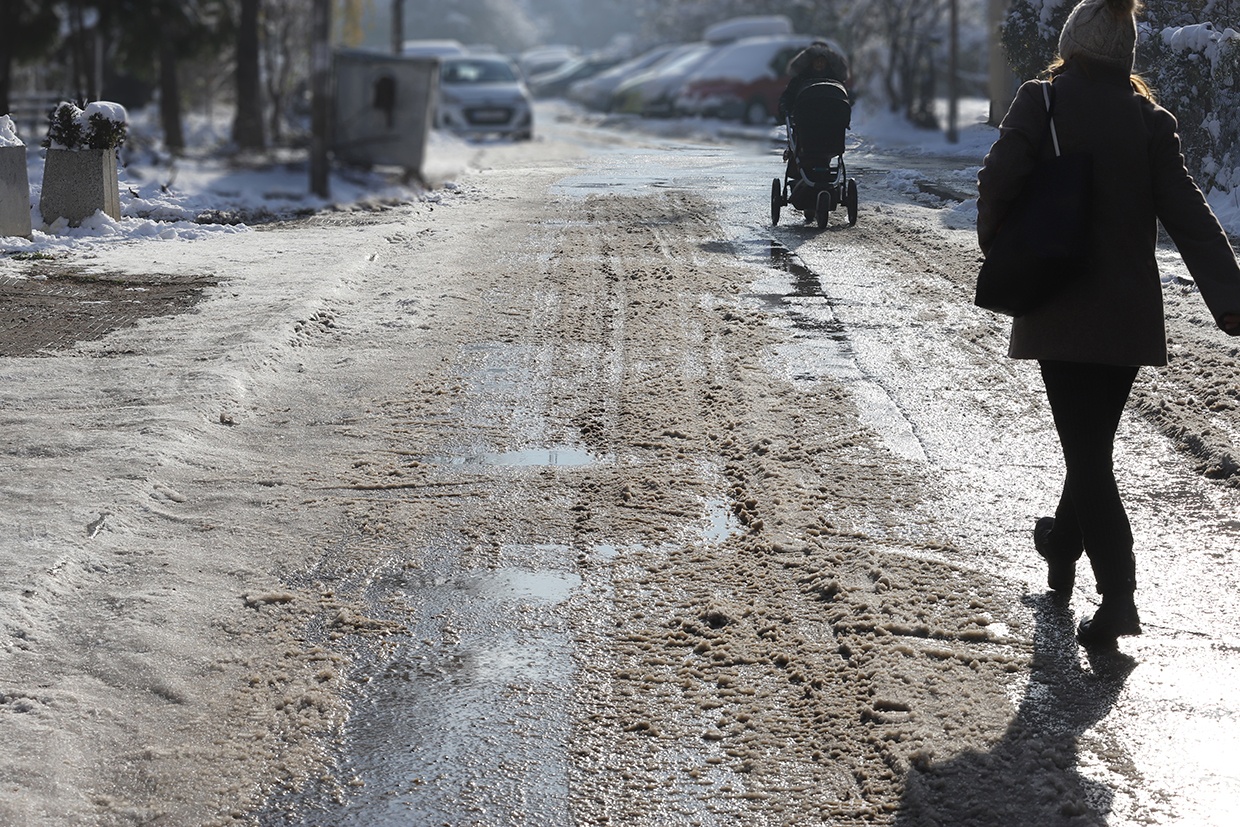
A recurring hazard in Norway, slush flows are masses of water-saturated snow that can travel long distances rapidly. Unlike avalanches that require steep slopes of 30–45°, slush flows start on gentler slopes. Unique Arctic conditions (midnight sun which prevents nighttime freezing and thin soil layers that limit drainage) make slush flows more frequent in Norway than in places such as the Alps. Road closures caused by slush flows in Norway’s Finnmark region create significant detours. Although models for avalanche forecasting are well advanced, predicting slush flows is in early stages because the underlying processes are not well understood. Researchers at the University of Tromsø are developing a digital tool to forecast slush flow risks by combining extreme weather data with advanced simulations adapted from avalanche models. The tool aims to predict hazardous zones, while also creating a comprehensive national hazard map. Field assessments are being conducted through collaboration between Finnmark road authorities and researchers from the Arctic University of Norway, who document slush flow paths and measure snowpack water content using simple tests. This is important, as winters in the Arctic are getting warmer and wetter, increasing wet snow hazards such as avalanches and slush flows. The project promises safer roads and communities in Norway and possibly other snow-prone areas (
Hybrid power systems designed for extreme cold in Canada’s Arctic

In the remote Canadian community of Colville Lake, 50 km north of the Arctic Circle, a hybrid power system now combines solar panels, new diesel generators and a Saft lithium-ion battery energy storage system (ESS) designed for extreme cold. This off-grid community of about 160 residents is only accessible by air or ice roads during a six-week window in February and March, and previously relied on expensive diesel fuel transported over these limited routes. However, since 2015, Colville Lake’s 136 kW solar array has generated about half the community’s annual electricity, working alongside diesel generators and a containerized ESS equipped with advanced insulation and a hydronic heating coil that keeps the batteries within an optimal temperature range of –50°C to +35°C. The battery system stores surplus solar energy and stabilizes the grid by managing voltage and frequency, enabling extended shutdowns of the diesel generators in summer and reducing generator runtime by up to 50 percent. This reduces fuel consumption by over 80,000 liters annually and lowers maintenance costs by preventing wear and tear from constant generator ramping. This innovative setup not only cuts emissions and improves power reliability but also enhances residents’ quality of life. Colville Lake’s success exemplifies the Northwest Territories Power Corporation’s mission to transform remote northern communities’ power supplies through renewable energy and tailored energy storage solutions designed for Arctic challenges (
Ensuring winter safety at school with advanced snow melting technology

Kronaskolan, a modern F-6 school overlooking Älvängen and the Göta Älv, Sweden, features a sizeable schoolyard with many activity areas, where an investment was made in Ebeco’s Smarta Tak snow melting system to ensure children can play safely in winter. This system uses over 800 m of heating cables installed on the roof’s gutters and downpipes to prevent dangerous ice and snow build-up, protecting students, staff and the property from hazards and moisture damage during winter. The smart system, controlled by the energy-efficient EB-Therm 800, keeps drainage paths clear by melting snow and ice before it can freeze. Installation was streamlined using Ebeco’s Smartclip cable clamps and Smartlock junction boxes, which saved time and enhanced safety while working several meters above ground. The Garantera app ensured the entire system was properly documented and tested throughout the installation process. By combining safety measures with solar panels and energy-efficient solutions, Kronaskolan offers a secure environment that supports year-round outdoor activities and reduces maintenance challenges in harsh winter conditions (
Forecasting technology powers Kazakhstan’s early action against severe cold
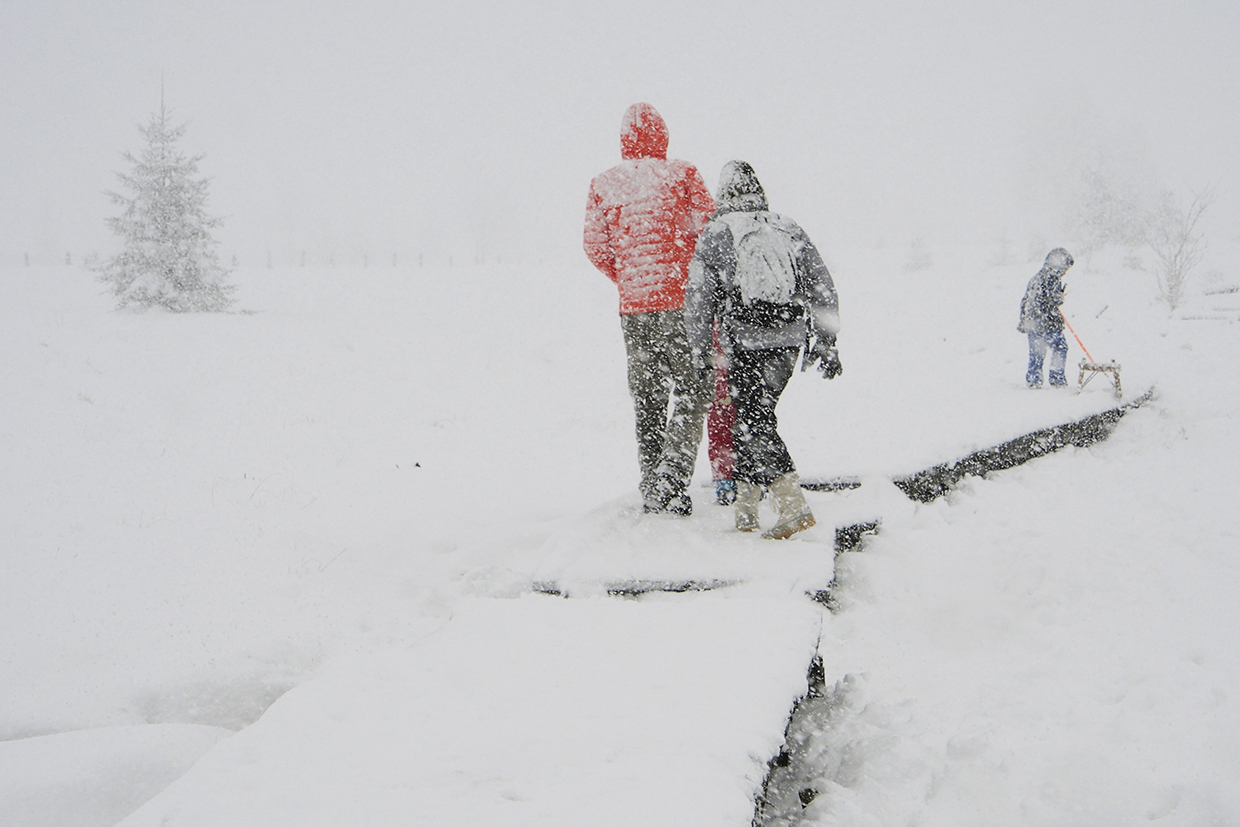
In Kazakhstan, where winter temperatures can plunge below –50°C, the Red Crescent Society has turned to technology to stay ahead of deadly coldwaves. With support from the IFRC’s Disaster Response Emergency Fund, Kazakhstan activated a Simplified Early Action Protocol – a forecast-based funding mechanism designed to trigger rapid, pre-planned humanitarian action. The system relies on real-time weather forecasts from Kazhydromet, Kazakhstan’s national meteorological service. A coldwave trigger is met when forecasts predict at least two consecutive days of sub –40°C temperatures combined with wind and precipitation. Once that threshold is crossed, funding is instantly released and early actions begin with no need for further approvals. In December 2024 and February 2025, this system was activated when extreme cold hit the North Kazakhstan, East Kazakhstan, Abay and Karaganda regions. The Red Crescent, which was already stocked with heaters, blankets, hot meals and clothing, quickly mobilized aid to unhoused people, the isolated elderly, and stranded drivers. The Red Crescent’s advance contracts with food providers and prior mapping of vulnerable areas enabled a swift and well-coordinated response. Life-saving assistance reached over 1,200 people in just days. One key lesson emerged: the forecast trigger may be set too low, as severe impacts were observed even when conditions were just shy of the –40°C threshold (
Proven technology solutions
Residential heating: water-based floor heating
Florad
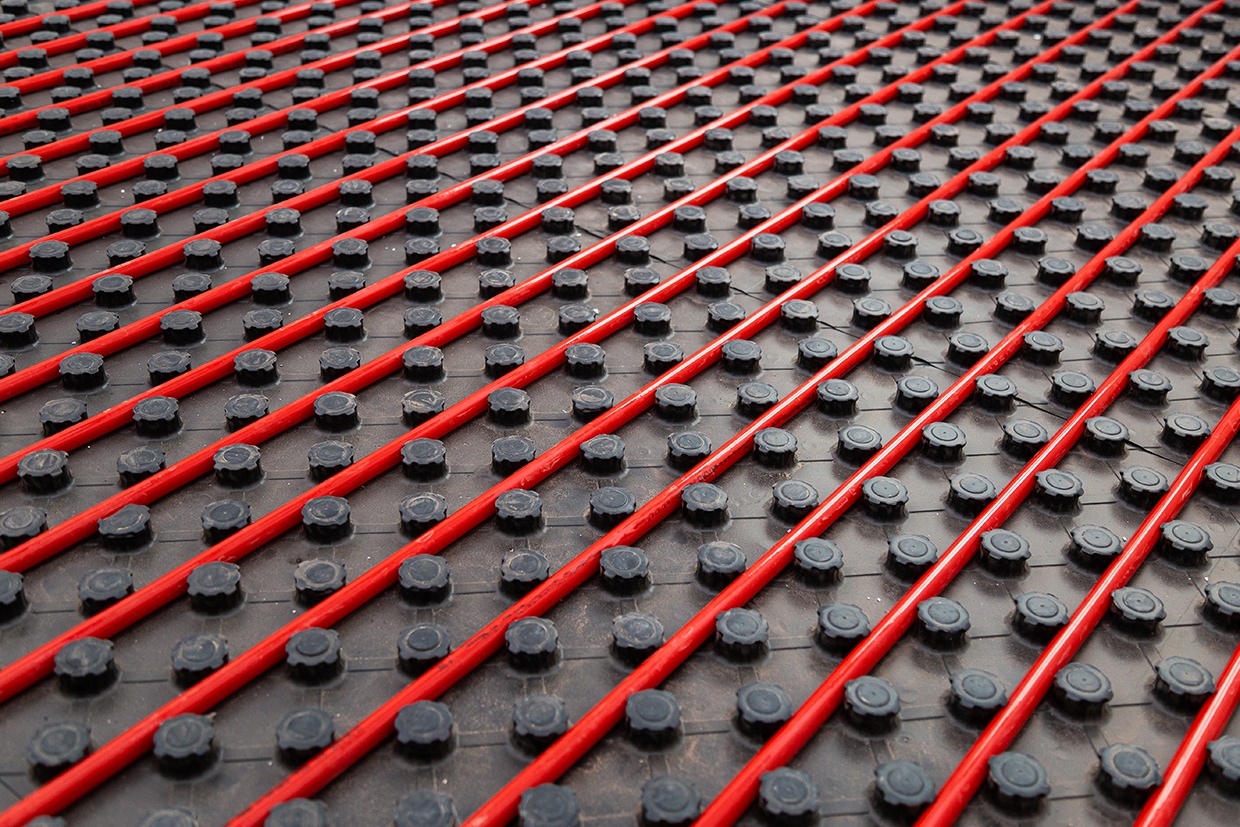
Florad’s water-based underfloor heating system utilizes polyethylene pipes arranged in a precise layout beneath the floor to circulate warm water. The system operates on low-temperature water, making it compatible with renewable energy sources such as heat pumps, which can reduce carbon emissions and running costs by up to 66 percent compared to electric heating systems. Alternative heat sources such as wood/pellet, gas, electric boilers and solar can also be used to heat the water. Florad offers various installation options to suit different building structures, including between foundation and topping layers or in surface beds. The system is complemented by individual room thermostats for precise temperature control.
Technological maturity: Proven
Contracting type: For sale
Technology level: Medium
Place of origin: South Africa
Availability: South Africa
Contact: WIPO GREEN Database
Transport: engine block heaters
SESCO B.V.

Engine block heaters are essential for ensuring reliable starts and optimal performance of diesel engines in cold climates. They preheat the engine block and its fluids, reducing oil viscosity and preventing fuel gelling, which can impede engine function. Typically, it’s recommended to use a block heater when temperatures drop below –6°C for diesel engines, and below 0°C for gasoline engines. Heaters can raise the engine temperature by 11–33°C, facilitating smoother starts and reducing strain on the battery and starter. Additionally, they help improve fuel efficiency and reduce emissions by promoting better combustion. For optimal performance, it’s advisable to use a timer to limit heater operation to the critical pre-startup period.
Technological maturity: Proven
Contracting type: For sale
Technology level: Medium
Place of origin: Kingdom of the Netherlands
Availability: Worldwide
Contact: WIPO GREEN Database
Transport: fuel line heater
Thermex Engineered Systems
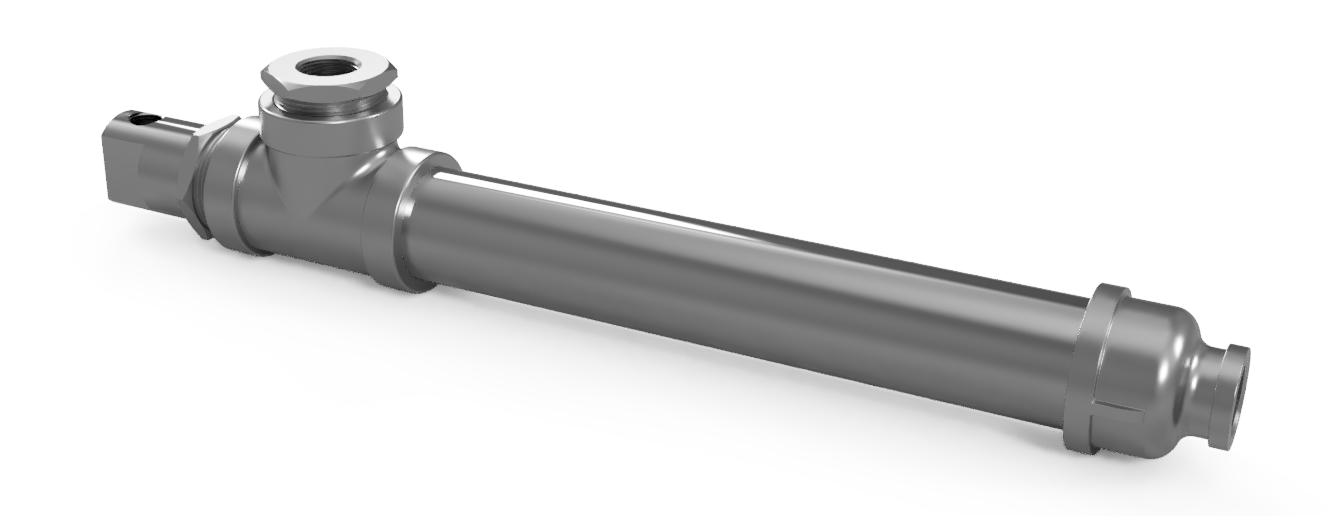
Fuel line heaters are installed between the engine and the fuel tank, utilizing waste heat from the engine’s cooling system or an auxiliary heater to preheat the fuel before it reaches the injection pump. This process improves fuel combustion, enhances power output, reduces smoke emissions and facilitates easier cold starts. The stainless-steel construction of the heaters ensures durability and resistance to various fuels, including B100 biodiesel. By maintaining the fuel at an optimal temperature, fuel line heaters prevent issues associated with fuel thickening, especially in vegetable oil conversions, where fuel can become extremely viscous even in mild temperatures. This technology is widely used in heavy-duty trucks, off-road vehicles and industrial machinery operating in cold climates.
Technological maturity: Proven
Contracting type: For sale
Technology level: Medium
Place of origin: Canada
Availability: North America
Contact: WIPO GREEN Database
Transport: car battery heater
Arctic Fox
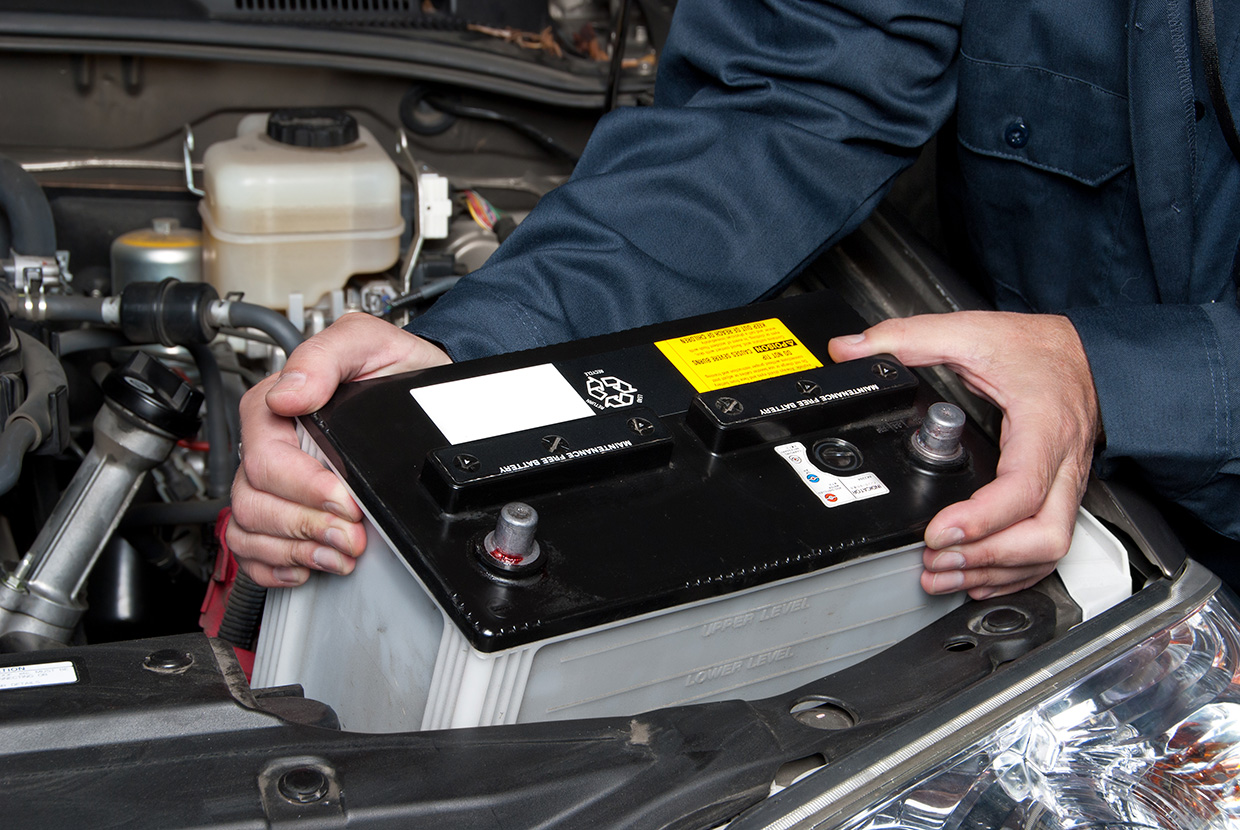
Arctic Fox’s BH-3100 Series Battery Heater is a coolant-powered tray that warms Group 31 (and similar) batteries using heat from the engine’s cooling system or a diesel-fired coolant heater. Installed beneath the battery, the aluminum plate and stainless-steel tubes transfer warm coolant to increase cold cranking amps, improve state-of-charge, shorten recharge times and extend battery life even in extreme cold. Testing shows that at –18°C, warmed batteries can reach 75–80 percent charge in about 2¼ hours – compared to eight hours without heating. Lightweight yet durable, the system features optional thermostatic bypass control and simplified installation. Designed for heavy-duty applications in construction, mining, oil and gas, and off-highway equipment, it ensures reliable engine starts and protects the battery in subzero environments.
Technological maturity: Proven
Contracting type: For sale
Technology level: Medium
Place of origin: Kingdom of the Netherlands
Availability: Worldwide
Contact: WIPO GREEN Database
Avalanche control: avalanche radar
GEOPRAEVENT
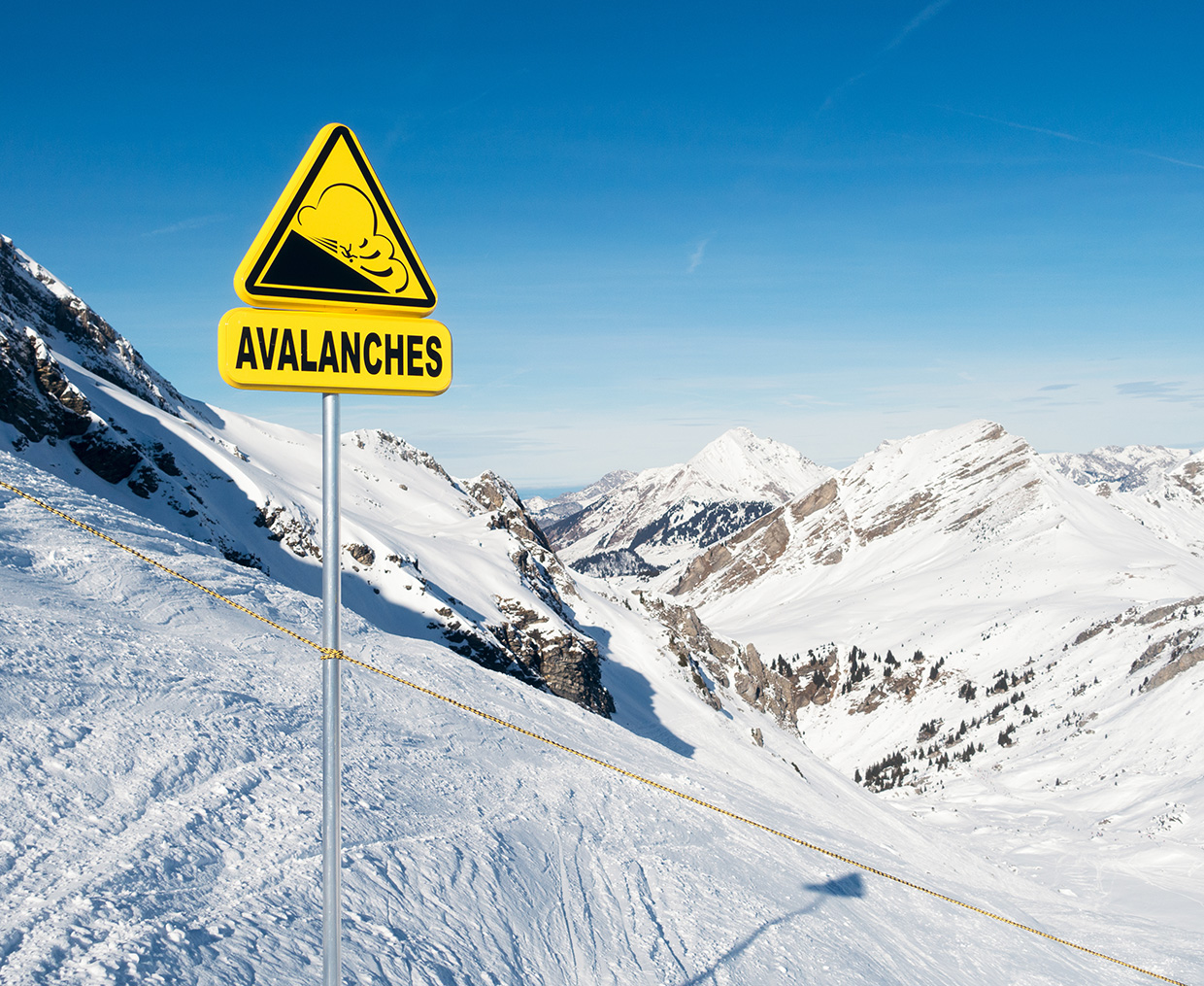
AVYX® Avalanche Radar is an advanced radar system designed for real-time avalanche detection and early warning. Mounted to cover slopes up to 10 km², the radar continuously scans terrain within a 5 km radius, detecting movement by measuring changes in reflected radar signals caused by flowing snow. Unlike point-based sensors, AVYX® doesn’t need to be placed directly in avalanche paths. It works 24/7 in all conditions, including fog, snowfall or darkness, where over 80 percent of avalanches occur. Once motion is detected, it identifies flow paths, estimates avalanche size, speed and duration, and instantly triggers alarms to close roads or railways. Simultaneously, it activates a camera to capture photo or video evidence. Data are uploaded to the GRAVX online portal for monitoring and analysis. The system installs within hours, integrates with mobile devices, and can be networked with other radars for broader coverage or combined with other hazard detection tools, such as rockfall or debris flow systems.
Technological maturity: Proven
Contracting type: For sale
Technology level: High
Place of origin: Switzerland
Availability: Worldwide
Contact: WIPO GREEN Database
Energy infrastructure heating and monitoring: wind sensor
FT Technologies
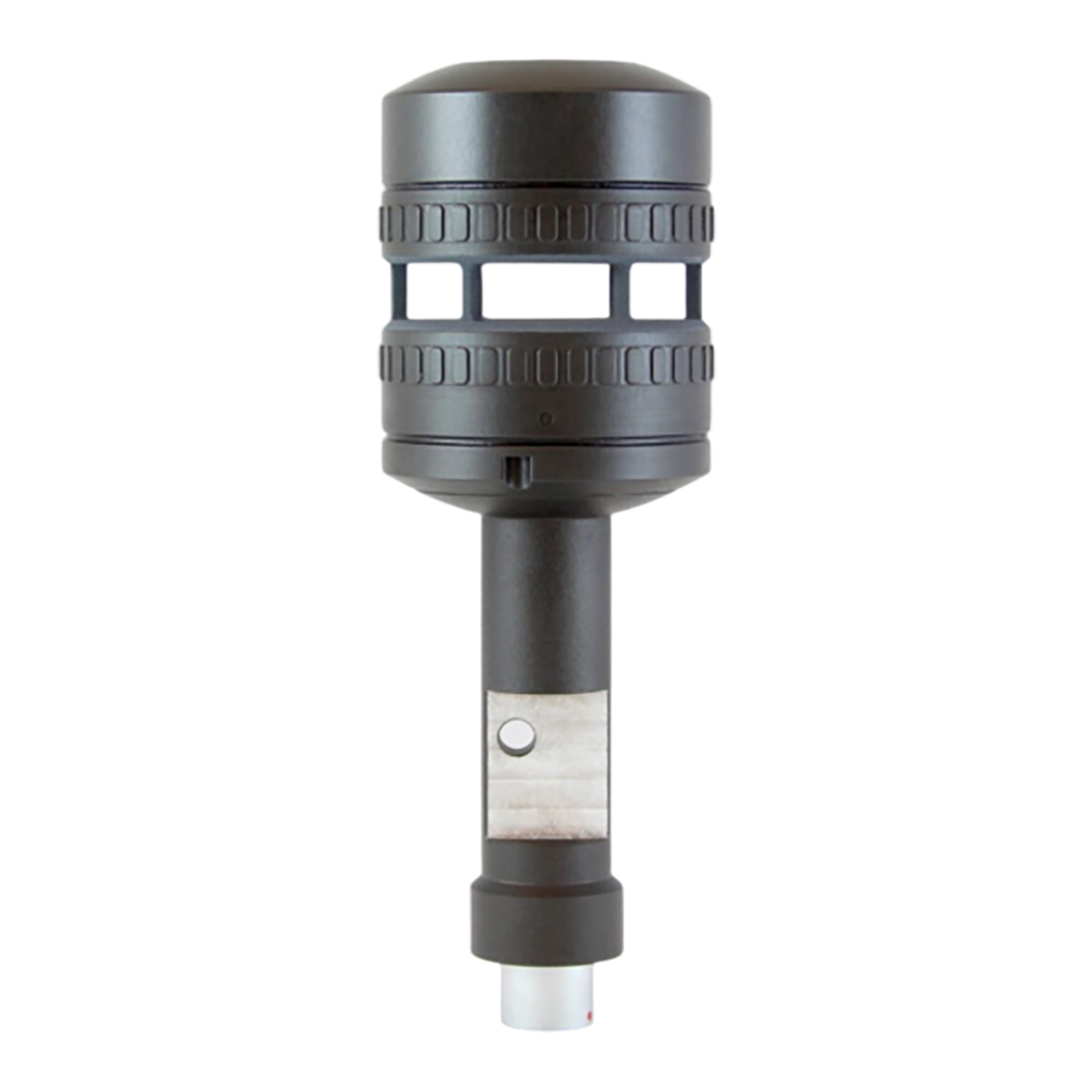
FT Technologies wind sensors utilize Acu-Res® technology, providing precise wind measurements up to 90 m/s with no moving parts, thereby requiring low maintenance. They are designed to withstand extreme environmental conditions, including temperatures as low as –40°C, and are sealed to IPX6K standards for water and dust resistance. The sensors also incorporate built-in heating systems to prevent ice formation, making them suitable for harsh climates.
Technological maturity: Proven
Contracting type: For sale
Technology level: Medium
Place of origin: United Kingdom
Availability: Worldwide
Contact: WIPO GREEN Database
Cold weather and rescue: winterized lifeboats and rescue boats
VIKING Life-Saving Equipment A/S
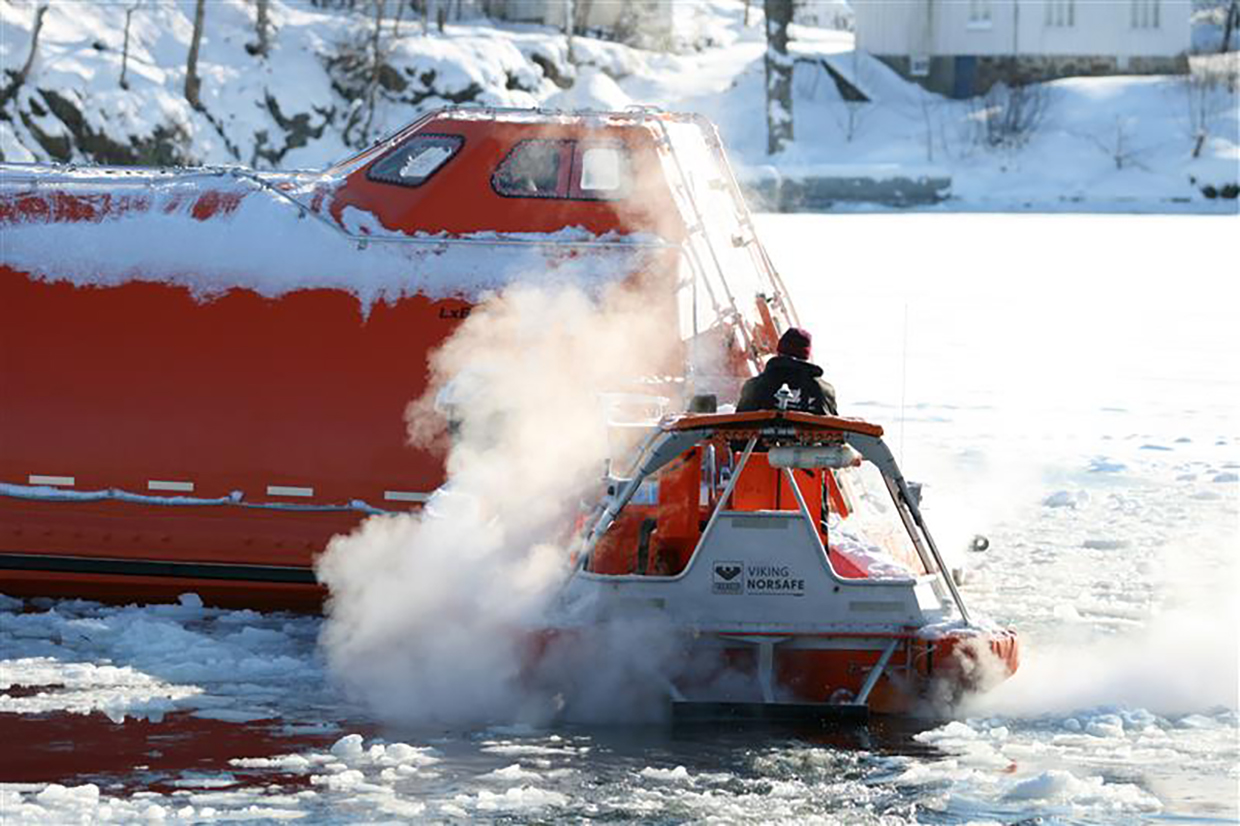
VIKING Life-Saving Equipment manufactures lifeboats and rescue boats designed for passenger, cargo, offshore and defense sectors, meeting stringent standards such as DNVGL-OS-A201, NORSOK N-003, MODU code and the Polar Code. VIKING offers various winterization upgrades, including soft and hard shell enclosures, space heating, heat tracing and drainage systems. Special measures encompass suitable material grades, appropriate fluids and lubricants, and enhancements for long-term habitation inside lifeboats. The VIKING Norsafe Lifeboat Enclosure ensures compliance with NORSOK design parameters and DNVGL-ST-E406 equivalency, featuring full maintenance access, illumination, material handling jib and noise reduction during drills. These solutions are tailored for extreme temperatures.
Technological maturity: Proven
Contracting type: For sale
Technology level: Medium
Place of origin: Denmark
Availability: Worldwide
Contact: WIPO GREEN Database
Agricultural frost protection: agricultural frost fan
Gener

Gener agricultural frost fans, also known as wind machines, are designed to protect crops from frost damage. These machines operate by circulating warmer air from higher altitudes down to the ground, preventing the formation of frost pockets that can harm plants. They are particularly effective in orchards and vineyards during cold nights or early mornings. Gener offers both stationary and mobile models, powered by diesel or liquefied propane gas engines, featuring double-wing solid fiber propellers for high efficiency and durability. The machines are equipped with smart domain control unit systems for automated control and optional remote operation. Their compact, weather-resistant cabins include integrated fuel tanks for easy transport and setup. Optional sensors and thermostats can be added for enhanced performance.
Technological maturity: Proven
Contracting type: For sale
Technology level: Medium
Place of origin: Türkiye
Availability: Europe
Contact: WIPO GREEN Database
Agricultural frost protection: sprinkler irrigation for frost
Rivulis

Rivulis provides a comprehensive range of sprinkler solutions, including jets, foggers, misters and micro-sprinklers, tailored for various agricultural applications. Their systems are designed for overhead and under-canopy irrigation, protected agriculture, and open field irrigation, adaptable to diverse farming scenarios. Additionally, Rivulis provides frost protection systems that double as climate control solutions, cooling orchards in summer and protecting them from frost in spring. These systems ensure even water distribution across the irrigated area, promoting uniform crop development, and meeting the highest standards for post-harvest, industrial and market requirements.
Technological maturity: Proven
Contracting type: For sale
Technology level: Medium
Place of origin: Israel
Availability: Worldwide
Contact: WIPO GREEN Database
Residential heating: roof de-icing self-regulating cables
Warmup
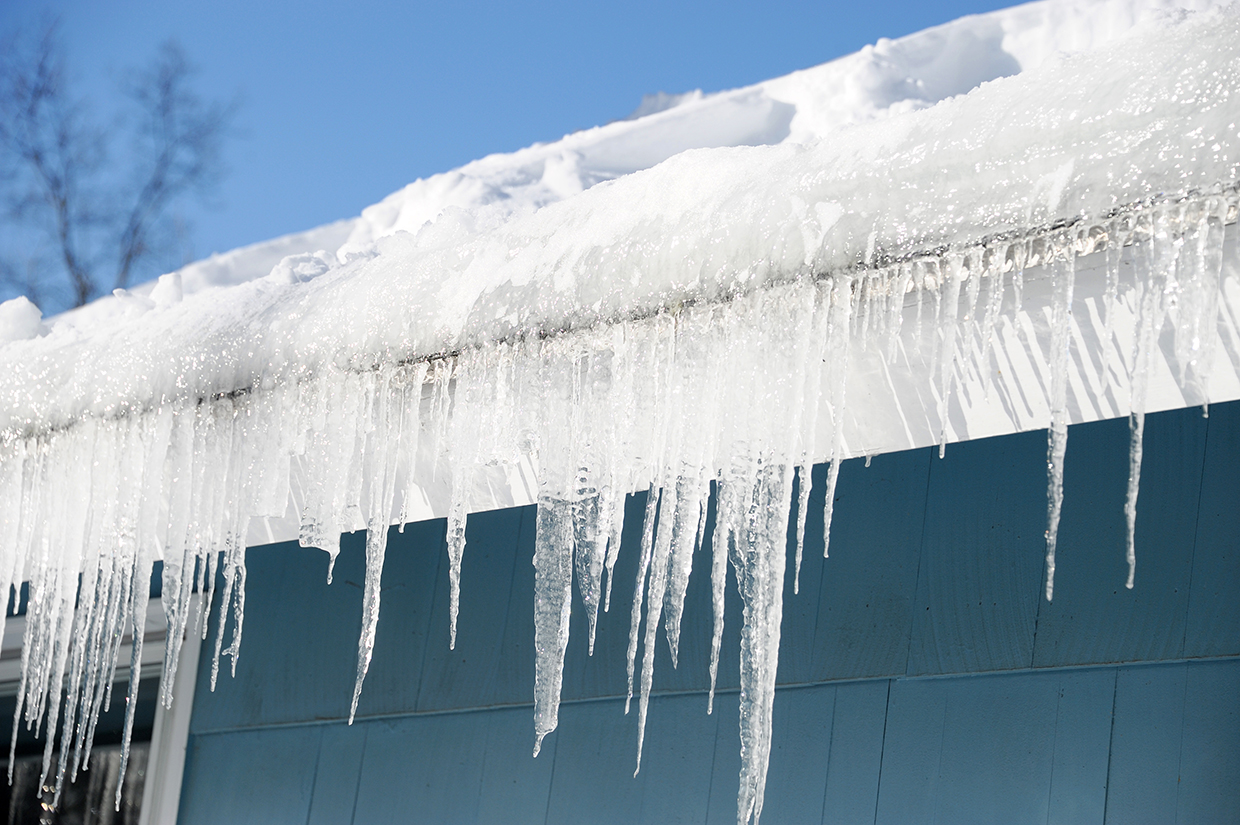
Warmup’s self-regulating heating cables are designed to prevent ice dams and icicles by melting snow and ice on roofs, gutters and downspouts. These cables adjust their heat output based on ambient temperatures. Ideal for both residential and commercial applications, they help maintain clear drainage paths, protecting structures from water damage. The system includes a range of controllers, sensors and accessories to optimize performance.
Technological maturity: Proven
Contracting type: For sale
Technology level: Medium
Place of origin: United Kingdom
Availability: Worldwide
Contact: WIPO GREEN Database
Avalanche control: remote-controlled avalanche blasting system
Wyssen Avalanche Control
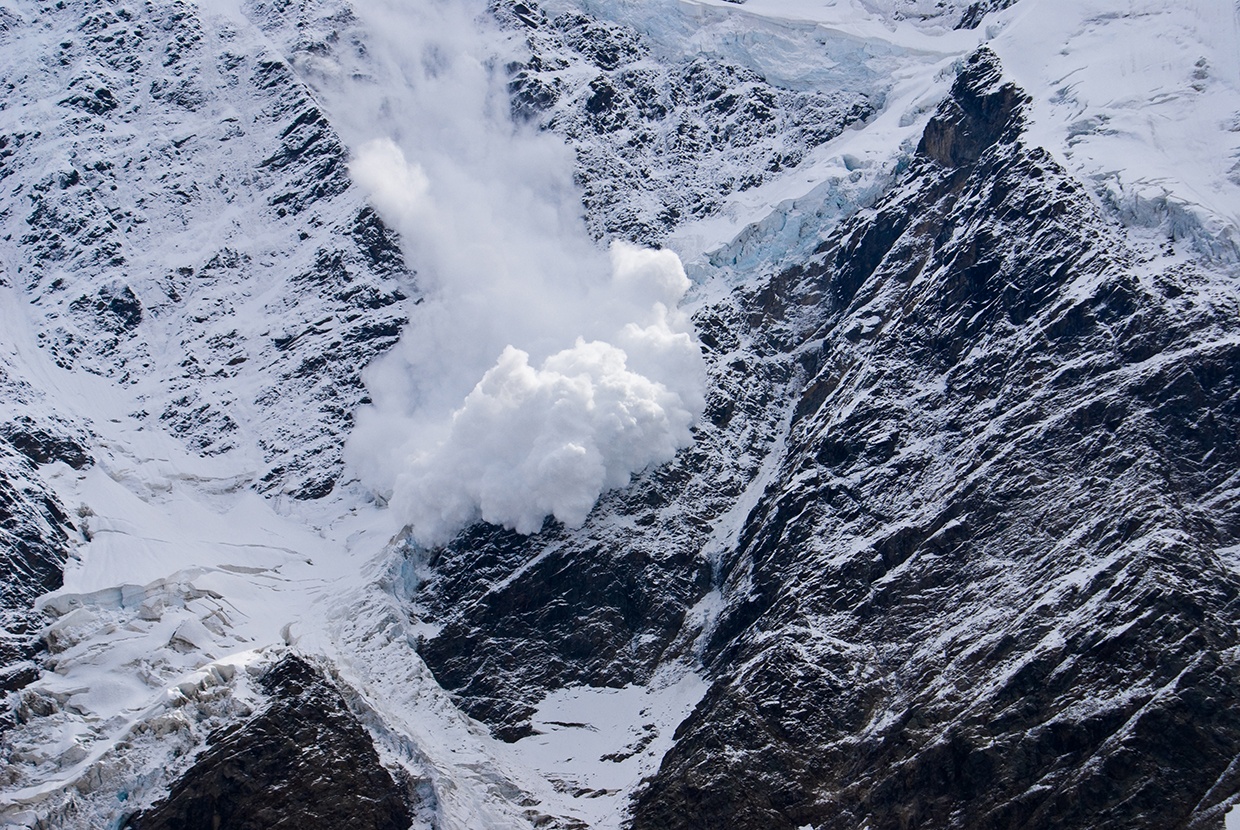
The Wyssen Avalanche Tower is a permanently installed, remote-controlled system designed to safely trigger avalanches before dangerous snow build-up occurs. Installed directly in avalanche start zones, the tower holds up to six solid explosive charges (4–5 kg each) that are manually loaded and remotely deployed. Charges are dropped from the tower and detonate suspended above the snow surface, producing a powerful airblast with a radius of up to 260 m. Powered by solar-charged batteries, the system operates via the Wyssen Avalanche Control Center (WAC.3®), allowing triggering without exposing personnel to danger.
Technological maturity: Proven
Contracting type: For sale
Technology level: Medium
Place of origin: Switzerland
Availability: Chile, Europe, North America
Contact: WIPO GREEN Database
Frontier technology solutions
Avalanche response: avalanche beacon
Pieps

The Pieps PRO Interference Protection System (IPS) is a professional-grade avalanche transceiver designed for ski and rescue teams. It features advanced IPS technology to reduce signal interference and dual antenna signal processing for precise locating. It has an 80 m search strip width and a maximum range of 70 m. The device is lightweight (212 g with batteries) and operates in temperatures from –20°C to +45°C. It uses three AAA batteries, providing up to 800 hours of battery life. Bluetooth connectivity allows firmware updates and training via the Pieps app. Its circular receiving range simplifies coarse searches, while the recommended search strip width ensures thorough victim location.
Technological maturity: Frontier
Contracting type: For sale
Technology level: High
Place of origin: Austria
Availability: Worldwide
Contact: WIPO GREEN Database
Avalanche response: avalanche airbag
Arva
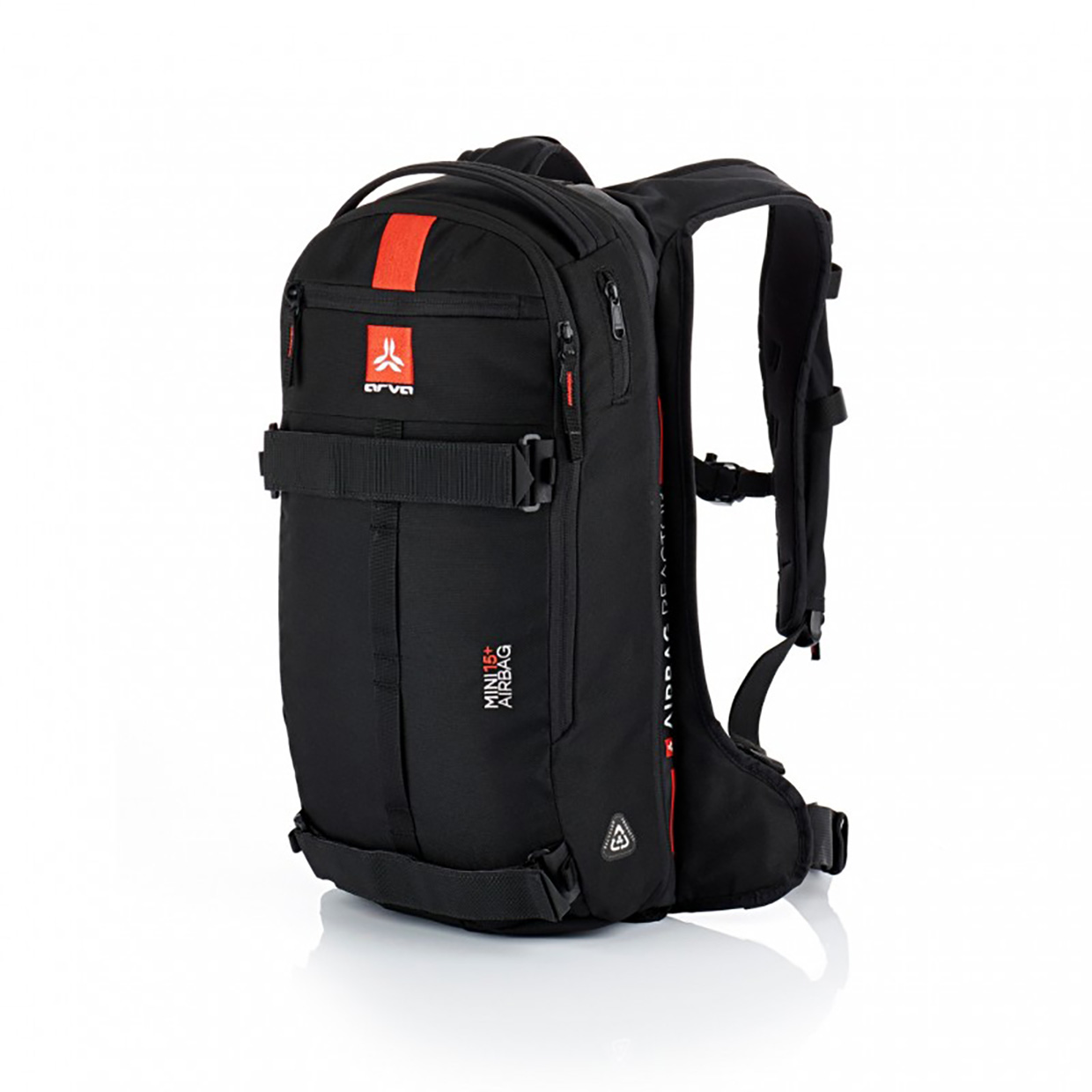
The ARVA Mini 15+ is a compact avalanche airbag backpack with an adjustable back length down to 36 cm. It integrates the REACTOR 2.0 system, the lightest and most powerful dual-airbag system on the market. Upon activation, two independent air chambers inflate rapidly (via a mechanical trigger and gas cartridge), enhancing body buoyancy and head protection during an avalanche. The 3D-Fit technology ensures ergonomic load distribution, while the Flex System allows users to swap out the main pack body to adjust carrying capacity. With 15 liters of core storage plus 5 liters expandable volume, it provides mounts for skis, snowboards and ice axes. It is made from 100 percent recycled polyester and dyed using dope-dye technology – a water-use efficient alternative to conventional dying processes.
Technological maturity: Frontier
Contracting type: For sale
Technology level: Medium
Place of origin: France
Availability: Worldwide
Contact: WIPO GREEN Database
Heaters: portable air heaters for emergencies
Euroheater
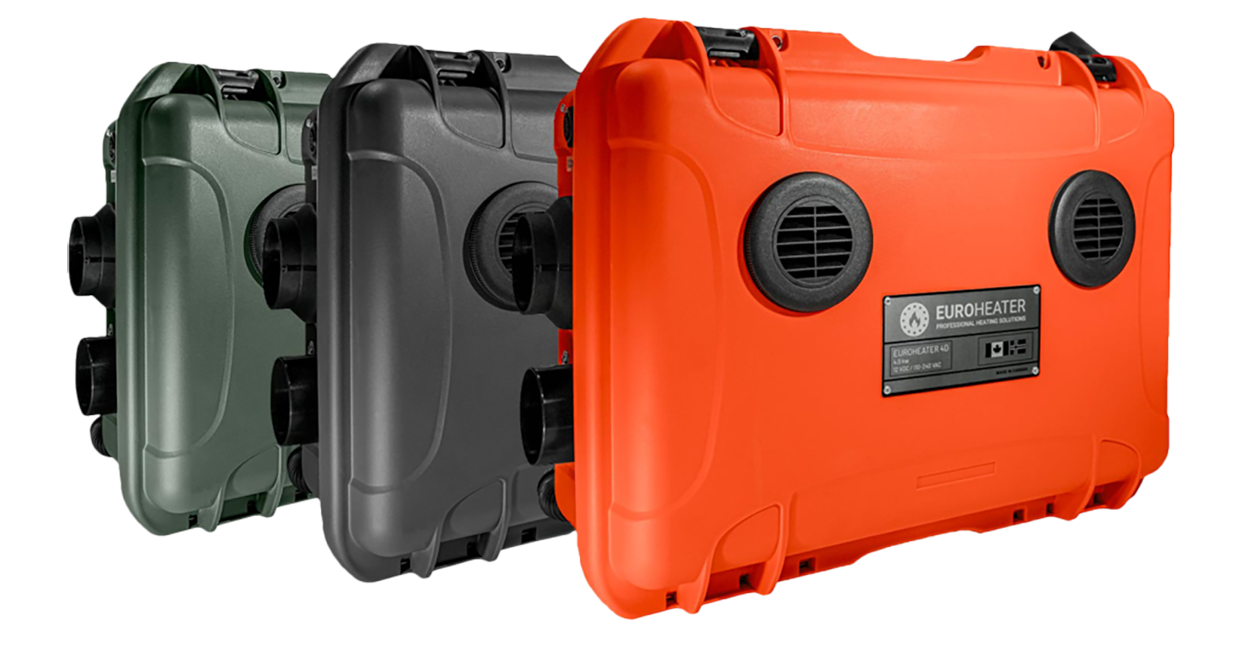
The Euroheater 2D and 4D portable air heaters are designed for extreme cold conditions. The Euroheater 2D delivers 2 kW of heat, operating efficiently in temperatures as low as –45°C and altitudes up to 5,400 m. It features a 7.5 liter fuel tank and provides up to 31 hours of continuous operation at its lowest power setting. The Euroheater 4D offers a higher output of 4 kW, also tested down to –45°C, and is suitable for larger areas. Its 7.5 liter fuel tank allows for up to 72 hours of continuous heat at the lowest power setting. They are ideal for military, rescue and outdoor applications where dependable heating is essential.
Technological maturity: Frontier
Contracting type: For sale
Technology level: Medium
Place of origin: Norway
Availability: Europe
Contact: WIPO GREEN Database
Transport: EV charging cables for extreme conditions
DEFA
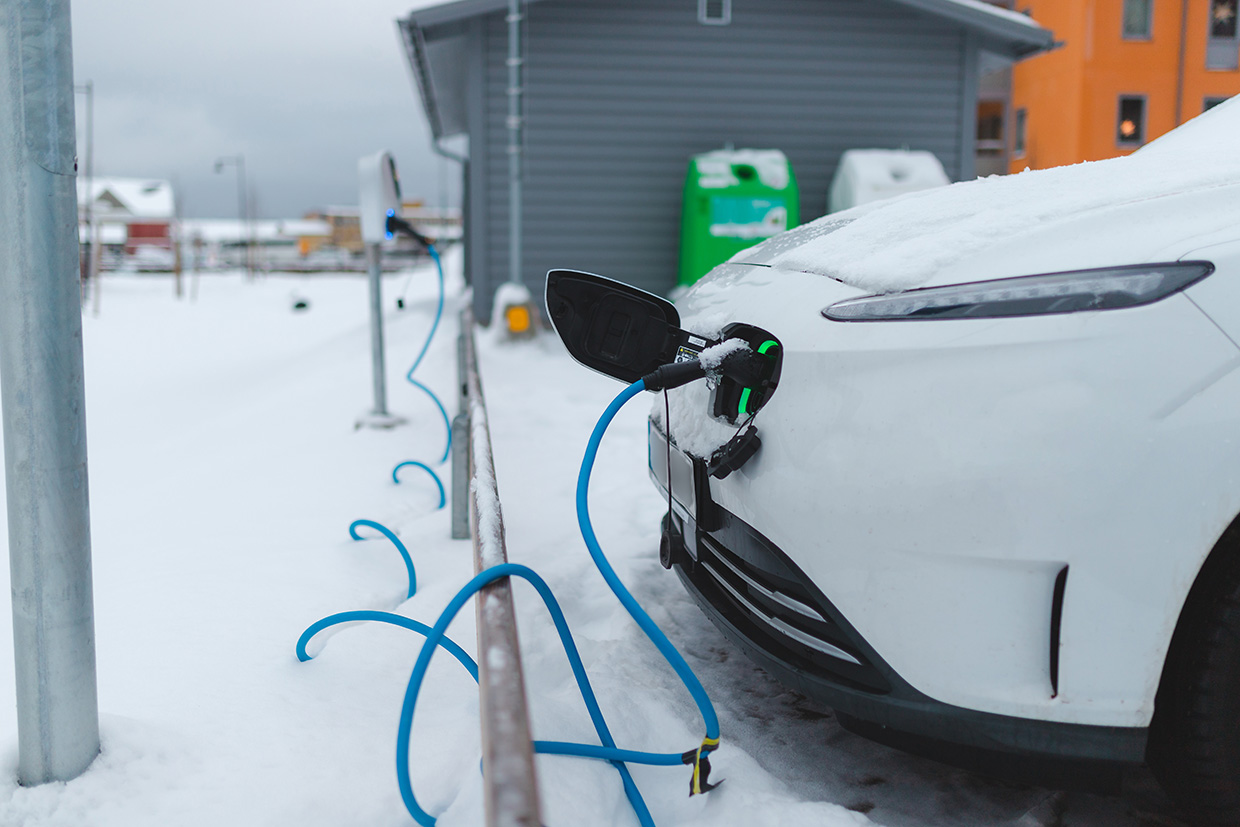
eConnect™ EV charging cables are designed for optimal performance in extreme conditions. These cables remain flexible in temperatures as low as –30°C, offer ergonomic connectors, and are built with recyclable materials. Available in various configurations, they support charging capacities up to 22 kW (32 A) and are compatible with all Type 2 inlets. The cable features ergonomic grips, a retractable connector cap to prevent dirt accumulation, and is constructed without resin-filled plugs, enhancing recyclability. Defa has conducted extensive testing, including cold chamber evaluations and run-over tests, to ensure the cable’s robustness and longevity. Accessories such as a lockable docking station and premium cable bag are available to facilitate safe storage and transportation.
Technological maturity: Frontier
Contracting type: For sale
Technology level: Medium
Place of origin: Norway
Availability: Worldwide
Contact: WIPO GREEN Database
Snow and ice management: GPS snow clearing system
Traqnology

Traqnology’s Winter Warrior GPS Snow Clearing System provides advanced precision and efficiency for snow removal operations. The system utilizes sub-inch RTK GPS accuracy, ensuring precise route tracking without the need for pre-marking. It supports unlimited route recordings, allowing for adaptable snow clearing across varying conditions. The autosteer functionality reduces operator fatigue by automating steering, enhancing comfort during long shifts. Integration with an iPad app streamlines operations, enabling one-touch route initiation and seamless resumption. The system is compatible with a wide range of equipment, from small machines to large fleets, and is designed to withstand harsh winter environments.
Technological maturity: Frontier
Contracting type: For sale
Technology level: Medium
Place of origin: Denmark
Availability: Australia, Europe and North America
Contact: WIPO GREEN Database
Snow and ice management: roof snow load monitoring
Domely
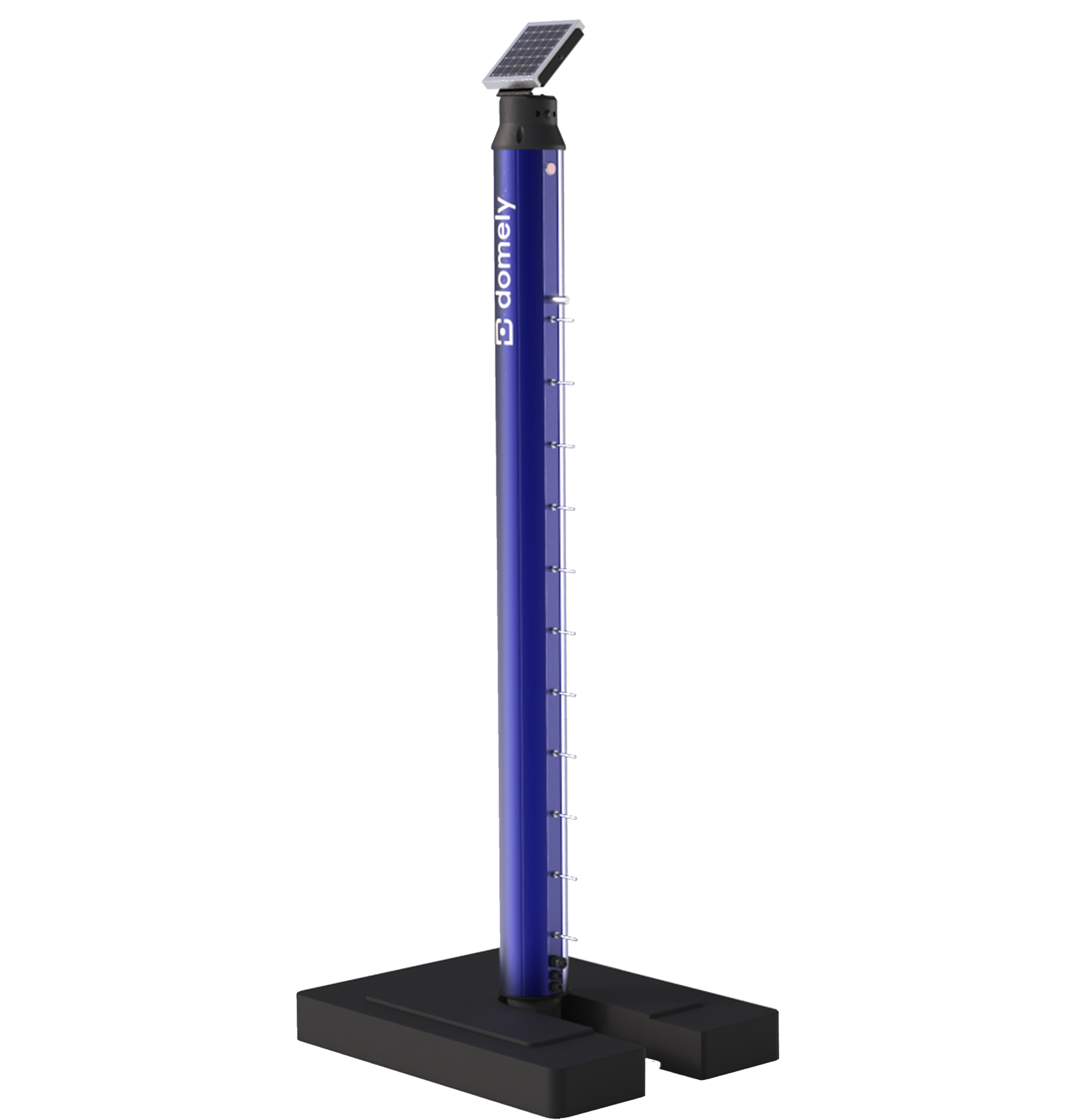
DomelyConnect is an autonomous, solar-powered roof monitoring system designed for flat-roofed commercial buildings. Utilizing AI and long-term evolution machine-type (LTE-M) connectivity, it detects real-time snow loads, water accumulation, debris and structural issues. The self-supporting modules require no drilling and are easily deployable. The system provides 360° visual monitoring, weather forecasts and personalized risk alerts. It also offers recommendations to optimize snow removal timing, potentially reducing costs and preventing structural damage. DomelyConnect is recognized by some insurers, possibly leading to insurance savings.
Technological maturity: Frontier
Contracting type: For sale
Technology level: Medium
Place of origin: Canada
Availability: North America
Contact: WIPO GREEN Database
Snow and ice management: accumulation management for pitched and flat roofs
Floe
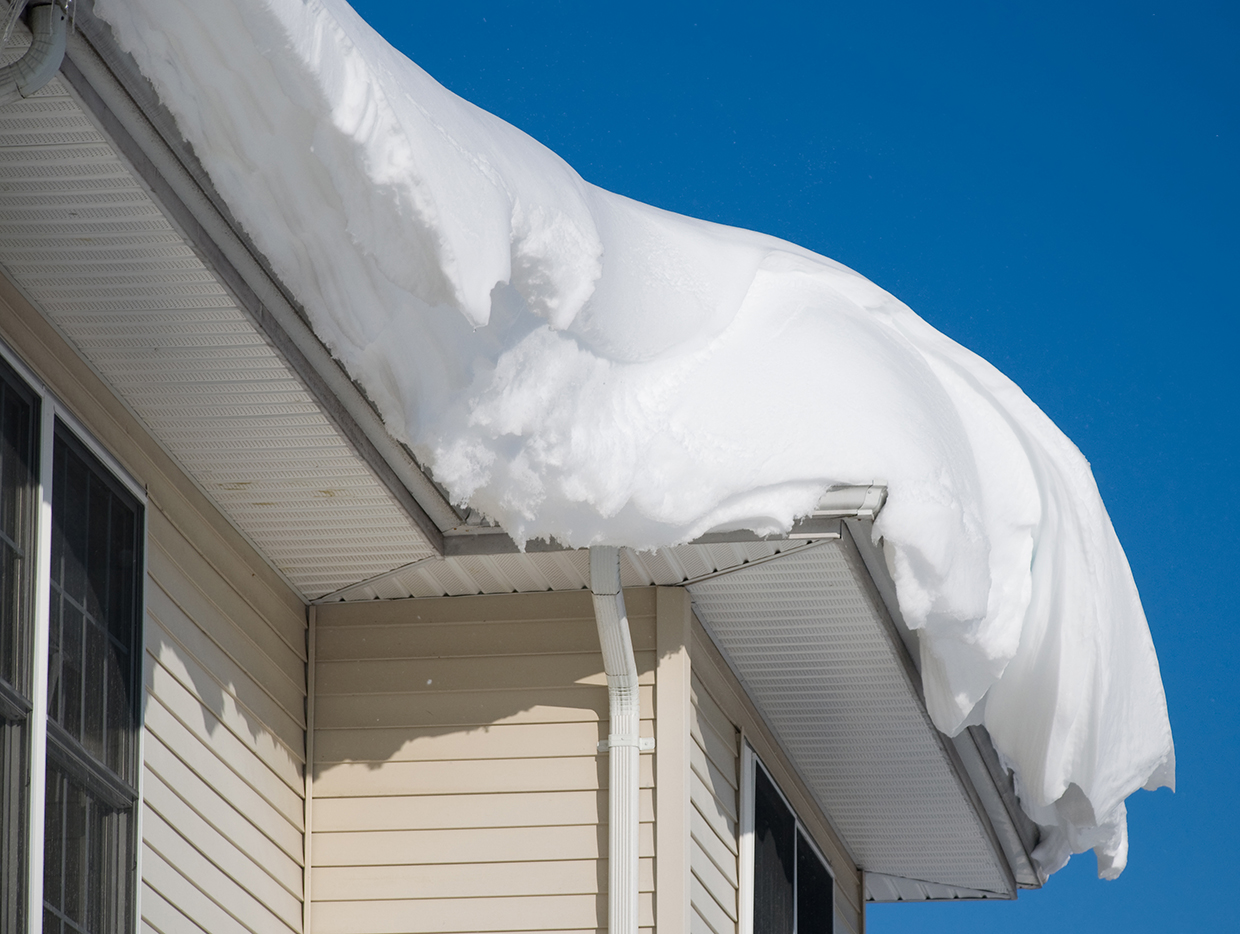
Floe is an intelligent, eco-friendly solution for managing rooftop ice and snow accumulation. Developed by engineers from Massachusetts Institute of Technology and Yale University and validated by the US Army Corps of Engineers, Floe utilizes sensors and real-time weather data to predict and detect ice build-up. When necessary, it automatically dispenses a biodegradable, non-corrosive de-icer that is safe for pets and plants. The system comprises a weatherproof console, a rooftop irrigation network with UV-rated tubing and a de-icer cartridge. It operates autonomously, requiring minimal maintenance – only an annual de-icer cartridge replacement. Floe is designed to last over 10 years, and is compatible with various roof types, including pitched and flat roofs.
Technological maturity: Frontier
Contracting type: For sale
Technology level: Medium
Place of origin: United States
Availability: United States
Contact: WIPO GREEN Database
Energy infrastructure heating and monitoring: sensor for wind turbines in cold climates
Instrumentation Icetek

The IC-1 Ice Condition Monitoring System is designed for wind turbines in cold climates, where ice formation can reduce annual energy production by up to 20% and impact safety. Unlike turbine performance-based heating activation, the IC-1 provides direct measurements of icing conditions using heated probes that apply a patented heat transfer principle to detect the onset of icing event at the earliest signs. The system also measures wind speed and direction, ambient temperature, pressure, humidity, solar radiation, and cloud coverage. All data is processed locally and transmitted to the wind farm control station via a surge-protected control cabinet, enabling the automated control of blade heating systems. Case studies have demonstrated that the IC-1 remains ice-free and operational down to -40 °C, supporting timely heating activation and reducing production losses.
Technological maturity: Frontier
Contracting type: For sale
Technology level: Medium
Place of origin: Canada
Availability: Canada, France, Norway, Sweden, Switzerland, United States
Contact: WIPO GREEN Database
Horizon technology solutions
Transportation: LiGas electrolyte for cold-resilient lithium-ion batteries
South 8 Technologies
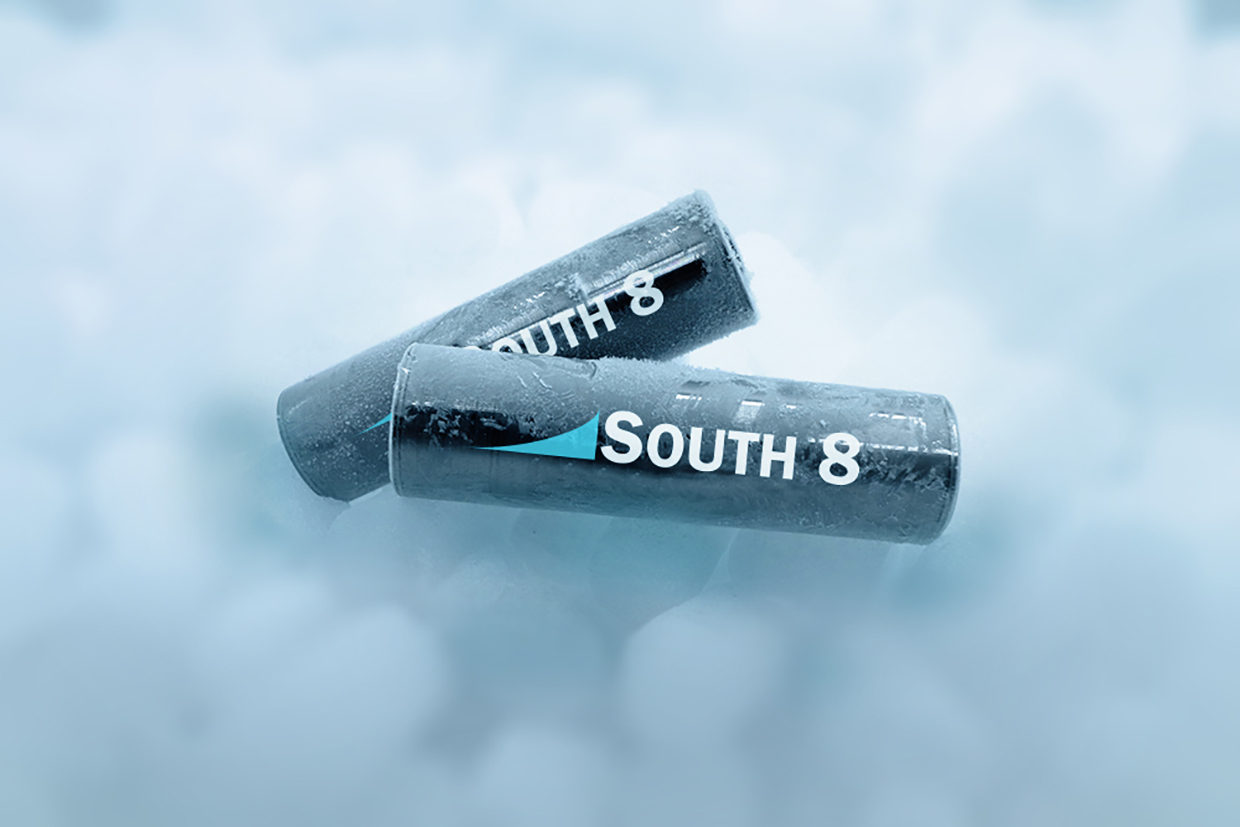
Based in San Diego, California, South 8 Technologies is pioneering the world’s first liquefied gas electrolyte (LiGas®) for lithium-ion batteries. LiGas cells enable high-performance operation across an unprecedented temperature range (-60 to +60 °C), unlocking applications in defense, aerospace, and electrified transportation. South 8 offers both finished cells and electrolyte integration kits for partners seeking to advance their systems with cutting-edge electrochemical performance. With the ability to operate where conventional batteries cannot, South 8 is redefining the standards of lithium-ion technology and opening new frontiers for industries in the most demanding environments.
Technological maturity: Horizon
Contracting type: For collaboration
Technology level: High
Place of origin: United States
Availability: N/A
Contact: WIPO GREEN Database
Agricultural frost protection: nature-inspired frost protection
CryoBio
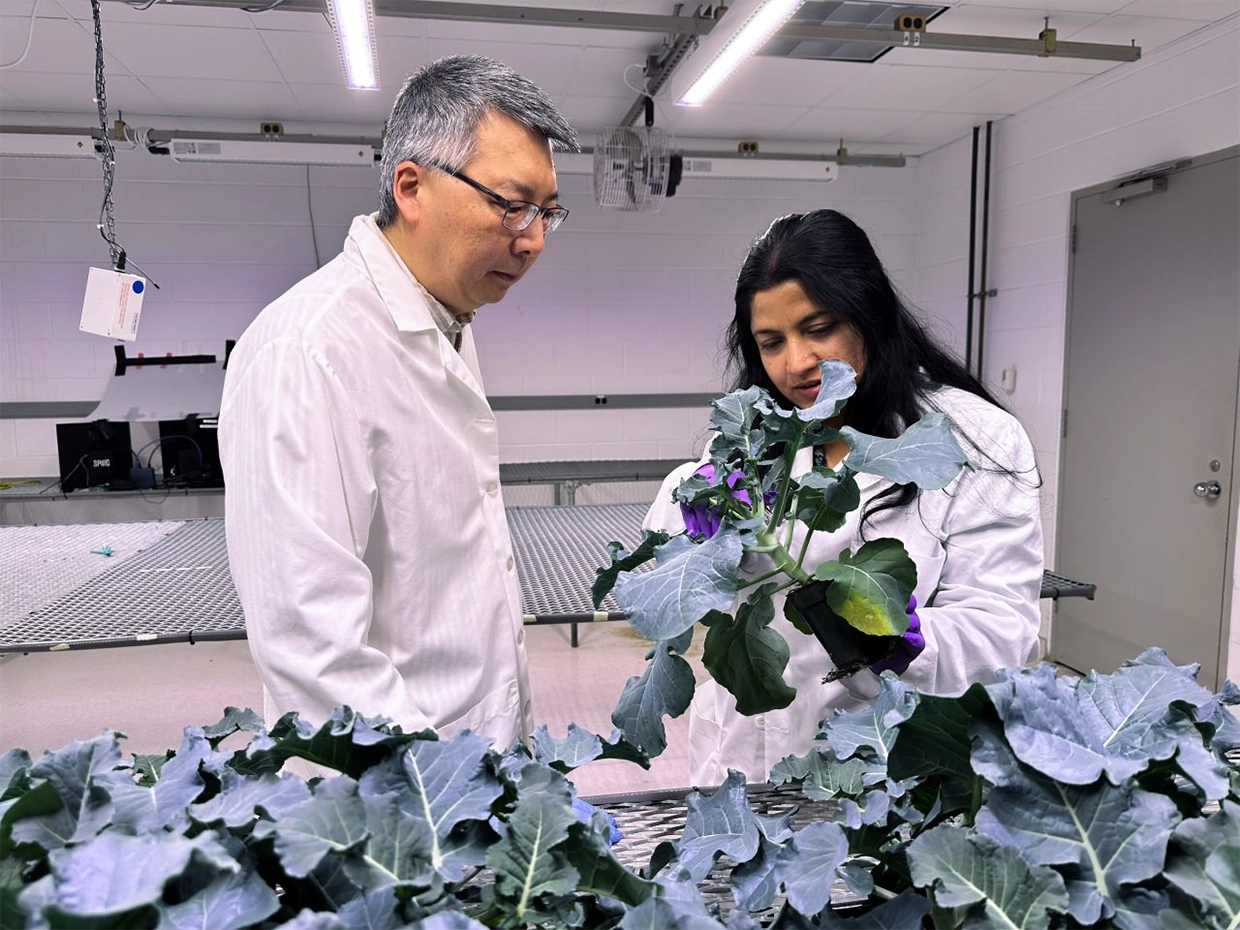
CryoBio is an agricultural biotech startup developing a nature-inspired spray that protects crops from frost damage by lowering the freezing point of water by up to 8 °C. Leveraging molecules derived from cold-adapted organisms, the technology prevents ice formation on plants, offering near-total protection against severe frost. It can be applied to any crop using standard equipment, costs less than one-tenth of current frost-protection methods, and is environmentally safe. CryoBio aims to protect up to 5% of global crop production, enhancing farmers’ resilience and reducing agricultural losses exacerbated by climate change. The technology is in the pre-commercialization stage.
Technological maturity: Horizon
Contracting type: For collaboration
Technology level: Medium
Place of origin: United states
Availability: N/A
Contact: WIPO GREEN Database
Residential heating: shape-stabilized Phase Change Materials (ss-PCMs)
Nanolope

Nanolope has developed innovative shape-stabilized phase change materials (ss-PCMs) that dramatically enhance thermal energy storage in buildings, particularly in cold environments. Unlike conventional water-based or gypsum/concrete thermal storage, Nanolope PCM can store up to 24 times more energy than standard gypsum boards in just a 2 cm panel. Made from renewable resources and containing a very high proportion of PCM (~85% of its weight), it absorbs heat during warmer periods and releases it during cold spells, maintaining comfortable indoor temperatures. The material is mechanically stable, leak-proof, and can be retrofitted into walls, ceilings, or floors, enabling lightweight modern apartments to achieve the thermal comfort of massive historic buildings, with passive heating in winter and passive cooling in summer. This technology remains at the horizon stage, offering transformative potential for energy-efficient buildings in extreme cold climates.
Technological maturity: Horizon
Contracting type: N/A
Technology level: High
Place of origin: Germany
Availability: N/A
Contact: WIPO GREEN Database