
Technological developments and trends
Coastal erosion is an escalating threat to the 600 million people living in low-elevation coastal areas worldwide (
It is important to recognize the source-to-sea connections in coastal systems. Sediment management upstream, including dam operation, plays a key role in coastal erosion by disrupting the natural flow of sediments that replenishes beaches and shorelines. Without adequate sediment supply, beaches become depleted, accelerating erosion and weakening natural coastal defenses.
Human activities like coastal development, dam construction and ecosystem destruction contribute significantly to erosion
A recent global study using the Global Surface Water Explorer dataset estimates that from 1984 to 2015, around 28,000 km² of land was lost to erosion – the size of Haiti. Additionally, 24 percent of sandy beaches worldwide eroded at a rate of more than 0.5 meters per year during this same period, above what is typically considered normal for coastal erosion (
Coastal erosion threatens lives and livelihoods
As urban development expands, an increasing number of people living in low-lying cities are becoming exposed to erosion. By 2030, rising sea levels are projected to expose over 100 million people in sub-Saharan Africa to flooding, with that number growing to 135 million by 2050 (
Importantly, global port activities – crucial to international trade – are at considerable risk. Between 1980 and 2020, approximately 38 percent of global container port activity occurred in hurricane-prone areas, with damages estimated at USD 7.5 billion annually (
By 2030, rising sea levels are projected to expose over 100 million people in sub-Saharan Africa to flooding, growing to 135 million by 2050
Since 20 percent of the world’s population lives within 25 km of the coast, such populated areas tend to be more developed than other coastal locations, which contributes to greater coastal deterioration (
In addition to erosion, coastal subsidence – the sinking of coastal areas – compounds the challenges faced by low-lying coastal areas, making them even more vulnerable to the impacts of rising sea levels. Coastal subsidence is commonly overlooked in both coastal-management policies and longer-term urban planning (
Saltwater intrusion is another serious consequence of coastal erosion and rising sea levels. This occurs when saltwater infiltrates freshwater sources, such as rivers, aquifers and lakes, and is also caused by the over-pumping of groundwater. Such intrusion can render water undrinkable, reduce soil fertility and disrupt ecosystems by altering soil composition and aquatic habitats. It also threatens human activities, with freshwater scarcity affecting drinking water and agriculture. To address this issue, reverse osmosis (RO) water filters and other technologies have emerged to remove salt and impurities and provide safe water for consumption and irrigation. See the Green Technology Book Adaptation edition for more information on desalination technologies.
Coastal communities losing natural protection
The loss of coastal ecosystems, such as wetlands, mangroves and coral reefs, is further compounding risk. These ecosystems play a vital role in mitigating the impacts of tropical cyclones and storm surges by attenuating wind impacts, retaining water and acting as natural barriers. Coral reefs dissipate up to 97 percent of wave energy, offering both coastal protection and ecosystem services (
Over the last 30 years, the destruction of these ecosystems has contributed to the loss of natural protection for 1.4 million people
Over the last 30 years, the destruction of these ecosystems has contributed to the loss of natural protection for 1.4 million people (
Figure 3.1 depicts the global total population impacted annually by tropical cyclones and the degree of protection provided by natural ecosystems in the past and present and in a climate-altered future (

A diverse range of coastal protection methods for erosion
Coastal protection methods combat erosion, protect communities and preserve coastal ecosystems. They range from traditional infrastructure, such as seawalls and groynes, to innovative bioengineering solutions that enhance coastal resilience and support ecological restoration.
Traditional “hard engineering” methods: proven and reliable
Coastal structures like groynes, jetties and gabions have been used for decades to manage water flow and reduce erosion.
Groynes are structures extending from the shore into the sea. They are designed to reduce longshore drift and trap sediment, preventing beach erosion and maintaining beach width. Made of rock, wood, steel or concrete, they are often arranged in groyne fields, so as to work together in protecting the beach.
Gabions are wire mesh containers filled with rocks, commonly used in engineering projects to stabilize banks and prevent soil loss. They can also be used as levees, retaining walls or in drainage systems to reduce water pressure buildup. Gabions are durable and cost-effective, and can also support the growth of vegetation between the rocks.
Sea walls, especially concrete ones, are being reengineered to handle rising sea levels. Innovations like flap-gate seawalls, which automatically open and close in response to water level, help maintain natural water flow during fluctuations such as at high tide and during storm surges.
Breakwaters and revetments serve as barriers against wave energy. Whereas breakwaters reduce wave impact and protect vessels, revetments are sloped structures that absorb wave energy and blend more naturally into the landscape.
Hybrid solutions for coastal resilience: combining nature and engineering
Hybrid solutions combine human-engineered structures with natural processes to provide both coastal protection and ecological benefits.
Artificial reefs. Coastal defense strategies have traditionally relied on hard engineering structures like seawalls and breakwaters to mitigate erosion. While effective at reducing wave impact, these methods can be costly and ecologically disruptive, and can moreover worsen erosion elsewhere. Artificial reefs offshore mimic natural reefs by reducing wave energy, thereby protecting beaches from erosion and supporting marine life. For example, in 2020, the Sarawak government in Malaysia allocated RM 70 million to deploy 17,200 reef balls – artificial reef structures made of concrete designed to mimic natural coral reefs by providing habitat – along its coastline as part of the Sarawak Reef Ball Project. The initiative aimed to enhance marine resources, protect fishing grounds from illegal trawling, and improve local fishermen’s livelihoods (
Innovations such as the USD 67.6 million Reefense program (launched by the U.S. Department of Defense) are developing hybrid reefs that combine man-made structures with natural elements like oysters and corals, with the aim of protecting coastal areas from extreme weather events and rising sea levels (
Hybrid solutions combine human-engineered structures with natural processes to provide both coastal protection and ecological benefits
Sea wall innovations incorporate advanced designs such as the Smart Seawall wave diversion system, which diverts waves and supports the growth of aquatic habitats. 3D-printing technology is also being used to create custom seawall tiles and structures more efficiently, incorporating biomimicry and reducing environmental impact.
Geosynthetics, such as geogrids and nonwoven textiles, are increasingly used alongside other erosion control measures to stabilize shorelines and reinforce seawalls. These materials provide durability, allow water to flow and prevent sediment loss. Geogrids are typically made from polymers, while nonwoven textiles are made by bonding fibers either mechanically, thermally or chemically to create a porous and durable material that allows water to pass through, while retaining soil particles, thus preventing sediment loss.
Rebuilding coastal resilience with bioengineering, restoration and stabilization techniques
Bioengineering technologies use natural processes and materials to stabilize coastal areas, reduce erosion and promote ecological restoration. These techniques are environmentally friendly and help enhance biodiversity, while offering protection.
Hydroseeding and hydroblankets. Hydroseeding involves spraying a mixture of seeds, mulch and fertilizer to stabilize large areas. More affordable than sodding (laying down pre-grown grass) for large areas, hydroseeding provides for the uniform distribution of seeds and allows tailoring to specific site conditions. Hydroblankets add a protective biodegradable mat to enhance stabilization.
Erosion control mats, made from natural fibers like jute and coconut, help trap sediment and reduce wave impact when combined with vegetation planting for longer-term stabilization.
Mangrove restoration in tropical regions reduces wave energy, stabilizes sediments and improves water quality by filtering pollutants and trapping runoff.
Wetland restoration using plants such as sedges (Carex spp.), cattails (Typha spp.) and bulrushes (Schoenoplectus spp. or Scirpus spp.) helps control erosion by absorbing excess water and providing a natural barrier to water flow.
Seagrass restoration in shallow coastal waters reduces wave energy, stabilizes sediments and provides vital habitats for marine life.
Bioengineering technologies use natural processes and materials to stabilize coastal areas, reduce erosion and promote ecological restoration
Dune restoration focuses on rebuilding coastal sand dunes by removing invasive species, planting dune grasses and reducing beach grooming to facilitate natural sand processes. It differs from beach nourishment in that it builds vertically instead of horizontally. This is accomplished by dredging sand from offshore sources and transporting it through piping, or else sand can be placed and sculpted using heavy machinery. Other methods include the removal of the invasive species that often alter natural sand flow processes, planting dune grasses to stabilize the sand, installing fences around the dune and reducing beach grooming, that is, the use of tractors to grade the sand to smooth for beach recreation (
Beach nourishment involves adding sand to restore beach size and function, with periodic replenishment to counter ongoing erosion. Innovations in sand deposition technologies are advancing rapidly. A deeper understanding of coastal fluvial processes, along with improved hydrological modeling, is helping to optimize how and where sand is placed – maximizing effectiveness, while reducing environmental impact. This knowledge also supports the further development of nature-based solutions. Nourishment is typically carried out by pumping sand from shallow waters onto the beach or transporting it from further away on barges. The collection of source material may have negative impacts on marine life.
Combining beach nourishment with vegetation planting enhances stability and prevents further erosion. A variety of plants can be used in this process (
Beach Morning Glory (Ipomoea pes-caprae): a creeping, salt-tolerant vine found in tropical and subtropical regions.
Beachgrass (Ammophila spp.): salt-tolerant with a deep root system; often used for stabilizing sand dunes and preventing the intrusion of saltwater into the freshwater ecosystem.
Cordgrass (Spartina patens): a perennial grass that forms a dense mat, tolerates salt and stabilizes sandy soils.
Sea oats (Uniola paniculata): tall grasses with extensive root systems.
Seashore paspalum (Paspalum vaginatum): a perennial creeping grass common in tropical and subtropical coastal regions.
Coastal monitoring and mapping: drones, LiDAR and specialized software
Several techniques, such as direct measuring of distance and monitoring with cameras, lasers or aerial photography, are used to monitor coastal morphology dynamics (
LiDAR-equipped drones are revolutionizing coastal monitoring through their ability to quickly survey large areas and provide high-resolution imagery
LiDAR-equipped drones are revolutionizing coastal monitoring through their ability to quickly survey large areas and provide high-resolution imagery. LiDAR sensors help generate the digital elevation models (DEMs) useful for 3D representation of coastal landscapes and erosion patterns and tracking topographical changes over time. They are more economical and efficient compared to traditional methods like ground surveys. This is because they are able to rapidly survey large areas, and the data generated can be combined with ground surveys and satellite imaging to create models that help in understanding the spatial distribution of erosion. Software specifically designed for coastal monitoring, such as Pix4D, allows for the creation of detailed maps, 3D models and the time-lapse visualization of coastal changes, providing insights into how erosion is progressing and where damage has occurred.
Software tools have also been developed to support engineers in designing geotechnical and erosion control solutions. Maccaferri, for example, has developed a versatile suite of tools to help develop efficient drainage systems and design flexible pavement, road subgrade stabilization, reinforced soil slopes, retaining walls and hybrid structures.
Innovation examples
Dune restoration in Catalonia: simple sand traps and drone-assisted monitoring

Along the Catalan coast in Spain, 50 meters of beach was lost between 1974 and 2024, partly due to the disruption of natural sediment flows caused by port and dam construction. Manually replenishing the beaches with transported sand proved to be costly and unsustainable. In response, the Government of Catalonia, the Natural Park of Costa Brava, and residents and businesses initiated a project to restore the beach’s dune system. Beginning in 2020, they installed cane fences – known as sand traps – to capture sand and increase dune height and volume. These sand traps act as filters, allowing wind to pass through, while at the same time trapping the sand. In 2021, researchers introduced drones equipped with advanced sensors and radars to monitor changes. The drones were used to create DEMs with centimeter-level accuracy. Measurements revealed a remarkable 40 percent increase in dune height over the course of three years, with an average 2-meter rise. Building on this success, project managers are now applying these same techniques in urban areas where natural dunes have been replaced by buildings and promenades. In Calafell, the city council has removed sections of the promenade to make way for natural sand deposits, using the same sand-capturing methods to reshape the beach and improve its storm resilience. The project highlights the lasting power of nature-based solutions as a sustainable and long-term approach to coastal resilience (
Multiple wins for living shorelines in Tampa Bay, Florida

Hurricanes are a major concern in Florida, making coastal protection a priority. In 2024, Tampa Bay Watch, an environmental nonprofit organization, built 500 feet of living shorelines along Tampa Bay. These shorelines help prevent erosion, storm surge and flooding using native plants, sand and natural materials. The project used concrete structures called reef balls, which were placed alongside mesh bags filled with oyster shells. These shells were collected through the Shells for Shorelines program, which gathers discarded oyster shells from local restaurants. The shell bags serve to replace eroded sediment and trap sand, while the reef balls provide a surface on which oysters can grow. It takes about 6 months for oysters to settle, and each oyster can filter up to 50 gallons of water daily. Over two years, a reef ball can support around 1,000 oysters, thereby helping stabilize the shoreline, attract marine life and support plant growth such as marsh grass. Oysters now cover 200 acres of Tampa Bay spread across 20 similar projects (
Proven technology solutions
Coastal erosion protection: gabion (groyne)
Maccaferri

Maccaferri gabions are wire baskets made from double-twisted hexagonal steel mesh designed for erosion control, slope stabilization and retaining structures. They are filled with locally sourced stones and recycled materials. Gabions are highly permeable, allowing water to flow through, while preventing soil erosion, making them ideal for riverbank protection, coastal defenses and landslide mitigation. Maccaferri’s PoliMac® polymer coating is applied on gabions to enhance durability against chemicals and cold. Bio PoliMac, which is made from bio-naptha derived from sustainable raw materials and biobased feedstock, is also available.
Technological maturity: Proven
Contracting type: For sale
Technology level: Medium
Place of origin: Italy
Availability: Worldwide
Contact: WIPO GREEN Database
Coastal erosion protection: TECCO CELL
Geobrugg AG
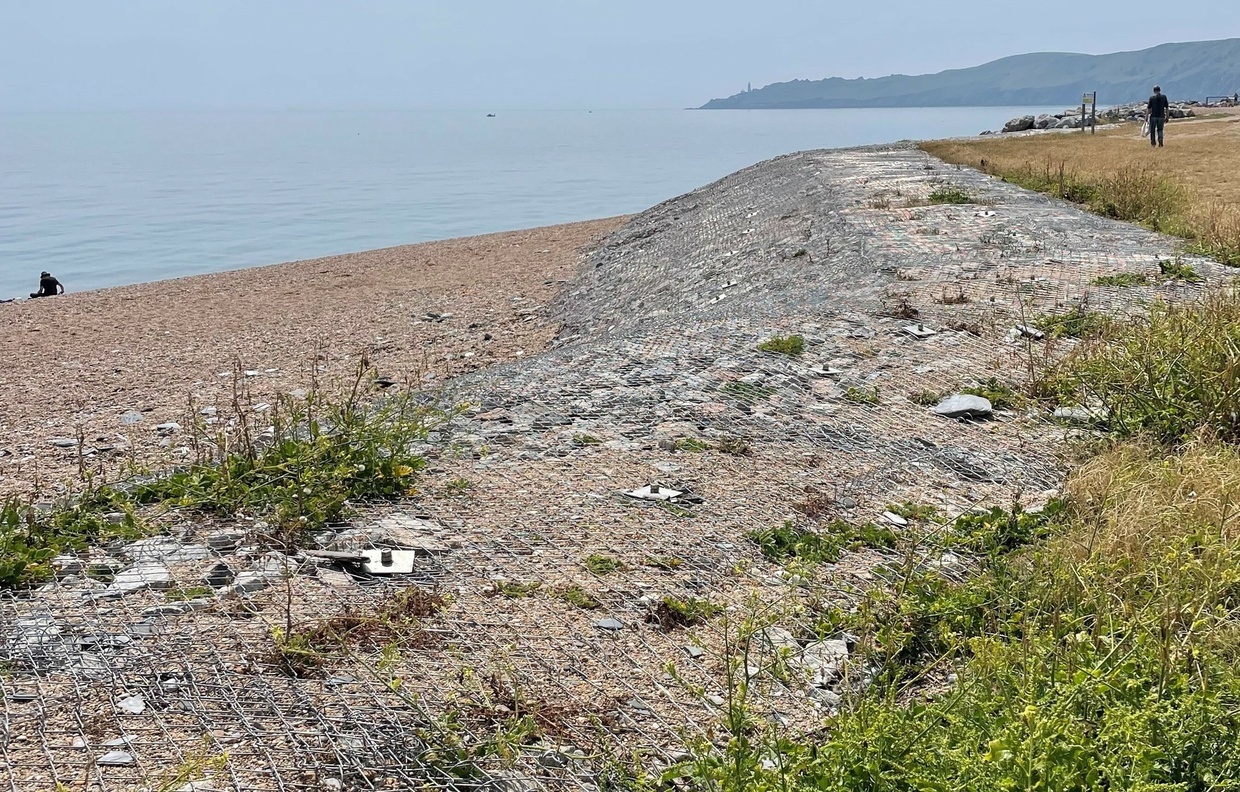
TECCO® CELL is an engineered solution for coastal protection, built from marine grade high tensile stainless-steel mesh, geotextile, and locally sourced rock fill. Together, these components form a porous revetment that stabilizes slopes and mitigates erosion. The system responds to beach geometry, tidal variations, and wave dynamics, while its flexible structure accommodates changing shoreline levels over time. Compared to conventional rock armor, the open structure of TECCO® CELL offers higher wave energy dissipation and reduced wave run-up. Stability is ensured by the interlocked cell compartments, which create a monolithic system. The modular design of TECCO® CELL is suitable for both small- and large-scale coastal projects. Stainless-steel materials guarantee durability under continuous wave exposure, making it effective for both temporary and permanent applications. In addition, the system can be adapted to site-specific needs, including beach access and the integration of vegetation. All components are non-toxic and recyclable, and the company also offers variants for fully submarine applications.
Technological maturity: Proven
Contracting type: For sale
Technology level: Medium
Place of origin: Switzerland
Availability: Worldwide
Contact: WIPO GREEN Database
Coastal erosion protection: Triton marine mattresses
Tensar

Tensar Triton marine mattresses are commonly used for revetment, scour protection and channel linings, especially in difficult conditions involving saltwater, soft soils or steep slopes. They come in different styles and thicknesses to meet various project needs. The mattresses are perfect for environments where erosion is high, such as areas with strong waves and fast-moving water, where geotextile fabric alone is unable to remain in place. The stones inside the mattresses provide ballast that helps the geotextile fabric remain secure. The mattresses serve two main functions: deploying geotextile in fast-moving water and protecting the foundations for armor stone riprap (a type of rock or other material that is placed along shorelines, riverbanks or on slopes to prevent erosion). Additionally, Triton mattresses are used in modular capping systems to treat contaminated sediment and can hold materials like sand or carbon for specific remediation needs.
Technological maturity: Proven
Contracting type: For sale
Technology level: Medium
Place of origin: United States
Availability: Worldwide
Contact: WIPO GREEN Database
Coastal erosion protection: Secumat Green mats
Naue
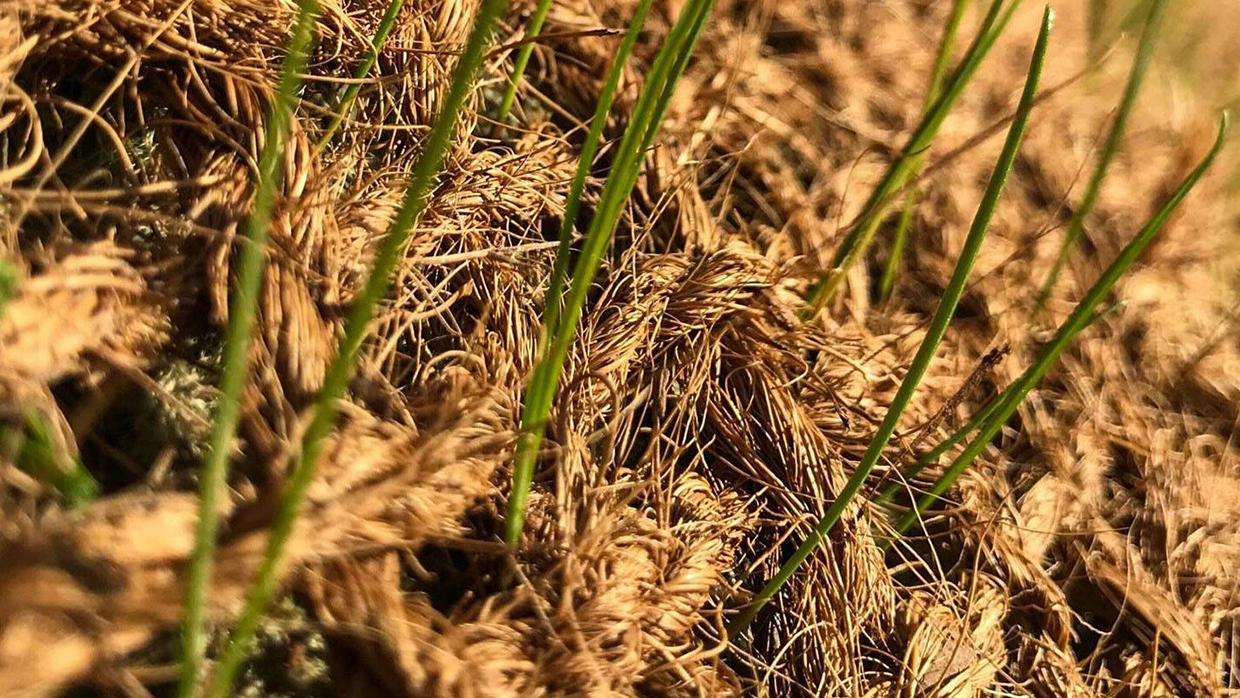
Secumat® Green mats, made from biodegradable materials like jute and coconut fibers, are designed to prevent surface erosion and enhance the stability of slopes and shoreline areas. They stabilize soil, preserve nutrients and promote vegetation growth, making them ideal for environmentally-sensitive areas. Easy to install, Secumat® Green decomposes naturally, leaving no ecological footprint, offering a sustainable solution for landscaping projects. Secumat® Green Jute N provides a temporary solution made from 100 percent untreated jute fibers. The mat is biodegradable and features a woven net. Secumat® Green Coco N is made from 100 percent untreated coir (coconut) fiber woven into a net. Secumat® Green PinW is a 30 cm wooden pin used for securing the mats, made from untreated, high-strength hardwood. Each variant offers a different tensile strength.
Technological maturity: Proven
Contracting type: For sale
Technology level: Medium
Place of origin: Germany
Availability: Worldwide
Contact: WIPO GREEN Database
Coastal erosion protection: split barge
Rohde Nielsen
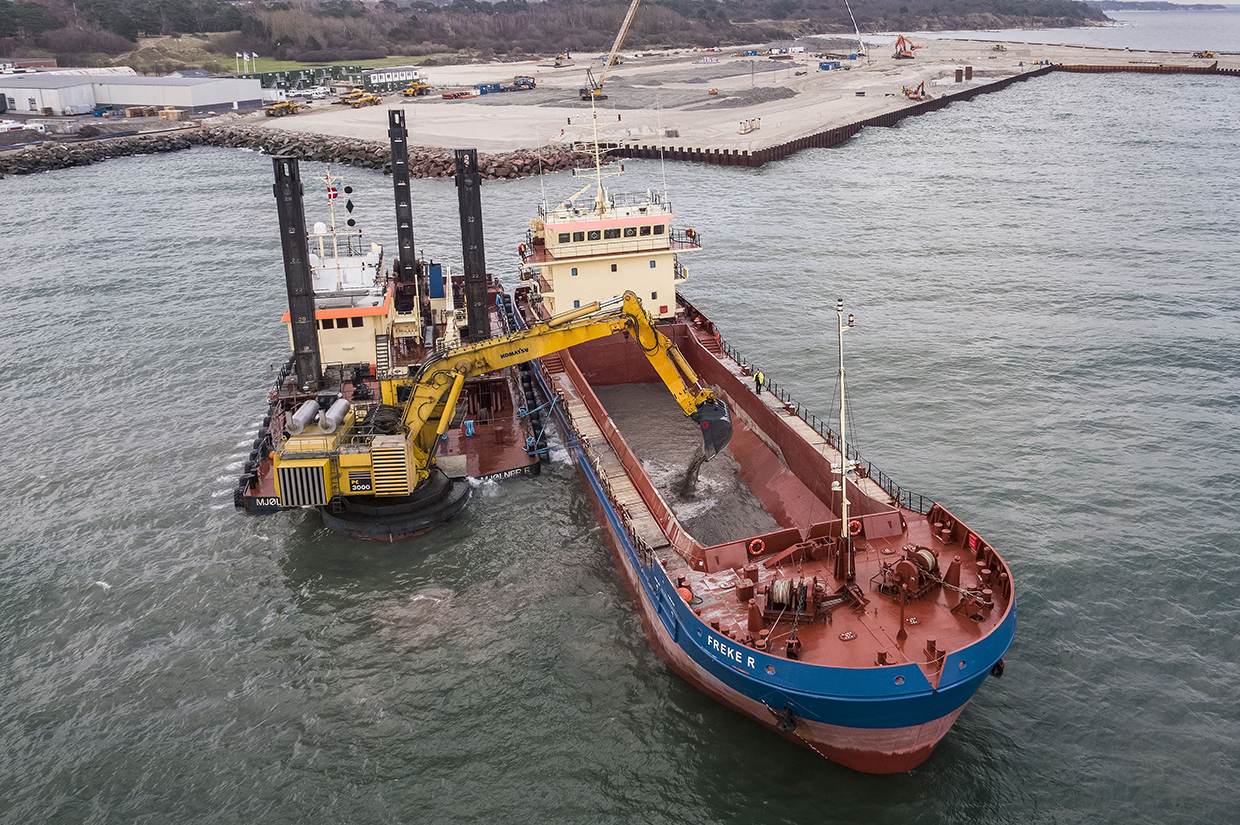
Most of Rohde Nielsen’s hopper barge vessels are self-propelled split hopper barges, built to transport materials like sand, silt and clay. Their split-hull design allows for rapid bottom discharge, unloading cargo within minutes and making them ideal for beach nourishment, land reclamation and offshore disposal. These barges provide continuous, reliable service to stationary dredgers, enhancing overall project efficiency. Additionally, polluting or sensitive materials can be safely managed using sealed tank barges, which ensures environmental protection during operations.
Technological maturity: Proven
Contracting type: For sale
Technology level: Medium
Place of origin: Denmark
Availability: Worldwide
Contact: WIPO GREEN Database
Slope stabilization/recovery: hydroseeding
GeoGrow

Hydroseeding is a process whereby a mixture of seeds, water, mulch and additives such as fertilizer or biostimulants are blended into a slurry and sprayed directly onto an area. This method combines high-performance, thermally-refined wood fiber, seeds, fertilizers and binding agents inside a hydroseeding machine to create a slurry that is then sprayed onto surfaces, so as to encourage rapid vegetation growth. Sometimes referred to as hydro-mulching, this technique ensures faster germination and establishment of plants by providing an ideal environment for seed growth. GeoGrow’s materials are 100 percent organic, biodegradable and non-toxic. Grass seed mixes that are appropriate for hydroseeding large open spaces and erosion control areas are available, including low-maintenance, shade and drought tolerant riverbank and wildflower mixes.
Technological maturity: Proven
Contracting type: For sale
Technology level: Medium
Place of origin: United Kingdom
Availability: Europe and United Kingdom
Contact: WIPO GREEN Database
Breakwater system: moveable flap gate-type breakwater system
Kanadevia
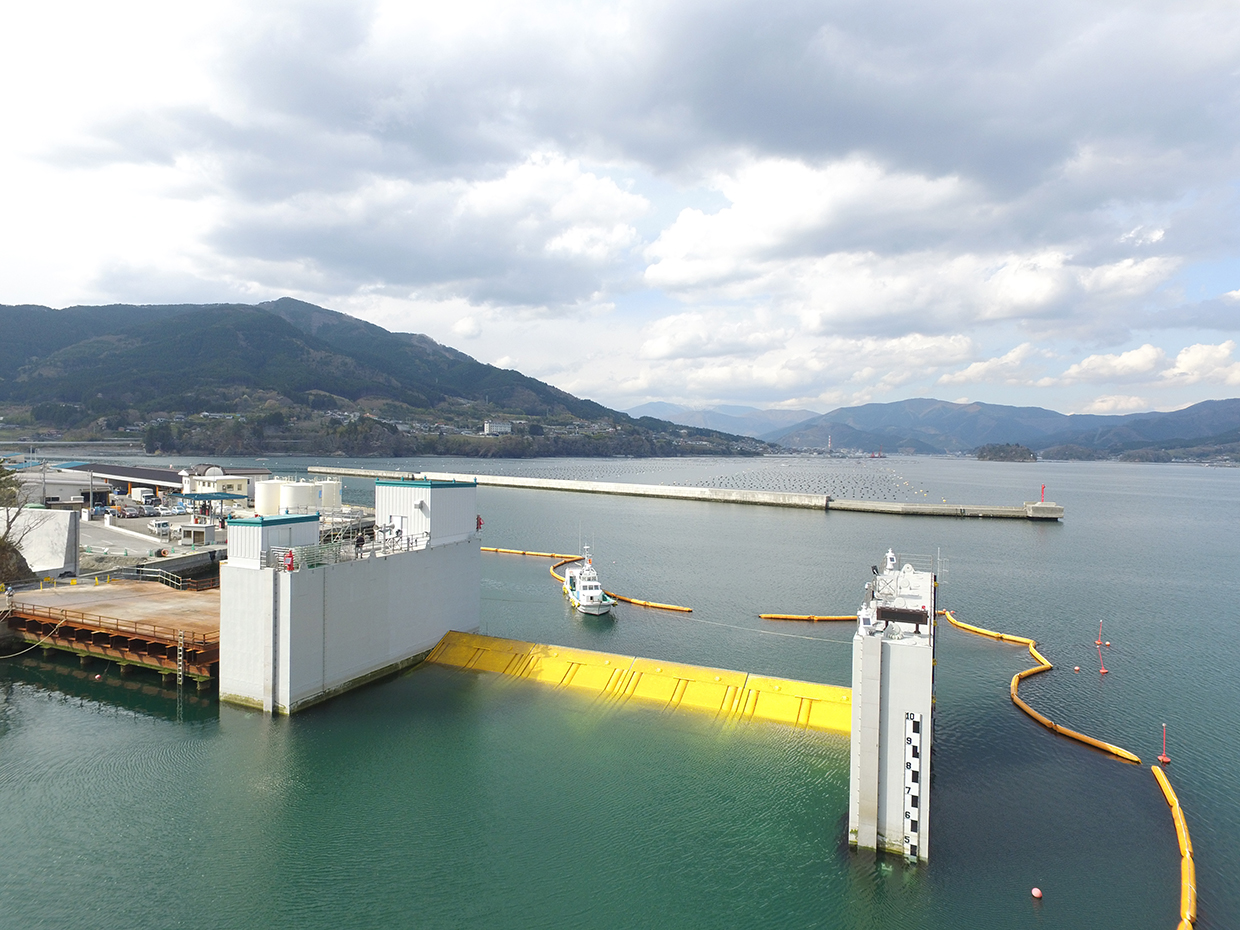
A movable flap-gate breakwater system is a dynamic coastal or harbor protection structure designed to reduce wave energy and protect shorelines, ports or harbors from wave impact. Unlike traditional fixed breakwaters, this system can be either adjusted or relocated to suit changing wave conditions. It can also be opened to allow ships to pass through or maintain natural tidal flows. The system is versatile and can be used on rivers, seabeds or as a land-based solution with the neo RiSe series. The series name, “neo RiSe®,” stands for “No Energy, No Operation, Rising Seawall,” a design that enables automatic gate closure during an emergency without the need for external power or human intervention, using buoyancy. The neo RiSe-A blends with building exteriors, while neo RiSe-L can be integrated into existing structures. The neo RiSe-SL Super Long Span Flap-gate Seawall offers continuous water retention over long distances.
Technological maturity: Proven
Contracting type: For sale
Technology level: High
Place of origin: Japan
Availability: Japan
Contact: WIPO GREEN Database
Frontier technology solutions
Coastal erosion mapping: topo-bathymetric laser scanning system with LiDAR
RIEGL
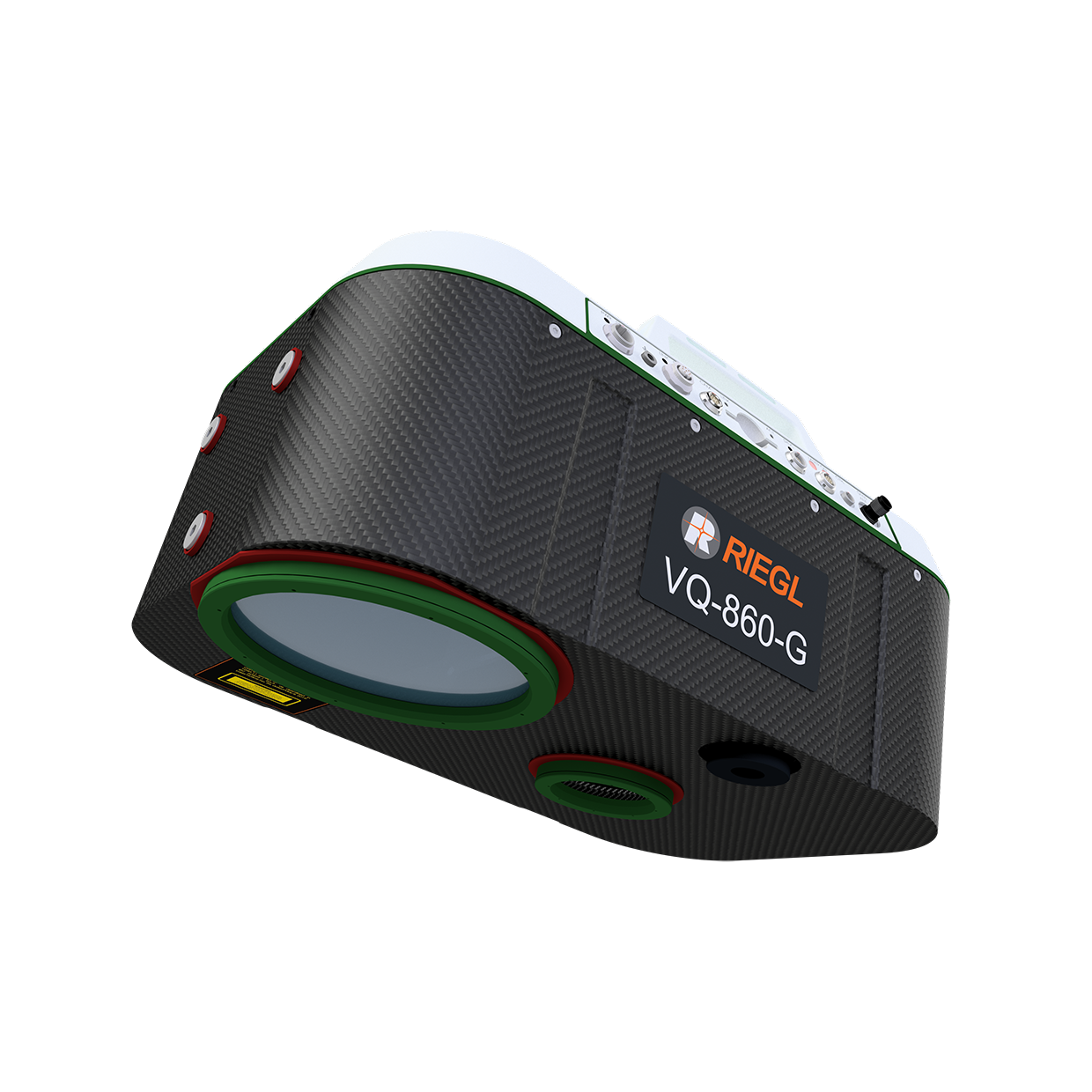
The RIEGL VQ-860-G is a lightweight topo-bathymetric laser scanning system designed for integration on crewed aircraft or drones. Providing up to 100 high-resolution scans per second at altitudes ranging from 75 to 300 meters, it maps both land and underwater topography for applications such as coastline cartography, river mapping, and detection of submerged and floating targets. The scanner can be optionally integrated with a factory-calibrated IMU/GNSS system and a digital camera to supplement the acquired data, and the system also features a reduced laser power mode for eye-safety during operation in sensitive areas. In addition to online echo waveform processing, the gathered data gets stored internally or on a removable storage card, enabling offline full waveform analysis.
Technological maturity: Frontier
Contracting type: For sale
Technology level: High
Place of origin: Germany
Availability: Worldwide
Contact: WIPO GREEN Database
Coastal erosion mapping: Mavic 3 Enterprise drone
DJI

Mavic 3 Enterprise Series drones are optimized for detailed land and coastal zone mapping. They feature a mechanical shutter, a 56× zoom camera, and an real-time kinematic (RTK) module for precise centimeter-level accuracy. The Mavic 3E model is designed to enhance mapping and mission efficiency. A thermal version is also available, making it suitable for search and rescue, inspections and nighttime operation. The Mavic 3E is equipped with a 20MP, wide-angle 4/3 CMOS sensor and a mechanical shutter to prevent motion blur. It supports rapid 0.7-second interval shooting, making mapping missions faster without the need for Ground Control Points. Its wide camera, with large 3.3 μm pixels and intelligent low-light mode, performs well in low-light conditions. With a 45-minute flight time, the Mavic 3E can cover up to 2 square kilometers in one flight, maximizing survey efficiency.
Technological maturity: Frontier
Contracting type: For sale
Technology level: High
Place of origin: China
Availability: Worldwide
Contact: WIPO GREEN Database
Coastal erosion mapping: DJI Terra software
DJI

DJI Terra is 3D modeling software that uses photogrammetry to create precise 2D and 3D reconstructions from visible light imagery and data processed through DJI LiDAR. It is fully compatible with DJI Enterprise drones, offering comprehensive solutions for various industries like land surveying, power transmission, emergency services and construction. The software enables the rapid generation of realistic 3D models and point clouds from photographs, with AI technology that automatically optimizes water surfaces in the models. DJI Terra can also produce vegetation index maps (e.g., normalized difference vegetation index (NDVI) and normalized difference red edge index (NDRE)) to assess plant growth and health. It supports radiometric correction (the process of adjusting raw data from an image to account for atmospheric conditions and sensor inconsistencies) and generates reflectance maps, ensuring accurate data for remote sensing research.
Technological maturity: Frontier
Contracting type: For sale
Technology level: High
Place of origin: China
Availability: Worldwide
Contact: WIPO GREEN Database
Coastal erosion protection: 3D living seawalls, kind tiles and living shorelines
KindDesigns
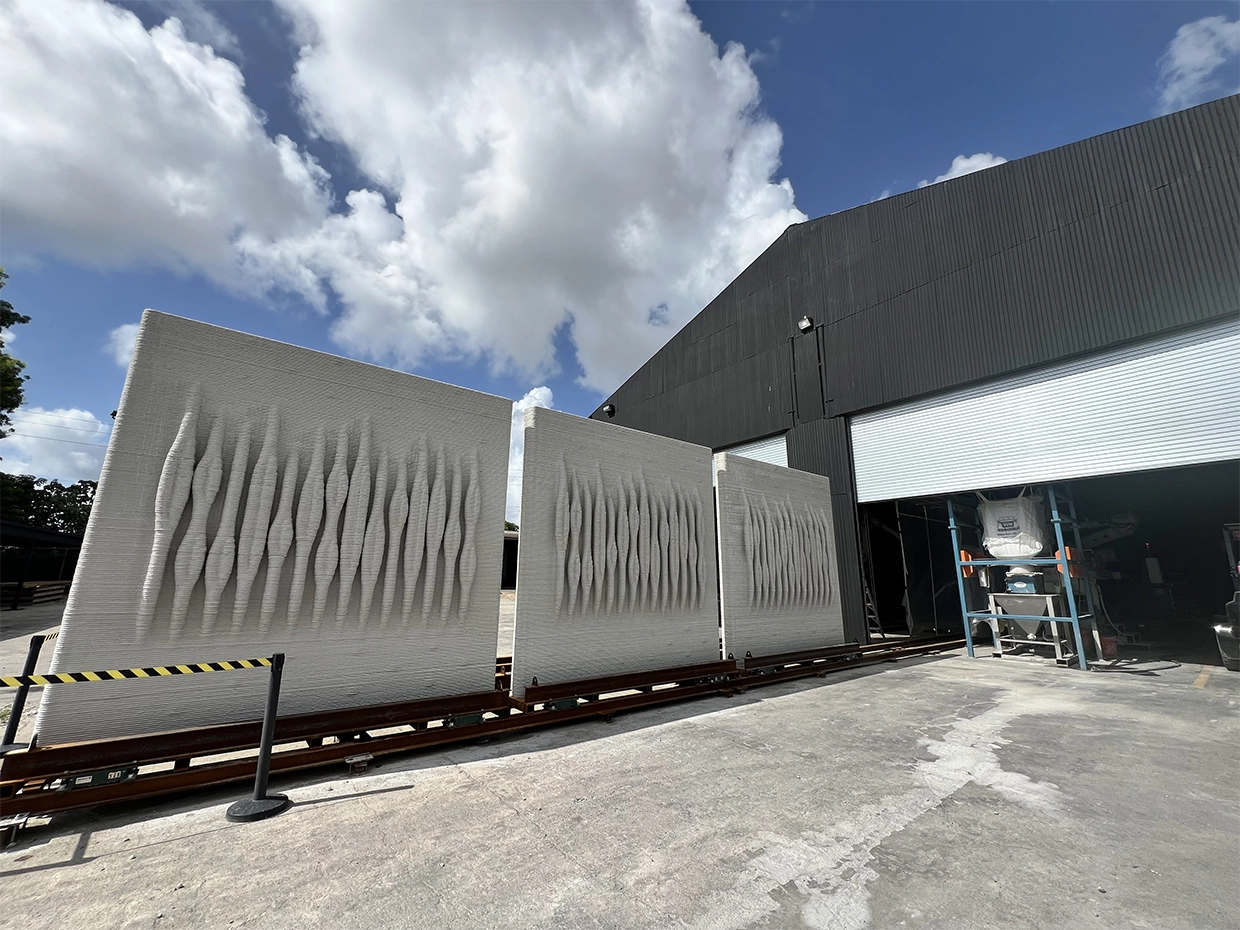
KindDesigns develops sustainable coastal infrastructure solutions using cutting-edge robotics and advanced materials. The technology includes high-resolution 3D concrete printers that enable on-site, custom designs to be printed 20 times faster than traditional construction methods. The materials used are marine-grade concrete and custom reinforcement, which are eco-friendly, non-toxic and pH-neutral, ensuring safety for marine ecosystems. KindDesigns offers over 1,000 custom 3D-printed designs to improve coastal infrastructure. Their Kind Tiles™ can be added to any existing seawall (concrete, steel or vinyl) to dissipate wave energy, promote species colonization and enhance water quality by supporting marine life attachment.
Technological maturity: Frontier
Contracting type: For sale
Technology level: Medium
Place of origin: United States
Availability: United States
Contact: WIPO GREEN Database
Coastal erosion protection: smart seawall aquatic and wave diversion models
Smart Seawall Technologies
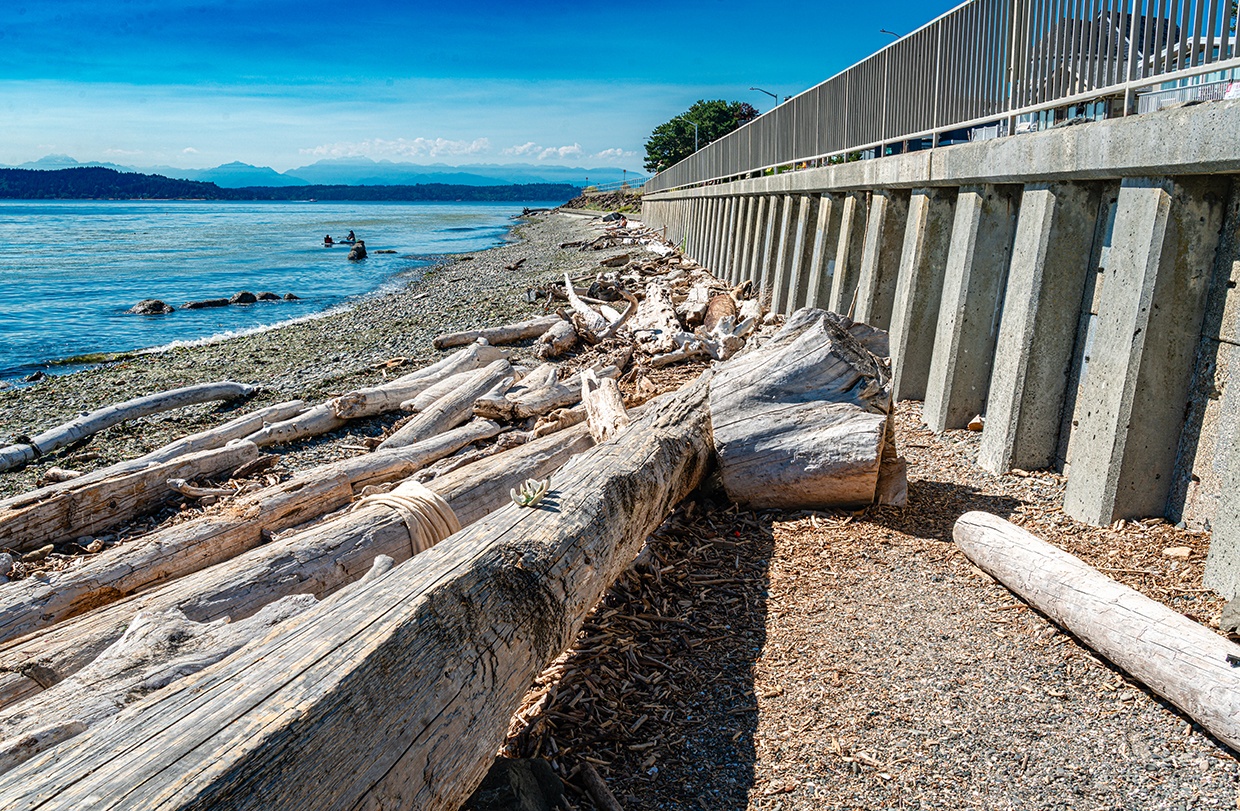
Smart Seawall’s patented wave diversion shoreline technology and solutions integrate utilities, enhance aquatic habitats and provide luxurious waterfront options for municipalities and residential areas. All Smart Seawall models are suitable for both intercoastal and coastal locations, and designed for private, commercial and governmental projects. The aquatic and wave diversion series incorporates aquatic features to support native marine life. The aquatic series is ideal for calmer waters, such as bays and canals, and provides a range of options such as full frontage seawalls, permanent dock systems, floating dock systems and single pylons for anchorage. The wave diversion series is designed for more turbulent areas with larger waves and uses proprietary technology to divert up to 70 percent of wave energy back into the water. The system is customizable and adaptable to any coastline.
Technological maturity: Frontier
Contracting type: For sale
Technology level: High
Place of origin: Germany
Availability: Worldwide
Contact: WIPO GREEN Database
Coastal erosion protection: software for erosion control planning
Maccaferri
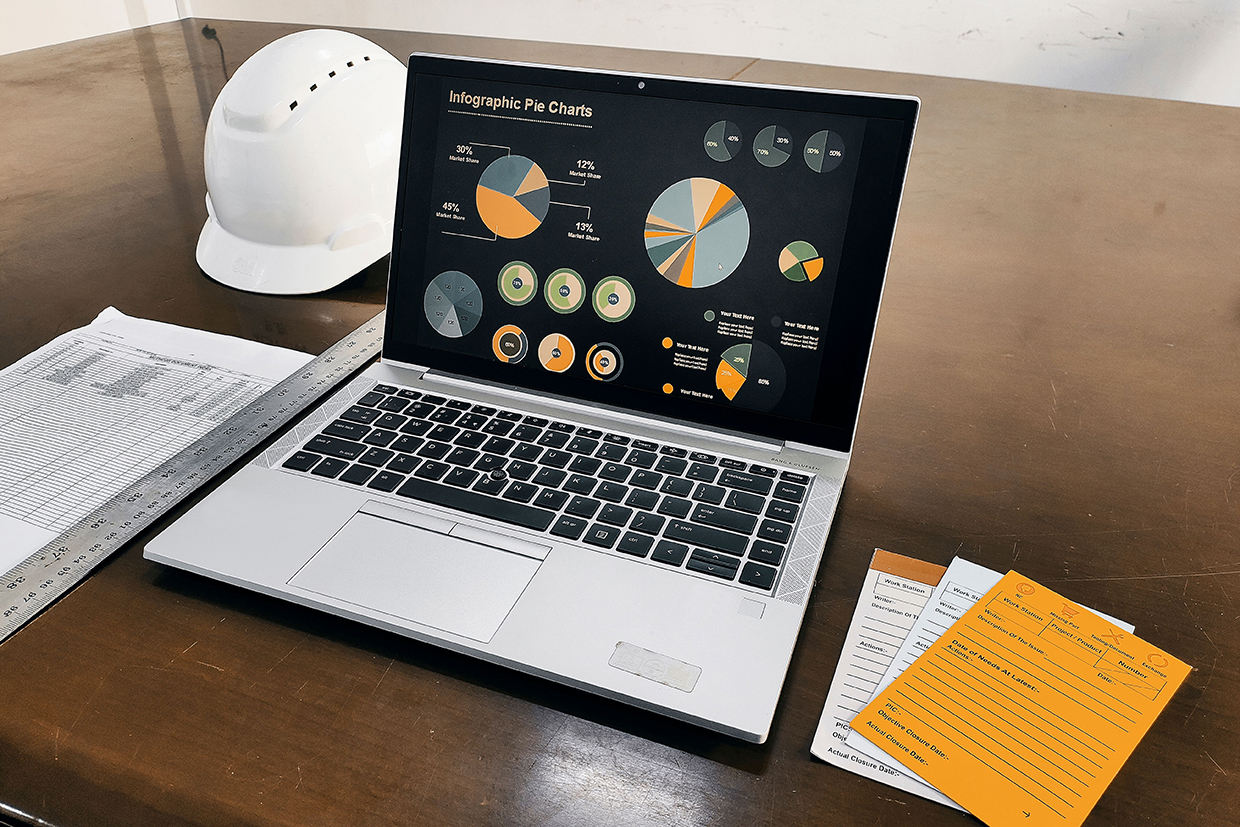
Maccaferri’s software programs are designed to support engineering solutions and design processes. Newer tools, such as MAC.R.O. (Maccaferri Automatic Calculation of Rockfall) and Maccaferri Slope Stability Software, were developed to provide engineers with advanced, user-friendly platforms for analyzing and designing solutions for geotechnical, hydraulic and erosion control challenges. Several different downloadable design software programs are available, including MACFLOW Studio for the design of effective drainage solutions, MACREAD AASHTO for the design of flexible pavement layers, MACREAD Studio for the design of road subgrade stabilization solutions, MacStars 4.0 for the design of reinforced soil slopes, walls and complex hybrid structures, and GAWAC for the design of gabion retaining walls.
Technological maturity: Frontier
Contracting type: For sale
Technology level: High
Place of origin: Italy
Availability: Worldwide
Contact: WIPO GREEN Database
Coastal erosion protection: soil and water treatment
Planet Horizons Technologies SA

AQUA4D® is an advanced water treatment technology using resonance fields to alter the physical structure of water molecules. This process improves water’s interaction with soil by dissolving crystallized salts that block soil pores, addressing salinity issues common in agriculture. By opening these pores, AQUA4D® increases soil moisture retention, reduces the need for frequent irrigation, and enhances nutrient uptake and root development. The treatment also helps leach harmful salts away from plant roots, thereby regenerating soils and promoting healthier crop growth.
Technological maturity: Frontier
Contracting type: For sale
Technology level: Medium
Place of origin: Switzerland
Availability: Europe, North America, South America
Contact: WIPO GREEN Database
Coastal restoration: multidisciplinary program on restoration and regeneration
BESE and Blue Carbon Lab

Regenerating Our Coasts is a program that tests biodegradable structures to help restore coastal areas and explore their potential across Australia. The program also aims to educate the public, stakeholders and industry on the benefits of such restoration techniques for local ecosystems. It has trialed direct seeding into BESE-elements® structures, which are 3D lattice forms made from biodegradable potato starch that degrade within 2–10 years. These structures mimic coastal soil conditions, slow down water movement and aid seeds in establishing roots. The program is now testing seagrass seed injection into such structures in order to restore intertidal seagrass in lost areas. It also uses wave sensors to monitor environmental factors, such as wave energy, sediment and elevation, which affect plant growth. Ongoing data collection helps compare plant and soil responses to different restoration methods.
Technological maturity: Frontier
Contracting type: For collaboration
Technology level: Medium
Place of origin: Kingdom of the Netherlands
Availability: Worldwide
Contact: WIPO GREEN Database
Artificial reefs: modular breakwater units
Reefy

Reefy’s Reef Enhancing Breakwater (REB) is a modular artificial reef system built from large interlocking concrete ReefBlocks. The structure dissipates wave energy, providing erosion control and protecting shorelines and infrastructure such as dikes and seawalls. The blocks are assembled underwater, forming a stable breakwater that allows controlled return flow through the structure for sediment stabilization. The system was tested in wave flume experiments at Deltares, where it dissipated up to 90% of wave energy under hurricane conditions. In 2023, Reefy installed a REB system in Rotterdam as part of a pilot project. It was monitored for engineering and ecological performance and the findings validated the design. The next-generation ReefBlocks feature a fully textured surface and optimized hydrodynamics, with installations planned for late 2025 and early 2026.
Technological maturity: Frontier
Contracting type: For sale
Technology level: Medium
Place of origin: Kingdom of the Netherlands
Availability: Worldwide
Contact: WIPO GREEN Database
Horizon technology solutions
Artificial reefs: architected wave-breaking reefs
Massachusetts Institute of Technology (MIT)
.jpg)
A team from MIT is developing “architected” reefs – offshore structures designed to mimic the wave-buffering effects of natural reefs, while creating habitats for marine life. These reefs feature cylindrical cores surrounded by slats that break incoming waves into turbulent jets, thereby dissipating their energy. The new design could reduce wave energy as effectively as current artificial reefs using 10 times less material. The team plans to use sustainable cement molded into “voxel” patterns to create these cylinders, which can be easily assembled. The cylinders can form a semi-permeable wall about half a mile off the coast, offering pockets for fish and marine species to inhabit. Early lab-scale tests show that this reef could reduce wave energy by over 95 percent.
Technological maturity: Horizon
Contracting type: Under development
Technology level: High
Place of origin: United States
Availability: N/A
Contact: WIPO GREEN Database
Artificial reefs: carbon neutral artificial reef structures
Holcim

Xstone is Holcim’s modular concrete armor block designed to support coastal defense systems such as groynes and embankments. The blocks are porous and reduce the force of incoming waves, helping reduce scouring and erosion as water levels rise. Their shape and textured surface provide habitat and sheltered zones for marine organisms, allowing the Xstone to double as an artificial reef structure. In 2025, Holcim initiated a multi-year program piloting a new, carbon-neutral Xstone made using bioactive concrete and biochar. Around 400 Xstones were installed to establish an artificial reef at the Friedrichsort pier in Germany. The program will monitor the Xstones performance in terms of marine conservation and compare it with other material installed simultaneously at the same site.
Technological maturity: Horizon
Contracting type: For collaboration
Technology level: Medium
Place of origin: Germany
Availability: Germany
Contact: WIPO GREEN Database
Artificial reefs: breakwater structures made from local silt
NETICS

GEOWALL® Reef Blocks are made from locally sourced dredged sediment compressed to form solid units of substrate for marine life attachment. Each block consists of about 90% dredged material and is produced on-site using the electric GEOWALL® press, reducing the need for material transport and providing a low-carbon alternative to conventional concrete reef units. In 2021, NETICS initiated a five-year trial with the Royal Netherlands Institute for Sea Research and the University of Groningen, installing 400 GEOWALL® Reef Blocks made from local sediment along the coast between Delfzijl and Eemshaven in the Netherlands. The trial investigates how these blocks perform under tidal and saline conditions, and whether they provide suitable habitat for oysters, mussels, and other marine species. The project hopes to improve the water quality by supporting water-filtering fauna while simultaneously preventing sediment scouring with the blocks acting as breakwaters. The blocks were installed at different heights and compressed to varying hardness levels to compare durability and colonization rates.
Technological maturity: Horizon
Contracting type: For collaboration
Technology level: Medium
Place of origin: Kingdom of the Netherlands
Availability: Kingdom of the Netherlands
Contact: WIPO GREEN Database
Artificial reefs: 3D-printed reef structures made from invasive algae-based ceramic material
Thrasos 3D

Domosfera is a modular 3D-printed reef structure made from clay and converted sargassum waste, an invasive algae in the Caribbean Sea. The material is carbon-negative, removing 476 kilograms of CO₂e per square meter, and is produced through a low-energy sintering process. The structures provide surfaces for coral polyps to colonize and chemically attract coralline algae to settle, while dissipating up to 50 percent of wave energy and protecting coastal communities from erosion. The surface is algae-resistant, helping increase coral survival by up to 85 percent during bleaching events compared to concrete structures. The structures use a mussel-inspired, coral-safe adhesive that has kept coral fragments intact during seismic activity while giving the modules a natural appearance. In collaboration with the Cozumel Coral Reef Restoration Program and commercial partners - local dive shops, resort operators, and ceramic industry players - Thrasos 3D deployed pilot installations off the coast of Cozumel, Mexico.
Technological maturity: Horizon
Contracting type: For collaboration
Technology level: Medium
Place of origin: Mexico
Availability: Mexico
Contact: WIPO GREEN Database https://wipogreen.wipo.int/wipogreen-database/articles/177301
Coastal protection: coastal carbon capture with carbon-removing sand
Vesta

Vesta is developing "Coastal Carbon Capture", a solution that accelerates the natural weathering of olivine to remove carbon dioxide from the atmosphere and has the added benefit of counteracting coastal erosion. By placing olivine sand in coastal waters, the sand gradually dissolves over the course of years to decades, increasing ocean alkalinity, reducing seawater acidity, and permanently storing CO₂. Vesta has conducted field pilots in the United States, placing up to 7,000 cubic yards of olivine sand in intertidal and nearshore zones. The projects are monitored by independent research organizations, with data collected on water quality, sediment, marine organisms, and carbon removal efficiency.
Technological maturity: Horizon
Contracting type: For collaboration
Technology level: Medium
Place of origin: United States
Availability: United States
Contact: WIPO GREEN Database https://wipogreen.wipo.int/wipogreen-database/articles/177301