“We do not need to wait for the perfect IP finance system before we start financing IP.” That was WIPO Director General Daren Tang’s message as he opened the fourth IP Finance Dialogue.
At the event, a Malaysian lender shared how it assessed IP (intellectual property) before approving 10 million Malaysian ringgit in financing for two businesses. Cirque du Soleil described how it used its brand and the rights to its shows to raise funds.
The Dialogue took place in Geneva and online on November 24, 2026, including business leaders, lenders, investors, policymakers and valuation professionals. This year’s theme was Banking on Intangibles: From Valuation to Financing.
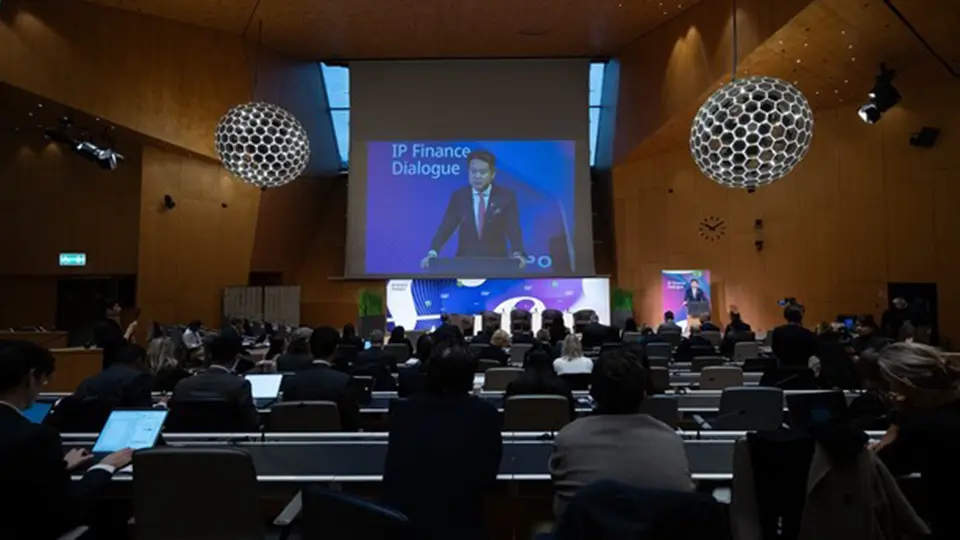
“Markets are built transaction by transaction,” Tang said. To banks and investors, his message was to “do the first deal. Start with a transaction you understand. Manage the risk. Learn from it. Then do the second deal.”
Tang called on valuers and standard setters to make valuations consistent, credible and affordable. He urged governments and institutions to support early deals through pilots and, where appropriate, targeted guarantees or co-financing. He asked businesses to “make your intangible assets visible” and be ready to explain how they create value.
How IP-backed lending can support business growth
Malaysian Industrial Development Finance Berhad (MIDF) approved the financing through a joint pilot with WIPO. In reviewing the two applications, MIDF considered both the value of each company’s IP and how the company used it. That can make a difference for companies whose technology or brands generate revenue and which have little property or equipment to offer as collateral.
In a video address, María Luisa Hayem Brevé, Minister of the Economy of El Salvador, said businesses in the country’s aeronautics, pharmaceutical and consumer goods sectors had already used trademarks and patents as collateral.
Kim Yong Sun, Minister of Intellectual Property of the Republic of Korea, said in a video address that IP-backed loans, guarantees and investments in the country totaled about USD 10 billion at the end of June 2026. “In fact, in Korea, approximately 80% of companies that have received IP-backed loans have relatively low credit ratings of BB+, or below,” he said.
Financing creativity at Cirque du Soleil
When Cirque du Soleil’s live shows stopped in March 2020, so did its ticket revenue. Daniel Lamarre, Executive Vice Chairman of the Board of Cirque du Soleil Entertainment Group, asked the audience to imagine the pitch to lenders: “We have no show anymore. We have no revenue. And by the way, we need $350 million to relaunch the company.”
Cirque du Soleil launched Cirque Connect while its theatres were closed, sharing clips from its shows, behind-the-scenes footage and interviews. Lamarre said it reached more than 70 million people in a few months. He pointed to that audience in talks with lenders as evidence that people still wanted to see Cirque du Soleil return.
“It says a lot about the importance of a brand. It says a lot about the importance of intellectual property. Because that is exactly what saved the company,” Lamarre said.

WIPO’s Action Plan on IP Finance
WIPO Assistant Director General Andrew Staines and IP Finance and Valuation Specialist Michael Kos presented WIPO’s Action Plan on IP Finance, which aims to help more businesses use their IP to access financing. Kos explained that many innovative and creative businesses derive most of their value from what they know and build rather than from physical assets, but the banking system is not always equipped to recognize that value. In his closing remarks, Staines said: “The success of IP finance will not be measured by how much we discuss this potential, but by how effectively businesses and creators can use their intangible assets to access the finance that they need to grow.”
Under the Action Plan, WIPO documents how different countries approach IP finance, publishes practical guides for businesses and lenders, and works with financial institutions to test these approaches. Pilot projects in Malaysia and Colombia examine how lenders can take a company’s IP into account when deciding whether to approve a loan.
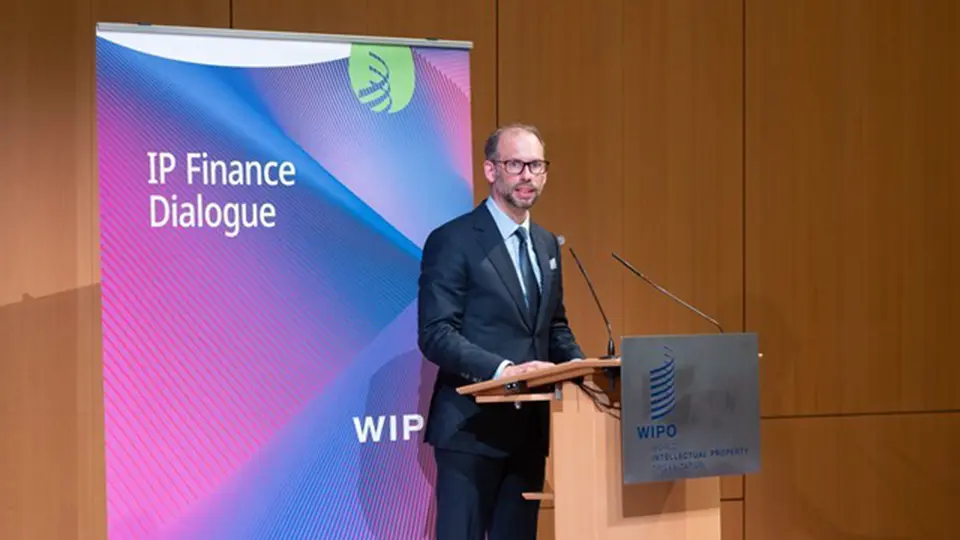
The Dialogue also examined what makes an IP valuation useful to lenders. For example, if a valuation draws on royalty rates from other licensing agreements, a lender needs to know how comparable those agreements are before deciding how much weight to give the estimate.
The event announced a pilot with the Hungarian Intellectual Property Office and the Budapest Stock Exchange to explore how companies can give investors clearer information about intangible assets such as brands and technology. The discussion on financial reporting offered a practical example. A company that licenses its technology can explain how those rights generate revenue and how long it expects that income to continue.
Explore the 2026 IP Finance Dialogue and learn more about WIPO’s work on IP finance