政策可以如何改变创新方向

2021年6月8日

2021年6月8日 ・ 4 minutes reading time

#
图:Getty Images Plus/E+/Sanjeri

政府政策可以影响创新活动的速率,并在一定程度上影响其方向。其中一些政策,如研发税收优惠、知识产权保护等,能够鼓励创新。

还有一些旨在实现创新相关目标以外的合理社会目标的政策和法规,可能会对创新活动产生意想不到的影响。其中一些政策和法规可能会减缓创新活动的速率或将其转移到其他地方。

当政策造成意想不到的结果

20世纪90年代初,少数欧洲国家处于转基因作物创新的最前沿。随着转基因作物开始商业化生产和销售,欧洲的消费者群体开始反对转基因作物,这是一个独立存在但又与之相关的问题。这一群体关注的是转基因作物的潜在不利影响。随后,欧洲的预防原则生效,这改变了欧洲在该技术领域的创新格局。

20世纪90年代中期,欧洲联盟(欧盟)实施了一项措施,实际上暂停了转基因植物的生产。该措施对新转基因作物的田间试验如何进行,这些作物如何种植、进口和使用、进行标识以及最终出售以供消费,均制定了具体要求。这项旨在保障消费者福利的规定,在其出台之后似乎使该地区的相关专利申请放缓。

欧盟最近的一项决定对使用CRIPSR-Cas9技术生产的转基因作物与传统转基因生物的等同性作出了裁决。这一决定可能对欧洲大陆的农业生物技术研究和开发产生了进一步的寒蝉效应。

1970年-2016年植物生物技术专利申请总量
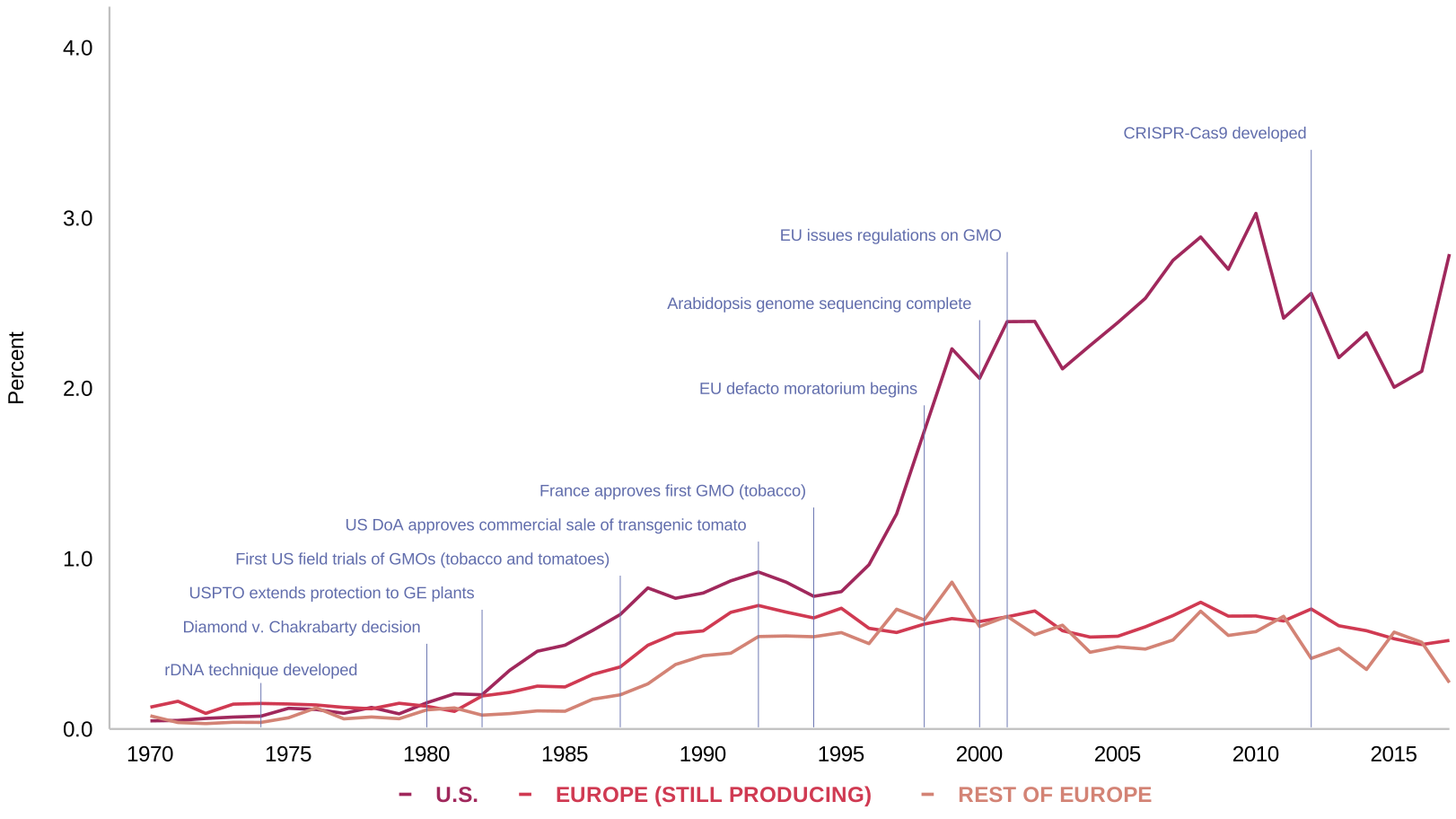
Slowdown in the patent filing activities from European crop

来源:产权组织,基于 《2019年世界知识产权报告》中的数据

此图显示了美国和几个欧洲国家的农业生物技术专利占专利申请总量的比例。自20世纪80年代起,该行业的专利申请份额一直比美国和欧盟28国的平均申请量增长得快。然而,从1995年开始,美国和欧盟28国在此方面的专利申请增长率之间差距越来越大。在没有进一步研究的情况下,很难断定这是否是由欧洲实际上的暂停措施造成的。但自1998年以来,欧盟28国在该技术领域的专利申请增长率相对慢于其总体专利申请增长率。

这对进一步创新而言意味着什么?

旨在解决特定社会问题的政策可能会如何影响创新,最初很难确定。并不是说政府不该制定政策来保护其公民。而是政府应意识到其政策可能对本国创新活动产生的潜在影响,从而减轻潜在的不利影响。

相关资源

创新版图

本地创新的全球网络

Disclaimer: The short posts and articles included in the Innovation Economics Themes Series typically report on research in progress and are circulated in a timely manner for discussion and comment. The views expressed in them are those of the authors and do not necessarily reflect those of WIPO or its Member States. ​​​​​​​

Related stories

Finding Marie Curies: Steps Towards a More Inclusive Innovation and IP ecosystem

Insights from Prof. Myriam Mariani’s keynote lecture

Build Your Own Innovation Capabilities Studies

Researchers worldwide can now conduct their own in-depth innovation studies using the data behind the Innovation Capabilities Outlook enabling custom economy and industry analysis that was previously difficult to access.

Most Economies Are Missing Hundreds of Thousands of Innovation Opportunities

While global innovation capacity reaches unprecedented levels, most economies struggle to harness their potential, missing massive opportunities for local innovations.

Rethinking Innovation: How Economic Complexity Theory Reveals New Pathways to Growth

Harvard economist Ricardo Hausmann explains why traditional economic models miss the mark on innovation policy – and offers a framework that could transform how countries build competitive advantages in the global knowledge economy.