
Energy production is a significant water consumer. The global energy sector accounted for approximately 10% of total global freshwater withdrawals in 2021, equating to around 370 billion cubic meters (
The Asia-Pacific region is predominantly water-stressed
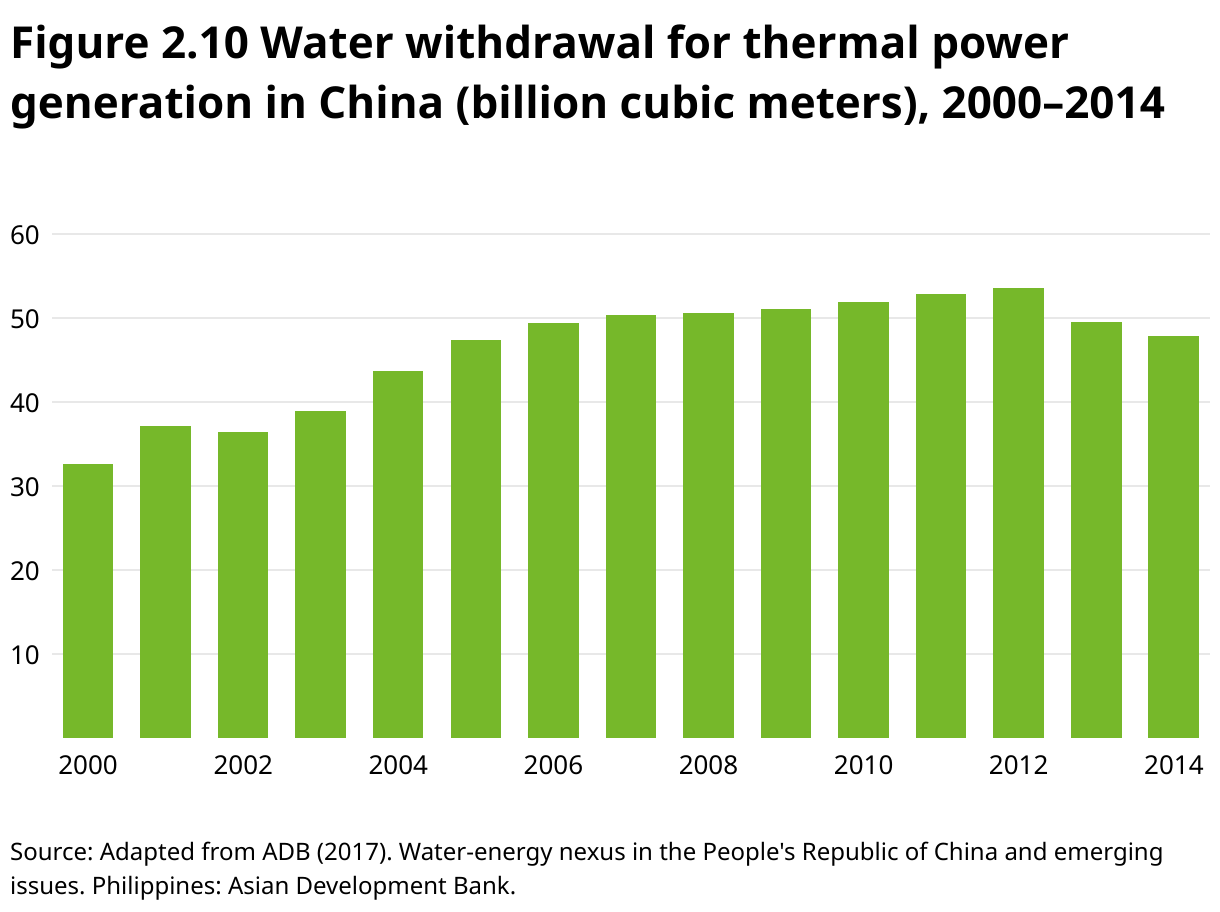
Asia is also home to more than a third of the world’s total hydropower generation, led by China, India and Japan. Unlike thermal plants, hydropower plants do not directly consume water. They are dependent on reliable water flow and are therefore highly vulnerable to changes therein, for example from climate change and competing uses of water.
Given this context, the energy sector is projected to use an increasing share of available water resources in the region, while competing demands for freshwater continue to rise due to growing population, urbanization and water-intensive agriculture. More than 75% of Asia experiences water insecurity, with climate change further exacerbating the situation
Utilizing the most energy-efficient equipment in water supply systems is essential for conserving both water and energy, as water extraction and distribution can account for up to 65% of the total energy used in the urban water cycle (
Water innovation is crucial in the Pacific region as well where limited access to piped water and high costs make affordability a major challenge. In Papua New Guinea, only 9% and in the Marshall Islands, 3% have access to piped drinking water (
Technological development and trends
Saving water and energy by reducing non-revenue water in urban supply systems
Moving water requires a lot of energy because it is heavy and cannot be compressed like gas. Water utilities primarily use energy to power pumps to transport water through pipes, lift it to higher elevations and force it through treatment systems to supply consumers with clean water. However many cities in Southeast Asia lack good infrastructure for water supply and distribution systems
Advanced technologies for managing water pressure and detecting leaks include smart pressure-reducing valves (PRVs) and smart water meters equipped with IoT technology such as digital sensors, real-time data analytics, remote communication and automation to optimize water management. They provide real-time alerts when abnormal water flow occurs, signaling potential leaks, and can be remotely monitored and controlled to reduce water loss and improve efficiency. Additionally, ultrasonic flow meters detect sudden changes in water flow using sound waves, while transient pressure
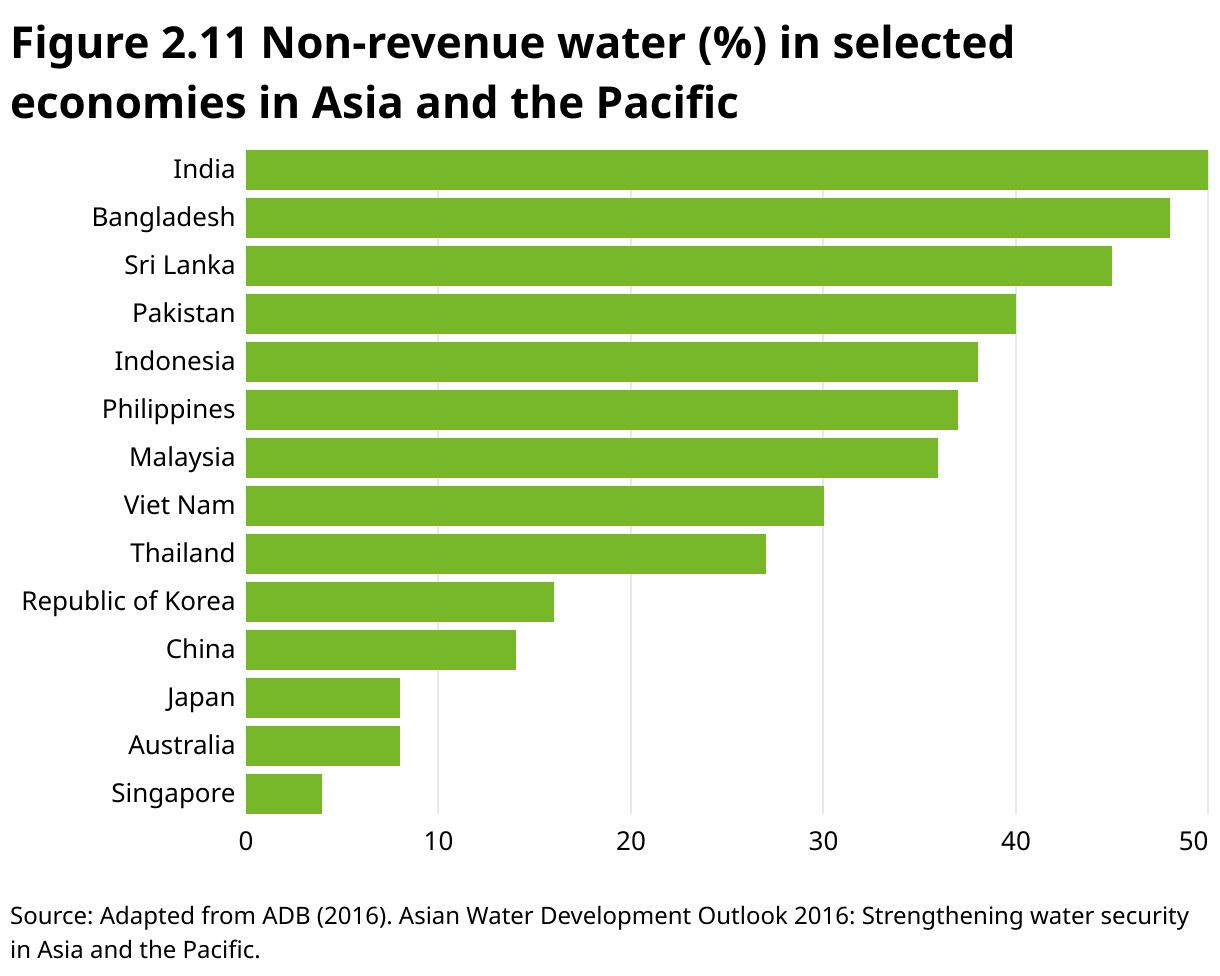
Aging infrastructure and rising water leakage are also major issues in Pacific regions like Australia and New Zealand, where much of the infrastructure is over 50 years old. With prolonged droughts stressing municipal water supplies, cities like Sydney lose billions of liters annually due to NRW, while in Wellington, over half of the pipes need replacement (
Apart from the leakages, greater challenges of NRW lie in illegal connections, water theft, metering inaccuracies and inefficient billing systems, which make up 50% to 65% of NRW in Asia
Low service coverage often goes hand in hand with high NRW
Energy-efficient motors, pumps and aerators for water supply and treatment
Advanced motor technology with higher torque and power density can reduce energy losses by nearly half compared to traditional motors (
Simpler ways to manage water flow while saving energy involve replacing old suction and discharge pipes. This reduces resistance, allowing for smoother water flow and making pumps work less, which saves energy. Retrofitting pumping stations with gravity-fed systems can also minimize energy use by letting water flow downhill with little need for pumps. Additionally, optimizing operations – like shifting pumping to off-peak hours and upgrading facilities with energy-saving measures (efficient lighting, ventilation, insulation) – improves energy efficiency in urban water supply systems.
Electric motors are highly durable, with a typical lifespan of 12 to 20 years, depending on their power range (from small 1–7.5 kW to large 75–375 kW motors). This longevity, along with the tendency to stock reserve motors, has slowed the adoption of modern, energy-efficient technologies. The International Electrotechnical Commission (IEC) standards classify motor efficiency from IE1 (Standard) to IE5 (Ultra-Premium). High-efficiency motors, such as IE4 and IE5, include standard induction motors, permanent magnet synchronous motors and synchronous reluctance motors. Additional measures, such as avoiding motor oversizing, utilizing advanced controls (like torque control and VSDs), integrating digitalization and optimizing system components (e.g., pumps, fans, compressors), can boost efficiency. VSDs and high-efficiency motors can reduce energy consumption by 25% to 30% in clean water, desalination and wastewater processes, while digital solutions can save 10% to 20% in wastewater treatment. UNEP’s “United for Efficiency” guidelines help governments develop frameworks to improve motor system efficiency, including incentive programs and energy performance standard.
Source: UNEPCCC (2023).
Energy-efficient aeration is crucial for effective wastewater treatment
In traditional wastewater treatment plants (WWTPs), the aeration process accounts for nearly 60% of the facility’s total energy consumption (
In China and Japan, membrane bioreactors (MBRs) are being increasingly adopted in urban environments to improve wastewater management and water recycling. Membrane Aerated Biofilm Reactors (MABRs) offer an energy-efficient solution by delivering oxygen directly to bacteria through a gas-permeable membrane, which allows for more efficient oxygen usage in biological processes. See also Green Technology Book adaptation and energy editions for more details. Additionally, anaerobic membrane bioreactors (AnMBR) work without aeration, which reduces energy use; they also produce biogas as a potential energy source. Advanced technologies like high-speed blowers further optimize energy usage in water treatment systems by improving the efficiency of the aeration process. Countries like China and Japan are already adopting this technology. More details are in the technology solutions section.
Advancing desalination technologies in Asia to tackle water scarcity
By 2050, over half of the world’s population are projected to live in water-scarce regions, with Asia accounting for 73% of those affected (
Asia already accounts for a significant share of global desalination capacity
Desalination energy demand varies by technology (Table 2.1). Reverse osmosis (RO), currently the most energy-efficient desalination technology, consumes 1 kWh to 8.5 kWh of electricity per cubic meter of treated water. It uses a high-pressure pump to force the water through a semi-permeable membrane at a pressure greater than the natural osmotic pressure, allowing only water molecules to pass while blocking most salts and impurities. In contrast, thermal desalination uses 70 MJ to 280 MJ of thermal energy (mainly from fossil fuels) and 1 kWh to 5 kWh of electricity per cubic meter of treated water, to evaporate seawater and run other components like pumps, fans etc.
Countries like China, India and Singapore are at the forefront of advancing RO membrane technologies, which is the primary option for the new desalination plants (
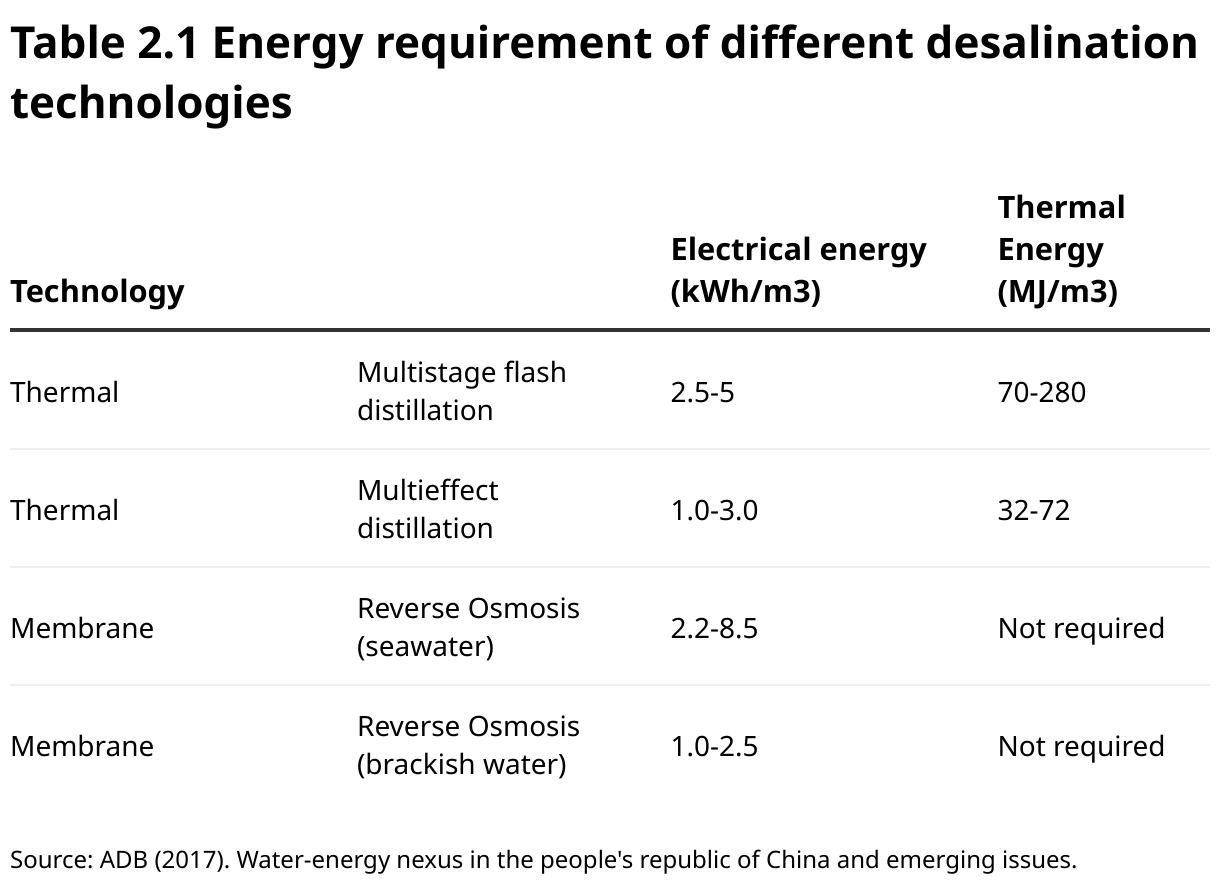
Advancement in pump efficiency, the adoption of energy recovery devices (ERDs) and improved membranes have made the RO desalination process further efficient, with ERDs cutting energy consumption by two or three times in both small- and large-scale systems.
More advanced technology includes hybrid desalination which combines thermal desalination and RO. In this method, saline feedwater is partially desalinated with RO before thermal distillation, which lowers the salinity of the water entering the thermal process, reducing the energy needed for evaporation. Forward osmosis (FO) is also gaining attention as an energy-efficient solution in hybrid desalination. It works by using a semi-permeable membrane to separate water from dissolved solutes through an osmotic pressure gradient. Unlike reverse osmosis, it operates with low or no hydraulic pressure, lowering energy demands. Pilot projects in Southeast Asia are testing its use in desalination and industrial wastewater treatment.
CO2 emissions from desalination can be reduced by integrating renewable energy, with solar and wind-powered RO being the most common methods. However, their intermittent nature can affect RO performance, potentially shortening the lifespan of membranes and pumps
Advanced water purification technologies
In addition to RO, Singapore is exploring other technologies, such as electro-deionization (removing salts through the adsorption of dissolved ions) and biomimicry (mimicking nature’s filtration process, like plants or fishes), to enhance desalination efficiency and reduce energy consumption. Box 2.6 provides details on electro-deionization. Various types of desalination batteries, such as rocking chair, redox flow and metal-air batteries, have been developed to improve desalination capacity. They use electro-chemical reactions to selectively capture and release salt ions from water.
The technology combines ion-exchange resin (IER) with electrodialysis (ED) to continuously remove dissolved ions from water without the need for chemical regeneration. In an EDI system, water flows through compartments filled with ion-exchange resin, which captures unwanted ions. An applied electrical current then drives these ions through selective membranes into separate waste streams, effectively removing them from the purified water. Water splitting within these compartments generates H⁺ and OH⁻ ions, which regenerate the resin, eliminating the need for any chemical treatment for resin regeneration. By improving ion mobility and current efficiency using resins, EDI provides an energy-efficient and environmentally friendly alternative for producing ultra-pure water.
Source: (
Harnessing digital technologies for water management in Asia
By 2025, half of the utilities in major cities in the Global South are expected to integrate digital water supply solutions like advanced metering infrastructure
The Changi Water Reclamation Plant in Singapore hosts one of the world’s largest SCADA systems, with around 500,000 input-output points and a significant integration of programmable logic controllers, networked data communications and graphical interfaces, while in Phnom Penh, Cambodia, digital monitoring system reduced non-revenue water to less than 6% of the total water supplied (
Wastewater to energy
Wastewater from households can be properly treated to remove solids, nutrients or harmful compounds, and reused as “reclaimed water.” This is increasingly seen as an alternative resource for fit-for-purpose applications, offering significant reductions in energy use, costs and environmental impact (
Wastewater could play a significant role in climate solutions including generating biogas, heat and electricity, yielding up to five times the energy needed for treatment – enough to power around half a billion people annually (
Emerging technologies of microbial fuel cells (MFCs)
A recent innovation in wastewater treatment is the microbial fuel cell (MFC), which enables water treatment facilities to generate electricity for immediate use while simultaneously treating and recycling wastewater, all without disrupting the atmospheric CO₂ balance. The CO₂ produced as a by-product of MFC operation can be safely discharged without the need for additional treatment (
Innovation examples
Singapore’s solution to water scarcity
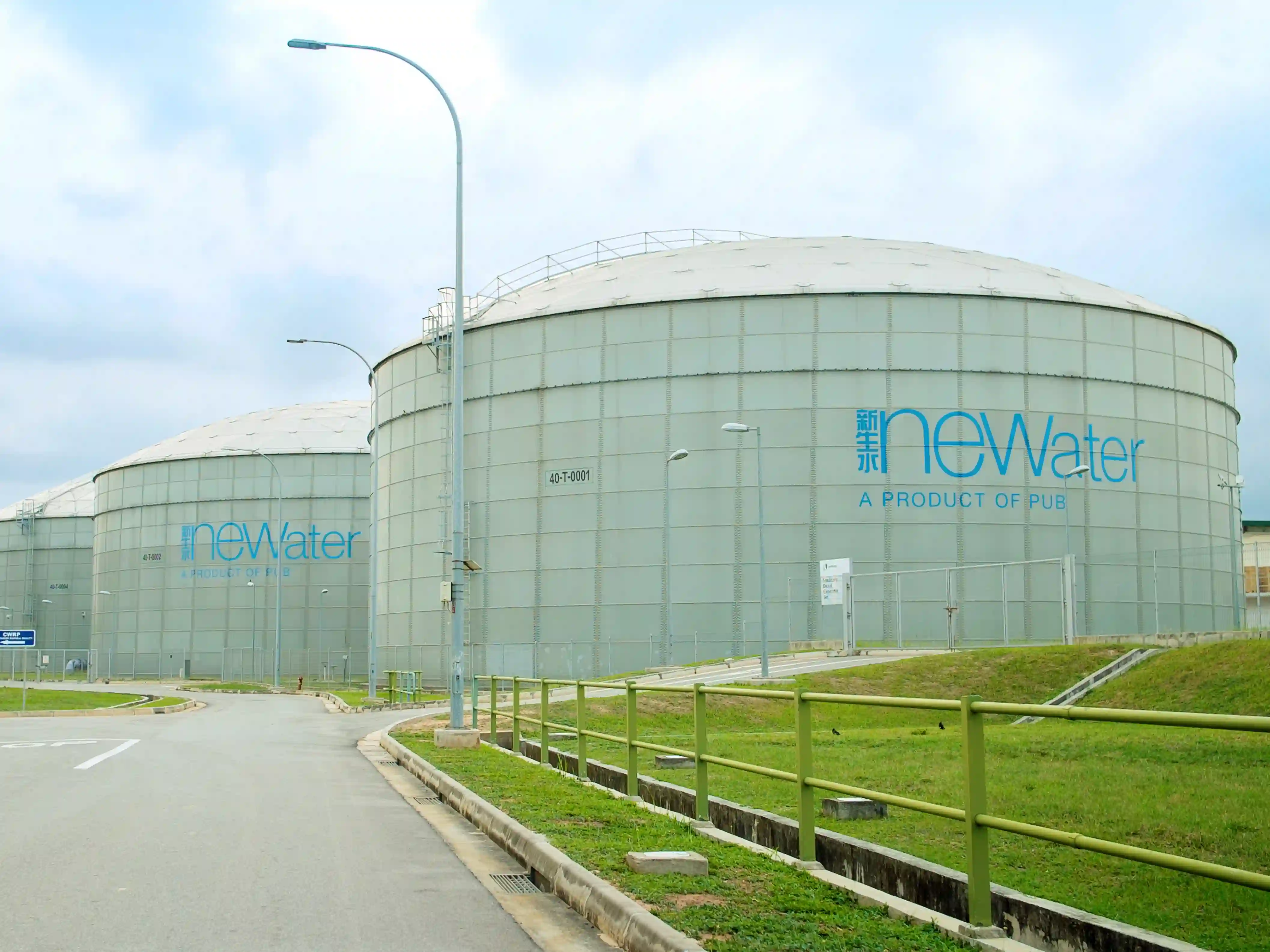
NEWater is Singapore’s high-grade recycled water, produced by further purifying treated, used water through a three-step process of ultrafiltration or microfiltration, reverse osmosis and ultraviolet disinfection. This advanced treatment makes it ultra-clean and safe for consumption. By continuously recycling water, NEWater enables Singapore to close the water loop, strengthening the country’s water security and resilience to climate change. Compared to desalination, it is more energy- and cost-efficient due to the lower salt content in treated used water. NEWater is mainly supplied to wafer fabrication plants, industrial estates, and commercial buildings for industrial and air-con cooling purposes. During dry periods, NEWater is also added to reservoirs to blend with raw water before being collectively treated at the water treatment plants for potable use. Currently meeting 40% of Singapore’s water demand, NEWater’s capacity is set to expand to 55% by 2060
Sludge-to-hydrogen plant in Tokyo is producing hydrogen to fuel vehicles and generate power

Japan Blue Energy Co., Ltd., a renewable hydrogen systems manufacturer, has completed a facility in Tokyo that converts sewage sludge into renewable hydrogen fuel for fuel cell vehicles and power generation. Located at the Sunamachi Water Reclamation Center near Tokyo Bay, the facility processes 1 ton of dried sewage sludge daily, producing 40 to 50 kilograms of hydrogen – enough to fuel 10 passenger cars or 25 fuel-cell e-bikes. It can also process plastic, paper, municipal waste, and other refuse. Waste is heated to high temperatures to form a gas from which hydrogen is extracted. The facility is carbon-neutral and operates on a closed-loop system, generating its own energy. Developed with the Tokyo Metropolitan Government, TODA Corporation, TOKYU Construction, CHIYODA Kenko, and Tokyo University of Science researchers, the facility supports Japan’s growing demand for renewable hydrogen and offers an innovative solution for sustainable waste disposal (
Tackling non-revenue water (NRW) in Malaysia through digital monitoring and community engagement

Air Selangor, a major water utility in Malaysia, has partnered with Xylem to implement a long-term, state-wide monitoring program in Selangor. Xylem’s Water Loss Management solution uses real-time digital monitoring through a sensing platform that integrates leak, burst and surge detection to prevent early asset failures. By analyzing pressure transients and hydrophone data, the system quickly identifies pipe bursts and slow leaks, localizing issues within minutes. The automated 24/7 platform streamlines data analysis and visualization, helping repair teams prioritize responses. Xylem’s non-invasive surge detection provides early warnings by pinpointing pressure surges and identifying pipes at high risk, reducing premature failures and extending asset life. Launched in 2018 with 500 sensors, the program identified 65 major leaks in its first year. By January 2021, 1,600 sensors were active, detecting about two leaks weekly, totaling 295. Continuous monitoring helped reduce NRW from 33.3% in 2017 to 27.75% in 2023 (
Technology solutions
Proven technologies
Water/energy efficiency: Ice Pigging™ cleaning of pipes to increase pumping efficiency
Suez Asia

Ice Pigging™ is an efficient pipeline cleaning process, commonly used by water supply and sewage companies as well as a wide range of industries. It improves performance of the pipe network and saves energy costs as pumps and filtration plants work more efficiently. It utilizes a slurry of ice crystals that forms a semi-solid plug, called the Ice Pig™, which moves through pipes under pressure, detaching contaminants and carrying them out. This method cleans several kilometers of pipe in hours or smaller pipes in minutes, requiring minimal water (typically 1.5 pipe volumes) and no chemical use. Ice Pigging™ works with existing fittings, fitting various pipe sizes from 8mm to 600mm, and handles complex pipe geometries, including diameter changes and valves. It flows like a liquid and can melt and flush out if it gets stuck, making it safer than traditional pigging. The method reduces energy use, minimizes downtime and offers higher-quality cleaning than air scouring, without damaging pipes. It is a cost-effective solution as well, as it uses up to 50% less water compared to a typical swabbing operation.
Contracting type: For service
Technology maturity: Proven
Technology level: Medium
Place of origin: China
Availability: Southeast Asia
Contact: WIPO GREEN Database
Water/energy efficiency: smart water metering for water utilities
Kamstrup

A smart water meter uses ultrasonic technology to measure water usage and includes remote reading capabilities, advanced pressure monitoring, leak detection and data analytics for better water management. It not only tracks consumption accurately but also enhances customer relations, optimizes operations and safeguards revenue. With tools like the READy Manager, utilities can visualize individual water usage, detect leaks early and analyze water waste continuously, reducing costly field visits and water loss. The system monitors pressure surges, allowing operators to prevent leaks and bursts by identifying issues early. For high-priority areas, meters can be set to a five-minute reading interval, offering detailed network insights for optimizing operations and lowering energy costs. Pressure sensors strategically placed across the network provide data to adjust pressure, saving on operational and energy expenses while decreasing non-revenue water.
Contracting type: For sale
Technology maturity: Proven
Technology level: High
Place of origin: Denmark
Availability: Worldwide
Contact: WIPO GREEN Database
Energy-efficient pumps/motors: water pump with pressure boosting system
Davey

The Davey BT Booster Pressure System combines a durable centrifugal pump with the intelligent Torrium2 pressure controller to deliver consistent, energy-efficient water pressure for homes and light commercial applications. Designed with large water pathways for reduced head loss, the system enhances hydraulic performance while minimizing energy waste. It is particularly suitable for boosting low municipal supply or transferring water from underground sources. It ensures constant flow operation even with varying demand or intermittent supply. The totally enclosed fan cooled (TEFC) motor, rated for high ambient temperatures and voltage fluctuations, along with its IP55 protection, provides dependable performance even in the hottest climates.
Contracting type: For sale
Technology maturity: Proven
Technology level: High
Place of origin: Australia
Availability: Australia, New Zealand
Contact: WIPO GREEN Database
Water/energy efficiency: all-in-one toolkit for cloud-based leak detection
Ovarro

EnigmaREACH is an advanced, cloud-based solution for large-scale leak detection using multi-correlating acoustic loggers. Designed for rapid, mass deployment, it covers extensive pipe networks with high accuracy and minimal hardware, leveraging automated correlation data to pinpoint leaks precisely. Equipped with either 32 or 64 Enigma loggers, a tablet, a dedicated app and access to the digital analytics platform, it streamlines logger deployment, data retrieval and follow-up. Automated processes quickly identify and assign points of interest (POIs), allowing field technicians to address issues faster, reducing water loss and operational costs. EnigmaREACH automates key tasks, including sound file analysis, POI assignment and efficient data management. It provides 24/7 data access and is ruggedly built for all-weather use. With a user-friendly interface, it reduces leak detection time by 75% and lowers operational costs by automating analytics and optimizing field tasks, delivering a reliable, end-to-end solution for leak detection and proactive water management.
Contracting type: For sale/service
Technology maturity: Proven
Technology level: High
Place of origin: United Kingdom
Availability: Worldwide
Contact: WIPO GREEN Database
Water treatment: portable solar suitcase water purifier
NEWater

The solar suitcase water purifier is a compact, lightweight and modular unit designed for easy operation and portability. Equipped with foldable solar panels, it uses sunlight to continuously charge its battery, while an intelligent power management system ensures battery safety. This purifier provides safe water, and electricity for essential devices like mobile phones. The system is ready for immediate use with water inlet and outlet connections and supports various power sources, including AC, DC and solar. It features a built-in DC24V lithium battery for stable water production lasting 4–6 hours in emergencies, and the durable ABS casing has an IP65 waterproof rating with a secure waterproof seal. Integrated monitoring of total dissolved solids (TDS) allows real-time tracking of inlet and outlet water quality, while the space-saving design offers a compact, sturdy build for long-lasting performance. Meeting diverse purification needs, it produces both drinking and household water for multiple scenarios. It can be used for emergency and outdoor scenarios, such as disaster relief or post-earthquake recovery.
Contracting type: For sale
Technology maturity: Proven
Technology level: Medium
Place of origin: China
Availability: Africa, Asia, Eastern Europe
Contact: WIPO GREEN Database
Energy efficiency: energy-saving turbo blower for aeration in wastewater treatment
Robuschi
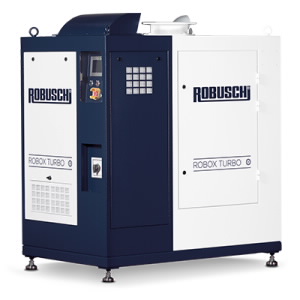
Turbo blowers improve energy efficiency in wastewater treatment plants, lowering environmental and financial impacts. With high nominal efficiency, they can save up to 40% on energy. A wide turndown ratio adapts air output precisely to process demands, using centrifugal and positive displacement technologies like rotary lobe and screw blowers. Their compact design minimizes the space needed in compressor rooms, and oil-free air foil bearings enhance safety by eliminating contamination risk. The plug-and-play inverter simplifies installation, while a high-speed, direct-coupled permanent magnet motor reduces maintenance by omitting gears and belts, ensuring low vibration, quiet operation and lower total cost of ownership.
Contracting type: For sale
Technology maturity: Proven
Technology level: High
Place of origin: Italy
Availability: Australia, China, Europe, India, Indonesia, Israel, Japan, Malaysia, Saudi Arabia, the Republic of Korea, Singapore, United Arab Emirates
Contact: WIPO GREEN Database
Water treatment: gravity-fed wastewater treatment system
ECOSTP Technologies
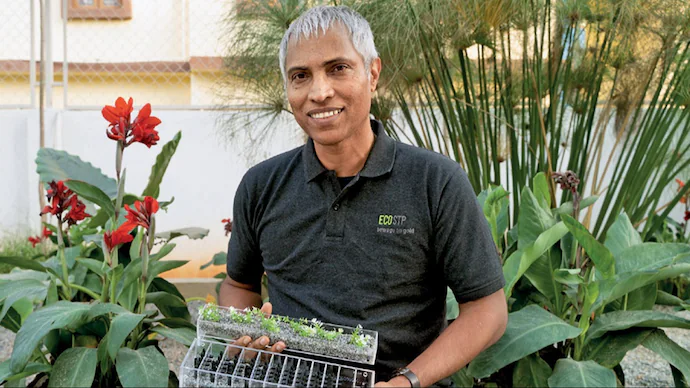
ECOSTP Technologies has developed a low-maintenance and energy-free sewage treatment system applicable to urban residential wastewater management. Inspired by the cow’s anaerobic digestion process, the system uses a three-stage Rumen Digester Filter and tertiary treatment via planted gravel filters to clean wastewater without electricity, chemicals or any moving parts. The process begins with anaerobic digestion in chambers that mimic the rumen, reticulum and omasum, where custom-seeded anaerobic bacteria break down organic matter through hydrolysis, acidogenesis, acetogenesis and methanogenesis. This is followed by tertiary treatment using planted gravel filters, where microbial biofilms on plant roots and substrate remove pathogens, nutrients and residual contaminants. The resulting water meets reuse quality standards and is suitable for flushing, cleaning and gardening.
Contracting type: For sale
Technology maturity: Proven
Technology level: Medium
Place of origin: India
Availability: India
Contact: WIPO GREEN Database
Energy-efficient pumps/motors: energy-efficient pump control with variable frequency drives (VFDs)
Franklin Electric

The DrivE-Tech Variable Frequency Drives enhance energy efficiency in pumping systems by adjusting motor speed to match demand, significantly reducing power consumption and operating costs. Compatible with vertical multistage, centrifugal and submersible pumps, it can be used for domestic, irrigation, commercial and HVAC applications in both new installations and retrofits. Its compact, die-cast aluminum IP55-rated enclosure is suitable for operation even in humid and dusty environments. It features integrated soft start and stop functions to extend system life and reduce peak variation, real-time monitoring and motor protection, and the ability to control a second or third pump at constant speed (DOL), ensuring long-term performance and flexibility.
Contracting type: For sale
Technology maturity: Proven
Technology level: Medium
Place of origin: United States of America
Availability: Asia-Pacific, North America, South America
Contact: WIPO GREEN Database
Water treatment: electodeionization technology for water treatment and purification
Memiontec

Memiontec-MIT’s MIT-EDI™ system is an advanced continuous electro-deionization (EDI) technology that combines electric dialysis and ion exchange to effectively remove all types of cations and anions from water or wastewater to produce pure and ultra-pure water. It works without chemicals, offering a more energy-efficient alternative to traditional methods. Its modular, compact design supports continuous operation with automatic controls, eliminating the need for regeneration cycles, chemical transport and wastewater handling. MIT-EDI™ delivers a low-footprint, cost-effective and environmentally responsible solution for high-purity water applications.
Contracting type: For sale/service
Technology maturity: Proven
Technology level: High
Place of origin: Singapore
Availability: China, Indonesia, Singapore
Contact: WIPO GREEN Database
Frontier technologies
Water treatment: smart desalination with plug-and-play reverse osmosis (RO) technology
Veolia Water Technologies

The Barrel is a modular, plug-and-play RO or nanofiltration (NF) pressure vessel designed to deliver desalinated water that meets municipal and industrial standards. This scalable solution supports a range of capacities from 400 to 50,000 cubic meters per day per unit, making it suitable for wastewater reuse and low-pressure RO applications. Compact and ideal for outdoor installations, the Barrel reduces the required footprint by up to 25% and operates without a controlled environment, minimizing setup constraints. Additionally, it enhances energy efficiency by reducing electrical consumption to as low as 0.05 kWh per cubic meter of fresh water produced. The Barrel’s modular design allows it to replace existing RO membranes and NF skids, offering a sustainable, economically viable alternative. Integrated with a digital system and smart connectors, it provides real-time membrane performance updates, allowing for automated monitoring, remote access and informed operational decisions regarding membrane maintenance.
Contracting type: For sale
Technology maturity: Frontier
Technology level: High
Place of origin: France
Availability: Worldwide
Contact: WIPO GREEN Database
Water management: Water-as-a-Service (WaaS) for efficient water management
Ekopak

WaaS is an innovative solution that helps companies manage their water needs, including production, treatment and recycling. This service by Ekopak takes over water management, ensuring a constant water supply without needing the company to hire its own staff. Ekopak designs, builds and maintains the water system sustainably, offering a leasing model where companies only pay for the recycled water they use. With this setup, customers can disconnect from the main water grid and switch to a circular water system. Ekopak’s container-based treatment units can purify off-grid sources like rainwater, surface water or wastewater for reuse in industrial processes, optimizing water consumption.
Contracting type: For service
Technology maturity: Frontier
Technology level: High
Place of origin: Belgium
Availability: Belgium, France, Netherlands, Philippines, , Singapore, Thailand, United States of America
Contact: WIPO GREEN Database
Energy-efficient pumps/motors: high-efficiency hybrid motor for water utilities
WEG
The W23 Sync+ is a high-efficiency hybrid motor that combines permanent magnet (PM), ferrite or neodymium magnets and synchronous reluctance (SynRM) technologies, offering IE5 ultra-premium efficiency across all speeds. This permanent magnet synchronous reluctance motor (PMSynRM) operates over a wide speed range, eliminating the need for forced ventilation or external blowers. Therefore, it can be adopted in the applications requiring adjustable speeds and constant torque. The W23 Sync+ delivers up to 30% energy savings, maintaining efficiency even with variable loads, unlike conventional induction motors which lose over 20% efficiency at reduced speeds. The magnets generate their own magnetic field without requiring induction of currents. Therefore, they reduce the total motor losses. It’s ideal for compressors, pumps, fans, blowers and conveyors, providing higher efficiency, a better power factor and lower total cost of ownership. Available in frame sizes from IEC 80 to 450, the W23 Sync+ supports speeds from 750 to 6,000 rpm and outputs from 0.75 to 1,250 kW, with voltage compatibility across 220/380V, 230/400V, 240/415V and 400/690V. It is also compact, fitting in the same frame as IE3 motors, enabling easy replacement in existing systems.
Contracting type: For sale
Technology maturity: Frontier
Technology level: High
Place of origin: Australia/Brazil
Availability: Worldwide
Contact: WIPO GREEN Database
Energy-efficient pumps/motors: smart and energy-efficient motor with multi-pump control
Delta

The Delta Motor Mounted Pump Drive (MPD) is a high-efficiency IE5 motor solution with smart multi-pump controls for residential and industrial water supply. It reduces energy consumption by up to 10% compared to traditional induction motor pumps and has flange dimensions compliant with IEC standards for seamless installation to existing systems. Built-in multi-pump control functions eliminate the need for additional programmable logic controllers (PLCs), cutting installation costs and saving wiring space, while one master pump can manage up to seven others based on demand. The Delta MPD’s auto load-sharing function saves up to 10% in energy, ensuring efficient performance. It also supports remote monitoring and commissioning via mobile devices, maintaining uninterrupted operations with multi-pump redundancy.
Contracting type: For sale
Technology maturity: Frontier
Technology level: High
Place of origin: Taiwan Province of China
Availability: India, Oceania, Southeast Asia
Contact: WIPO GREEN Database
Water treatment: chemical-free seawater desalination
IDE

IDE PROGREEN™ is an innovative, chemical-free seawater desalination technology that uses IDE’s patented Direct Osmosis Cleaning (DOC) technology and natural pre-treatment to produce high-quality water for municipalities, resorts and industries. Instead of traditional chemicals, the pre-treatment process relies on natural bio-flocculation, where certain bacteria and algae release a sticky substance called EPS. This EPS acts as a natural glue, binding fine suspended solids in seawater, which are then efficiently removed through media filtration (MF). The DOC system uses the natural principle of direct osmosis to keep membranes constantly clean. Therefore, it enhances membrane performance and extends their lifespan, and reduces long-term energy consumption.
Contracting type: For sale/service
Technology maturity: Frontier
Technology level: High
Place of origin: Israel
Availability: Worldwide
Contact: WIPO GREEN Database
Water treatment: energy recovery device for reverse osmosis desalination plants
DMW Corporation
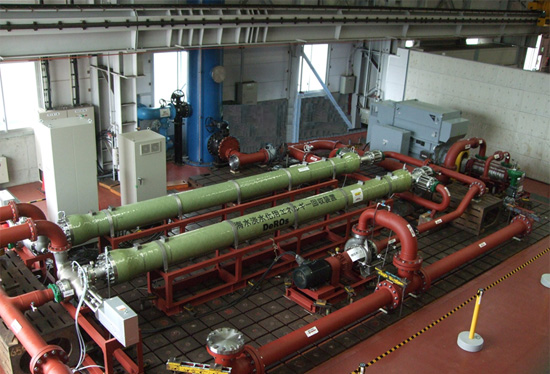
DeROs® is an eco-friendly, isobaric energy recovery device designed for seawater reverse osmosis (SWRO) plants. It features high-efficiency, low pulsation, minimal noise and a low mixing rate. With a wide and adjustable flow range, it can adapt to varying freshwater demands. The device operates using multiple cylinders arranged in parallel, where low-pressure seawater and high-pressure brine are alternately fed into the system. When high-pressure brine is discharged from the RO membrane unit, it pressurizes the low-pressure seawater inside the device while simultaneously receiving freshwater and expelling low-pressure brine after energy recovery. This fluid-to-fluid energy transfer system enables DeROs® to achieve an energy recovery efficiency of up to 98%, cutting power use by 50%. Freshwater production can continue even when some RO units are being cleaned.
Contracting type: For sale
Technology maturity: Frontier
Technology level: High
Place of origin: Japan
Availability: Worldwide
Contact: WIPO GREEN Database
Water treatment: ceramic flat-sheet membranes for bioreactor systems
Meidensha Corporation
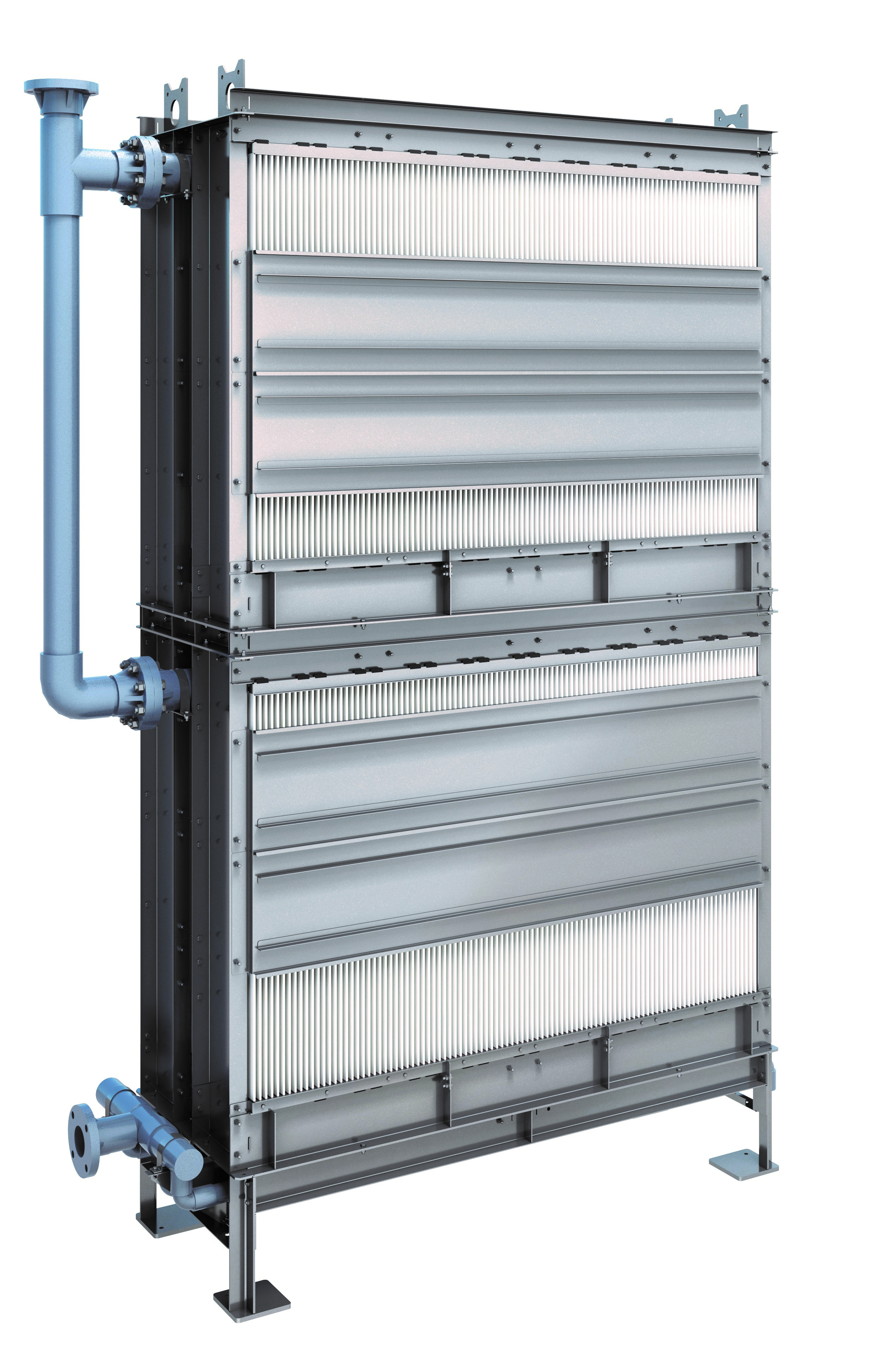
Meidensha has developed a durable ceramic flat-sheet membrane for water treatment systems. This technology is particularly effective for treating water and wastewater containing oil, solvents and inorganic substances, including hard solids. The membrane offers high chemical and thermal resistance, reducing the need for frequent maintenance, and allowing for long-term filtration performance and easier cleaning. The system’s sheet-form arrangement and air dispersal method enhance air scrubbing efficiency, reducing overall energy consumption and lowering operational costs. The ceramic flat-sheet membrane has been applied in water, industrial wastewater and public sewage treatment plants.
Contracting type: For sale
Technology maturity: Frontier
Technology level: Medium
Place of origin: Japan
Availability: Asia
Contact: WIPO GREEN Database
Water/energy efficiency: AI for pipeline infrastructure inspection
Fluid Analytics Inc.

This AI-driven platform empowers cities to monitor water and wastewater systems effectively, ensuring infrastructure health, waterway quality and early detection of waterborne diseases on a large scale. A fleet of robots navigate the underground equipped with sensors to scan pipe networks, collect data and gather water samples. The AI analyses the real-time data and water sample, identifying points where untreated wastewater enters the environment and locating sewage discharge sources. This information helps cities divert wastewater for proper treatment and reuse, preventing pollution and protecting drinking water supplies. By leveraging proprietary global datasets, advanced mathematical models and machine learning, the platform has monitored over 1.5 billion liters of urban wastewater spills and enabled the treatment and reuse of over 800 million liters daily.
Contracting type: For service
Technology maturity: Frontier
Technology level: High
Place of origin: India
Availability: Asia, North America, South America
Contact: WIPO GREEN Database
Water treatment: microbial fuel cell for wastewater treatment
Watasumi
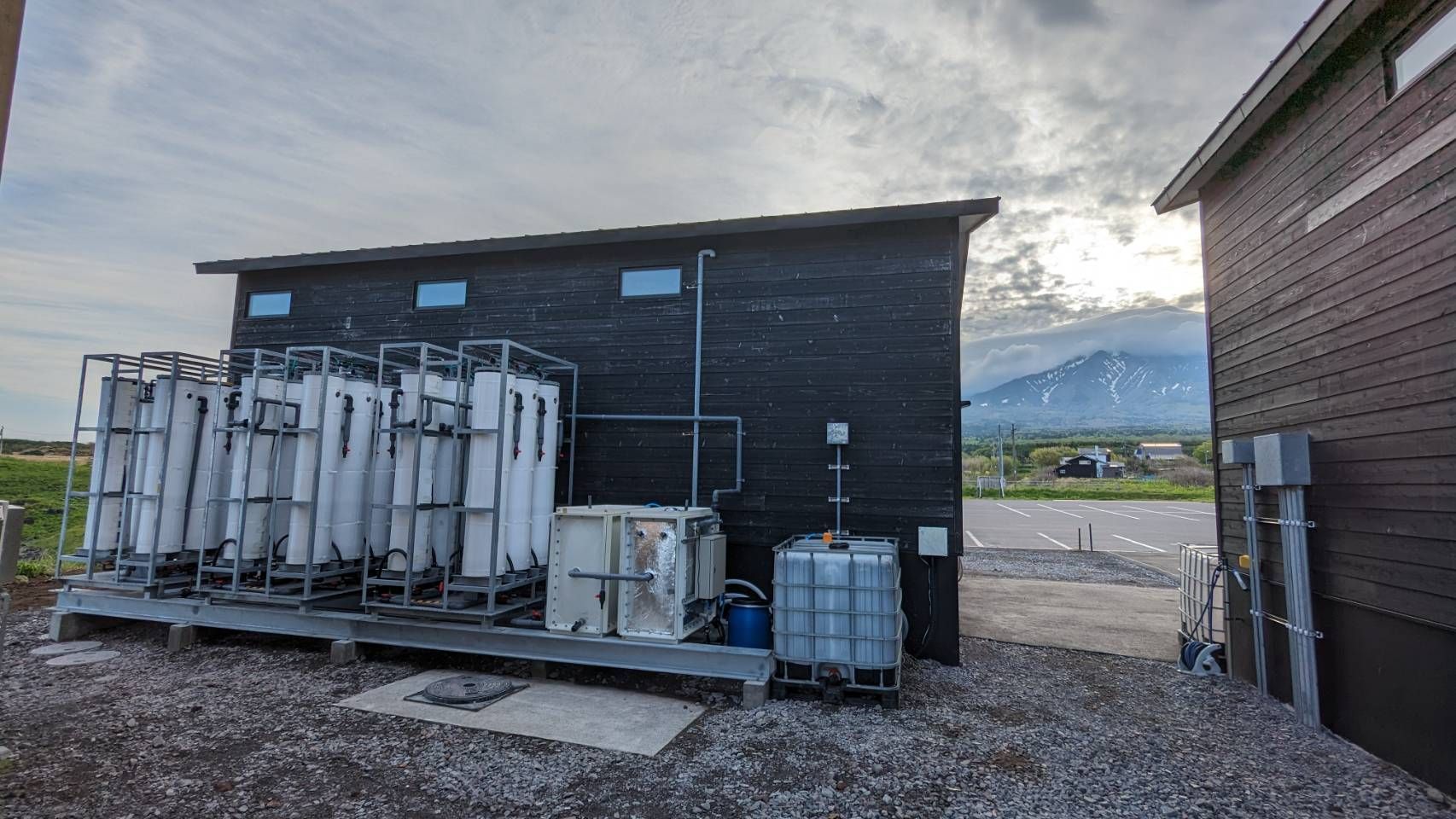
Building on microbial fuel cell technology developed at the Okinawa Institute of Science and Technology, the KAPPA is a modular wastewater treatment system capable of generating its own electricity. The system is designed for on-site wastewater treatment at small and medium-sized food and beverage companies, with a single unit capable of processing between 50 and 100 L/day depending on wastewater characteristics. It works with anaerobic bacteria and patented internal electrodes, which work to enhance the metabolic process of direct interspecies electron transfer. The bacteria break down and eliminate up to 95% of the organic content of the wastewater while harvesting and releasing electrons. Other bacteria partially use these to generate biogas, but the remainder make up harvestable electricity. This way, the system converts up to 80% of the energy in the wastewater into electricity, leaving maximally 5% sludge behind.
Contracting type: For sale
Technology maturity: Frontier
Technology level: High
Place of origin: Japan
Availability: India, Japan
Contact: WIPO GREEN Database
Horizon technologies
Water treatment: solar water desalination and e-mobility delivery systems for crisis areas
Beam Global

The BeamWell™ system provides clean water, electricity and transport solutions for areas in crisis, such as war zones and disaster sites where only salt, brackish or dirty water is available because a reliable clean water supply is not available or has been interrupted. Built on the EV ARC™ technology, BeamWell™ is a self-sustained, mobile unit that uses solar technology to purify seawater into drinking water, stores it in a 3,000-liter tank replenished daily, and generates solar power for vital devices, such as medical, communication, cooking and lighting. It charges four integrated electric mopeds to distribute essential supplies like food, water and medicines. Designed for quick setup, it fits in a shipping container, requires no construction or extra infrastructure, and can be easily moved as water needs change. Beam Global aims to deploy BeamWell™ systems in the Middle East and Gaza, where many residents face severe water shortages, through global aid partnerships.
Contracting type: For collaboration
Technology maturity: Horizon
Technology level: High
Place of origin: United States of America
Availability: Europe, Middle East
Contact: WIPO GREEN Database
Water treatment: energy-saving membrane bioreactor
Mitsubishi
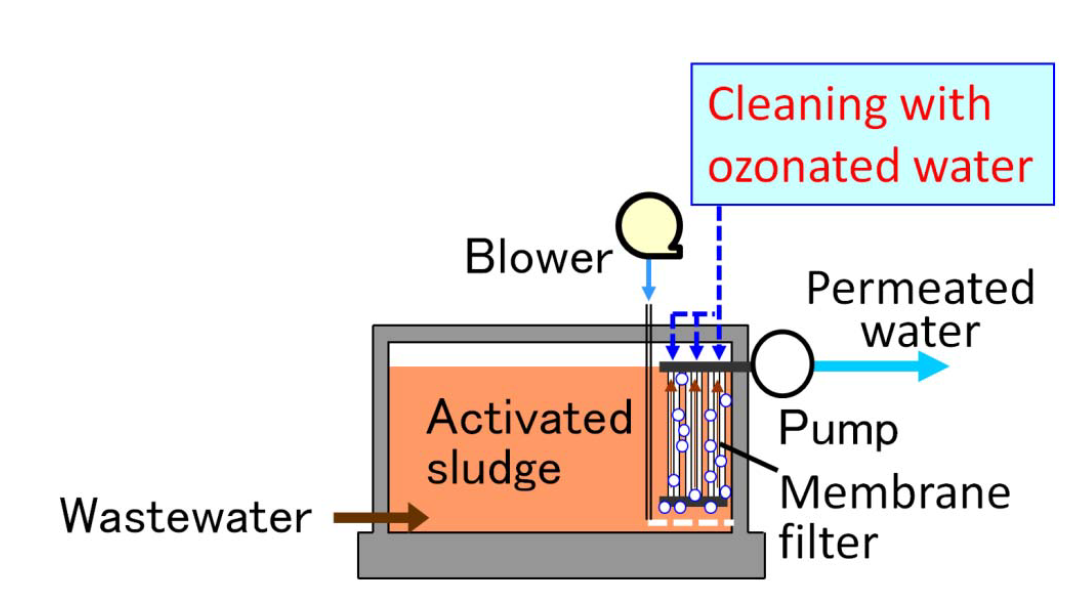
The Ozone Backwashing Energy-Saving Membrane Bioreactor (EcoMBR) represents an innovative approach to low-energy wastewater treatment and water recycling. It can achieve a high flux rate of 1.6 m³/m²/day – more than twice that of conventional membrane bioreactors (MBRs). This technology employs regular backwashing with highly concentrated ozonated water to effectively remove organic foulants, enhancing membrane permeability. Additionally, the EcoMBR reduces energy consumption by utilizing a lower air flow rate from the blower, which cleans the membrane surfaces with bubbles, thus minimizing the required number of membranes and allowing for a smaller plant footprint.
Contracting type: N/A
Technology maturity: Horizon
Technology level: Medium
Place of origin: Japan
Availability: N/A
Contact: WIPO GREEN Database
Water treatment: state-of-the-art I-TECH Packaged STP (Sewage Treatment Plant)
Manila Water Infratech Solutions (MWIS)
.png.jpg)
Manila Water Infratech Solutions (MWIS), a subsidiary of Manila Water, is currently piloting the I-TECH Packaged Sewage Treatment Plant, a new technology for efficient wastewater treatment in small to medium settings. This compact system incorporates advanced membrane bioreactor (MBR) technology, which filters contaminants, including nitrates and phosphates, to meet stringent water quality standards set by the Department of Environment and Natural Resources. The treated wastewater is also suitable for water reuse, helping reduce environmental impact and improving sustainability. With a daily processing capacity of 10 cubic meters, this can accommodate wastewater requirements for small to medium-sized communities, industrial facilities or remote locations. Since it is compact, it requires low maintenance and only allows easy plug-and-play installation especially designed for confined spaces.
Contracting type: For service
Technology maturity: Horizon
Technology level: High
Place of origin: Philippines
Availability: Philippines
Contact: WIPO GREEN Database
Energy efficiency: efficient biogas purification in wastewater treatment plants
Asahi Kasei
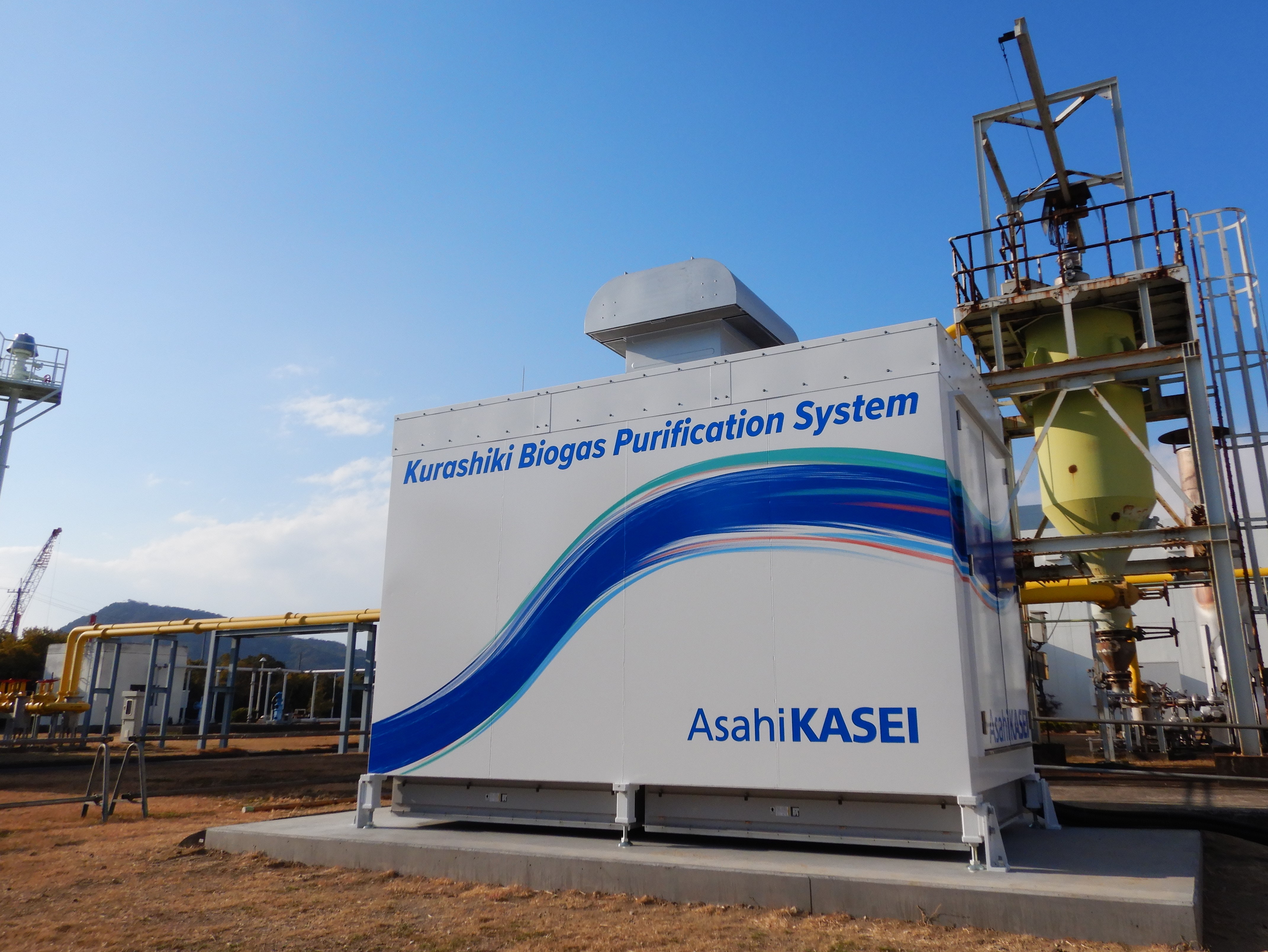
Besides methane, biogas derived from sewage sludge consists of around 40% CO2 and around 60% methane. CO2 gas is removed in Asahi Kasei’s system (the System), generating high-purity methane gas for energy applications, and CO2-rich excess gas. The System separates CO2 and methane from biogas using the optimal combination of a special zeolite as adsorbent that selectively adsorbs CO2 and a special pressure vacuum swing adsorption (PVSA) process technology. The System has the potential capability to produce high-purity methane of gas-grid-injection specifications with high recovery rates and lower costs. It is, as of 2025, being trialed at the Kojima Sewage Treatment Plant in Kurashiki City, Japan, and would be carbon negative if combined with carbon capture and utilization or storage technology, according to Asahi Kasei. Commercialization is expected around the year 2027.
Contracting type: N/A
Technology maturity: Horizon
Technology level: High
Place of origin: Japan
Availability: Japan
Contact: WIPO GREEN Database