
In Asia, shopping malls are no longer just retail centers – they are evolving into vibrant destinations that offer dining, leisure, sports, cultural experiences and many more, making them an integral part of daily life for local communities. Particularly in Southeast Asia, cities like Bangkok, Jakarta, Kuala Lumpur and Singapore are home to numerous multi-story malls that serve as air-conditioned retreats from the region’s hot and humid climate. People flock to these malls not just for shopping but also for socializing and entertainment, from food courts and cinemas to indoor theme parks and exhibitions. Experience-driven spaces are now shaping the future of malls, with immersive attractions designed to draw visitors. For example, ICONSIAM in Bangkok features stunning multimedia fountain shows, cultural exhibits and artisanal markets, redefining the mall experience. Various services and amenities are also offered such as wellness centers, coworking spaces, gyms etc. In a few cases it is even possible to go ice skating.
With so much going on, these malls are also big energy consumers. Air conditioning and lighting may use up to 85% of the electricity in some malls that are fully air-conditioned (
However, many technologies used in shopping malls are also commonly found in hotels and residential buildings, such as LED lighting, energy-efficient heating and cooling with heat pumps, smart devices/appliances, biogas generation from food waste and so on. Since these technologies are already covered in the sub-chapters of urban households and hotels of this book, they won’t be discussed again here. For a deeper dive into these solutions, see also the energy and mitigation editions of the Green Technology Book.
Technological development and trends
Low-power technologies for billboards and large digital displays
Digital billboards, indoor digital signage and large screens dominate Asian shopping malls, often featuring touchscreens and QR codes for direct customer interaction. These dynamic displays serve multiple functions, including wayfinding, announcements, product launches and information sharing, making them an essential tool for communication, marketing and enhancing customer experiences.
By replacing traditional print materials, a digital signage not only reduces waste but also lowers overall carbon emissions (
Replacing traditional print materials, a digital signage not only reduces waste but also lowers overall carbon emissions
LCD and LED are both widely used in digital signage, but they differ in technology and performance. LCD displays rely on CCFL (cold cathode fluorescent lamp) backlighting, which consumes more power than LED displays, which use individual light-emitting diodes for brighter, more vibrant visuals. LED displays are particularly effective in outdoor settings in direct sunlight, as opposed to LCD screens. The latest advancement in this field – Mini and Micro LEDs – further enhances energy efficiency by using smaller, more precise diodes that emit light more efficiently while generating less heat. These screens consume up to 40% less energy than conventional LED displays under similar conditions (
Another trend is solar-powered LED displays. These screens use integrated photovoltaic (PV) panels to generate their own energy, which is then stored in batteries or capacitors to power the LEDs and other components of the display, such as controllers, sensors or speakers, making them self-sustaining and reducing dependence on the grid. These systems are particularly useful for outdoor signage, smart billboards and off-grid installations in remote or developing areas where reliable electricity access is limited.
The digital displays are further optimized with energy-efficient features such as dynamic brightness adjustment, which reduces power usage based on ambient light. Sleep mode enables the screen to enter a low-power mode during inactivity, reducing energy consumption during off-peak hours or at night. In addition, advanced remote energy management systems allow businesses to monitor and optimize screen settings in real-time to further improve energy savings.
Energy-efficient escalators and elevators
Most of the malls in Asia are high-rise buildings with escalators and elevators. These are energy intensive, but also there are means to reduce energy consumption. Many now feature variable-speed drives that automatically adjust escalator speed based on traffic, slowing down or entering low-power standby mode when not in use. Motion sensors enhance efficiency by activating escalators only when someone approaches, reducing energy consumption by up to 30% under typical usage condition, compared to continuous operation (
Regenerative drive technology enhances elevator efficiency by recovering energy during braking – such as when the elevator descends with a heavy load or ascends with a light load. Instead of being lost as heat, this energy is converted into electricity and redirected back into the building’s power system, helping to reduce overall energy consumption. Integrating batteries within the elevator further allows this recovered energy to be stored and reused during acceleration or peak demand or utilized as backup power during outages. Additionally, smart sensors and advanced destination control systems enable grouping passengers with the same destination into the same elevator. This reduces unnecessary stops and travel time, improving operational and energy efficiency. Modern elevators also use energy-saving LED lights, automatic shut-offs for non-essential features such as fans, lights, screens etc., and door motors that support variable door-open and -close times, contributing to significant energy savings over time.
Smart sensors and advanced destination control systems enable grouping passengers withthe same destination into the same elevator
Another emerging type of elevator is the Machine Room-Less (MRL) elevator. In this design, the motor and other equipment are housed into the hoistway (the vertical space where the elevator operates) instead of a machine room. This innovation eliminates the need for extra energy to power a separate machine room. Additionally, the traction system features a smaller motor and optimized design, requiring less power to move the elevator car and generating less heat compared to traditional larger elevator systems.
Energy efficiency using innovative building materials and building initiatives
Innovative building materials can offer energy efficiency in shopping malls. For instance, ethylene tetrafluoroethylene (ETFE), a lightweight durable material, is commonly used for roofing and façades due to its excellent thermal insulation and high transparency. ETFE can transmit about 94% to 97% of natural light, reducing reliance on artificial lighting and promoting energy savings (

Implementation of a multifunctional climate adaptive façade system, such as reflective coatings, movable shades or vents adjusting according to sunlight and wind, green façades (vegetation) providing natural insulation and cooling, can also save energy by reducing heating and cooling demand. Such technologies are discussed in detail in the urban household sub-chapter.
Green building certification schemes can motivate mall owners to implement energy-saving initiatives. For example, several malls in Malaysia have earned green certifications, including leadership in energy and environmental design (LEED), green building index (GBI), and green real estate (GRE). These certifications highlight the malls' commitment to sustainability through features like energy-efficient heating-cooling and lighting, water-saving fixtures, the inclusion of green spaces and so on (
Advanced heating, ventilation, and cooling (HVAC) systems are emerging
Energy-efficient shopping malls require advanced HVAC technologies that can accommodate varying temperature, and ventilation demands based on occupancy, shop types and zone functions. For example, food courts and retail areas generate heat from appliances, lighting and crowds and therefore require more cooling and ventilation. Entrances and lobbies may be affected by cold drafts in winter, thus requiring heating. A variable refrigerant flow (VRF) system is an example of an advanced solution that provides simultaneous heating and cooling. The system efficiently adjusts refrigerant flow based on demand, from a single outdoor unit to multiple indoor units, and transfers excess heat between different mall zones using air or water. This optimizes energy use and prevents energy waste in unoccupied areas.
Air handling units (AHUs) combined with energy recovery ventilation (ERV) systems can further enhance HVAC energy efficiency. AHUs primarily manage ventilation by filtering, humidifying (or dehumidifying) and distributing fresh air throughout the building, while ERVs recover heat or coolness from exhaust air and transfer it to incoming fresh air. This pre-conditioning process reduces the load on heating and cooling systems, thereby lowering energy consumption, while also helping to maintain consistent indoor temperatures and improving air quality. Such ventilation units may also include built-in heat pumps or VRF technology, combining ventilation, energy recovery and climate control in a single system for more efficient air treatment (for details on heat pumps, see urban household sub-chapter in this book and mitigation edition of the Green Technology Book ). They can be further enhanced for demand-controlled ventilation (DCV) by incorporating CO2 sensors and variable-speed drives (VSDs). CO2 sensors monitor the concentration of CO2 in the air, which serves as an indicator of how many people are in a space, while VSD fans adjust airflow based on real-time occupancy. This minimizes energy waste when occupancy is low.
Another solution is underfloor air distribution (UFAD) systems that deliver conditioned air through floor-level diffusers, allowing the warm, stale air to rise to the ceiling for extraction. This bottom-up flow enhances cooling in high-traffic areas and requires lower fan pressures to distribute air, reducing energy consumption compared to traditional HVAC systems. It can also improve thermal comfort when used for heating, by delivering warm air directly to the occupied zone, providing more even temperatures. In Japan, UFAD is used in 58% of new commercial buildings (
Chillers are widely used in large shopping malls across Asia. A chiller is an air conditioning unit that circulates chilled water through pipes located in walls, ceilings or floors resulting in cooler temperature. The efficiency of a water-cooled chiller can be up to twice as good as an air-cooled VRF or chiller (
The chillers can also be integrated with renewable energy sources like solar power to reduce carbon emissions and operational costs. In addition, integrating thermal storage systems that create and store ice or chilled water during off-peak hours, and using them to cool the building during peak demand, can also ease grid strain and reduce electricity costs. Such technologies are beneficial for regions where electricity supply is inconsistent and expensive.
Renewable energy integration in shopping malls
There is a growing trend of solar panel installations in shopping malls across Malaysia, typically installed on rooftops, building façades, parking spaces or open walkways (
However, if the building rooftop is used as a parking area for visitors and tenants, which is very common in high-rise shopping malls in Asia, installing solar panels on the roof may be understood as losing parking spaces. Nevertheless, in such cases, solar carports offer a practical solution (figure 4.3). These are standalone canopy structures installed over existing parking spaces, with solar panels mounted on their roofs. Widely adopted in Japan, they serve a dual purpose – providing shelter for vehicles without occupying building rooftops while generating renewable electricity that can power shopping mall operations or be stored for later use (

Though the installation costs of solar carports are higher than rooftop panels, expenses can be reduced by installing multiple units. Double-sided panels enhance further efficiency by capturing reflected light from parked cars to increase power generation using the backside of the panel.
Building energy management systems (BEMS)
Applying energy efficiency measures to many shopping malls and hotels requires effective building management and resource allocation. One way to reduce energy consumption is by implementing BEMS. BEMS is a network of sensors, controllers and software that monitors, controls and optimizes a building’s energy use. It connects different building energy systems, like HVAC and lighting, into one integrated system to improve efficiency. This digitalization avenue is key to reducing operational costs of shopping malls, particularly when matched with some integrated battery energy storage system (BESS) and renewables. It allows certain flexibility in the electricity demand pattern, which allows the malls to benefit from dynamic electricity pricing (reducing consumption from the grid in peak price hours), which is a growing trend in many countries.
Modern BEMS use open communication protocols and web-based access, enabling remote monitoring of facility data. They provide real-time insights and future predictions for energy consumption across systems, and allow control of temperature, humidity, airflow, lighting levels and overall energy usage. By employing building automation and energy management systems, up to 60% of annual energy savings have been recorded which may allow for short investment payback periods of 2–10 years in commercial buildings (
EV charging stations in shopping malls
Shopping malls are increasingly integrating EV charging stations to support the rise in electric vehicle adoption while promoting sustainability and less reliance on fossil fuels. These chargers provide convenience for shoppers, allowing them to charge their vehicles while spending time in the mall. In the Philippines, SM Supermalls has installed EV chargers across multiple locations, supporting the transition to low-emission transportation (
However, installing large numbers of EV chargers could present challenges for distribution grid operators, since malls often require upgraded grid connections, cable infrastructure and additional electrical equipment beyond the chargers themselves. Integrating smart charging systems and linking them to BEMS can help mitigate these challenges. Smart chargers regulate electricity use by adjusting speeds based on peak and off-peak hours, reducing grid strain and energy costs while improving overall system efficiency. More details on different types of EV chargers can be found in the public transport and communities sub-chapter of this book and also in the energy edition of the Green Technology Book.
Supermarket refrigeration technologies
A dedicated chapter on energy technologies for supermarkets can be found in the energy edition of the Green Technology Book. Supermarkets and retail food stores, which are a significant component of many large shopping malls in Asia, are also major energy consumers. Refrigeration systems alone account for 35 to 50% of a supermarket's total energy consumption (
Refrigeration systems alone account for 35 to 50% of a supermarket's total energy consumption
Common refrigeration setups in supermarkets include standalone plug-in cabinets, condensing units with "split systems" linked to remotely located condensers, and centralized systems using refrigerants with high global warming potential (GWP). However, there is a growing shift toward adopting low-GWP alternatives in response to environmental regulations and sustainability goals. A promising refrigeration technology that is being widely adopted in Japan is the transcritical CO2 refrigeration system, which uses CO2 as a refrigerant. As of December 2023, Japan had 8,385 stores, including 7,800 convenience stores and 585 supermarkets, utilizing transcritical CO2 systems (
Heat recovery systems are becoming more popular, as they repurpose waste heat from refrigeration units for water or space heating, further enhancing energy efficiency. Managing humidity is another key efficiency strategy, utilizing technologies like advanced dehumidifiers, high-performance refrigeration designs, anti-sweat glass doors and humidity sensors.
Innovation examples
Japan’s largest solar carport in AEON malls

AEON Mall and Sun Trinity are installing Japan’s largest solar carport system, with a total capacity of 15 MW across 12 locations (
Solar panels provide clean energy to SM City Fairview mall in the Philippines

Property developer SM Prime has installed a 3.785 megawatts-peak (MWp) rooftop solar photovoltaic (PV) system at its SM City Fairview shopping mall in the Philippines. The system, consisting of over 6,800 PV panels, generates 5,960 MWh of clean electricity annually, reducing the mall's carbon footprint by approximately 4,130 metric tons of CO2 each year (
Combined HVAC in the Starfield Hanam shopping center in the Republic of Korea

The Starfield Hanam shopping center in the Republic of Korea employs a combined HVAC approach, integrating both chiller and Variable Refrigerant Flow (VRF) systems, to optimize energy efficiency across its diverse spaces (
Technology solutions
Proven technologies
Energy efficiency: high-brightness, low-power digital signage
Praevar

High-brightness, low-power Liquid Crystal Module (LCM) digital advertising displays provide enhanced visibility while consuming 35% less power than traditional LCD displays. Models like the Podium 65" and 75" use advanced backlight technology, optical stacking and dynamic dimming to maximize luminance (nits) per watt, adjusting the brightness with the ambient light condition, reducing energy consumption. With 4K resolution and up to 4,000 nits of brightness, these displays can be used for outdoor and semi-outdoor signage in high-traffic areas like shopping malls or city centers, ensuring clear visibility in various lighting conditions. Their energy-efficient design enhances sustainability for high-impact digital advertising.
Contracting type: For sale
Technology maturity: Proven
Technology level: High
Place of origin: Canada
Availability: Worldwide
Contact: WIPO GREEN Database
Energy management: ECOWatch energy management solution
Advantech

ECOWatch is an energy monitoring and management system designed for shopping complexes and other commercial buildings, centralizing real-time tracking of electricity, water, gas and heat consumption. By replacing manual meter readings, it reduces labor costs and improves data accuracy. The system enables administrators to analyze energy usage across different floors and retail units, identify abnormal consumption patterns and optimize operational efficiency. Built on Advantech’s WISE-IoT industrial cloud platform, ECOWatch integrates with building power, water and HVAC systems, offering features such as real-time alarms, sub-metering, consumption analysis and detailed energy reporting, enhancing energy efficiency in shopping complexes.
Contracting type: For sale
Technology maturity: Proven
Technology level: High
Place of origin: Taiwan, Province of China
Availability: Worldwide
Contact: WIPO GREEN Database
Machines and appliances: energy-efficient escalators and moving walks
Hyundai Elevator
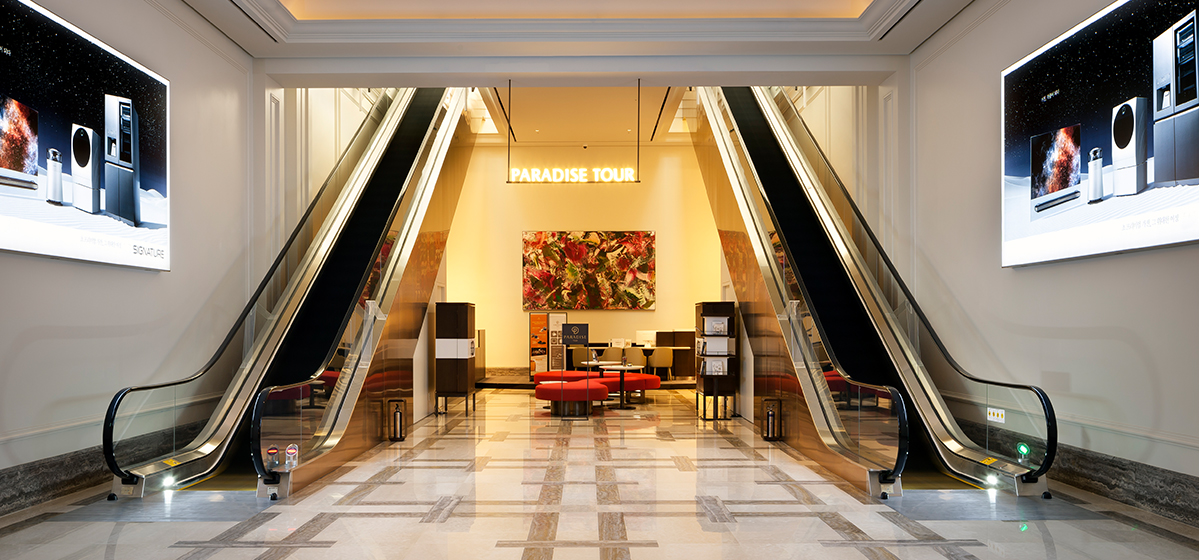
The S series escalators are made for hotels, shopping malls and office buildings, featuring a compact design and energy-saving mode with automatic operation. Radar sensors detect approaching passengers, restarting escalators as needed. The inverter with MSTVF control adjusts speeds based on traffic flow at different periods of time, optimizing motor efficiency and minimizing energy use. Long-lasting LED lights on handrails, combs, and under-step lighting consume 75% less power than traditional fluorescent lights, further enhancing energy savings.
Contracting type: For sale
Technology maturity: Proven
Technology level: High
Place of origin: Republic of Korea
Availability: Worldwide
Contact: WIPO GREEN Database
Energy efficiency: solar-powered LED screen
VisionPI
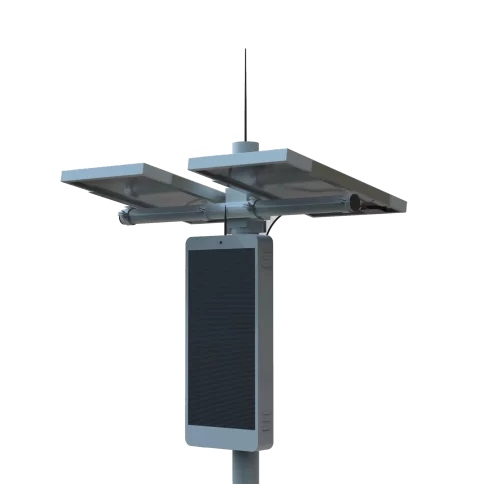
A solar-powered LED display that integrates a solar control unit, battery storage and an LED display module to ensure continuous operation using solar energy. The solar controller regulates battery charging and discharging, adjusts output voltage based on demand, and protects against overcharging, deep discharge, short circuits and overloads. Designed for efficiency, the system supports "charging and playing synchronization," allowing it to operate while charging. An integrated energy-saving module ensures up to 100 hours of display power in the absence of sunlight, making it suitable for locations with variable solar conditions.
Contracting type: For sale
Technology maturity: Proven
Technology level: High
Place of origin: China
Availability: Asia
Contact: WIPO GREEN Database
Machines and appliances: energy-efficient machineroom-less elevator
Kone

The KONE MonoSpace DX is a machineroom-less (MRL) elevator that minimizes energy consumption by eliminating the need for a machine room. Powered by the energy-efficient KONE EcoDisc® motor, it reduces the building’s carbon footprint with eco-efficient hoisting, regenerative drive, energy-saving standby operation and long-lasting LED lighting. The next-generation EcoDisc motor is compact, highly durable and more energy-efficient than traditional elevator motors. Enhanced with connectivity, the elevator integrates with KONE's digital platform for smarter, more efficient operation and 24/7 AI-based monitoring, helping to identify potential issues and optimize maintenance.
Contracting type: For sale
Technology maturity: Proven
Technology level: High
Place of origin: Finland
Availability: Worldwide
Contact: WIPO GREEN Database
Space heating and cooling: air handling unit
Daikin
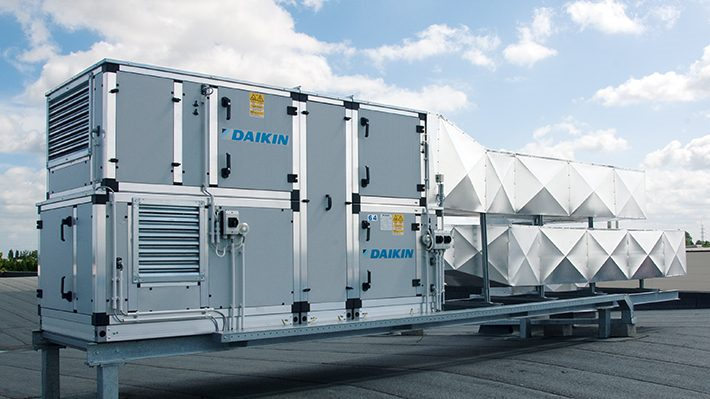
Daikin's plug-and-play air handling unit (AHU) is an integrated solution for heating, cooling and ventilation in commercial buildings. Combining Daikin’s heat pumps (Variable Refrigerant Volume technology or ERQ condensing units) with ventilation units, this system improves energy efficiency and indoor comfort while simplifying installation. The AHU incorporates heat recovery technology, using the heat from exhaust air to pre-condition incoming fresh air, reducing the energy required for additional heating or cooling. When heat recovery alone is insufficient, Daikin’s heat pumps provide supplemental heating or cooling to maintain the desired indoor temperature. The system supports advanced air management features such as airflow and temperature control, integration with chilled water and direct expansion (DX) cooling, CO2 monitoring, and Variable Air Volume (VAV) and Constant Air Volume (CAV) operation, ensuring optimal climate control across various applications.
Contracting type: For sale
Technology maturity: Proven
Technology level: High
Place of origin: Japan
Availability: Worldwide
Contact: WIPO GREEN Database
Machines and appliances: modular gearless machines for mid-size elevator
Schindler

Schindler’s modular gearless technology can be retrofitted into existing mid-rise buildings, offering an energy-efficient upgrade for older elevator systems. By replacing traditional geared machines with gearless technology, it reduces power consumption and enhances ride quality with smoother, quieter operation. Integrated with regenerative drives, it captures and converts excess energy from the elevator’s descent into reusable energy instead of dissipating it as heat, and feeds it back into the building’s power grid, lowering overall electricity usage. The compact design, featuring a smaller sheave and suspension traction media (STM), allows for easier installation in existing machine rooms. This retrofit solution not only improves efficiency but may also qualify buildings for energy rebates and LEED certification points.
Contracting type: For sale
Technology maturity: Proven
Technology level: High
Place of origin: Switzerland
Availability: Worldwide
Contact: WIPO GREEN Database
Space heating and cooling: air-cooled variable-speed drive screw chiller
Johnson Controls

The YORK® YVAA Air-Cooled Chiller is an energy-efficient cooling solution designed to optimize performance and reliability. Featuring a patented liquid-cooled variable-speed drive, it delivers 15% to 25% annual energy savings. The chiller reduces energy consumption by minimizing refrigerant compression, leveraging a hybrid falling film evaporator and microchannel condenser coil for enhanced heat transfer. Its variable volume index (VI) technology further improves part-load efficiency, making it suitable for diverse operating conditions, including high ambient temperatures up to 55°C. With a focus on energy optimization, the YVAA offers a lower-maintenance, high-efficiency cooling solution for commercial and industrial applications.
Contracting type: For sale
Technology maturity: Proven
Technology level: High
Place of origin: United States of America
Availability: Worldwide
Contact: WIPO GREEN Database
Energy efficiency: ultra-slim EV chargers for smart charging
Charge+

The ultra-slim EV charger is a compact, energy-efficient charging solution designed to optimize space while delivering reliable performance. With only 10 cm width, its sleek design enables easy installation in tight spaces and seamless plug-and-play integration in all existing car parks, especially suitable for commercial applications. It comes with the smart charging software including energy management capabilities, real-time monitoring and remote control for optimized charging. Through the mobile app and cloud-based platform, it ensures efficient power distribution, minimizes energy waste and allows users to track charging performance and adjust settings.
Contracting type: For sale
Technology maturity: Proven
Technology level: High
Place of origin: Singapore
Availability: Asia
Contact: WIPO GREEN Database
Frontier technologies
Energy management: smart controller and tracking device for retail air conditioning units
BenKon
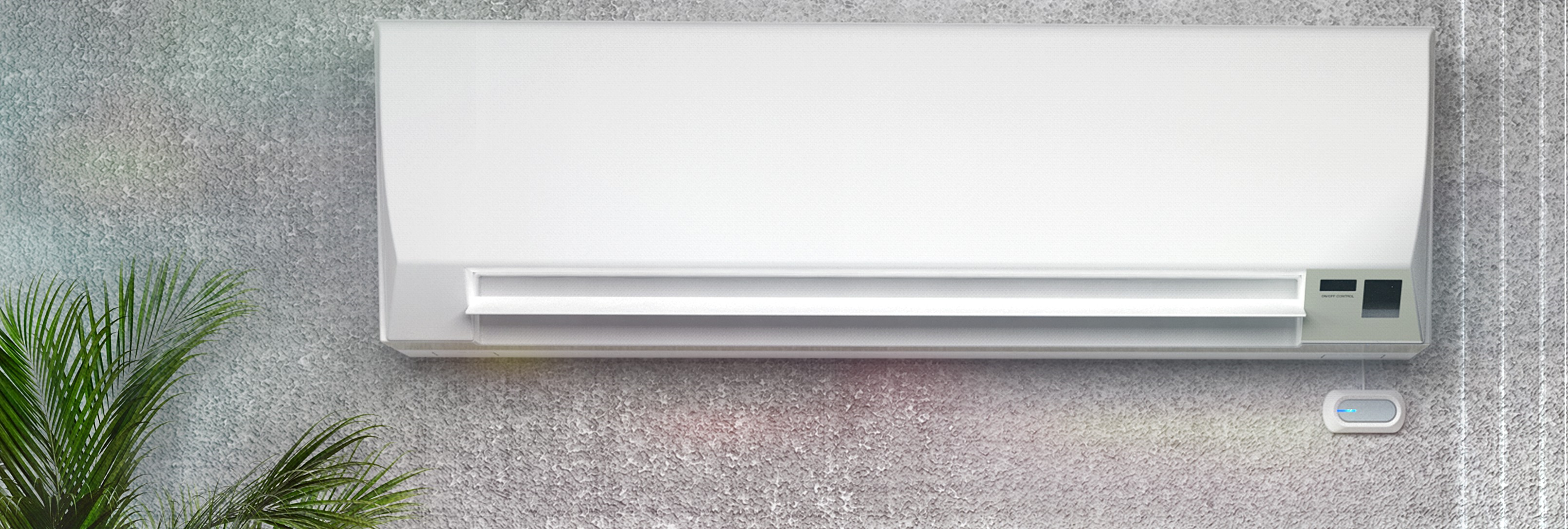
The BenKon SmartAir is a compact controller that functions like a fitness tracker for air conditioning units in the retail sector. It can turn any AC into a smart unit and transmits data to a cloud-based management platform. Through the BenKon App, managers can monitor the energy consumption of multiple air conditioners simultaneously, receive alerts and implement automated scheduling. The platform also leverages artificial intelligence to detect energy-wasting habits among personnel and recommend adjustments. According to the company, users in Viet Nam’s retail sector have reduced energy consumption by up to 20%. Additional applications include schools and hospitality businesses.
Contracting type: For sale
Technology maturity: Frontier
Technology level: High
Place of origin: Viet Nam
Availability: Viet Nam
Contact: WIPO GREEN Database
Energy efficiency: AI-integrated energy-efficient variable refrigerant flow solution
LG

The Multi V™i is an advanced energy-efficient variable refrigerant flow (VRF) system designed for mid- to high-rise buildings such as shopping malls, offices and hotels. Equipped with a highly evolved AI engine, it improves energy efficiency by up to 24.7% through smart features like AI Smart Care, which optimizes heating and cooling based on factors such as occupancy and ambient temperature. The system's AI energy management feature allows users to set energy consumption targets, reducing overall power usage. With a newly designed biomimetic fan and optimized air flow, it further cuts fan-motor power consumption. The system comes with auto tuning and remote upgrade. It is capable of operating in extreme temperatures, providing full cooling at up to 43°C and heating at as low as -10°C, ensuring energy savings and a comfortable indoor environment year-round.
Contracting type: For sale
Technology maturity: Frontier
Technology level: High
Place of origin: Republic of Korea
Availability: Worldwide
Contact: WIPO GREEN Database
Space heating and cooling: air-cooled modular inverter chiller
Carrier Japan Corporation
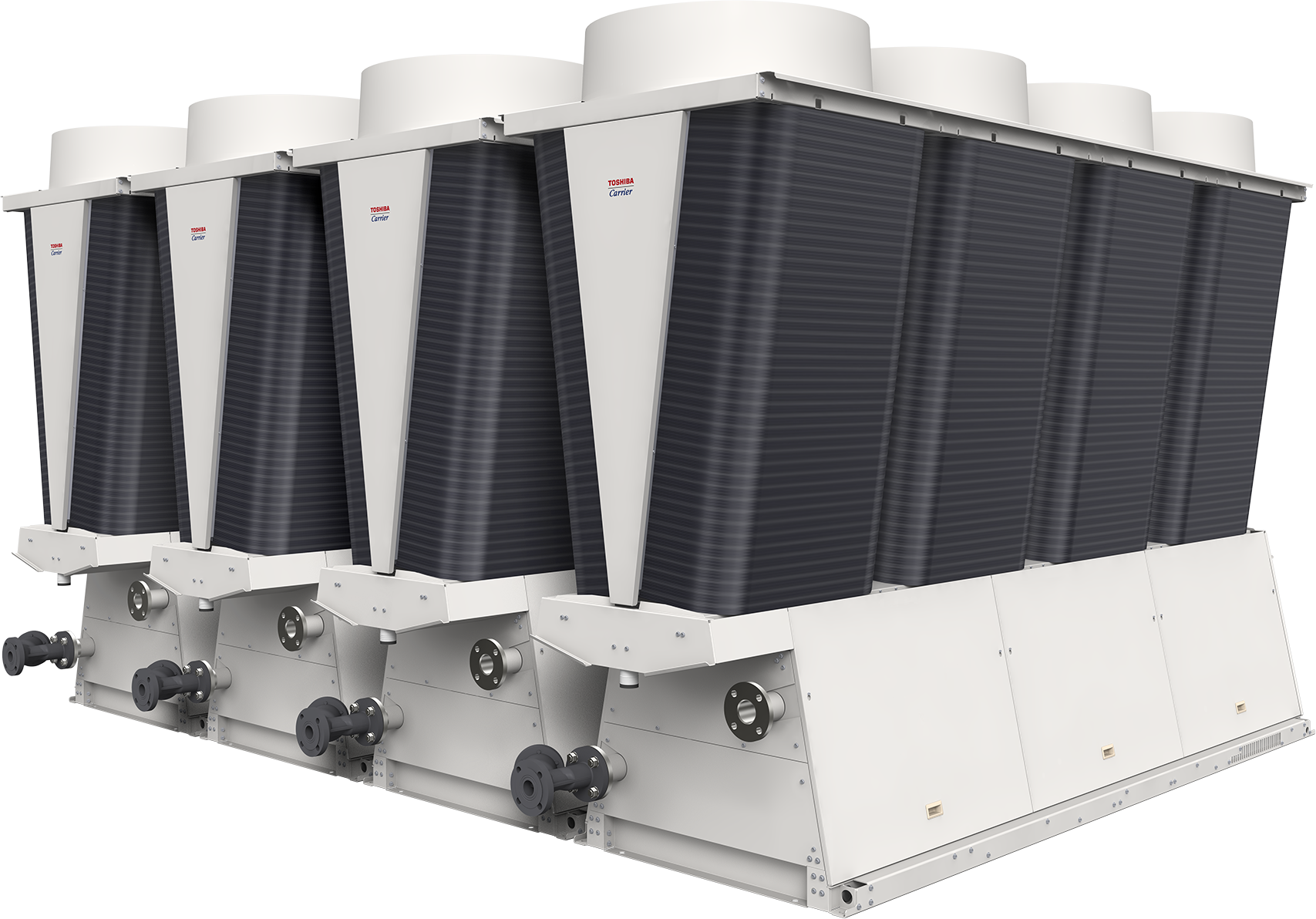
The Universal Smart X is an energy-efficient air-cooled chiller system designed for a wide range of applications, from air conditioning to industrial processes. Featuring a new DC twin rotary compressor, it improves motor performance and reduces pressure loss, achieving industry-leading energy efficiency. It performs well in different load conditions and across a wide temperature range. The compact design saves 58% in installation space compared to traditional systems, making it ideal for replacing cooling tower systems. It also includes harmonic current suppression, boosting power factor to 99%, and features advanced controllers and wireless LAN for optimized energy management and real-time monitoring.
Contracting type: For sale
Technology maturity: Frontier
Technology level: High
Place of origin: Japan
Availability: Worldwide
Contact: WIPO GREEN Database
Space heating and cooling: advanced AI for HVAC optimization
BrainBox AI

BrainBox AI enhances HVAC efficiency by integrating with existing networked control systems or cloud-connected AI-enabled thermostats. It maps and normalizes data before applying predictive algorithms based on the building’s unique thermal behavior. External information such as weather forecast, utility tariff structures, grid emission factors and occupant density is fed to the AI engine. By analyzing these factors, the AI engine autonomously adjusts HVAC operations every five minutes to optimize performance. The system continuously learns and adapts to changing conditions while implementing advanced controls like demand ventilation and humidity regulation. Such an AI-driven approach reduces HVAC energy consumption by up to 25% and lowers HVAC related carbon emissions by up to 40%, contributing to more sustainable building management.
Contracting type: For sale
Technology maturity: Frontier
Technology level: High
Place of origin: Canada
Availability: Worldwide
Contact: WIPO GREEN Database
Energy efficiency: micro-LED display
Absen

The KLCOB V2 Series micro-LED display features a black polymer coating for enhanced contrast and visual depth. It utilizes flip-chip LED technology that has a smaller footprint and emits light from all five sides, resulting in improved brightness and 40% reduction in energy consumption compared to traditional face-up LED displays. It is versatile, offering installation options like stacking, wall-mounting and precise 90° splicing, providing a reliable and energy-efficient solution for various display environments.
Contracting type: For sale
Technology maturity: Frontier
Technology level: High
Place of origin: China
Availability: Worldwide
Contact: WIPO GREEN Database
Space heating and cooling: new generation oil-free centrifugal air-cooled chillers
Smardt

The AeroPure AF Series is a new generation of air-cooled chillers featuring oil-free, magnetically suspended compressors, designed for energy-efficient comfort air conditioning. By using magnetic fields to suspend the compressor components, friction is significantly reduced, which minimizes energy loss and increases efficiency. This innovative design also reduces wear and tear, enhancing long-term performance. Available in 36 models with capacities from 211 to 1800 kW (60 to 510 TR), it offers configurable options for extreme temperatures, harmonic filtering and noise reduction. The Smardt Global Controls Platform enables real-time monitoring, intelligent optimization and seamless integration with building management systems, while its compact design suits space-constrained installations.
Contracting type: For sale
Technology maturity: Frontier
Technology level: High
Place of origin: Australia
Availability: Asia, Australia, Europe, North America
Contact: WIPO GREEN Database
Space heating and cooling: ETFE roofing and façade technology
Vector Foiltec
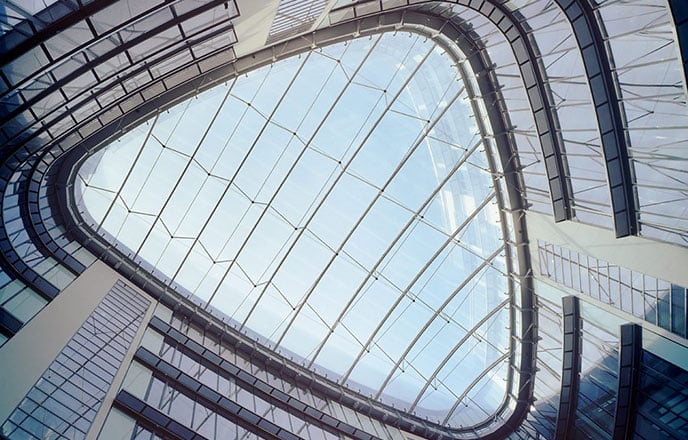
The Texlon® ETFE system is a lightweight and transparent material used for roofs and façades adaptable to various architectural and environmental requirements. It helps save energy by letting in natural light, reducing the need for artificial lighting, and providing insulation to regulate indoor temperatures. With low environmental impact, it is applicable for both new construction and refurbishments. Additionally, its translucent design creates visual effects, especially when lit up at night, making it a popular option for modern shopping malls and other large, open spaces.
Contracting type: For sale
Technology maturity: Frontier
Technology level: Medium
Place of origin: Germany
Availability: Worldwide
Contact: WIPO GREEN Database
Energy efficiency: AI-assisted destination floor reservation system
Hitachi Building Systems
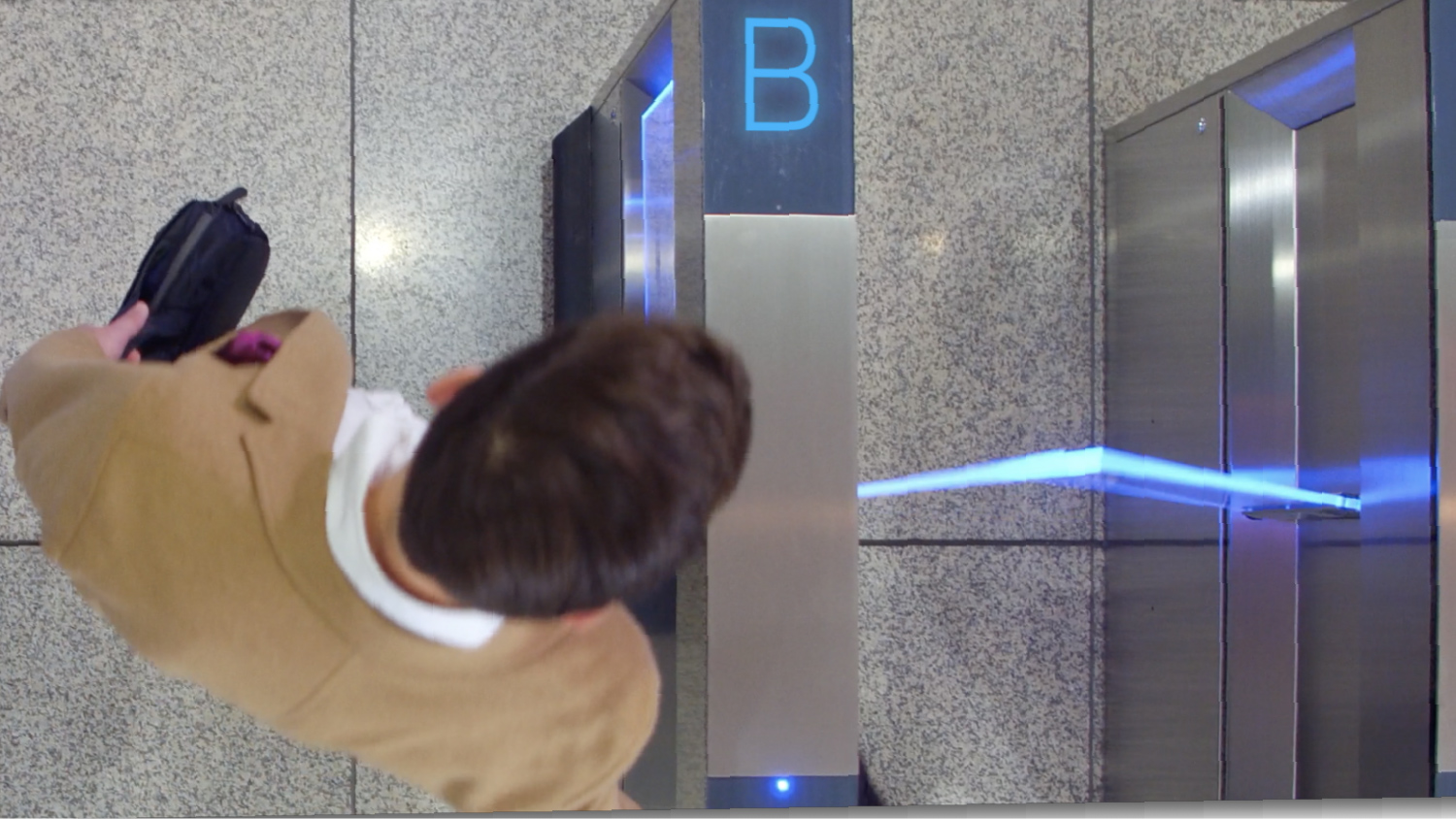
AI-assisted destination floor reservation systems enhance elevator efficiency by predicting traffic flow and assigning elevators based on demand, reducing waiting times and unnecessary stops. By optimizing dispatch and passenger distribution using AI algorithms, the system lowers energy consumption and minimizes the likelihood of fully loaded elevators traveling inefficiently. Additionally, regenerative braking technology recovers excess energy when elevators descend with heavy loads or ascend with light loads, feeding it back into the building’s power grid. When integrated with energy-efficient gearless traction machines, these systems can save up to 50% of energy consumption, enhancing sustainability in high-traffic buildings like shopping malls.
Contracting type: For sale
Technology maturity: Frontier
Technology level: High
Place of origin: Japan
Availability: Worldwide
Contact: WIPO GREEN Database
Machines and appliances: high-performance refrigeration with monitoring solution
Emerson

Emerson's Copeland™ scroll compressor rack system is designed for large-scale food refrigeration, offering improved performance and reduced power consumption. This system enhances refrigeration and freezing efficiency by 15%, while increasing cost-effectiveness over its lifecycle. The use of vapor injection technology reduces compressor power consumption, improving reliability and energy efficiency. The integrated monitoring system allows for store-level management, preventing malfunctions and ensuring stable operation. Equipped with electronic sensors and controllers, the system ensures precise temperature control, durability and enhanced efficiency. Additionally, the new R448A refrigerant cuts the GWP in half compared to traditional refrigerants.
Contracting type: For sale
Technology maturity: Frontier
Technology level: High
Place of origin: United States of America
Availability: Worldwide
Contact: WIPO GREEN Database
Energy supply: solar waterproof carport
Kinsend

The solar waterproof carport mounting system typically includes a series of brackets or rails that are fastened to the roof or surface using screws or bolts. The solar panels are then attached to the brackets or rails using special clamps or clips. These mounting systems are designed to withstand harsh weather conditions, including strong winds, rain, snow and extreme temperatures. This ensures that the solar panels are always positioned at the optimal angle for maximum energy production. It is suitable for open field areas, or supermall parking area.
Contracting type: For sale
Technology maturity: Frontier
Technology level: Medium
Place of origin: China
Availability: China, Europe, Japan, Southeast Asia, the Republic of Korea
Contact: WIPO GREEN Database
Horizon technologies
Energy supply: a friction power-generating mat
Toyo Aluminium Ekco Products Co. Ltd.

Toyo Aluminium Ekco Products, in collaboration with Kansai University, Survey Research Center Co., Ltd., and Toyo Aluminium K.K., has developed a mat that generates electricity through friction when stepped on. The mat can produce several tens of milliwatts of power per step and is expected to serve as a carbon dioxide-free energy source. Unlike traditional ceramic-based piezoelectric elements, it is made from flexible materials, offering enhanced durability. The generated electricity can power electronic devices such as LEDs and signal transmitters, with potential applications including visitor or pedestrian counting systems, among others. Following a test marketing phase in 2024, product advancement is ongoing.
Contracting type: For collaboration
Technology maturity: Horizon
Technology level: High
Place of origin: Japan
Availability: Japan
Contact: WIPO GREEN Database
Energy supply: plug-and-play building-integrated photovoltaics
Power Facade

Power Facade, a spin-out from the Solar Energy Research Institute of Singapore (SERIS), is addressing the lack of plug-and-play BIPV solutions by developing a modular BIPV wall system, using light-gauge steel prefabrication technology. Each unit can operate independently or be installed in an interlocking design, allowing for quick installation and water tightness. The modules come pre-assembled and wired, enabling installation from inside a building without the need for scaffolding. Using SERIS-patented hybrid printing technologies, Power Facade offers a solution that can mimic the appearance of common building materials such as brick, concrete or marble. After receiving a startup grant in 2023, the company aims to refine its product in collaboration with SERIS throughout 2025.
Contracting type: For collaboration
Technology maturity: Horizon
Technology level: High
Place of origin: Singapore
Availability: Singapore
Contact: WIPO GREEN Database
Space heating and cooling: energy-free cooling tiles inspired by fungi and elephants
Nanyang Technological University (NTU)
_.jpg)
Researchers at Nanyang Technological University (NTU) Singapore, in collaboration with biomimicry design firm bioSEA, have developed an energy-efficient building tile made from fungi-based mycelium and bamboo shavings that passively cools structures without using electricity. Inspired by the textured skin of elephants, the “fungi tiles” feature a bumpy surface that enhances heat dissipation through increased surface area, mimicking natural thermoregulation. Lab tests show these biodegradable tiles outperform traditional insulation materials in thermal regulation, offering a zero-energy cooling alternative. With successful proof-of-concept results in the lab, the next phase of the project involves scaling up production and conducting real-world trials on building exteriors. If successful, these tiles could offer a sustainable solution to reduce building temperatures in hot climates, potentially lowering dependence on air conditioning and cutting energy costs while using the power of nature.
Contracting type: For collaboration
Technology maturity: Horizon
Technology level: High
Place of origin: Singapore
Availability: Singapore
Contact: WIPO GREEN Database
Space heating and cooling: elastocaloric green cooling device
Hong Kong University of Science and Technology (HKUST)
_.jpg)
Researchers at the Hong Kong University of Science and Technology (HKUST) have built a kilowatt-scale elastocaloric cooling device. It cools indoor air from 30–31°C to 21–22°C in just 15 minutes. This is the first elastocaloric system to reach power levels suitable for commercial air conditioning, exceeding the previous 260-watt limit. The device connects 10 small cooling units in series, using only 104.4 grams of nickel-titanium alloy. These tubes have a high surface area, which improves heat exchange. It also uses graphene nanofluid, which transfers heat 50% more efficiently than water. The system runs at a frequency of 3.5 Hz and a low pressure (<1.5) bar, achieving 1,284 watts of cooling power. Solid-state cooling technology based on the elastocaloric effect of shape memory alloys (SMAs) has zero greenhouse gas emissions and high energy efficiency potential. In tests, it successfully cooled a 2.7 m³ model house in hot summer conditions, stabilizing indoor temperatures at 21–22°C. HKUST is working with industry partners to commercialize the technology.
Contracting type: For collaboration
Technology maturity: Horizon
Technology level: High
Place of origin: Hong Kong, China
Availability: Hong Kong, China
Contact: WIPO GREEN Database