
The hospitality industry in Asia has experienced significant growth over the past few decades, with destinations like China, India, Japan, Singapore and Thailand attracting millions of global tourists. The region's rich cultural heritage, scenic nature and history have caused this surge in tourism fueling economic growth. But this growth has also intensified environmental concerns since hotels are among the largest consumers of energy and water, with their constant need for heating and cooling, lighting, ventilation, hot water and running appliances round the clock.
In fact, globally the hotel industry alone accounts for approximately 1% of carbon dioxide emissions, with 60% of it coming from energy consumption (
Globally the hotel industry alone accounts for approximately 1% of carbon dioxide emissions, with 60% of it coming from energy consumption
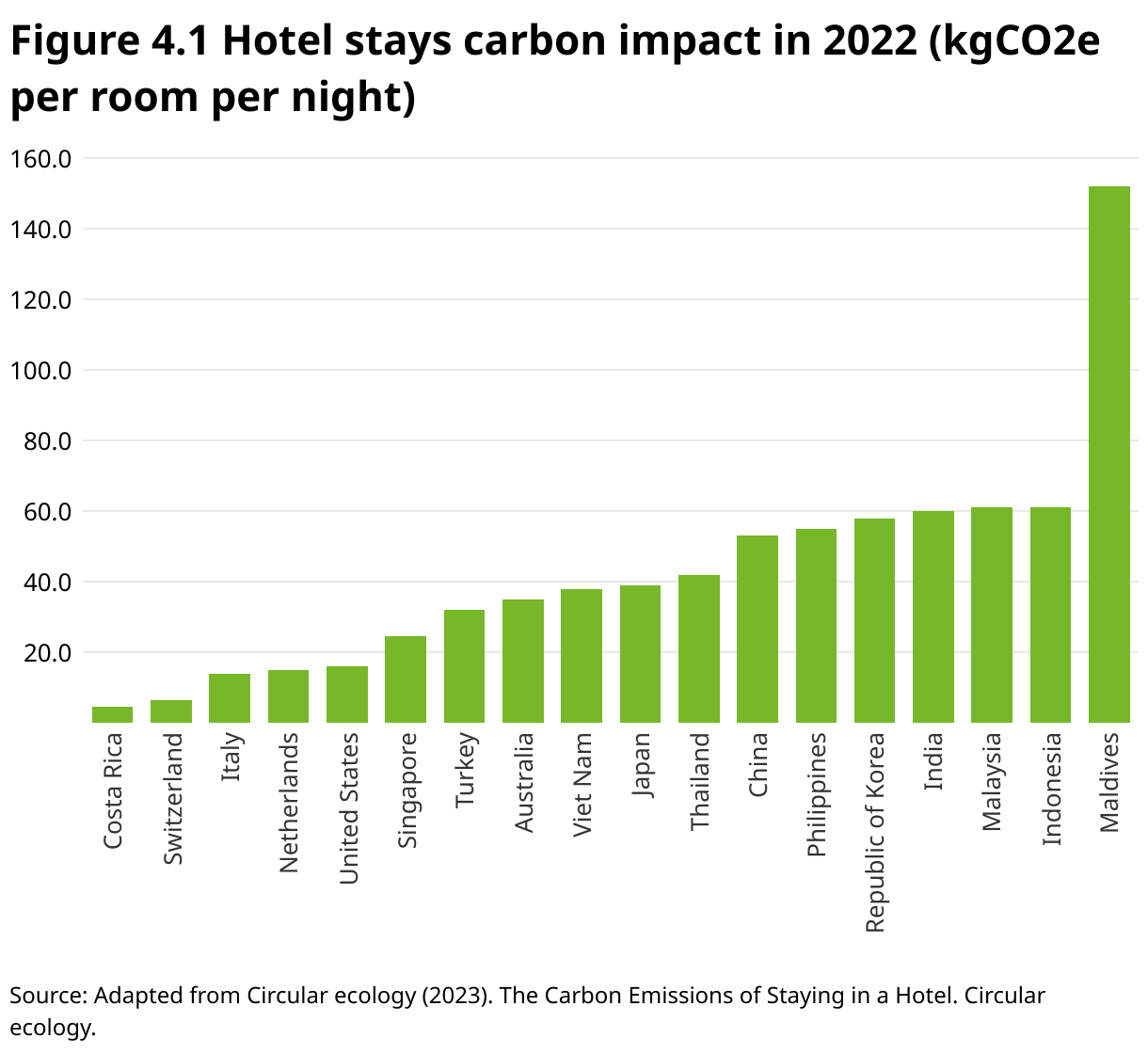
In Asia-Pacific, these emissions are even higher per occupied room (figure 4.1), primarily due to the region's hot climate and heavy reliance on air conditioning. Figure 4.1 shows that in 2022, the majority of countries with high carbon intensities per hotel stay were in Asia, with the Maldives having the highest impact at 152.2 kg CO2e per hotel room per night (
Given such an environmental footprint, sustainability has become a critical focus for the hotel industry. Simply encouraging guests to reuse towels is no longer enough. Today, energy-efficient technologies are essential and are increasingly in demand among travelers actively seeking eco-friendly accommodation (
Technological development and trends
Heating and cooling are the leading energy consumers in hotels
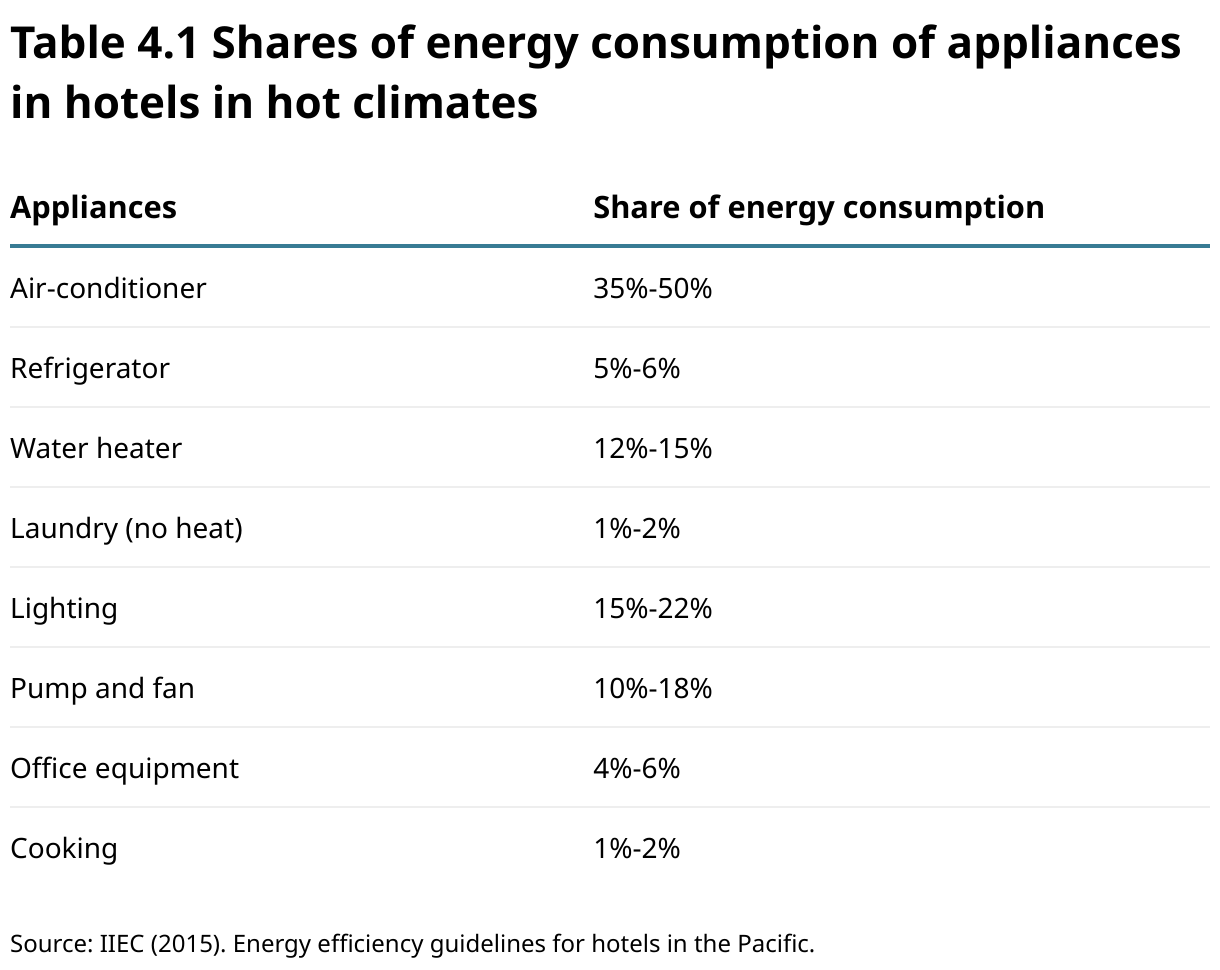
Hotel energy consumption varies based on service levels, comfort needs and climate. One major energy-intensive area that hoteliers can target for efficiency improvements is the HVAC system, which accounts for 40 to 50% of a hotel’s total energy consumption (
Heat pump units are increasingly prevalent in Asian hotels requiring year-round temperature control, especially in countries like China, Japan and Singapore. Heat pumps can be used for both heating and cooling spaces and for hot water, making them a more flexible and energy-efficient option than traditional air conditioners. Heat pumps can reduce a hotel’s total electricity usage by 44% (
In the hotel industry, CO2 heat pumps are an emerging technology. A Chinese hotel retrofit with CO2 heat pumps achieved 50% energy savings (
Heat pumps can reduce a hotel’s total electricity usage by 44%
ACs are major energy consumers, but smart ACs are transforming the hotel industry by enhancing energy efficiency and guest comfort. With the help of advanced thermostat control and occupancy sensor, smart ACs automatically adjust room temperatures based on adaptive scheduling and temperature presets when guests are outside their rooms and turns them off when doors or balcony windows are left open. Centralized management allows remote monitoring and control of all units, while maintenance alerts and performance tracking further optimize efficiency. Additionally, inverter ACs can save 30% to 50% more energy compared to non-inverter models (
Thermal storage systems coupled with chillers or heat pumps have been used in hotels in China, Japan and the Republic of Korea. The systems improve energy efficiency by storing excess cooling or heating during off-peak hours and using it when demand is high. When paired with chillers, they allow hotels to produce and store chilled water or ice during low-demand periods (typically at night) and use it for cooling during peak hours, reducing strain on the electrical grid and lowering energy costs. Similarly, when integrated with heat pumps, thermal storage can accumulate heat during times of lower energy demand and release it as needed.
Thermal storage systems coupled with chillers or heat pumps have been used in hotels in China, Japan and the Republic of Korea
Many hotels in the Pacific are not designed for energy efficiency but there are opportunities for retrofitting (
Optimizing hotel lighting for energy efficiency
Since hotels operate 24/7, lights in common areas remain on for extended periods. Replacing incandescent lamps with LED lighting in lobbies, elevator halls and hallways – where lights are always in use – can significantly improve energy efficiency and reduce electricity consumption (
Automated controls enable centralized building energy management systems (BEMS) to manage lighting across hotel properties, further optimizing energy use in real time. These systems use motion sensors, timers and Internet of Things (IoT) connectivity to monitor and adjust lighting based on occupancy, time of day and ambient light levels. For example, in guest rooms, lights automatically dim or turn off when no motion is detected, while in conference halls or banquet areas, scheduled lighting ensures energy is only used when needed.
Automated controls enable centralized building energy management systems to manage lighting across hotel properties, further optimizing energy use in real time
Hotels can also integrate cloud-based lighting management systems, allowing facility managers to remotely control and monitor lighting across multiple locations. This reduces unnecessary energy consumption, enhances maintenance efficiency by detecting faults or failures instantly and lowers electricity costs. Several systems including HVAC and electric appliances are integrated with energy management systems. These systems can also adapt to guest preferences – offering personalized comfort in terms of temperature or lighting – while maintaining overall energy efficiency.
By prioritizing energy efficiency, hotels can meet sustainability goals and improve guest satisfaction. In addition, predictive analytics is often embedded in energy management systems (EMS), which enables data-driven decision-making. By analyzing patterns in historical energy use, occupancy trends and equipment performance, hotels can forecast when equipment might need maintenance or when energy consumption might spike. This allows for proactive measures to optimize operational performance before problems arise.
Saving energy in hotel swimming pools
Swimming pools are a key feature in hotels. In recent years, there has been a growing focus on energy-efficient swimming pools. Eco-friendly pools integrate advanced energy-saving technologies like high-efficiency pool pumps, LED lighting, solar-powered heating systems etc.
Pumps are used for water circulation in many parts of the hotel, including swimming pools. They are typically oversized and operate at higher flow rates than needed, leading to excess energy consumption. Reducing pump flow rate and speed can significantly save energy; for instance, cutting the pump speed from 3,450 rpm to 2,400 rpm (a 30% reduction) can result in a 70% power reduction (
Using solar panels to naturally heat pool water reduces dependence on electricity or gas heaters and lowers energy consumption. Pool covers help further minimize heat loss and evaporation, helping maintain the water temperature and therefore cutting heating and water costs. Such covers also help to alleviate the load on the filtration system by keeping debris out of the pool. Efficient filtration systems help conserve water while maintaining its quality, supporting both energy and water saving. To further reduce energy usage, many hotels are switching to LED pool lighting.
Variable speed drives are an efficient option for pump flow control, potentially reducing pump energy consumption by 50% to 70%.
Regular maintenance plays a key role in keeping equipment running smoothly, preventing unnecessary energy waste. In certain situations, such as swimming pools, significant energy savings can be achieved simply by turning off the pump when it’s not needed. This can either be done manually by staff or through timers, with a backup battery to ensure functionality during power outages. Moreover, implementing automation systems allows for precise control and remote management over pool operations like filtration, heating and lighting, also contributing to optimizing energy use.
Integration of solar energy in hotels
Solar energy is not only relevant for heating pools. In Asia, an increasing number of hotels are installing solar panels on their rooftops to power lighting and water heating, for example. They provide hotels with a reliable and independent source of energy, protecting them from price hikes or shortages, and enhancing energy security during outages or emergencies. While battery systems are often needed to complement solar production, solar output typically peaks during the hottest hours when cooling demand is highest, making it especially effective in hotel settings. For instance, Hotel Shangri-La in Bangkok has installed solar panels across a 938-square-meter rooftop to power a solar water heating system, which heats 25 million liters of water annually, providing sufficient hot water for the hotel's 802 guestrooms (
In Asia, an increasing number of hotels are installing solar panels on their rooftops to power lighting and water heating
Other emerging solar energy technologies in the hotel industry include solar concentrators, solar windows and solar-powered charging stations. Solar windows is a new technology that use ultra-thin transparent photovoltaic coatings on rigid glass surfaces, such as windows or building façades, to generate electricity while still allowing natural light to pass through. Complementing this, solar concentrators use mirrors or lenses, to focus sunlight onto a smaller, more efficient solar cell or thermal collector, utilizing 70% to 80% of solar radiation to increase electricity generation and heat water (
Different government initiatives are also accelerating the transition to clean energy by reducing the upfront cost of installing solar energy systems. For example, the Indian government offers a range of incentives, subsidies, tax credits and grants to businesses investing in renewable energy sources like solar power. Plus, hotels that adopt these practices also align with the growing trend of responsible tourism, fostering a positive reputation and increasing brand loyalty among guests who value environmental sustainability.
Hotel guests can help reduce energy consumption
Hotels play a crucial role in influencing guest behavior to support energy conservation and sustainability goals. By incorporating behavioral strategies – such as nudges, incentives and clear communication – hotels can encourage guests to make more eco-friendly choices during their stay.
Simple measures like placing signs near light switches, thermostats or showers can prompt guests to reduce energy and water usage. Digital reminders sent via in-room systems or mobile apps also reinforce these habits throughout the guest’s stay. Additionally, offering small rewards or recognition for participating in green initiatives has been shown to improve engagement. For instance, Singapore’s ParkRoyal Collection Hotel’s Go Green program plants a new plant in its gardens for every guest who opts for alternate-day housekeeping to help reduce water and energy consumption. This not only promotes sustainability but also gives guests a tangible sense of contribution. According to a study by Booking.com, 76% of travelers are more likely to book a hotel with a green certification, and 43% are willing to pay more for accommodations that prioritize sustainability (
Turning hotel food waste into energy
At many hotels, vast amounts of food waste are discarded daily. To tackle this issue, hotels are increasingly adopting biodigesters, which convert food waste into renewable energy. The biodigesters are widely used in medium-sized and large hotels for on-site energy generation.
Food waste is fed into biodigesters, where anaerobic digestion breaks down organic matter, producing biogas which, when purified, becomes biomethane – a clean fuel for electricity and heat generation. Between 200 and 400 kilowatt-hours of electricity per ton of food waste can be produced, depending on the waste composition (
A biodigester can produce 200–400 kilowatt-hours of electricity per ton of food waste
Another advanced biodigester technology extracts filtered wastewater from food waste, recovering up to 267 gallons of water per ton (
Energy-efficient appliances and smart technologies for hotel amenities
Several electric appliances can contribute to reducing energy consumption. The modern energy-saving key card system, which is commonly found in hotels, activates the room's lighting, air conditioning and other electronic devices as soon as the guest enters the room, and automatically turns them off when the room is unoccupied. Auto shutdown sockets prevent standby power waste (also known as "phantom load" or "vampire power") by cutting off electricity supply to connected devices such as televisions, chargers and desk lamps in guest rooms when not in use. Some advanced models can also be programmed to shut off appliances at specific times or integrate with hotel energy management systems for centralized control. Also, mini-bars and smart fridges can analyze guest usage patterns to activate cooling only when guests access them, thus optimizing energy consumption.
Smart windows, blinds and curtains are also used to automatically adjust based on sunlight and room temperature to optimize heating and cooling. For example, smart windows automatically lighten in winter to utilize natural heat and sunlight, while tint to their darkest shade to block heat in summer, saving up to 70% more energy than double-pane windows (
Smart windows save up to 70% more energy than double-pane windows
Meanwhile, in the kitchen, induction cooktops, combi ovens (reduce cooking times and energy use by combining multiple cooking methods like steam and convection), etc. reduce energy usage in food preparation. Air-cooled ice machines use just 15–25 gallons of water per 100 pounds of ice and consume less electricity than traditional models by using air for cooling instead of water. Connectionless modern steamers further reduce energy use with their insulated, boiler-less design that retains heat, recycles condensed steam and requires just 14 gallons of water per day, significantly lowering energy demands for heating and operation (
Robots or AI are also being used in several hotels, such as Hilton Tokyo Bay and Fairmont Jakarta, to reduce food waste. AI predicts food consumption, adjusting portion sizes to prevent over-preparation, while robots sort and collect waste, which subsequently reduces the need for energy-intensive waste transportation and composting (
Saving energy through efficient water management technologies
Hotels in the Asia-Pacific region are increasingly adopting water-saving solutions – not only to conserve water but also to reduce the energy used in heating and pumping it. Hotels are among the biggest consumers of water in the tourism industry (
On average, a hotel room consumes about 1,500 liters of water per day (
Asian destinations are a priority for addressing water risks in tourism, as the region has the most water-stressed areas and the highest water intensity per occupied hotel room
Hotels are also adopting smart water management systems that use IoT-enabled smart meters to monitor water consumption, detect leaks in real time and optimize usage across hotel rooms and facilities. Hilton is an example of a hotel operator that has successfully reduced its water usage by 43% since 2008 through the implementation of a smart water management system (
Asian destinations are a priority for addressing water risks in tourism, as the region has the most water-stressed areas and the highest water intensity per occupied hotel room (
Hotel laundries are another major consumer of both water and energy, particularly due to water heating. Ozone laundry technology offers an energy-saving alternative by using ozone gas dissolved in cold water to clean and disinfect fabrics. This eliminates the need for hot water, reduces chemical use and shortens wash cycles – significantly cutting both energy and water consumption.
Innovation examples
Motion sensor lighting system reduces energy costs at Shangri-La Hotel, China

Shangri-La Hotel, Futian pioneered the use of motion sensor lighting across its 28 floors and guestroom corridors, optimizing energy efficiency without compromising guest experience. The system dims decorative lights by 25% when no movement is detected in the corridor, and instantly brightens them as guests enter the corridor from rooms or elevators. This innovation has led to annual savings of approximately 150,000 kWh of electricity, equivalent to US$21,405 (
Australian resort adopts solar energy
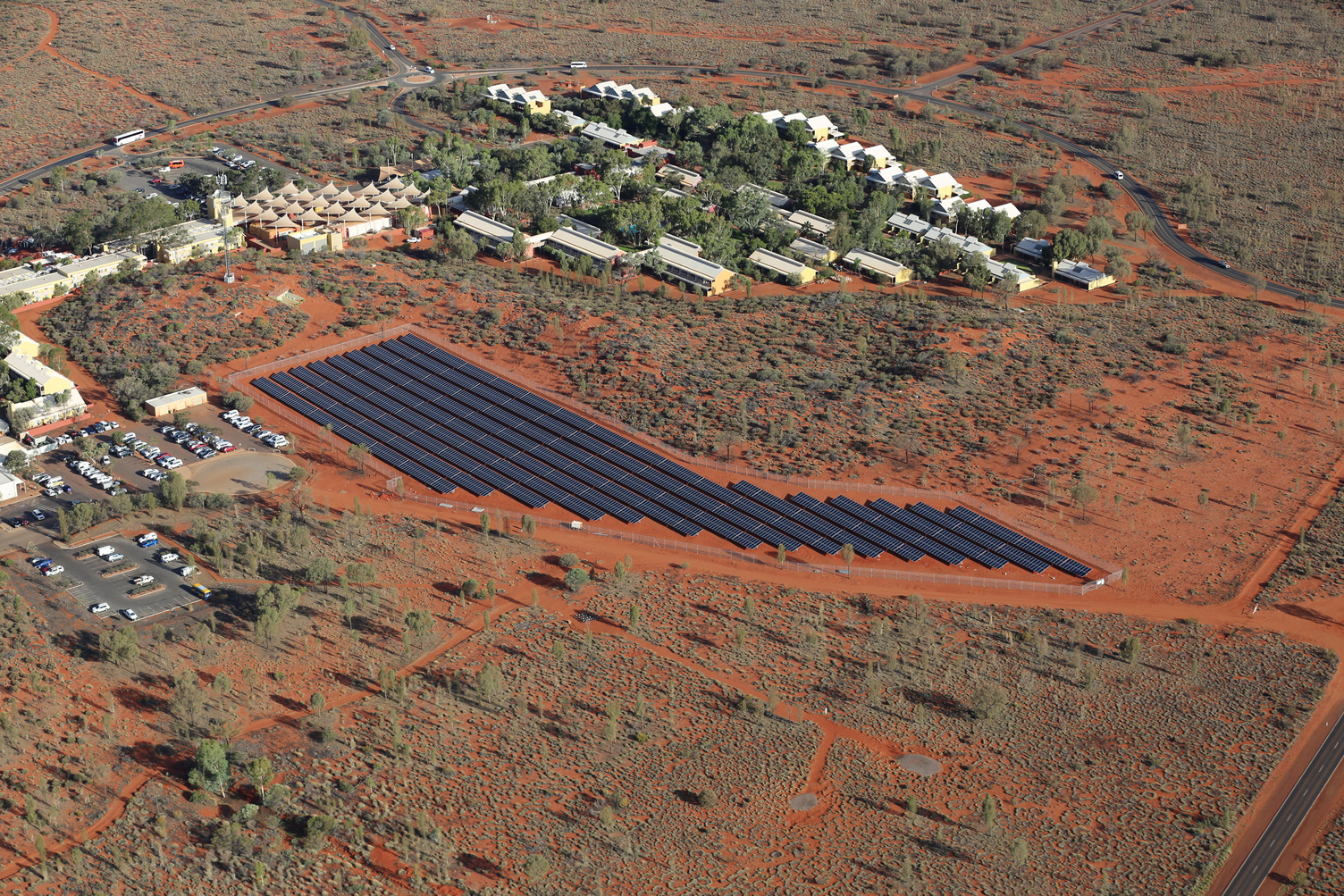
Ayers Rock Resort, nestled in the Australian outback, is a prime example of solar energy utilization. Its Tjintu Solar Field generates up to 30% of the resort's energy needs, reducing dependence on traditional energy sources. The resort's waste minimization program promotes efficient recycling and waste reduction to lessen its environmental impact. Additionally, a building management system is used to optimize energy consumption by controlling heating and cooling across the property. These initiatives not only enhance sustainability but also help preserve the region's natural environment.
Empowering guests to cut energy use with smart hotel systems in Hong Kong, China

A hotel group in Hong Kong, China has adopted Sensor Flow’s intelligent hotel system actively to engage guests in energy conservation. Through the hotel’s smart app, guests can access real-time energy data on their room’s energy consumption and control the room’s appliances accordingly. This enables them to manage their energy consumption more effectively. Moreover, such transparency empowers guests to make more sustainable choices, as they are charged only for the energy they use. Not only does this initiative promote eco-conscious behavior, but it also helps guests save on their hotel bills while reducing overall energy waste – a win-win for the hotel, their guests and the environment.
Technology solutions
Proven technologies
Machines and appliances: heat recovery dishwasher
Champion

This energy-efficient dishwasher saves 66% more energy compared to traditional models, with an annual savings of 79,495 kWh based on 6 hours of operation per day. Its self-developed heat recovery system pre-heats the incoming water by reusing steam generated during the rinsing process inside the dishwasher, raising the water temperature from 25°C to 47–57°C. The dual thermostat technology ensures stable rinsing temperatures, optimizing both disinfection and energy savings. Additionally, the heat recovery system minimizes steam leakage, reducing inside temperature and further enhancing energy efficiency.
Contracting type: For sale
Technology maturity: Proven
Technology level: High
Place of origin: China
Availability: Australia, Southeast Asia
Contact: WIPO GREEN Database
Energy supply: biogas cogeneration unit
Yanmar

The Yanmar CP micro-cogeneration units utilize gas engine technology to generate electricity while reclaiming waste heat to produce hot water, maximizing energy efficiency. The units can run on biogas and provide a sustainable solution for hotels, restaurants and other facilities, reducing both energy costs and CO2 emissions. By capturing heat from the engine, they efficiently heat water, eliminating the need for separate water heating systems. Multiple units can be integrated for higher output, and blackout-start models ensure reliable power during outages, making them a resilient energy solution.
Contracting type: For sale
Technology maturity: Proven
Technology level: High
Place of origin: Japan
Availability: Worldwide
Contact: WIPO GREEN Database
Energy management: smart air conditioner and radiator control solution
Sensgreen

Sensgreen’s Smart Air Conditioner (AC) and Radiator Control Solution is a wireless IoT-based system designed to optimize temperature regulation efficiently and cost-effectively. The solution integrates with existing AC units and radiators, eliminating the need for major modifications while providing precise temperature control. By leveraging real-time monitoring and AI-driven automation, it reduces energy consumption by up to 30%. Users can remotely monitor and control AC and radiator settings for convenient adjustments, troubleshooting and maintenance. It creates smart scenarios based on occupancy, window status and temperature thresholds to optimize energy efficiency and comfort, set temperature profiles for different time blocks and dynamically adjust settings using real-time weather data. It can also customize timetables for various zones, such as offices or meeting rooms, and adapt schedules seasonally to maintain ideal indoor conditions while minimizing energy consumption.
Contracting type: For sale
Technology maturity: Proven
Technology level: High
Place of origin: Turkey
Availability: Asia, Australia, Canada, Europe
Contact: WIPO GREEN Database
Energy efficiency: variable-speed pool pump
Maygo

The variable-speed pool pumps feature a permanent magnet synchronous motor (PSMS) with IE5 efficiency, delivering up to 80% energy savings compared to standard single-speed pumps. The pump has a flexible speed adjustment and utilizes a mechanical seal to prevent leakage. The pump working temperature is 5°C to 50°C. It also includes an LCD screen for manual touch operation and offers installation connectivity through Wi-Fi or Bluetooth for convenient control via mobile devices.
Contracting type: For sale
Technology maturity: Proven
Technology level: High
Place of origin: China
Availability: Worldwide
Contact: WIPO GREEN Database
Energy efficiency: water and energy-saving showerhead
Smart & Blue SAS

The HYDRAO Aloe showerhead offers an efficient flow rate of 6.6L/min while maintaining a comfortable shower experience. Utilizing the nudge concept, the showerhead features LEDs that change color in stages to provide real-time feedback on water consumption, encouraging users to save water. With the accompanying HYDRAO app, one can track the shower history, visualize the progress, set personalized goals and adjust water-saving thresholds, transforming each shower into an opportunity for reducing water usage. It can be retrofitted to any conventional shower hose and doesn't need a battery, with everything powered by the flow of water through the shower.
Contracting type: For sale
Technology maturity: Proven
Technology level: Medium
Place of origin: France
Availability: France, Singapore
Contact: WIPO GREEN Database
Machines and appliances: boiler-less combi oven for hotels
Electrolux Professional
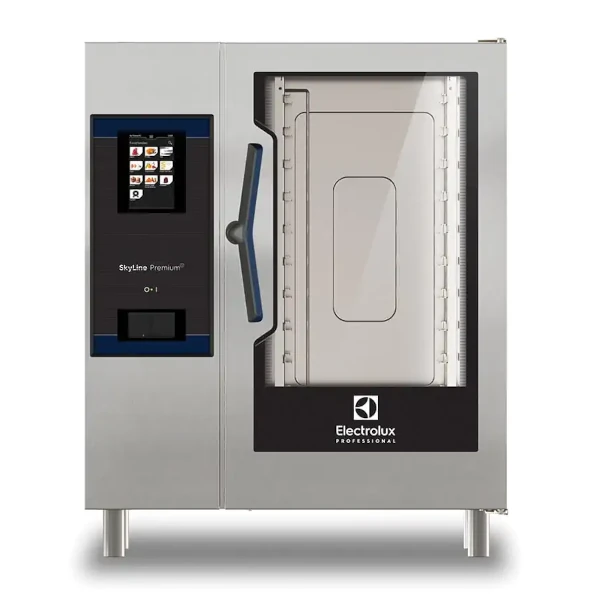
The SkyLine Oven for professional kitchens features enhanced chamber insulation, a triple-glazed door and an optimized cavity design to minimize energy consumption. Its high-precision control system and 26 sensors work together to optimize energy use. The smart Lambda sensor controls humidity, generating steam only when needed and utilizing the moisture from the food itself, reducing water waste. With Plan-n-Save, energy consumption can be reduced by up to 20% by optimizing the cooking sequence for greater efficiency. Additionally, it offers effective cleaning and integrated boiler descaling.
Contracting type: For sale
Technology maturity: Proven
Technology level: High
Place of origin: Sweden
Availability: Worldwide
Contact: WIPO GREEN Database
Energy efficiency: smart glass for windows and façades
Gauzy

Gauzy’s energy-efficient smart glass technologies, Polymer Dispersed Liquid Crystal (PDLC) and Suspended Particle Device (SPD), enable glass to transition between clear, tinted and opaque states, offering on-demand privacy and dynamic shading while blocking 99% of harmful UV rays. Operable in low-voltage and able to control solar heat gain and levels of natural light, smart glass reduces the need for air conditioning and artificial lighting, lowering a building’s overall energy demand and carbon footprint. Replacing traditional blinds or shades, the system also minimizes material waste and maintenance over time. Integrated with smart building automation through Wi-Fi and remote-control capabilities, the solution enhances occupant comfort while supporting green building certifications.
Contracting type: For sale
Technology maturity: Proven
Technology level: Medium
Place of origin: Israel
Availability: Worldwide
Contact: WIPO GREEN Database
Energy supply: renewable energy microgrids and smart energy management
Canopy Power
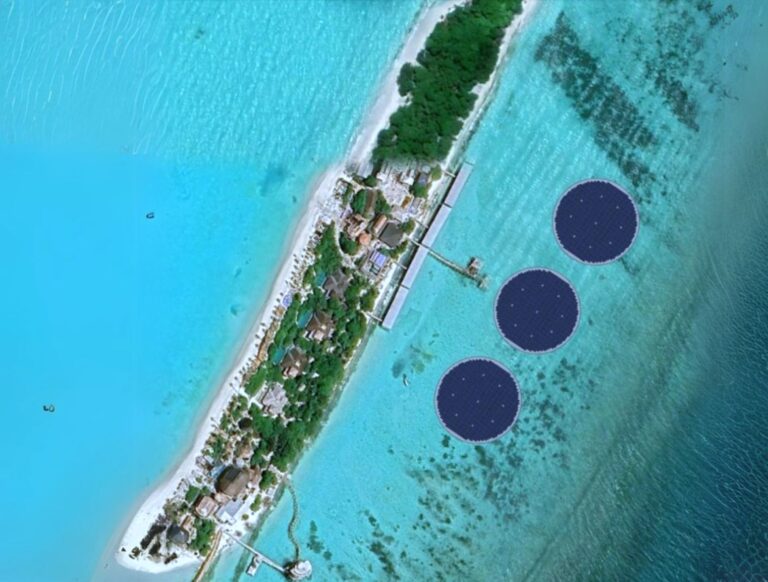
Canopy Power designs and implements renewable microgrid systems, ensuring a consistent clean energy supply for remote businesses and communities. Their microgrids are made resilient by incorporating a diverse set of energy technologies tailored to the specific customer and location, such as solar panels, floating solar, wind turbines and battery storage. All microgrids are equipped with the company’s smart energy management system (EMS), Hornbill™, allowing managers to analyze performance and monetize renewable energy attributes. Using blockchain technology, the EMS automatically generates tradeable Renewable Energy Certificates. Additionally, Canopy Power offers Operations & Maintenance services to ensure long-term system performance, including inspections, part replacements, lubrication and remote monitoring and management.
Contracting type: For sale/service
Technology maturity: Proven
Technology level: High
Place of origin: Singapore
Availability: Asia-Pacific, Australia, the Caribbean
Contact: WIPO GREEN Database
Energy efficiency: voltage optimization system
Co.Efficient Alpha
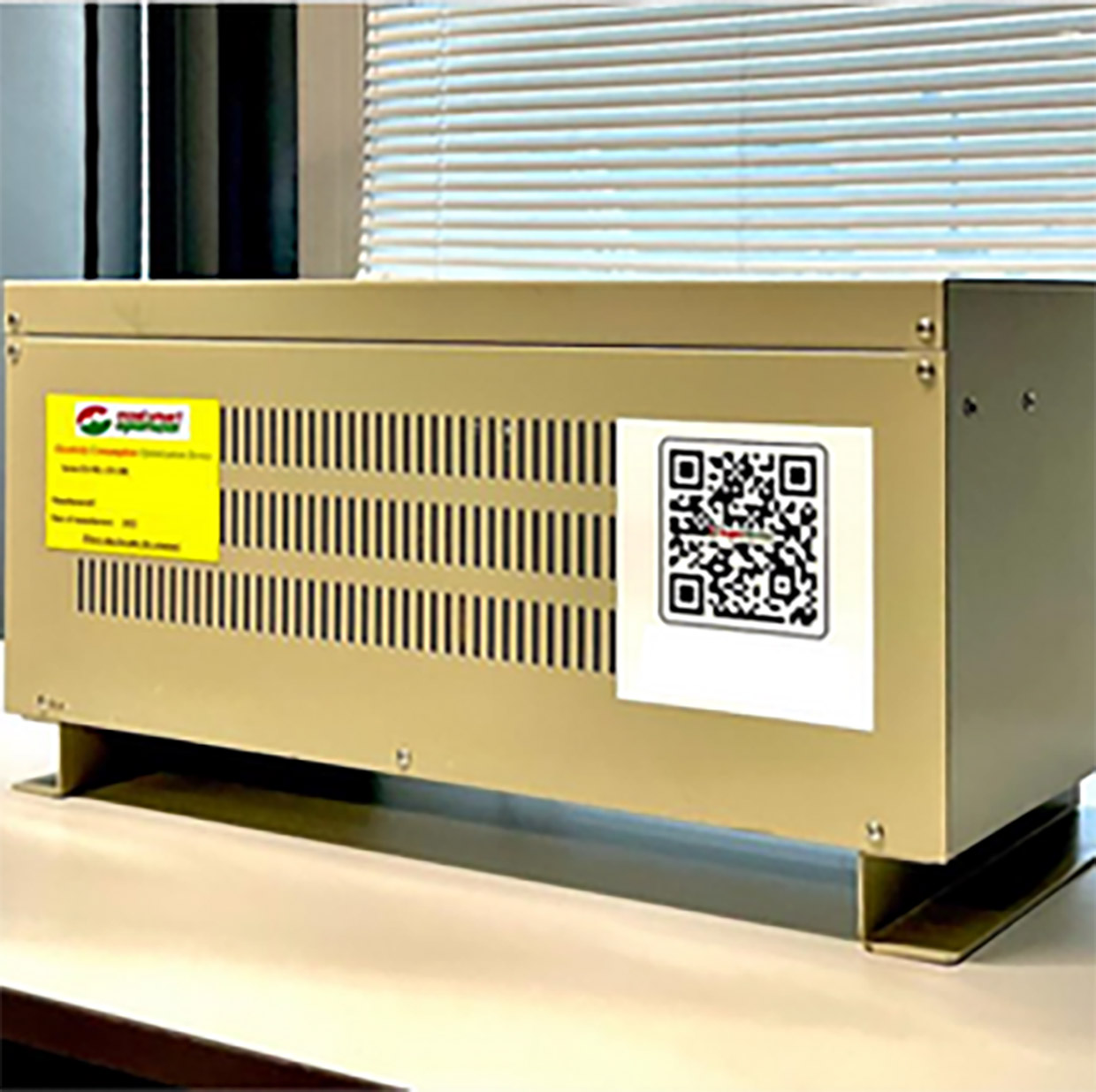
Voltage optimization is a technique used to adjust voltage levels within electrical systems, helping to save energy and extend equipment lifespan by protecting against power surges. The transformer-based voltage optimization system from Co.Efficient Alpha ensures that loads draw only the necessary current, reducing power consumption by 8 to 12%. Compatible with both indoor and outdoor installations, the system is suitable for a wide range of settings, including commercial buildings and industrial facilities, where multiple energy-intensive appliances may be running simultaneously. The solution is scalable, supports real-time remote monitoring for smart energy management and has a virtually unlimited lifespan.
Contracting type: For sale
Technology maturity: Proven
Technology level: High
Place of origin: Singapore
Availability: Worldwide
Contact: WIPO GREEN Database
Frontier technologies
Machines and appliances: professional ozone laundry
BioSure
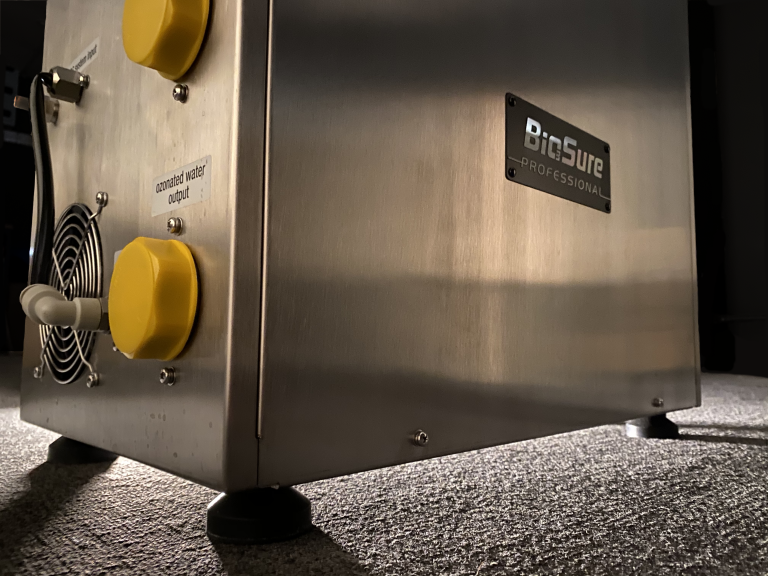
BioSure Professional's OWS Series utilizes a patented Indirect Electrolytic Ozone Generation (EOG) technology to produce ozone from water. This process generates pure ozone with no Nitrogen Oxides (NOx), making it a cleaner and more efficient solution for laundry applications. The dissolved ozone solution oxidizes linen soils, eliminates odor-causing elements and acts as a powerful disinfectant. Additionally, the oxygen from the ozone helps to open fabric fibers, which facilitates moisture release during drying, resulting in faster drying times and reduced energy consumption. Ozone also enhances the effectiveness of cleaning chemicals, reducing the need for multiple rinse steps and shorter wash cycles, which in turn decreases energy usage for water heating. Ozone also helps lower the overall chemical use.
Contracting type: For sale
Technology maturity: Frontier
Technology level: High
Place of origin: Taiwan, Province of China
Availability: Worldwide
Contact: WIPO GREEN Database
Machines and appliances: air-cooled ice machine
Ice-O-Matic

The Elevation Series ice machine offers up to 20% more energy efficiency with BPA-free parts. It uses less electricity by relying on fans to circulate air across the condenser coils and vent heat, rather than using water. In addition, its innovative design vents hot air from both the side and top, improving installation flexibility in tight spaces and reducing the risk of obstructed exhaust. The system features a plug-and-play design for easy installation, along with mission-critical indicators, a Smart Harness™ control board, universal components and digital diagnostics to simplify servicing.
Contracting type: For sale
Technology maturity: Frontier
Technology level: High
Place of origin: United States of America
Availability: Worldwide
Contact: WIPO GREEN Database
Space heating and cooling: CO2 heat pump
ITOMIC
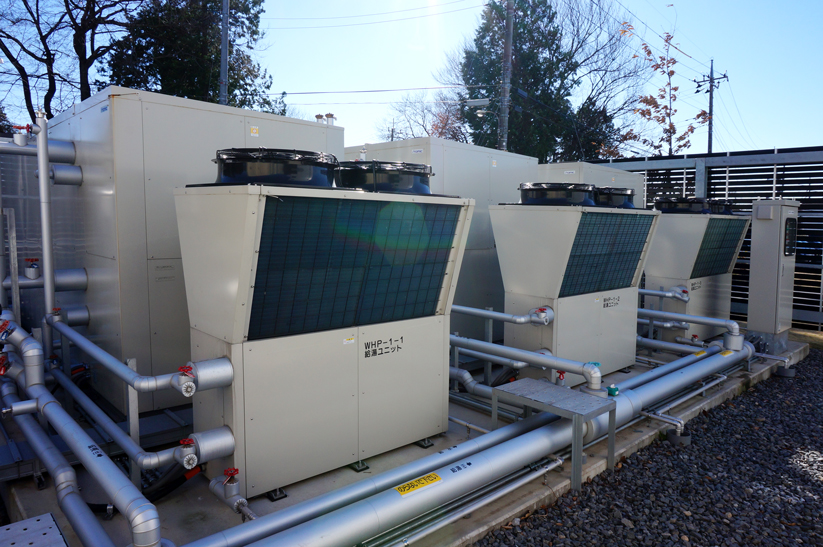
ITOMIC’s heat pumps use natural CO2 (R744) refrigerant. Unlike conventional CFC-based refrigerants, CO2 has a global warming potential (GWP) of 1, and 0 ozone depletion potential (ODP). The largest model, CHP-80Y2 (65 kW), has a Y-shaped design for compact installations, making it suitable for industrial use or large facilities such as hotels. It operates at ambient temperatures from -20°C to +43°C, delivering hot water at 60°C to .
Contracting type: For sale
Technology maturity: Frontier
Technology level: High
Place of origin: Japan
Availability: Argentina, Asia, Oceania
Contact: WIPO GREEN Database
Energy efficiency: smart room controller
Regin

Regio RCX is a smart room controller with a sleek, modern design, ideal for design-sensitive environments. It features built-in sensors for temperature, humidity, CO2, volatile organic compounds (VOC) and motion detection, along with an LED display that adjusts for visibility and night-time dimming. Designed for demand-based control, it optimizes comfort while reducing energy consumption. Its setup requires no programming, and detachable terminals simplify installation and maintenance. It integrates with building management systems supporting centralized control. Configuration can be managed through app (REGIN:GO) or Application tool.
Contracting type: For sale
Technology maturity: Frontier
Technology level: High
Place of origin: Sweden
Availability: Asia, Europe
Contact: WIPO GREEN Database
Energy efficiency: AI-powered water filtration and refillable bottles
Boon

The water purifiers and dispensers from Boon leverage AI to optimize energy efficiency and minimize water wastage. When paired with Boon Refill, hotels also receive branded, refillable glass bottles. The purification system continuously monitors water quality in real time and adjusts the filtration process accordingly. It can be customized based on regional water conditions, using ultrafiltration in areas with good water quality to reduce the need for reverse osmosis (RO). In regions where RO is necessary, the AI adjusts pump speed and filter settings based on real-time water quality. Energy efficiency is further enhanced by using gravity-fed filtration systems, which reduce reliance on additional power.
Contracting type: For sale
Technology maturity: Frontier
Technology level: High
Place of origin: India
Availability: India, Singapore
Contact: WIPO GREEN Database
Water use efficiency: waterless urinals
Zerodor
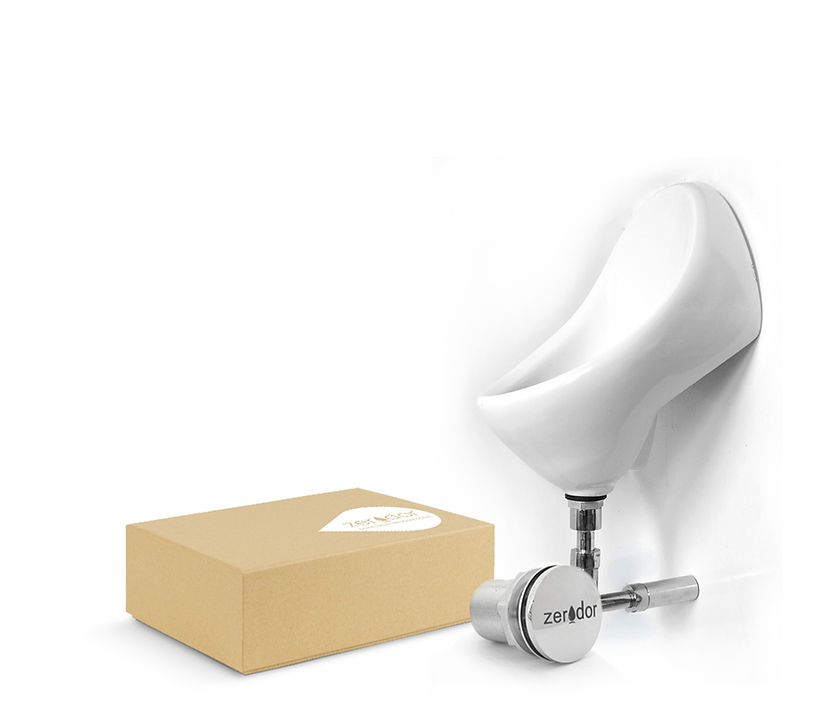
Zerodor Waterless Urinal is a plumbing kit designed to eliminate the need for water flushing and can be retrofitted to any conventional urinals. Featuring a patented mechanical one-way valve, it allows urine to flow into the drainage system while preventing odor-causing gases from escaping back into the restroom. This system operates without consumables, electricity or recurring costs, making it a low-maintenance and eco-friendly alternative to traditional urinals that typically require water to be pumped through plumbing systems, which requires energy. By eliminating the need for flushing, the waterless urinal saves around 150,000 liters of water per urinal per year and therefore reduces the amount of water being pumped, ultimately saving the energy used for this process. Its water-saving and odor-control capabilities make it suitable for high-traffic commercial restrooms.
Contracting type: For sale
Technology maturity: Frontier
Technology level: High
Place of origin: India
Availability: India
Contact: WIPO GREEN Database
Energy supply: thin-film solar cells
Hanergy

Hanergy's thin-film solar technology offers advanced features such as flexibility, lightweight design, superior low-light performance and a variety of colors and shapes. Unlike traditional silicon-based panels, thin-film modules utilize materials like gallium arsenide (GaAs) and copper indium gallium selenide (CIGS), delivering higher efficiency in low-light conditions and improved adaptability to curved surfaces. These unique characteristics make it suitable for a wide range of applications, including Building Integrated Photovoltaics (BIPV), residential power, automotive power, electronics, consumer products and specialty applications. It can be integrated into flat and slanted rooftops, windows, façades, curtain walls and ceilings.
Contracting type: For sale
Technology maturity: Frontier
Technology level: High
Place of origin: China
Availability: Worldwide
Contact: WIPO GREEN Database
Energy management: cloud-based hotel management system
VDA-Telkonet
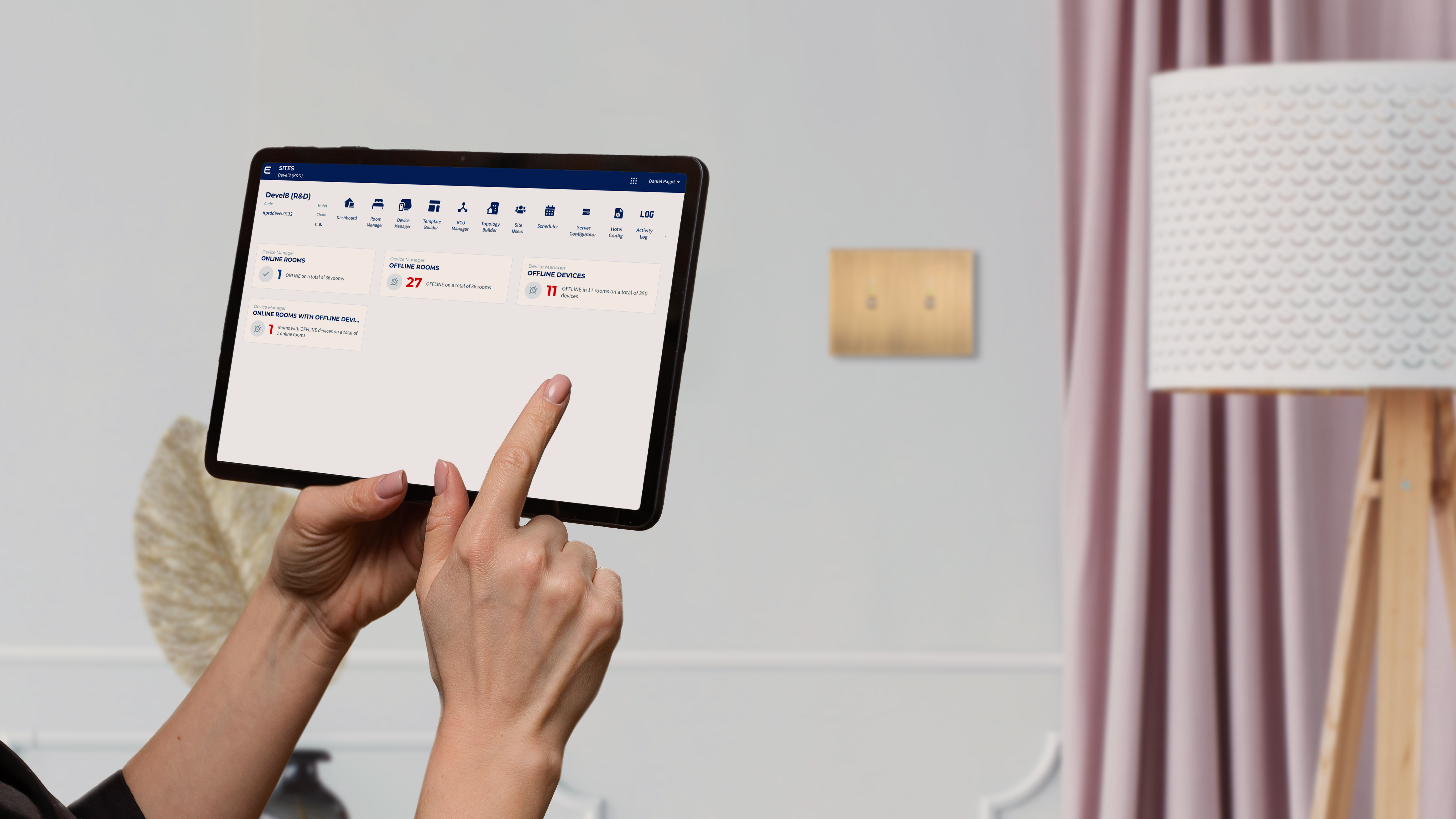
Etheos is a smart automation system for hotels and multi-dwelling units, enabling hotel management to remotely control access, lighting and climate via a cloud-based platform from any device. With real-time monitoring, customized access and energy analytics, it optimizes resource usage, reduces costs and enhances guest experience. Seamlessly integrating with property management systems, Etheos enhances efficiency and supports strategic energy decisions.
Contracting type: For sale
Technology maturity: Frontier
Technology level: High
Place of origin: Italy
Availability: Worldwide
Contact: WIPO GREEN Database
Energy supply: solar cladding
ClearVuePV

Photovoltaic cladding is a technology that transforms passive walls and non-transparent building areas into energy-generating surfaces. This flexible system mimics a variety of façade materials, including glass, marble, stone, masonry, brickwork, granite, wood and tessellation patterns, while maximizing energy generation across the building envelope. The cladding can produce up to 189 watts peak per m2, depending on the selected texture and color. It is easy to implement, complies with relevant building codes and contributes to significant energy savings by offsetting traditional energy consumption. The energy generated can be integrated with the Building Management System (BMS), powering smart features or stored for peak demand usage.
Contracting type: For sale
Technology maturity: Frontier
Technology level: Medium
Place of origin: Australia
Availability: Australia, Netherlands, Qatar, Singapore, South Africa, United Kingdom, United States of America
Contact: WIPO GREEN Database
Horizon technologies
Waste water: next-generation wastewater treatment
Hydroleap
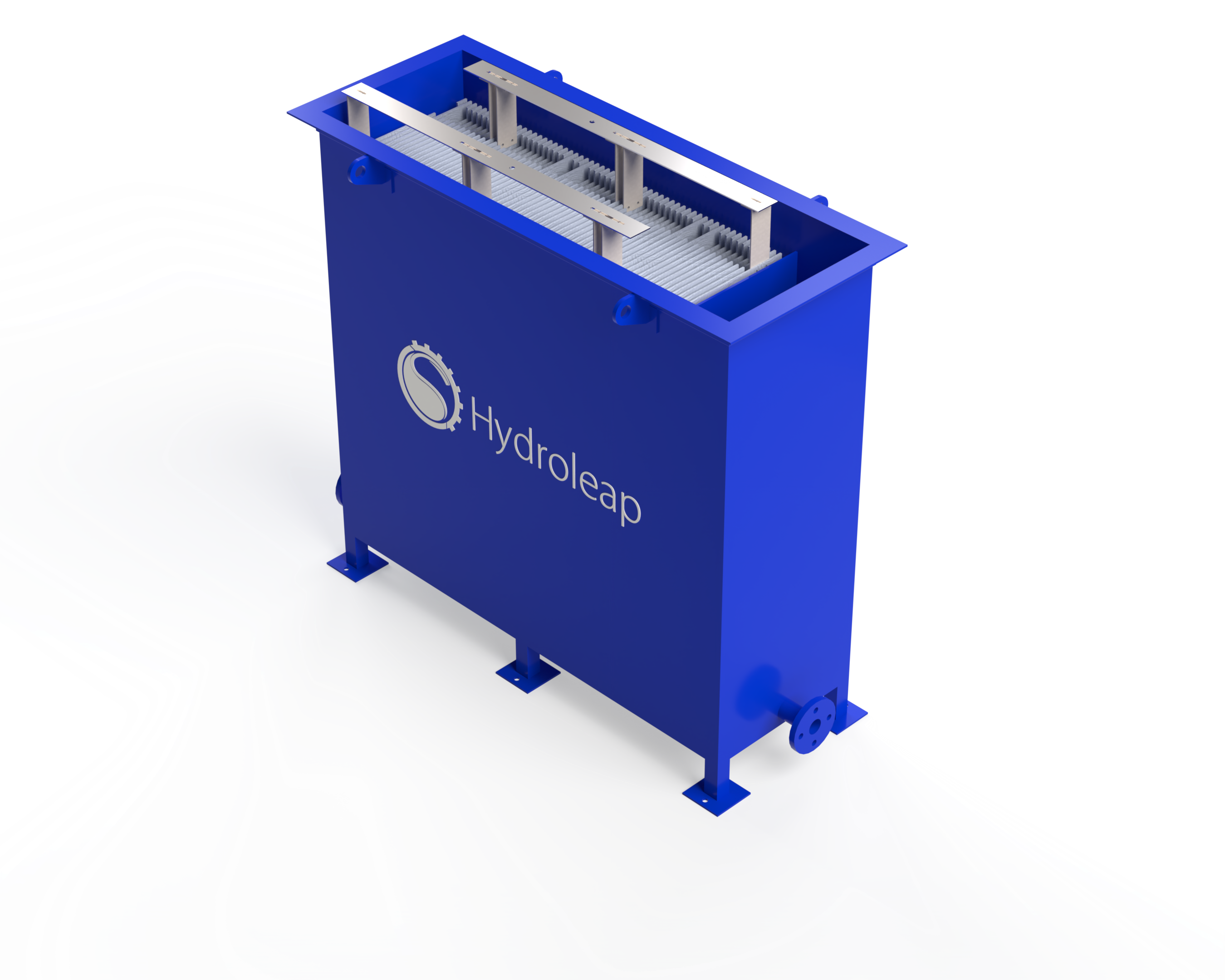
Hydroleap’s patented Electrooxidation (HL-EO) and Electrocoagulation (HL-EC) technologies provide chemical-free, energy-efficient water treatment by using electricity to remove contaminants from wastewater. HL-EO generates oxidizing agents to break down organic pollutants and pathogens, while HL-EC destabilizes suspended solids, metals and oils for easy filtration. These electrochemical processes enhance cleaning efficiency, reduce secondary waste and eliminate the need for energy-intensive chemical dosing. Designed as modular and high-performance solutions, Hydroleap’s technology is now being introduced to the hospitality industry in collaboration with Biocare, Philippines.
Contracting type: For sale
Technology maturity: Horizon
Technology level: High
Place of origin: Singapore
Availability: Asia
Contact: WIPO GREEN Database
Energy supply: electricity generating coating for windows and façades
SolarWindow Technologies

LiquidElectricity® is an organic photovoltaic (OPV) coating that enables glass, flexible plastics or films to generate electricity. Applied in ultra-thin layers, this technology allows windows and building fa��ades to become transparent power generators without obstructing views or requiring additional space, unlike traditional rooftop solar panels. Designed to operate under both natural and artificial light, this offers enhanced energy generation potential across all building surfaces and indoor environments. The coatings are composed primarily of non-toxic, earth-abundant materials and are tailored for transparency and color based on application needs. The technology is currently in the pre-commercial phase, with ongoing efforts to establish manufacturing partnerships and scale up production.
Contracting type: N/A
Technology maturity: Horizon
Technology level: High
Place of origin: United States of America
Availability: N/A
Contact: WIPO GREEN Database
Energy supply: mask-inspired perovskite smart window
City University of Hong Kong

Researchers from City University of Hong Kong developed a mask-inspired perovskite smart window that enhances energy efficiency and weather resistance. While thermochromic perovskite is a promising material for energy-saving smart windows, it struggles with weather resistance, water damage and high optical haze. The new structure, inspired by medical masks, reduces surface roughness, improves light clarity (cutting haze from 90% to 30%) and enhances waterproofing. The thermochromic perovskite material, which adjusts its properties based on temperature and light, allows for a reduction of up to 10% in building energy consumption by modulating heat and light entry. The windows use earth-abundant, non-toxic materials, and are applied directly to flexible PET films, reducing renovation costs while improving energy efficiency for green buildings.
Contracting type: N/A
Technology maturity: Horizon
Technology level: High
Place of origin: Hong Kong, China
Availability: N/A
Contact: WIPO GREEN Database
Energy supply: glass-integrated perovskite solar cells
Panasonic Holdings Corporation

Perovskite solar cells are a thin, lightweight and flexible alternative to conventional silicon-based cells. The material is printed onto a substrate surface, such as glass, making it suitable for building-integrated photovoltaics. Panasonic is developing such glass-integrated perovskite solar cell technology, and units of their energy-generating glass were as of 2025 demonstrated in a model home for more than a year. A key challenge for perovskite cells is their limited operational lifetime, as the material is sensitive to moisture. Panasonic addressed this issue by encapsulating the cells with a second sheet of glass, creating double-paned windows. In 2023, an 804 cm² unit of the company’s cells achieved an energy conversion efficiency of 18.1%, comparable to that of traditional counterparts. Commercialization is expected within a few years, with the glass offering high customizability in size, transparency and design.
Contracting type: For collaboration
Technology maturity: Horizon
Technology level: High
Place of origin: Japan
Availability: Japan
Contact: WIPO GREEN Database