
Rural and low-income households across the Asia-Pacific region increasingly benefit from off-grid renewable energy solutions, such as micro hydropower, solar home systems (SHS), wind power. These scalable, sustainable options are often more cost-effective than extending grid infrastructure in remote areas and can be tailored to local needs, empowering communities with reliable electricity and greater self-sufficiency
Technological development and trends
Off-grid solutions: a vital boon for rural households and communities in the Asia-Pacific region
Solar home systems
Solar home systems (SHS) are an increasingly common off-grid solution. A typical SHS includes a solar PV module, battery, charge controller and often an inverter – especially in hybrid or grid-tied setups. These systems come in various sizes. Small and medium SHS models support essentials like lighting, phone charging and small fans, while larger systems can also power televisions, radios and other larger household appliances. Most SHSs in rural areas function as either off-grid or hybrid systems that combine solar power with grid electricity. In hybrid setups, generated electricity can be used immediately or stored in batteries for later use, such as at night-time or when grid tariffs are high. The excess solar power can also be fed back into the grid. Solar home systems are getting increasingly popular for electrification across South Asia. Bangladesh leads the region in adoption of SHSs, with around 20 million people accessing electricity through this technology
Solar home systems are getting increasingly popular for electrification across South Asia
Recent advancements include third-generation solar home systems (3G-SHS). Such systems integrate advanced controls that monitor and manage the performance of the solar panels, rechargeable lithium-ion batteries, LED lamps, USB ports for charging devices and easy plug-and-play installation. With high-efficiency components and compact, lightweight designs with smaller PV modules, 3G-SHS units are ideal for remote areas, requiring fewer resources for transport and installation. While the upfront cost may be higher, the use of LED lighting and other energy-efficient devices significantly reduces overall energy demand. This, in turn, allows for smaller solar panels and batteries, making the system more cost-effective over time.
Small and micro hydropower
Small and micro hydropower is a simple and reliable form of renewable energy for households with access to flowing water, generating from a few kilowatts up to 10 megawatts (MW) of electricity. These systems are typically classified as pico hydro (below 5 kW), micro hydro (5–100 kW), and small hydro (100 kW–10 MW). Pico hydro is suitable for powering single homes or small off-grid communities, supporting basic needs like lighting, a television or a radio. Micro and small hydro systems, on the other hand, are often used by homeowners, farmers and small business owners to power larger homes, small resorts or hobby farms – even in remote areas without access to central power grids. Beyond electricity, these systems can also produce mechanical energy for tasks such as milling, grinding, carpentry and irrigation pumping.
The systems typically consist of a turbine or waterwheel connected to a generator that produces electrical energy. Unlike large hydropower systems with big reservoirs, they use simple designs with natural river intakes, minimal damming and flooding, and low-voltage distribution, eliminating the need for long-distance power lines for easier installation and maintenance. Key factors for the power output include the head (the vertical drop of water) and flow (the volume of water). Impulse turbines (powered by high-speed water jets) are the most commonly used: these are effective in high-head situations and are resistant to debris in the water. In many cases, turbines and generators are sold together as a package or as a single unit. Most micro hydropower systems also include inverters that convert direct current (DC) into alternating current (AC).
Only 37% of Asia's small hydropower potential is currently developed
However, small hydro power (SHP) systems are not without challenges. Their performance can be affected by seasonal variations in water flow, and they are vulnerable to blockages caused by debris, which can damage turbines and reduce efficiency. Proper site selection, maintenance and debris management are therefore crucial for reliable operation.
Asia has significant small hydropower resources, with a total installed capacity of 51,069 MW out of an estimated potential of 138,226 MW, meaning only 37% of its SHP potential is currently developed
Solar fans
Fans consume a considerable amount of energy in South Asia, making energy efficiency crucial. However rural areas show lower fan penetration compared to urban areas, which reflects broader disparities in energy access and living standards
The electric motor is the main element and energy consumer in a fan, but brushless DC motors (BLDC - permanent magnet motors using electronic control instead of brushes) are able to increase energy efficiency by up to 50%
Off-grid refrigeration
Off-grid (OGR) and weak-grid (WGR) refrigeration systems are crucial for food preservation and other critical needs in developing countries. One common type of refrigerant used in these systems is R600a (isobutane), which is highly efficient at low energy levels and has a low global warming potential (GWP). However, the lack of standardization in off-grid refrigeration systems leads to inconsistent performance and efficiency, as products vary widely in design, quality and energy use without common benchmarks. To address this, the International Electrotechnical Commission (IEC) is developing standards for performance and energy efficiency for domestic and light commercial use
Solar-powered DC refrigerators can operate efficiently using small photovoltaic (PV) setups – often requiring solar panels up to nine times smaller than those needed to power a conventional AC refrigerator
The lack of standardization in off-grid refrigeration systems leads to inconsistent performance and efficiency
While solar-powered refrigerators have made significant strides, some challenges remain. Battery failure is a common issue, as improper design, misuse and lack of maintenance can cause batteries to fail prematurely
Solar water heater
A solar water heater uses flat-plate or evacuated tube collectors, usually mounted on the roof, to capture sunlight and directly heat water flowing through pipes inside the collectors. These collectors heat circulating fluid to ideal temperatures of 30–70°C, while evacuated tube collectors can reach 50–180°C with energy conversion efficiencies up to 90%
Solar pump
Solar water pumps offer a valuable alternative to traditional grid-connected or diesel-powered pumps, supplying water to remote areas beyond power lines for crop irrigation, livestock watering and drinking water. PV panels power the pump which typically draws water from a well or stream and stores it in an elevated tank, allowing gravity-fed distribution. This eliminates the need for a distribution pump which could require battery energy storage
Wind home systems (WHSs) are gaining momentum as a sustainable energy solution
While solar panels are widely regarded as the primary renewable power source for homes, wind turbines are gaining traction in residential applications. However, effective wind home systems depend on local factors such as elevation, topography, climate and property orientation, as these impact the turbine’s efficiency and electricity output
Wind home systems (WHSs) generally include a rotor, a generator, a tower and a control system (such as controllers, inverters and/or batteries). Most turbines generate AC power, which can either be used directly (in grid-connected systems) or converted to DC for battery storage in off-grid setups. Off-grid WHSs are typically standalone or roof-mounted and rely on batteries, while grid-connected systems may or may not include storage and require power converters to synchronize with the grid. Residential turbines typically range from 400 watts to 100 kW depending on the electricity need, while micro turbines range from 20 to 500 watts used for applications like charging batteries, lighting, appliances, vehicle charging etc.
Micro wind turbines have primarily been deployed in remote rural areas, offshore islands and villages, where the cost of installation is often more economical
Micro wind turbines have primarily been deployed in remote rural areas, offshore islands and villages, where the cost of installation is often more economical than extending the power grid or building a power plant, for example, in inner Mongolia, around 250,000 micro wind turbines have been installed, with an annual manufacturing capacity of 40,000 units
Clean cooking access in Asia: a key to energy access, health and livelihoods
Around 60% of the global population lacking access to clean cooking solutions resides in Asia and the Pacific, where approximately 1.1 billion people still rely on open fires or basic stoves for cooking
Asia has seen the most progress in clean cooking in recent years, with China, India and Indonesia all halving their populations without clean cooking access
Asia has seen the most progress in clean cooking in recent years, with China, India and Indonesia all halving their populations without clean cooking access
To address this, off-grid solutions like solar home systems and mini-grids are being introduced, providing electricity to power clean cooking options. Cooking appliances with integrated battery systems have also emerged but they remain too expensive for many rural households. Improved cookstoves (ICS) play a vital role, offering a more efficient and cleaner alternative to traditional stoves while still using solid fuels. These stoves reduce fuel consumption by 20% to 75% compared to traditional stoves, while also lowering smoke emissions and health risks
In rural areas with abundant sunlight, solar cookers are beneficial. They generally fall into two types: concentrated sunlight cookers, which use mirrors or lenses – such as in parabolic or dish designs – to focus sunlight directly onto a cooking pot; and solar panel-powered cookers, which convert sunlight into electricity to power heating elements. Both perform best under strong sunlight, but only panel-powered systems with battery storage can function reliably during low-light periods. Biogas digesters and stoves also offer a clean cooking solution. Although both of these technologies have high initial installation costs, they are the most cost-effective option in the long run, with annual operating costs significantly lower than LPG stoves (less than one-fourth) or traditional charcoal stoves (less than one-fifth)
Access to finance is a key challenge for clean cooking solution providers, as financiers consider the sector risky due to its newness and uncertain returns. For instance, in the Lao People’s Democratic Republic, despite widespread renewable electricity access, clean cooking remains the lowest in the region, presenting a major opportunity for expansion through climate finance.
Promotion of LPG implies the risk of import dependence amid population growth and price volatility. Therefore, new programs are necessary to provide incentives and subsidies to adopt clean technologies. For instance, in Indonesia a Results-Based Financing (RBF) fund is used to promote private investment and incentives to encourage innovation in the clean cooking sector. Additionally, PAYGO models enable payment for stoves and fuels like bioethanol via mobile money.
Various initiatives support clean cooking adoption. In 2022, the Clean Cooking Alliance (CCA) and World Resources Institute (WRI) launched the Clean Cooking Explorer in Nepal, providing affordable electric cookstoves with data-tracking technology to 5,000 households. This technology tracks stove usage and helps carbon project developers measure emissions reductions and sell them as carbon offsets, reducing stove prices to as low as USD 15.
Cooking is deeply influenced by tradition and local customs, making the shift to cleaner fuels and technologies challenging. For instance, many people prefer firewood over solar cookers to preserve the traditional taste of food. Successful adoption requires addressing behavior change and aligning policies with local preferences such as stove design compatibility with local cooking practices.
Sources:
Waste-to-energy is a dual solution for waste management and electricity generation
Biogas from waste is a mature renewable energy technology that can be implemented at both household and community scales. Biogas produced through the anaerobic digestion of organic materials such as food scraps, household organic waste, and agricultural or animal waste, typically contains 50% to 75% methane, 25% to 50% CO2, and trace amounts of other gases, with composition varying based on feedstocks and technology used
After 30 to 60 days, the digester yields biogas that can be used for cooking, heating, lighting and power generation. The process also generates digestate (solid or liquid substances) as by-products that can be used as fertilizers or even to create bio-based construction materials. Additionally, the low heat produced during biogas production can support water purification through a heat recovery system, which transfers the heat to water, eliminating harmful pathogens and improving water quality. Thus, biogas deployment offers a sustainable approach to waste management, increasing energy efficiency and supporting rural economies through a circular economic model
Biogas deployment offers a sustainable approach to waste management through a circular economic model
Transporting surplus biogas is also affordable and feasible, using options like gasbags. Standard gasbags available on the market can store around two cubic meters of biogas, enough to power four hours of cooking
Another solution is a biomass gasifier, which primarily consists of a reactor or container where waste feedstock, such as wood and agricultural residues, is processed with a limited supply of air. The heat required for gasification is produced through the partial combustion of the feed material, generating producer gas which can be used to generate electricity or heat, covering some of the community’s energy needs. In Mentawai village, Indonesia, a 700 kWp (kilowatt peak, maximum output power under optimal condition) biomass gasifier-based mini-grid project has provided electricity to 1,250 households using woody biomass as feedstock
Mini-grids and micro-grids are key to electrification and resilience in Southeast Asia
By 2050, Southeast Asia’s energy consumption will surpass that of the European Union, accounting for 25% of the increase in global energy demand up to 2035
Micro-grids typically serve small residential consumers, while mini-grids are larger systems capable of powering entire communities, including schools, factories and islands
Mini-grids supply electricity to around 18 million people in Asia, with South Asia leading in planned capacity at 0.87 GW. The region including South Asia, East Asia and the Pacific, has 16,819 installed and 19,824 planned mini-grids, yet these would serve less than 1% of Asia’s population
Countries that have adopted a comprehensive approach to electrification, combining main grid extensions, mini-grids and solar home systems, have seen the quickest progress in expanding electricity access, for example, Bangladesh, Cambodia, India, Myanmar and Nepal
Mini-grids and micro-grids can provide independent electricity access to even the most remote communities
This is why technologies alone are not sufficient for rural electrification, especially in the least developed countries (LDCs) where the public sector often struggles to finance or implement these projects due to competing priorities
Third-generation mini-grids are gaining traction in South Asia
A new wave of third-generation mini-grids (figure 3.1) is emerging, integrating advanced technologies like smart meters, mobile payment systems and remote monitoring powered by cellular data for increased efficiency and reliability. In countries like Bangladesh, India and Myanmar, solar-hybrid mini-grids (combining solar power with battery storage and backup generators) are leading this shift
Many developers of third-generation mini-grids actively encourage customers to adopt energy-efficient household appliances, which can reduce the required installed capacity of a mini-grid by over 60%

Excess energy can be accessible with hydrogen micro-grids
Hydrogen-based micro-grids have been proposed as an alternative for long-duration energy storage, particularly in scenarios where battery performance falls short or degrades over time. While traditional micro-grids often lose up to 30% of generated solar energy due to limited storage capacity, hydrogen systems address this by using surplus solar power to run an electrolyzer, which splits water into hydrogen and oxygen through water electrolysis. The hydrogen is then stored, usually under pressure, and later reconverted into electricity via fuel cells. In theory, this could extend storage capacity beyond what batteries currently offer, especially in off-grid or space-constrained areas
Integrating hydrogen infrastructure could potentially be a viable option for a scalable and smoother transition to clean energy solutions
Hydrogen micro-grids are thus not yet a proven solution for most rural or cost-sensitive contexts. However, they may hold potential in very specific use cases – such as in regions where land is limited, long-term storage is critical or where green hydrogen production is already subsidized or integrated. For instance, in Thailand’s Nongnooch Tropical Botanical Gardens and Phi Suea House, hydrogen has been adopted as a long-duration energy storage solution, enabling the micro-grid to supply power for up to 35 hours. This provides a cleaner alternative to conventional systems that typically depend on batteries for short-term storage and diesel generators for backup.
Innovation examples
‘Rent-to-own’ solar home systems in Myanmar

In Myanmar, unreliable grid power forces families and businesses to rely on costly, polluting fuel for generators. SolarHome company offers a cleaner, more affordable alternative by integrating solar energy and appliance units at off-grid households, primarily for women-led or farming families in rural areas. Using a “pay-as-you-go” model, customers pay $5–$24 per month via mobile tokens. It is also a “rent-to-own” model, meaning users ultimately own their solar systems after a certain period of usage. So far, SolarHome has equipped 60,000 households in Myanmar, replacing open fires with solar lights. The initiative has benefited 300,000 people, saved 9.3 million kg of CO2 emissions, and enabled 147,000 women to operate small shops and stalls for extended business hours with solar-powered lighting
Solar micro-grid powering a village in the Philippines

Solar Para Sa Bayan (SPSB) is a Filipino social enterprise that provides affordable, reliable, 24/7 electricity to communities. In 2018, SPSB completed Southeast Asia’s largest solar-battery micro-grid in Paluan, a town previously denied a grid connection due to limited supply. The system combines 2 MW solar panels, a 1.8 MW/1.5 MWh Tesla storage system and three diesel back-up generators, offering round-the-clock electricity at 50% below the local electric cooperative’s costs. The battery storage system includes two inverters, each with five sets of power stages and 12 batteries in each, having a total of 120 batteries connected in parallel at 1,800 kW capacity. The solar PV system powers Paluan during the day, while simultaneously charging the Tesla batteries. As the sun sets, the batteries begin powering the town. During peak demand between 8pm and 9pm, diesel generators activate to support the batteries. The generators shut down once the demand decreases, and the batteries supply power until 5am. Prior to this, locals in Paluan had just 3–8 hours of unreliable electricity a day. This initiative has significantly reduced electricity costs for both residential and commercial users, including schools. The micro-grid now serves nearly 3,000 customers, improving access to electricity and opening new opportunities for residents
Off-grid solar desalination: providing water for an indigenous school in Western Australia

Moerk Water Solutions company has delivered a solar-powered water purification system for an indigenous vocational training school in southwestern Western Australia. The school, which provides vocational skills to around 70 year-11 and year-12 students from remote communities each year, required a reliable water source due to its off-grid location. Moerk Water designed and installed a custom solar-powered reverse osmosis (RO) system using membrane filtration to treat local groundwater. It supports the school’s drinking water needs as well as crop irrigation in the community. The system produces 12,000–15,000 liters of clean water daily, reaching up to 30,000 liters. It operates in automatic or manual modes, and features remote monitoring to minimize service requirements.
Technology solutions
Proven technologies
Solar appliance: solar freezer
Rockwell
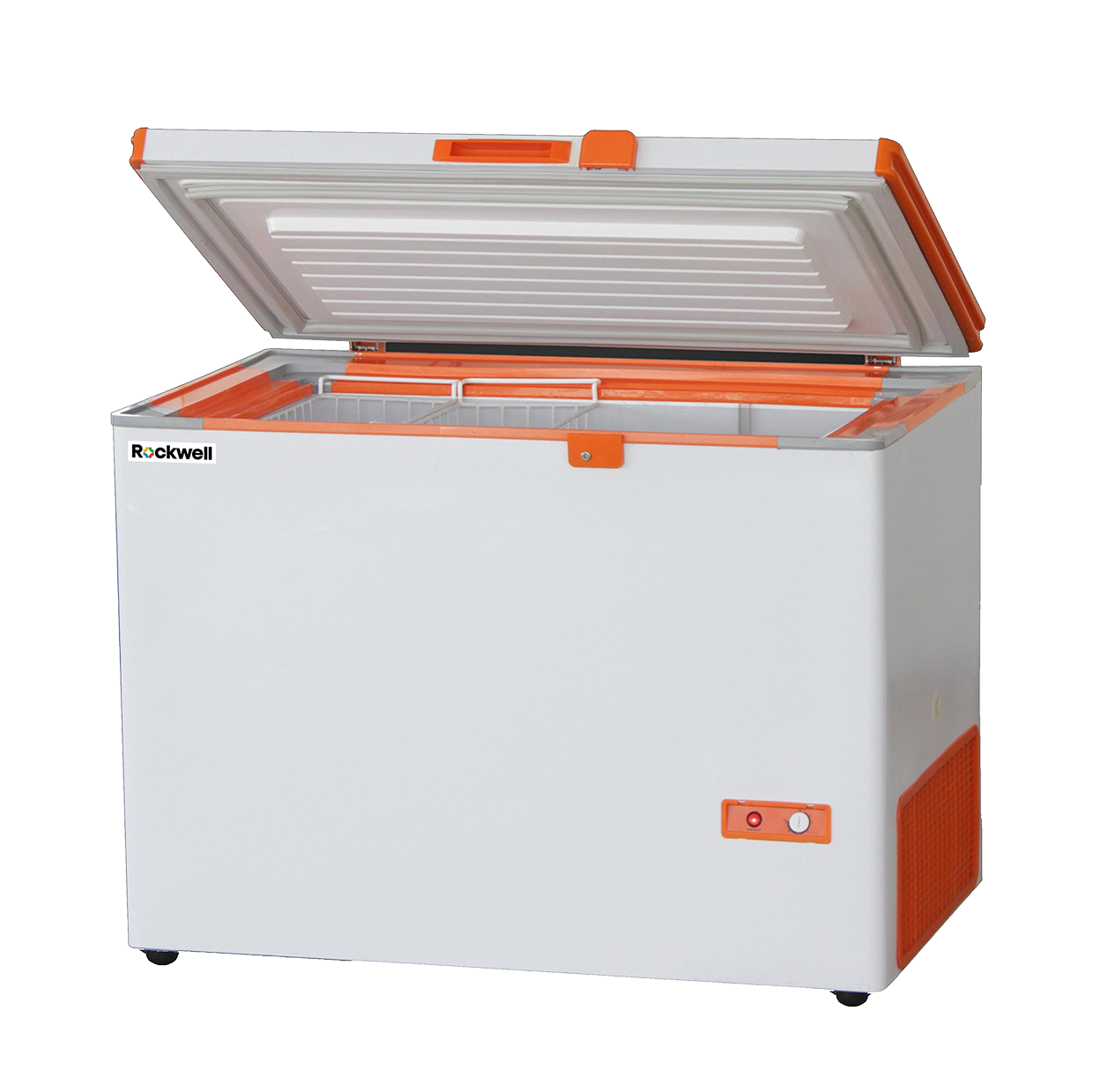
The company’s solar freezers cover cooling and freezing needs in off-grid locations. They provide flexible temperature settings ranging from -18°C to +8°C to meet user requirements. Designed to run exclusively on DC power, they operate entirely on solar energy without the need for AC connections. These freezers are also available with battery systems that can provide up to three days of autonomy without sunlight. They come in various sizes, require minimal maintenance and are built with durable, high-quality materials for long-lasting performance.
Contracting type: For sale
Technology maturity: Proven
Technology level: Medium
Place of origin: India
Availability: Asia, Australia, Belgium, United Kingdom, United States of America
Contact: WIPO GREEN Database
Wind energy: small home wind turbine
A-WING

A-WING small wind turbines are designed for optimal performance even in low wind speed regions often found in Japan. They feature advanced blades, generators and controllers for maximum efficiency, generating eco-friendly power without CO2 emissions. Using proprietary technology, the range includes compact 300W to 1 kW turbines. The coreless generator allows smooth operation, starting at wind speeds as low as 1 m/s, with battery charging from 1.5 m/s. These micro turbines deliver stable, efficient energy and are cost-effective. Paired with a wind and PV hybrid controller, they are ideal for remote homes, parking lots, signage, backup power or areas lacking access to commercial electricity.
Contracting type: For sale
Technology maturity: Proven
Technology level: Medium
Place of origin: Japan
Availability: Indonesia, Japan, Mongolia, the Philippines, the Republic of Korea, Thailand,
Contact: WIPO GREEN Database
Clean cooking: improved cookstove
5 Star Stoves

5 Star Stoves Bangladesh Ltd offers an affordable, energy-efficient cooking solution using micro gasification stoves and improved non-toxic biomass pellets as fuel. These stoves achieve 99% combustion efficiency, reducing health risks, saving fuel and cutting 2–3 tonnes of carbon emissions per stove annually. The stoves are self-contained units and are powerful enough to cook large traditional dishes. Small-scale farmers supply agricultural waste to local 5 Star Stoves franchises, where it is processed into pellets. These are sold by “5 Star Ladies,” creating income opportunities while combating deforestation – 1 kg of waste biomass pellets replaces 4 kg of firewood. In addition, the biochar by-product serves as a natural fertilizer for gardens or farms. This initiative targets urban slums, industrial zones and peri-urban areas reliant on wood and charcoal.
Contracting type: For sale
Technology maturity: Proven
Technology level: Medium
Place of origin: Bangladesh
Availability: South Asia
Contact: WIPO GREEN Database
Waste to energy: farm waste to clean biogas with portable biodigester
ATEC Biodigesters
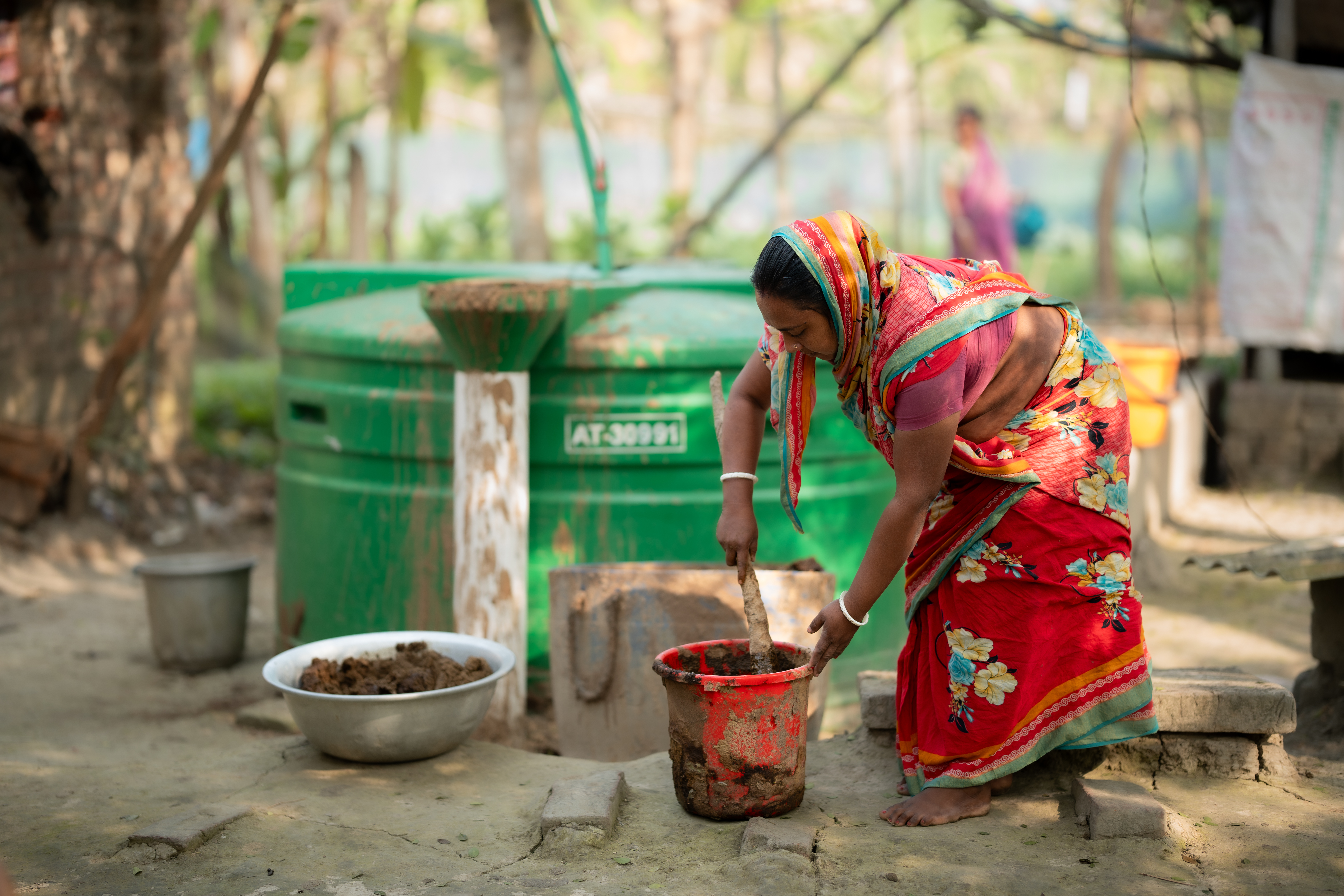
ATEC portable biodigesters offer a resilient alternative to the traditional brick-based biogas plants that face challenges in flood-prone areas like Bangladesh and Cambodia, especially during rainy seasons. These biodigesters are made of highly durable plastic called linear low-density polyethylene, that can withstand adverse weather, and can be installed in a variety of locations. It can have a gas production of 1350–1800 L per day. It is a commercially scalable, plug-and-play solution. It takes animal manure, green waste and kitchen waste and converts it into renewable gas for cooking and organic fertilizer for farming. It also comes with smart financing with ATEC’s patented PAYGO monthly payment method.
Contracting type: For sale
Technology maturity: Proven
Technology level: Medium
Place of origin: Australia
Availability: Bangladesh, Cambodia
Contact: WIPO GREEN Database
Renewable energy: off-grid wind and solar hybrid energy system
PVMars Solar

Energy-storage hybrid wind-solar systems are customized based on power needs, usage patterns and local wind and sunlight conditions. These systems use wind and solar controllers for charging. Wind turbines above 3 kW require a three-phase alternator, necessitating a separate controller to convert power to direct current. The battery pack serves as the common point for both power sources, making battery selection crucial. PVMARS offers gel and lithium battery options. For complete off-grid solutions, a recommended 3:1 ratio, such as a 3-kW hybrid system with a 1-kW wind turbine and 2-kW solar panel, optimizes cost efficiency. A 1-kW wind turbine produces 1 kWh of energy per hour under optimal conditions, storing energy alongside solar power in a battery bank. This ensures a consistent power supply for household devices like TVs, computers, lights, water heaters, refrigerators and air conditioners.
Contracting type: For sale
Technology maturity: Proven
Technology level: Medium
Place of origin: China
Availability: Africa, Asia and the Pacific, Latin America
Contact: WIPO GREEN Database
Solar energy: hybrid solar inverter for small homes
ANERN
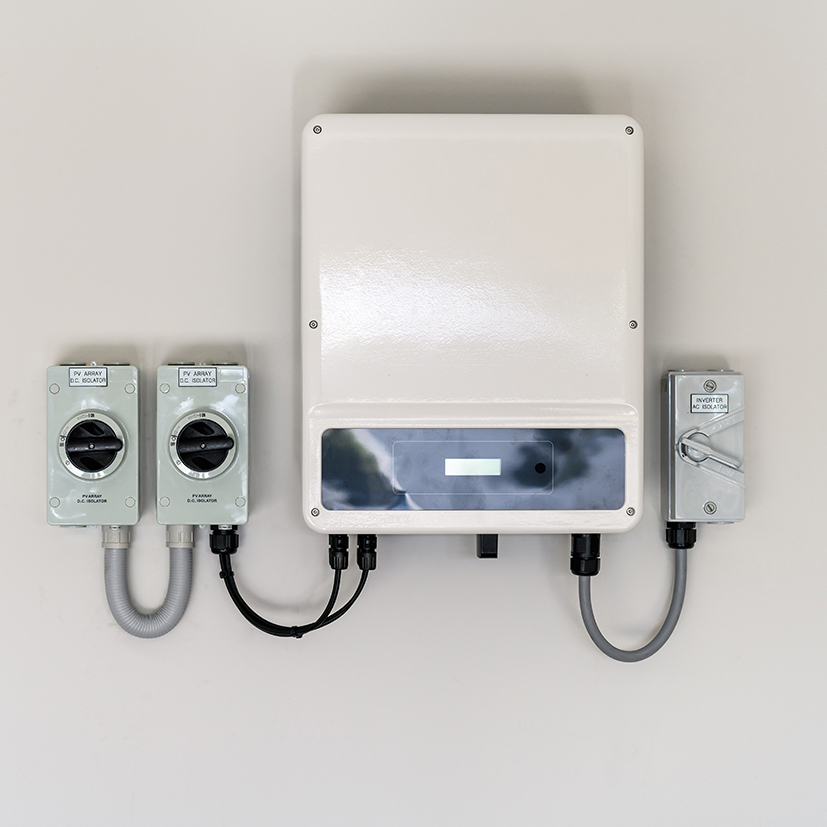
The ANERN patent solar hybrid inverter (AN-SCIO2-Azure series) can improve the utilization efficiency of solar energy, and is especially suitable for situations where the power grid is unstable, or the cost of the power grid is high. This hybrid inverter features a compact power range of 1.5–2.4 kW, suitable for small households. The 2 kW hybrid inverter combines the functions of a solar power inverter and a battery inverter, converting DC electricity from solar panels into AC electricity, storing excess energy in batteries, and supplying power as needed. It efficiently manages battery charging and discharging, making it suitable for off-grid and backup power applications. The 2.4 kVA solar inverter is optimized for converting solar energy into AC electricity for home use or grid export. Key features include Wi-Fi monitoring, efficient conversion, a smart display, a smart battery charger for optimized performance and configurable AC/solar charging priority via an LCD interface.
Contracting type: For sale
Technology maturity: Proven
Technology level: Medium
Place of origin: China
Availability: Worldwide
Contact: WIPO GREEN Database
Energy efficiency: waterless bio-toilet system for house, community and village
Ecoflo-Wash

A bio-toilet system is a simple, hygienic, waterless toilet solution for homes, communities and villages. Ideal for rural and farming areas with limited access to water and electricity, they require no energy for water pumping, convert waste into compost and can be integrated with solar energy systems. The toilets use minimal energy to power a small fan in the vent pipe, are easy to install with basic tools and require little maintenance. Designed to support water-based hygiene practices common in many Asian and Muslim countries, they create a safe and eco-friendly sanitation solution and help protect local water sources like marshlands and rivers.
Contracting type: For sale/service
Technology maturity: Proven
Technology level: High
Place of origin: Australia
Availability: Asia and the Pacific, Australia, Papua New Guinea, Timor-Leste
Contact: WIPO GREEN Database
Lighting: semi-integrated solar streetlight
ZGSM
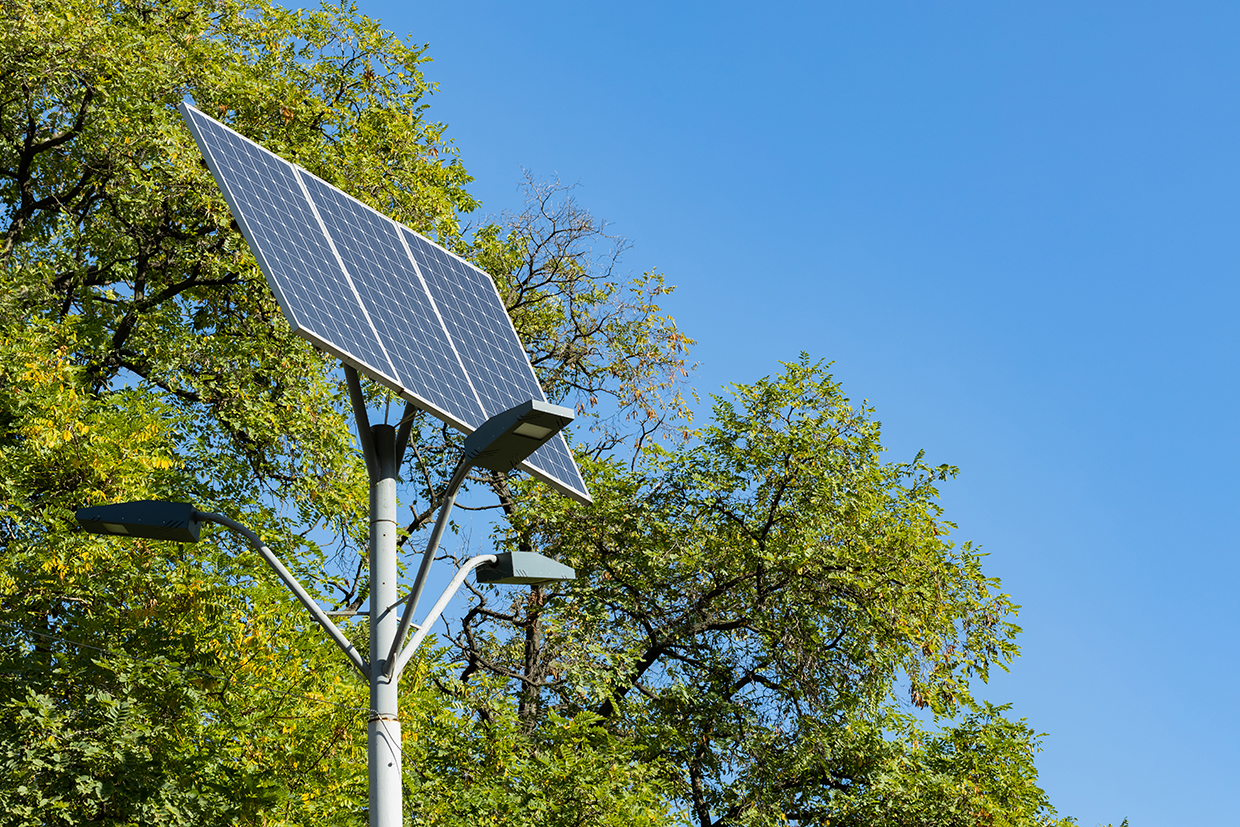
The PV7 series semi-integrated solar streetlights combine the benefits of fully integrated designs, easy installation, energy efficiency and environmental friendliness. Featuring a high-capacity battery, they are suitable for areas with prolonged rainy weather, providing 5–7 days of autonomous operation. Equipped with independent, high-efficiency LED lamp heads, the series offers customizable models to meet diverse project needs. The PV7 is versatile and suitable for various applications, including municipal roads, urban streets, commercial centers, squares and playgrounds. Key features include an intelligent controller with up to 96% charging efficiency and smart control options like motion/PIR sensors or timer dimming tailored to client requirements.
Contracting type: For sale
Technology maturity: Proven
Technology level: Medium
Place of origin: China
Availability: Worldwide
Contact: WIPO GREEN Database
Frontier technologies
Renewable energy: durable off-grid power system
NTN Corporation
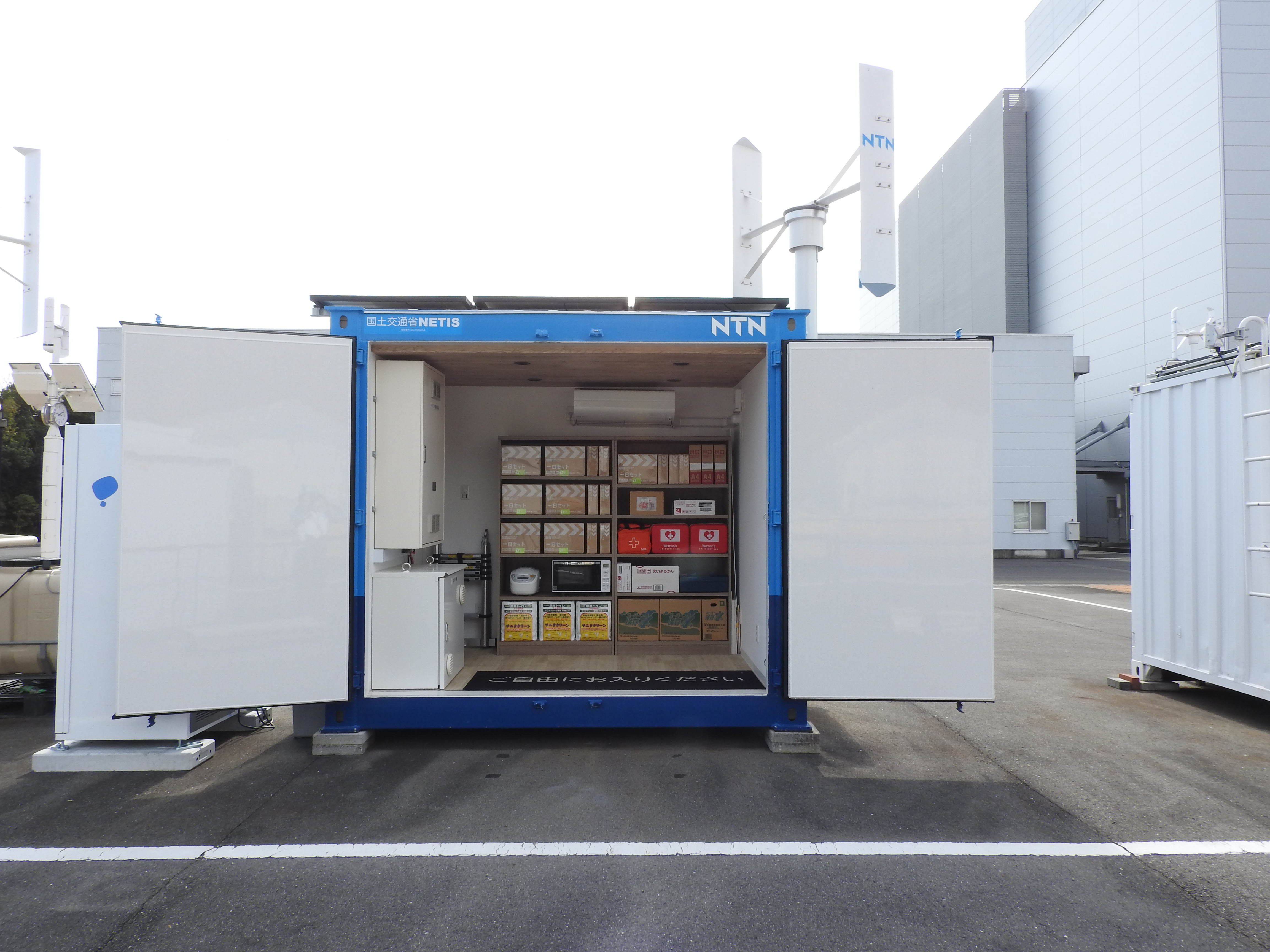
The N3 N-CUBE is a containerized renewable power source for off-grid, emergency or back-up applications. The system, available in five sizes, is designed to withstand severe typhoons of up to 46 m/s, and seismic activity of the highest intensity. It features a vertical-axis wind turbine with a rated output of 0.5 kW, solar panels of between 1.5 kW and 3.7 kW, and storage batteries. In normal times, the container space can be furnished and used for many applications, such as an air-conditioned rest area, storage facility or bus stop. A version with a circulation-type flush toilet also exists, for deployment in parks and other public areas. In case of emergency, the freight container can be transported by truck, cargo ship or helicopter and quickly start generating electricity.
Contracting type: For sale
Technology maturity: Frontier
Technology level: Medium
Place of origin: Japan
Availability: Japan
Contact: WIPO GREEN Database
Solar energy: dry-cleaning robot for solar panels
MiraiKikai

The Type 1 robot from MiraiKikai has been developed for dry regions, where dust and sand can cause a loss of around 15% in solar power generation capacity per month. Designed for use in arid climates, it does not require water for cleaning panels. Instead, it employs a patented combination of a soft brush and fanning. The Type 1 robot comes with a rechargeable battery and weighs 28 kg, making it light enough for a person to carry. It navigates solar panel arrays using proprietary sensor technology and can move over gaps of up to 3 cm. If cleaning is required for multiple separate arrays, a person must carry the robot between them.
Contracting type: For sale
Technology maturity: Frontier
Technology level: High
Place of origin: Japan
Availability: India, Japan, Qatar, Saudi Arabia, United Arab Emirates
Contact: WIPO GREEN Database
Renewable energy: solar PV + biomass hybrid system
Husk Power

Husk Power delivers reliable 24/7 electricity to households, businesses and institutions in rural areas by combining solar PV and biomass gasification technologies. Their cloud-based remote management platform enables real-time monitoring of site performance and customer energy usage. The rice husk char, a by-product of the gasification process, is repurposed to produce eco-friendly incense sticks, providing employment exclusively to women. Additionally, their integrated system includes smart prepaid metering, big data analytics and voice-enabled, easy-to-understand custom messages to enhance customer service.
Contracting type: For sale
Technology maturity: Frontier
Technology level: Medium
Place of origin: India
Availability: India, Nigeria, United States of America
Contact: WIPO GREEN Database
Hydropower: wave energy green power station
Eco Wave Power
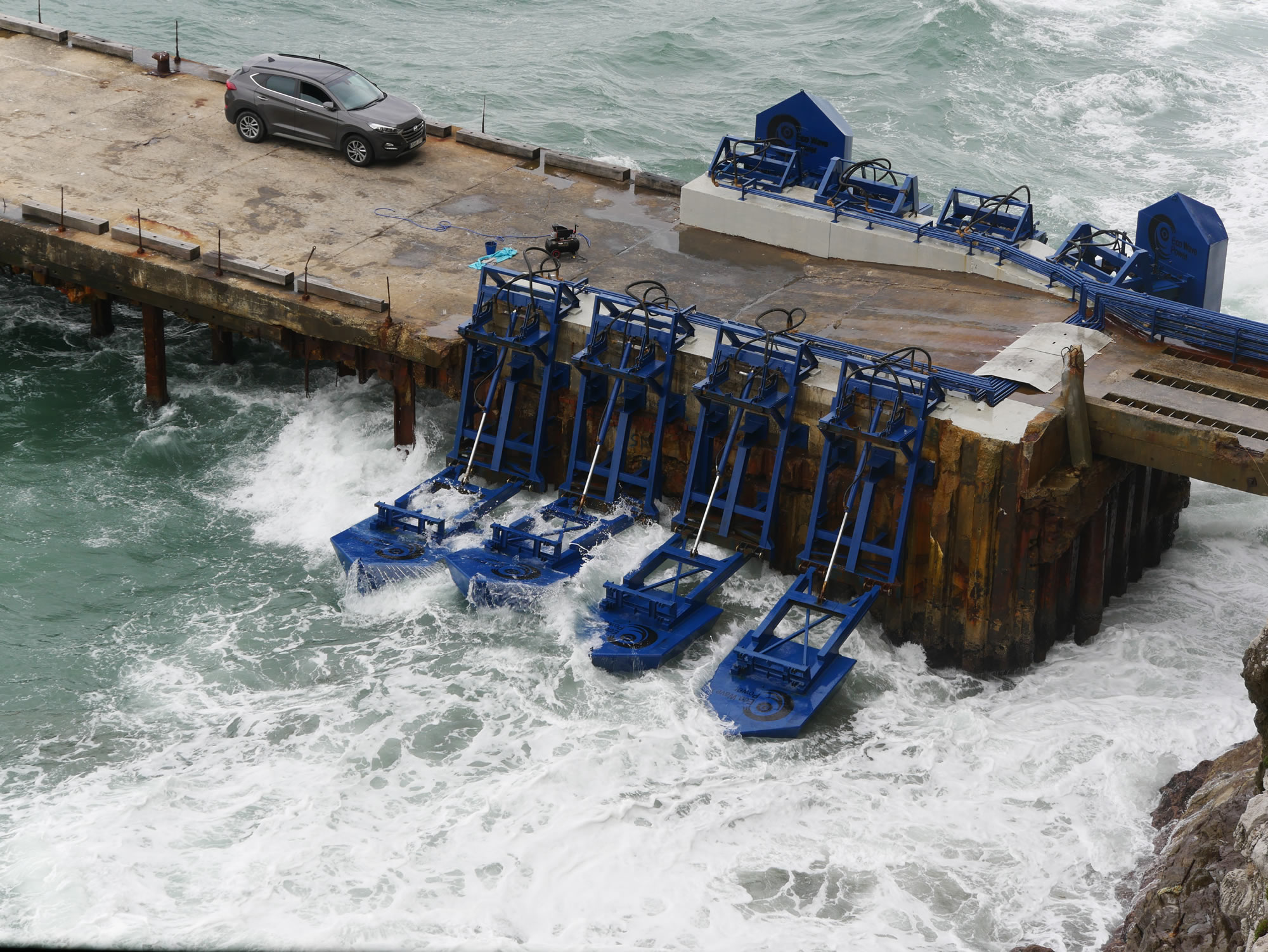
Eco Wave Power has developed a patented cost-effective technology that converts ocean and sea waves into electricity, offering a potential solution for sustainable coastal electrification. The company owns and operates a wave energy array, which is connected to the grid in accordance with a Power Purchase Agreement (PPA).The system uses floaters that move with the waves to compress hydraulic pistons, transferring biodegradable hydraulic fluid to land located accumulators. This generates pressure that rotates a motor connected to a generator, producing electricity, which is then fed into the grid via an inverter. The system operates in a closed loop, with the fluid reused after decompression. It starts generating electricity with wave heights of 0.5 meters and is controlled by smart automation. When waves are too high, floaters rise above the water until the storm passes and return to operation mode once the storm has passed. Eco Wave Power has partnered with the company I-Ke for its first Asian onshore project, where I-Ke will locally produce the floaters, hydraulic cylinders and other components of the technology.
Contracting type: For sale/service
Technology maturity: Frontier
Technology level: High
Place of origin: Sweden
Availability: Worldwide
Contact: WIPO GREEN Database
Clean cooking: biomass clean cooking stove
Gansu Hengxin Energy Saving Technology Co. Ltd.
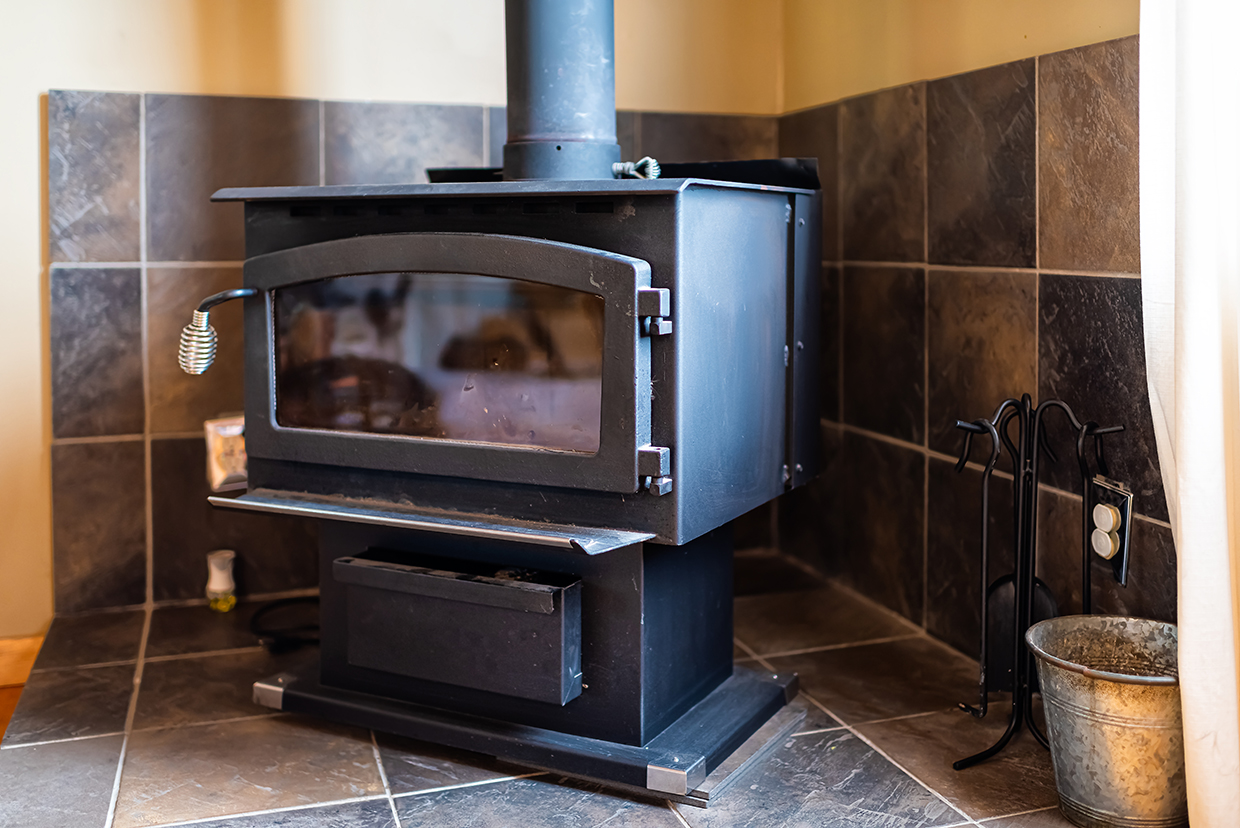
The high-efficiency biomass cooking stoves are designed to deliver strong firepower, smoke-free operation and rapid heating, making them both environmentally friendly and user-safe. The stoves heat up quickly, enhancing cooking efficiency and saving time for users. In addition, these stoves aim to reduce indoor air pollution, improve health outcomes and enhance cooking efficiency. The simple and reliable design offers a sustainable cooking solution for rural and urban households.
Contracting type: For sale
Technology maturity: Frontier
Technology level: Medium
Place of origin: China
Availability: Asia and the Pacific
Contact: WIPO GREEN Database
Energy storage: vanadium redox flow batteries for large-scale energy storage
Sumitomo Electric Industries

Sumitomo Electric’s vanadium redox flow batteries (VRFBs) are designed to enhance grid stability and smooth out fluctuations in power generation. This long-duration energy storage technology is particularly beneficial for isolated or off-grid systems, where diesel-powered backup generators are often critical for maintaining a consistent power supply. Unlike conventional batteries, VRFBs store energy through reversible changes in the oxidation states of vanadium ions in the electrolyte, without phase changes. This results in stable batteries and minimal degradation. With a design life of over 20 years, the VRFBs use a non-flammable electrolyte that can be reused even after the battery is decommissioned.
Contracting type: For sale
Technology maturity: Frontier
Technology level: High
Place of origin: Japan
Availability: Japan
Contact: WIPO GREEN Database
Solar energy: floating solar power plants with trackers
Tonking New Energy

Tonking New Energy’s floating solar systems are available in fixed and single-axis tracking configurations. The tracking model uses independent buoys and GPS-based east–west orientation to optimize solar exposure throughout the day. Light transmittance of approximately 30% allows sunlight to reach the water surface, limiting impacts on aquatic life and supporting concurrent fish farming. The floats are made of fiberglass with built-in food-grade foam, and structural components are built with aluminum alloy and galvanized steel. A 1.6-MW installation at Jiangshan Xintangdi Reservoir in Zhejiang Province occupies approximately 15 to 16 acres per megawatt, with an expected operational lifespan of over 25 years.
Contracting type: For sale/service
Technology maturity: Frontier
Technology level: High
Place of origin: China
Availability: Asia
Contact: WIPO GREEN Database
Hydropower: micro hydro turbine generator
Suneco Hydro

The micro hydro generator system includes a turbine, a generator and the appropriate controller for the size and output of the system. Hydro power systems are available from 5 kW to 10 kW. The service includes assistance in matching the right size generator to customer specific site and requirements according to the site’s flow rate and head as well as wattage requirements.
Contracting type: For sale
Technology maturity: Frontier
Technology level: Medium
Place of origin: China
Availability: Asia and the Pacific
Contact: WIPO GREEN Database
Clean cooking: green char briquettes
Khmer green charcoal
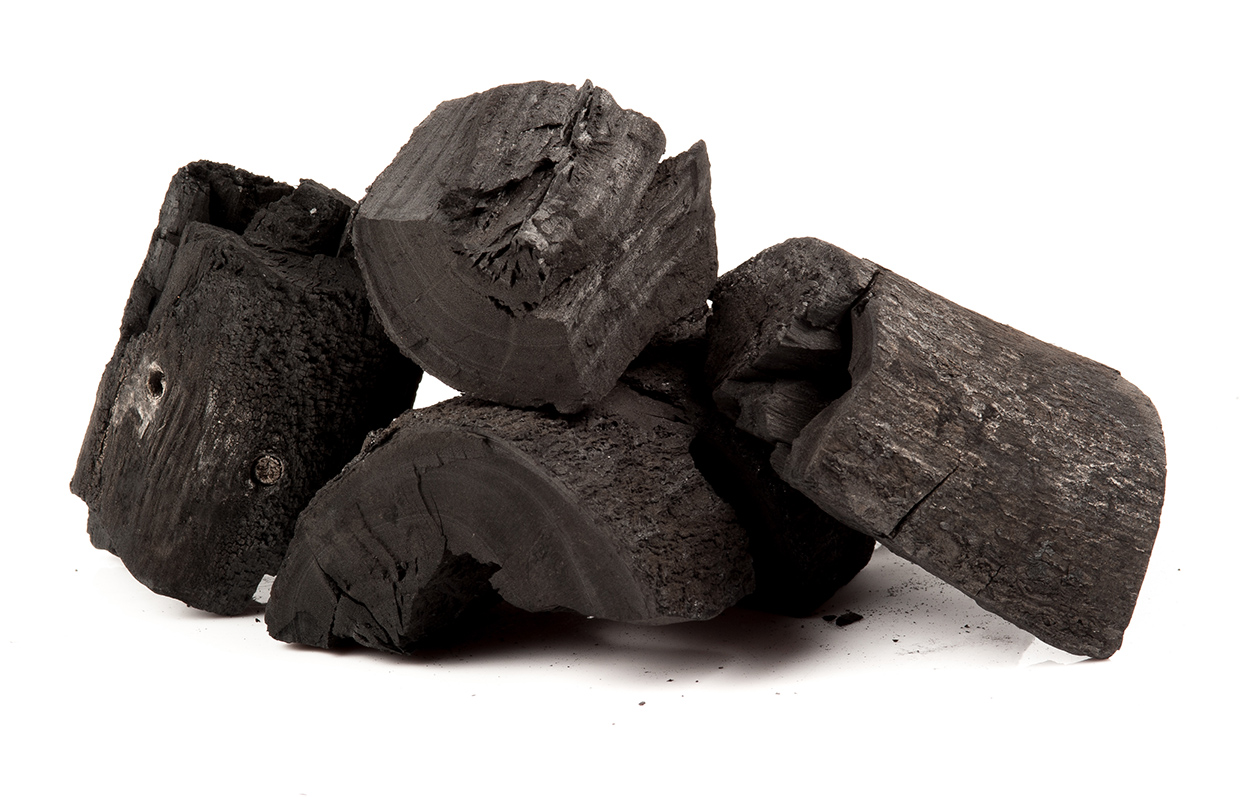
KGC has introduced green charcoal, a clean cooking fuel that offers a sustainable alternative to the environmentally harmful consumption of wood charcoal. It supplies the green charcoal to over 6,500 users across Cambodia. By integrating modern processing techniques with innovative technology, it produces high-quality, sustainable char briquettes from organic waste. Their Diamond Eco Char Briquettes, crafted entirely from coconut shells without any chemicals, provide a smokeless, spark-free burn lasting around five hours.
Contracting type: For sale
Technology maturity: Frontier
Technology level: Medium
Place of origin: Cambodia
Availability: Cambodia
Contact: WIPO GREEN Database
Horizon technologies
Energy storage: gravity energy storage system
Energy Vault
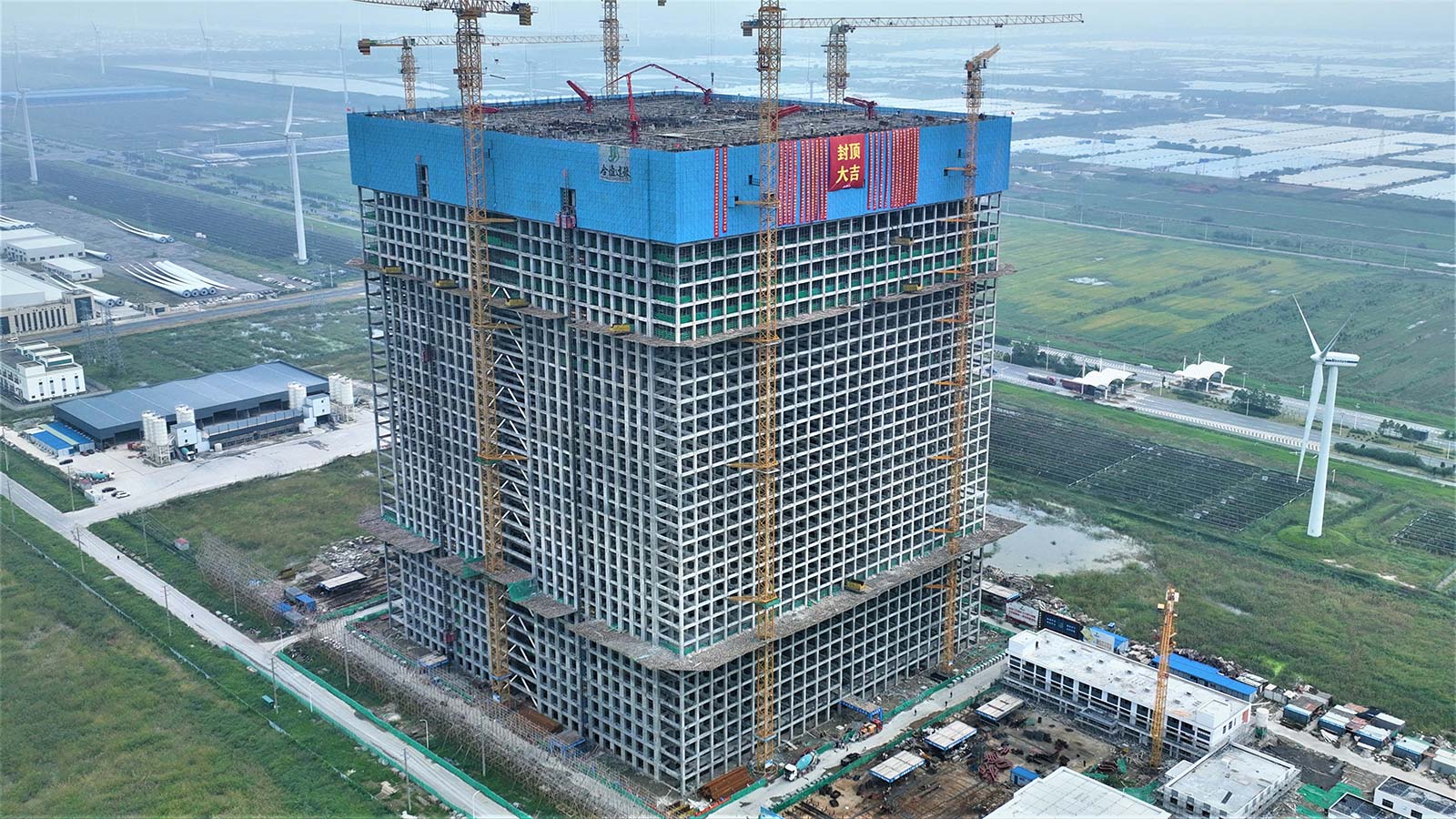
Energy Vault’s EVx™ gravity energy storage system (GESS) is an innovative mechanical energy storage technology that converts renewable energy such as wind and solar into gravitational potential energy by lifting blocks to store power, which later get released to generate electricity. Using AI algorithms, the GESS operates automatically, responding to grid or user demand. Its modular design supports scalability, stacking 10 MWh units to achieve GWh-level storage. Importantly, GESS is versatile, requiring no specific terrain or climate conditions, making it suitable for diverse environments, from mountainous regions to icy deserts. With round-trip efficiency exceeding 85%, it also enhances grid stability by providing inertia response to prevent frequency fluctuations.
Contracting type: For collaboration
Technology maturity: Horizon
Technology level: High
Place of origin: Switzerland
Availability: China, Italy, Switzerland, United States of America
Contact: WIPO GREEN Database
Solar energy: micro solar domes
NB Institute for Rural Technology (NBIRT)
.png.jpg)
The Micro Solar Dome (MSD), or Surya Jyoti, is an innovative lighting device for day and night-time use. During the day, it captures sunlight through a clear acrylic dome on the roof and channels it indoors via a reflective sun-tube, acting like a natural skylight. There is a shutter at the bottom of the lower dome which can be closed if light is not required in the daytime. Photovoltaic modules also charge a battery in the daytime, providing backup light for up to six hours after sunset. Designed for off-grid households, each dome provides illumination equivalent to a 60 W incandescent bulb. Widespread use in 10 million homes could save 1,750 million units of electricity and reduce CO₂ emissions by 12.5 million tonnes. A program providing training and licenses for startups and self-help groups to produce the domes has been initiated.
Contracting type: For collaboration
Technology maturity: Horizon
Technology level: Medium
Place of origin: India
Availability: India
Contact: WIPO GREEN Database
Hydropower: hybrid tidal and pumped storage power generation
Korea Institute of Ocean Science and Technology

The tidal and pumped storage hybrid power generation system uses the mechanical force of ocean tides to pump seawater into a storage tank on land. When the water is returned, its potential energy can be converted into hydroelectric power. A 2024 study successfully tested the fully passive pumping mechanism at an offshore site in the Republic of Korea, using a two-armed flapping-foil hydrokinetic turbine. The motion of the flapping arms, as activated by the tide, managed to fully passively drive the water pump. This pump transports seawater through a pipeline to an onshore tank several meters above sea level, which in future applications could be used for aquaculture. The trial achieved a pumping height of 9 meters at 1.8 m/s and delivered 3.3 kW of pumping power with 34% efficiency at a reduced frequency of 0.126. Viable for shallow or near-shore deployment, this developing technology offers rural or off-grid communities a sustainable option for seawater pumping and damless hydroelectric power.
Contracting type: N/A
Technology maturity: Horizon
Technology level: High
Place of origin: Republic of Korea
Availability: N/A
Contact: WIPO GREEN Database
Renewable energy: grid-forming inverter (GFM) for inertia-free renewable energy generation
Fuji Electric

Fuji Electric is developing a new type of inverter called a grid-forming (GFM) inverter. This inverter uses special software to behave like a traditional generator, helping to keep the power grid stable. Unlike traditional generators, renewable energy sources don’t have this stabilizing feature, which can lead to power problems. The GFM inverter is being tested to work with energy storage systems, such as batteries, to improve how renewable energy is used. Traditionally, large power plants use spinning generators to keep the grid steady, but renewable energy sources can’t do this on their own. Fuji Electric is testing how the GFM inverter can work alongside other systems to make the grid more stable. One challenge is ensuring the inverter can safely keep working during power outages, as current rules require it to shut down when the grid fails. Fuji Electric is working on solutions for this issue.
Contracting type: N/A
Technology maturity: Horizon
Technology level: High
Place of origin: Japan
Availability: N/A
Contact: WIPO GREEN Database