
Public spaces like streets, parks, roads and public buildings are essential to urban life. They rely on energy to power streetlights, buildings and transport systems, ensuring the seamless operation of cities. As cities grow, so does the demand for energy, especially in the Asia-Pacific region, where rapid population and economic expansion are driving a surge in passenger transport. Yet, public transportation remains largely reliant on fossil fuels. Without intervention, 75% of transport-related energy will still come from oil, driving a 47% increase in CO2 emissions in the region by 2050 compared to 2015 levels
Technological development and trends
Energizing urban mobility with electric transit solutions
The integration of EVs into public transport systems presents a significant opportunity to reduce reliance on fossil fuel and accelerate emissions reductions. However, EVs are not cleaner than the electricity feeding them. Luckily, and to a large degree thanks to significant hydropower potentials, several countries in Asia and the Pacific have a notable share of renewables in their energy mix and hence a low-carbon electricity grid which provides an opportunity to accelerate a relatively low-carbon EV adoption. Figure 2.5 shows the renewable percent share of electricity production in Asia-Pacific countries. Nepal generates 100% of its electricity from hydropower, while countries like Myanmar, New Zealand and the Republic of Korea obtain a significant share of their electricity from renewable energy sources. Although countries like China and India currently have high CO₂ emissions in electricity generation, their emission intensities are projected to decline from 2024 levels by 2027, from 729 to 659 gCO₂/kWh in India and from 563 to 478 gCO₂/kWh in China, driven by rapid growth in solar, wind and hydropower renewables (
Without intervention, 75% of transport-related energy will still come from oil, driving a 47% increase in CO2 emissions in the region by 2050
Battery electric vehicle (BEV) and fuel cell vehicle (FCV) buses powered by low-carbon electricity or hydrogen can significantly reduce GHG emissions compared to diesel buses (

China is at the forefront of the global EV market (figure 2.6). The country is home to over 8 million electric buses, with thousands operating in big cities like Beijing, Guangzhou and Hangzhou. Already in 2018, Shenzhen became the world’s first city to have an all-electric public bus fleet. By 2035, the country aims to electrify all public vehicles nationwide, targeting 600,000 units, including buses, taxis, sanitation trucks and postal vans (

EV sales are rising quickly elsewhere in Asia too. In India, the National Electric Bus Program (NEBP) is aiming to introduce 50,000 electric buses nationwide by 2030 (
Other than public bus systems, electric ferries (E-ferries) for mass rapid transport have recently been launched in Bangkok, Thailand. The project will operate 27 e-ferries along the Chao Phraya River in Bangkok carrying 250 passengers each and potentially saving 18,900 tons of CO2 equivalent per year
Different battery technologies
When it comes to electric public transport system, batteries play a pivotal role. Zero-emission vehicles include BEVs and FCVs as they do not burn any fuel during operation. The most widely used batteries are based on lithium-ion (Li-ion) technology (Box 2.3).
Lithium-based batteries are currently the dominating energy storage technology in electric vehicles. There are three types dominating: lithium manganese cobalt oxide (NMC), Li-Titanate (LTO), lithium iron phosphate (LFP) and lithium nickel-cobalt-aluminum oxide (NCA) batteries.
A vehicle’s range per charge depends on battery size and chemistry. Li-ion batteries combine high specific power (300 Wh/kg) and energy density (90 Wh/kg to140 Wh/kg). High specific power refers to the ability to deliver a large amount of power quickly, which is important for applications where quick bursts of energy are needed, like in acceleration for electric vehicles. High energy density means a system can store a lot of energy in a small space or mass, which is essential for long-range applications. Among different types of Li-ion batteries, NMC and NCA batteries are more expensive than LFP batteries, but they weigh less and can provide longer travel range due to higher energy density.
In addition to Li-ion batteries, emerging technologies for buses include solid-state batteries, which replace liquid electrolytes with solid ones for higher energy density, though at a higher cost. Sodium (Na-ion) batteries are more cost-effective but have lower energy density and are still in the early stages of commercialization. Both are safer than Li-ion batteries.
Source: SAARC (2018); US EIA (2024).
Powering public transport with charging technologies and battery swapping
One of the main concerns for potential EV users is an insufficient public charging infrastructure and high upfront cost. Cold weather also makes a battery’s charging time longer and its range shorter. The reason China has not achieved 100% electrification for its buses is its northern regions, which have harsh winters (
There are various charging methods for electric buses, each with its own advantages. In China and India, conductive charging is widely used where buses are connected directly to the power grid either via pantographs
However, high-powered charging poses challenges for electricity grids, leading to potential supply-demand imbalances (
A notable share of renewables in the energy mix provides an opportunity to accelerate a relatively low-carbon EV adoption
Limited space in dense Asian cities hinders the adoption of electric heavy duty vehicles (HDV) and electric buses, particularly due to the lack of room for large charging depots and overnight parking. Innovations like battery swapping and wireless charging roads offer space-efficient alternatives. China leads in battery swapping, enabling quick exchange of depleted batteries for fully charged ones, and thus extending battery life, and easing grid demand
Wireless charging is another evolving technology, being tested and trialed in a few cities. For instance, in the Republic of Korea, wireless charging is developed by KAIST and operates on routes between campuses and city centers. Wireless or inductive charging uses special lanes equipped with charging coils which generate electromagnetic fields, allowing buses to charge without physical contact, even while in motion. This reduces downtime for stationary charging, allowing vehicles to operate longer without interruptions, ultimately optimizing energy use throughout the day.
Hydrogen as a fuel for public transport
Fuel cells function like batteries, but they need a continuous supply of fuel (e.g. hydrogen) and oxygen (air) to produce electricity through an electro-chemical process which is often twice as efficient as internal combustion engines and turbines. Fuel cell vehicles are refueled like conventional vehicles, with hydrogen stations supplying pressurized hydrogen.
Fuel cell buses are expected to grow in China, Japan and the Republic of Korea over the next 20 years, with China and the Republic of Korea leading the push to develop a new industrial value chain (
However, hydrogen-based technology is not inherently green, as most hydrogen today is produced from fossil fuels, limiting its climate benefits. Although advancements in green hydrogen are progressing, its production remains costly. Furthermore, the lack of filling stations is another critical issue. Even in countries like Japan and the Republic of Korea, H2 filling stations are less than 0.5% of electric chargers. Such challenges are hindering the widespread adoption and progress of hydrogen technology.
Harnessing solar energy for urban public transport systems
Cities like Hong Kong China, Singapore and Tokyo are integrating solar buses into their transit systems, using third-generation ultra-thin film solar cells on bus roofs. These panels generate electricity to help regulate cabin temperature and power onboard electronics, reducing fuel consumption. On average, each solar-equipped bus saves 3 to 4% in fuel daily, cutting around 6 tons of carbon emissions per year (
Two- and three-wheelers as key segment of electrified road transport in developing countries
China is the global leader in the electric share of two- and three-wheelers, with over one third of all such vehicles being electric (
Nevertheless, in developing countries, e-bikes and e-scooters have significant potential to reduce urban air pollution by replacing gasoline-powered scooters and motorcycles. Therefore, efforts are underway to make e-bikes safer and more energy efficient. This includes the development of self-charging batteries that store energy during pedaling. Further advancement in bicycles is solar-powered batteries (figure 2.7). Solar power could potentially reduce the need for recharging stations. Additionally, many e-bikes feature removable batteries that can also be charged overnight at home, providing a practical hybrid approach.
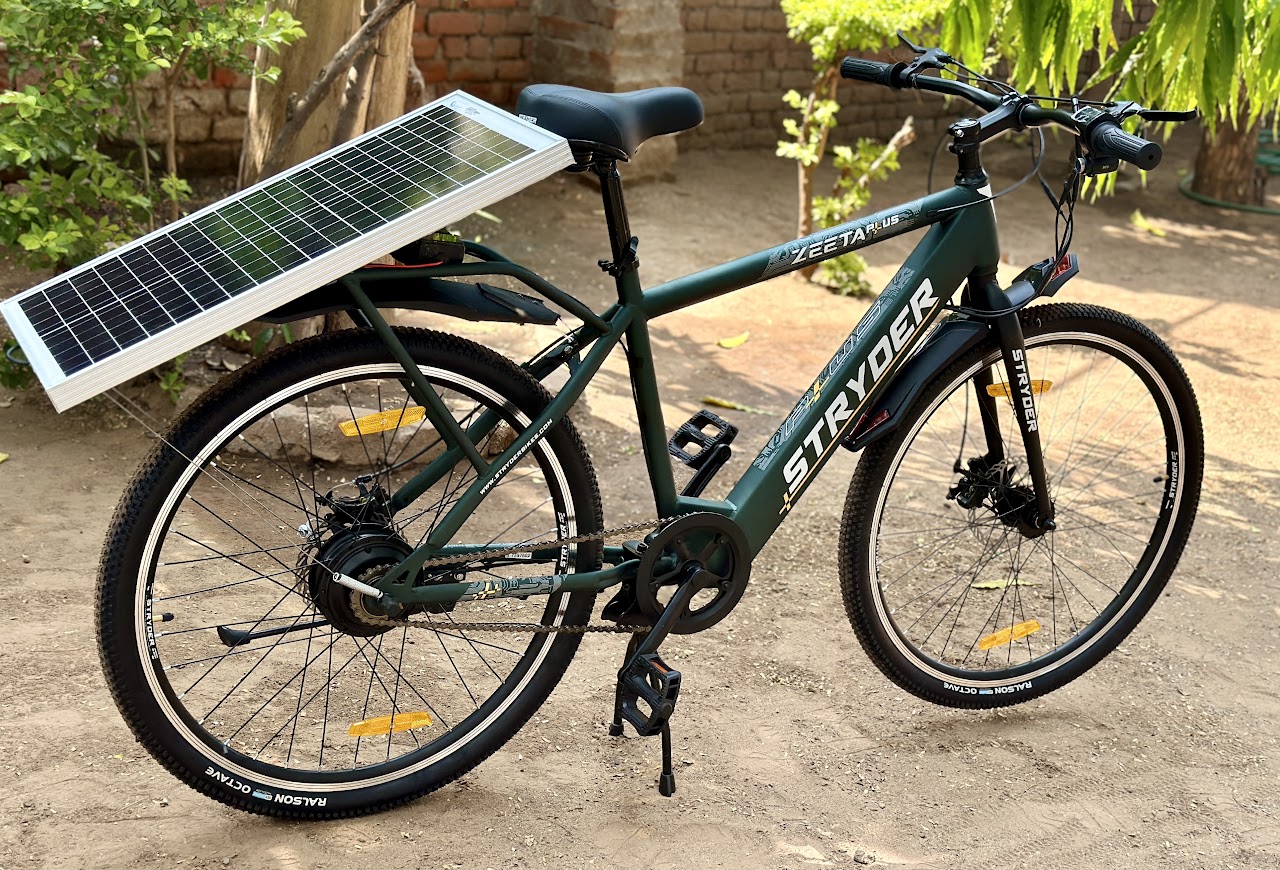
In many Southeast Asian cities, two-wheelers are widely used for both private and public transport. For example, Viet Nam had registered 1.35 million electric two-wheelers by June 2020.The stock and sales of two-wheelers continue to rise in India and ASEAN countries (

Traffic flow optimization and smart transport: a key to energy efficiency in dense cities
Optimizing traffic flow in Asian cities is essential for enhancing mobility, reducing energy consumption and improving air quality. Cities like Bangkok, Beijing, Jakarta and Tokyo face significant traffic congestion due to high population density and rapid urbanization. Besides improved mass transport systems such as bus systems and sky-trains, intelligent Transport Systems (ITS) can play a key role in addressing such challenges. It is an evolving, data-driven and adaptive approach to public transport planning, operations management and customer service applications to improve the safety, efficiency and sustainability of public transport networks (
The region is seeing a rise in start-ups and companies offering electric bicycles, motorcycles and scooters on e-commerce platforms
The system includes technologies such as adaptive traffic signal control and traffic management centers that use real-time data and AI algorithms to optimize traffic light timings, reducing vehicle idle times and the associated fuel consumption. Meanwhile, centralized traffic centers continuously monitor traffic conditions and reroute vehicles away from congested areas, improving traffic flow across cities. For example, it can be used to prioritize public transport in traffic, allowing buses and trams to have a quicker route by adjusting traffic signals for them (e.g., bus priority lanes). It also offers real-time updates to commuters (e.g. bus arrival times, delays, monitoring parking spaces at parking lots and guiding drivers to available spots etc.) thereby minimizing congestion and vehicle idle times, which is a crucial factor in energy efficiency. A study on vehicle idling at intersections in Delhi found that daily fuel losses due to idling could be 9,036 liters of petrol, diesel and LPG, along with 5,461 kg of CNG, leading to approximately 37 tonnes of CO₂-equivalent emissions per day in the city (
Limited space in dense Asian cities hinders the adoption of electric heavy duty vehicles and electric buses
Other ITS components include sensor-based communication technologies like Vehicle-to-Infrastructure (V2I) and Vehicle-to-Everything (V2X). These systems allow vehicles to communicate with traffic signals and road signs, receiving optimal speed recommendations and alternate routes to reduce stop-and-go driving, which further improves safety and energy efficiency. However, real-world application faces challenges such as signal degradation, interference from buildings and complex driving scenarios. Cellular V2X (C-V2X) with 5G offers better performance in such cases, especially in non-line-of-sight conditions.
Smart traffic lights with geomagnetic sensors further improve efficiency by adjusting signal timing based on vehicle flow, cutting congestion and reducing unnecessary fuel use. The AI-driven “City Brain” platform, used in China and Malaysia, analyzes traffic patterns in real time, optimizing signal timings and reducing travel delays. In Shanghai, the City Brain is extensively used for public safety and community services, where it has lowered congestion by 15% and cut average travel time by 8% (
Electronic Road Pricing (ERP) is another element in ITS. In many Asian cities including Bangkok and Singapore, ERP is used to reduce car use and encourage public transit on highways by charging higher fees during peak hours. Using smart card in-vehicle units, it enables automatic, contactless payments, easing congestion. Advanced satellite-based ERP even eliminates the need for toll booths, using GPS to track vehicles and adjust tolls based on road usage and real-time traffic conditions.
The growth of autonomous public transport in Asia
Autonomous public transport technology is rapidly advancing in Asia and the Pacific, with several countries leading the way in deploying driverless vehicles to enhance urban mobility. However, the effect of autonomous vehicles on transportation energy consumption is highly uncertain
Asia’s drive for energy-saving LED traffic lights and streetlights
Each year, over 4 million traffic lights consume about 3 billion kilowatt-hours of electricity globally, with red lights accounting for 85% of this usage, as they are on 60% of the time and often have higher wattage
LED traffic lights have replaced incandescent bulbs due to lower energy use and maintenance costs. Integrated signal lights, combining light and pole, offer additional functions such as clocks, billboards and LED displays for real-time information sharing, traffic safety improvement etc. In semi-urban areas, solar-powered traffic lights offer a cost-effective alternative by adding a solar panel and battery to conventional signals, However, the performance of solar traffic lights relies on sunlight intensity. To optimize system efficiency, it’s crucial to use a solar radiation map to identify suitable areas for the technology’s application
Recent advances have upgraded solar and wind-powered LED lights and smart streetlights with cameras and sensors
Other than traffic lights, street lighting can also represent up to 40% of a municipality’s electricity bills
Cities like Jakarta included the upgrade of 90,000 streetlights to energy-efficient LEDs as part of their smart city transformation (
Harnessing nature-based urban solutions for cooler cities
Nature-based cooling solutions offer an energy-efficient and sustainable approach to managing rising temperatures in cities and communities. By integrating green spaces, wind flows and greenery on buildings, these solutions can lower air temperatures. For example, covering 50% of a city’s surfaces with green roofs can reduce temperatures by up to 0.8°C
Vertical gardening is evolving in public buildings, utilizing wall spaces for plant growth
Cities like Guangzhou, China and Melbourne, Australia, are increasingly adopting these solutions. Guangzhou, for instance, has leveraged wind flow to create a “natural air conditioning system” by preserving six major ventilation corridors along mountains, water systems and open spaces (
Singapore has also implemented an intensive greening policy, with green rooftops, sky gardens, pocket parks and pedestrian park connectors. This has raised the city’s green cover from 36% to 47%, lowering temperatures by up to 5°C. This helps the city adapt to climate change while also lowering GHGs, since a 1°C decrease in air temperature can reduce peak electricity demand by up to 4%, leading to reduced energy consumption and emission (
Vertical gardening is evolving in public buildings, utilizing wall spaces for plant growth. Modular panel systems, popular for their flexibility and easy installation, use pre-vegetated panels mounted on a support structure, enhancing thermal and sound insulation. For more nature based urban solutions see energy and mitigation editions of the Green Technology Book.
Water-retaining pavements and district cooling to lower temperatures
Water-retaining pavements are made of porous asphalt filled with water absorbing materials such as special cement milk that can store a large amount of rainwater. As the water gradually evaporates, it absorbs heat from the surrounding environment, helping to lower the road surface temperatures by 8 to 10°C compared to the conventional pavements (figure 2.9). However, they cost about 30% more than conventional paving (

Large-scale district cooling systems can also significantly lower energy consumption as seen in cities like Dubai and Singapore. They can deploy more energy-efficient technologies such as chilled water storage and heat recovery which reduce overall energy consumption. The cooled water is distributed through underground pipes to multiple buildings thus eliminating the need for individual air-conditioning units and saving energy. It also avoids heat release from aircon units and thereby lowers the urban heat island effect. Overall energy savings of up to 50% have been observed
However, there are still some barriers to the widespread adoption of this technology. Proper urban planning and regulations, like Singapore’s District Cooling Act, can help facilitate its rollout. Singapore’s Marina Bay district operates one of the world’s largest underground district cooling networks, saving enough energy to power 24,000 residential units (
Integrating renewable energy into public spaces and buildings
Creative governance models, policies and laws are often instrumental in expanding the use of renewable energy sources. Municipality-led renewable energy communities are also spearheading solar and wind power in public spaces and buildings. Several Asian cities are adopting such tools (Box 2.4).
Seoul is expanding its solar capacity by leasing unused municipal land to private power generators and cooperatives for large-scale solar panels. Solar PV installation is now mandatory for public buildings under the city’s environmental standards. The city collaborates with various divisions to install solar systems on available sites, offering low-interest loans and feed-in tariffs to promote community-scale projects. Currently, 14 cooperatives run 29 solar plants, generating 1.3 MW of electricity
In China, rooftop solar panels are set to roll out in public buildings. In 2021, China’s National Energy Bureau mandated solar installations on 40% of public buildings such as schools and hospitals (
Beyond rooftops and parking space, floating PV on lakes or ponds and building-integrated PV (BIPV) are gaining momentum. Floating solar farms can produce more electricity than rooftop or ground-based installations while also helping to regulate the temperature and evaporation of lakes and reservoirs (
The latest innovative solar solution includes BIPV such as patterned vertical panels on building façades that blend aesthetics with functionality. However vertical panels may have 5 to 25% lower efficiency compared to that of the conventional tilted position, new materials and designs aim to address this
Innovation examples
Hong Kong, China’s first-of-its-kind district cooling system using seawater
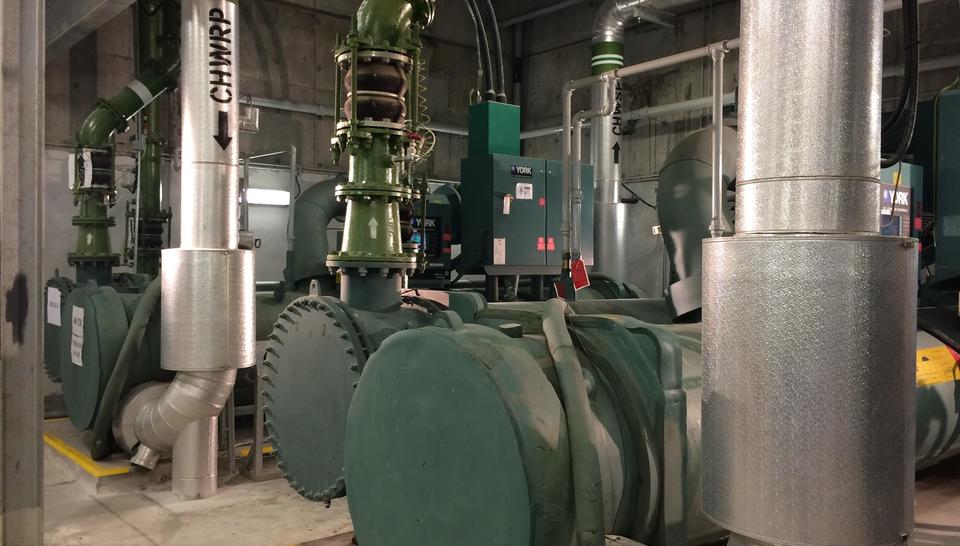
Veolia, a leader in environmental solutions in Hong Kong, China designed, built and operates the Kai Tak District Cooling System (DCS). This facility uses seawater as a cooling medium to produce chilled water, replacing traditional decentralized air-conditioning systems in consumer buildings across the Kai Tak District. The chilled water is then distributed through an underground water distribution network, providing green cooling to over 1.7 million m² of non-domestic air-conditioned spaces, including offices, schools, Mass Transit Railway (MTR) stations, a shopping mall, a hospital and the cruise terminal. With a cooling capacity of 284 MW, the DCS helps the community to save up to 85 million kWh of electricity annually upon its full operation while optimizing energy efficiency and reducing space requirements (
Tallest vertical garden in Sri Lanka

Recognized as the tallest vertical garden in the world, ClearPoint residences is a collaborative project by Milroy Perera Associates and Maga Engineering. This residential apartment tower exemplifies holistic green building practices, featuring 171 apartments across 47 floors. Its special feature is the array of planted terraces that wrap around the building. These terraces are nourished by a specially designed automated drip irrigation system that utilizes recycled water. In addition, the building incorporates several self-sustainable elements, including solar panels, rainwater harvesting, water recycling and solid waste management systems. The planted terraces not only enhance the building’s unique aesthetic but also offer other benefits. The greenery acts as a natural cooling system which reduces energy consumption for air conditioning. Additionally, this lush cover provides sound insulation, shade and a buffer against radiant heat.
Technology solutions
Proven technologies
Energy efficiency: smart streetlight
Delta
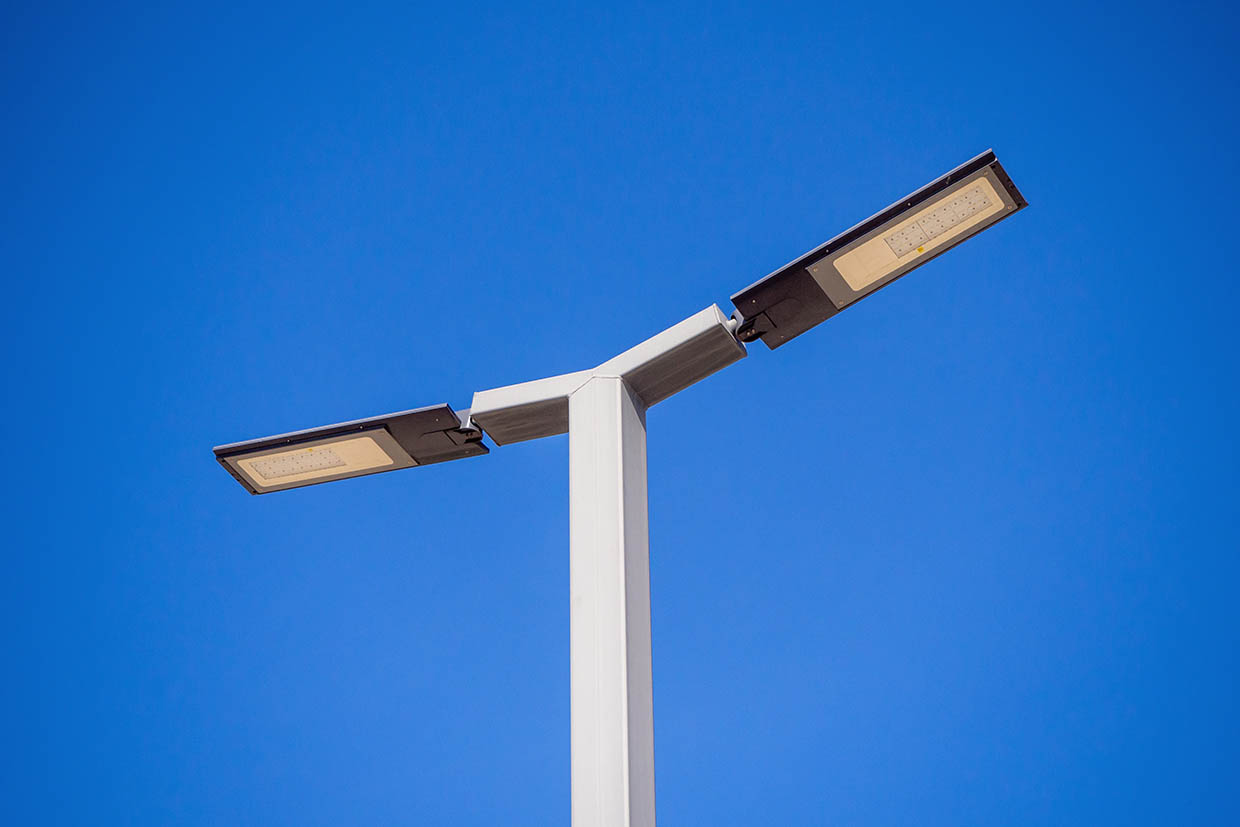
The Smart Street Light Delta offers a comprehensive solution for sustainable cities by integrating the DeltaGrid communication platform. This system collects data from connected, high-efficiency LED streetlights and transmits it to cloud servers via 3G/GPRS. It allows for real-time control, including on/off switching, dimming, and reporting on status and failures, optimizing energy savings and maintenance efficiency. This proven technology has been successfully implemented in large-scale projects in New Taipei City and Taoyuan City, Taiwan, Province of China managing over 10,000 smart LED streetlights.
Contracting type: For sale
Technology maturity: Proven
Technology level: High
Place of origin: Taiwan Province of China
Availability: India, Oceania, Southeast Asia
Contact: WIPO GREEN Database
Alternative energy vehicles: Electric bus for countries with extreme high temperatures
Yutong

Yutong introduced battery electric buses to the Saudi Arabian market, E11PRO and D8E to address the “Extremely Hot Challenge.” The buses are able to operate effectively in high temperatures and extreme desert conditions. In the Middle East, the company has been operating for two decades selling over 10,000 buses across 12 countries including Qatar and Saudi Arabia, of which 950 buses are battery electric. The model E11PRO has demonstrated exceptional durability, with over 110,000 kilometers traveled in nearly two years of service, while the D8E is versatile for various urban transport needs. It is fitted with an independent liquid cooling system for the battery and an electric A/C with high cooling capacity, sufficient to increase the vehicular safety and provide a cool and comfortable experience to the driver and rider. In addition, the motor is equipped with a unique mudguard to prevent foreign matter from being blown into the motor and causing failure. The special anti-collision beam structure of the battery pack is added to ensure a safe and smooth operation. Yutong’s buses are particularly convenient due to their long driving range and ability to operate continuously in the intense heat, ensuring smooth transportation for large numbers of passengers.
Contracting type: For sale
Technology maturity: Proven
Technology level: High
Place of origin: China
Availability: Asia
Contact: WIPO GREEN Database
Energy efficiency: end-to-end mobility sharing platform
Gogoro

GoShare is an app created by Gogoro that provides renting and riding Gogoro Smartscooters. Available 24/7, the app lets users quickly access high-performance electric scooters with smart features and wireless connectivity for daily travel. With GoShare, riders can swap batteries at any time using the Gogoro Network, allowing them to extend their ride without worrying about running out of power. The app uses advanced technology like AI and real-time management to help users easily sign up, find and reserve a scooter for riding in a few minutes. This solution facilitates the shift to electric urban vehicles which, depending on the source of the electricity, can contribute to climate change mitigation.
Contracting type: For sale
Technology maturity: Proven
Technology level: Medium
Place of origin: Taiwan Province of China
Availability: Asia, Colombia
Contact: WIPO GREEN Database
Passive cooling: vertical garden grates and frames
Latham Australia

Latham’s grates and frames provide a sturdy structure for attaching planters, pots and greenery without affecting the overall look. These grates, made from aluminum and brass, are typically used in safety flooring systems but can also be custom-made to fit the specific size requirements of a vertical garden. When installed upright, they create a reliable surface for supporting plants while serving the aesthetic purpose of the design.
Contracting type: For sale
Technology maturity: Proven
Technology level: Medium
Place of origin: Australia
Availability: Middle East, Oceania, Southeast Asia
Contact: WIPO GREEN Database
Passive cooling: hanging vertical garden system
Ecogreen Landscape Technologies (ELT)
.png.jpg)
Living Globe Strings is an ultramodern, non-modular system designed for hanging vertical gardens, covered spaces and indoor settings. Instead of using a back frame, it features hanging pots, or “Living Globes,” suspended on stainless steel wire ropes, allowing for continuous greenery without obstructing light. The globes, made from hydrophilic foam composite, require minimal maintenance and are available in 4”, 7” and 11” diameters, capable of holding 15, 25 and 45 plants, respectively. The system is modular, customizable and includes integrated drip irrigation. This innovative solution supports dense planting while efficiently utilizing limited space.
Contracting type: For sale
Technology maturity: Proven
Technology level: Low
Place of origin: India
Availability: India
Contact: WIPO GREEN Database
Energy efficiency: wireless intelligent solar traffic signal controller
FAMA Traffic
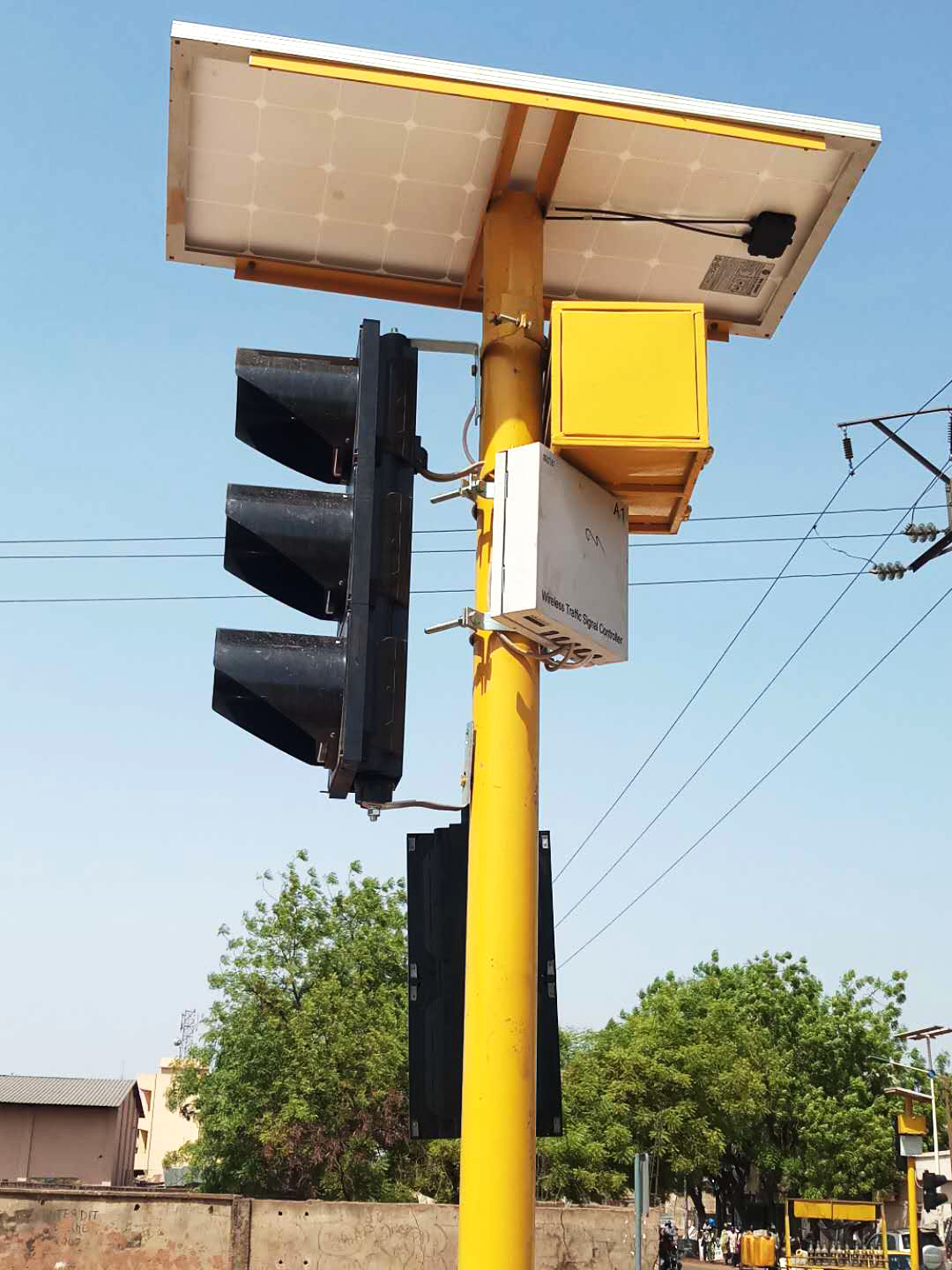
A wireless intelligent traffic signal controller is the core component of the city’s traffic signal control system, responsible for managing traffic signals, gathering traffic data, enabling communication and monitoring intersections. It is suitable for various intersection types, including T-junctions, multi-forks and ramps. The controller operates multiple control modes, with the ability to intelligently switch between them. Key features include solar power capability, a built-in central control system for reliability, outdoor protection against lighting and power fluctuations, and a modular design for easy maintenance and upgrades. It supports 2x24 work periods for workday and holiday settings, 32 adjustable work menus, emergency yellow flashing mode and customizable steps for each menu.
Contracting type: For sale
Technology maturity: Proven
Technology level: High
Place of origin: China
Availability: Worldwide
Contact: WIPO GREEN Database
Alternative energy vehicles: smart electric three-wheeler charging with PAYG technology
SOLshare
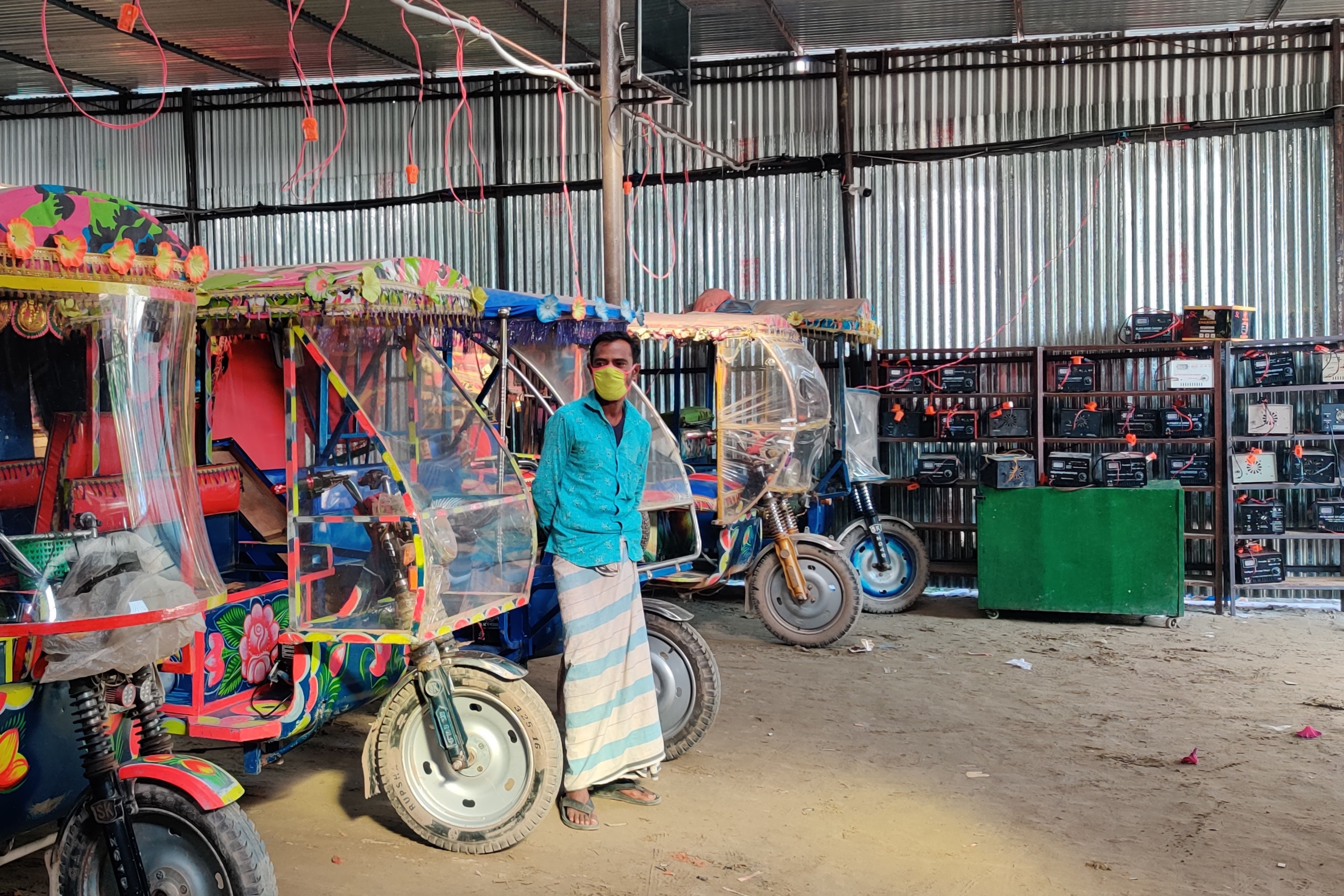
SOLmobility services replace traditional lead-acid batteries with lithium-ion batteries in electric three-wheelers, offering faster charging, better charge retention and increased power capacity. These batteries are integrated with PAYG technology, providing extended battery life, cost savings and improved mileage. Garage owners can lease batteries, reducing upfront costs and enabling remote monitoring for better management. Additionally, these lithium-ion batteries can be repurposed for rural energy storage, such as solar grids. SOLmobility is part of SOLshare’s Rickshaw virtual power plant, utilizing bidirectional chargers and rooftop solar power to integrate more renewables into Bangladesh’s grid, stabilize peak loads and enhance revenue for electric three-wheeler drivers.
Contracting type: For sale/service
Technology maturity: Proven
Technology level: Medium
Place of origin: Bangladesh
Availability: Bangladesh
Contact: WIPO GREEN Database
Space heating and cooling: district cooling
SP Group

As Singapore’s largest district cooling operator, SP Group designs, constructs and manages district cooling systems for clients across the region. District cooling and heating distribute chilled or hot water to provide air conditioning across multiple buildings, offering a reliable and energy-efficient alternative to individual cooling systems. By consolidating chiller and heating capacities, this system leverages economies of scale, managed by an expert operations team, making it comparable to public electricity supply in terms of energy and cost efficiency.
Contracting type: For sale/contract
Technology maturity: Proven
Technology level: High
Place of origin: Singapore
Availability: Australia, China, Singapore, Thailand, Viet Nam
Contact: WIPO GREEN Database
Passive cooling: water-retentive pavement COOL POLYSEAL
Nippo

Water-retentive pavement is a pavement created by injecting and filling the voids of open-grained asphalt with a special cement mix called Cool Grout, which has excellent water absorption and retention properties. This design utilizes evaporative cooling to reduce road surface temperatures, helping mitigate the heat island effect in urban areas. It provides improved comfort by cooling the road environment during summer and is suitable for all types of roads, from high-traffic streets to sidewalks. By retaining water and releasing it through evaporation, the pavement effectively lowers surface temperatures and also enhances the overall walking experience in hot conditions.
Contracting type: For sale
Technology maturity: Proven
Technology level: Medium
Place of origin: Japan
Availability: China, Japan, Tanzania, Thailand, Viet Nam
Contact: WIPO GREEN Database
Alternative energy vehicles: regenerative solar electric vehicle for developing countries
Advanced Dynamics
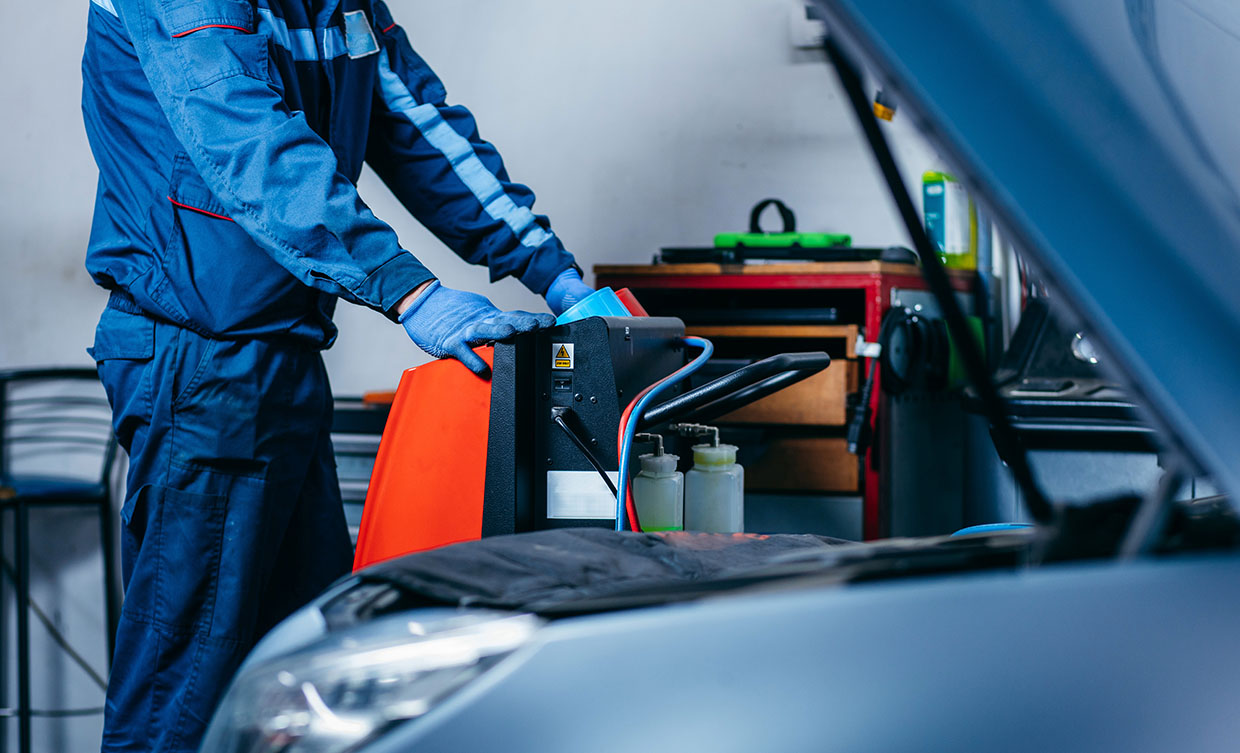
Advanced Dynamics offers the BEAN technology, a comprehensive electrification solution that includes electric vehicle motors, batteries, control systems, solar body components and other essential parts. Their innovative solar electrification technology enables the conversion of fossil-fuel vehicles into regenerative solar electric vehicles. This technology is adaptable for various vehicle types, from compact cars to large commercial trucks, allowing immediate contributions to reducing carbon emissions and promoting sustainability.
Contracting type: For service
Technology maturity: Proven
Technology level: Medium
Place of origin: Bangladesh
Availability: Asia
Contact: WIPO GREEN Database
Frontier technologies
Alternative energy vehicles: hydrogen fuel cell city bus
Higer

The Higer KLQ6106 hydrogen fuel cell city bus can accommodate up to 80 passengers, offering a spacious interior with a special ramp and designated area for wheelchairs. It features sixth-generation hydrogen fuel cell technology, which extends the fuel cell’s life expectancy to 15,000 hours. The bus can operate smoothly even in extreme conditions at temperatures as low as -30°C and automatically shutting down to preserve itself at -40°C.Powered by a 92 kW hydrogen fuel cell, the bus achieves high energy efficiency, consuming just 5 kg of hydrogen per 100 km. With a 25 kg onboard hydrogen storage capacity, it can travel over 400 km on a single fill, and refueling takes less than 20 minutes. Higer hydrogen buses successfully completed transportation tasks during both the 2008 and the 2022 Beijing Olympics.
Contracting type: For sale
Technology maturity: Frontier
Technology level: High
Place of origin: China
Availability: Worldwide
Contact: WIPO GREEN Database
Alternative energy vehicles: wireless chargers for autonomous bus
WiTricity
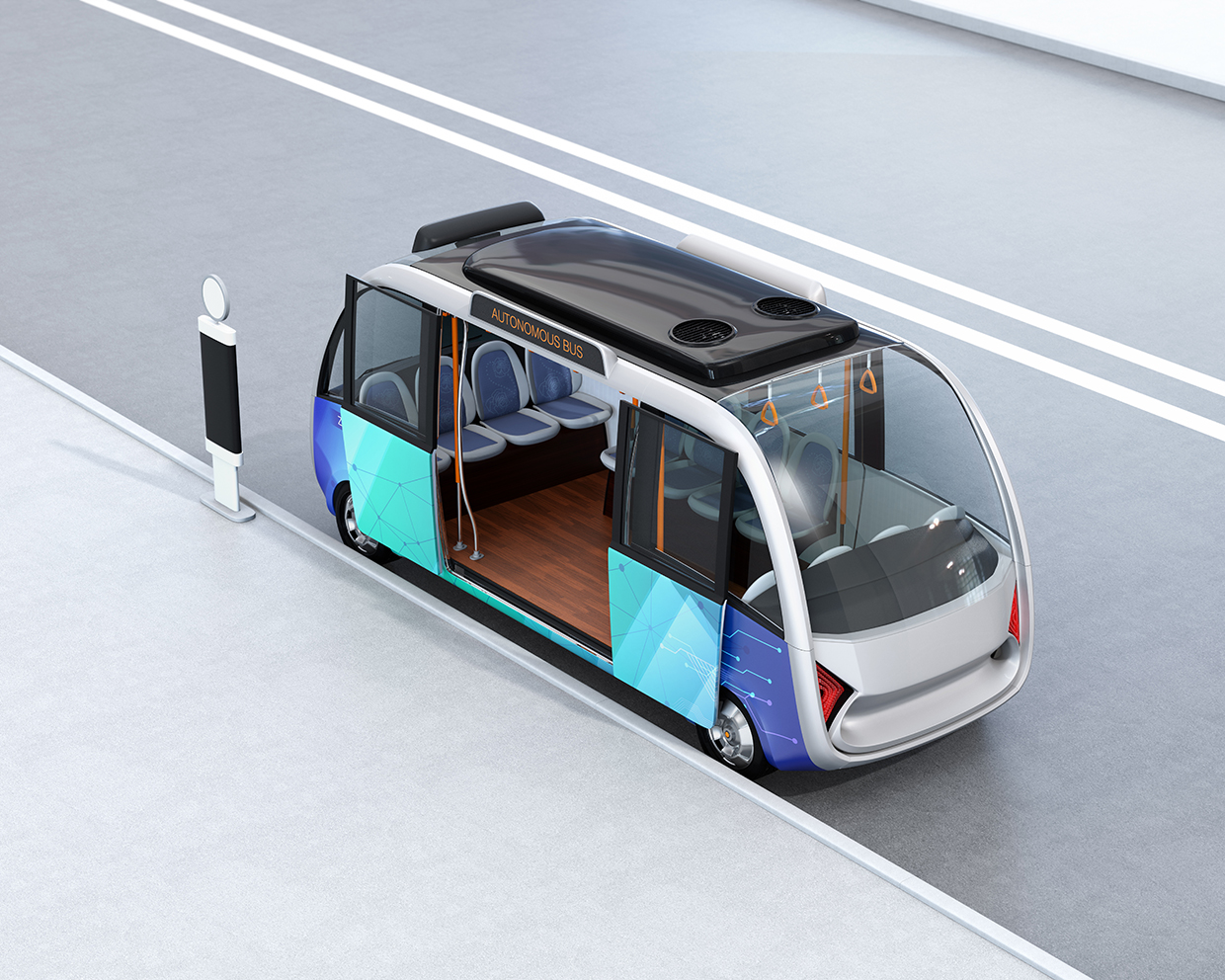
WiTricity Halo™ chargers streamline the charging process by eliminating the need to plug in, which is especially beneficial in transit applications. Traditional cords and cables are often heavy and awkward, potentially leading to slips and falls, a common cause of workers’ compensation claims for commercial drivers. WiTricity Halo increases trip efficiency and removes the need for drivers to manage heavy cables – crucial for autonomous buses that have no drivers. WiTricity has partnered with Yutong Bus, China’s largest bus manufacturer, to wirelessly charge their autonomous electric buses.
Contracting type: For sale/service
Technology maturity: Frontier
Technology level: High
Place of origin: United States of America
Availability: Worldwide
Contact: WIPO GREEN Database
Alternative energy vehicles: Smartuk – a modular, all-electric tuk tuk
ARVenture studio & E-Tuk Factory
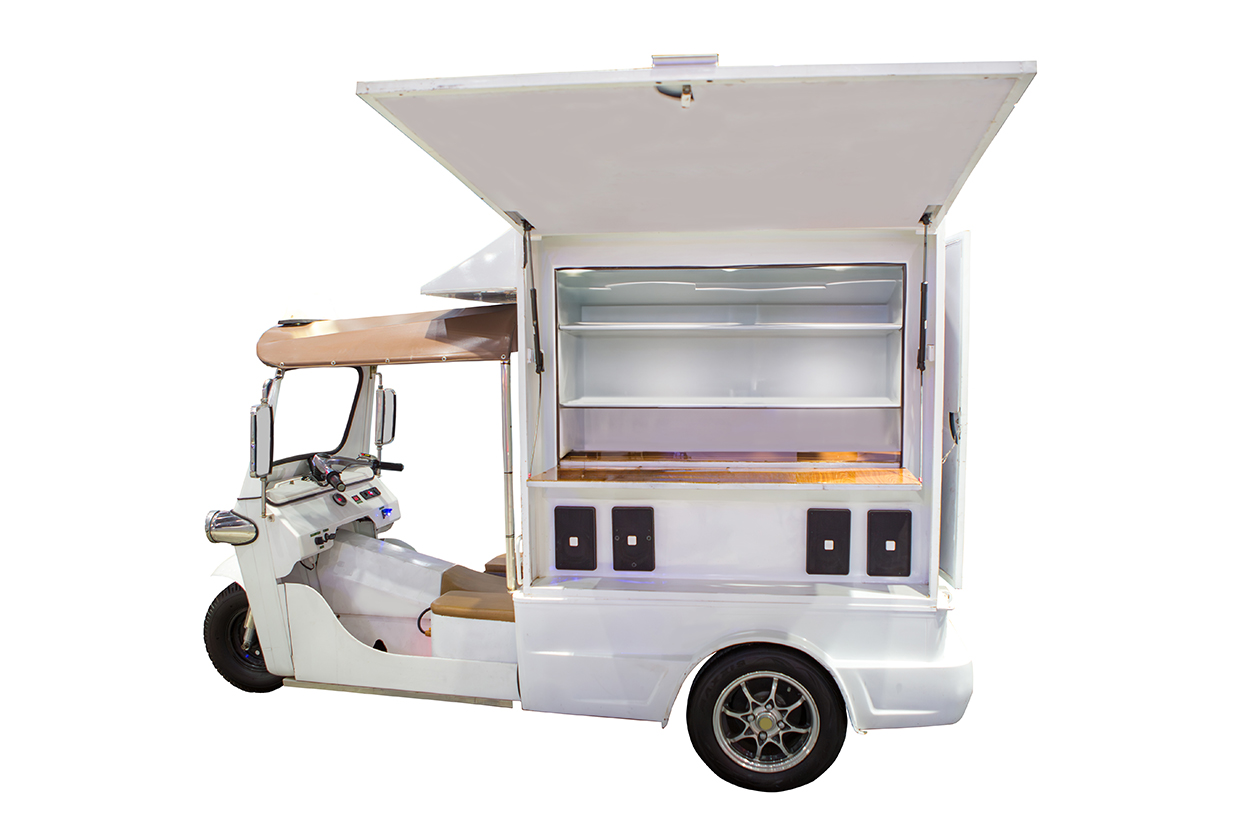
The SmarTuk concept, designed by Vincent Chan and Andy Lee, aims to provide a cost-effective, modular electric vehicle solution for street vendors in Cambodia. Built for individuals selling food and goods, the SmarTuk leverages IoT and big data to enhance the lives of low-income individuals while promoting an eco-friendly environment. Its fully electric design, combined with energy-efficient infrastructure, ensures both sustainability and affordability. A key feature of the SmarTuk is its tracking device, which connects with a mobile app to help locate nearby street vendors, supporting both convenience for consumers and regulation of unofficial vendors. Additionally, its water-resistant design considers Cambodia’s frequent flooding. The modular design also allows vendors to adapt the SmarTuk to their specific needs simply by changing the rear half. Its uses are many and range from a mobile cafe to a grocery cart, or just as a vehicle used for the transportation of goods. This flexibility, paired with its electric power, makes the SmarTuk efficient and low maintenance.
Contracting type: For sale/service
Technology maturity: Frontier
Technology level: Medium
Place of origin: Netherlands
Availability: Cambodia, Netherlands
Contact: WIPO GREEN Database
Smart energy: Roadside Unit 2X communication
Yunex Traffic

The Yunex Traffic RSU2X serves as a central hub for wireless communication between roadside infrastructure and Onboard Units (OBUs). It enables real-time, two-way data exchange, facilitating the transmission of critical traffic information (such as speed limits) and the reception of OBU messages. This technology provides key data for a more precise picture of the current traffic situation, enabling more efficient traffic control, reduces accidents and helps cut emissions. The RSU2X is powered via Power-over-Ethernet, with integrated antennas providing up to 2,500 meters of radio coverage. It features a quad-core processor and powerful radio modules, handling high data loads with up to 4,000 message verifications and 130 message signatures per second. It also includes multiple connectivity options such as Ethernet, LTE, Wi-Fi and Bluetooth, housed in a weatherproof design for harsh environments. It has a high security level with tamper response and secure key storage.
Contracting type: For sale
Technology maturity: Frontier
Technology level: High
Place of origin: Germany
Availability: Worldwide
Contact: WIPO GREEN Database
Alternative energy vehicles: flash-charging system for e-bus
Hitachi Energy
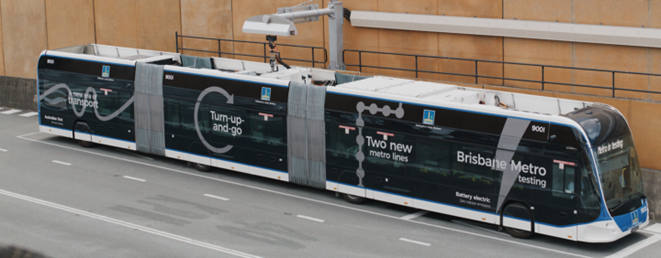
Hitachi Energy’s Grid-eMotion® charging infrastructure eliminates the need to take electric buses out of service for extended recharging or keep backup vehicles on hand, optimizing operational cost and availability for fleet operators. The ultra-fast charging starts within seconds, delivering over 600 kW of power after connecting the 24-meter-long metro to a feeding station. By using the Grid-eMotion® charging system, rather than carrying large batteries onboard, more seating can be allocated, providing a more sustainable and efficient solution that enhances both passengers’ and drivers’ experience with less noise and zero tailpipe emissions.
Contracting type: For sale/service
Technology maturity: Frontier
Technology level: High
Place of origin: Japan
Availability: Worldwide
Contact: WIPO GREEN Database
Alternative energy vehicles: hydrogen-powered Autonomous Rail Rapid Transit (ART) 2.0
CRRC

Combining green technology with oriental aesthetics, the ART is designed for medium-to-low passenger volumes. It merges the advantages of trams and road-based vehicles to meet the evolving demands of urban transportation. It operates on rubber wheels and uses virtual tracks, eliminating the need for traditional tracks and catenary systems, which reduces construction and maintenance costs. The ART 2.0 model is adaptable to various power sources, including fast charging lithium batteries, supercapacitors, hydrogen energy and overhead catenary systems, making it flexible for different operational environments. The hydrogen-powered ART 2.0 can travel up to 500 kilometers on a single charge, with the ability to add 20 kilometers of range in just five minutes of rapid charging. It also showcases advanced intelligence and safety features, including fully autonomous driving capabilities. The system achieves the highest functional safety level (SIL4), ensuring a safe and reliable passenger experience.
Contracting type: For sale
Technology maturity: Frontier
Technology level: High
Place of origin: China
Availability: Worldwide
Contact: WIPO GREEN Database
Energy storage: super charge blade battery with increased safety
BYD Auto Co, Ltd.
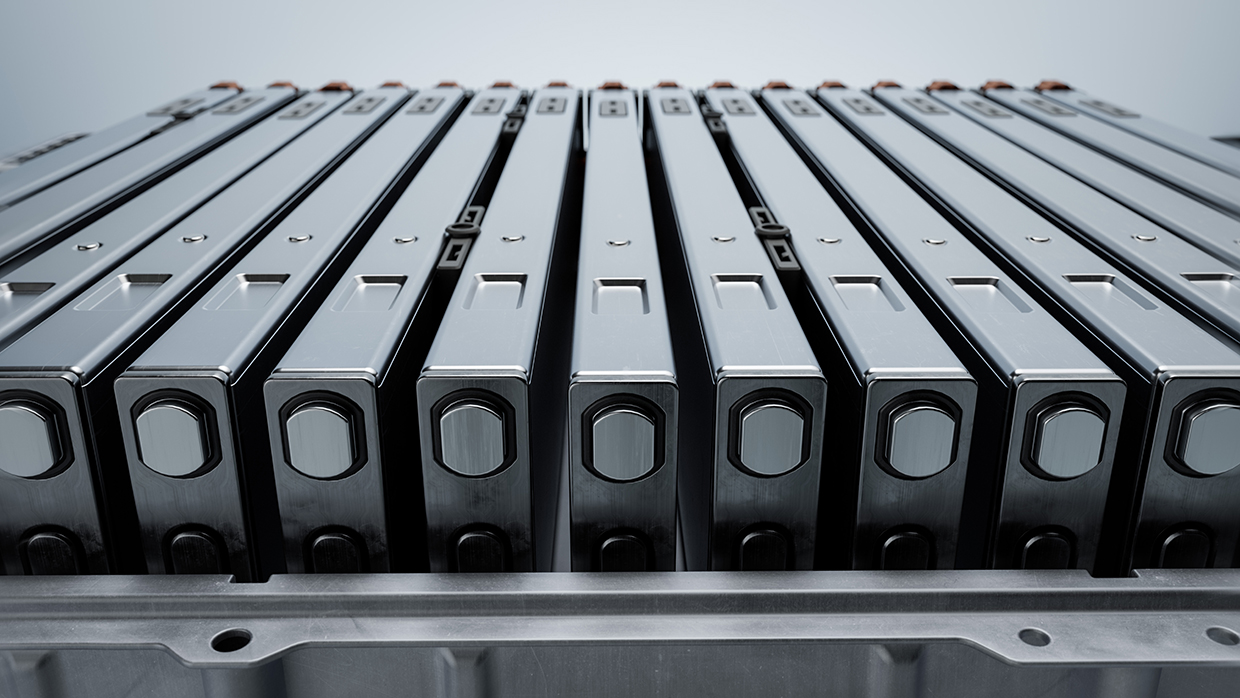
BYD’s next-generation Lithium Iron Phosphate Blade Battery, integrated into the chassis structure, delivers enhanced safety, durability and efficiency. It has proven to withstand extreme conditions, such as nail penetration and high temperatures, without emitting smoke or fire. The Blade Battery features Silicon Carbide (SiC) technology in its 6-in-1 controller for efficient operation and quick roadside maintenance. With BYD’s Cell to Pack (CTP) technology, space utilization is improved by 50%, enabling a longer range. The battery offers a maximum capacity of 500 kWh, allowing electric buses to travel up to 600 km on a single charge, reducing downtime and increasing overall energy efficiency.
Contracting type: For sale
Technology maturity: Frontier
Technology level: High
Place of origin: China
Availability: Worldwide
Contact: WIPO GREEN Database
Smart energy: heavy duty charging station with V2G application
Nuvve
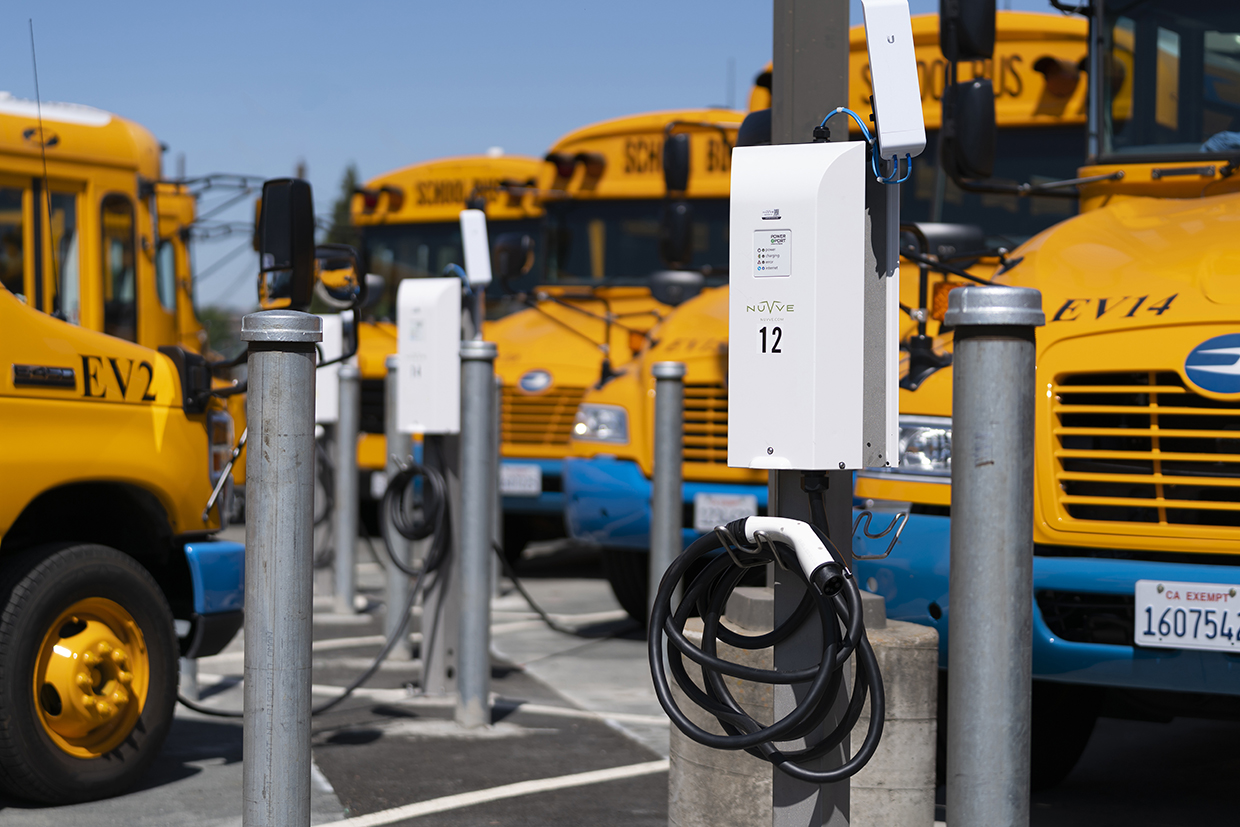
The Nuvve DC Heavy-Duty Charging Station (RES-HD60-V2G) and DC Rapid HD Charging Station (RES-HD125-V2G) are specifically designed for vehicle-to-grid (V2G) applications, making them ideal for the fast, smart charging of heavy duty fleet vehicles like electric school buses. These stations are fully integrated with Nuvve’s fleet management app and the V2G platform (GIVe™), supporting both unidirectional charging for any vehicle and full bidirectional V2G and vehicle-to-building (V2B) services when connected to a V2G-compatible vehicle.
Contracting type: For sale/service
Technology maturity: Frontier
Technology level: High
Place of origin: United States of America
Availability: Worldwide
Contact: WIPO GREEN Database
Smart energy: fully integrated 5G-V2X
Autotalks

TEKTON3 is a V2X sensor that helps vehicles share real-time information, improving road awareness and safety. It enables cooperative perception, meaning one vehicle can “see” what another vehicle detects, reducing blind spots and improving reaction times in complex traffic situations. It is designed to support automatic braking and meets ISO 26262 ASIL B functional safety standards. It works with all V2X communication technologies, including DSRC, LTE-V2X (C-V2X Rel. 14/15) and 5G-V2X (NR-V2X) (C-V2X Rel. 16/17/18). The sensor operates with two radios, each equipped with dual antennas for stable and reliable communication.
Contracting type: For sale/service
Technology maturity: Frontier
Technology level: High
Place of origin: Israel
Availability: China, Israel, Japan, the Republic of Korea
Contact: WIPO GREEN Database
Horizon technologies
Energy storage: e-bus waterproof battery with long lifespan
Contemporary Amperex Technology Co Ltd (CATL)

Contemporary Amperex Technology (CATL) has introduced the Tianxing-B (Tectrans B) battery, designed specifically for electric buses. It has an energy density of 175 Wh/kg, which is the highest energy density in the industry as per the company. The battery is expected to last 15 years or 1.5 million kilometers (930,000 miles), while its warranty covers 10 years or 1 million kilometers (620,000 miles). With an IP69 waterproof rating, the battery can withstand submersion for up to 72 hours. The Tianxing-B has already partnered with 13 clients and will be used in over 80 different bus models. CATL has powered over 385,000 buses globally. The battery is also referred to as the Tianxing Bus Edition or B-series. CATL’s Tianxing product allows commercial vehicle users to experience super-fast charging, enabling 60% charge in just 12 minutes.
Contracting type: For collaboration
Technology maturity: Horizon
Technology level: High
Place of origin: China
Availability: Worldwide
Contact: WIPO GREEN Database
Alternative energy vehicles: green hydrogen carrier for efficient supply chains
ENEOS
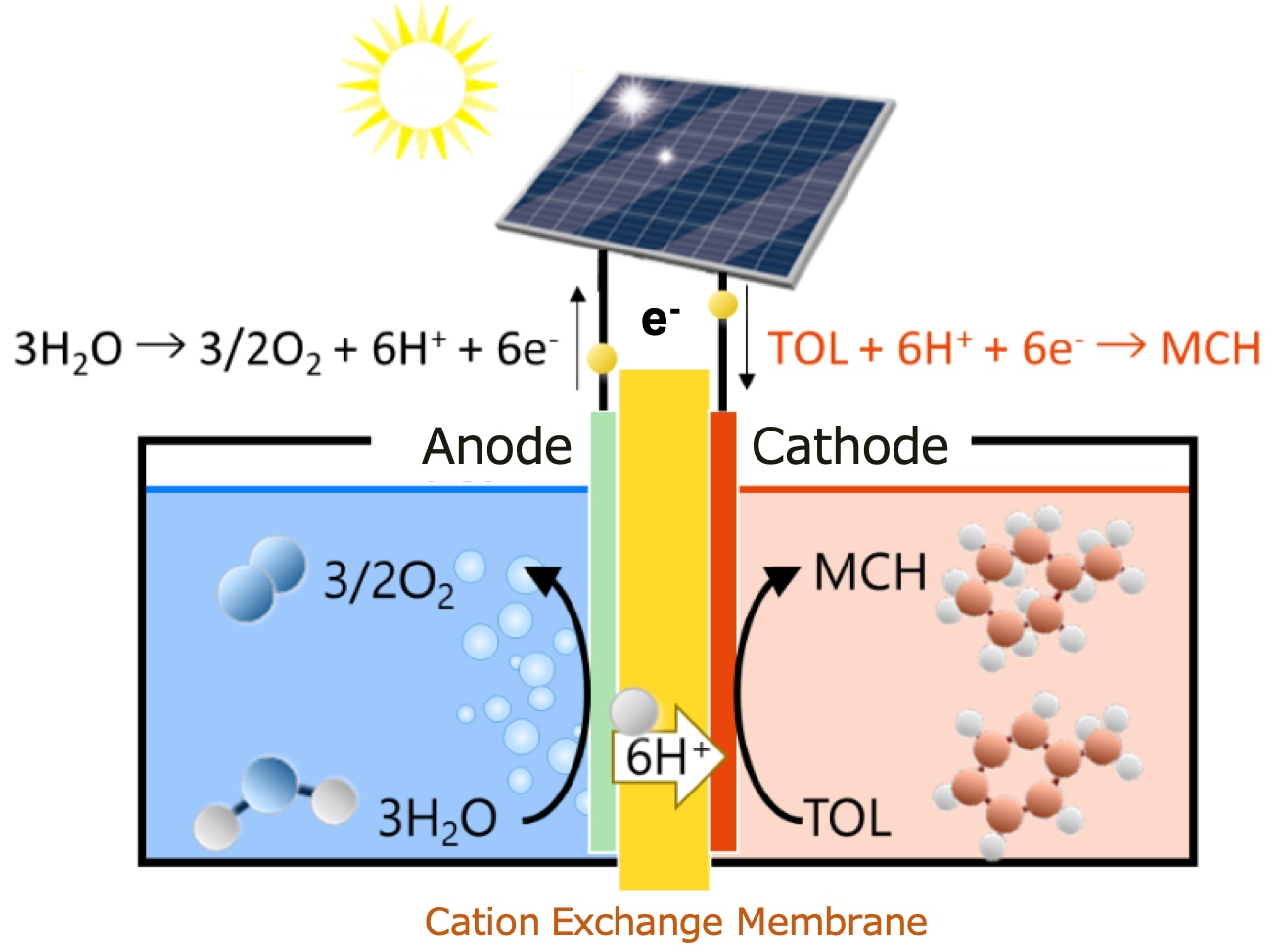
The energy-demanding process of hydrogen electrolysis involves the splitting of water molecules (H2O) into hydrogen (H2) and oxygen (O2), producing hydrogen gas that can be used as fuel in vehicles with only water as a by-product. Areas abundant in renewable energy are thus attractive sites for hydrogen “harvesting” plants, but their uneven distribution poses a problem for the scaling of global hydrogen supply chains. ENEOS is working on a process called the Direct MCH® process, in which hydrogen molecules are added to toluene, generating hydrogen-carrying methylcyclohexane (MCH). This substance is compatible with existing petroleum infrastructures and, when compared in the same volume, it can be used to transport 500 times more hydrogen than hydrogen gas. MCH generated at a solar-powered Direct MCH® electrolyzer demonstration plant in Australia has successfully been transported and used to power a fuel cell bus in Japan.
Contracting type: For collaboration
Technology maturity: Horizon
Technology level: High
Place of origin: Japan
Availability: Australia, Japan
Contact: WIPO GREEN Database
Energy storage: next-generation lithium-ion battery using NTO technology
Toshiba
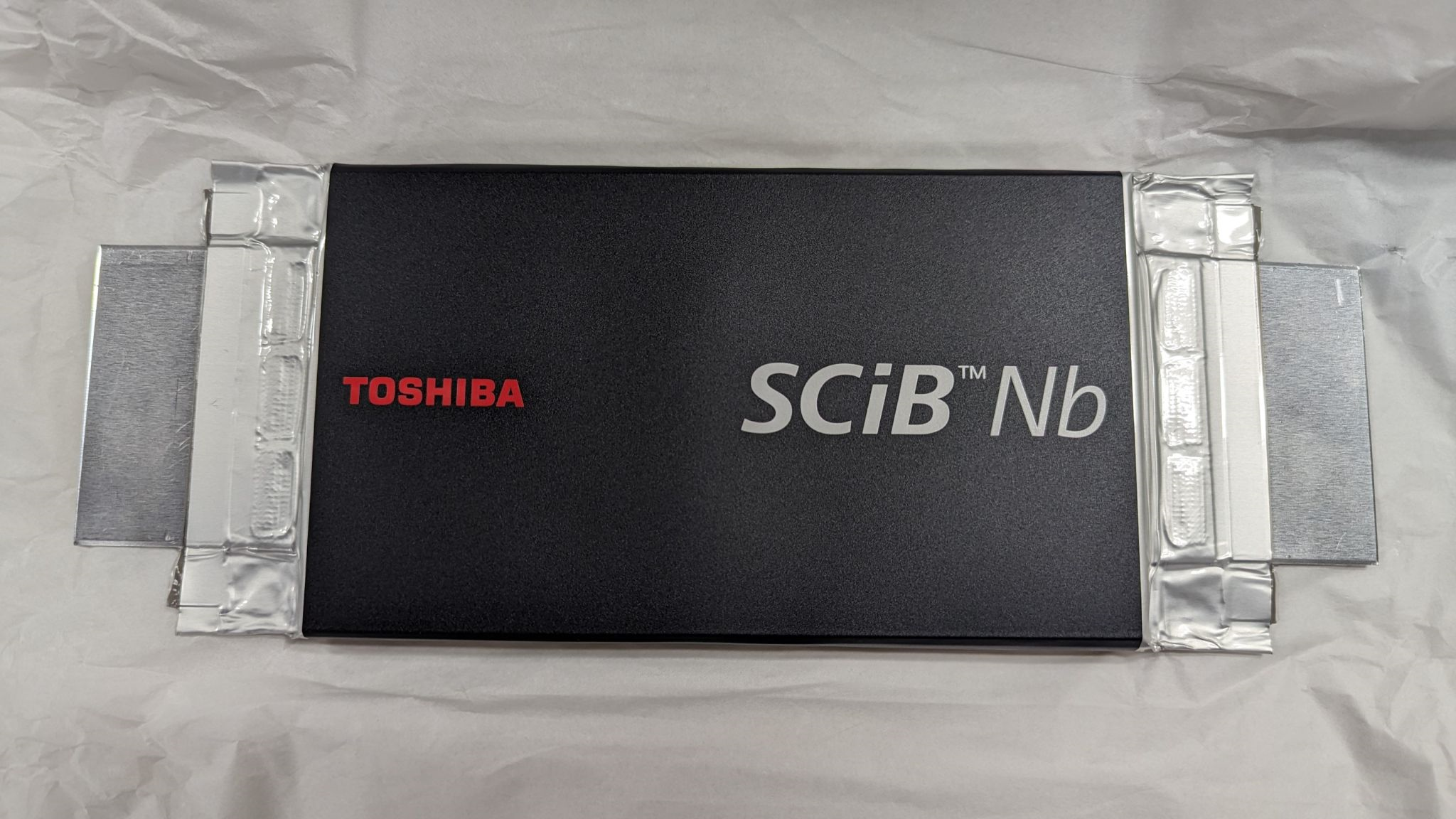
Toshiba Corporation, Sojitz Corporation and Brazil’s CBMM have developed a next-generation lithium-ion battery that uses niobium titanium oxide (NTO) in the anode. This new battery, which features an ultra-fast charge time of around 10 minutes and high energy density, has been demonstrated in an electric bus prototype unveiled at CBMM’s industrial plant in Araxá, Brazil. This marks the first operation of a prototype e-vehicle powered by a lithium-ion battery with NTO anodes. The niobium oxide anode enhances safety and efficiency due to its stable voltage and ability to fully recharge in under 10 minutes without damaging the battery. This also results in a longer lifespan compared to traditional batteries. The companies plan to commercialize the NTO-based battery globally by Spring 2025.
Contracting type: For collaboration
Technology maturity: Horizon
Technology level: High
Place of origin: Japan
Availability: Worldwide
Contact: WIPO GREEN Database
Energy supply: aesthetic modular wind turbine
Airiva renewables Inc.

Airiva is a modular, scalable and smart wind energy system consisting of an array of vertical wind turbines within a contemporary frame. It is designed to integrate within the architecture and infrastructure of urban and suburban landscapes. Complementing and supplementing other energy technologies, the electricity generated can be used directly on-site, stored or fed into the grid. The modular design can be scaled to suit site-specific needs, making it suitable for a broad diversity of applications, including commercial buildings and campuses, highway, rail and air transport networks, marinas and harbors. Airiva is currently a patented prototype and has a manufacturing target to use a minimum of 80% recycled and post-consumer materials compared with the frequent high use of virgin materials seen across the renewable energy category.
Contracting type: N/A
Technology maturity: Horizon
Technology level: High
Place of origin: United States of America
Availability: N/A
Contact: WIPO GREEN Database