
The Asia-Pacific region is home to rapidly growing cities as a result of general urbanization and population growth. This, coupled with improved living standards, leads to increasing demand for household energy technologies. From solar power systems and smart grids to energy-efficient appliances and demand-response technologies, cities in the Asia-Pacific region are embracing innovative approaches to address both energy challenges and sustainability goals. These technologies play a crucial role in shaping the future of urban living and fostering sustainable development across the region.
This chapter examines the diverse energy solutions implemented in urban households with an emphasis on enhancing energy efficiency and on minimizing costs and environmental impact. Energy is essential for heating, cooling, lighting, cooking and other daily needs. Growing consumer awareness is driving a competitive market for low-carbon technologies, supported by policies and standards to guide consumers toward real impact.
Cities in the Asia-Pacific region are embracing innovative approaches to address both energy challenges and sustainability goals
While this chapter focuses on households with electricity access, it’s important to note that around 700 million urban residents in Asia live in slums with limited access to reliable, affordable electricity, sanitation and water (
Technological development and trends
Asia’s cities are at the forefront of smart home automation systems
A smart home system refers to a home setup of interconnected devices like lights, heating, cooling and ventilation (HVAC), and home appliances that can be controlled and monitored remotely via the internet, often through a smartphone or tablet, to enhance performance and save energy.
Driven by increasing urbanization, technological innovation and growing consumer awareness, smart home systems in Asia and the Pacific are evolving rapidly. The region is projected to lead the global smart home market by 2030, accounting for more than 25% of global market share (figure 2.1). This growth is fueled by the increasing adoption of smart devices and development of innovative technologies by Australia, China and Japan, with other big economies such as the Republic of Korea and Singapore also playing a key role. Governments across the region are actively accelerating the adoption of smart home technologies through both financial and non-financial incentives. These include subsidies for smart energy devices, tax incentives for smart appliances, and regulations that promote energy efficiency standards in new residential construction. For instance, in Singapore, government-backed programs like the Smart Nation Initiative offer grants and pilot projects to integrate smart technologies into public housing (

The popularity of products like Amazon Alexa, Google Assistant and Apple Siri is further driving smart home companies to deploy voice-enabled smart devices using the latest AI-powered technologies. With a growing middle class and higher disposable incomes, the region’s tech-savvy consumers are increasingly embracing app-based control of smart home devices. Homeowners can now use smartphones or voice commands to control lighting, turn off heating in an empty home or start a dishwasher during off-peak energy hours which may lead to significant energy savings. A substantial 36% energy reduction is possible in homes with IoT-enabled solutions
Demand for air conditioning is projected to increase to 60% by 2040, with nearly two AC units per household in the region
However, the challenge of high upfront costs, security concerns, strong data connectivity and consumer affordability remains a key barrier for smart home adoption in the region, especially in developing countries of South and Southeast Asia. To include a broader demographic, companies are innovating affordable smart home kits and flexible payment models which have seen a notable increase in sales
Space cooling is a major energy consumer for urban households in Asia
Cooling represents an increasing portion of household electricity demand in Asia, and without stronger policies, peak cooling demand could place significant pressure on power systems (
Air conditioning is the most prevalent cooling technology in the whole region. The heat generated from air conditioners (ACs) contributes to the heat island effect and further increases the demand for cooling systems. In Australia and New Zealand, cooling accounts for 20% to 50% of energy consumption, depending on the climate zone (
However, there is a significant variation in air-conditioner ownership across Southeast Asia: over 80% of households in Brunei, Malaysia and Singapore owned an air-conditioner unit in 2017, compared to less than 10% in Cambodia, Indonesia, and Viet Nam (figure 2.2). Nevertheless, as incomes rise, demand for air conditioning is projected to increase to 60% by 2040, with nearly two AC units per household in the region

Hence, efficient cooling is necessary to save energy. One such technology is an advanced inverter that can adjust the compressor speed to match the cooling or heating demand, providing more consistent temperature control. This can reduce power consumption by 30 to 50% compared to non-inverter units (
A simple thermostat can monitor a household’s temperature and regulate heating and cooling. However, technological advancements such as smart thermostats go beyond simply regulating temperature. With the help of AI-driven automation and sensors, they can anticipate user preferences and adjust heating/cooling settings accordingly based on the time of day, occupancy patterns and even weather forecasts to save energy. This is often enabled by wireless connectivity and IoT technologies which allow for easy control through smartphone apps. More details on thermostat technology are available in the energy edition of the Green Technology Book.
In Indonesia, 78 to 91% of households own stand fans, while in India more than 90% of households rely on ceiling fans for ventilation
An affordable and low-energy cooling alternative in Asia is household fans. They use up to 10 times less electricity than air conditioners (
Additionally, the integration of thermal storage and heat pumps, along with efficient energy management and operations, can contribute to energy savings.
Thermal storage and heat pumps: a key to reducing energy consumption
Adding thermal storage systems with renewable energy sources like solar photovoltaics (PV) in residential buildings can effectively manage space heating/cooling demand by storing excess energy during times of high renewable generation. The system powers devices such as heat pumps or electric heaters/coolers, which convert electricity into stored thermal energy (heat or cold), typically held in materials like water, ice or special phase-change materials (PCM) which store and release thermal energy by changing their physical state. This stored energy is then used to heat or cool the building when needed, reducing reliance on grid electricity and improving overall energy efficiency. One study showed that in Brisbane, Australia, a space cooling system in residential houses with thermal storage coupled with a solar PV system and a domestic heat pump, reduced summer grid electricity demand by 79% (
The heat pump is an emerging technology among the myriad energy-efficient options in Asia. Technologically similar to air conditioners and often combined in the same unit, it is more energy efficient than boilers or electric heaters as it transfers heat instead of generating it. Moreover, new types of refrigerants are gradually decreasing the negative atmospheric heating effect of traditional refrigerants (see the Green Technology Book mitigation edition). Box 2.2 describes more about the heat pump.
A heat pump transfers heat using a refrigeration cycle with four main parts: evaporator, compressor, condenser and expansion valve. The evaporator absorbs heat from the air, water or ground, turning the refrigerant into a gas. The compressor then compresses and heats the gas, which then moves to the condenser releasing heat into a home or water heating system. Finally, the expansion valve lowers the pressure, cooling the refrigerant back into a liquid to repeat the cycle. A typical household heat pump generates four times more heat than the electricity it uses for its operation (
An air-to-air heat pump transfers heat between indoor and outdoor air, warming spaces in winter by absorbing heat from outside and cooling them in summer by removing indoor heat. These systems are commonly used for space heating and cooling through ducts or wall-mounted units. An air-to-water heat pump extracts heat from the air and transfers it to water for use in radiators, underfloor heating or hot water. It works well with low-temperature heating systems. While more expensive initially, they become cost-effective over time. In China, app-controlled smart air-to-water heat pumps are gaining popularity.
Solar-assisted heat pumps (utilizing solar energy captured via solar thermal collectors, to heat the refrigerant) are gaining popularity. Ground-source heat pumps (GSHP) are also being researched. They use geothermal energy transferred from the subsurface to the pump using closed-loop pipes.
However, this technology currently meets only about 10% of the world’s building heating needs (

Passive cooling strategies – the promise of cool and green roofs
Research indicates that 70% of the total heat gain in a building is generated through the roofing structure, which leads to increased energy use for cooling, accounting for around 15% of a building’s total energy consumption (
A cool roof is a roofing system designed to reflect more sunlight and absorb less heat than standard roofs. This is typically achieved using reflective materials such as slate or tile, white concrete and clay tiles, etc. or by applying coatings with infrared reflective pigments. Cool roofs are suitable for a variety of applications, including flat and low-slope roofs, pitched roofs, new construction or retrofitting. The Asia-Pacific region leads the cool roofs market, holding the largest share at over one third, while China and India are the top producers globally, contributing 30% and 20% of total production, respectively (
China and India are the top producers of cool roofs globally, contributing 30% and 20% of total production
High-albedo coatings, such as those with cementitious or elastomeric binders, typically have reflective thermal properties and are usually white. They keep the surface temperatures only about 5°C warmer than the air, whereas conventional roofs can reach 40°C above air temperature. More details are given in Box 2.1. Ongoing research aims to create innovative coatings in non-white colors to maintain building aesthetics. However, in Southeast Asia, research and adoption of highly reflective roofs are still modest
A green roof is a rooftop covered with vegetation, soil and a drainage system. It helps reduce building energy consumption by providing natural insulation and keeping buildings cooler in summer and warmer in winter. Green roofs also absorb rainwater and release moisture through evapotranspiration, which can further cool the surrounding environment. They are commonly used in cities like Singapore to maximize space utilization and lower energy costs. More green roof technologies are described in the next sub-chapter on public spaces and transport.
Cementitious binders are made from cement, lime, or mineral-based materials. They help maintain a cooler building temperature when used in roof coatings or tiles. They are fire-resistant, weatherproof and moisture-resistant, and suitable for various climates.
Elastomeric binders, derived from acrylic, silicone, or polyurethane, offer flexibility to accommodate thermal expansion and contraction. Applied as a liquid, they form a durable, rubber-like layer that adheres to different roofing materials, including metal, concrete and polyurethane foam. They withstand sun, rain and temperature changes, with minimal maintenance.
In China, cool roofs reduced energy use by 12.6%, while green roofs saved 9.3% in hot summer, warm winter regions (
Building energy codes are a powerful tool in reducing energy-related emissions
A combination of passive and mechanical cooling strategies is essential to reduce energy use and emissions in buildings while ensuring comfort (
Cooling as a service (CaaS) for energy-efficient solutions
CaaS is an innovative and cost-effective business model. Under the CaaS model, customers pay for cooling on a subscription or pay-per-use basis rather than purchasing and maintaining cooling equipment themselves, which is a major issue in many developing countries in Asia. The service provider handles all operations and maintenance, which also enables them to secure financing for energy-efficient systems. For example, in Elpro Business Park in Pune, India, a Singapore-based company, Kaer, implemented a CaaS model to supply an energy-efficient and smart cooling solution to residential, office and community spaces using a centralized chilled water system powered entirely by solar energy. Beyond commercial projects, CaaS also supports small-scale, off-grid refrigeration, reducing emissions and benefiting local communities.
Policy initiatives to boost energy efficiency in cooling
A range of policy packages such as Minimum Energy Performance Standards (MEPS), labeling programs and incentives form the foundation for progress on efficient, sustainable and affordable cooling options across the Asia-Pacific region (
Another initiative like India’s Cooling Action Plan, covering space cooling in buildings, AC technology, cold-chain and refrigeration, and transport air conditioning, seeks to reduce cooling energy requirements by 25% to 40% by 2038. Again, under China’s Green Cooling Action plan, major cooling products are targeted to be at least 30% more efficient by 2022 (
Solar energy integrates with grid power for urban living
In many Asian cities, solar energy is increasingly integrated with grid power to meet the rising electricity demand for heating, cooling and everyday appliances in the households. Rooftop solar panels, building-integrated photovoltaics (BIPV) on façades and roofs, and community solar projects (enable multiple users to share a large solar installation eliminating the need for individual rooftop systems), are helping residents reduce reliance on conventional grid electricity while lowering energy costs and carbon emissions. The International Energy Agency (IEA) projects that by 2030, around 100 million households will rely on rooftop solar PV globally (
With CaaS, customers pay for cooling on a subscription or pay-per-use basis rather than purchasing and maintaining cooling equipment themselves
Many urban dwellers now combine solar panels with battery storage, allowing them to act as ‘prosumers’ of energy (a combination of producer and consumer of energy), where they can produce their own decentralized energy, optimize self-consumption of the generated electricity, store for later use or sell the unused electricity back to the grid. As a result, solar energy is not just an alternative but a complementary source to urban grid power, enhancing energy resilience and sustainability.
Perovskite solar cells: a promising next-generation solar technology
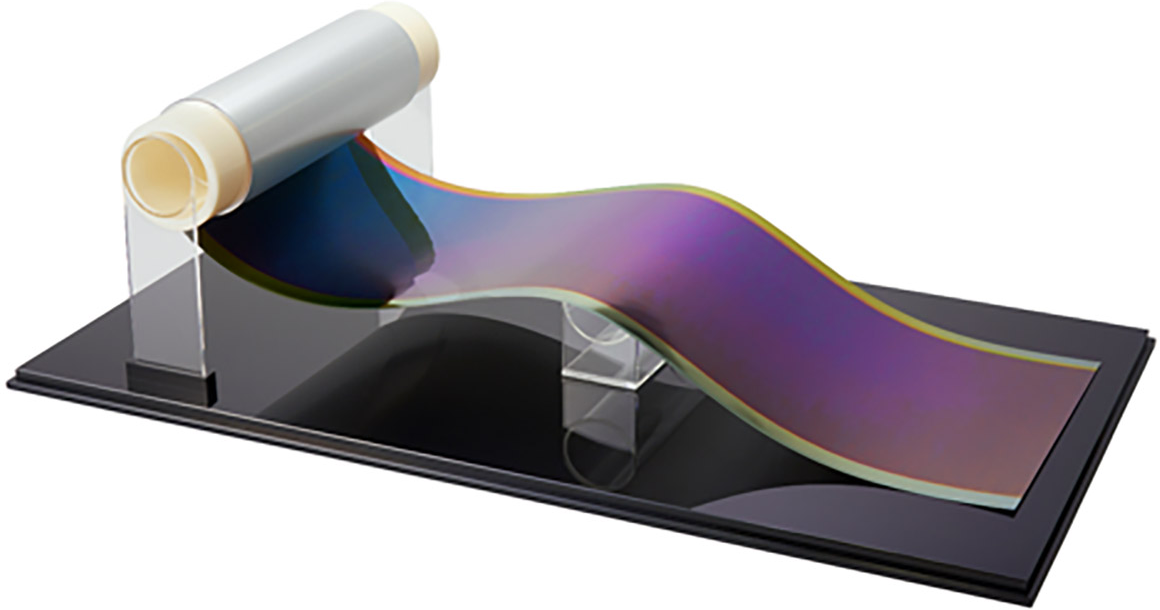
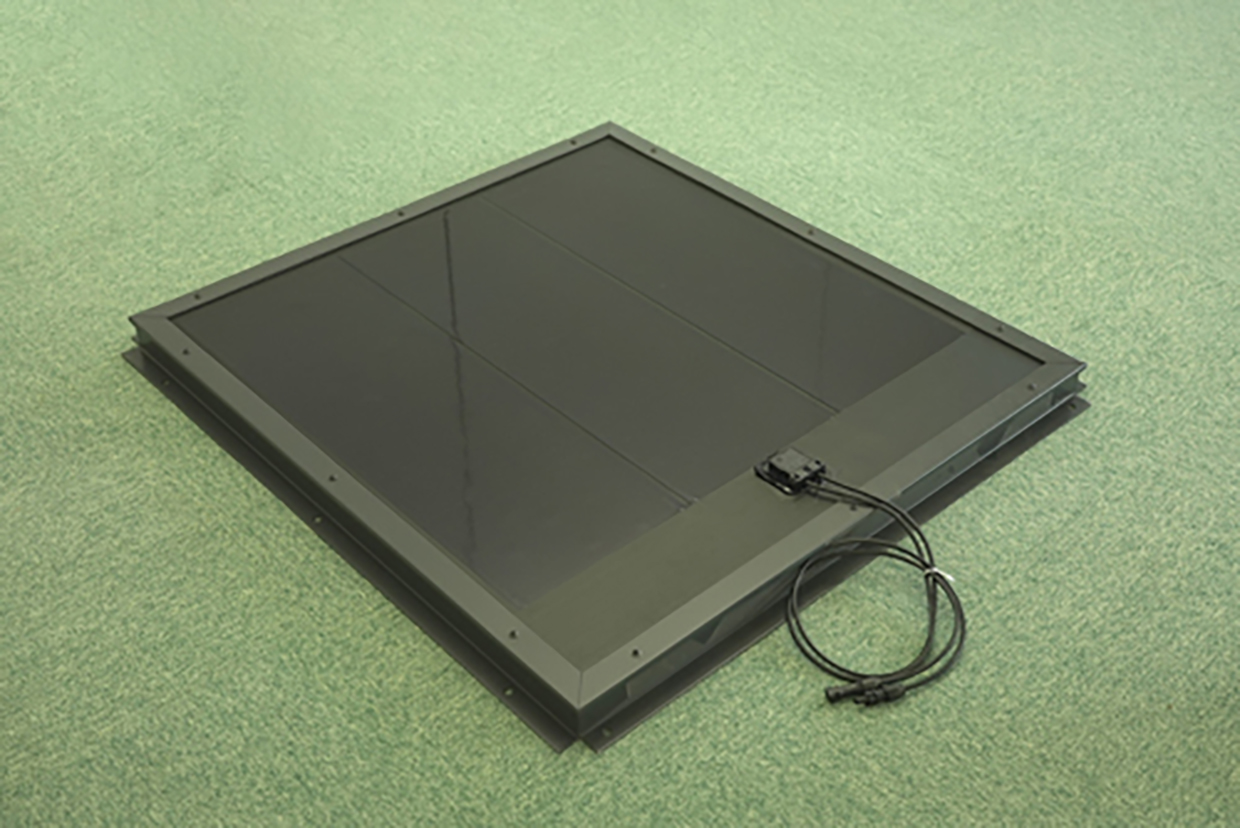
Recent advancement in solar technology is perovskite solar cells (PSC) – a very thin, lightweight and flexible technology that can even be painted to a structure to generate electricity (figure 2.4a and b). The cells are made from crystalline ‘perovskite,’ a material capable of converting a broader spectrum of sunlight into electricity. Combining with different solar cells, PSC technology can achieve high conversion efficiencies, which is not possible by traditional crystalline silicon solar cells (
Commercial scalability of perovskite solar cells remains uncertain due to their shorter lifespan and environmental concerns over lead content. Sekisui Chemical company, based on their house research, has mounted the first film-type perovskite solar cells on the exterior walls of its Osaka Head Office building in Japan, designed to achieve stable power generation for 20 years (
Increased focus on residential batteries as energy storage systems
As Asia prepares to transition to renewable energy, battery energy storage systems (BESS) have come to the fore, particularly for residential use. These systems store electricity from the grid or solar panels, provide backup power during outages and even integrate with electric vehicle (EV) chargers. Lithium iron phosphate (LFP) batteries, a type of Li-ion battery, are becoming popular due to their longer lifespan and safety, as they are less prone to fires or thermal runaway.
BESS can be retrofitted to existing electrical setups, offering energy savings even without solar panels by taking advantage of time-of-use tariffs. These reduced off-peak rates, commonly available in countries like China, India, Japan, the Republic of Korea and Singapore, allow consumers to charge batteries during low-demand hours and use the stored energy during peak hours. Smart-controlled batteries, integrated with energy apps, can further optimize savings by automatically coordinating the use of solar power, battery storage and time-of-use tariffs. An AC coupled or hybrid inverter communicates between the solar panels, battery and home to convert the power from DC to AC for home supply.
As Asia prepares to transition to renewable energy, battery energy storage systems have come to the fore
Portable power stations or plug-and-play home battery systems are also widely used. They work like a large power bank for home appliances, such as phones, air conditioners, refrigerators, ovens, microwaves etc. serving as home backup power during outages. They simply plug in to a standard, dedicated wall socket with its own circuit breaker, ensuring safe integration with home electrical systems. Their ease of use makes them ideal for apartments and homes without complex electrical setups or rooftop solar installations.
LED is the most efficient and rapidly advancing lighting technology
Standard LED bulbs have become a staple in households across Asia, replacing incandescent and compact fluorescent lamp (CFL) bulbs. They consume significantly less energy and have a longer lifespan, making them cost-effective over time. Compared to a conventional incandescent bulb, residential LED bulbs consume at least 75% less energy and last up to 25 times longer (
Rising household incomes have driven a surge in demand for advanced kitchen appliances like convection ovens and smart microwaves
In some countries of Asia, energy efficiency policies encourage widespread adoption of LEDs in residential areas. For instance, in India, programs like the UJALA scheme promote energy-efficient LED bulbs for households at subsidized rates, with millions of LED bulbs distributed to reduce energy consumption. The estimated energy saving from this shift has reduced GHG emissions by 112 billion tons of CO2 per year, while 20GW of electricity generating capacity has been avoided (
Efficient and smart cooking appliances are in demand
In Asia’s urban households, clean and efficient cooking solutions like electric stoves are gaining popularity. However, affordability remains a challenge, especially for low-income families in semi-urban areas. In countries like Bangladesh, high import costs further limit access to modern cooking appliances. To address this, innovative business models are emerging. Social enterprises like ATEC introduced PAYGO (pay-as-you-go) models, allowing households to pay just USD5 per month for energy-saving electromagnetic induction stoves (
Meanwhile, in wealthier urban households, smart cooking appliances are transforming kitchens. Smart rice cookers are trending in countries like China, Japan, the Republic of Korea and in Southeast Asia where rice is a staple food. Smart rice cookers with built-in sensors optimize cooking times while reducing energy use. IoT-enabled stoves, air fryers and slow cookers allow real-time energy monitoring and remote control via smartphone apps. Air fryers cut energy consumption compared to traditional ovens, while slow cookers operate on low wattage, reducing electricity costs while enhancing flavors. Across income levels, energy-efficient cooking technologies are shaping the future of home kitchens. Rising household incomes in India and Southeast Asia have driven a surge in demand for advanced kitchen appliances like convection ovens and smart microwaves, with purchases increasing by 15 million units between 2020 and 2023 (
Innovation examples
Japan’s Green First ZERO energy house

Sekisui House’s Green First ZERO (ZEH) homes are gaining popularity for their energy-saving and energy-generating capabilities, reducing CO2 emissions without sacrificing comfort. The Sha-Maison Green First model, launched in 2013, offers low-rise rental apartments with photovoltaic systems, allowing tenants to reduce utility costs and sell surplus electricity. ZEH standards vary, offering up to a 100% reduction in energy consumption. Sekisui House also developed disaster-resilient Green First HYBRID homes, which combine photovoltaic panels, fuel cells and an emergency power supply board. In case of power outages, HYBRID homes can maintain power to essential appliances, unlike homes with only solar panels or fuel cells. These homes offer 88% CO2 emission reduction compared to standard homes, making them a strong option for both sustainability and disaster preparedness (
Singapore’s energy saving “Tree House”

One innovative green wall in a residential building in Singapore is the “Tree House” condominium, located in the Bukit Timah area. The Tree House is home to one of the world’s largest vertical gardens, earning a Guinness World Record for its impressive size in 2014. Spanning 2,289 square meters and 24 stories high, the garden is expected to save over $500,000 annually in energy and water costs. It features heat-reducing windows and motion-sensor lighting for added efficiency. Designed by City Developments Limited (CDL), the green wall filters pollutants and carbon dioxide, reducing the estate’s carbon footprint and cooling energy needs. The vertical garden serves as a “Bio-shield,” enhancing greenery continuity with the surrounding environment while lowering solar radiation. Additionally, three layers of sky gardens on the 7th, 13th and 19th floors, adorned with climbing plants, provide extra green space and shade for residents, further contributing to the building’s sustainable design
Technology solutions
Proven technologies
Energy efficiency: CoolRoof® System
BMI Malaysia
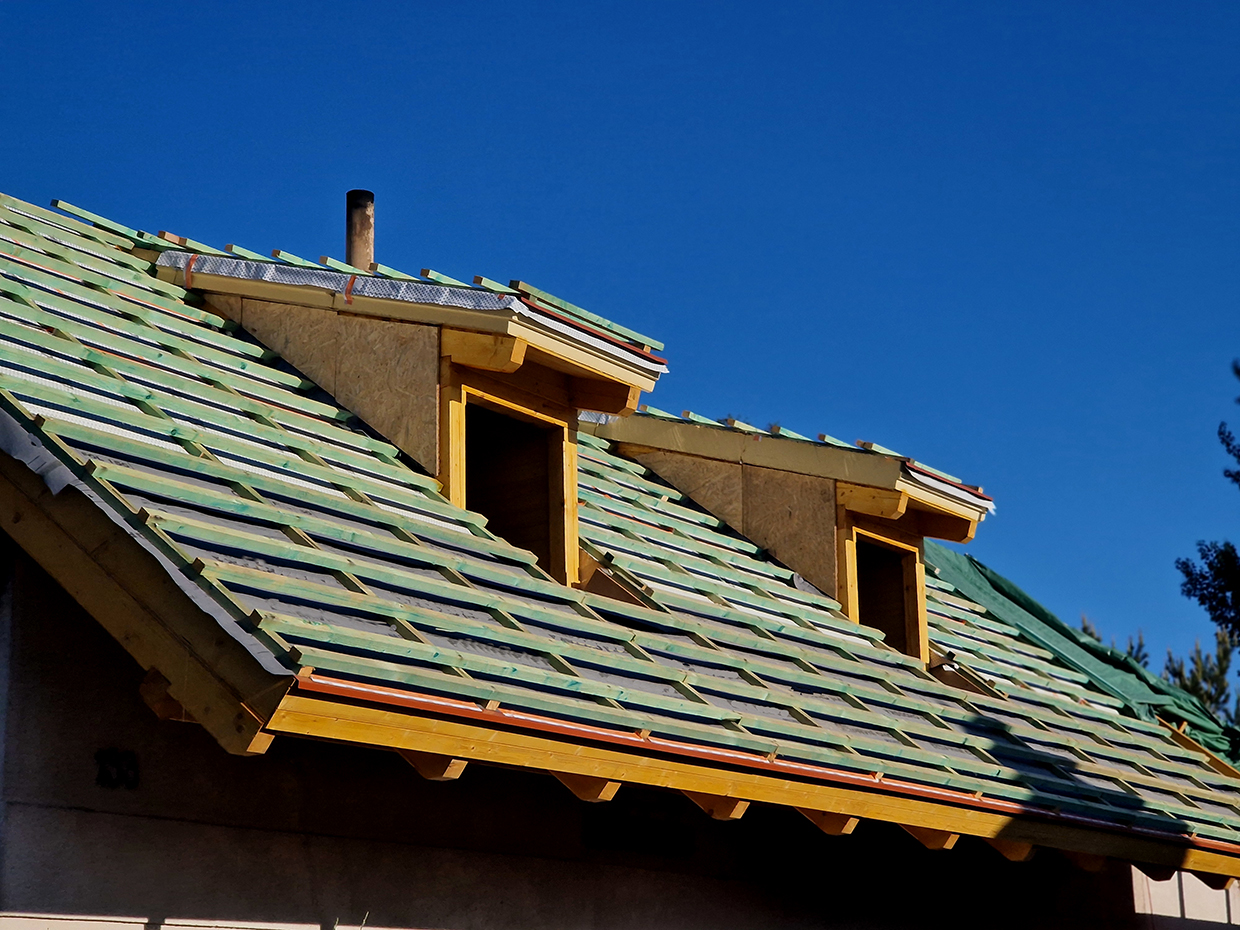
The BMI CoolRoof® System naturally reduces indoor heat by limiting heat transfer through the roof. It combines radiant heat reflectivity with a ventilation gap to optimize roof performance in hot, humid climates. Research in Malaysia and Europe showed that buildings with the system can be up to 10°C cooler than those with conventional roofs. Its five key elements (roof tiles, ThermaFoil®, counter battens, CompactRoll® Plus and pest guard) reduce heat build-up, promote natural airflow and lower indoor temperatures, leading to reduced air conditioning use and energy savings. Additionally, the system requires no maintenance as it operates without electricity or mechanical components.
Contracting type: For sale
Technology maturity: Proven
Technology level: Medium
Place of origin: Malaysia
Availability: China, India, Indonesia, Malaysia
Contact: WIPO GREEN Database
Energy efficiency: SEAL-N-COOL acrylic waterproofing coating
Dolphin Floats (Pvt) Ltd.
_ltd._.png.jpg)
Source:SEAL-N-COOL coating significantly reduces solar heat gain at the terrace slabs and concrete walls, enhancing comfort and lowering air conditioning usage and electricity costs. Field tests show a reduction in terrace slab temperatures by 15°C to 17°C. In addition, it waterproofs slabs and walls, withstanding up to 45 feet of water pressure. The product’s UV and heat resistance, along with anti-fungal properties, contribute to its durability. With a white, lustrous finish, SEAL-N-COOL also serves architectural purposes, offering both functional and aesthetic benefits.
Contracting type: For sale
Technology maturity: Proven
Technology level: Low
Place of origin: India
Availability: India, Lebanon, Qatar
Contact: WIPO GREEN Database
Energy efficiency: nano-modified heat-reducing floor paint
Starshield Technologies (Pvt) Ltd.
_ltd._.png.jpg)
Star Cool Shield-Floor is a state-of-the-art nano-modified energy-saving coating designed for metal roofs, granite floors and marble floors. With an outstanding Solar Reflectance Index (SRI) of 130, it reflects up to 97% of solar heat, effectively reducing indoor temperatures and lowering air conditioning costs by 19.2%. Its heat-reflective technology of high-albedo paint maximizes solar heat deflection, offering a powerful solution for roof cooling. In addition to energy savings, the coating is highly durable, capable of withstanding extreme weather, UV exposure and corrosive elements, ensuring long-lasting protection with minimal maintenance.
Contracting type: For sale
Technology maturity: Proven
Technology level: Medium
Place of origin: India
Availability: Worldwide
Contact: WIPO GREEN Database
Energy efficiency: smart home automation
Home-A-Genius

The Home-A-Genius Smart Home Hub is a smart home system allowing homeowners to connect and control a wide range of devices – such as air conditioners, refrigerators, lights, TVs, washers, CCTV, blinds and more – through a single app. It fits in the palm of the hand. Built with (2) 3.0 ports, the smart Hub allows for direct LAN connection with the home router, ensuring the most optimal network performance and stable connectivity of almost any smart devices, eliminating the need for multiple apps. By using sensors, timers and custom programming, Home-A-Genius enables automated control of appliances based on user preferences or preset conditions. It also incorporates smart meters and sensors to track real-time energy consumption, helping homeowners identify opportunities to reduce energy usage and make efficient adjustments.
Contracting type: For sale
Technology maturity: Proven
Technology level: High
Place of origin: Singapore
Availability: Singapore
Contact: WIPO GREEN Database
Machines and appliances: energy-efficient smart induction cooktop
Samsung

Samsung’s smart stainless steel induction cooktop combines energy efficiency with cutting-edge technology, transferring up to 90% of heat directly to cookware for minimal energy loss. Featuring Flex Zone technology, it adapts to pots of various sizes and shapes. The Virtual Flame™ LED display mimics the appearance of gas flames, giving users a familiar visual cue while delivering the precise temperature control and efficiency of induction cooking. Bluetooth connectivity syncs fans and lights with active burners for seamless operation. It connects to SmartThings, which is Samsung’s home automation application that helps users to activate home appliances through smartphones.
Contracting type: For sale
Technology maturity: Proven
Technology level: High
Place of origin: Republic of Korea
Availability: Worldwide
Contact: WIPO GREEN Database
Energy storage: all-in-one balcony solar energy storage system
Huntkey Grevault
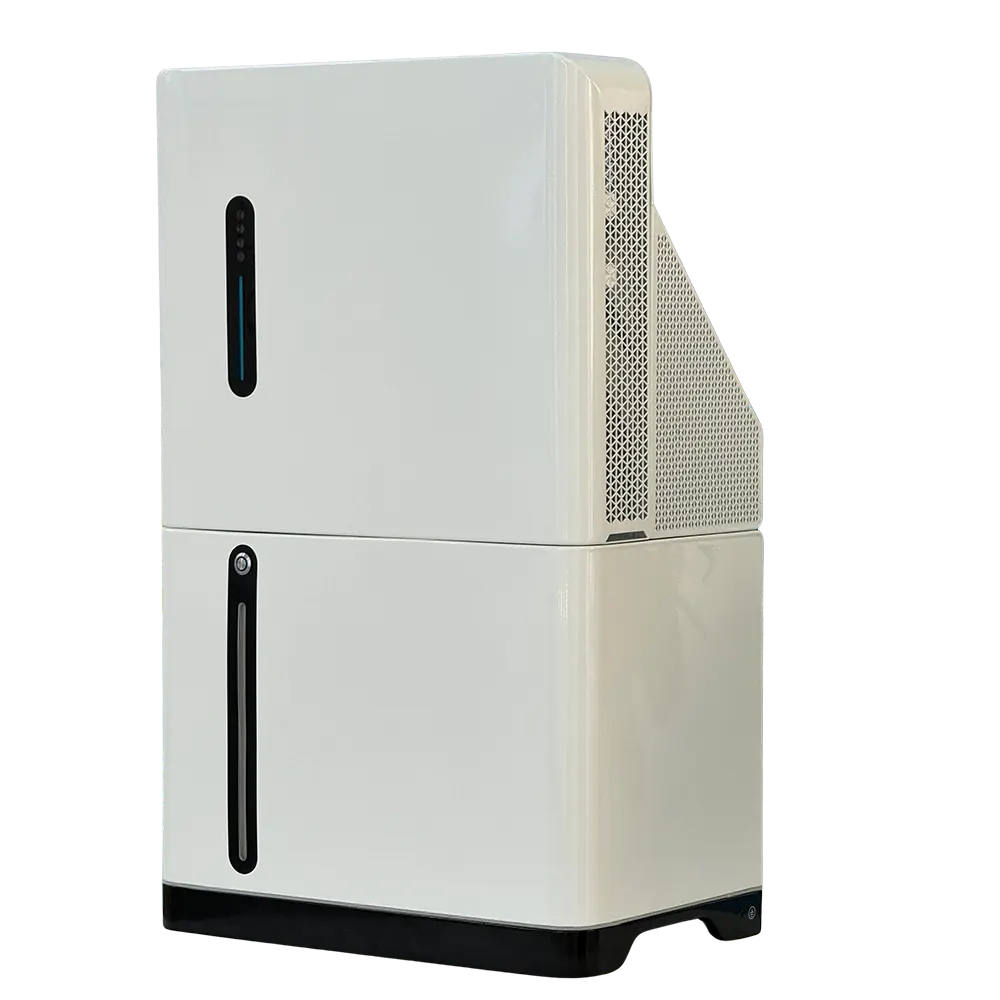
The Huntkey Grevault 2.5KWh all-in-one balcony solar energy storage system is a solution for homeowners seeking greater energy independence and reliable power. It is designed for high efficiency and ease of use. With a built-in battery and plug-and-play functionality, the system is simple to install – whether mounted on the wall or placed on the ground. The entire setup takes less than 30 minutes. The energy storage unit provides power during nighttime or rainy conditions, ensuring a stable electricity supply even when solar power is not available.
Contracting type: For sale
Technology maturity: Proven
Technology level: High
Place of origin: China
Availability: Worldwide
Contact: WIPO GREEN Database
Energy efficiency: Bathbox, a tankless water heater system
AOS Bath Pte Ltd

AOS Bathbox is a revolutionary tankless water heater that combines space-saving design with energy efficiency, making it an ideal investment amid rising electricity costs. Its sleek, minimalist appearance allows it to seamlessly fit into small bathrooms without exposed pipework, addressing aesthetic concerns for homeowners, especially in Housing and Development Board (HDB) units. HDB flats are the most common form of housing in Singapore, accommodating a significant portion of the population. Unlike conventional smaller heater tanks that often lead to insufficient hot water supply, the Bathbox offers automated temperature settings, eliminating the need for manual adjustments. By reducing heat loss typical of tank systems, users can save up to $124 annually by switching off the storage water heater after use. Although it is not an instant heater, the Bathbox allows users to select their preferred showerheads without compromising water pressure, providing an eco-friendly and customizable showering experience.
Contracting type: For sale
Technology maturity: Proven
Technology level: Medium
Place of origin: Singapore
Availability: Singapore
Contact: WIPO GREEN Database
Energy storage: next-generation hybrid energy storage system with AI-based control
Smart Star
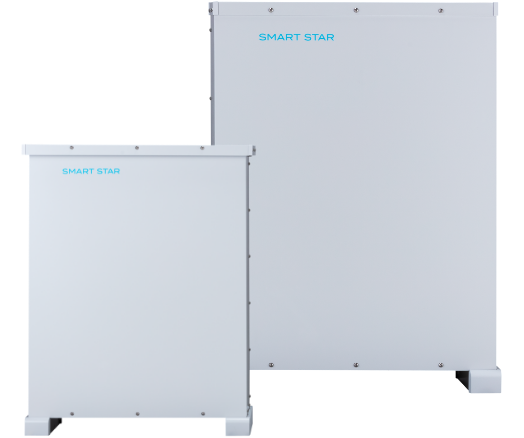
The Smart Star series is a next-generation home energy storage system, integrating AI-powered GridShare software to optimize battery performance. By learning household energy use patterns and forecasting solar power generation using weather data, it intelligently manages battery charging and discharging for maximum efficiency and cost savings. The system supports both photovoltaic and storage operations, ensuring reliable and economical power usage. With a 9.5kWh capacity, it can cover a typical household’s daily energy needs and power multiple appliances simultaneously, including 200V devices like air conditioners and induction cookers, even during outages. Users can monitor and control the system anytime via the dedicated app.
Contracting type: For sale
Technology maturity: Proven
Technology level: High
Place of origin: Japan
Availability: Japan
Contact: WIPO GREEN Database
Frontier technologies
Energy supply: curved solar roof tiles
San-gobuild

Source:Those who want to keep the house aesthetics while having clean energy, can opt for Apollo Tiles. Unlike traditional solar panels, these curved solar roof tiles integrate directly into the roof structure, serving as both a roofing material and a solar energy generator. Measuring 586 x 400 mm, these solar tiles feature a sleek and compact design that integrates seamlessly into the roofing while enhancing aesthetics. Weighing only 5 kg, they are lightweight and easy to handle, facilitating straightforward installation. Each panel provides a peak power output of 35 watts, ensuring maximum energy efficiency by effectively harnessing sunlight for sustainable electricity generation. With a lifespan exceeding 25 years, these panels offer a durable and reliable energy solution with long-term value.
Contracting type: For sale
Technology maturity: Frontier
Technology level: High
Place of origin: China
Availability: Worldwide
Contact: WIPO GREEN Database
Energy supply: bifacial solar panel for home
Namkoo Power

For those considering building sunrooms or conservatories to maximize natural sunlight while enhancing energy production from building-integrated photovoltaic systems, such as building façades, bifacial solar panels offer an ideal clean energy solution. The panel efficiency is 320W ~ 460W and allows energy generation from both sides simultaneously, which significantly enhances power efficiency. These panels are equipped with high-efficiency Passivated Emitter and Rear Cell (PERC) technology in a half-cell configuration, resulting in higher power output, better performance in varying temperatures, reduced shading impacts, lower risk of hotspots and enhanced mechanical loading tolerance. Traditional monocrystalline silicon cells have a light conversion efficiency of around 19%, but these new bifacial solar cells can achieve efficiencies of 20% to 30%. Unlike mono-facial panels, bifacial solar panels utilize direct sunlight on the front and reflected sunlight from the back, making them more effective in energy production. Additionally, they require less space than conventional single-sided panels, as they can generate power without needing additional land, although they perform best when installed over light-colored surfaces.
Contracting type: For sale
Technology maturity: Frontier
Technology level: Medium
Place of origin: China
Availability: Worldwide
Contact: WIPO GREEN Database
Energy efficiency: nano glass coating transparent paint
Heatcure

Suitable for all the glass surfaces such as windows, glass roofs and doors, this is a solution to combat the increasing heat. HeatCure is a transparent, cutting-edge nanotechnology-based liquid glass coating designed to enhance home interiors by improving heat protection. Being transparent, it also allows 75% more natural light than conventional paint or coating. It offers durability, comfort and energy savings. Its innovative design blocks 99% of UV rays, protecting furnishings from fading, and blocks 98% of infrared rays, reducing heat transfer through glass to maintain a stable indoor temperature. By blocking 85% of heat, it helps lower air conditioning costs and improves overall comfort. The coating dries quickly, reaching full cure within 3-4 hours, and can cover 300–400 square feet per day, ensuring minimal disruption during application. It helps keep homes cooler in summer by reducing heat transfer and warmer in winter by retaining indoor heat. By regulating the temperature between the glass and the room, it creates a more consistent and energy-efficient indoor climate.
Contracting type: For sale
Technology maturity: Frontier
Technology level: Medium
Place of origin: India
Availability: Worldwide
Contact: WIPO GREEN Database
Machines and appliances: front loading washer/dryer with heat pump
Hitachi Global Life Solutions

The Big Drum, a front loading high-capacity washer-dryer, uses heat pump technology for high-speed airflow and powerful ventilation to dry clothes while reducing wrinkles. The heat pump system saves time and energy, with front-directed airflow ensuring a polished finish. The low-temperature drying, around 65°C, gives clothes a soft, gentle feel. The washer-dryer also detects the humidity inside the drum to prevent uneven drying and stops before over-drying, helping to reduce energy consumption and protect clothes. By creating a highly humid environment and blowing air at high speeds, it not only minimizes wrinkles but also removes odors – making it a practical solution when ironing is not an option before heading out. The “Rakuhaya Wind Iron” and “Steam Iron” features further reduce wrinkles, though effectiveness varies by load and fabric type. Compared to traditional models, this washer-dryer cuts electricity use by 37% and water by 25%.
Contracting type: For sale
Technology maturity: Frontier
Technology level: High
Place of origin: Japan
Availability: Worldwide
Contact: WIPO GREEN Database
Space heating and cooling: R290 DC inverter air source heat pumps
SPRSUN
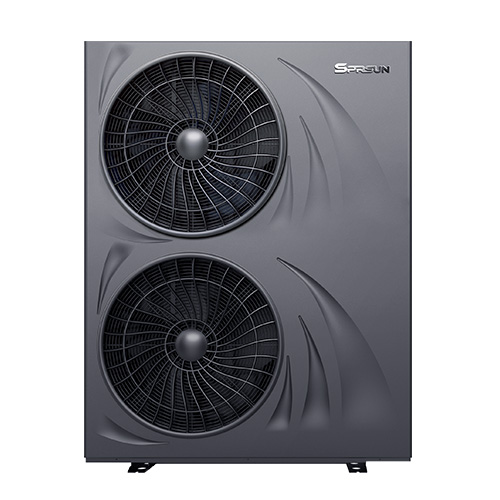
R290 heat pumps offer efficient, eco-friendly heating and cooling, and hot water solutions for a variety of homes, including single-family houses, apartments, villas and residential complexes. The new R290 heat pump combines natural refrigerant R290 with inverter heating technology, enabling it to operate efficiently across a wide temperature range from -25°C to 45°C while maintaining a high Coefficient of Performance (COP) and stability. It can heat water up to 75°C without relying on auxiliary electric resistance heating and utilizing only its DC inverter-driven heat pump cycle to enhance low-temperature heating performance. In cold climates, it delivers 30% more heating capacity than traditional heat pumps. R290 refrigerant offers exceptional energy efficiency due to its low freezing point and high latent heat of evaporation, speeding up cooling and minimizing energy consumption. The unit can reduce energy usage by 15% to 35% and, with a GWP as low as 3.3, it contributes significantly to lowering carbon emissions. Rated with an A+++ energy label, it saves 50% to 80% more energy than comparable systems. Featuring WiFi-enabled smart controls, it allows remote operation via an app and includes intelligent defrosting and smart grid (“SG-Ready”) integration for optimized energy use.
Contracting type: For sale
Technology maturity: Frontier
Technology level: High
Place of origin: China
Availability: Worldwide
Contact: WIPO GREEN Database
Machines and appliances: smart rice cooker
Tiger Corporation

Driven by induction heating technology, the smart rice cooker is a brand-specific cooking function that reflects the intentions of rice producers, accounting for variations in rice taste due to brand, season and harvest year. It can adjust water and heat based on rice conditions, and updates its cooking programs to ensure optimal results. Users can monitor rice cooking history, electricity usage and calories via a smartphone app, which also allows adjustments to Eco Keep Warm settings, and quick steaming times. The cooker operates at around 106°C and utilizes an inner pot designed for high thermal efficiency and heat retention, mimicking the quality of rice cooked in a ceramic pot. The cooker employs a “pot-encasing IH” technique, heating a larger surface area for improved energy efficiency and flavor. With settings for easy preparation of side dishes and the flexibility to adjust cooking times, it accommodates changes in plans seamlessly. The five-layer inner pot ensures heat distribution and rapid transfer of high temperatures to the rice. Additionally, the digital display tracks cooking time and maintains a high energy conservation standard.
Contracting type: For sale
Technology maturity: Frontier
Technology level: High
Place of origin: Japan
Availability: Worldwide
Contact: WIPO GREEN Database
Energy efficiency: low-e coated energy-saving window glass
AGC Glass Asia-Pacific

Solar control and low-e coated glass is a energy-efficient glass solution in residential buildings. AGC’s range of energy-saving glass products feature these advanced coatings. The coatings are specifically designed to minimize temperature fluctuations within living spaces, which are often caused by heat transfer through traditional clear glass windows. The choice of glass depends on the climate, as different conditions require different approaches to temperature control. In tropical climates, a combination of solar control and low-e coatings helps block external heat, while in colder climates, low-e coatings paired with double glazing prevent heat loss, keeping the interior warm. By selecting the appropriate glass solution, households can reduce the energy needed for air conditioning or heating, boosting energy efficiency and lowering CO2 emissions.
Contracting type: For sale
Technology maturity: Frontier
Technology level: Medium
Place of origin: Japan
Availability: Worldwide
Contact: WIPO GREEN Database
Energy efficiency: smart LED lighting solution
Xiaomi
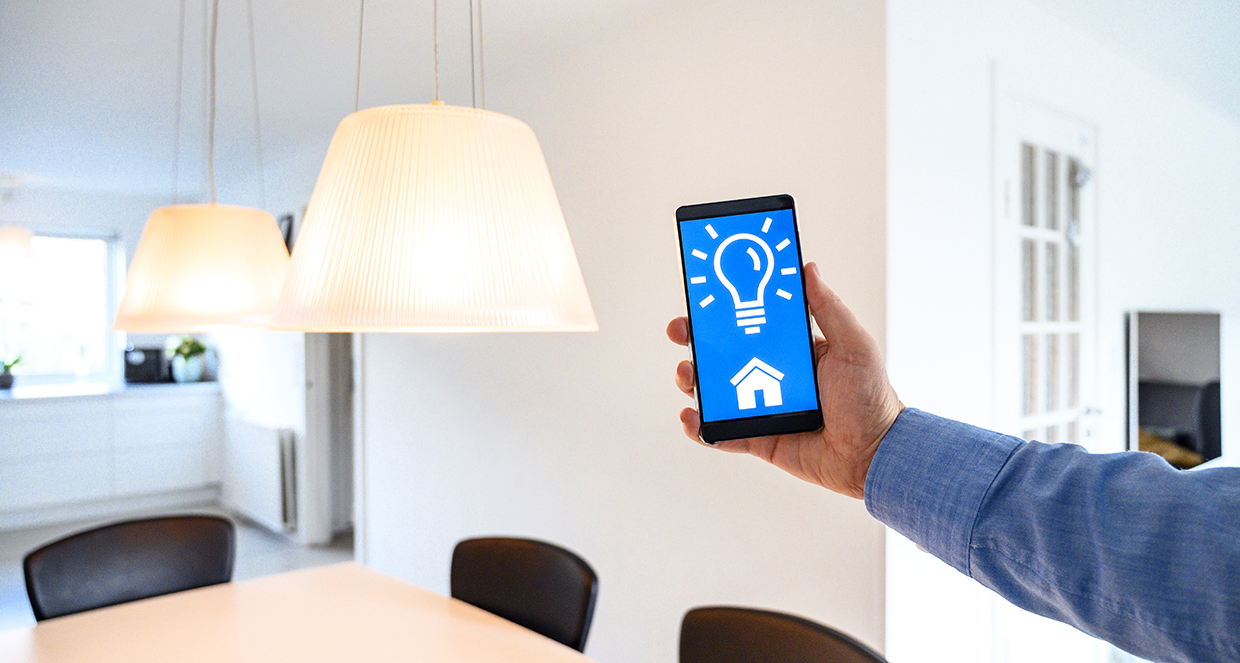
Smart LED lights are innovative lighting solutions designed to enhance convenience, energy efficiency and user experience. These lights can be controlled remotely via a mobile app or voice commands, making it easy to adjust brightness and color temperature based on individual needs. The integration with smart home systems allows for automation and customization of different lighting settings during the day or nighttime. The smart LED Bulbs have a lifespan of up to 25,000 hours (about 10–12 years with average use), providing low-power lighting. Its customizable settings, mobile app compatibility and modern design provide an energy-efficient home lighting system.
Contracting type: For sale
Technology maturity: Frontier
Technology level: Medium
Place of origin: China
Availability: Worldwide
Contact: WIPO GREEN Database
Horizon technologies
Energy supply: perovskite solar cells for housing
Mitsui Fudosan Residential Co., Ltd. and EneCoat Technologies

Mitsui Fudosan Residential Co., Ltd. and EneCoat Technologies Co., Ltd., a spin-off company from Kyoto University involved in development of high energy-efficient perovskite solar cells, have partnered to conduct joint research on integrating perovskite solar cells into housing. This collaboration, in conjunction with Kyoto University’s Wakamiya Lab, aims to accelerate the practical application of perovskite solar technology in residential environments. Perovskite solar cells are being researched for their high efficiency, thin and lightweight structure and lower production energy requirements. They offer a cost-effective alternative to traditional silicon-based cells. The project will test these cells in Mitsui Fudosan’s apartments, incorporating them into well-designed lighting and furniture in the common areas as well as in the interiors of condominiums it supplies, to store solar energy during the day for use at night.
Contracting type: N/A
Technology maturity: Horizon
Technology level: High
Place of origin: Japan
Availability: Japan
Contact: WIPO GREEN Database
Energy efficiency: household-connected virtual power plants to balance energy supply
Shizen Connect
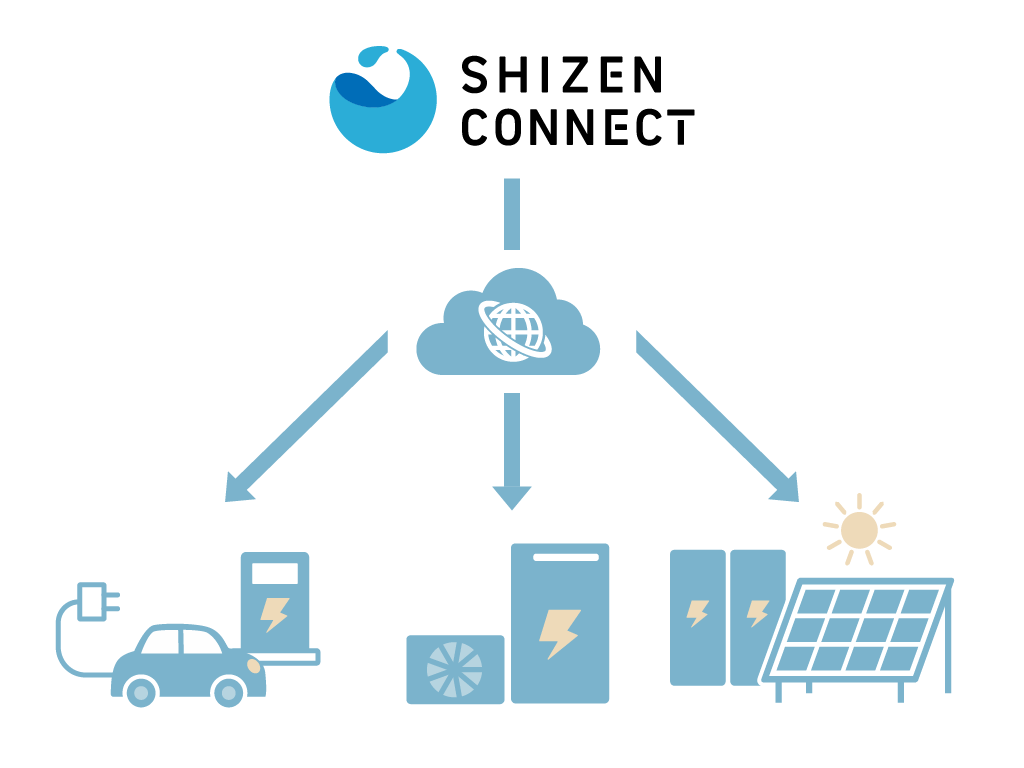
Shizen Connect is developing a virtual power plant (VPP) platform to balance supply and demand as renewable energy integration grows. Starting in 2024, the company will demonstrate remote VPP controls using distributed energy resources (DERs) like EVs and Daikin’s EcoCute heat pumps. The household EVs charge during surplus energy and discharge when needed, while EcoCute shifts boiling times to peak renewable periods. The system achieves 90% accuracy in EV charging/discharging for economic demand response (DR) and balancing markets. This demonstration aims to assess technical, economic and CO2 reduction effects, with plans to optimize efficiency through data analysis and next-day price forecasts.
Contracting type: N/A
Technology maturity: Horizon
Technology level: High
Place of origin: Japan
Availability: Japan
Contact: WIPO GREEN Database
Energy efficiency: thermochromic smart windows
i2cool

These window add-ons are filled with a clear photochromatic microgel, meaning that they darken in color in response to incoming solar irradiance. They are easily installed onto existing windows, and the transition temperature can be customized within the range of 20°C to 32°C. As the ambient temperature increases above the transition threshold, the microgel particles transition from their hydrophilic swollen state into a hydrophobic shrunken state, where the window is darkened and opaque, passively regulating indoor temperatures. The difference in light transmittance between the blocking and transmitting states can reach up to 70%, resulting in a 54% decrease in solar intensity. A computer simulation where the windows were installed in a 12-floor office building in Hong Kong showed that the windows could reduce the entire building’s energy consumption by 7% annually, in comparison with conventional double-glazed windows.
Contracting type: N/A
Technology maturity: Horizon
Technology level: High
Place of origin: Hong Kong, China
Availability: Hong Kong, China
Contact: WIPO GREEN Database
Energy efficiency: next-generation electrical control panel
Basis

The Smart Panel is a modern replacement for traditional household electrical switchboards, providing real-time insight and control over home energy use. Designed for quick installation, it can be set up in under an hour and processes over 2.3 million data points per second from its more than 120 built-in monitoring, control and safety devices. Users can manage electricity consumption via the Basis Home App, troubleshoot minor issues and integrate residential solar and battery systems to sell excess energy back to the grid. Unlike conventional breaker boxes, the Smart Panel’s circuits can be reconfigured digitally without costly hardware upgrades, and the device continuously updates with new features over-the-air. It will be available in three versions of varying complexity, launching in 2025.
Contracting type: For sale
Technology maturity: Horizon
Technology level: High
Place of origin: New Zealand
Availability: Australia, New Zealand
Contact: WIPO GREEN Database