Protecting songwriters' and musicians' musical copyright and collecting royalties are the core missions of collective management organizations. In Laos, LASCAP has attracted 300 young artists, is trying to convince older ones, and works with the government to establish actionable legislation so artists can build careers and benefit from their success. Two successful Lao artists share their involvement in LASCAP and passion for artists’ rights.
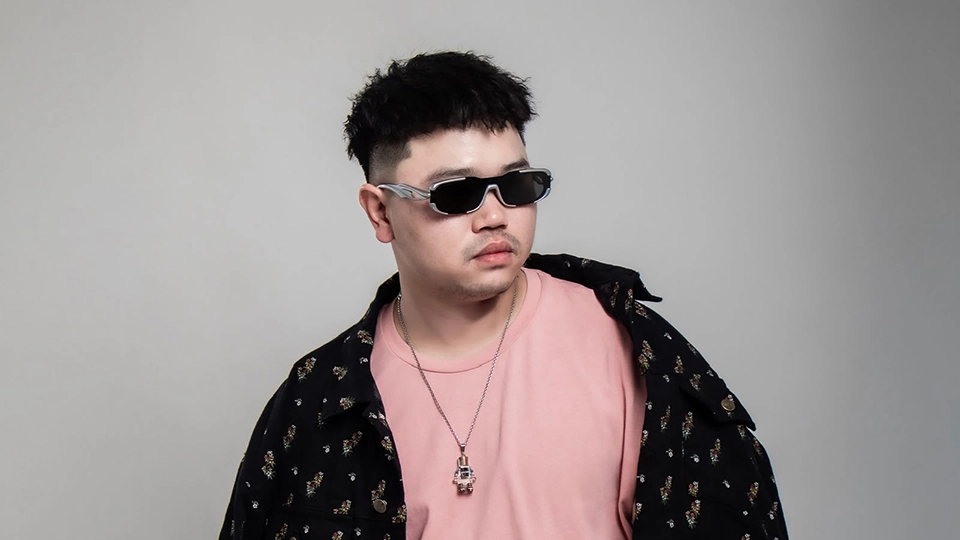
Bounlay Kouangmanivanh founded LASCAP in 2020. He is also known as MCBK, a Lao hip-hop artist and founding member of MSET075, one of Lao’s pioneering hip-hop groups, established in 2011 and recognized worldwide.
As a child. “I fell in love with rap and hip-hop music” listening to Eminem, he said. Bounlay released his first song in 2005, with a group called Warrior, at just 15. After studying abroad, he returned to Laos and formed a group called West Side in 2011, later renamed MSET075.
Making a living for a young musician like Bounlay was difficult, and he had to hold a side job until MSET075 became well-known.
Sophana Saengthong became a LASCAP member in 2023, and a board member in 2026. A former photographer hired for public and private events, he began working with Thay Champasak, a well-known Lao artist, and became his producer in 2017. Meanwhile, he developed his own musical project.
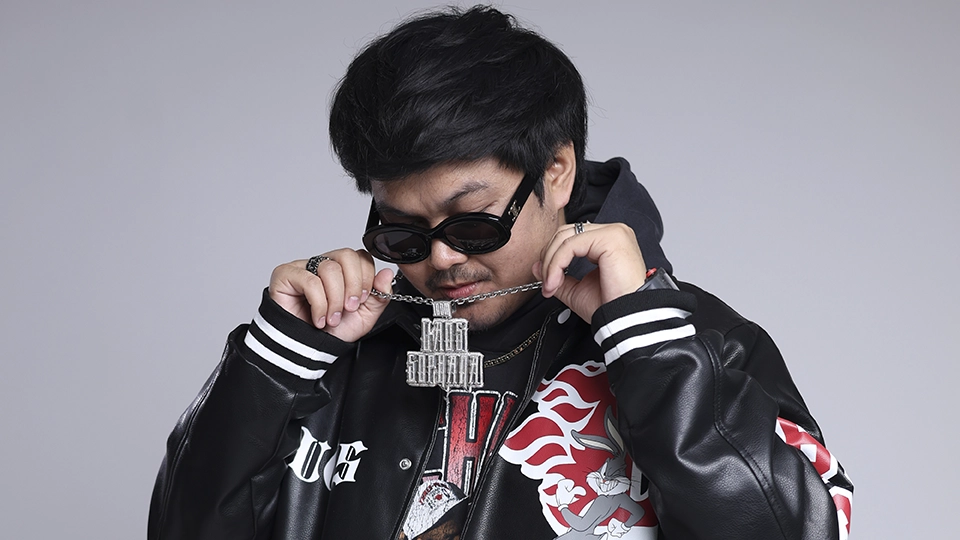
When the COVID-19 crisis hit in 2020, photographers’ contracts disappeared. Sophana took this opportunity to refine his music. He did not want to be confined to a specific genre; instead, he sought his own inspiration. His music can generally be categorized as regional pop.
That same year, he released “Want to be your son in law” (Yark Pen Louk Khery) with rising Lao singers T’Jame Uno and BigYai. The success was immediate, albeit unexpected. Within a few weeks, the song drew millions of views on Sophana’s YouTube channel, which now totals over 160 million. His musical journey never stopped after this worldwide success.
Taking Lao music to the international stage
Bounlay said he evolved from a strictly rap style to introducing Lao traditional music and developing a new style mixing hip-hop with Mor lam, a form of traditional Lao storytelling and music. He is currently working on Asian Dance Music using traditional Lao music and language.
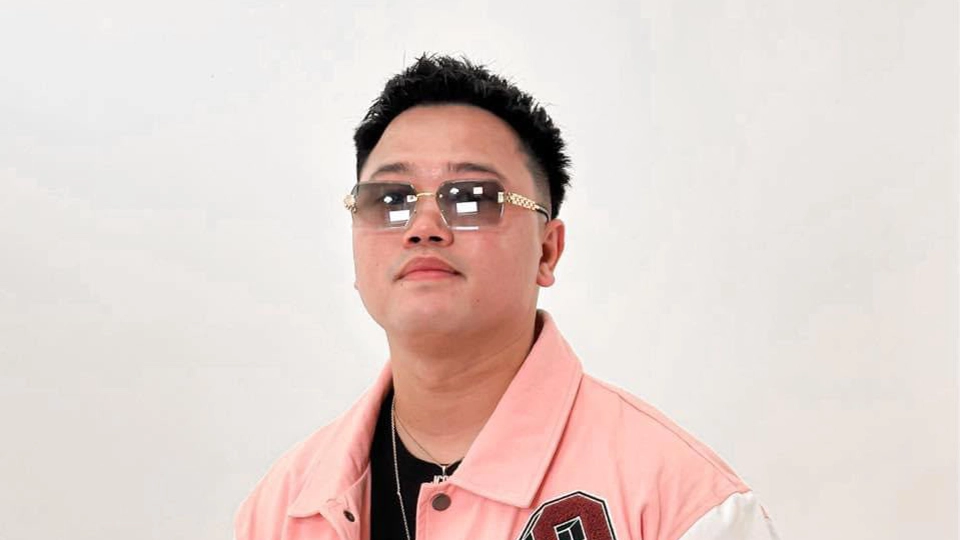
With MSET075, he released a song named Zaep Laiy, which means “yummy” about delicious Lao food. “I am proud to be Laotian.” “We want the listener, the foreigner, the audience to feel how delicious our food is and then add some Lao music so people will identify the music with the food,” he said.
Since the beginning of his musical career, Sophana has favored a collaborative approach, building an ecosystem that enables artists to co-create concepts, music, lyrics, and videos and to grow. He has collaborated on all his releases with artists including Mild and Mint, GX2, T’Jame Uno, and BigYai.
Sophana and his collaborating artists sing in Laotian. As one of the country's most prominent artists, he feels the need to show his determination to continue his musical journey in his native language, expressing pride in his country, culture, and music. “Music is all about having fun, and language is not a barrier anymore,” he said.
In the next 5 years, he wants to collaborate with numerous local and international artists, introduce his music to other countries, and show the younger generation that they can be proud of who they are. “You don’t have to change your character, to act like another person and lose your culture to reach international markets,” he said.

Setting up music licensing company LASCAP
Bounlay gradually became interested in music copyright and, in 2018, created a hip-hop community called Runhiphop Lao. The community recently reached some 50,000 members and was renamed DEXNEO.
As streaming boomed in Laos and Bounlay’s interest in copyright grew, Music Copyright Thailand (MCT) contacted him. Thailand was then the main importer of Lao music because of the language similarity, and Laos had no legal tools to protect Lao artists' royalties. With the help of MCT, he launched LASCAP in 2020 and entered into a reciprocal agreement.
After setting up LASCAP, Bounlay invited Sophana and several young artists to join, providing information on copyright protection and royalty collection. Most of the 300 current LASCAP members are young artists, while older artists have been reluctant to join a CMO. Some of them uploaded their music onto YouTube in the hope of generating streaming revenue, including from overseas audiences.
The internet was a key ingredient in Sophana's instant success. This online exposure to an international audience led to invitations to perform overseas (Thailand, USA) and helped Lao music reach beyond its borders. According to Bounlay, Sophana is the country's largest royalty generator. His royalties allow him to support his young family and continue his musical journey by sustaining his ecosystem.
Beyond protecting his rights, he said he wants to help songwriters, composers, and artists avoid buyouts of their music and falling prey to neighboring countries’ labels or artists.
Introducing the concept of music licensing in Lao
According to Bounlay, MCT is still collecting digital platform royalties on behalf of LASCAP, which then distributes them to its members. LASCAP is working with the Lao government to create laws and regulations to implement the CMO rules beyond digital platforms, including licensing or performance rights, he said.
Once the legislation is ready, hopefully at the beginning of 2027, he said, LASCAP will be able to negotiate directly with digital services and approach users, like hotels, cafes, and shopping malls, to introduce the concept of music licensing.
In June 2026, LASCAP joined the International Confederation of Societies of Authors and Composers (CISAC). Bounlay explained that joining CISAC is important for knowledge sharing and connecting with an international, experienced network of CMOs.
WIPO Mentorship Program for Managers of CMOs
Bounlay and LASCAP have participated in the WIPO Mentorship Program for Managers of CMOs since 2024, funded by Funds-In-Trust Japan Copyright (FIT/Japan Copyright), a program jointly conducted with the Lao Department of Intellectual Property and CISAC. The program helped LASCAP join CISAC and obtain accreditation from the Lao Government under the new Copyright Act.
The WIPO Mentorship Program for Managers of CMOs provides the beneficiary CMOs with practical technical assistance, tailored mentoring and training, and opportunities to share experiences and good practices with peer CMOs, helping them strengthen their operations and contribute to effective collective management of copyright in their countries.
“As a musician, it was super useful,” Bounlay said. “Starting my journey in 2005, I did not realize we could have so many royalties from just one song or one product.” “The training taught us about IP, the importance of copyright, and how we should protect it for the future.”
Educating artists on how to make the most of their music copyright
Young songwriters and authors need to understand their music copyright. Even if the younger generation just loves music and making it, they need to understand their journey and revenue once fame deserts them or they grow older, Bounlay said.
He hopes that in the next five years, LASCAP will have a fully operational system, will educate people about music copyright through seminars and events, and help artists to protect their rights instead of letting someone buy out their music. Laos, Sophana added, will gain more respect from other countries.
Laos is a “party country,” Sophana explained, with music being used in bars and events. “However, nobody is collecting those royalties whenever people use the music.” LASCAP engages its members, creating a portal and a new website for information.


