Opening remarks were delivered by Mr. Nguyen Hoang Giang, Deputy Director General, IP Viet Nam; Ms. Eri OGAWA, Consul, Consulate-General of Japan in Ho Chi Min City, Ms. Silvija Trpkovska, Counsellor, IPBD, WIPO, Ms. Thitapha Wattanapruttipaisan, Director, WSO and Ms. Nguyen Thi Tuyet Minh, Co-founder and President of WeLead, Viet Nam.
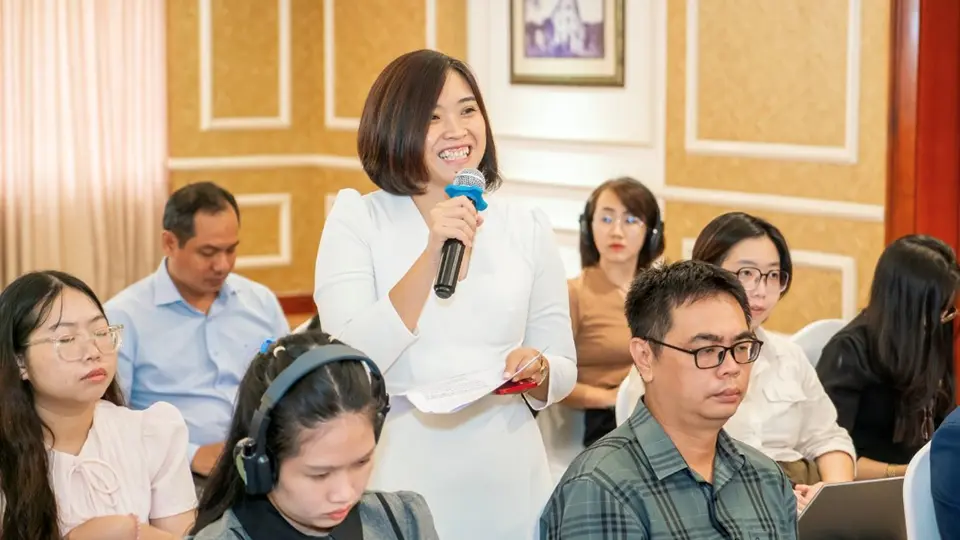
The event continued with several engaging presentations and insightful discussions on how businesses can establish a competitive advantage, increase brand recognition, attract investors and generate new revenue streams by protecting, leveraging and monetizing their IP assets. Speakers being Ms. Dr. Hua Thuy Trang, Director of Enterprises, Cooperation Division, BK Holdings, Ms. Silvija Trpkovska, Counsellor, IPBD, WIPO, Ms. Karen Abraham, Partner, Head of the Intellectual Property Practice, Technology Media and Telecommunications, Shearn Delamore & Co, Ms. Hoang Van Anh, Local Trademark Expert, Ms. Thitapha Wattanapruttipaisan, Director, WSO and Ms. Romane Planes, Consultant, IPBD, WIPO.
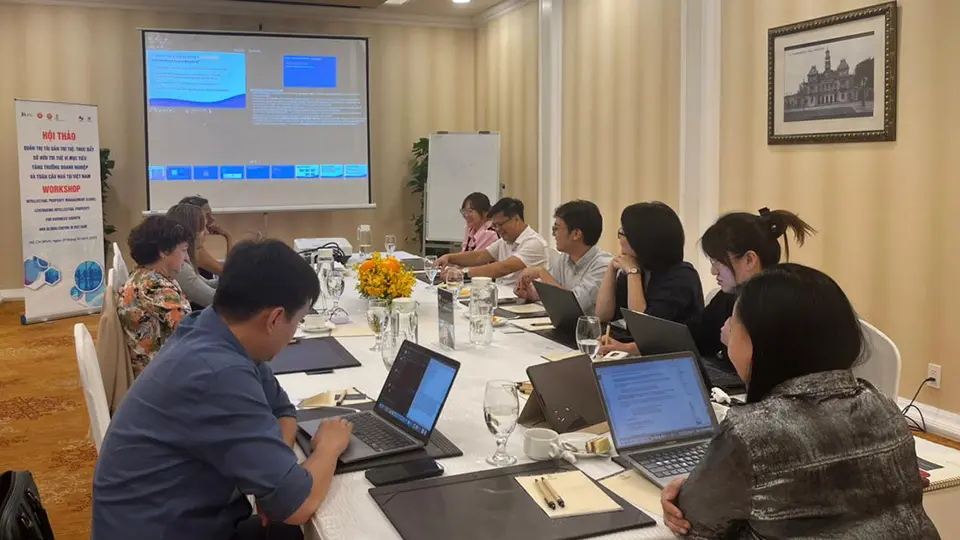
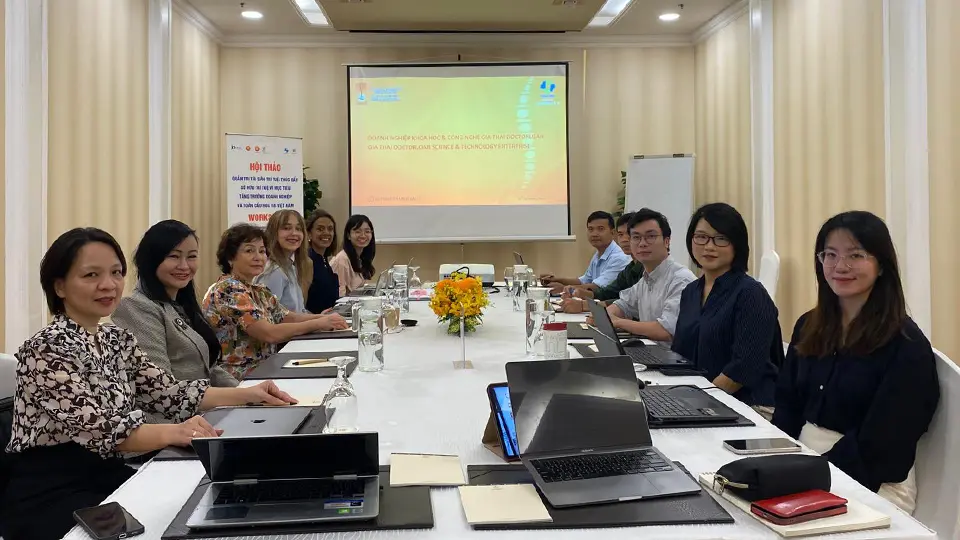 Launched in April 2026, the Clinic brought together 20 IP-intensive Lithuanian startups and SMEs from a wide range of sectors, including health technology, artificial intelligence, space technology, advanced mobility, software, e-commerce, financial services, creative industries and consumer brands. Over six months, participating companies worked one-on-one with experienced IP mentors, took part in a series of online capacity-building workshops, and developed tailored IP Roadmaps to guide their growth.
From IP awareness to IP strategy
Image: IP Office of Vietnam
The Clinic showed that Lithuanian companies are at very different stages of their IP journey. Early-stage companies focused on getting the foundations right, such as clarifying who owns what and securing their brands. Growing SMEs worked on putting existing assets such as know-how, software and data to work commercially. More mature companies looked at governance, licensing, corporate structuring and readiness for investment.
A common thread ran through all of them: most companies already held valuable intangible assets. The challenge was recognizing those assets, understanding how they create value, and managing them deliberately.Consultations with the IP experts will be continued through online advisory sessions in the upcoming months to provide further guidance to participants on potential IP to be created following their business goals. The feedback collected from the participants showed that the program helped them to better understand the different types of IP, and various approaches of IP commercialization in the context of their businesses as well as that the strategic use of IP and IA is vital for maintaining a competitive edge and driving business growth.
At the closing event, mentors shared insights from their work with the companies, covering questions such as how to avoid losing patent rights through early disclosure in investor pitches, when trade secrets may be a smarter choice than patents, how open-source licenses can affect ownership of source code, and why assigning IP to the company before taking investment is essential.
Participating companies also shared their experiences. SantakaPV, a cleantech startup developing advanced materials for perovskite solar cells, described how the Clinic helped it build a growth strategy around technology licensed from research institutions. Muuza, an AI-powered women's health platform, spoke about strengthening its IP foundations ahead of fundraising and market expansion. Across all testimonials, companies pointed to the one-on-one guidance from mentors who understood their business and sector as the most valuable part of the program.
The Clinic's impact also reached beyond Lithuania. Orbio World, one of the participating companies, took part as a panelist at the WTO Public Forum in Geneva, in the session "Making IP & Services Work for MSMEs," where it shared how a strategic approach to IP supports its international growth.
A partnership that grows with its companies
"Intellectual property works best when it is aligned with business objectives, and it is not a one-time exercise but an ongoing strategic process," said Guy Pessach, Director of WIPO's IP for Business Division, at the closing event.
Just as a company's IP strategy evolves as it grows, so does the cooperation between WIPO and the State Patent Bureau. Building on the results of this first Clinic, the two institutions discussed next steps, including Lithuania's participation in WIPO's Global Entrepreneurship Empowerment Program (GEEP) and its Global Mentorship Platform, which will connect entrepreneurs with IP and business experts worldwide.
WIPO thanks the Clinic's mentors, Erikas Saukalas (METIDA), Jurga Petniūnaitė (AAA Law), Marijus Dingilevskis (Sorainen), Vilija Viešūnaitė (TRINITI) and Giedrė Rimkūnaitė-Manke (Dokas IP Law), for their expertise and commitment, and the State Patent Bureau of the Republic of Lithuania, under the leadership of Director Vita Kiriliauskaitė, for an excellent partnership.
About the IP Management Clinic
The WIPO IP Management Clinic is a mentoring program that helps innovative SMEs and startups use intellectual property as a strategic business asset. Through one-on-one sessions with IP experts, participating companies assess their intangible assets and develop tailored IP strategies aligned with their business goals.