رائدات الأعمال من الشعوب الأصلية والمجتمعات المحلية
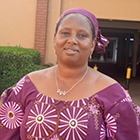
الصورة | Abdul hafis
آي شاتو علي
آي شاتو هي من الرعاة المنتمين إلى شعب امبورورو الأصلي في الكاميرون، تعمل كطبيبة بيطرية، وهي كذلك مستشارة زراعية رعوية وطالبة ماجستير في التنمية والإدارة الريفية. ومن بين التزاماتها الأخرى، تعمل آي شاتو كذلك مع جمعية شعب امبورورو الاجتماعية والثقافية والإنمائية (MBOSCUDA) في الكاميرون كمنسقة لشؤون المرأة والشؤون الجنسانية.
آي شاتو هي من الرعاة المنتمين إلى شعب امبورورو الأصلي في الكاميرون، تعمل كطبيبة بيطرية، وهي كذلك مستشارة زراعية رعوية وطالبة ماجستير في التنمية والإدارة الريفية. ومن بين التزاماتها الأخرى، تعمل آي شاتو كذلك مع جمعية شعب امبورورو الاجتماعية والثقافية والإنمائية (MBOSCUDA) في الكاميرون كمنسقة لشؤون المرأة والشؤون الجنسانية.
ولنساء الشعوب الأصلية في امبورورو تاريخ طويل في إنتاج وتصميم المنتجات الحرفية اليدوية باستخدام مواد محلية طبيعية، ومن هذه الأوعية المصنوعة من القرع الطويل والأغطية والناقلات المستخدمة لأغراض منزلية ولتزيين المنزل. وللمجتمع كذلك تقاليد عريقة في فن الموسيقى وتقنيات فريدة من نوعها لتزيين الشعر.

جوديث باكيريا
تعاونية نساء جينجا للأعمال الزراعية (JiWAE-C)، أوغندا
تنحدر جوديث من منطقة بوسوغا في شرق أوغندا. وعندما كانت طفلة، بدأت تتعلم عن الزراعة والفلاحة من عائلتها. وعلمتها جدتها معارفها ومهاراتها في طب الأعشاب، والتي تلتزم جوديث الآن بنقلها إلى الأجيال الشابة داخل مجتمعها.
وتنشط جوديث في تعاونية نساء جينجا للأعمال الزراعية (JiWAE-C)، وهي مجتمع محلي من النساء العاملات معاً بهدف تبادل المعارف والوصول إلى الأسواق والحفاظ على تقاليد المأكولات التقليدية والنباتات العشبية الأصلية. وتنفذ التعاونية مشاريع مختلفة، بما في ذلك صنع المنتجات الصحية العشبية على الطريقة الحرفية، والحفاظ على الأعشاب الأصلية من خلال إنشاء الحدائق العشبية، وإنتاج العلاجات الطبية المصنوعة من دقيق بذور الفاكهة والأعشاب.

أبوليا دابي
شعب بوشمن، عشيرة نارو | Tèèmààseé San Youth Development، ناميبيا
أبوليا من زعيمات شعب بوشمن من عشيرة نارو في الجزء الشرقي من ناميبيا. وهي تشارك في مجتمعها وتخدمه منذ نعومة أضافرها.
وتصدياً للفقدان التدريجي لأراضي الأجداد والمعارف التقليدية وأشكال التعبير الثقافي التقليدية، شاركت أبوليا في بعث مبادرة Tèèmààseé San Youth Development، التي تسعى جاهدة لتعزيز تبادل المعارف التقليدية بين الأجيال. ومن أنشطة المبادرة حالياً مشاركة أفراد المجتمع كباراً وصغاراً في صنع المنتجات باستخدام الخرز، ثم بيعها محلياً.

ساتيتيا غوميس

شارلوت كازورا

الصورة | Olosinyati Photographs
أونيس نابيبيك كوين
مجتمع Loita Maasai |Entito Creations، كينيا
تنحدر أونيس من مجتمع Loita Maasai في Narok، وهو مجتمع أغلبه من الرعاة وله صلة وثيقة بتراثه الثقافي وبملابسه المميزة ومجوهراته وطريقة حياته التقليدية.
تمتهن أونيس التسويق وتهوى تصميم الأزياء، ما دفعها إلى تأسيس Entito Creations Ltd، لدمج أنماط شعب الماساي التقليدية والمنتجات المصنوعة من الخرز مع تصاميم الأزياء الحديثة.
تعمل أونيس مع مجموعة من النساء في قريتها، وتقمن معا بأعمال الخرز التي تمثل مصدر رزق أسر المجموعة. وتدعم المجموعة أعمال الخرز وتدرسها حفاظاً على ثقافتها ولتمكين المجتمع المحلي وتمكين الفتيات من الالتحاق بالمدارس.

الصورة | ماهولي جياندانغ
سيليستين حبيبة ماغوو إيبسي جالو
وتدعم شركة سيليستين النساء من مجتمعها المحلي عن طريق خلق فرص العمل لهنّ واقتناء المواد الخام المحلية، من قبيل زبدة الشيا وزيت السمسم منهنّ. وخلال مشاركتها في البرنامج، ركزت سيليستين استراتيجيتها للملكية الفكرية على حماية وصفات منتجاتها وتمييز هذه المنتجات في السوق.

الصورة | Chiyedza Machingauta
تسيتسي ماشينغوتا
منطقة دومبوشافا |صندوق النقابة النسائية للزراعة، زمبابوي
أسست تسيتسي صندوق النقابة النسائية للزراعة، وهي منظمة تركز على تمكين المرأة في المجتمع الريفي لدومبوشافا. وتستخدم تسيتسي بفعالية نظم المعرفة التقليدية لابتكار منتجات قابلة للتسويق مصدرها الغابات، ولتعزيز الاستدامة البيئية والمشاركة في جهود إعادة التحريج.
وإدراكاً للإمكانات الهائلة لنساء المجتمع المحلي، تسعى تسيتسي إلى تمكينهن اقتصادياً من خلال الممارسات المستدامة. وعن طريق الاستفادة من أنظمة المعرفة التقليدية، هي تساعدهن على تطوير منتجات قابلة للتسويق مثل الشاي والأعشاب والسلال، ما يوفر لهن ولمجتمعاتهن فرصاً اقتصادية.

سيليستين حبيبة ماغوو إيبسي جالو

إليزابيث مباو

نياشا كليسبي نوتسفي

الصورة | Shivani Ragavoodoo Canee
شيفاني راغافودو كانيي
كاهايا، موريشيوس
شيفاني هي مصممة ومؤسسة علامة كاهايا التجارية التي تركز على تثمين الحرف المحلية واستخدام المواد المحلية، مع السعي إلى الابتكار المستمر. وتنشط كاهايا بشكل رئيسي عبر التجارة الإلكترونية والأسواق الموسمية، كما تقدم خدمات مثل ورشات العمل الإبداعية لفائدة السكان المحليين والمدارس والشركات والسياح.
في عام 2023، أطلقت كاهايا أول برنامج تدريبي لها بعنوان Weave, Wove, Woven، الذي يهدف إلى شحذ مهارات النساء المستفيدات منه في كيفية نسج أوراق الباندانوس. وجرى عرض المنتجات التي صنعت خلال التدريب محلياً ودولياً.

لايما أبيد سيناري

سينثيا سويانكا

تشيرينا زيربو

نعيمة الميمني

لوريتا ألسا

لوسيل أناك أوين جون

الصورة | Kalila Snow Jan
سناء عسكري
شعب هزارة |Esheel Stitching Circle، أفغانستان
ولدت سناء في أفغانستان ونشأت في باكستان كواحدة من مجتمع الهزارة. وأسست مشروع Esheel Stitching Circle (ESC) بقيادة المجتمع المحلي، وهو مشروع يهدف إلى تثقيف وتمكين المجتمع بشأن ثقافته وتوفير فرص العمل للنساء والفتيات وتمكينهن من العمل من المنزل.
ويعمل المشروع مع النساء ذوات مهارات التطريز الأصيل ومن أجلهن، وذلك من خلال توفير فرص التدريب والموارد لتمويل تعليمهن ولصنع منتجاتهن التي تباع عن طريق المشروع. ويعزز المشروع الحفاظ على المعرفة الثقافية للمجتمع المحلي ونشرها من خلال إنتاج قطع ثقافية على طريقة Hazaragi.

إلين بولاشفيلي

غولنارا ديربيشيفا

الصورة | لاكشمي غورونغ
axmi Gurungلاكشمي غورونغ
شعب Gurung |رابطة نساء الشعوب الأصلية في نيبال، نيبال
تنتمي لاكشمي إلى مجتمع Gurung الأصلي في نيبال الذي تعتبر الأنشطة الرعوية فيه جزءا من طريقة الحياة التقليدية.
ولاكشمي رئيسة رابطة نساء الشعوب الأصلية في نيبال، وتعمل لصالح نساء المجتمع من خلال دعمهن لحماية وتعزيز معارفهن التقليدية المتعلقة بالزراعة، فضلا عن صقل مهاراتهن والحفاظ على تقاليدهن من خلال أنشطة تهدف إلى تعزيز تمكينهن الاقتصادي.

الصورة | Nykee Kyla G. Kinan
نينيتا كنان
شعب T'Boli | تعاونية المرأة في الصحة والتنمية (COWHED)، الفلبين
تنتمي نينيتا إلى شعب T'Boli وتعمل كمنسقة للثقافة والفنون المحلية في بلدية Lake Sebu، جنوب كوتاباتو في الفلبين. وتشارك مع زملائها من أفراد مجتمعها في تعزيز وحماية وحفظ ثقافة شعب T'Boli.
وبصفتها مسؤولة عن مكتب منظمات المجتمع المدني، تمكن نينيتا حوالي 80 منظمة من منظمات المجتمع المدني والمنظمات غير الحكومية المحلية من المشاركة بنشاط في الحوكمة على المستوى المحلي.
بالإضافة إلى ذلك، تشغل نينيتا حاليا منصب رئيسة تعاونية المرأة في الصحة والتنمية (COWHED) الهادفة إلى تمكين نساء شعب T'Boli من أن يصبحن رائدات أعمال وإلى تعزيز السياحة الثقافية.

الصورة | Nasima Kultaeva
سيمبات ساغينبيك كيزي
Youth Fund Stimul، قيرغيزستان
تعيش سيمبات في منطقة Batken في قيرغيزستان. وعلى مدى السنوات الخمس الماضية، عملت كمنسقة للمشاريع الاجتماعية في صندوق الشباب Youth Fund Stimul. وتنفذ المنظمة مشاريع اجتماعية واقتصادية تهدف إلى تمكين النساء المستضعفات في المجتمع المحلي، بمن فيهن النساء ذوات الإعاقة في المناطق الريفية.
ويرغب فريق صندوق الشباب في افتتاح ورشة خياطة لصنع غطاء الرأس التقليدي للنساء Kep-takiya. ويخطط الصندوق لتوظيف النساء ذوات الإعاقة من المجتمع المحلي وخلق فرص مدرة للدخل لهن، وإحياء الزي التقليدي وتعميمه بين جيل الشباب.

إلاماي ميمبرير

الصورة | Nguyen Phuong
لي ماي نيكدام
شعب Ede|وكالة Adventure & Eco Tour، فييت نام
لي ماي هي أحد أفراد مجموعة Ede العرقية ومقرها في المرتفعات الوسطى لفييت نام. وتركز أعمالها المجتمعية على السياحة المجتمعية المستدامة وإحياء تقنيات النسيج الأصلية التقليدية.
ومنذ أن أسست لي ماي وكالة المغامرات والسياحة البيئية (Adventure & Eco Tour) في عام 2017، بدأت دفاعها عن نموذج السياحة المجتمعية الذي يؤكد على الملكية المحلية ومشاركة الأرباح وحماية البيئة، مع الحفاظ على التراث الثقافي الغني للمجتمع.
والتزاماً من لي ماي بتعزيز التغيير الإيجابي، تسعى جاهدة للحفاظ على التراث الثقافي الفريد للمجتمعات وتعزيز الممارسات السياحية المسؤولة، بما في ذلك من خلال دعم مجموعات الأطفال الموسيقية الشعبية التقليدية.

الصورة | Naveed Yousafzai
منصورة شمس
Kho & Kalashi، شيترال، باكستان
منصورة رائدة أعمال اجتماعية ومديرة شركة Kho & Kalashi غير الربحية.
على مدى السنوات الثماني الماضية، عملت لصالح المجتمعات المحلية المستضعفة في مقاطعة شيترال، خيبر باختونخوا، بهدف تمكين نساء المجتمع المحلي من خلال توفير مساحة آمنة لهن لممارسة ريادة الأعمال في مجال الفنون الإبداعية
وتعمل منظمتها مع 500 حرفية من جميع أنحاء شيترال، وتعدّ المنظمة بين أعضائها المسجلين 40 مشروعاً بقيادة نسائية. وتعتبر مؤسستها مركزا مجتمعيا له تأثير اجتماعي كبير في المنطقة التي تنشط فيها. وتهدف منصورة إلى توسيع نطاق المؤسسة وخلق المزيد من الفرص للمجتمعات المحلية.

آنا شانشياشفيلي

الصورة | Giyas
عيشات (شيرو) شرهان
Haajara Feminine Designs، جزر المالديف
شيرو هي مؤسِّسة Haajara Feminine Designs، وهي مؤسسة قائمة على التقاليد تنشط منذ أكثر من ثلاثة عقود وتعمل عبر الإنترنت منذ عام 2017. وإلى جانب نساء حرفيات محليات أخريات، ترغب شيرو في إحياء وتعميم المجوهرات المالديفية التقليدية مثل Libaas وRumaafalhi، فضلا عن مجوهرات Kinaari. وهي تعمل كذلك على إذكاء الوعي وتعليم أطفال المدارس كيفية النسج بطريقة Kasabu.
وتسوّق شيرو مجوهراتها والهدايا التذكارية التي تصنعها في المنتجعات، وكذلك من خلال مبادرة حكومية تسمىAuthentic Maldives، والتي تهدف إلى الترويج لمنتجات الفنانين المحليين وبيعها في ماليه وفي المطار.

راجيتا شريثا

ناو سو واه

نورزات جينبيك كيزي

أرميدا أليكاج

أناستاسيا أرهونوفا

فروزسينا أركلي

رادوسلافا بالابانوفا

سولفيغ بالو

تاتيانا باتوفا

كريستينا دان

ليوبوف دروهوميرتسكا

ميتكا فورتونا

إنيكو جيرينسير

لافينيا غيمباشان

آنا هاليكوفا
سلافيكا خريستوفا

ليني ابراهيموفا

فيسنا جاكيتش

سيلفيا جوزيلسكيتيه

لوسينا ليجوكا كوهوت

سلادانا ميلوجيفيتش

ديانا روشكا

آنا شاكيتش

سونيا ستانتشيكوفا
إيلينا فاريكسو
فلوتورا جابيجا

آني يوفيفا

ساندرا كارينا أدوفيري تشامبي
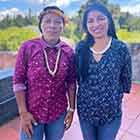
أوريليا أهوا با (على اليسار) وروميليا بابوي مايانشا (على اليمين)

إنما ألفارادو هواتاتوكا (على اليسار) وكليمنسيا ألفارادو هواتاتوكا (على اليمين)
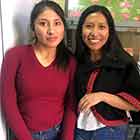
خيمينا أرانيبار بلانكو (على اليسار) ودايانا بلانكو كيروغا (على اليمين)

الصورة | Chejo Ponce
أنجلا شيكوين شيتاي
شعبQ'eqchi' الأصلي | KEMOK، غواتيمالا
أنجيلا من الداعيات الشغوفات للتمكين الاجتماعي والاقتصادي لنساء وفتيات الشعوب الأصلية. وهي تنتمي إلى مجتمع السكان الأصليين Q'eqchi' Indigenous Community المعروف بروابطه المتينة وجذوره الثقافية العميقة. وداخل هذا المجتمع، يزدهر تقليد غني من الحرف، وخاصة فن النسيج المعقد باستخدام النول المحمول على الظهر، وهو مهارة تتناقلها الأجيال.
وأسست أنجيلا مشروع KEMOK مدفوعةً بالمواهب الاستثنائية لنساء مجتمعها، وهو مشروع مجتمعي يعيد تنشيط وتمكين نساء وفتيات الشعوب الأصلية من خلال النسج باستخدام النول المحمول على الظهر. ونظم المشروع مؤخرا أول مهرجان لحرفيي النسيج، ما مكّن النساء من عرض إبداعاتهن الرائعة، معززات بذلك هويتهن الذاتية وآفاقهن الاقتصادية.

ماريا أوكسليادورا كورال هيدالغو (على اليسار) وديكسي زامبرانو فرنانديز (على اليمين)

خوانا جريسيلدا كاوتش كاب

الصورة | جيلبرتو أليمانسيا
سوغيغيلي دياز
مدينة Ustupu |شبكة السياحة الأصلية في بنما (REDTURI PANAMA)، بنما
ولدت سوغيغيلي في مجتمع Ustupu في منطقة Guna Yala. وقد شاركت في تأسيس شبكة السياحة الأصلية في بنما (REDTURI PANAMA) التي ترأسها. ومن بين مسؤولياتها، تركز على بعث المبادرات السياحة الأصلية التي ترفع مستوى المجتمعات المحلية وتعزز اقتصاداً داعماً ومستداماً. ولا تتخلف سوغيغيلي عن اغتنام الفرص للعمل كسفيرة للسياحة الثقافية والسكان الأصليين من خلال مبادرات مختلفة.
سوغيغيلي هي كذلك من الحرفيين، وهي تقن فن النسيج على طريقة Molas. وعن طريق الرقص التقليدي على منوالGuna USKALU، تساهم سوغيغيلي في إحياء عادات وتقاليد شعبها. ولدى مجتمعها قناعة قوية في القوة الدائمة لثقافته الحية في مواجهة تحديات الهوية.

الصورة | Jay Black Production
أناستاشا إيليوت
Sugar Town Organics، سانت كيتس ونيفيس
أناستاشا من مدينة باسيتير في جزر سانت كيتس ونيفيس. وتقف أناستاشا وراء المشروع الاجتماعي Sugar Town Organics الذي يصنع منتجات الصحة والاستشفاء من أصل كاريبي تكون صديقة للبيئة باستخدام ممارسات الزراعة الذكية.
ورأت Sugar Town Organics النور من تجارب عائلة أناستاشا التي تناقلتها أربعة أجيال. وبدأ الإنتاج بعد تزايد الحاجة لتوفر الخيارات الصحية على الرغم من محدودية الموارد المتاحة والقضايا الاجتماعية القائمة. وتعاونت أناستاشا وأمها لصنع هذه المنتجات باستخدام وصفات تناقلتها النساء في عائلتهن.
تركز شركة Sugar Town Organics على العودة بالنفع على المجتمع. ويركز مشروع "Each One Teach One" على التعليم وصقل المهارات، خاصة لفائدة الشباب داخل مجتمعها.

سيليست ماريانا إسكوبار
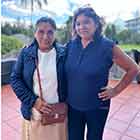
كلوريندا فلورس كيرو (على اليسار) وخوانا رويز نيما (على اليمين)

فيرونيكا غواداتوكا سانتي (على اليسار) وميرييا سانتي سانتي (على اليمين)

ماريا يولاندا هيرنانديز غوميز

أنجيليكا هوانكا إكيسي (على اليسار) وفيليبا ماركا تشوك (على اليمين)

أوريا يولاليا ميندوزا كابشا

لورسيا مور

شيفوني مور-مينوت
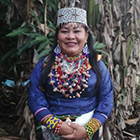
ديانا موري غونزاليس

روبي بوناري رودريغيز (على اليسار) وميلينا رينكون لارا (على اليمين)
جوديث بلانكا ريموندو رويز (على اليسار) وماريسول شريفا بيريز (على اليمين)
ماريا ريزيرو تريخو (على اليسار) ونوري روانو شابواس (على اليمين)

جوديث مارينا توريس سوليس

نانسي كلارا فاسكيز غارسيا

فاني فيرغارا إيبارا

Lourdes Frasser Rojas
Boruca, Costa Rica
Lourdes is dedicated to sustainable organic agriculture and the conservation of the natural environment, with a special commitment to protecting freshwater springs. She is a devoted guardian of ancestral culture and spirituality, and a trained educator by profession.
Since 2000, she has been actively engaged in cultural and community-based art tourism, specializing in the carving and decoration of traditional Boruca masks.
She currently serves as President of the SóCagrú Asociación Ecológica de Arte y Turismo Indígena, where she continues to promote environmental conservation, cultural heritage, and sustainable development within her community.
SóCagrú is an organization of fifteen women who provide tourism services, including lodging, meals, workshops, and guided tours. They also produce traditional handicrafts such as Boruca masks, jícaro-based crafts, and handwoven textiles made on traditional looms. In addition, they engage in agricultural production both in open fields and greenhouses, where they cultivate ceremonial seeds, ancestral seeds, and staple crops for everyday consumption.
All of these activities are closely connected to reforestation campaigns aimed at protecting and restoring areas of vital importance to their community.

Paola Morales Najera
Paola is dedicated to the creation of handicrafts and painting, and she also has knowledge of natural medicine.
She is also a member of SóCagrú.
Dalia Ramírez Martínez
Dalia creates backstrap loom textiles that blend innovation and tradition as part of a family enterprise of thirteen members, where she serves as a representative. She began weaving at the age of eight, and her enterprise was launched in 2021, inspired by a piece that won her the “Bicentennial Commemorative Textile Award” in the FONAC competition. Since then, she has been motivated to design new pieces with original patterns.
Her main focus is to protect her designs and traditional iconography, while achieving greater recognition and appreciation for her artisanal work, which requires months of dedication, as each piece is carefully handwoven.
Ana Palacios Cepeda
Ana is from San Mateo del Mar, an Ikoots community where life is deeply connected to the sea and its traditions. She coordinates the project “Manos del Mar” / “Textiles Ikoots,” a community initiative of ten members dedicated to valuing, preserving, and promoting Ikoots textile art, ensuring fair compensation for artisans and recognizing their work as a form of cultural resistance.
The project encourages the revitalization of the Ikoots language, pride in cultural identity, and the participation of children and youth through workshops that strengthen a sense of belonging and intergenerational connections. It also generates a sustainable source of income for women, contributing to their economic autonomy, while fostering solidarity and cooperation by building networks of support among artisans, conscious buyers, and cultural allies.
Ana’s commitment is to protect and promote the traditional knowledge of weaving and embroidery, living expressions of the Ikoots worldview and their connection to the sea, the territory, and community memory.

Karola Castro Brown
Karola is a Garífuna leader and a representative of the Garífuna and Creole peoples of the northern coast of Honduras. Through various development platforms, she promotes Women’s Networks, supporting them in their training processes, entrepreneurship initiatives, and access to markets. As a representative of REMBLAH, through the School for Equality and Empowerment of Rural Women, she works directly in Garífuna communities, strengthening women’s leadership.
Karola is the founder and current President of the Association Jardín de Mujeres Emprendedoras (JAME), an organization that promotes equality, leadership, and cultural preservation among diverse women, with a special emphasis on Indigenous women from different cultures who enrich their collective identity through their own worldviews.
She is also the founder of the enterprise “Mama Plucxi,” a line of natural and packaged food products inspired by ancestral recipes.

Josefina Pascual Cayetano
Josefina has led a group of six women artisans specializing in textiles for the past 20 years. During this time, they have conducted numerous workshops on the creation and embroidery of dolls in different states across the country, proudly representing their community through the DonxÜ doll.
Her primary goal is to protect the identity and cultural legacy embodied by the DonxÜ doll, promoting its recognition both in Querétaro and nationwide, as it is a fundamental part of her community’s cultural heritage.
This effort seeks to increase the visibility of the DonxÜ doll, create employment opportunities for women in the community, and help reduce migration among its members.

Vitalina Díaz Cuj
Vitalina is a Kaqchikel Maya woman, a community leader, and a defender of Indigenous women’s human rights, advocating from the needs and realities of her community. In recent years, she has worked actively in the creation of traditional textiles using the backstrap loom, crafting güipiles, belts, table runners, and napkins in collaboration with other women from her locality.
Through the enterprise of which she is a member—currently composed of twenty participants—she seeks to preserve and revitalize the ancestral knowledge connected to textile arts in the face of the challenges posed by industrialization. Her work aims to safeguard the cultural and symbolic value, as well as the collective knowledge embodied in the use of the backstrap loom, preventing its devaluation and loss.
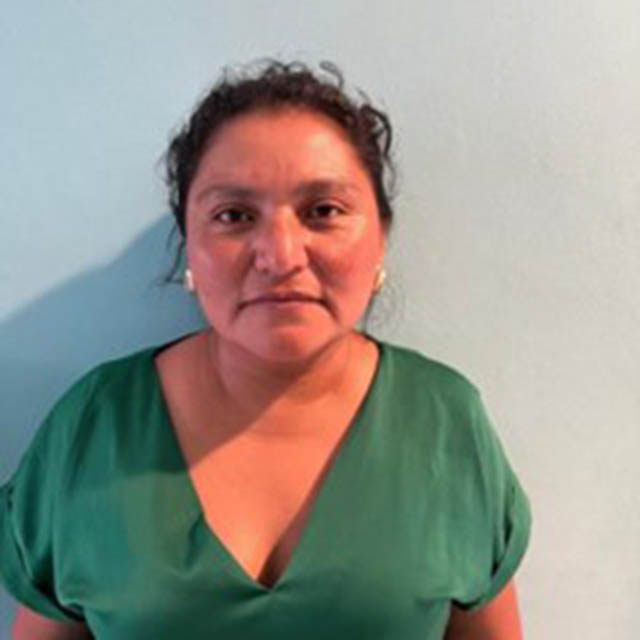
Aracely Martínez Gómez
Aracely is originally from Tres Cruces, a Lenca Indigenous community located in Erandique, Lempira, at more than 1,800 meters above sea level. She has taken an active role in defending her culture and strengthening the local economy. She serves as President of the Multiple Services Enterprise Tierra Lenca, an organization of ten members made up primarily of women coffee producers.
Since its founding, she has driven the organization’s development. She currently coordinates coffee production, collection, and lot traceability, ensuring quality standards and access to better markets.
Her commitment is focused on creating opportunities for other women, strengthening the local economy, and preserving the roots of the Lenca people through sustainable coffee production practices. Tierra Lenca not only cultivates high-quality coffee, but also nurtures dignity, identity, and a future for the community.

Iris Sactic
Iris is from Santiago Sacatepéquez, a Kaqchikel Maya community located in the central region of the country. She is a member of her community’s Council of Weavers which is part of the Movimiento Nacional de Tejedoras (MNT).
Through the MNT, they have advanced strategic litigation efforts, including a legislative proposal aimed at protecting and recognizing collective intellectual property rights over traditional textiles and dress.
The enterprise in which Iris participates as a weaver is called “Job’ Kem” (“Rain of Weavings” in Kaqchikel). It was created by the MNT’s Councils of Weavers and brings together two hundred members. The initiative promotes the direct commercialization of textiles, traditional dress, ancestral medicine, and publications, ensuring that weavers receive fair compensation for their work.
This space also serves as a platform to make visible and confront plagiarism, unfair competition, and the commodification of their work, while fostering economic autonomy and empowering women of different ages and communities.

Natalia Ajcalon Xalix
Natalia previously served on the Community Development Council and is currently one of the Community Leaders, where she promotes the active participation of women and youth in decision-making spaces, with the goal of achieving equal rights and opportunities.
She manages an entrepreneurial initiative that currently involves twenty participants and is also responsible for promoting sales. The enterprise focuses on the revitalization of textiles woven on the traditional backstrap loom, including güipiles, table runners, napkins, jackets, and other handcrafted products. Each piece is created with careful attention to preserving and honoring the meaning of every figure and detail woven into the fabric.
These products have experienced growing demand at the local level, contributing to the strengthening of both cultural heritage and the community’s economy through textile tradition.
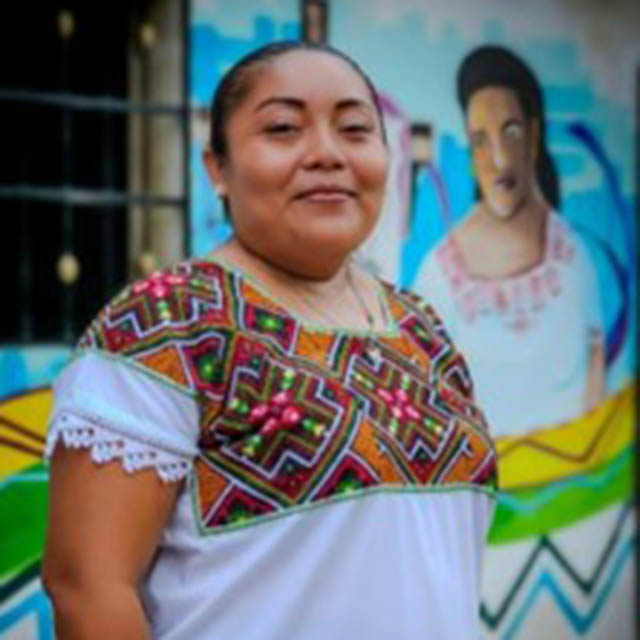
Amanda Tah Arana
X-pichil is a Maya Indigenous community in central Quintana Roo, recognized for its extensive forests and rich cultural heritage. Women in Xpichil have found in Maya embroidery cooperatives a way to preserve their cultural identity while generating economic opportunities. Born in this community, Amanda maintains a deep connection to its traditions, especially embroidery, a legacy passed down by her ancestors and shared with new generations.
“Lool Pich” is a collective of twenty-three traditional artisans, of which Amanda is President. Since 2011, the collective has worked to preserve and promote ancestral Maya embroidery techniques. They sell embroidered garments nationally and internationally, collaborate with designers and researchers, and contributed to the declaration by the Congress of Quintana Roo recognizing Maya motifs and symbols as intangible cultural heritage.
The collective has also created a cultural “seedbed” to teach these traditions to children and participates in Indigenous tourism and social solidarity economy networks that support sustainable development across more than ten Maya communities. Their work not only strengthens cultural identity but also creates fair economic opportunities, promoting women’s autonomy and community well-being.

Magali Pech
Magali is from the X-Pichil community, recognized as an Artisan Town known for the beauty of its traditions, particularly embroidery, a practice primarily carried out by women. Within this community, a diverse collective—including men, women, elders, children, and youth—works diligently to preserve and share Maya cultural heritage with new generations.
Magali actively promotes cultural identity through talks and workshops in schools and community spaces, strengthening practices such as embroidery, traditional cuisine, and the use of the Maya language.
She is President of the textile collective “Lool Chuy,” which specializes in creating unique pieces that combine ancestral techniques, vibrant colors, and Maya symbols—such as geometric figures and serpent motifs—handcrafted using high-quality, sustainable materials.
Currently, the project directly benefits eighteen families in the community and generates both direct and indirect employment. It also offers cultural experiences to the public, including embroidery workshops, ancestral cooking, and Maya storytelling, fostering pride in Maya identity and worldview among younger generations.
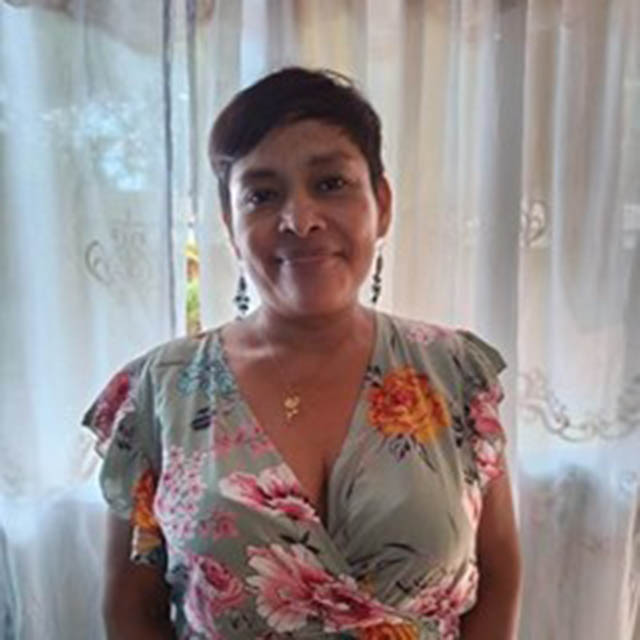
Leidy Leiva Morales
Boruca, Costa Rica
Leidy developed a deep passion for art, particularly painting and the preservation of traditional Boruca art. This passion led her to become an artisan, specializing in hand-carved wooden masks and cotton handwoven textiles.
She is also a member of SóCagrú.
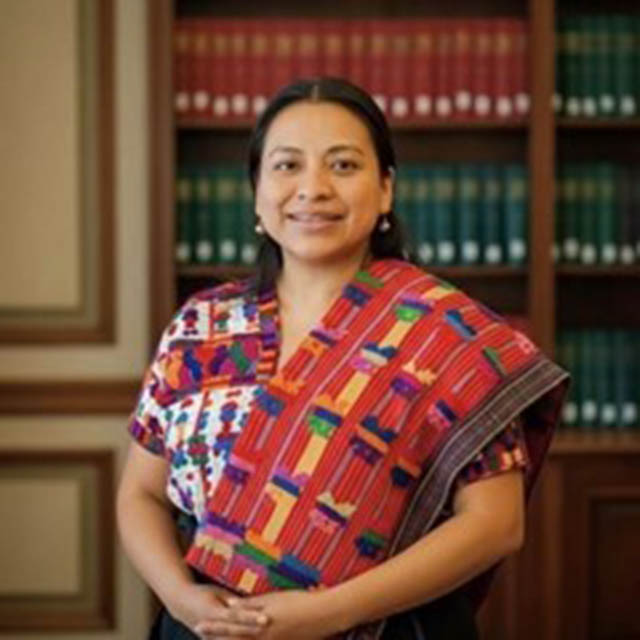
Milvian Aspuac Cón
Milvian belongs to the Kaqchikel People of Santiago Sacatepéquez and is a member of the Council of Indigenous Authorities, which safeguards the territory. She is also part of the community’s Council of Weavers, made up of twenty-four members, and of the Movimiento Nacional de Tejedoras (MNT), where she serves as National Coordinator.
She is dedicated to the creation of Maya textiles, which are marketed through an online store. These woven pieces reflect and express the traditional knowledge intrinsic to Maya culture.
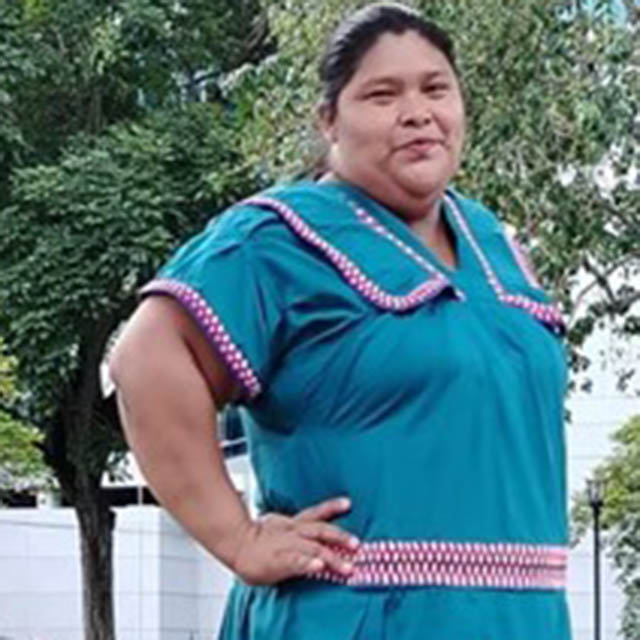
Yorivel Pinto
She proudly represents the Comarca Ngäbe, working with dedication to preserve and transmit her people’s ancestral heritage. Her work seeks to inspire more women to raise their voices and participate actively in defending and promoting their culture.
She is President of “ASMUAN” (Asociación de Mujeres Artesanas Ngäbe), an organization of twenty-five members dedicated to creating traditional Ngäbe clothing, including the nägua (näon), chacara (krä), and chaquira.
The nägua is a traditional garment passed down through generations, a living symbol of cultural identity and pride. Through her artisanal work, she not only keeps this tradition alive but also shares it with other women to strengthen collective knowledge.
Her commitment is to preserve these cultural expressions as a fundamental part of the Comarca Ngäbe legacy, promoting their recognition and continuity for future generations.

Tania Moreno Montezuma
Tania is also a member of “ASMUAN” (Asociación de Mujeres Artesanas Ngäbe), which has twenty-five members. In addition to being an artisan, she serves as the organization’s legal advisor. The collective is dedicated to creating and selling the nägua—the traditional clothing of Ngäbe women—as well as shirts, earrings, necklaces, and other crafts intrinsic to their culture.
As an Indigenous community and organization, they are committed to promoting, protecting, and transmitting the value of the Ngäbe language, traditional clothing, and cultural identity, especially among young people.
Their goal is to strengthen pride in their roots and inspire the community—particularly women—through this collective enterprise, which not only generates economic opportunities but also reaffirms the importance of their traditions.
Through her artisanal and community work, Tania seeks to keep Ngäbe culture alive and ensure its transmission to future generations.

Virginia Tathum Massias
In her community role, she teaches jewelry-making and sustainable sewing techniques, promoting economic autonomy and cultural appreciation. Through Yapti Prana, she fosters the transmission of ancestral knowledge in dialogue with contemporary practices.
Virginia is also the creator of “Virginia Tathum,” a sustainable fashion brand that repurposes second-hand clothing to design unique, avant-garde pieces, incorporating artisanal details and cultural elements of the Nicaraguan Caribbean.
Her enterprise, which involves twenty participants, combines sustainability, identity, and women’s empowerment, making each piece a living expression of Indigenous and Afro-descendant roots. It seeks to preserve and disseminate textile knowledge, iconography, and traditional techniques from the Caribbean, strengthening cultural pride among new generations.

Rosamelia Agustin Yalia
Rosamelia is from the community of Las Cidras, in Loma de Sabana del Puerto, Bonao, a remote mountainous area. From a young age, she has been committed to community work and the preservation of rural traditions.
She hosts spiritual and family retreats, offering visitors an authentic experience of connection with nature, culture, and spirituality. Together with her community, she cooks with firewood, carries water by hand, and keeps mountain life traditions alive.
Her work is part of the family and community project “Caofé Rodríguez,” which involves ten members and is dedicated to transforming ancestral knowledge into products and experiences that honor rural life. She collaborates in the harvest, processing, and transport of coffee, cocoa, honey, gofio and other traditional products.
Through her role, Rosamelia defends the cultural legacy of Las Cidras as an act of love and resistance, with the hope that these practices will continue to thrive, be recognized, and valued by future generations.

Daniela Juárez Villa
Daniela is from Cuetzalan, a municipality recognized for its rich natural and cultural heritage, as well as its active social and environmental organizations. Within this context, a local Indigenous women’s organization works actively to defend the territory and strengthen community autonomy.
Daniela is part of this local organization, serving as a facilitator for training programs, coordinating a community-based tourism project, and participating in the Comité de Ordenamiento Territorial Integral de Cuetzalan (COTIC).
The enterprise, which involves twenty-five members, combines community tourism with traditional herbalism. Since 2015, the organization has hosted the Community Tourism Gathering “Tikijkiti Tonemilis” (“Weaving Our Lives”), where visitors spend five days living with cooperative members of “Masehual Siuamej Mosenyolchicauani” (Indigenous Women Supporting Each Other), sharing knowledge, customs, and ways of life.
At both family and collective level, Daniela produces herbal products as a natural approach to health care, preserving ancestral knowledge. She currently focuses on strengthening the identity of the community tourism project, building capacities for collective ownership among the organization’s members, and improving the commercialization of local medicinal products.
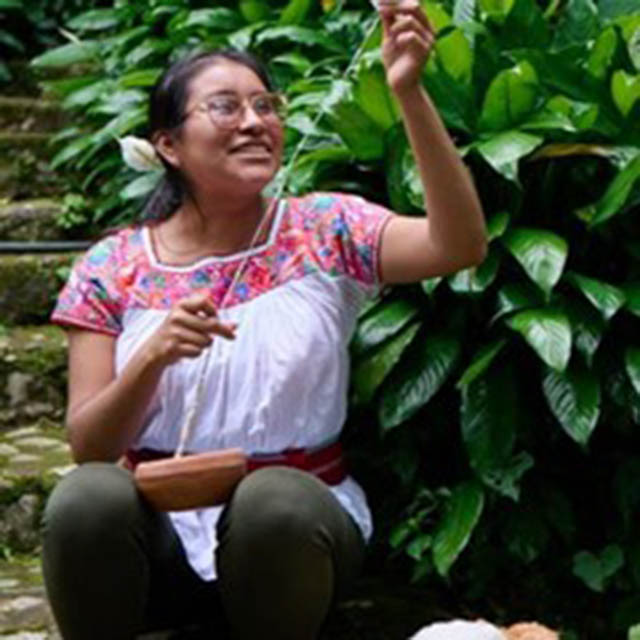
Acitlali Ávila Francisco
Acitlali is from Yohualichan, a community with rich historical and cultural heritage, where Totonac, Nahua, and Catholic traditions converge. Her name in Nahuatl means “House of the Night,” and the community is also known for its archaeological site.
Within this context, “Masehual Siuat Xochitajkitinij” was founded in 1985, a cooperative of fifteen Indigenous women artisans concerned about the decline of the traditional kexkemil woven on the backstrap loom. They began by offering free classes, overcoming barriers such as machismo and limited opportunities.
Today, the organization operates a traditional food restaurant, an artisan shop, lodging services, and workshops on cotton spinning, embroidery, backstrap loom weaving, and traditional cooking.
Their goal is to preserve and transmit ancestral knowledge, strengthening cultural identity and ensuring its continuity for future generations.

آشلي مينر

شانون مونك

الصورة | سيلفيا بلاين
سيلفيا بلاين
Aamjiwnaang First Nation، كندا
سيلفيا هي من شعب أنيشينابه من الأمم الأولى (Aamjiwnaang First Nation) التي تتكون من قبيلة أجيبوي وأوتاوا وبوتاواتومي، والمعروفة أيضا باسم Three Fires Confederacy، وهي من أقدم الاتحادات السياسية في منطقة حوض البحيرات العظمى. ويعرف سكان البحيرات العظمى بزوارق wigwaas ciimaan المصنوعة من لحاء شجرة القُضبان.
وتمارس سيلفيا المعارف التقليدية وتعلمها، لا سيما تلك المتعلقة بطريقة بناء الزوارق وصنع السلال والنسيج. وفي عام 2014، أطلقت سيلفيا برنامج تعليم باسم Great Lakes Canoe Journey Education Program لتعليم أفراد المجتمع الأصلي كيفية بناء القوارب باستخدام لحاء شجرة القُضبان، وما ينطوي على ذلك من تقنيات وتاريخ وابتكارات ومساهمات للسكان الأصليين في حوض البحيرات الكبرى.

الصورة | Justin Aranha
ساج بول
مهرجان Indigenous Fashion Arts (IFA)، كندا
ساج هي امرأة من أصل شعب Denesuline. ولدت وترعرعت في تورونتو، ولكن أصل عائلتها من Patuanak، وهي من المنحدرين من الأمم الأولى (English River First Nation)، ولديها كذلك أصول أوروبية. ساج بول هي فنانة ومصممة تركز في عملها على العائلة والسيادة والمقاومة والتوازن.
وشاركت ساج في تأسيس مهرجان الفنون والثقافة Indigenous Fashion Arts (IFA)، حيث تشغل الآن منصب المديرة التنفيذية والفنية. وأسس هذه المنظمة الفنية غير الربحية فنانون ومصممون أصليون لفائدة الفنانين والمصممين الأصليين، وهي تقدم مبادرات تركز على الفنانين والبرمجة العامة والابتكار في قطاع الفنون. وأكبر مبادرات المنظمة هي مهرجان فنون أزياء السكان الأصليين (تورونتو) الذي يُعقد كل سنتين، والذي يشارك فيه أكثر من 100 مصمم أصلي من العالم.

الصورة | سيلفيا بلاين
سيلفيا بلاين
Aamjiwnaang First Nation، كندا
سيلفيا هي من شعب أنيشينابه من الأمم الأولى (Aamjiwnaang First Nation) التي تتكون من قبيلة أجيبوي وأوتاوا وبوتاواتومي، والمعروفة أيضا باسم Three Fires Confederacy، وهي من أقدم الاتحادات السياسية في منطقة حوض البحيرات العظمى. ويعرف سكان البحيرات العظمى بزوارق wigwaas ciimaan المصنوعة من لحاء شجرة القُضبان.
وتمارس سيلفيا المعارف التقليدية وتعلمها، لا سيما تلك المتعلقة بطريقة بناء الزوارق وصنع السلال والنسيج. وفي عام 2014، أطلقت سيلفيا برنامج تعليم باسم Great Lakes Canoe Journey Education Program لتعليم أفراد المجتمع الأصلي كيفية بناء القوارب باستخدام لحاء شجرة القُضبان، وما ينطوي على ذلك من تقنيات وتاريخ وابتكارات ومساهمات للسكان الأصليين في حوض البحيرات الكبرى.

تيريزا سيكورد

Delsie Betty Bosi

Esita Nadakai Karanavatu

فلورنس جوكاي

Sisimoka Laufoli

Tusiata Lemuelu

سوباما مابو

Bonnie Moi Naua

Jae-Dee Ngirdimau

Barbra Pagasa

Adi Meretui Ratunabuabua

Alana Fiafia Richmond-Rex

Amanda Riniu

Diana Rojumana

Fenella Sam
Serah Linore Tari
artisans' products effectively. As a trainer, she intends to share this expertise, empowering others to innovate while safeguarding their cultural and creative heritage.

تيا تورير كليرسكي

Tereeao Teingiia

Merewalesi Vakarewa

Feresi Waqaisavou Veisa

الصورة | Debra Waqalevu
إميلي واكوفاليفو
Na I Soqosoqo Vakamarama I Taukei Cakaudrove (SVTC)، فيجي
تعيش إميلي في قرية Soqulu في جزر فيجي. وهي عضوة متفانية في منظمةNa I Soqosoqo Vakamarama I Taukei Cakaudrove (SVTC)، وهي منظمة غير حكومية مسجلة تركز على تمكين نساء السكان الأصليين في المناطق الريفية وتعزيز المعارف التقليدية من خلال الممارسات الثقافية.