From Iceland’s fishing villages to the world’s hospitals, a bold idea became a billion-dollar breakthrough.
When doctors first heard that fish skin could heal human wounds, many dismissed it as improbable science. But in Ísafjörður, Iceland, a small biotech team believed that the answer to one of medicine’s most devastating challenges lay hidden in the North Atlantic. Under the leadership of Fertram Sigurjonsson, an Icelandic entrepreneur with a background in health innovation and business development, their company, Kerecis, transformed cod skin into a therapy that today helps prevent amputations, restore mobility, and give patients back their lives.

At the beginning, the medical community was hesitant. But Kerecis invested in rigorous clinical trials that proved the fish skin grafts worked, turning skepticism into science. Patients who faced the terrifying prospect of losing a limb were healing. Insurers and clinicians started paying attention. Behind this success stood a carefully planned intellectual property strategy that gave science credibility and opened doors for collaboration.
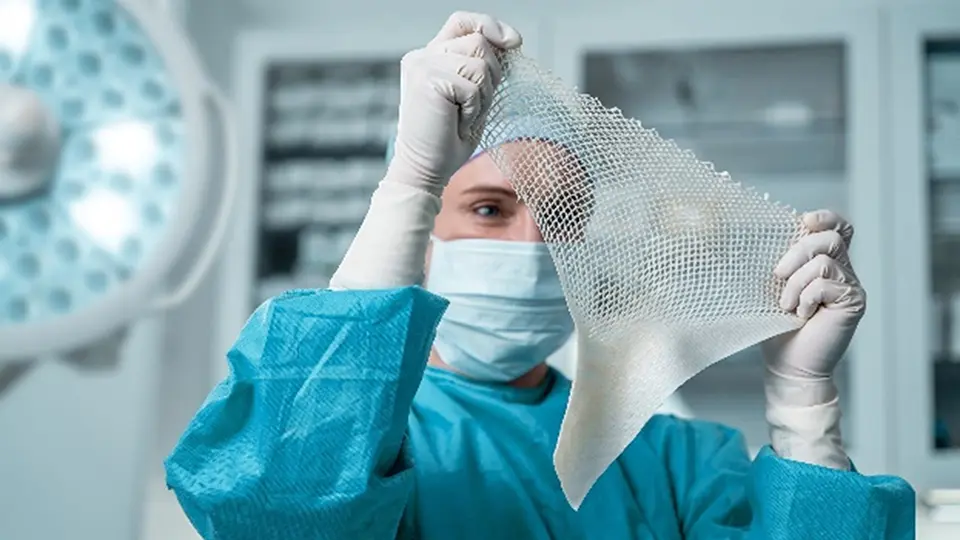
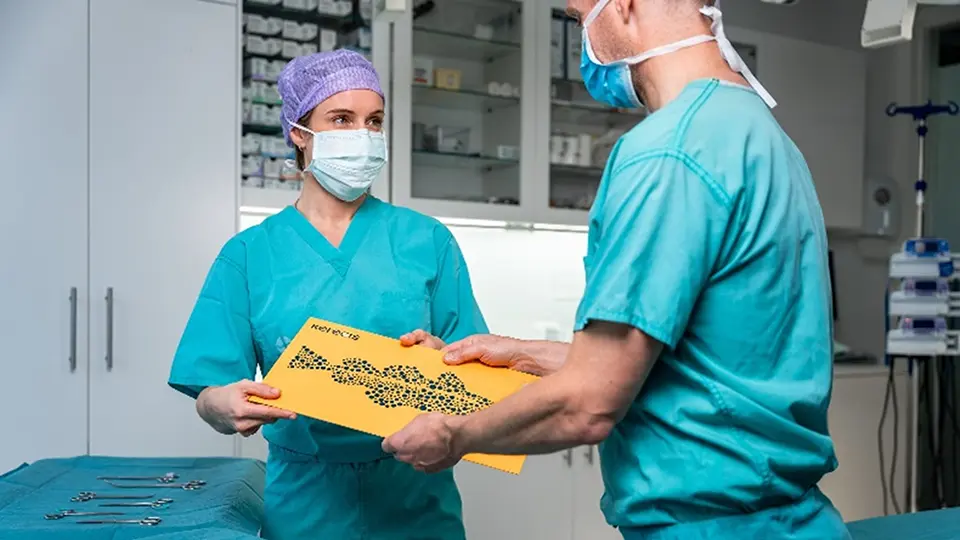
Kerecis Shield – An Intact Fish Skin Graft for Wound Healing

Kerecis’s story is not only about IP. It is about people. For those living with diabetic foot ulcers or chronic wounds, amputation often seemed inevitable. With Kerecis technology, many of these patients regained hope. The company’s intact fish skin graft provides a natural scaffold that encourages cell growth and accelerates healing, making it especially effective for acute and chronic wounds, including diabetic foot ulcers, pressure ulcers, and traumatic injuries. The anatomical structure of cod skin is close to human skin, and its rich omega-3 composition helps reduce inflammation while improving tissue integration.
The technology underlying this approach was first patented in Iceland and the United States in the early 2010s, and subsequently extended through WIPO’s Patent Cooperation Treaty (PCT) to Europe, Canada, China, Japan, and other strategic markets. These patents protected the unique method of preserving the fish skin matrix in its natural state, the core of the innovation. More information on the science and clinical applications is available through Kerecis Shield.
The ability to prevent amputations with good wound care is an amazingly impactful thing.
Fertram, Kerecis
Every patient’s outcome strengthened the company’s conviction to keep innovating. Feedback from clinics helped refine the product line, and sustainability was integrated into the model from the outset by transforming a byproduct of the fishing industry into a life-saving solution. By addressing a global wound care challenge with a renewable resource, Kerecis demonstrated that advanced biotechnology can be both clinically transformative and environmentally responsible.
Patents as a Foundation for Kerecis’ Global Growth
From its earliest days, Kerecis filed patent applications before it had a single product on the market. That strategy of seeking early protection mattered. It allowed the company to share findings, attract funding, and convince partners that the invention was not just innovative but also defensible. The “patent pending” status quickly evolved into a “granted patent,” which reassured investors and regulators alike.
Kerecis’s legal partner in this journey was Justin J. Cassell of Workman Nydegger, a seasoned intellectual property lawyer who helped shape and secure the company’s patent portfolio. Cassell guided the strategy of filing early and broadly, utilizing the PCT to extend protection across multiple markets while gaining crucial time to make cost-effective national phase decisions. His work ensured that Kerecis not only protected its inventions but also built a reputation for seriousness and strength in the eyes of investors, collaborators, and eventually, acquirers.
If you are a small company from a small country and you want to go global, patents are your credibility. They show that you are serious, that you are not just experimenting, but that you have something real.
Justin J. Cassell, Workman Nydegger
The growing portfolio did not just sit in legal files. It shaped negotiations with venture capitalists, reassured hospitals, and signaled to competitors that imitation would not be easy. Trademarks such as MariGen and Shield added another layer, building patient and clinician confidence that they were choosing authentic products.
From Ísafjörður to Global Recognition in Regenerative Medicine
Kerecis managed what few startups achieve: rapid global growth while remaining profitable. It built a strong sales network in the United States, secured coverage from Medicare and Cigna, and established trust with clinicians worldwide. In 2023, Danish medical giant Coloplast acquired Kerecis for over USD 1 billion. The deal underscored how central the company’s patents were to its valuation and how an IP portfolio can be both shield and compass for growth.
Taking Wound Healing Technology from Lab to Market with IP
Kerecis shows that intellectual property is more than legal paperwork. It is a force that connects science to society, giving startups from small countries the ability to compete on a global stage. Strong IP rights provided credibility, enabled funding, and protected the freedom to share research without losing control of it. Just as importantly, they supported a culture of patient-focused innovation.
The lesson for innovators is powerful: seek protection for your early work, tell your story with clarity, and let patient outcomes be your proof. With the right mix of science, IP, and vision, a small laboratory in a fishing town can change the course of medicine worldwide.
We are not only making a product, we are changing the standard of care. That is a responsibility and also a privilege.
Fertram
From cod skin to global care, Kerecis has proven that when intellectual property and patient impact work hand in hand, lives are saved, and futures are restored.