In a notable stride toward strengthening intellectual property (IP) adjudication in Mongolia, the World Intellectual Property Organization (WIPO) and the Judicial Academy of Mongolia co-organized a Workshop on Intellectual Property Adjudication for the Judiciary of Mongolia in Ulaanbaatar on May 20 and 21, 2026. The two-day Workshop convened 28 Mongolian judges from Ulaanbaatar and various provinces to deepen their expertise in IP law and enhance practical skills for resolving IP disputes. It was held under a cooperation agreement signed in 2023 between the WIPO Judicial Institute and the Judicial Academy of Mongolia, which established a continuing judicial education program on IP for the country’s judiciary. This ongoing partnership previously enabled over 90 judges to complete a WIPO Distance Learning Course on IP for judges in 2024–2025, laying the groundwork for the in-person advanced training delivered through this Workshop.
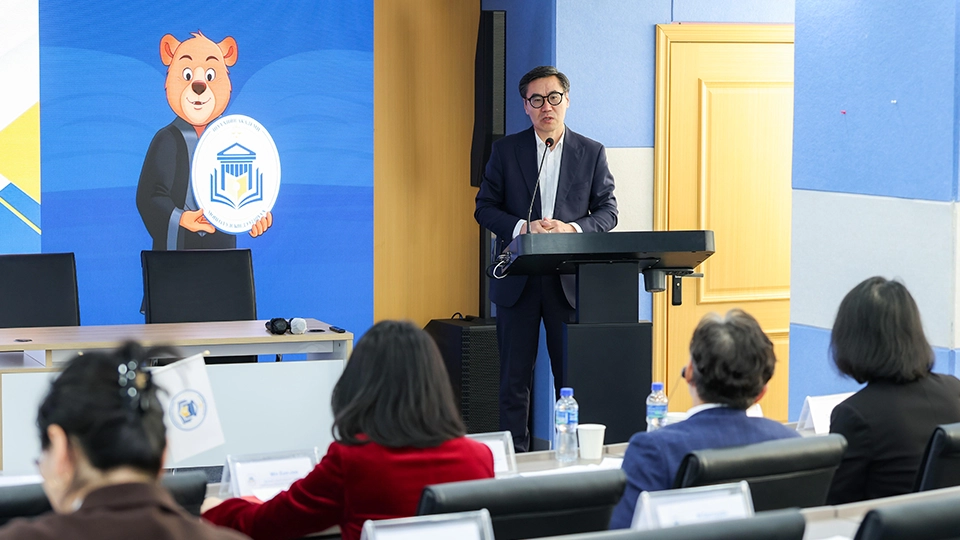
Mongolia’s courts are increasingly encountering complex IP cases, especially with the growth of the digital economy and creative industries. Strengthening judicial capacity in IP adjudication is essential to ensuring the effective enforcement of IP rights and fostering an innovation-friendly legal environment. By enhancing judges’ understanding of IP law and procedure, the Workshop supports more consistent, informed decision-making in IP cases, benefiting for both rights holders and the public interest.

Workshop Highlights
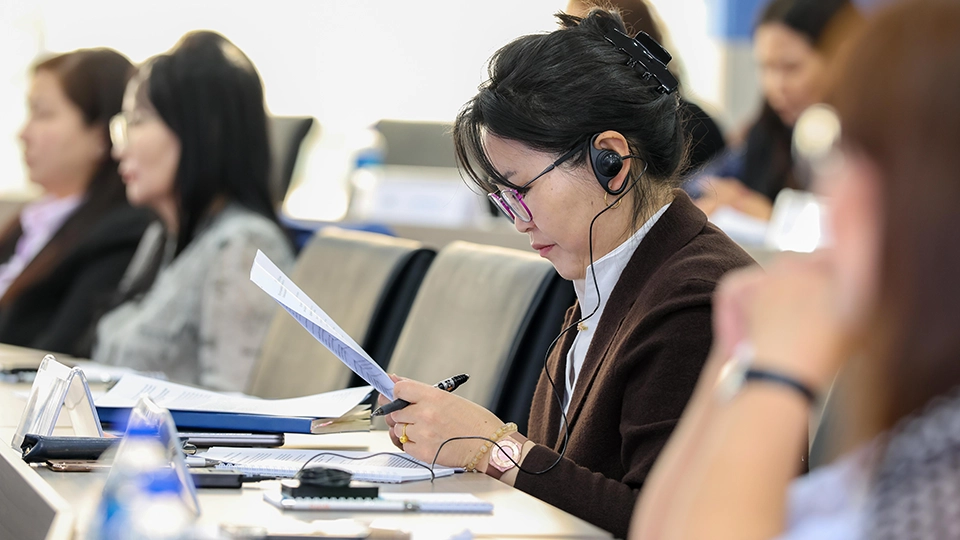
The judicial workshop featured a highly interactive, case-based program that emphasized hands-on learning. Over the two days, the judges delved into core issues in trademark and copyright disputes, with particular attention to challenges arising in the digital environment. Through group discussions and hypothetical scenarios, the participants applied IP legal principles to realistic cases, refining their adjudication techniques.
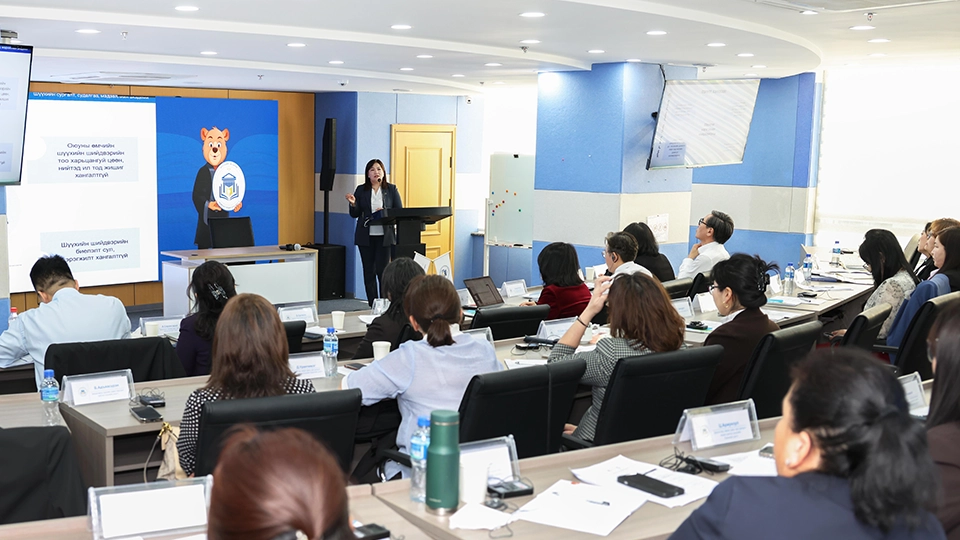
The workshop was enriched by contributions from both international and Mongolian judicial experts. Presiding Judge Kim Young Gi of the Intellectual Property High Court of Korea and Presiding Judge Yu Huibin of the Beijing High People’s Court of China served as international faculty, sharing comparative perspectives on IP adjudication and emerging global challenges. They were joined by leading Mongolian jurists, including Justice Tsogt Tsend of the Supreme Court of Mongolia and Erdenechimeg Dashpuntsag, Director of the Judicial Academy, who provided national context and highlighted local judicial practices. This blend of international and domestic expertise fostered a collaborative learning environment, enabling participants to exchange views on strengthening the judicial administration of IP disputes in Mongolia and aligning it with international practices.
Toward Sustainable IP Capacity
The Ulaanbaatar workshop marks an important step in the efforts of WIPO and Mongolia to build sustainable judicial capacity in IP. It builds on recent tailored distance-learning programs and is the first advanced in-person IP adjudication training for Mongolian judges. Mongolia’s participation in WIPO Lex Judgments, WIPO’s global database of leading IP decisions, further demonstrates this commitment, helping to foster comparative jurisprudence and promote transparency, consistency, and judicial learning in IP adjudication worldwide.
The WIPO Judicial Institute will continue working with the Judicial Academy of Mongolia to institutionalize IP judicial education and ensure that judges remain current with evolving IP laws and technologies. The success of this workshop highlights Mongolia’s determination to equip its judiciary to handle IP disputes effectively, contributing to a more robust and predictable IP legal framework that supports innovation and creativity in the country.
About the WIPO Judicial Institute and its Capacity Building for Judges
The WIPO Judicial Institute collaborates with member states to empower their judiciaries to fulfill their role in ensuring that IP, innovation and creative ecosystems are balanced and effective. As part of this work, WIPO offers a holistic suite of capacity building activities that support the development of Continuing Judicial Education (CJE) on IP.
CJE programs are designed to strengthen the capacity of judicial authorities in member states to deliver self-sustaining education programs on IP. The goal is for judges to develop their capacity and skills to adjudicate IP disputes efficiently and in accordance with national strategies and priorities. Ultimately, these programs will enable new judges to gain an initial understanding of the complex field of IP and allow experienced judges to learn about new IP legislation and developments.
To learn more about this support contact the WIPO Judicial Institute.