ASEAN is rich in innovative potential but unlocking that potential requires a clear pathway from discovery to real-world impact.
Across ASEAN, universities and research institutions are generating innovative ideas to tackle pressing challenges from urban congestion to climate resilience. Yet many remain within the lab, unable to reach the people and markets they are meant to serve.
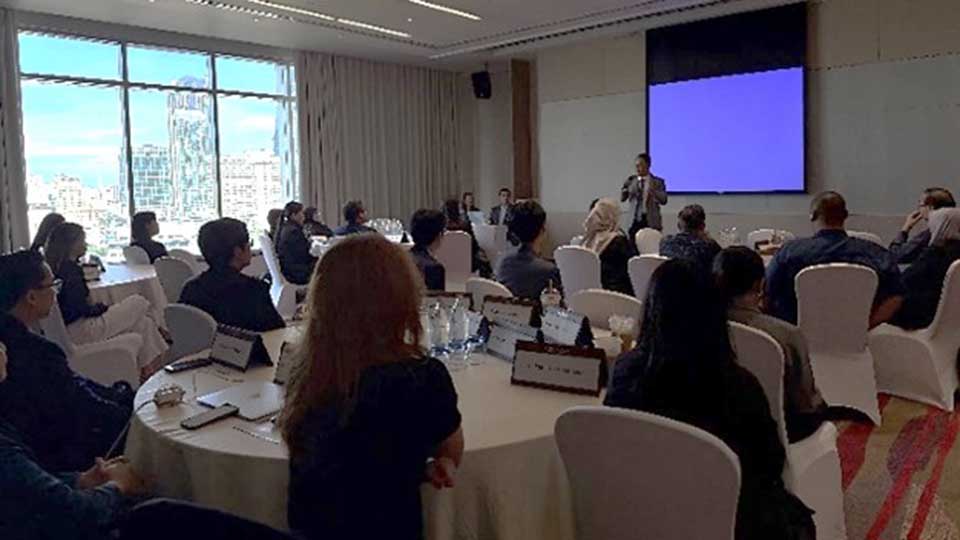
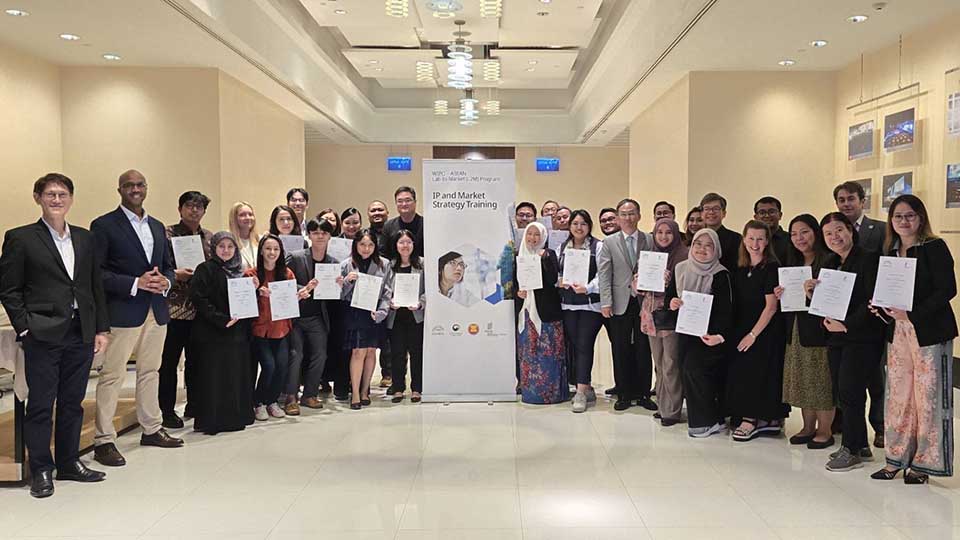
Turning research into practical solutions demands more than technical excellence. It requires strong intellectual property (IP) management, market understanding, and effective partnerships. To address this gap, WIPO launched Commercializing Industrial Property in ASEAN: the Lab-to-Market (L2M) Program, which ran from the second half of 2025 to the first half of 2026, supporting technology transfer (TT) professionals and researchers in bringing ideas to market.
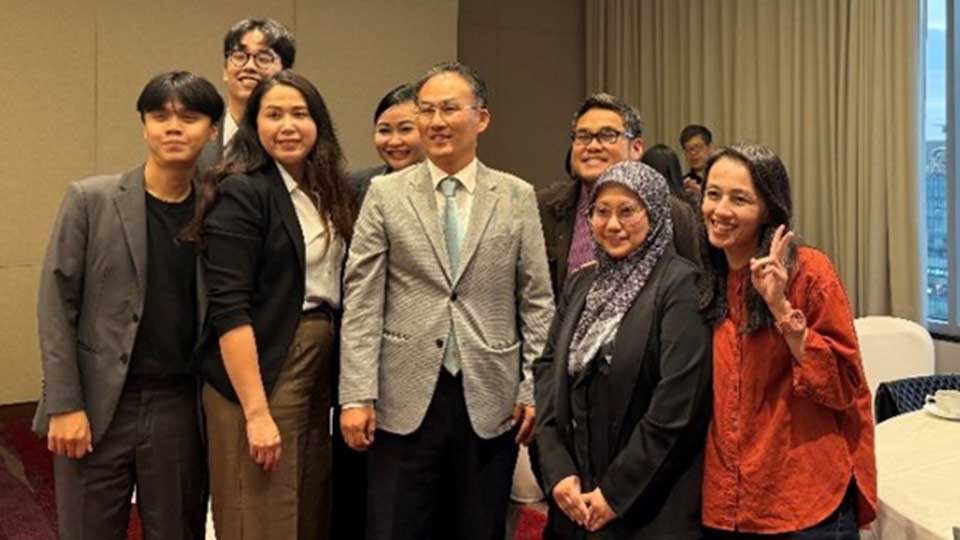
Developed with regional stakeholders and delivered under WIPO’s support, the program is funded through the Korean Funds-in-Trust for Industrial Property (FIT/ROK/IP).
At its core, L2M brings together hands-on training and tailored mentoring. Participants learn to assess commercial potential, identify users and markets, and shape pathways to application. At the same time, technology transfer professionals strengthen their role in guiding researchers and advancing innovation within their institutions, helping ideas move from concept to real-world use.
Bringing Innovation to Life: TrafficEZ(Philippines), a system designed to improve traffic flow
The impact of this approach is reflected in TrafficEZ, developed at the University of Science and Technology of the Philippines.
Designed for mid-sized cities facing increasing congestion, TrafficEZ uses artificial intelligence and Internet of Things (IoT) technologies to adjust traffic signals in real time. It offers a cost-effective alternative to centralized systems while improving traffic flow and urban mobility.
Through the L2M program, the team refined their business model, value proposition, and go-to-market strategy, particularly for public-sector adoption. Now attracting interest from local authorities, TrafficEZ demonstrates how research can evolve into a scalable solution with clear societal benefits.
Building Capacity, Enabling Impact
L2M goes beyond individual projects. By strengthening skills, institutions, and networks, it creates an enabling environment for innovation to thrive.
With continued international collaboration including support from the FIT/ROK/IP, the program is helping ASEAN countries unlock more value from their research. Over time, this contributes to stronger university-industry links, more effective use of IP, and a pipeline of solutions addressing economic, environmental, and social challenges.
From lab to market, the pathway is becoming clearer driven by the people, partnerships, and systems that turn ideas into impact.