
Freshwater ecosystems are critical for both nature and people. They cover less than 1 percent of the Earth’s surface, but are home to 10 percent of animal species, including around a third of vertebrates and 40 percent of all known fish species (
4.1 Altering hydrological regime
Climate change affects freshwater ecosystems primarily by altering natural flow regimes through shifts in precipitation patterns, snowmelt timing, evaporation rates and the frequency of droughts. These hydrological changes modify the volume, timing and duration of the water flows that aquatic species depend on, resulting in habitat degradation, disrupted life cycles, reduced ecosystem connectivity and a decline in water quality. Because streamflow influences water temperature, dissolved oxygen levels and nutrient transport, changes in flow regimes can trigger cascading ecological impacts throughout freshwater systems. Technologies developed to address altered flow regimes are designed to support monitoring of river flows, forecasting of hydrological changes, optimization of water releases, and mitigation of flood and drought risks.
Responding to changing river dynamics with advanced water management technologies
Rivers respond rapidly to an increasing fluctuation in water availability, manifested through more frequent and severe droughts, floods, and shifts in seasonal flow patterns. These changes lead to greater variations in discharge, from flash flooding during heavy precipitation to prolonged low-flow conditions during dry periods. The resultant variability is propagated by connected landscapes, amplifying stress across other freshwater systems, such as the wetlands, floodplains and downstream lakes that depend on a consistent water supply and natural flow dynamics.
Many river systems are experiencing earlier peak flows due to accelerated snowmelt and shifting precipitation patterns, followed by reduced water availability during traditionally high-demand periods
Beyond extremes, a significant transformation is occurring in the timing and seasonality of freshwater flows. Many river systems are experiencing earlier peak flows due to accelerated snowmelt and shifting precipitation patterns, followed by reduced water availability during traditionally high-demand periods
Technological advances are improving the ability to monitor and manage these hydrological challenges. Hydrological monitoring using stream gauges, remote sensing platforms and real-time sensors provides continuous information on river discharge, water levels and watershed conditions. Artificial intelligence (AI) and machine-learning models are increasingly being used to forecast floods and droughts, enabling more proactive water management
Re-establishing natural river processes
Channel re-meandering is a common river restoration technique that involves either creating a new meandering channel or reconnecting cut-off meanders to restore a river to its natural course and slow water flow
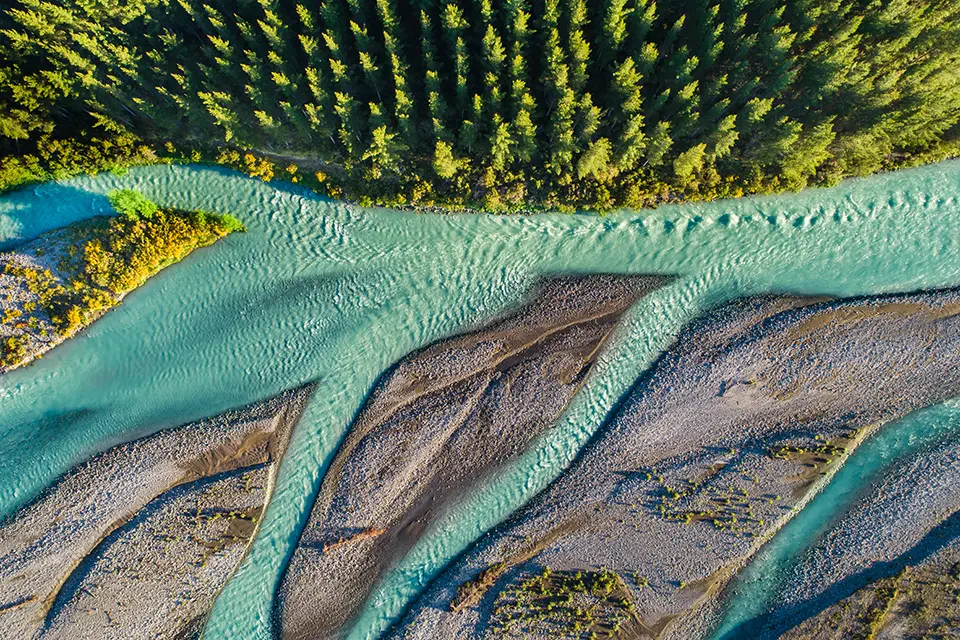
Another river restoration approach is Stage 0 floodplain reconnection, which aims to restore rivers to their natural pre-disturbance, or “Stage 0,” condition. Rather than being itself a restoration technique, Stage 0 represents the historical state of a river landscape prior to any significant human modification. Achieving this state typically involves a combination of restoration measures such as raising or infilling incised riverbeds and rewetting the floodplain to restore natural hydrological and ecological processes.
In recent years, channel re-meandering has increasingly become a part of natural flood management (NFM) measures taken to reduce flood risk while restoring river ecosystems.
Unlike conventional in-channel restoration, Stage 0 adopts a landscape-scale approach that seeks to rehabilitate the entire river corridor by reconnecting the river with its floodplain and raising the water table. This is best suited to areas where there is sufficient space to allow smaller streams to reconnect with their valley bottoms and floodplains to develop naturally a diverse mosaic of wetlands, wet woodlands and multi-thread channels
Conserving freshwater wetlands is a climate imperative
Wetlands are areas where water covers the soil or remains close to the surface for all or part of the year. They are highly dynamic ecosystems where water levels rise and fall naturally in response to the rainfall, river flooding, tides, seasonal changes, storms and droughts that strongly influences wetland ecological conditions and vegetation patterns. Wetlands provide habitats for many species and contribute nearly 40 percent of global ecosystem services, including water purification, flood control, groundwater recharge and carbon storage
Wetlands have been declining at an average rate of 0.52 percent a year since 1970
Wetlands provide habitats for many species and contribute nearly 40 percent of global ecosystem services, including water purification, flood control, groundwater recharge and carbon storage
A range of technologies is being used to reduce impacts on wetlands and improve resilience. Remote sensing technologies, delivered through satellites and aerial platforms, are being widely used to track changes in wetland size, water levels, vegetation health and drying patterns in near real time. Geographic information systems (GISs) then organize, integrate and analyze the spatial datasets obtained to produce maps and track changes in wetland distribution and condition. However, accurately mapping wetlands remains difficult, with seasonal changes making it hard to differentiate between the surrounding land, vegetation and shallow water areas. Optical satellite systems provide detailed images of vegetation and surface water, while radar-based systems can detect flooding and soil moisture even under the cover or dense vegetation. Artificial intelligence and machine learning techniques are increasingly being applied in order to automate image interpretation, improve wetland classification, detect subtle ecological changes and generate predictive models of wetland loss or recovery under different climate scenarios.
Harnessing nature to restore rivers, lakes and wetlands
Nature-based solutions for rivers, lakes and wetlands, such as riparian vegetation restoration and buffer zone creation, help stabilize banks and reduce erosion. These solutions also improve water quality by filtering runoff and enhancing local biodiversity, while at the same time improving soil moisture retention. This is achieved by replanting native vegetation along the water edge to restore the plant communities previously degraded or removed. This vegetation slows surface runoff, traps sediments and nutrients, and strengthens soil structure through its root systems, reducing pollutant flow into aquatic ecosystems. Constructed wetlands are nature-based wastewater treatment systems designed to store and treat water through natural processes, such as filtration, sedimentation and microbial activity, while also providing a habitat similar to that of a natural wetland. Beyond wastewater treatment, such wetlands can also serve as natural firebreaks between forests and other natural areas, particularly in warmer regions such as southern Europe and parts of the southern and western United States
Low-tech restoration using beaver dam analogues
Beaver dams are a recognized nature-based solution for river restoration. They provide many ecological benefits like reducing downstream flooding, restoring stream–riparian connectivity, trapping sediments and nutrients, and creating diverse habitats for fish, amphibians, birds, insects and aquatic plants. However, in the absence of natural beaver recolonization, today’s river restoration practitioners are installing beaver dam analogues (BDAs) in thousands of degraded streams
In degraded river systems, BDAs have emerged as a popular low-tech treatment for reducing water velocity, increasing floodplain connectivity and activating secondary side channels, and thereby enlarging the juvenile salmonid-rearing habitat
In degraded river systems, BDAs have emerged as a popular low-tech treatment for reducing water velocity, increasing floodplain connectivity and activating secondary side channels, and thereby enlarging the juvenile salmonid-rearing habitat
Beyond habitat restoration, beaver-related interventions also serve to strengthen climate resilience by reducing summer water temperatures, sustaining stream flow during dry periods, mitigating the impacts of floods and wildfires, and increasing watershed-scale biodiversity, which benefits species of conservation concern such as trout, salmon and amphibians. However, the magnitude of these ecological benefits depends on local climatic and hydrogeomorphic conditions
Restoring hydrological connectivity to prevent freshwater habitat fragmentation
Freshwater ecosystems, for example, rivers, floodplains, wetlands and lakes, depend on dynamic connections that enable the free movement of water, nutrients and organisms. Changes in the timing, duration and volume of river flow can disrupt these connections, making seasonal flooding less predictable. As a result, freshwater habitats can become isolated and fragmented, which limits migration routes and reduces the extent and quality of the habitat available to those species reliant on seasonal flooding for reproduction and feeding. This affects a wide range of aquatic and water-dependent species such as fish, amphibians and wetland-dependent birds.
A well-known example is Cambodia’s Tonle Sap Lake, which supports one of the world's most productive inland fisheries. Seasonal flooding of the Mekong River reverses the flow of water into the lake, expanding it across the surrounding floodplains and creating extensive aquatic habitats, as well as providing important fish catches for the local population. However, this natural cycle is becoming increasingly unstable as monsoon patterns shift. In some years, the lake has failed to expand to its full historical extent, reducing access to important spawning and nursery areas for migratory fish
To address these challenges, satellite remote sensing and AI-based forecasting systems are improving the ability to monitor changes in flood dynamics and identify habitats at risk. Environmental flow management tools, such as eFlow-Predictor and DRIFT (see Proven technology solutions), combine hydrological monitoring with ecological modelling to help determine the timing and volume of flowing water needed to maintain river function and the seasonal flooding that supports freshwater ecosystems. Geospatial mapping, hydrodynamic modelling and floodplain restoration initiatives further help reconnect rivers with wetlands and floodplain lakes, thereby restoring critical aquatic habitats.
Satellite remote sensing and AI-based forecasting systems are improving the ability to monitor changes in flood dynamics and identify habitats at risk
In addition, acoustic telemetry, radio tagging and GPS-based tracking systems are increasingly being used to monitor fish movement. These technologies help in understanding how changing hydrological conditions affect fish populations and where restoration efforts ought to be prioritized.
Building climate resilience for salmon through river restoration
Climate change is becoming a major threat to freshwater fish, with about 25 percent of species now at risk of extinction and at least 17 percent of threatened species affected by climate change
Climate change is becoming a major threat to freshwater fish, with about 25 percent of species now at risk of extinction and at least 17 percent of threatened species affected by climate change
Washington State in the United States is a case in point that illustrates these impacts clearly. Since 1949, snowfall has declined by 16 percent in the state, while snowmelt has decreased by 21 percent, resulting in lower river flows and warmer water during spring and summer when young salmon are most vulnerable
River restoration technologies is countering these impacts by playing a dual role in adapting freshwater ecosystems to climate change – restoring natural river processes, while simultaneously creating and protecting habitats for salmon and other freshwater fish. For example, floodplain reconnection and riverbank protection is helping minimize flood impacts and increase habitat availability, while riparian forest restoration along waterways is providing shade, maintaining cool and clean water, and improving habitat conditions. Another example is engineered logjams (Box 4.1). Natural logjams, also known as large woody debris, are accumulations of fallen trees, branches and roots vital to maintaining a healthy river ecosystem. Although they might be thought of as an obstruction, logjams improve river resilience and provide important habitat and ecological functions, particularly for salmon and other fish species.
Where natural logjams have been lost or degraded, engineered logjams (ELJs) are increasingly being used in their place. These are large pieces of wood strategically placed in rivers to mimic natural river functions and enhance biodiversity. The key functions of ELJs are:
to slow river flow and spreads water across multiple channels, thereby reducing erosion and protecting salmon and trout spawning nests (redds);
to provide shelter and habitat complexity, including shade, refuge from predators and diverse habitats for fish and other wildlife;
to create cool-water refuges by bringing groundwater to the surface, forming deep pools that support salmon during warm and low-flow periods;
to support nutrient cycling and aquatic food webs by promoting algae and aquatic insects and recycling nutrients from spawning salmon; and
to enhance long-term river resilience by promoting forest regeneration and sustaining the natural cycle of large woody debris.
Source:
Floodplain reconnection for ecosystem restoration and flood management
Floodplain reconnection helps rivers become more resilient to a change in the flow regimes. It is a nature-based river restoration approach that reconnects rivers with the surrounding floodplain by removing or relocating barriers, such as levees and dikes, raising the riverbed or expanding the river bank. This gives the river more space to spread during high flow and store water during wet periods, allowing natural flow dynamics to recover over time. By restoring the connection between a river and its floodplain, this approach helps to reestablish natural flood patterns, improve water storage, recharge groundwater and create a diverse habitat for plants and wildlife.
Floodplain reconnection through earthworks involves physically reshaping the river and surrounding landscape to restore the natural connection between a river and its floodplain. Restoration practitioners excavate new channels, reconnect abandoned river pathways, lower riverbanks or create wetland areas so as to allow water to move more naturally across the landscape. Another approach is to raise a deeply engraved riverbed through the addition of sediment or other natural materials and bring the river closer to its floodplain, thus restoring more frequent connections during moderate flows. Interventions such as these accelerate natural recovery by recreating the physical conditions needed for rivers, wetlands and floodplains to function as an interconnected system.
Other common techniques include removing or relocating barriers such as levees and dikes, which allows floodwaters to spread into adjacent areas during high-flow events. Although floodwalls and levees have traditionally been built to mitigate flooding, they can work to disconnect a river from its floodplain by confining water to narrow channels and in doing so increasing flow velocity, erosion and sediment accumulation
Restoring the connection between a river and its floodplain helps to reestablish natural flood patterns, improve water storage, recharge groundwater and create a diverse habitat for plants and wildlife
While many floodplain reconnection projects involve large-scale engineering interventions, connectivity can also be restored through locally-managed, nature-based approaches. For example, community fish refuges (CFRs) in Cambodia’s Tonle Sap Lake are locally-governed, low-cost interventions that contribute to restoring functional river–floodplain connectivity and sustaining resilient aquatic ecosystems under climate change and hydrological alteration. They function as dry-season refuges for fish, supporting survival and later recolonization when the floodwaters return. By maintaining water in key areas, CFRs help sustain a connection between a lake and its surrounding floodplain, extending floodwater coverage and supporting productivity driven by seasonal flood pulses during the inundation period. This lateral connectivity also links the Tonle Sap Lake with thousands of hectares of surrounding rice fields through a dynamic change in water levels, integrating permanent water bodies, floodplains and agricultural areas into a connected socio-ecological system
Floodplain reconnection has benefits for both ecosystem recovery and flood resilience. For example, the expansion of the original floodplain of the Danube River in Europe has supported the recovery of fish populations, including endangered species, and promoted the natural regeneration of floodplain ecosystems. Similarly, modelling studies on the Tisza River has shown that floodplain reconstruction and reconnection has restored estuaries and riparian wetlands, reduced flood peaks and improved the river’s capacity to buffer extreme flows
Technologies enabling coexistence of energy generation and aquatic biodiversity protection
Dams, culverts and other human-made structures on rivers and streams provide important services, including flood mitigation, water for drinking and irrigation, and clean, renewable power. Hydropower, for example, accounts for more than a half of global renewable energy production
Dam removal can help restore river connectivity and ecological processes, and thousands of small and old dams have been removed in Northern America and Europe to this end
Innovation in turbine design is emerging as a promising solution to making hydropower more fish-friendly
Innovation in turbine design is emerging as a promising solution to making hydropower more fish-friendly, reducing the risk to fish when they pass through dams
From carbon sink to source: monitoring peatland response to groundwater change
In addition to supporting biodiversity, freshwater wetlands – particularly peatlands – play a critical role in climate regulation by storing large amounts of carbon. Peatlands are a type of wetland characterized by waterlogged soils whose low oxygen content slows the decomposition of dead plant matter. Over thousands of years, this process has led to the accumulation of carbon-rich organic material known as peat. Peatlands cover only between 3–4 percent of the Earth's land surface, but they store nearly a third of the world’s soil carbon, making them among the most important long-term carbon sinks on the plane
However, drainage for agriculture, forestry and peat extraction, together with climate-driven droughts and rising temperatures, serve to lower the water table and expose peat to oxygen. This change in hydrological conditions accelerates decomposition, transforming peatlands from major carbon sinks into significant sources of greenhouse gas (GHG) emissions, accounting for an estimated 5 percent of the global anthropogenic carbon emitted annually
To mitigate such environmental impacts, rewetting (typically achieved by blocking drainage ditches, raising water tables and restoring natural water flows) is widely regarded as a key nature-based solution for reversing hydrological degradation in peatlands. Although restoration may temporarily increase methane emissions, especially at the early stages through the decomposition of newly submerged vegetation, this effect is generally outweighed by the long-term prevention of CO2 emissions arising from peat oxidation and continued carbon loss. The long-term development of northern peatlands over the past 10,000–14,000 years, for example, is considered to have had an overall cooling effect on the global climate
Peatlands cover only between 3–4 percent of the Earth's land surface, but they store nearly a third of the world's soil carbon, making them among the most important long-term carbon sinks on the planet
Peatland restoration is increasingly being supported by advanced remote sensing technologies enabling the early detection, monitoring and assessment of degradation. Interferometric synthetic aperture radar (InSAR) helps identify areas undergoing peat subsidence by measuring millimeter-scale vertical ground movements over time. Healthy peatlands naturally expand and contract according to seasonal changes in water content, whereas degraded peatlands experience persistent sinking as the drained peat decomposes and loses its structure. By locating these subsidence hotspots, InSAR helps prioritize areas for rewetting and restoration. Optical satellite imagery, such as Sentinel-2 and Landsat satellites are being used to monitor hydrological stress in peatlands, such as the loss of moisture-dependent sphagnum moss and the expansion of bare peat or woody vegetation, both of which indicate drying and degradation.
LiDAR produces high-resolution elevation maps that reveal drainage ditches, peat domes, slopes and areas where water is escaping from peatlands. These data are integrated into GIS-based hydrological models in order to simulate water movement and identify the most effective locations for restoration. Ditch blocks are small barriers built across drainage ditches to slow water flow and raise the water table and may be suitable for some locations, while peat bunds are low embankments constructed from peat to retain water within the landscape and prevent it from draining away.
Innovation examples
The River Lea restoration and wetland creation project in the United Kingdom
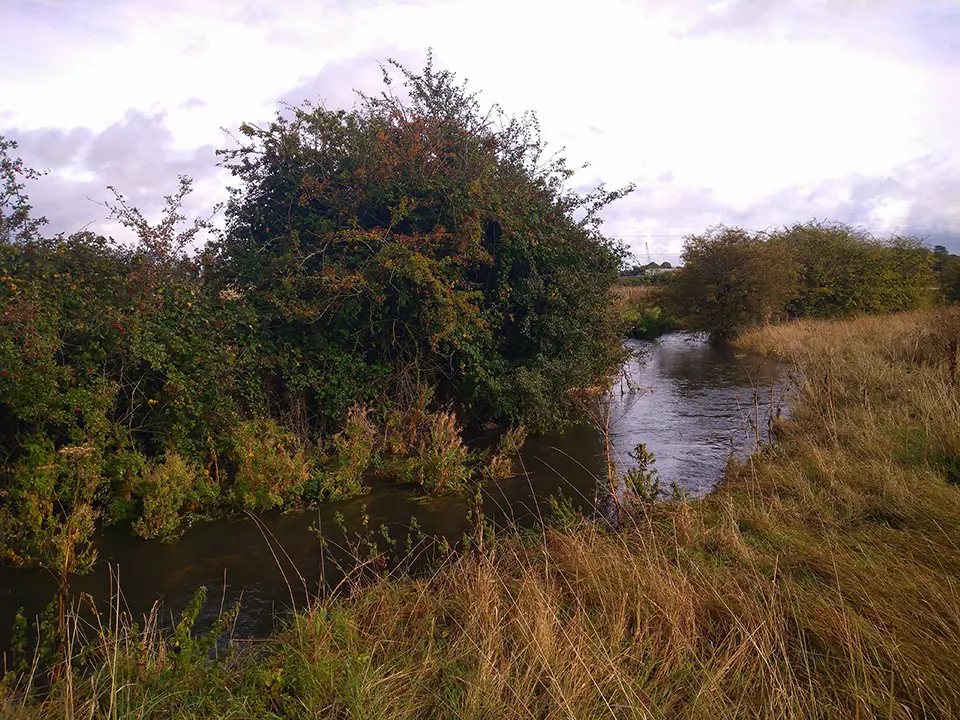
R. J. Bull Environmental Contractors carried out habitat enhancement and floodplain restoration along the River Lea at Water Hall, Bayford. The project was focused on improving ecological function, reducing flood risk and creating a more resilient river and floodplain system through targeted channel restoration, wetland creation and hydrological reconnection. Approximately 200 m of river channel was restored through bed and bank reprofiling, with berms, timber flow deflectors and large woody material installed to restore natural flow processes and increase habitat diversity. Around 3,000 m³ of material was excavated to create two floodplain wetlands and reconnect the river with its floodplain. The restoration has improved river flow dynamics by reducing erosion, enhancing low-flow habitats, increasing channel complexity and providing temporary flood storage. These measures have improved habitats for fish, water voles, birds and invertebrates, demonstrating how integrated river restoration can strengthen biodiversity, ecosystem resilience and natural flood management
Constructed wetland in China for water quality improvement and biodiversity restoration
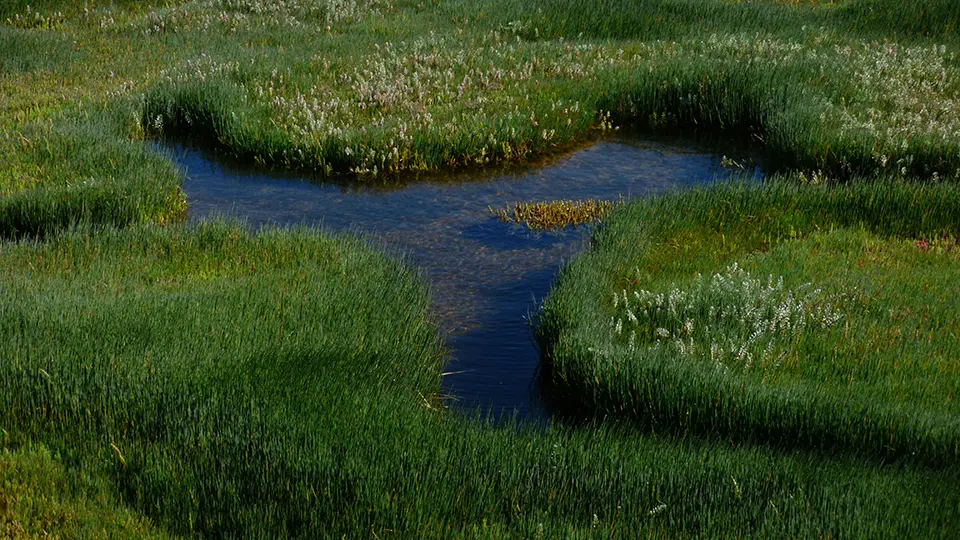
China Power Construction Ecological Environment Group Co., Ltd. has developed an integrated constructed wetland technology to improve water quality, while at the same time restoring freshwater ecosystems. The technology combines pre-sedimentation ecological ponds, subsurface-flow wetlands and aquatic plant ponds in a near-natural cascade treatment design, supported by technologies for preventing wetland clogging and restoring aquatic vegetation. This approach enhances pollutant removal efficiency, while improving the long-term ecological functioning of large-scale constructed wetlands. Applied in projects such as the Fuhe River Estuary Wetland, the technology reduced chemical oxygen demand by 41 percent, ammonia nitrogen by 76 percent and total phosphorus by 54 percent, with 99 percent of treated water meeting surface water standards. Beyond water purification, the project has improved regional ecological conditions, with more stable plant and bird communities, enhanced wetland habitat quality, and recovery of wetland biomass as a resource. The system also provides climate benefits by fixing approximately 12,540 tonnes of CO2 annually
Floodplain reconnection: “The Room for the River” program in the Kingdom of the Netherlands
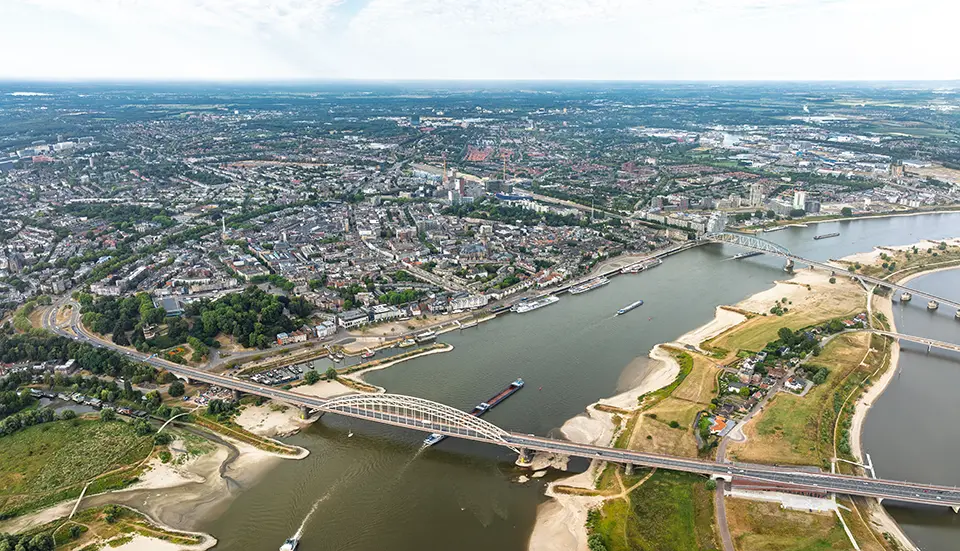
An example of floodplain reconnection technology is the “Room for the River” program in the Kingdom of the Netherlands, in which Royal HaskoningDHV contributed to the design, environmental assessment and implementation of multiple projects. The technologies applied in the program combined hydraulic modelling, landscape engineering and controlled water flow systems in the strategic reconnection of rivers with their floodplains, while managing safety risks. Notable measures included the reconnection of the 4,450-hectare Noordwaard polder in the Rhine–Meuse delta, so that it is able to convey up to 25 percent of the Waal river's flow during a high-water event, and the development of water retention capacity in the 8,300-hectare Lake Volkerak-Zoom, providing storage for up to 200 million m³ of water. These interventions function as multi-purpose landscape systems, where engineered floodplain reconnection is used to combine flood protection with groundwater recharge and wetland habitat restoration, as well as enhance ecological diversity through the re-establishment of natural wet–dry cycles
The following collection of technologies is divided into three groups: Proven technologies have been on the market for some time and hence are well tested, Frontier technologies are available but relatively new, while Horizon technologies are close to being available but still under development.
Proven technology solutions
Spatialized rainfall-runoff simulator
Tenevia
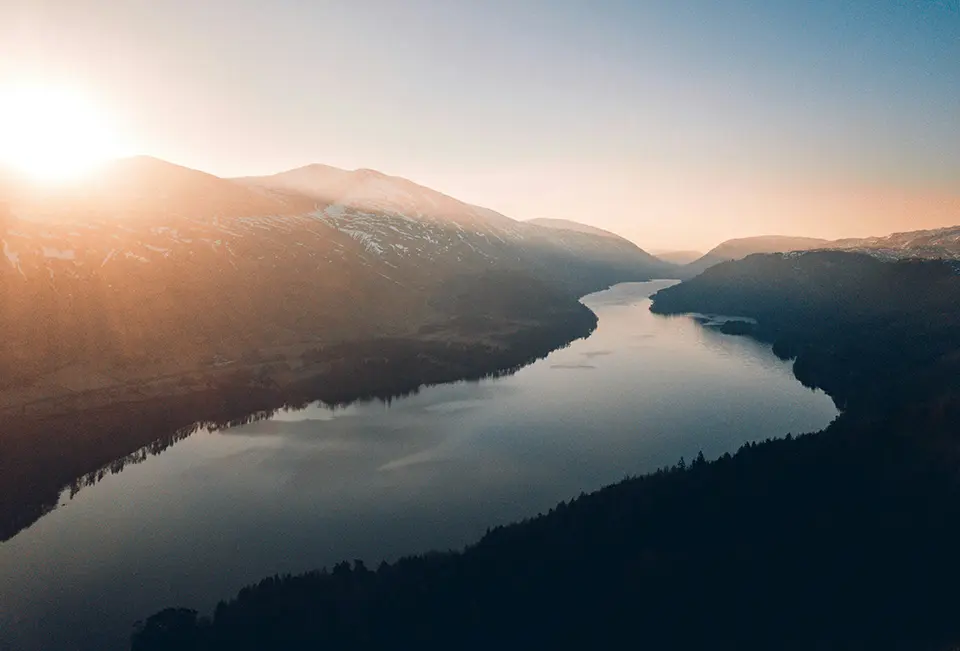
HydroCore® is a spatialized rainfall-runoff simulator that models flow across a catchment, forecasting stream conditions and supporting flood prediction, water resource management and hydropower planning. It integrates spatial rainfall-runoff modelling with observed hydrology to forecast water availability and stream behavior across a landscape. This allows practitioners to anticipate dry versus wet periods and plan interventions, evaluate how changes (restoration works, beaver dams, reforestation) affect flow regimes, and support water resource planning for vegetation, aquatic habitat and sediment transport.
Technological maturity: Proven
Contracting type: For sale
Technology level: High
Place of origin: France
Availability: Worldwide
Contact: WIPO GREEN Database
Contactless radar-based river and channel monitoring
Geolux
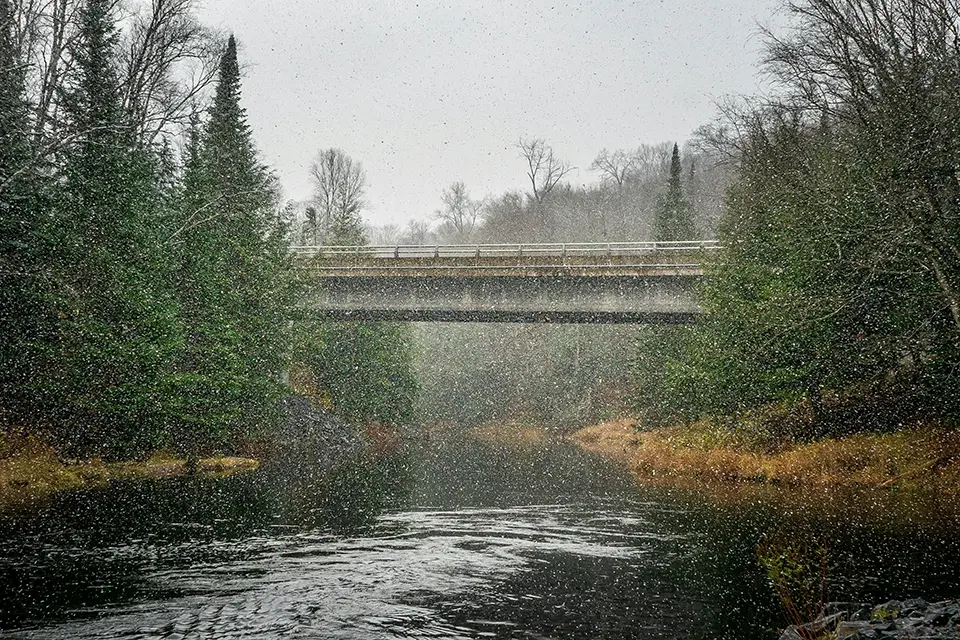
Geolux radar technology combines surface velocity and water level measurements to calculate total discharge (flow rate) internally. It enables the continuous, accurate, contactless monitoring of open-channel flow above the water surface, offering easy installation, low maintenance, compact design and low power consumption. As a result, it is widely used in river and channel monitoring, flood early-warning systems, irrigation networks, hydropower management and urban drainage, with its non-contact approach improving safety, durability and reliability even in harsh conditions.
Technological maturity: Proven
Contracting type: For sale
Technology level: High
Place of origin: Croatia
Availability: Worldwide
Contact: WIPO GREEN Database
Constructed wetland as wastewater solution
Suez
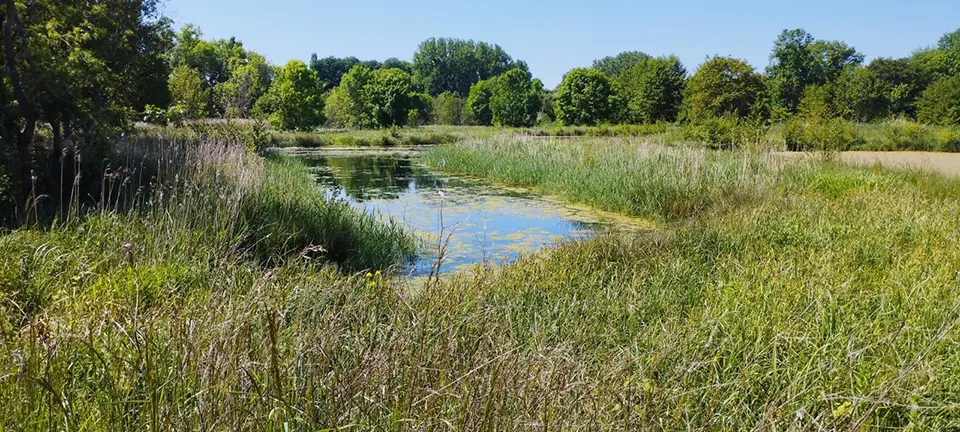
The Dragonfly® Wetland is a nature-based solution for wastewater treatment that utilizes the self-purification capacity of specially designed wetland ecosystems to improve water quality before discharge into the natural environment. Typically located downstream of wastewater treatment plants or stormwater networks, the system consists of a series of vegetated basins where water flows through the plants, microorganisms and sediments that naturally remove suspended solids, nutrients, pathogens and certain micropollutants. In addition to enhancing water quality, the system can support biodiversity by creating wetland habitats and help regulate water flow, contributing to the protection of downstream aquatic ecosystems. The system can be adapted to different sites and scales.
Technological maturity: Proven
Contracting type: For sale
Technology level: High
Place of origin: France
Availability: Worldwide
Contact: WIPO GREEN Database
EcoLog 1000, all-in-one cellular water level station
Ott
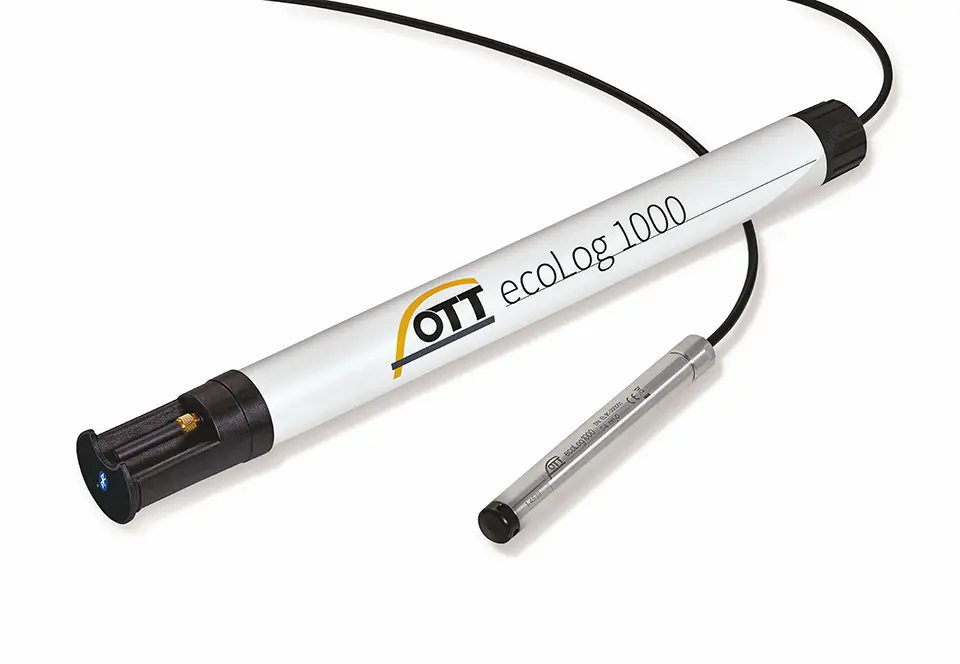
The Ott ecoLog 1000 is an all-in-one water level logging and telemetry system designed for remote hydrological monitoring. It continuously measures water level changes and transmits real-time data via an integrated cellular modem, enabling the long-term observation of hydrological dynamics such as saltwater intrusion and its effects on surrounding wetland vegetation. Built for challenging environments with limited accessibility, the system is designed to operate in harsh conditions, including at high humidity and variable temperatures. Its integrated lithium battery can operate for years without the need for external solar panels or battery banks, while automatic cellular data transmission and remote diagnostics minimize on-site maintenance requirements.
Technological maturity: Proven
Contracting type: For sale
Technology level: High
Place of origin: Germany
Availability: Worldwide
Contact: WIPO GREEN Database
River restoration and ecosystem scenario modelling
Southern Waters Ecological Research and Consulting
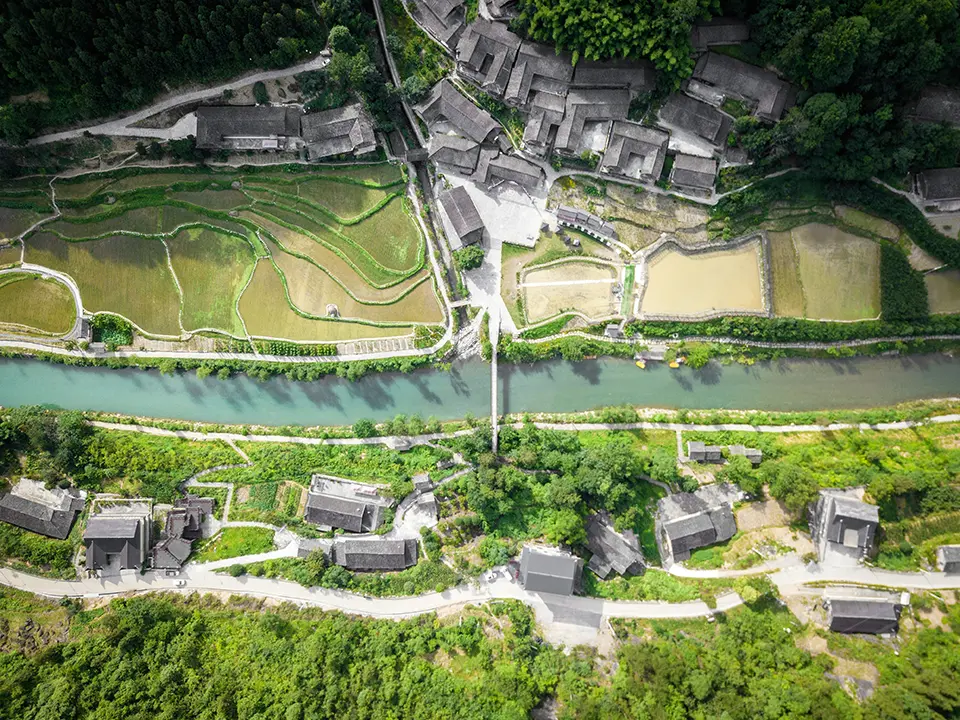
DRIFT is a decision-support modelling platform used to assess the ecological, hydrological and socioeconomic impacts of river management and development scenarios. The software simulates river ecosystems and the interactions among the hydrological, geomorphological, ecological and social factors influencing ecosystem services. It can evaluate the effects of altered flow and sediment regimes, barriers to river connectivity and management interventions on individual ecosystem components and overall river health. By comparing multiple scenarios, DRIFT supports environmental flow assessments, river restoration planning and water resource management, providing a structured framework for assessing potential outcomes and informing stakeholder decision-making.
Technological maturity: Proven
Contracting type: For sale
Technology level: High
Place of origin: South Africa
Availability: Africa, Asia, South America
Contact: WIPO GREEN Database
Environmental flow allocation and water management operations
eWater
eFlow-Predictor is a decision-support tool that assists in the design and evaluation of environmental flow regimes for rivers. The software enables users to develop flow scenarios that meet ecological objectives such as maintaining seasonal base flows and supporting flow events required for ecosystem processes and species life cycles. It can assess multiple environmental flow requirements simultaneously, estimate the additional water needed to achieve target conditions and evaluate the environmental outcomes of alternative flow management strategies. The tool supports river restoration and water resource planning by helping practitioners balance ecological flow needs with water availability and management constraints.
Technological maturity: Proven
Contracting type: For sale
Technology level: High
Place of origin: Australia
Availability: Worldwide
Contact: WIPO GREEN Database
Riparian vegetation restoration
Biohabitats
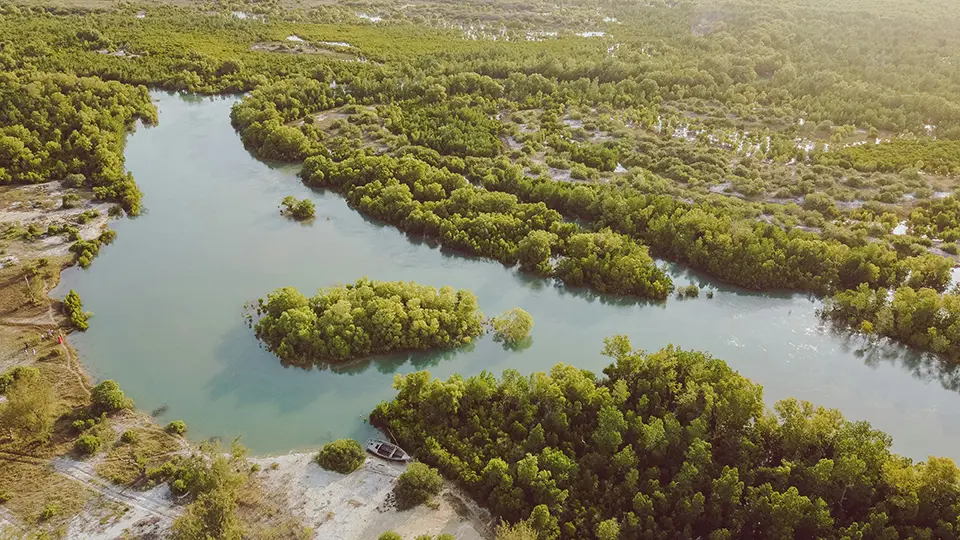
Biohabitats designs and implements riparian restoration projects that re-establish native vegetation along riverbanks, streams, and wetland margins. These vegetated buffer zones help stabilize soils, reduce erosion, filter sediments and pollutants from runoff, improve water quality and support soil moisture retention, contributing to the protection and restoration of wetland ecosystems.
Technological maturity: Proven
Contracting type: For sale
Technology level: High
Place of origin: United States
Availability: Worldwide
Contact: WIPO GREEN Database
Juvenile Salmon Acoustic Telemetry System (JSATS) Acoustic Micro Transmitter (AMT)
Lotek
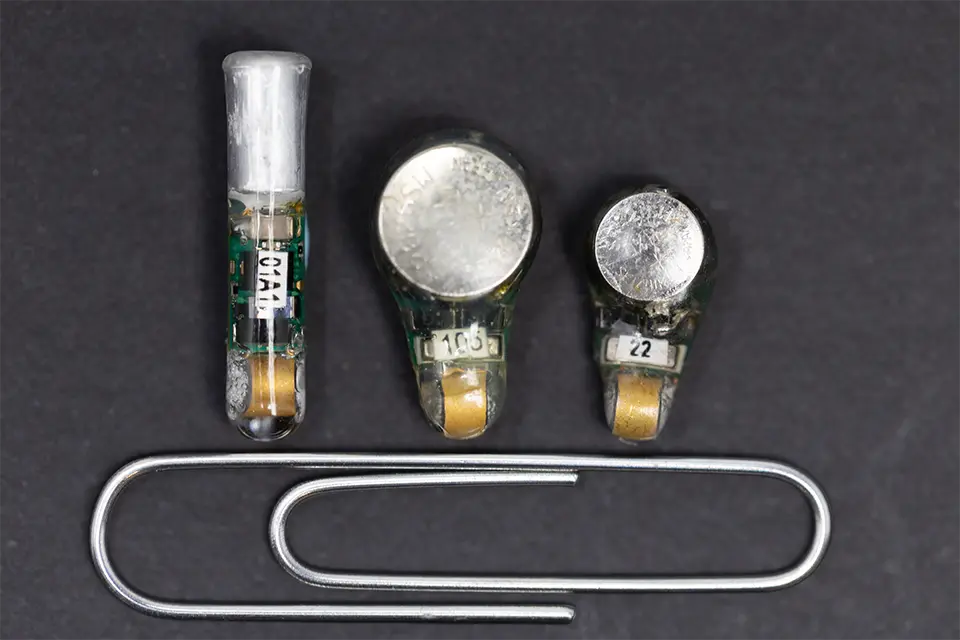
The Acoustic Micro Transmitter (AMT) is a miniature acoustic tagging technology developed to support research on juvenile salmon migration, survival, behavior and fish passage in river systems. Weighing just 0.31 g, the Transmitter minimizes impacts on fish, while having a long operational life. It uses binary phase-shift keying (BPSK) technology to transmit more than 65,000 unique IDs on a single acoustic frequency, enabling accurate, real-time monitoring with minimal signal interference. Compatible with JSATS receiver networks, the system supports the autonomous detection of fish presence and two-dimensional positioning, providing high-resolution data to evaluate river restoration, habitat connectivity and the effectiveness of conservation measures such as fish passages and engineered logjams.
Technological maturity: Proven
Contracting type: For sale
Technology level: High
Place of origin: Canada
Availability: Worldwide
Contact: WIPO GREEN Database
Frontier technology solutions
Wetland Identification Model (WIM)
University of Virginia and Esri
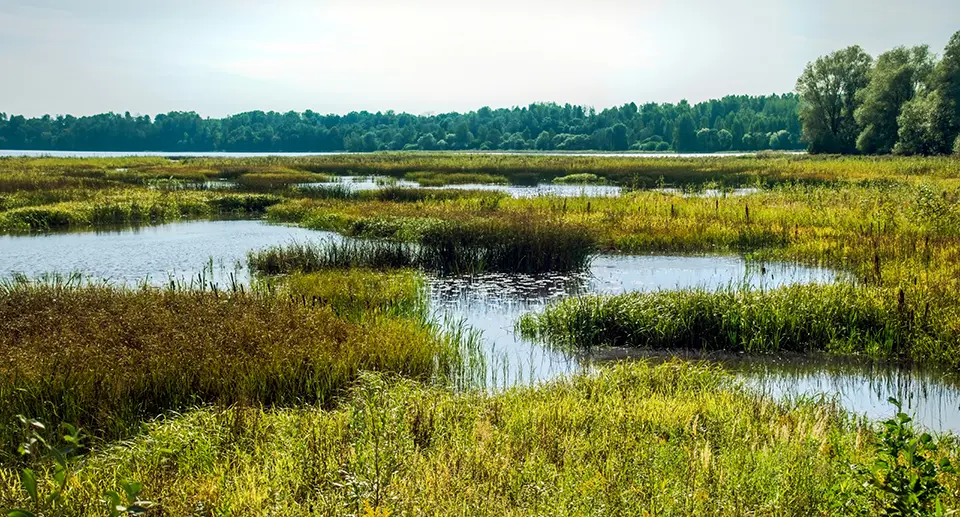
The Wetland Identification Model (WIM) was originally created at the University of Virginia as a python workflow using various open-source libraries such as scikit-learn and GDAL. It was then implemented as a series of Arc Hydro Python Script Tools for ArcGIS Pro, a geographic information system (GIS) desktop application developed by Esri. The WIM derives topographic and hydrological indices from a high-resolution digital elevation model and uses them in a Random Forest classifier to predict the areal extent of wetlands. The model can be used to support wetland field surveying by identifying likely wetland areas.
Technological maturity: Frontier
Contracting type: For sale
Technology level: High
Place of origin: United States
Availability: Worldwide
Contact: WIPO GREEN Database
AI-based platform for peatland monitoring and restoration
Calterra
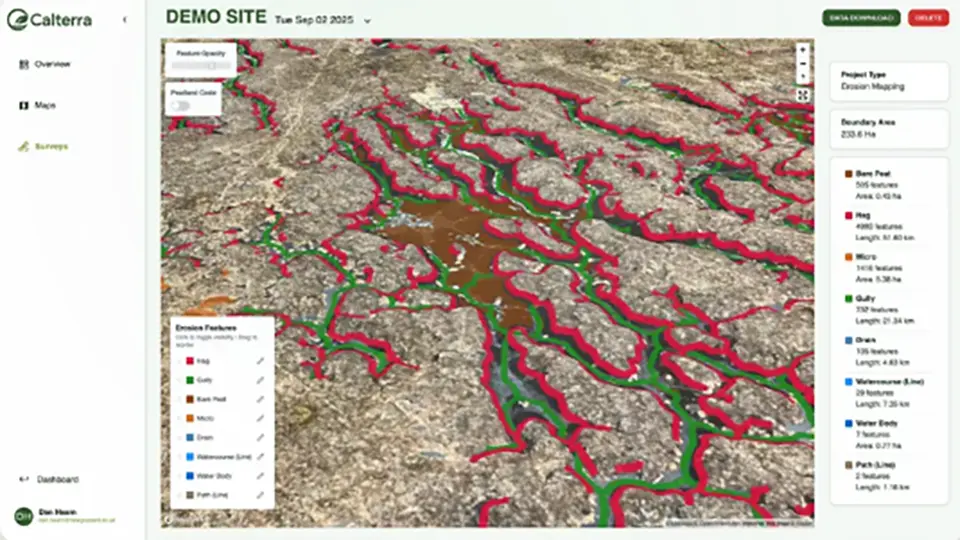
Calterra provides an AI-based platform for peatland restoration planning, monitoring and project management. The platform uses aerial and drone imagery, as well as machine learning, to provide high precision mapping of peatland conditions and assess erosion. The tools include AI-generated restoration plans based on vegetation, hydrological flow, gully metrics and site accessibility data. It can track the real-time monitoring of restoration progress and ecological health. Also it offers data-sharing and visualization, and has collaboration features such as 3D-mapping and monitoring dashboards.
Technological maturity: Frontier
Contracting type: For sale
Technology level: High
Place of origin: United Kingdom
Availability: Worldwide
Contact: WIPO GREEN Database
Geospatial software for watershed analysis and nature-based planning
Scalgo
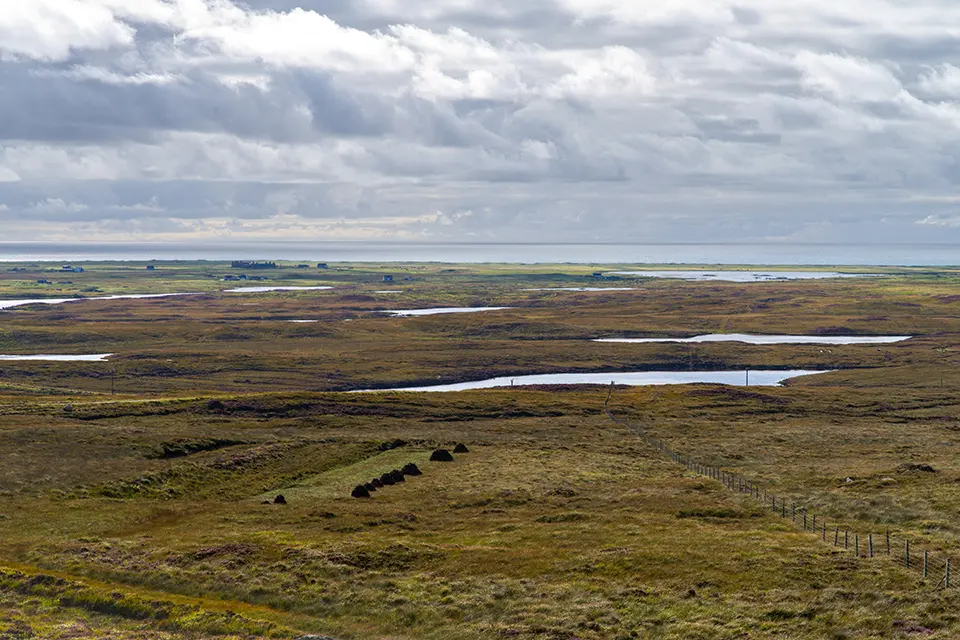
SCALGO develops geospatial analysis software that supports watershed management, peatland restoration and nature-based water management planning. Its platform – SCALGO Live – combines high-resolution terrain data, hydrological modelling, land-use information and soil datasets to help users assess water flow pathways, identify suitable restoration sites and evaluate the impact of interventions such as peat dams, wetland creation, woodland planting and stream re-meandering. The platform also enables terrain modification and scenario analysis, allowing practitioners to estimate water retention, rewetting potential and earthwork requirements during project design.
Technological maturity: Frontier
Contracting type: For sale
Technology level: High
Place of origin: Denmark
Availability: Europe, Northern America
Contact: WIPO GREEN Database
Radar technology to detect peatland movement
Terra Motion Ltd
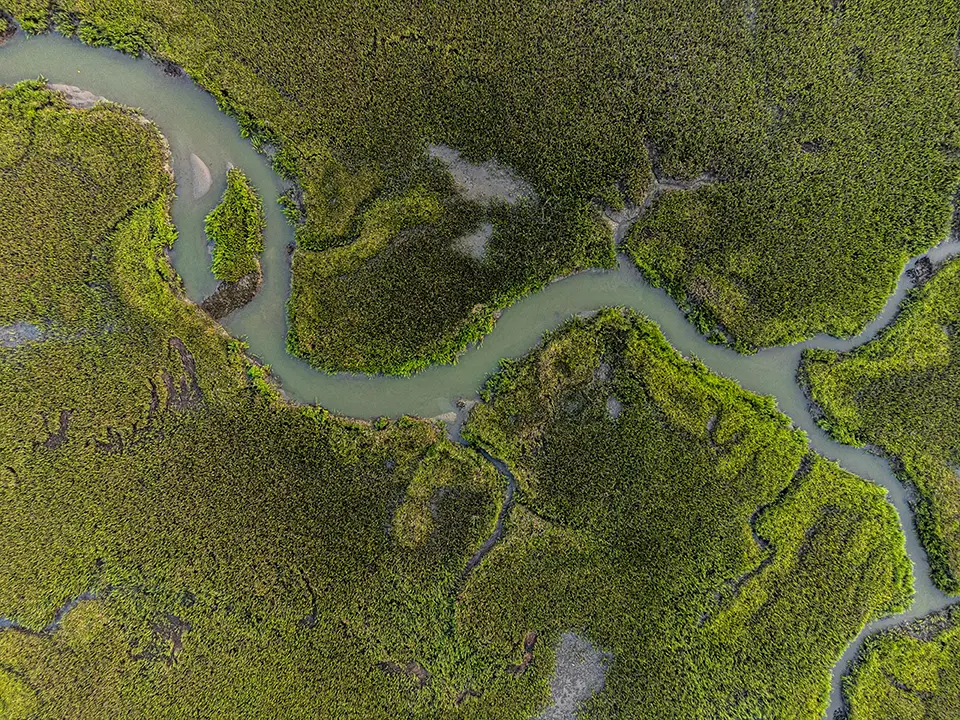
APSIS™ (Advanced Pixel System using Intermittent SBAS) technology, developed in collaboration with the University of Nottingham in the United Kingdom, processes large volumes of satellite radar data using InSAR techniques to detect land surface movement with millimetric precision. The system enables consistent measurement across vegetated and complex terrains without requiring ground control points or reflectors. APSIS™ captures ground deformation ranging from millimeters to several centimeters per year across land types such as agricultural areas, forests, peatlands as well as infrastructure, while its associated applications convert these outputs into environmental and engineering insights for land management and infrastructure monitoring.
Technological maturity: Frontier
Contracting type: For sale
Technology level: High
Place of origin: United Kingdom
Availability: United Kingdom
Contact: WIPO GREEN Database
Real-time river monitoring platform for low flow management
vorteX-io
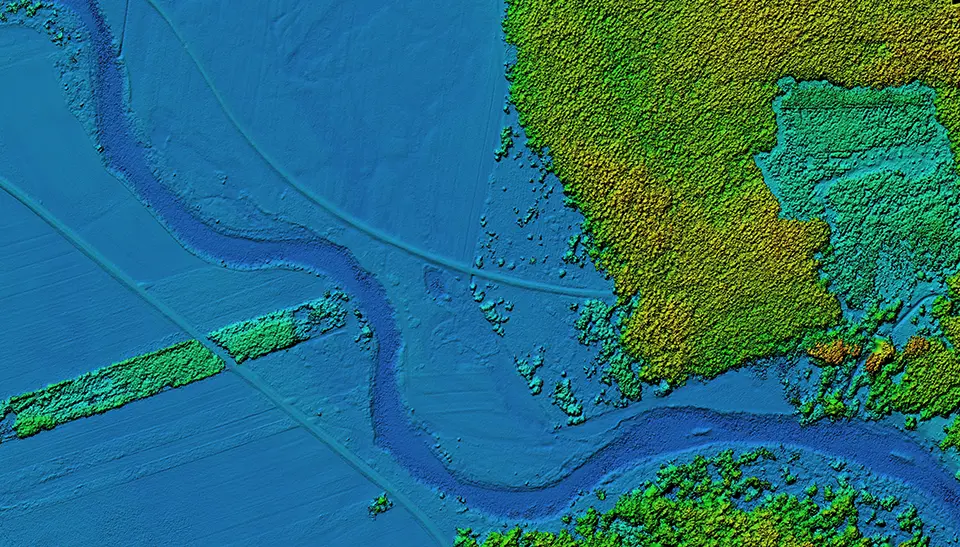
vorteX-io has developed a real-time river monitoring system designed to support water resource management, particularly during low-flow periods. The platform combines LiDAR-based water level measurements, automated river image analysis and hydrological modelling to continuously monitor water levels, surface velocity and flow rates. Data are transmitted in real time to provide a continuous view of hydrological conditions, while historical records help identify seasonal and long-term trends. By coupling measured parameters with calibration curves, the system generates real-time flow estimates, supporting proactive management of water availability and water shortages.
Technological maturity: Frontier
Contracting type: For sale
Technology level: High
Place of origin: France
Availability: Worldwide
Contact: WIPO GREEN Database
AI-powered video monitoring to support river restoration
Vivotek
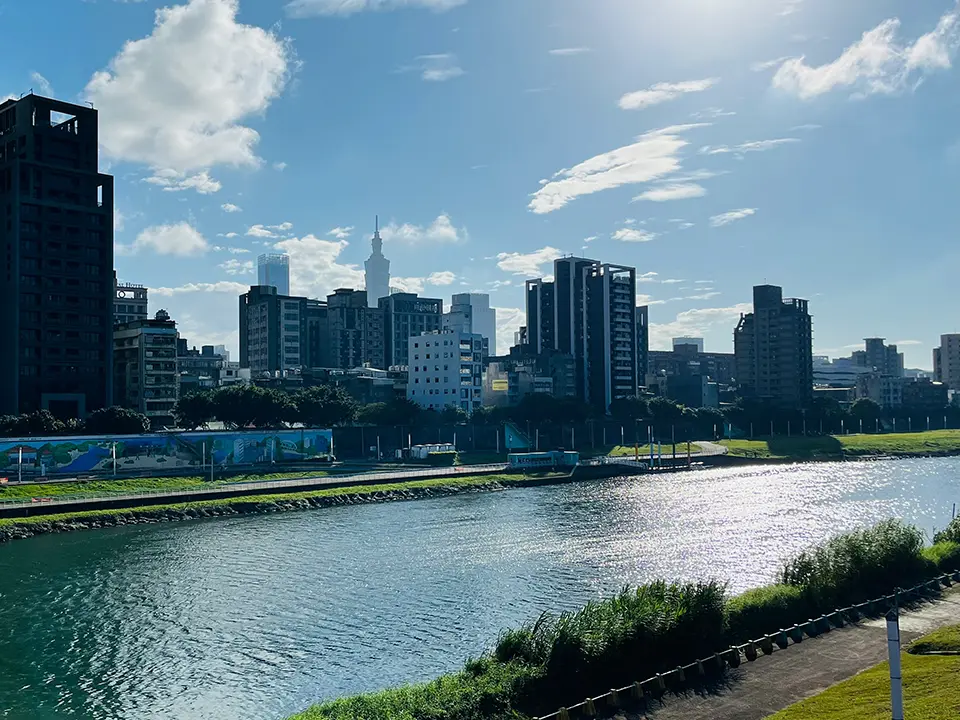
This solution combines a network of high-resolution PTZ (pan-tilt-zoom) cameras with the VORTEX cloud surveillance platform to enable continuous, remote monitoring of the river ecosystem, centralized video management and cloud-based data access in order to improve ecological research and environmental management efficiency. The system allows researchers to observe wildlife around the clock without disturbing natural behavior, replacing field inspections, manual observations and conventional infrared cameras with limited coverage and fixed viewing angles. It also provides real-time information on water levels and environmental conditions, helping authorities detect pollution incidents, monitor environmental change and flood risks during extreme weather. In addition, time-lapse footage and recorded videos are used as educational materials for schools and local communities, helping raise awareness of biodiversity and ecological restoration.
Technological maturity: Frontier
Contracting type: For sale
Technology level: High
Place of origin: Taiwan Province of China
Availability: Worldwide
Contact: WIPO GREEN Database
Horizon technology solutions
Peatland restoration: biomass-storage-in-peatlands for carbon removal
Restore Carbon
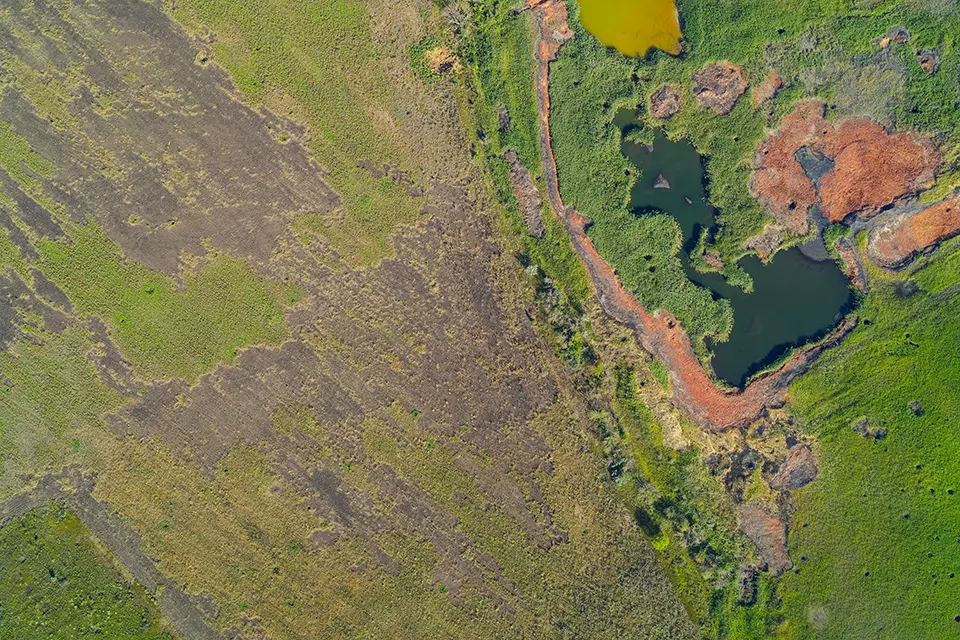
Restore Carbon™ has developed a patented peatland carbon removal approach that involves placing plant biomass below the groundwater table in peat soils where low-oxygen conditions can limit decomposition and support long-term carbon storage. The method aims to enhance carbon sequestration beyond natural peat formation, while contributing to peatland restoration. The company also states that the approach may help reduce soil subsidence and improve soil stability, potentially supporting continued land use in affected areas.
Technological maturity: Horizon
Contracting type: N/A
Technology level: High
Place of origin: Kingdom of the Netherlands
Availability: Under development
Contact: WIPO GREEN Database
Next generation autonomous water monitoring systems
Fluvio
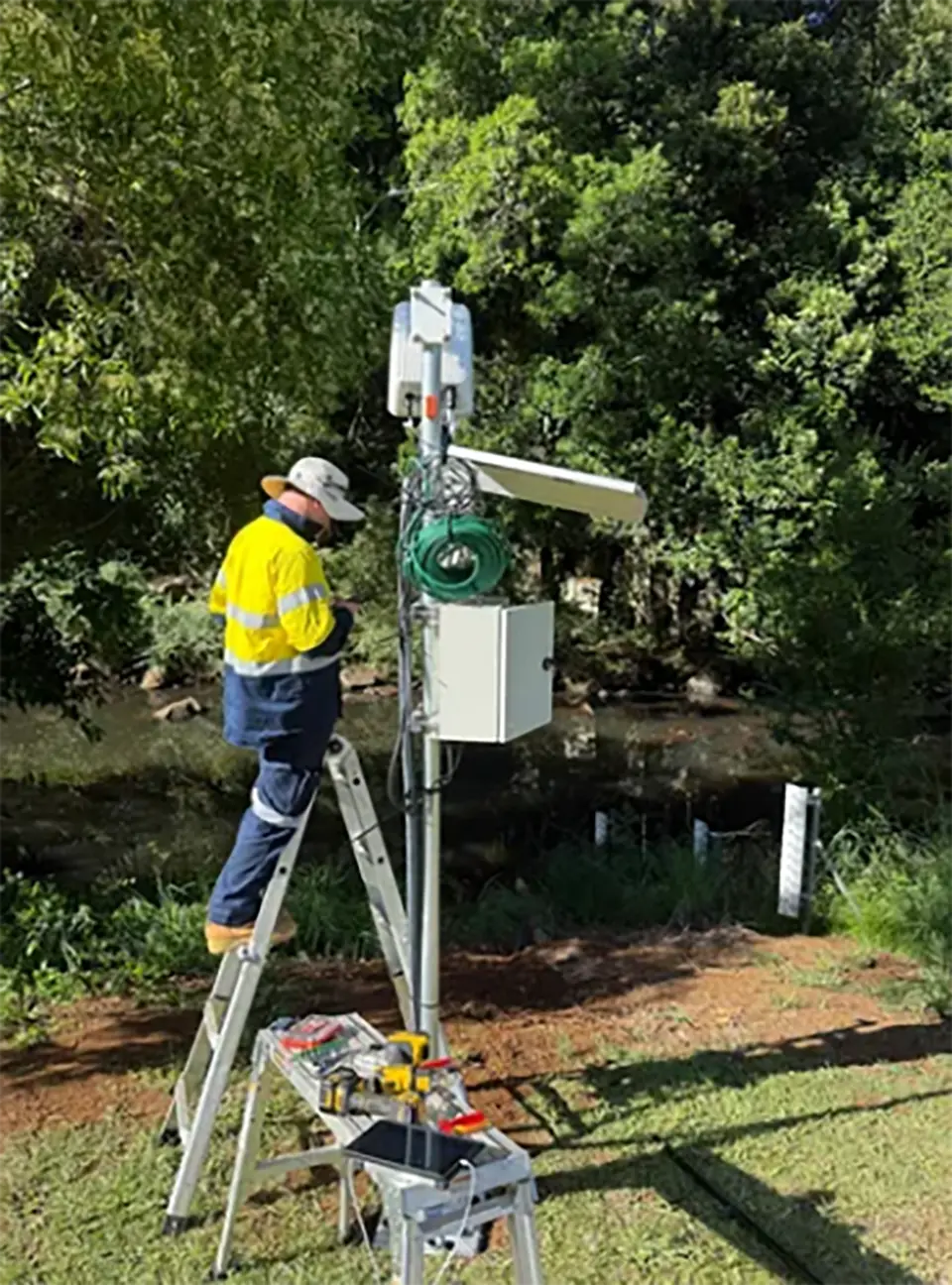
Fluvio is developing a computer vision-based stream gauging system that uses camera imagery, machine learning and cloud-based analytics to estimate water flow and velocity in rivers and streams. The company is currently refining its prototype to develop a commercially available technology for hydrological monitoring. The system is designed to support the remote, continuous monitoring of waterways, providing a cost-effective alternative to conventional gauging methods and reducing the need for field-based measurements. Planned enhancements include validation across a range of waterway conditions, integration of real-time water quality load monitoring, and a cloud-based platform for data storage, visualization and analytics to support water resource management, catchment monitoring and flood risk management.
Technological maturity: Horizon
Contracting type: N/A
Technology level: High
Place of origin: Australia
Availability: Under development
Contact: WIPO GREEN Database
4.2 Heat stress and water quality
Freshwater ecosystems are heavily affected by activities both within the surrounding area and upstream. Urban areas generate large amounts of wastewater; agriculture generates nutrient rich run-off; industry and power plants dispense heated water; and hydropower dams change the character of water bodies. Climate change increases run-off by giving rise to more frequent extreme weather events and warming waters and this affects biological processes within freshwater systems. Together, these factors place freshwater ecosystems under growing stress, making innovation and technology increasingly important for monitoring, mitigating and adapting to these changes.
Nutrient pollution and eutrophication
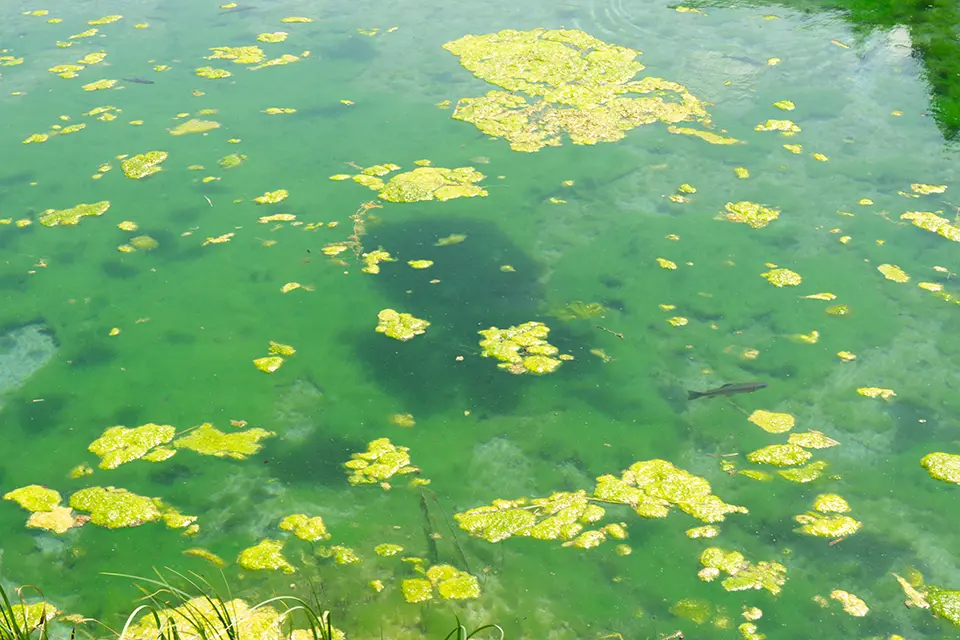
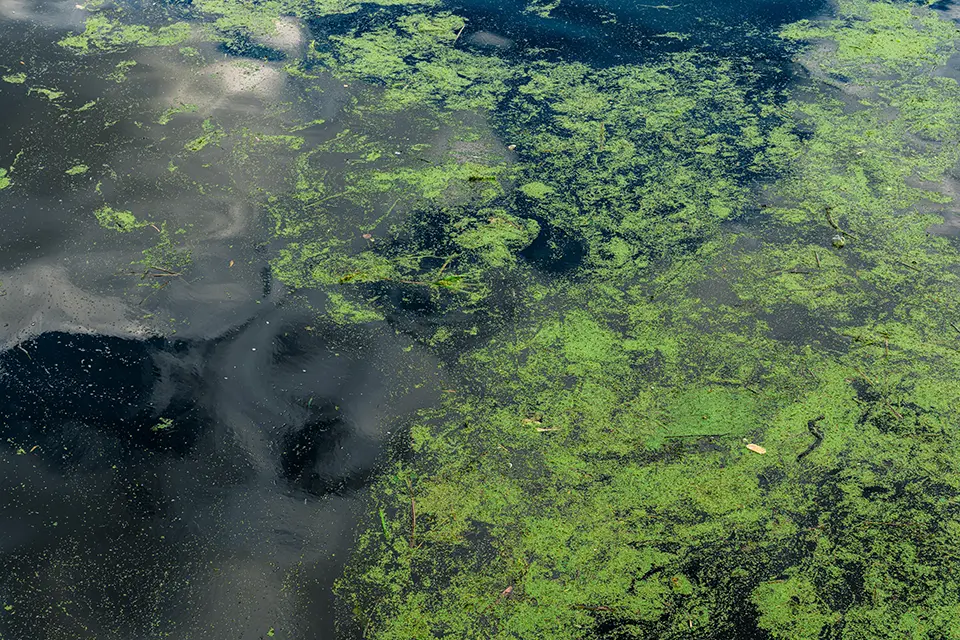
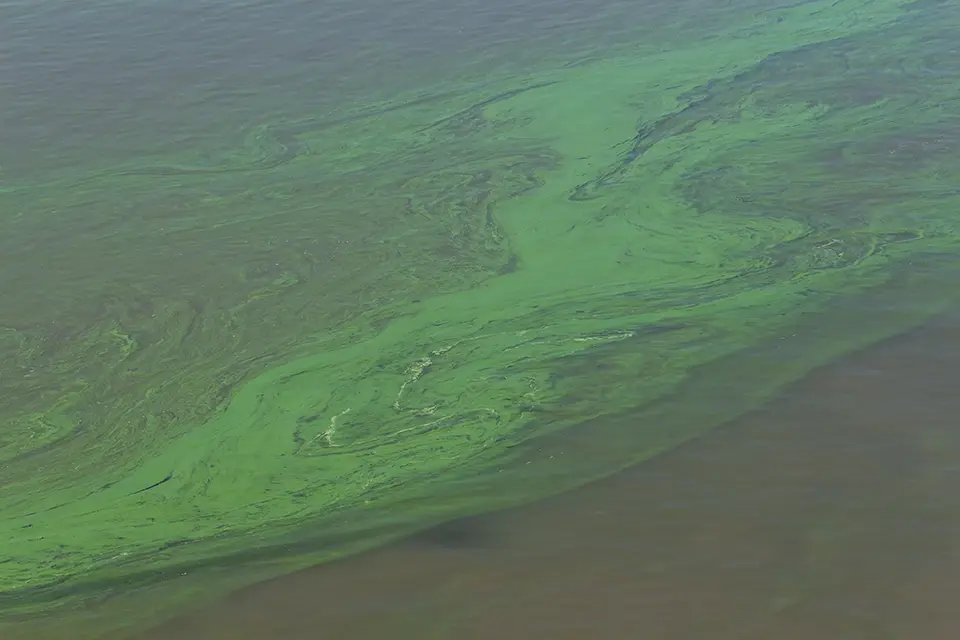
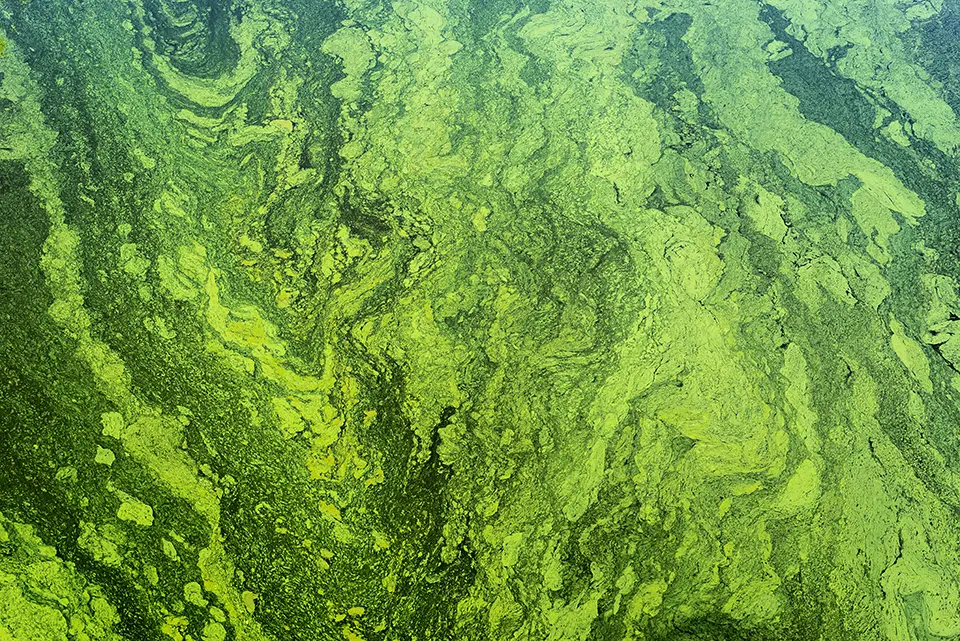
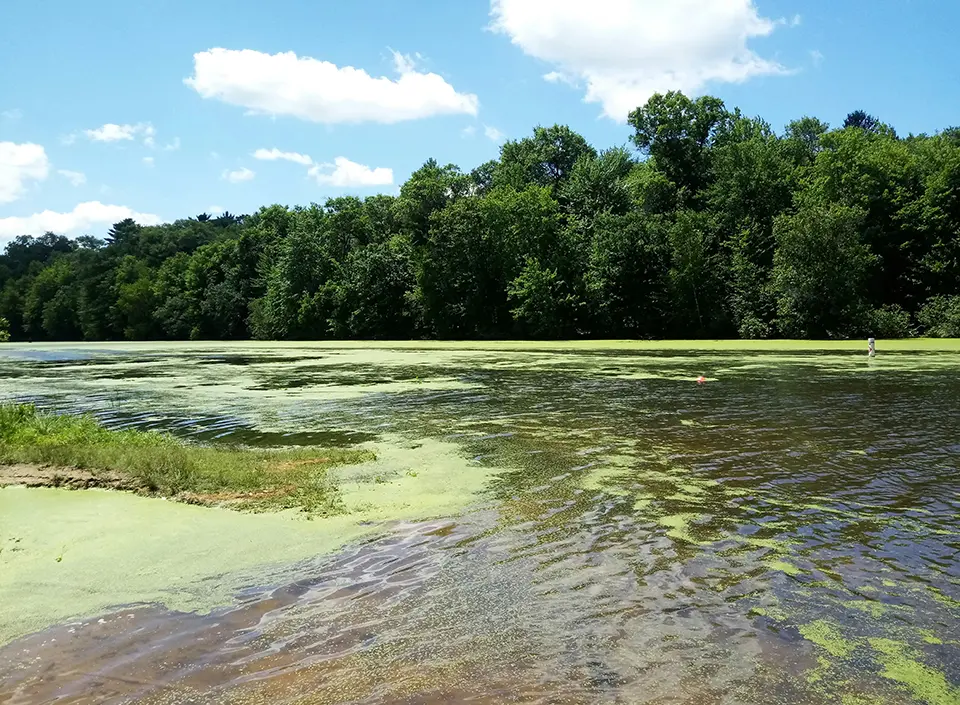
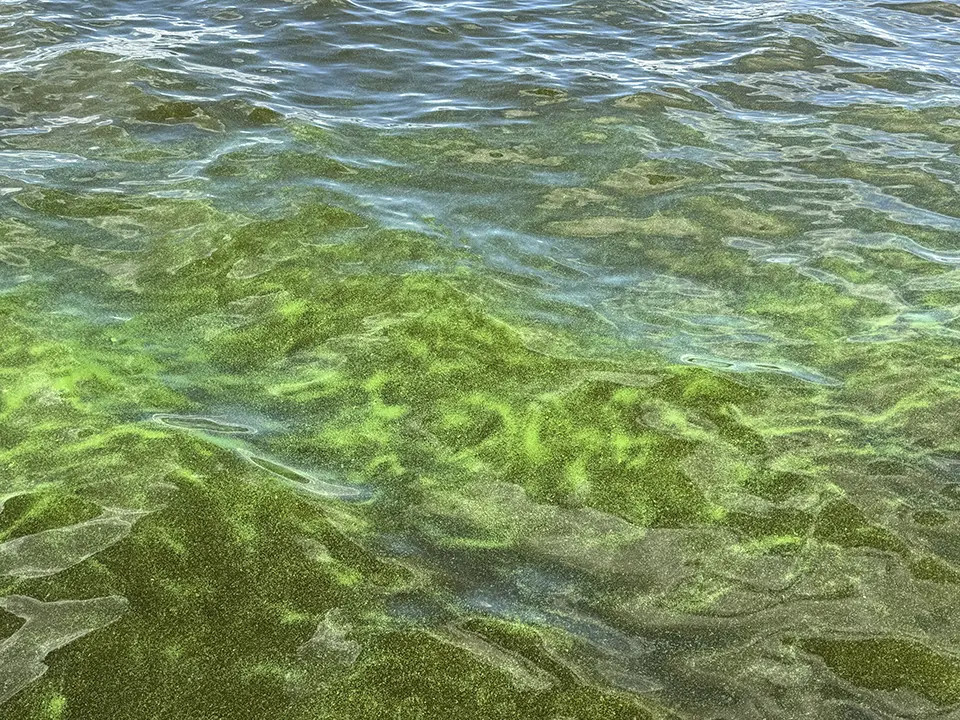
When run-off to rivers and lakes increases through a change to rainfall patterns and extreme weather events, sediment and nutrients carried by the water often concentrates in the recipient areas. Such an influx of nutrients can lead to a sudden rapid increase in the growth of algae and phytoplankton, producing what is known as an algae bloom
The source of the nutrients that produce algae blooms is often surplus fertilizer and manure originating from agricultural land, but it can also be urban runoff and the wastewater and sewage system
Warmer waters serve to accelerate algae growth, especially cyanobacteria, which thrives at temperatures above 25°Celsius, creating the ideal conditions for algae to bloom
Detecting algae blooms and toxic algae
Detecting eutrophication and the presence of cyanobacteria typically relies on a chain of large scale technologies, ranging from satellite images down to microscopic-scale laboratory analyses. Satellite images can detect algae blooms in lakes and to some degree in rivers, and may even be able to identify cyanobacteria by detecting the optical signature of the unique blue pigment found in cyanobacteria called phycocyanin (
Mitigating eutrophication
Eutrophication can be mitigated by either reducing the nutrient content in the wastewater or run-off released into the environment or by altering conditions within the environment itself. In this chapter, we have focused on the rivers and lakes themselves and the technologies to remedy eutrophication, while in general excluding the many technologies available for upstream wastewater treatment. Some of the technologies applied in wastewater treatment plants may, however, also be used in, for example, open lakes and for that reason have been included where relevant.
As mentioned, most of the nutrients causing eutrophication originate from agriculture. Therefore, reducing surplus nutrient run-off, primarily nitrogen and phosphorous, is an obvious starting point for prevention. Simple measures are already implemented by law in many countries; for example, vegetated buffer zones between fertilized fields and waterways, and limits on the quantity and timing of manure application. Constructed or enhanced wetlands where vegetation can slowly absorb nutrient-rich water can be effective measures if the land is available. The application of fertilizer onto fields can be controlled and optimized, making precision agriculture technologies important. GPS-controlled agricultural machines, satellite and drone-derived crop and field images, and soil sensors can all help farmers ensure that fertilizers are applied optimally and that they benefit crops, rather than algae. Some of these solutions have been discussed in the Green Technology Book, Mitigation edition.
Most of the nutrients causing eutrophication originate from agriculture. Therefore, reducing surplus nutrient run-off, primarily nitrogen and phosphorous, is an obvious starting point for prevention
Treating algae bloom
Treatments for algae bloom typically include oxygenation of the deeper layers of water or the application of safe chemicals that bind phosphorus, letting it precipitate to the bottom of a lake where it will form part of the lakebed sediment
Another way of destroying algae is through ultrasound. A number of companies have developed small devices that emit ultrasound which adversely affects the algae, either by breaking down its cell walls or causing it to sink and die through lack of sunlight. Such solutions offer an alternative to chemical treatment and can also be used to reduce biofilm buildup.
Toxic algae can also be removed using Dissolved Air Flotation (DAF). Enhancing its natural buoyancy forces algae to float to the water surface where it be collected and processed. Lakeside processing units use a flocculation treatment to clump the algae together. Micro-bubbles are then injected into the algae clumps forcing them to the surface where they are skimmed off. This method prevents dead algae from sinking to the bottom and releasing toxins. Due to high costs, DAF is most often applied to choke points with a higher concentration of algae or used in polluted tributaries. The algae can be processed into bio crude oil or agricultural fertilizer, thereby reducing costs
Chemical treatment can be effective in reducing nutrient pollution and the resultant eutrophication. But it is only a temporary solution – it will not prevent future algae blooms if nutrients continue to pollute the environment
The more traditional method for controlling algae blooms is to deprive algae of its main nutrient source, namely, phosphorous. This is typically achieved by applying substances to the water that bind to and immobilize phosphorus in the lake sediment. Aluminum sulfate (alum) and lanthanum-modified clay are the most common substances used for this purpose
A more modern alternative to alum is engineered Polyaluminum Chloride (PAC). It works similarly to alum, but does not lower pH, posing less risk to aquatic life while being more efficient. It works by introducing positively charged particles that bind with particles, including phosphorus, suspended in the water column
Phosphorus removal from eutrophicated lakes has been the focus of several research projects. It is a complex challenge. This is because open freshwater ecosystems contain a large volume of water, have ultra-low phosphorus concentrations and sensitive flora and fauna. Any solution must therefore be non-toxic, operate under ambient flow conditions, and extract the phosphorus by physical means, rather than allowing it to sink to the sediment bed. Although removing phosphorous at source, for example, at wastewater treatment plants, is more efficient and likely to be cheaper, it does not address run-off and other non-point sources of pollution. However, several new solutions have emerged from research into phosphorus removal.
Iron nano particles are effective in absorbing phosphorous when they oxidize but may have adverse impacts on aquatic life ingesting the particles. Using magnetized micro or nano particles such as magnetic chitosan (a biopolymer sourced from recycled crustacean shells) allows for recuperation of the particles by applying a magnet after phosphorous absorption. Like this, the particles are removed from the ecosystem and may even be reused, thus lowering operation costs
Sediment microbial fuel cell (sMFC) technology has been tested in Denmark as a highly efficient method for immobilizing and reducing phosphate concentrations in the water column by up to 94 percent. A durable steel mesh containing anodes is deposited on the sediment with a cathode mesh suspended in the overlying water layers. Through the action of naturally occurring electroactive bacteria (exoelectrogen) growing on the anode mesh, the structure creates a low-voltage steady electric current that draws electrons out of the sediment and creates the chemical condition for the oxidization of iron ions, enabling them to bind dissolved phosphates
In smaller water bodies, algae and weed (which also thrives at higher phosphorus levels) can be removed mechanically using specialized boats and autonomous drones. The collected biomass can then be converted into useful products such as foam and rubber for shoes.
Sediment run-off also affects freshwater ecosystems
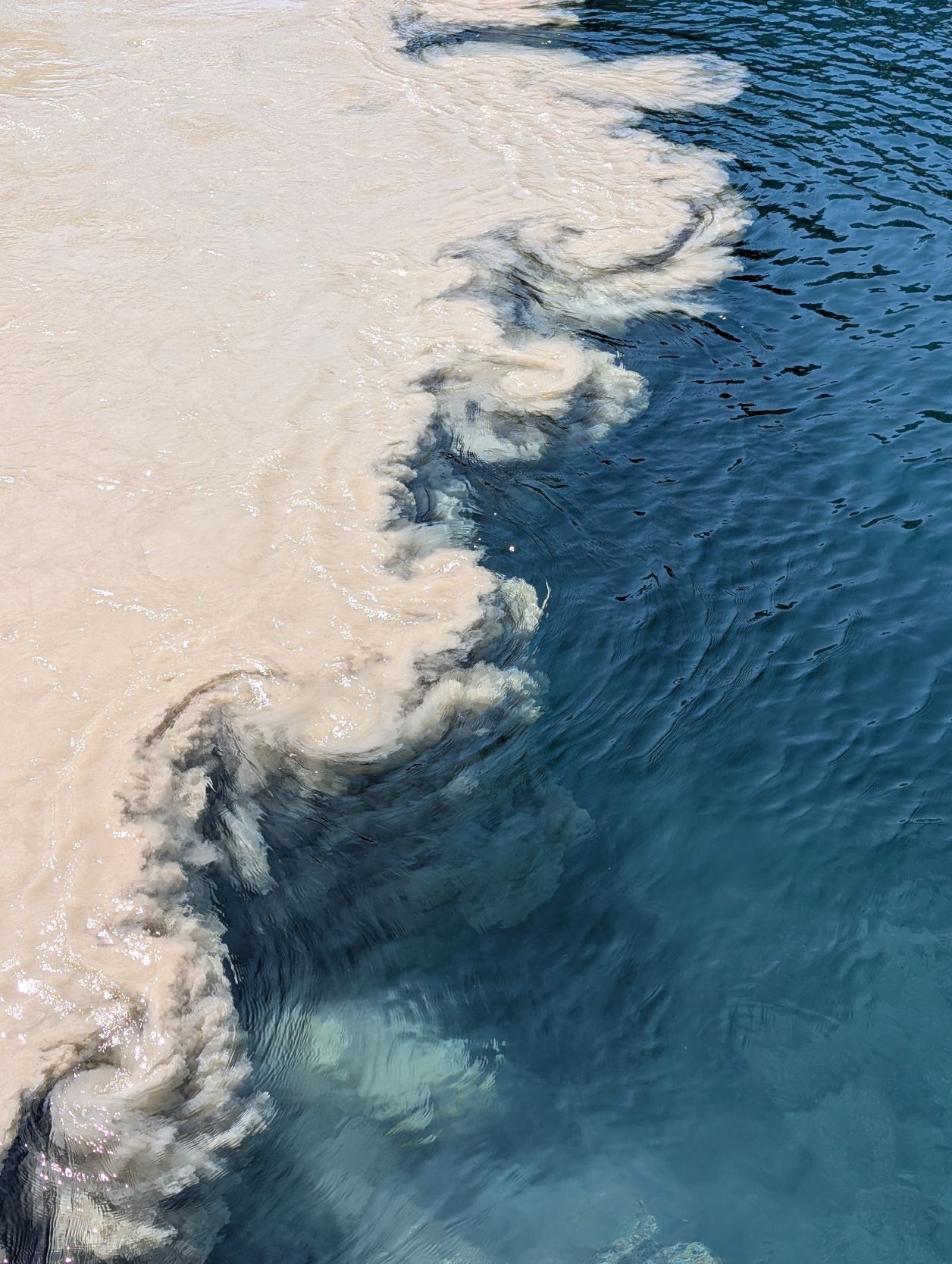
With increased run-off from land into aquatic systems the result of more extreme weather events, large amounts of suspended solids, such as soil, silt, sand and clay particles, are brought into the ecosystem. While this is a natural phenomenon, larger and more sudden events may have a detrimental effect on aquatic systems. The sediment is likely to block out sunlight, at least temporarily, affecting the aquatic life that depends upon it and thereby depleting oxygen. When the sediment settles on the bottom, it may over lay and alter the habitat. Insects may suffocate and fish suffer gill damage. Water birds preying on freshwater species may no longer be able to see and catch prey, and the sediment may introduce various pollutants and toxic substances, such as heavy metals, motor oil and pesticides, into the food chain. The high sediment content of turbid waters can also have a warming effect by absorbing the sun’s infrared heat and releasing it into the water (
Warming freshwater and impacts on animals and plants
Freshwater warming due to climate change represents a fundamental threat to many aquatic species for several reasons. Warmer water holds less dissolved oxygen and since all freshwater fish, amphibians and insects are cold-blooded their body temperature, and hence their metabolism increases. It has been found that, in general, the metabolism of cold-blooded animals doubles for every 10°Celsius rise in temperature
The high sediment content of turbid waters can produce a warming effect by absorbing the sun’s infrared heat and releasing it into the water
Some fish species are especially vulnerable to warming, because they depend on cool, oxygen-rich surface water. When this becomes scarce, fish have to move to deeper, cooler water, which is often low in oxygen during summer. This can make otherwise suitable habitats unhospitable for species such as trout, salmon and char. Prolonged oxygen depletion in deeper water can also convert naturally occurring mercury into the neurotoxin methylmercury, which then accumulates in the food chain
Warming water may also disrupt the reproductive cycle of aquatic life, as abnormally warmer temperatures can trigger mating, causing the season to begin too early. This may in turn affect the timing of other species that depend on a particular food source at a specific stage of their life cycle. Of particular concern are long-distance migratory waterbirds (e.g., ducks, geese, wading birds) whose seasonal migratory patterns are determined by length of day, whereas the reproductive cycles of their freshwater prey, which are cold-blooded, are controlled by changes in temperature. Migratory birds may therefore arrive too late to benefit fully from this critical feed source on their journey to summer breeding grounds, potentially adversely affecting their own reproductive success (
Temperature may also impact egg development in female fish, especially in cold water, where warm water can result in sterile or mutated eggs. For some fish species, such as tilapia and catfish, sex determination is impacted by temperature, with changes in temperature potentially leading to sex imbalances. During summer when river water levels are lower, stretches of shallow water may warm up and effectively create a migration barrier for cold-water fish, preventing them from reaching their spawning grounds upstream. Warmer water in rivers and lakes can hence produce a fundamental change in ecosystem dynamics (
Aquatic plants are also affected by warming waters. Rooted plants may find warmer waters beneficial for growth, but be hampered by algae bloom limiting the available light. Reduced winter ice cover that allows more light to penetrate the water, in combination with the water being warmer, may also serve to disrupt the seasonal life cycles of plants.
Several technology solutions to the temperature issues described are the same as those for eutrophication, in the sense that they feed oxygen to the deeper areas of lakes and monitor environmental parameters in real-time using buoys or remote sensing. There is also the option to cool the waters, for example, through the planned release of cold water drawn from the bottom of hydropower dams or by reducing the amount of hot water released into the environment from power plants and industrial cooling systems. For more localized problems, one solution is to pump up and release cold groundwater into important fish refuge areas during a heatwave. Planting trees that shade the riverbank is a simple nature-based solution. An interesting technology rapidly gaining popularity to help lakes and reservoirs stay cool are photovoltaic panels that float, so-called floatovoltaics. By blocking sunlight, they lower the water temperature and limit evaporation, and may also reduce algae growth. The resultant cooler environment also has the effect of increasing the efficiency of the panels. In order to reduce any negative effects on the ecosystem, it is recommended that the panels should cover no more than between 10–30 percent of the water’s surface.
Warmer water in rivers and lakes can represent a fundamental change in ecosystem dynamics
Another approach is to increase fish tolerance to warmer water. Selective breeding, supported by genomic sequencing to identify those fish possessing the desired inheritable traits, such as heat tolerance and resistance to disease and lice, is being used in aquaculture and hatchery breeding programs. Genetic editing of genes related to cellular stress and metabolism is also being explored, but faces significant regulatory constraints intended to protect ecosystems and wildlife. Aquaculture genetics is a growing technology field driven by fish farmers confronted by warming waters and the potential for substantial financial losses. In respect to conservation, technologies such as these may become a last resort for protecting endangered species from the effects of climate change.
Invading threats to warming freshwater ecosystems
When native aquatic species become heat stressed and weaker they may be displaced by invading species better adapted to warmer conditions. Examples of the latter group include carb and zebra mussels, which are able to tolerate warmer water of a poorer quality. Some invasive species are introduced into the environment after having escaped from aquaculture and water gardens during flooding, while the reservoirs for hydropower dams are a hotspot for others
The water hyacinth is an example of an invasive species that is causing major environmental problems in freshwater ecosystems. Originally imported from the Amazon basin as an ornamental plant, it soon escaped into the wild where it spread rapidly due to its ability to grow extremely fast. These floating plants form a massive and dense mat over the surface of waters, blocking out sunlight and preventing wind from mixing the water, resulting in oxygen depletion and dead zones for aquatic life. It also dramatically increases evapotranspiration, leading to water loss and creating ideal an breeding ground for mosquitoes. The spread of the water hyacinth is exacerbated by warming waters and the availability of nutrients, and climate change is enabling it to extend into climate zones previously too cold in winter for it to survive. Physical removal of the plants is the most environmentally sound way of combatting this species (
Fungi and some diseases spread faster and become more virulent in warmer waters, accelerating the life cycles of pathogens and parasites. Examples include the Chytrid fungus, which has caused mass extinctions of frogs in the highlands of the American tropics; the flesh-eating bacteria Aeromonas which attacks fish; and the parasite Myxobolus cerebralis, which attacks the spine of trout, causing whirling disease (
Innovation examples
Floating solar panels in the Hapcheon Reservoir in the Republic of Korea helps mitigate eutrophication
Hapcheon Dam reservoir, Hanwha
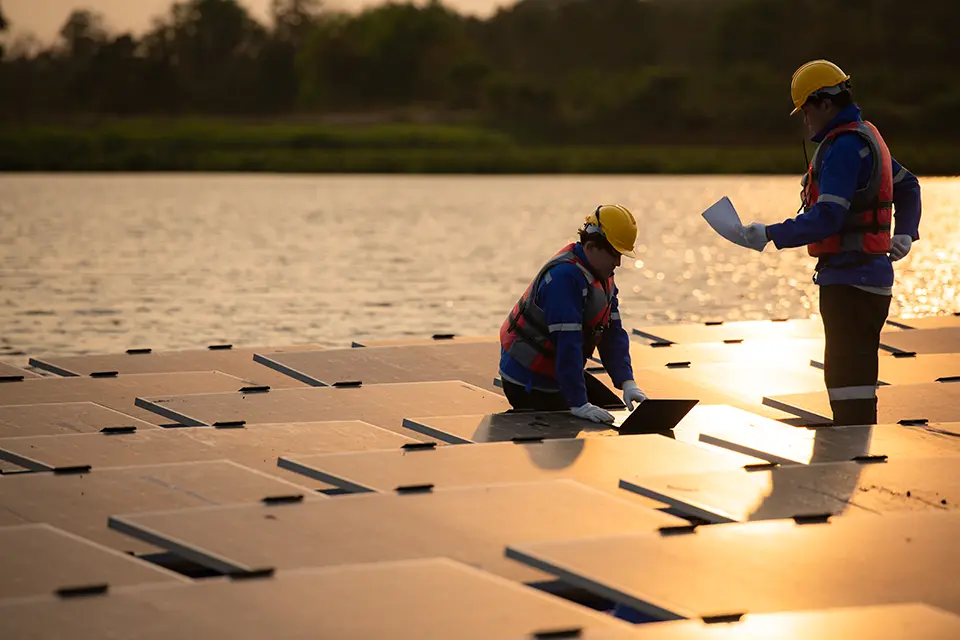
Hanwha Qcells deployed a massive 41.5-megawatt floating solar power plant on the Republic of Korea’s Hapcheon Dam reservoir. Arranged in the shape of plum blossom, the project highlights the advanced technological and ecological capabilities of floating solar panels. Technologically, the project utilizes specialized Qcells solar modules engineered strictly for an aquatic environment. The panels are constructed using lead-free, eco-friendly alloys and highly moisture-resistant components to guarantee that they do not leach heavy metals into the reservoir's water supply over their operational lifespan. Crucially, the Hapcheon Dam project functions as an active ecological management tool. The sprawling floating array acts as a targeted shade canopy across the water. By blocking intense ultraviolet sunlight, the technology helps inhibit the explosive growth of harmful algae that historically plagued the reservoir during the summer. This suppression of toxic algal blooms prevents eutrophication and helps maintain healthy dissolved oxygen levels. Furthermore, the buoyant structures below the surface provide a safe, shaded habitat that encourages native fish to spawn. Ultimately, the project demonstrates how advanced floating technology can generate high-efficiency renewable energy, while simultaneously protecting and restoring the ecosystem of a major freshwater reservoir. Contact: WIPO GREEN Database.
Pulse release of cold water from deep hydropower reservoir breaks down thermal blockades preventing salmon migration
U.S. Army Corps of Engineers, Northwest Power and Conservation Council, Nez Perce Tribe DFRM
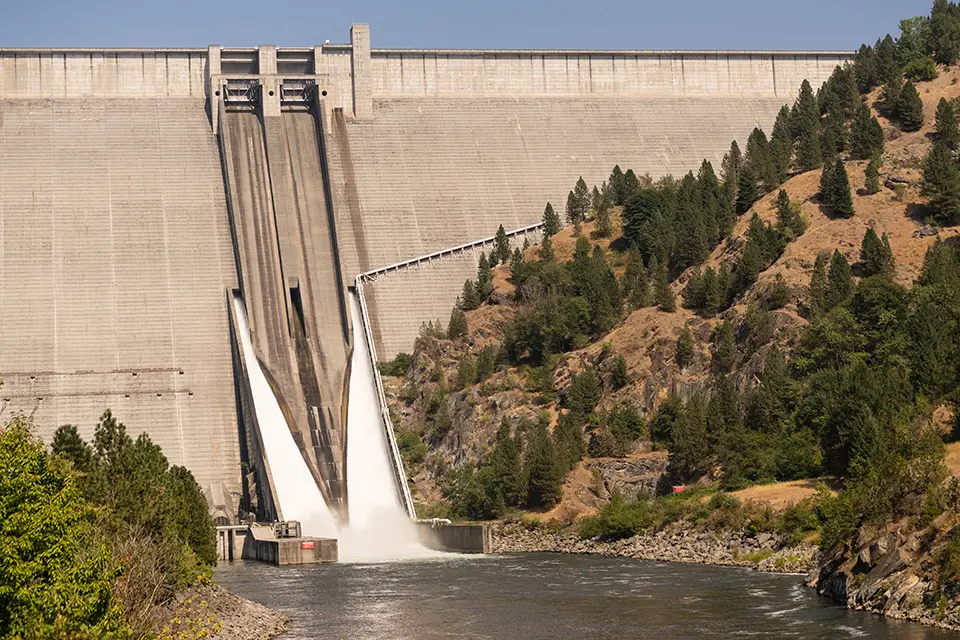
Summer heatwaves frequently create lethal “thermal blockades” in Idaho’s Snake and Clearwater rivers, pushing water temperatures above the 20°Celsius threshold. At these temperatures, migrating endangered sockeye and chinook salmon face extreme physiological stress and mass mortality. To prevent this, the US Army Corps of Engineers utilizes Dworshak Dam as a massive climate-adaptation tool for artificially chilling the river system. As detailed by the Northwest Power and Conservation Council, Dworshak Dam is equipped with specialized, multi-level “selector gates.” These unique mechanical gates allow engineers to bypass the sun-heated surface water and instead draw frigid, 6°Celsius water from deep within the reservoir's bottom layer. By analyzing data from real-time river temperature sensors and weather forecasts, engineers precisely time the release of this deep-water. The targeted cold-water releases – or “pulses” – augment the rivers’ natural flow and drastically lower downstream temperatures for dozens of miles. By breaking the thermal barrier exactly when the river is at its hottest, this technological intervention creates a vital cold-water corridor, ensuring that migrating salmon survive the extreme heat and successfully complete their upstream journey to spawn.
The following collection of technologies is divided into three groups: Proven technologies have been on the market for some time and hence are well tested., Frontier technologies are available but relatively new, while Horizon technologies are close to being available but still under development.
Proven technology solutions
Ultrasound clicks for algae control
ClickSonic
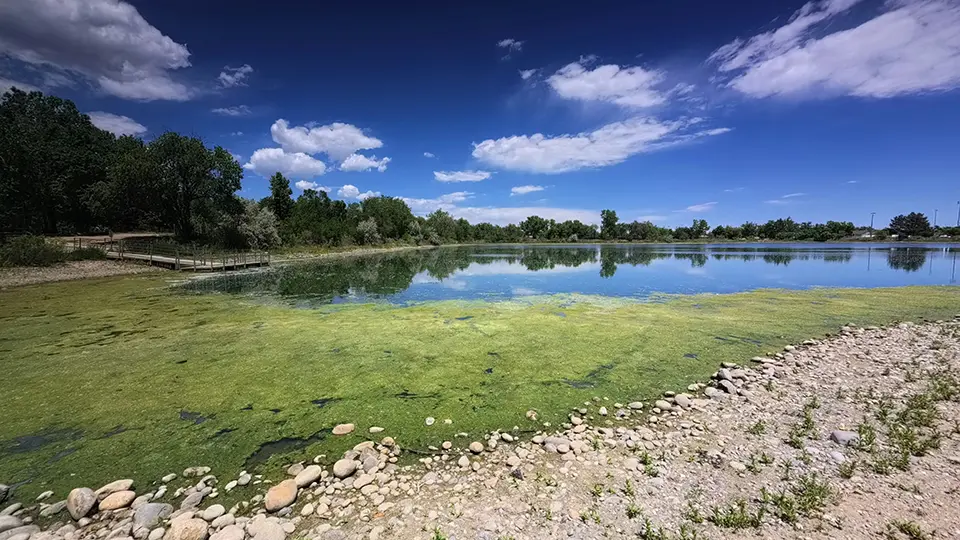
Instead of broad-spectrum waves, the G-Sonic emits targeted, high-frequency “click” sound signals underwater. These precise vibrations cause the gas vacuoles inside the algae cells to resonate and tear, causing them to lose buoyancy and sink to the bottom and die naturally. Operating at low voltage (12–24V DC or 230V AC), the energy-efficient G-Sonic line is designed for eco-compliance. It effectively treats biofilms and blooms, while remaining completely safe for fish, amphibians, water plants and aquatic wildlife.
Technological maturity: Proven
Contracting type: Sale
Technology level: Medium
Place of origin: Germany
Availability: Worldwide
Contact: WIPO GREEN Database
Precise, targeted ultrasound waves for algae bloom control
Lake Aid
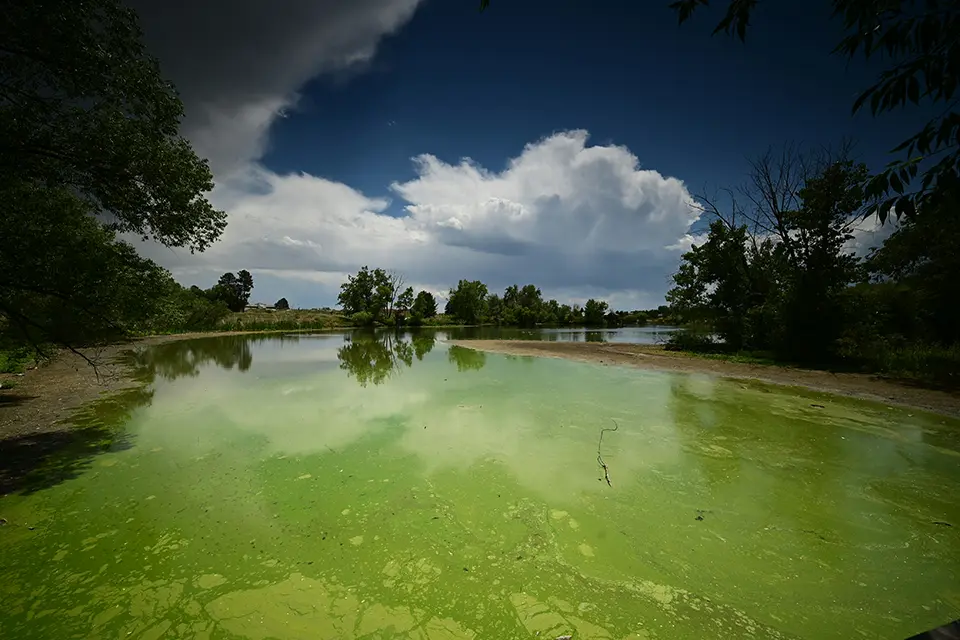
The Cell Buster series, engineered by the UK-based A.G.A. Group, is a chemical-free, ecologically conscious ultrasonic solution designed to combat severe blue-green and filamentous algal blooms. The technology focuses on structural disruption, rather than cellular destruction. By broadcasting precise, low-power ultrasound waves through the water column, it targets the internal gas vacuoles of the algae. This specific vibration causes the vacuoles to collapse, stripping the organisms of their buoyancy. As a result, the algae sink to the dark bottom of the water body, where they are safely starved of sunlight and die naturally. Crucially, by keeping the outer cell walls intact, the system prevents the sudden, dangerous release of toxic cyanotoxins into the water.
Technological maturity: Proven
Contracting type: Sale
Technology level: Medium
Place of origin: United Kingdom
Availability: United Kingdom
Contact: WIPO GREEN Database
Ultrasonic algae removal device
Beijing OKSUltrasonic Group
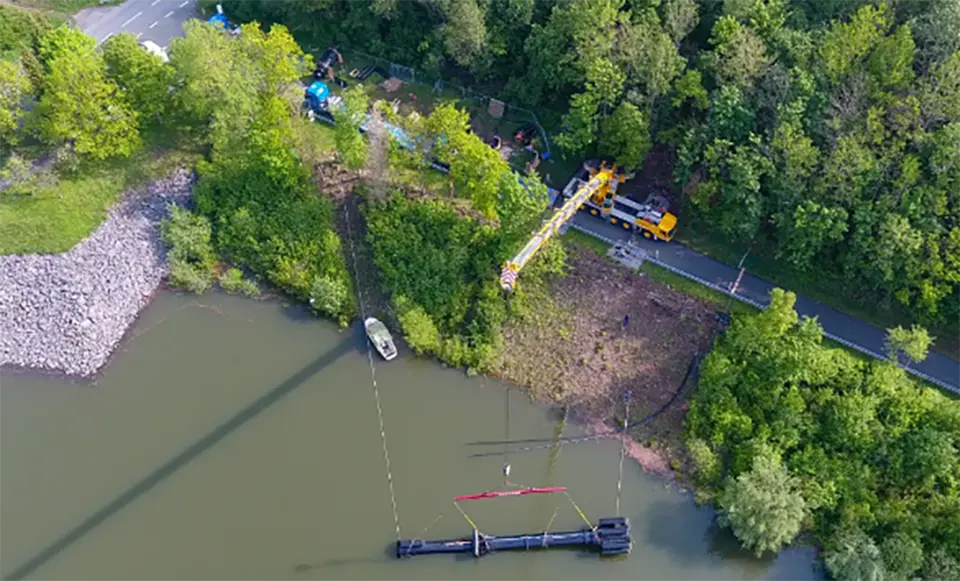
The company’s ultrasonic algae removal device is a specialized industrial tool designed for swimming pools, fish ponds, lakes and wastewater treatment plants. It utilizes high-frequency pulse waves (28–42kHz) to create cavitation, which disrupts algal cell walls, enzymes and gas vesicles. The resonance effect produced forces algae to sink and die naturally without secondary pollution. The system features automatic frequency tracking and a bending vibration mode, achieving over 85 percent algae removal within 15 days. Available in 60W and 100W models with effective radiation ranges up to 50 meters, the device is marketed as a cost-effective, low-maintenance solution – reportedly costing only 8 percent of traditional chemical methods – and remains safe for human and aquatic life.
Technological maturity: Proven
Contracting type: Sale
Technology level: Medium
Place of origin: China
Availability: Worldwide
Contact: WIPO GREEN Database
Deepwater lake oxygenation
Polycon GmbH
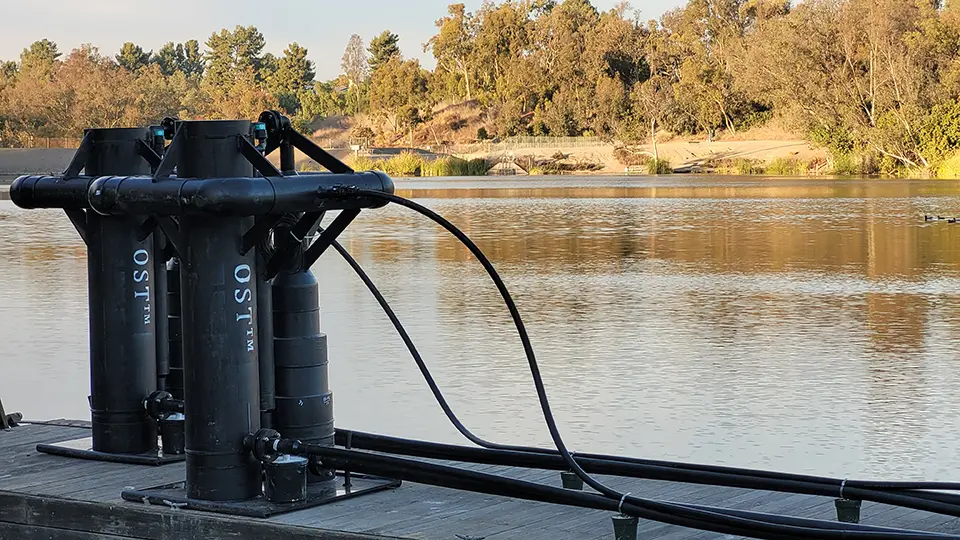
The TIBEAN (TiefenwasserBElüftungsANlage) system, developed by Polycon GmbH, is a specialized solution for deep-water aeration in stratified lakes, dams and ponds. With over 25 years of global success, the system oxygenates deep water layers without disrupting a lake's thermal stratification. By maintaining oxygen concentrations around 4 mg/L, it supports the oxidation of iron and manganese, prevents the formation of toxic hydrogen sulphide, and aids in fixing phosphorus within the sediment. This process effectively reduces nutrient levels and improves overall water quality. Polycon provides end-to-end support, including bespoke planning, construction and maintenance, offering both custom-engineered systems and standardized versions such as those adapted for cold-climate ice prevention.
Technological maturity: Proven
Contracting type: Service
Technology level: Medium
Place of origin: Germany
Availability: Worldwide
Contact: WIPO GREEN Database
Lake bottom oxygen saturation solution
Clarity Research Group
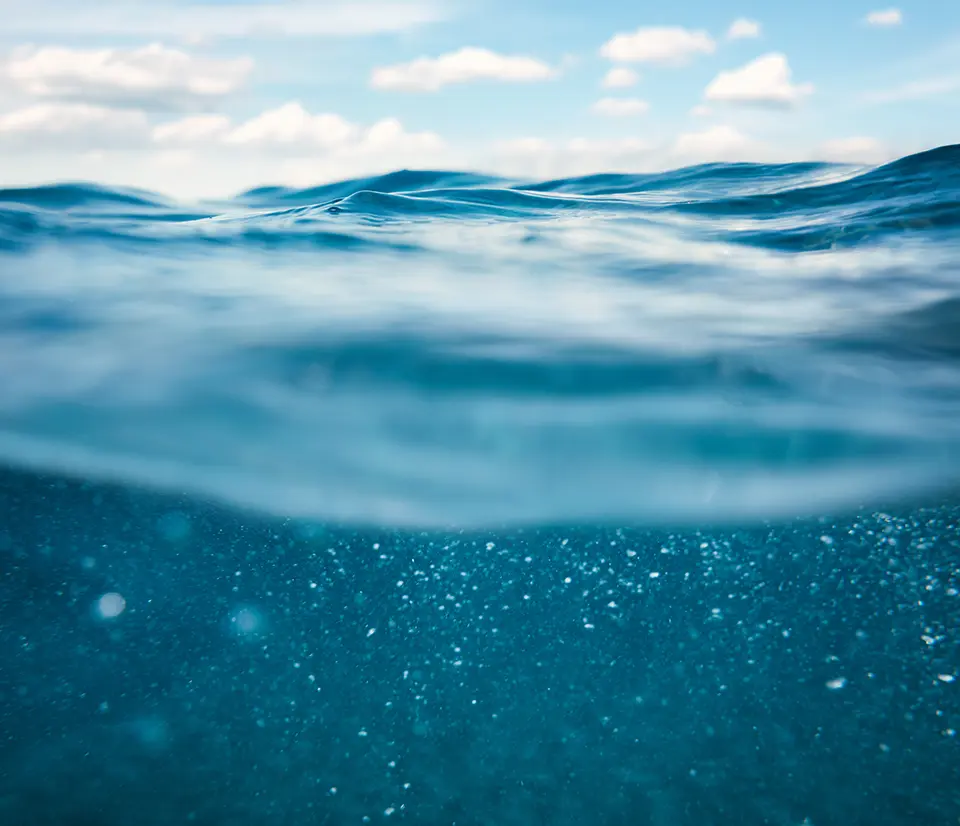
The Clarity Research Group’s Oxygen Saturation Technology (OST®) is a patented, industrial-grade aeration system designed to resolve critical water quality issues – such as harmful algal blooms, muck and odors – without disrupting thermal stratification. Unlike traditional mixing or bubble systems, OST® pumps deep water through an oxygen contact chamber assembly positioned on the bottom and injecting oxygen from an onshore oxygen generator, hyper-oxygenating it up to 25 mg/L before distributing it back along the lakebed. This creates a targeted “oxygen blanket” over the sediment, preventing nutrient release and suppressing anaerobic processes. Fully automated and driven by real-time monitoring, the system runs only when needed. This targeted operation reduces runtimes to a third of conventional aerators, delivering substantial electricity savings, while maintaining optimal ecosystem health.
Technological maturity: Proven
Contracting type: Service
Technology level: Medium
Place of origin: United States
Availability: United States
Contact: WIPO GREEN Database
Lake and river oxygenation systems
ECO2 Technology
ECO2 specializes in advanced gas transfer systems, centered on the patented Speece Cone®, a stainless steel, maintenance-free device with no moving parts designed for high-efficiency oxygen dissolution. To ensure precise performance, the system integrates proprietary, fully automated oxygen flow controls that adjust in real time to water conditions. A side-stream pump serves as the system’s only moving part, ensuring straightforward maintenance and consistent circulation. Oxygen is supplied either through on-site generation for long-term savings or via liquid oxygen (LOX) deliveries for operational simplicity. By replacing hazardous chemicals with pure oxygenation, ECO2 reduces operating costs, minimizes environmental risk and provides a sustainable, scalable and highly reliable solution for water and wastewater treatment applications worldwide.
Technological maturity: Proven
Contracting type: Sale/Service
Technology level: Medium
Place of origin: United States
Availability: Worldwide
Contact: WIPO GREEN Database
Flourometer for algae and cyanobacteria detection
Xylem
The YSI ProDSS Total Algae-Phycocyanin (TAL-PC) sensor is an advanced, dual-channel optical fluorometer designed for the real-time monitoring of freshwater ecosystems. Built for the rugged, handheld ProDSS multiparameter system, this titanium-housed smart sensor allows environmental professionals to simultaneously detect chlorophyll and phycocyanin. By measuring chlorophyll, it tracks overall algal biomass, while the phycocyanin channel specifically isolates the presence of potentially toxic cyanobacteria (blue-green algae). Operating viain vivofluorescence, the sensor emits specific wavelengths of light to excite cellular pigments and measure the resultant glow. Immediate,in situdata collection eliminates the wait time for lab results, providing water managers with a crucial early warning system for harmful algal blooms (HABs) in lakes, rivers and drinking water reservoirs.
Technological maturity: Proven
Contracting type: Sale
Technology level: Medium
Place of origin: United States
Availability: Worldwide
Contact: WIPO GREEN Database
Algaetorch for quick screening of algae and cyanobacteria
bbe Moldaenke
The AlgaeTorch is a lightweight, handheld fluorometer engineered for the rapid,in situdetection of cyanobacteria and total microalgae. Eliminating the need for laboratory sample preparation, this portable instrument utilizes multi-wavelengthin vivofluorescence. It emits specific LED light frequencies into the water to excite cellular pigments, simultaneously measuring chlorophyll-a (for total algal biomass) and phycocyanin (specifically isolating toxic blue-green algae). The device calculates and displays real-time cell concentrations directly on its built-in screen. Fully submersible and equipped with an automatic cleaning wiper, the AlgaeTorch ensures accurate readings in harsh environments. Integrated GPS and data logging allow users to instantly map harmful algal blooms (HABs) across lakes, providing a crucial, immediate environmental diagnostic tool.
Technological maturity: Proven
Contracting type: Sale
Technology level: High
Place of origin: Germany
Availability: Worldwide
Contact: WIPO GREEN Database
Test strips for detecting cyanobacteria toxins
Gold Standard Diagnostics
The Abraxis Microcystins Test Strip Kit is a rapid, on-site screening tool engineered to detect toxic cyanobacteria in recreational waters. Utilizing advanced lateral flow immunoassay technology, these dipsticks rely on specific antibodies that bind directly to microcystin toxins, producing a visible color change to indicate toxin concentrations at 0, 10 or 20 parts per billion. A crucial technological advantage is the integrated QuikLyse™ system. This chemical lysis process ruptures intact cyanobacteria cells directly in the field, releasing trapped intracellular toxins to ensure the test measures total microcystins, not just free-floating toxins. Environmental Protection Agency (EPA)-verified and requiring no heavy laboratory equipment, this kit provides a highly accurate, 45-minute diagnostic tool.
Technological maturity: Proven
Contracting type: Sale
Technology level: Low
Place of origin: United States
Availability: Worldwide
Contact: WIPO GREEN Database
Detecting algae bloom and toxins through environmental DNA testing
Diagnostic Technology
The Phytoxigene™ CyanoDTec is an advanced molecular diagnostic technology designed to monitor algae blooms in freshwater ecosystems. Utilizing multiplex quantitative Polymerase Chain Reaction (qPCR) technology, this laboratory assay analyzes environmental DNA (eDNA) extracted directly from water samples. Unlike optical sensors or chemical toxin strips, CyanoDTec goes to the genetic level. It simultaneously quantifies total cyanobacteria biomass and detects the specific genes responsible for producing deadly cyanotoxins such as microcystins, saxitoxins and cylindrospermopsin. By identifying these toxin-producing genes before the algal cells actually rupture and release toxins, the technology serves as a highly accurate early warning system.
Technological maturity: Proven
Contracting type: Sale
Technology level: Medium
Place of origin: Australia
Availability: Worldwide
Contact: WIPO GREEN Database
Lanthanum-based phosphorus removal from lakes
Phoslock Environmental Technologies (PET)
Phoslock is an advanced remediation technology designed to prevent Harmful Algal Blooms (HABs) by permanently locking away their primary nutrient: phosphorus. Technologically, it is a lanthanum-modified bentonite clay. When applied to lakes, the clay sinks, chemically binding with dissolved phosphorus in the water column to form an insoluble, stable mineral called rhabdophane. Upon reaching the lakebed, Phoslock forms an active capping layer over the sediment, effectively neutralizing the internal release of legacy phosphorus. Unlike traditional aluminum-based treatments, Phoslock is non-toxic, safe for aquatic ecosystems, and remains highly effective even under anoxic (oxygen-depleted) conditions or across wide pH fluctuations. It provides water managers with a long-lasting, ecologically safe solution to combating severe eutrophication.
Technological maturity: Proven
Contracting type: Sale
Technology level: Low
Place of origin: Australia
Availability: Worldwide
Contact: WIPO GREEN Database
Polyaluminum Chloride for safe phosphorus flocculation in lakes
Taki Chemical Co.

Taki Chemical Co., based in Japan, is the historic pioneer of Polyaluminum Chloride (PAC), having commercialized the technology globally in the 1960s. Taki-PAC is an advanced, pre-polymerized coagulant engineered for superior water treatment. By introducing strongly positively charged aluminum molecules, it rapidly neutralizes negatively charged suspended solids – such as toxic algae and sediment – while chemically binding with dissolved phosphorus. This process forms large, heavy flocs that settle quickly to clear the water column. Compared to traditional aluminum sulfate, Taki's high-purity PAC is significantly more efficient, performs better in cold water, and produces less residual sludge. Crucially, because it is partially pre-neutralized, it does not cause dangerous drops in water pH, making it a safe solution for restoring fragile freshwater ecosystems.
Technological maturity: Proven
Contracting type: Sale
Technology level: Low
Place of origin: Japan
Availability: Worldwide
Contact: WIPO GREEN Database
Weed and algae boat harvesters
Aquarius Systems
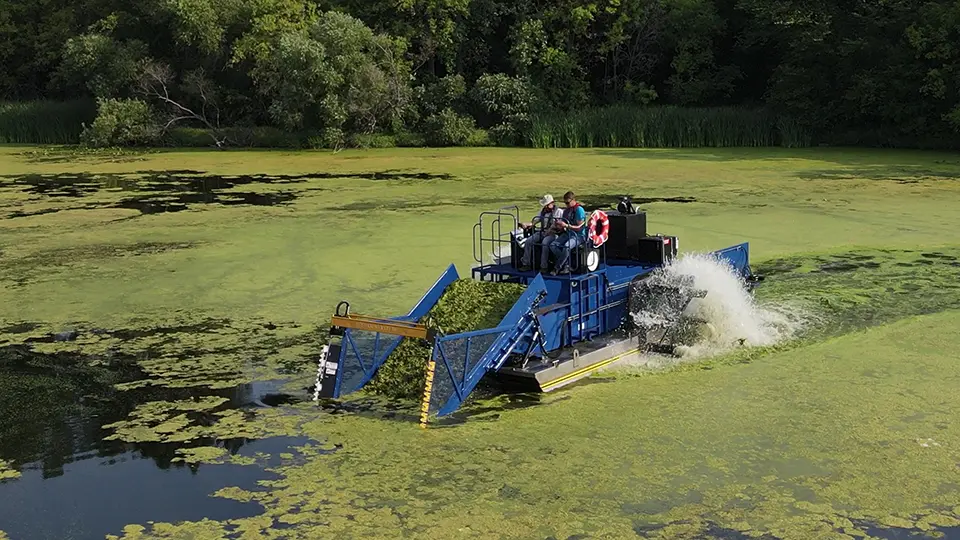
The Aquatic Weed Harvester is a heavy-duty surface boat designed to manage overgrown aquatic environments. While built primarily to be “underwater lawnmowers” for rooted weeds, these machines are also crucial for battling the thick, filamentous algae mats fueled by warming waters. The harvester features a front-mounted cutting system and a porous conveyor belt that scoops up heavy surface algae, allowing clean water to drain back into the lake. By physically removing massive quantities of algae and plant matter from the water and storing it onboard for onshore disposal, the machines extract trapped nutrients like phosphorus. This mechanical removal prevents the algae from rotting in the lake, which would otherwise deplete dissolved oxygen, create toxic dead zones and suffocate native fish.
Technological maturity: Proven
Contracting type: Sale
Technology level: Low
Place of origin: United States
Availability: Worldwide
Contact: WIPO GREEN Database
Breeding fish for higher resistance in warmer waters
Benchmark Genetics
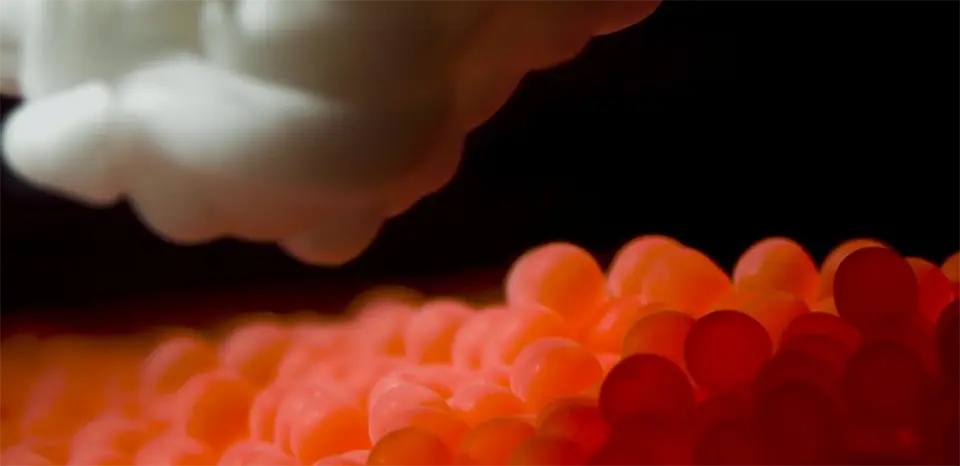
The company is a major player in aquaculture biotechnology, and runs two breeding programmes for Atlantic salmon in Norway and Iceland. As sea temperatures rise, farmed salmon face heavier disease and parasite pressure and less oxygen dissolved in the water. The company meets these challenges by combining traditional family breeding strategies with modern genetic technologies. Priority traits include resistance to diseases and parasites that have become more common in warmer seas; gill and heart health, which determine how well a fish breathes when oxygen is scarce; and general robustness, so fish handle stressful events, including temperature variation, with less strain. The same expertise is offered as a service to breeders of more than 30 aquatic species worldwide, helping them adapt their own stocks to local conditions. The result is farmed animals better equipped for a changing climate, with better welfare, fewer farm losses, and more sustainable production for producers.
Technological maturity: Proven
Contracting type: Sale and service
Technology level: High
Place of origin: Norway
Availability: Worldwide
Contact: WIPO GREEN Database
High-density floating photovoltaic panels
Isigenere
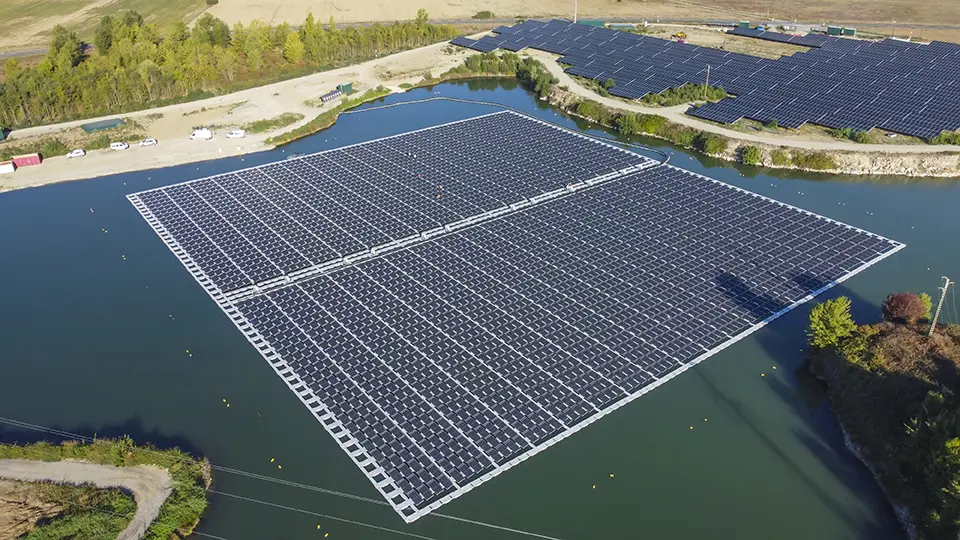
Isifloating, developed by the Spanish engineering company Isigenere, is a patented floating solar system designed to mount photovoltaic panels on water bodies such as reservoirs, ponds and lakes. The company’s webpage highlights the system’s high-density design, which maximizes the electrical capacity installed per surface area, while significantly reducing water evaporation by up to 80 percent. The surface shading effect produced directly improves local water quality by inhibiting the growth of harmful algae blooms. The system utilizes unique floats manufactured from durable, UV-resistant high-density polyethylene (HDPE), engineered to withstand extreme wind, wave and temperature variations. The Isifloating design prioritizes logistical and structural efficiency, utilizing stackable components that minimize shipping costs and allow for rapid, tool-free assembly on-site without the need for heavy machinery.
Technological maturity: Proven
Contracting type: Sale
Technology level: Medium
Place of origin: Spain
Availability: Worldwide
Contact: WIPO GREEN Database
Frontier technology solutions
Laser and fluorometer-based measurement of algae blooms
Sequoia Scientific
The LISST-HAB is an advanced,in situoptical instrument engineered to detect and monitor Harmful Algal Blooms (HABs). Unlike traditional sensors that measure only bulk fluorescence, the LISST-HAB utilizes a powerful combination of laser diffraction and fluorescence technologies. By emitting a laser into the water, it calculates the exact size distribution and concentration of suspended particles. Simultaneously, an integrated fluorometer measures the fluorescence of these particles. This technological synergy allows the instrument to differentiate cyanobacteria and algal cells from non-biological particles like sediment, based on both physical size and pigment signature. Designed for continuous, real-time deployment, the LISST-HAB provides water managers with highly accurate, localized data for rapidly tracking bloom dynamics without having to wait for laboratory results.
Technological maturity: Frontier
Contracting type: Sale
Technology level: Medium
Place of origin: United States
Availability: Worldwide
Contact: WIPO GREEN Database
In-field algae class detection using multiple light emitters
JFE Advantech
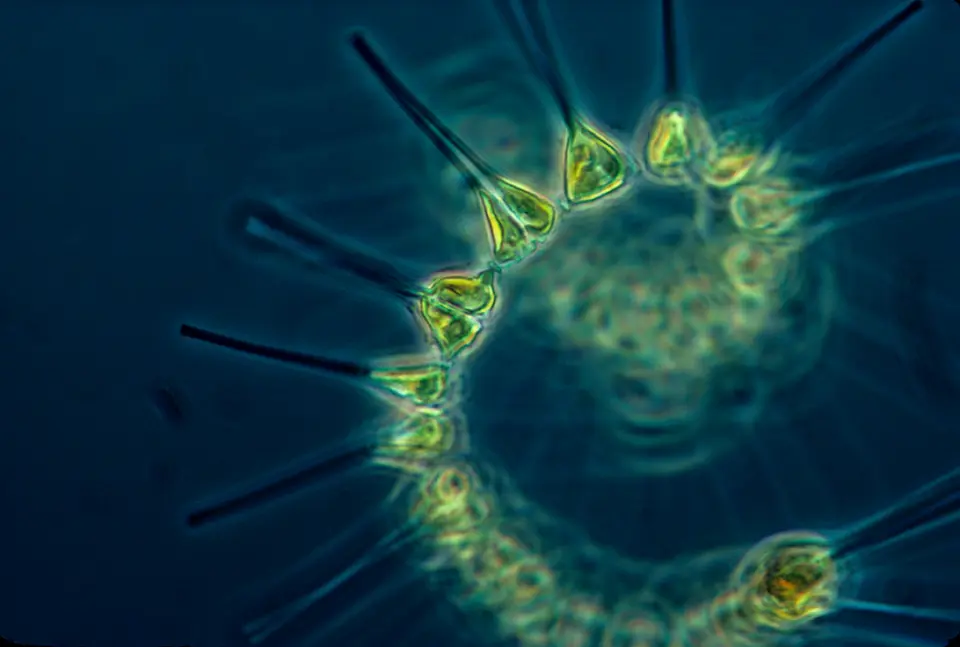
Multi Exciter is an advanced,in situmulti-wavelength fluorometer engineered to classify phytoplankton communities in real-time. Unlike standard sensors that use a single light source, this instrument utilizes nine separate LED excitation wavelengths to generate a highly detailed fluorescence spectrum of the water. This sophisticated optical technology allows researchers to differentiate between various algal classes – such as green algae, diatoms and potentially toxic cyanobacteria – based on their unique pigment signatures. Designed for autonomous deployment in marine and freshwater ecosystems, it provides continuous, high-resolution data on algal biomass and species composition. By analyzing complex optical responses in the field, the instrument allows precise, immediate measurements to be taken for the detection and tracking of algae blooms.
Technological maturity: Frontier
Contracting type: Sale
Technology level: Medium
Place of origin: Japan
Availability: Worldwide
Contact: WIPO GREEN Database
Oase Algae Management
Oase
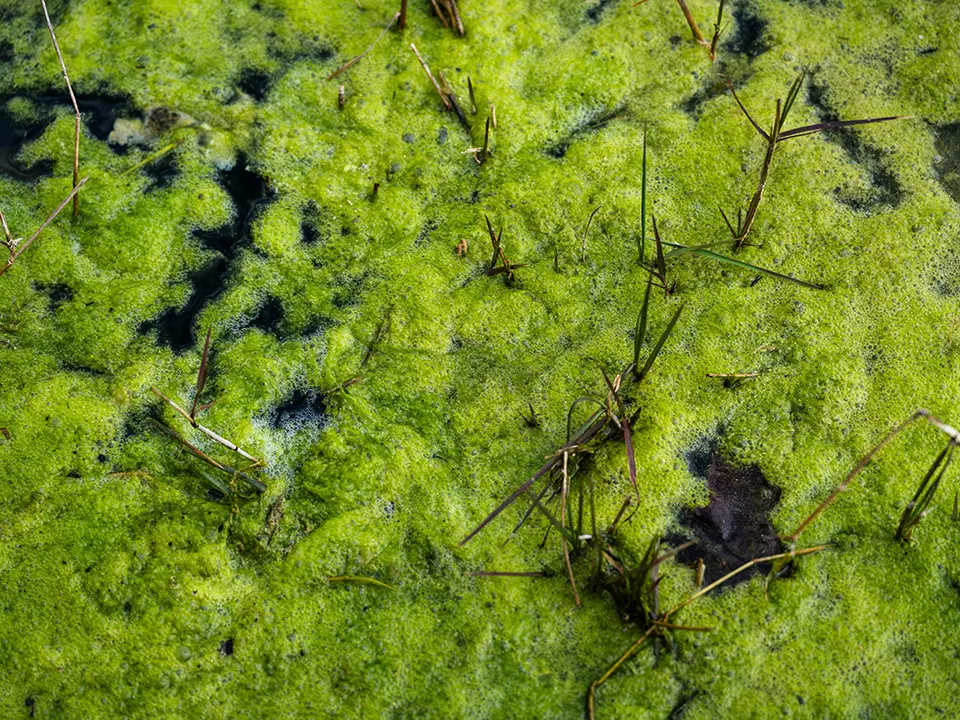
The Oase Algae Management is a science-led, system-wide technology approach focused on addressing the root causes of algae growth – specifically excess nutrients, low oxygen and biological instability – rather than simply reacting to symptoms. The technology stack relies on three main components: phosphorus binders (SeDox Max®), which chemically immobilize free orthophosphates into insoluble apatite minerals to starve algae at the source; sediment remediation matrixes (SchlixX Plus®), which combine active oxygen with targeted microorganisms to degrade organic sludge and prevent internal nutrient recycling; and aeration systems, which use artificial circulation and oxygenation to break thermal stratification, increase dissolved oxygen, and maintain optimal ecological balance across lakes, ponds and industrial water bodies.
Technological maturity: Frontier
Contracting type: Service
Technology level: Medum
Place of origin: United States
Availability: United States and Europe
Contact: WIPO GREEN Database
Chitosan-based flocculants for water remediation
Dober
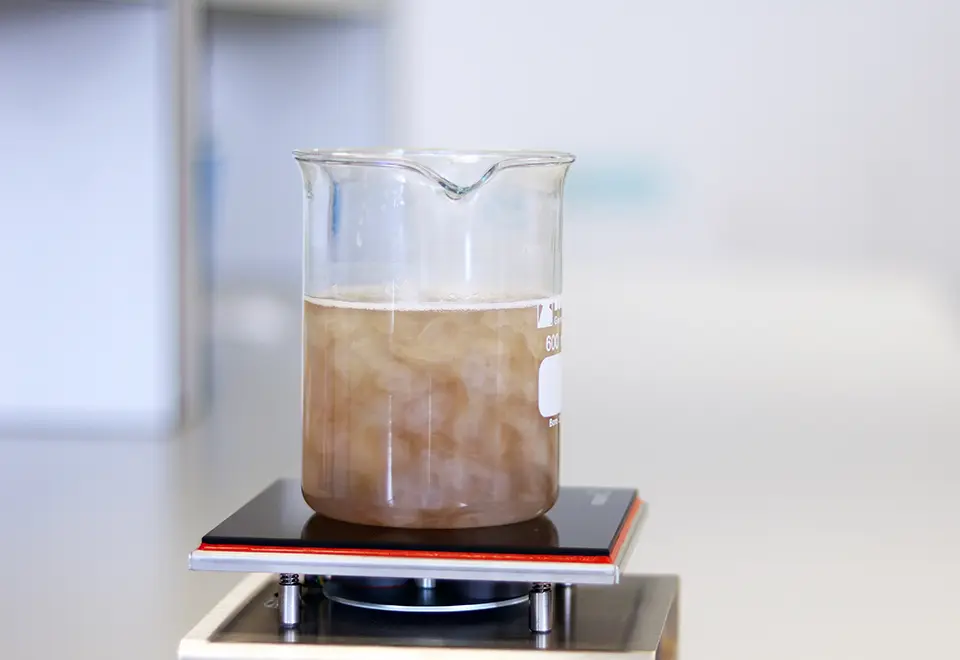
The HaloKlear water treatment line by Dober focuses on all-natural, chitosan-based flocculation technologies engineered for environmental remediation, construction dewatering and stormwater management without making the environment toxic. Its core technological innovation is centered on Chitosan Chemistries (sourced from recycled crustacean shells) and a proprietary Dual Polymer System (DPS), which pairs cationic chitosan coagulants (LiquiFloc) with natural anionic biopolymers (DBP-2100) to rapidly bind fine suspended solids, heavy metals and phosphorus into dense, high-shear flocs that settle rapidly. Offered in liquid, dry concentrate and passive semi-solid formats (GelFloc Socks), the technology provides an acrylamide-free, 100 percent biodegradable alternative to synthetic polyacrylamides (PAMs), delivering 30 percent lower dosing requirements, field-verifiable zero aquatic toxicity and full compliance with strict US National Pollutant Discharge Elimination System (NPDES) discharge standards for natural water bodies.
Technological maturity: Frontier
Contracting type: sale
Technology level: Medium
Place of origin: United States
Availability: Worldwide
Contact: WIPO GREEN Database
Detecting algae bloom and cyanobacteria from space
EOMAP
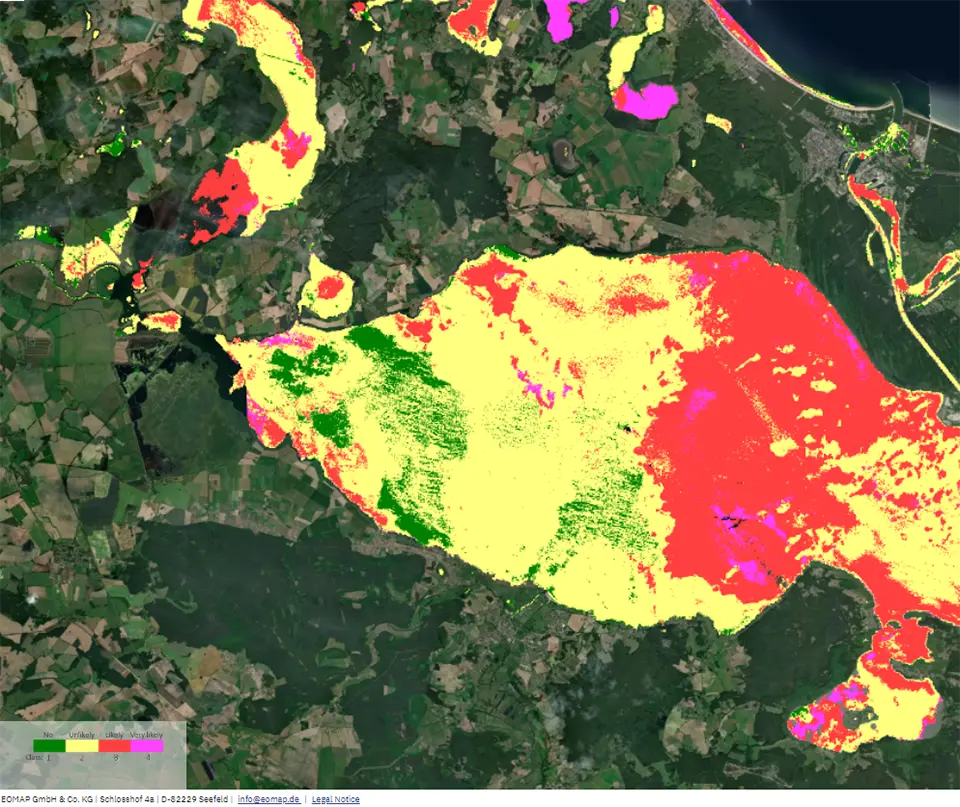
The Harmful Algal Bloom (HAB) Indicator is a remote-sensing technology designed to detect cyanobacteria from space. It is also an ecological indicator for assessing climate-change impacts, a key measure of bathing-water safety, and essential for monitoring drinking-water sources. It operates by analyzing satellite imagery to identify the unique optical signatures of specific cyanobacterial pigments, namely Phycocyanin and Phycoerythrin. Technologically, the algorithm calculates the reflectance and absorption discrepancies specifically between the 550nm and 650nm wavelength bands. Rather than providing exact cell counts, the system currently generates a qualitative classification, categorizing the likelihood of a bloom into four tiers—from "no HAB" to "very likely." While its accuracy is validated against in-situ data for early warning surveillance, the optical sensors face limitations in highly turbid, humic, or sediment-heavy waters. The technology relies on the European Space Agency's Sentinel-2 and Sentinel-3 satellites.
Technological maturity: Frontier
Contracting type: Service
Technology level: Medium
Place of origin: Germany
Availability: Worldwide
Contact: WIPO GREEN Database
Autonomous aquatic biomass and waste collector
RanMarine Technology
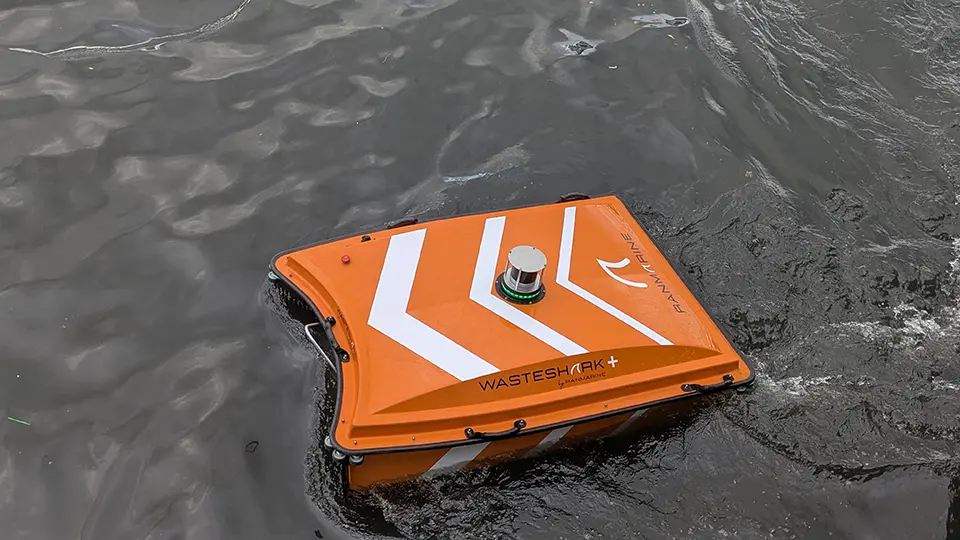
The WasteShark is an innovative electric aquatic drone designed to clean calm water environments like marinas, ports and lakes. Operating autonomously or via remote control, this unmanned surface vessel acts like a robotic vacuum for water. It glides quietly across the surface, skimming up to 500 kg of plastic trash, debris and invasive biomass – such as duckweed and algae mats – per day. Beyond physical cleaning, the WasteShark serves as a mobile data hub. It comes equipped with advanced sensors to monitor real-time water quality, measuring critical data like temperature, pH and dissolved oxygen levels. With zero emissions and a wildlife-safe design, the WasteShark offers a smart, modern solution for combating aquatic pollution and preventing ecological dead zones.
Technological maturity: Frontier
Contracting type: Sale
Technology level: Medium
Place of origin: Kingdom of the Netherlands
Availability: Worldwide
Contact: WIPO GREEN Database
Fighting invasive plants and algae with autonomous boats
Clearbot
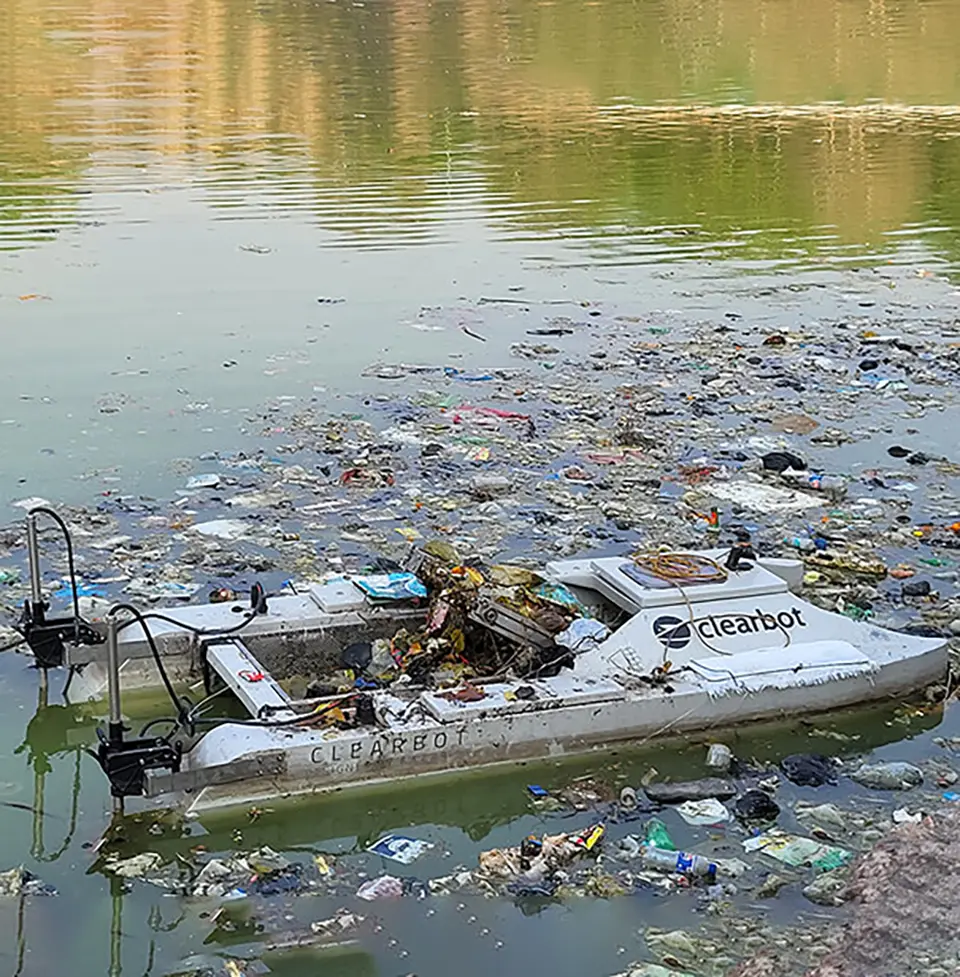
Clearbot is a marine technology company that designs AI-driven autonomous electric boats for aquatic cleanup and data collection. Clearbot fleets act as robotic skimmers, identifying and collecting marine plastics, invasive weeds and heavy surface algae. Utilizing AI and onboard cameras, the drones are able to distinguish between trash, biomass and aquatic wildlife, ensuring safe and efficient removal. They are fully electric, emission-free and can self-dock to recharge. By physically removing algae and pollutants from marinas, ports and lakes, Clearbot helps prevent oxygen depletion and toxic dead zones. Operating globally, this technology provides scalable, cost-effective solutions for municipalities and private waterfronts struggling with the ecological impacts of warming, polluted waters.
Technological maturity: Frontier
Contracting type: Sale & lease
Technology level: Medium
Place of origin: China
Availability: Asia
Contact: WIPO GREEN Database
Turning algae and seaweed into foam and rubber
BLOOM Sustainable Materials
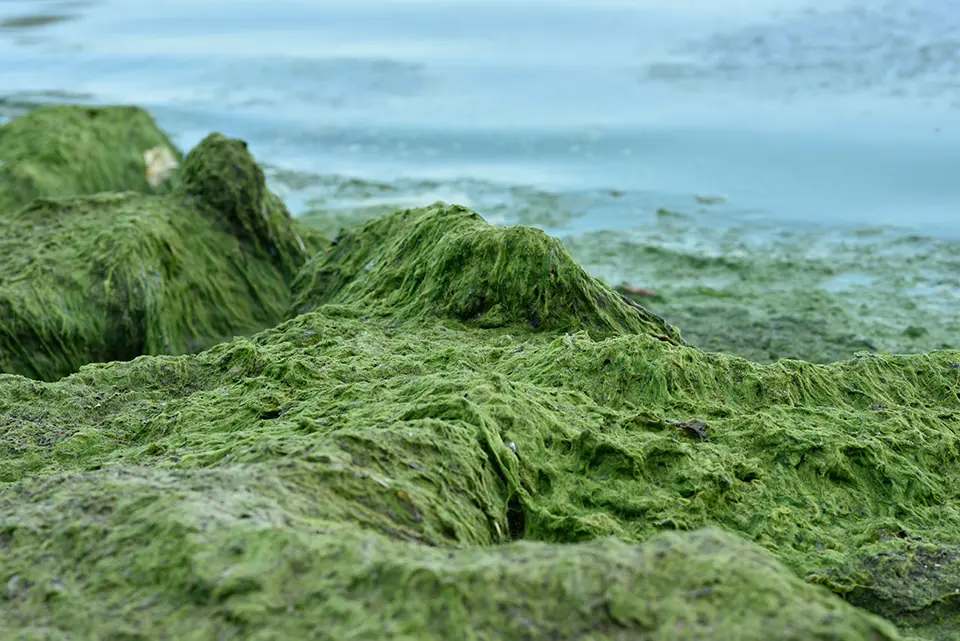
BLOOM Materials is an innovative biomaterials company transforming toxic algae into high-performance materials. As warming waters trigger harmful algal blooms that suffocate aquatic ecosystems, BLOOM partners with water management facilities to harvest this excess algae. Physically removing the algae in this way helps restore clean water and oxygen to lakes and rivers. The harvested algae is dried and processed into eco-friendly pellets used in the manufacture sustainable EVA foam. This foam is utilized by major global footwear and consumer brands to create shoes, insoles and sports goods. BLOOM’s circular economy model effectively cleans polluted waterways, sequesters carbon and reduces the manufacturing industry’s reliance on fossil fuel-based plastics.
Technological maturity: Frontier
Contracting type: Sale
Technology level: High
Place of origin: United States
Availability: Worldwide
Contact: WIPO GREEN Database
Full floating photovoltaic systems with advanced anchoring
Quant Solar
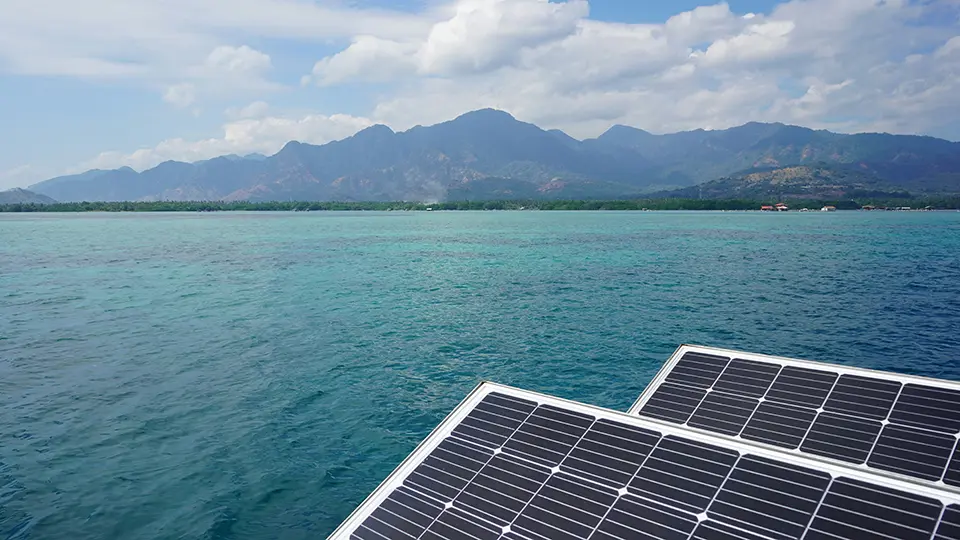
Incubated at the Indian Institute of Technology (IIT) Guwahati, the company designs, engineers and manufactures its own patented floating pontoons tailored for inland water bodies like reservoirs, dams and industrial ponds. The company emphasizes its comprehensive EPC (engineering, procurement and construction) services, highlighting an in-house expertise in complex mooring and anchoring systems required to withstand drastic water-level fluctuations and severe weather. The technology is presented as a dual-purpose solution that generates high-yield renewable energy through the water’s cooling effect on the panels, while simultaneously conserving critical water resources by significantly reducing surface evaporation and limiting harmful algae growth.
Technological maturity: Frontier
Contracting type: Sale and service
Technology level: Medium
Place of origin: India
Availability: India
Contact: WIPO GREEN Database
Floating photovoltaic panels in reservoirs
Sunlution
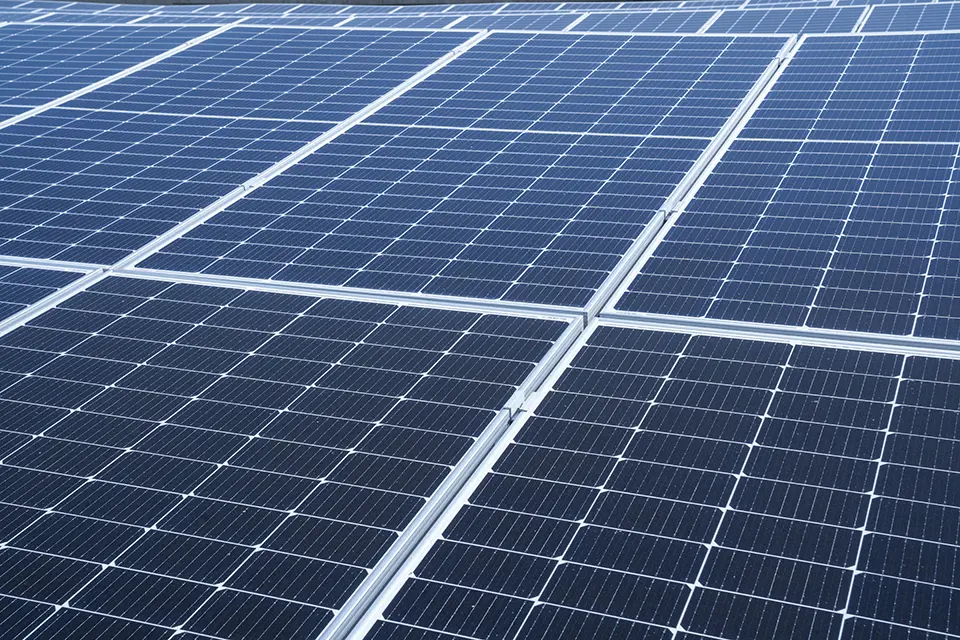
Sunlution engineers modular floating solar systems utilizing durable, UV-resistant high-density polyethylene (HDPE) floats using the French company Ciel et Terre’s Hydrelio float and solar panel attachment technology. These interlocking platforms securely mount photovoltaic panels across deep-water bodies such as hydroelectric reservoirs. The patented core technology relies on a highly specialized mooring and anchoring architecture designed to dynamically adjust to the extreme wind loads and drastic water-level fluctuations inherent to large dam basins. By hybridizing directly with existing hydroelectric infrastructure, the system leverages pre-built grid connections for efficient energy transmission. The physical floating structure acts as a barrier, shielding the water so as to drastically reduce evaporation and suppress algae growth. Simultaneously, the water beneath the structure functions as a natural thermal heat sink, actively cooling the solar semiconductors and thereby significantly increasing electrical generation efficiency.
Technological maturity: Frontier
Contracting type: Sale and service
Technology level: Medium
Place of origin: Brazil
Availability: Brazil, Latin America
Contact: WIPO GREEN Database
Turning Africa’s reservoirs into photovoltaic power sources
Floating Solar Kenya Ltd.

The floating solar technology utilizes modular, UV-stabilized high-density polyethylene (HDPE) membranes engineered specifically to withstand extreme solar radiation. The system integrates standard photovoltaic panels onto interlocking buoyant structures designed for deployment on agricultural irrigation dams, mining ponds and municipal reservoirs. The core technology features a localized, highly scalable mooring system that accommodates significant water drawdown, ensuring structural stability during severe dry seasons. By physically covering the water surface, the floating array drastically reduces evaporation rates – a critical technological advantage in water-scarce climates. Additionally, the close proximity to the water surface creates a microclimate that provides natural conductive and convective cooling to the solar modules, preventing thermal degradation and maximizing the system’s overall electrical energy yield.
Technological maturity: Frontier
Contracting type: Sale and service
Technology level: Medium
Place of origin: Kenya
Availability: Africa
Contact: WIPO GREEN Database
Horizon technology solutions
Immobilization of phosphate in lakes using sediment microbial fuel cells
Aarhus University, Danish Technical University (DTU)
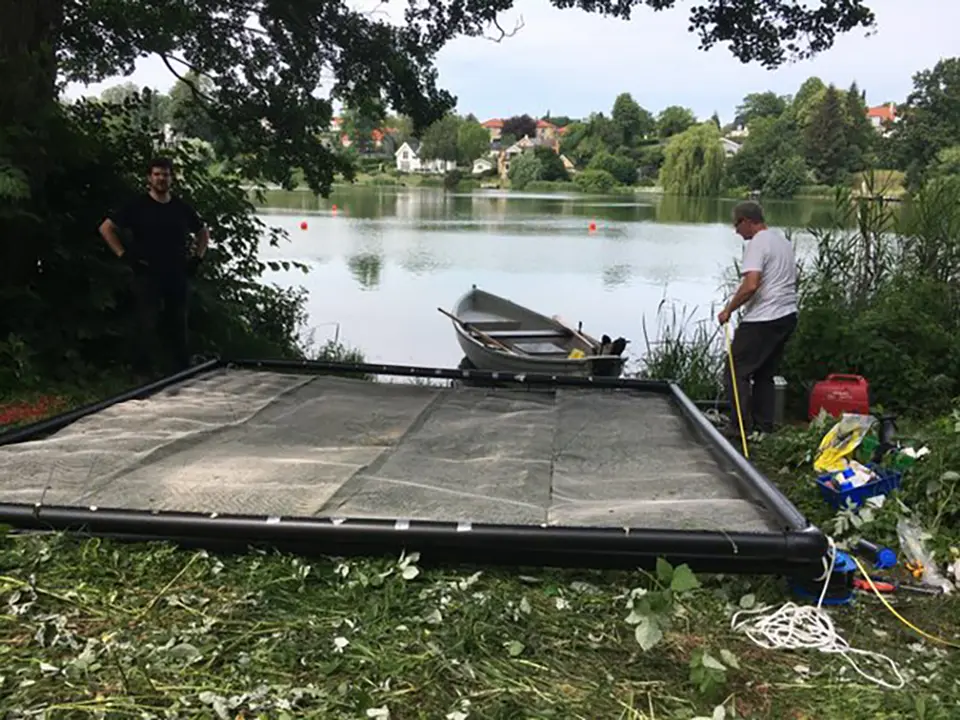
The sediment microbial fuel cell (sMFC) technology tested in Denmark’s Lake Søllerød – developed by DTU researchers in collaboration with Aarhus University – offers a chemical-free, circular method for lake restoration. The system places low-cost, durable stainless steel mesh anodes directly into the anoxic lake sediment and suspends cathodes in the overlying oxygenated water. Naturally occurring electroactive bacteria in the sediment feed on organic matter, transferring electrons to the anode to generate a mild electrical current. This process raises the sediment’s surface redox potential, prompting natural iron oxides to bind and immobilize up to 98 percent of free water-column phosphates. Beyond trapping phosphorus to starve algal blooms, the system degrades organic pollutants and suppresses harmful methane and hydrogen sulfide emissions
Technological maturity: Horizon
Contracting type: Not applicable
Technology level: High
Place of origin: Denmark
Availability: Under development
Contact: WIPO GREEN Database
River water quality treatment using high-throughput flat-plate plasma
Shanghai Qiyuan Energy Technology Co., Ltd.
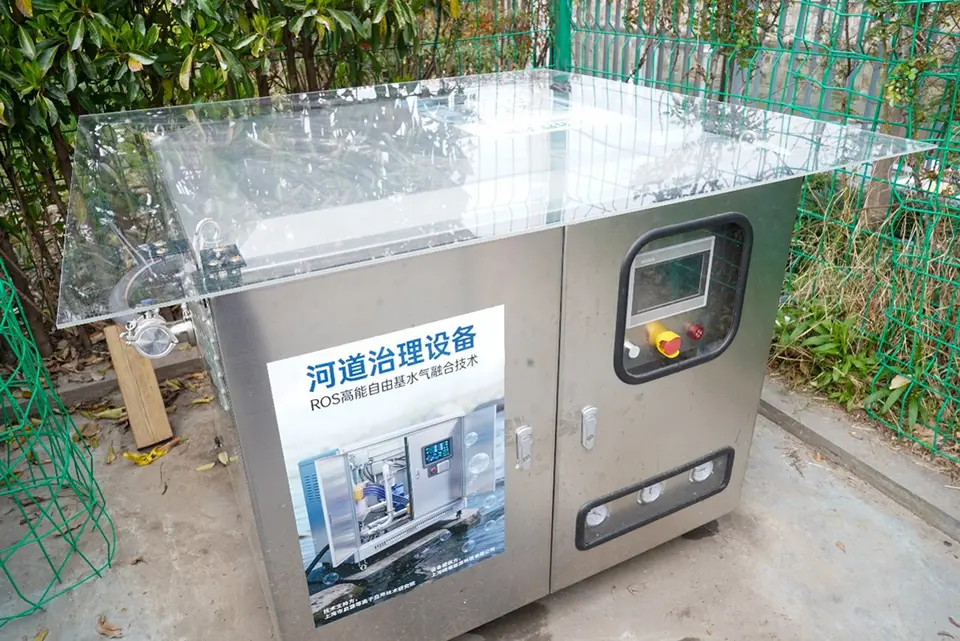
The Plasma Nano-Bubble (PNNB) system is an advanced water treatment technology designed to restore polluted rivers and degraded aquatic ecosystems on a smaller scale. It combines a high-throughput plasma generator with a micro-nano bubble generator. This process subjects water to intense mechanical shear forces and pressure, creating highly soluble micro-nano bubbles, while breaking down molecular clusters. Inside these bubbles, the system generates powerful free radicals, particularly highly oxidative hydroxyl radicals. These free radicals aggressively attack and decompose the stubborn organic pollutants and pesticide residues that natural purification processes are unable to effect. Through this water–gas fusion, contaminants are chemically broken down and safely released as harmless gases like nitrogen, carbon dioxide and oxygen. This highly efficient approach purifies odorous water and replenishes oxygen without creating secondary chemical pollution.
Technological maturity: Horizon
Contracting type: N/A
Technology level: Medium
Place of origin: China
Availability: Under development
Contact: WIPO GREEN Database
DNA sequencing for facilitated adaptation of animal species
Revive & Restore
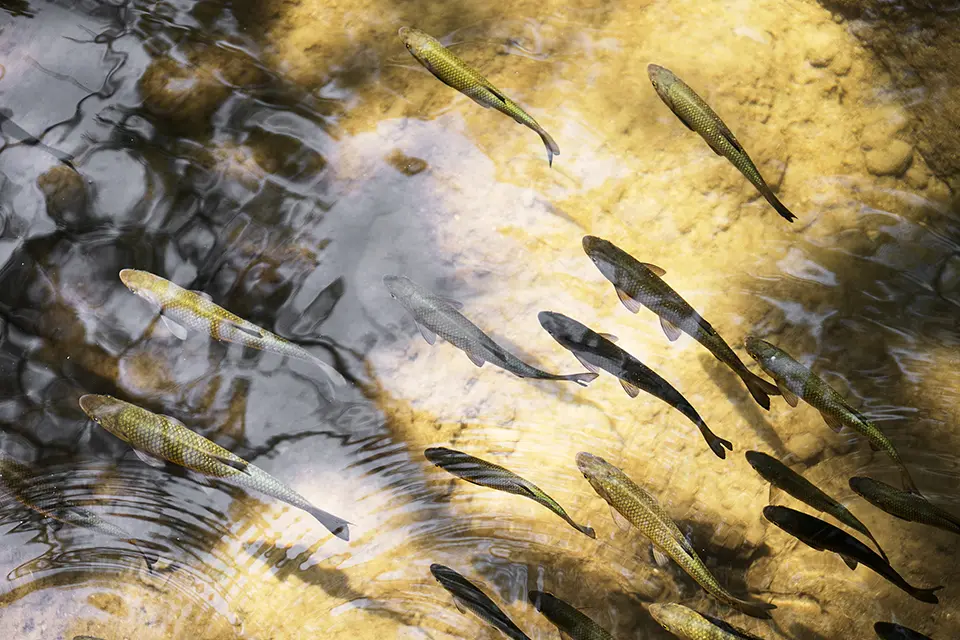
Revive & Restore is a pioneering conservation organization dedicated to genetic rescue, utilizing biotechnology to save endangered species from extinction. While renowned for cloning mammals and researching gene-editing to help marine corals survive warming oceans, its current work with freshwater fish is focused on foundational genomic research. Through its “Wild Genomes” initiative, the organization funds the complete DNA sequencing of threatened aquatic species. Mapping genomes is the crucial first step toward what it terms “facilitated adaptation.” By building comprehensive databases of genetic markers linked to thermal tolerance, disease resistance and environmental adaptability, Revive & Restore provides researchers with the biological blueprints required to eventually help vulnerable freshwater populations survive rapidly warming rivers, oxygen depletion and climate-driven habitat loss.
Technological maturity: Horizon
Contracting type: N/A
Technology level: High
Place of origin: United States
Availability: Under development
Contact: WIPO GREEN Database
Engineering climate-resilient freshwater fish
Institute of Hydrobiology (IHB) of the Chinese Academy of Sciences
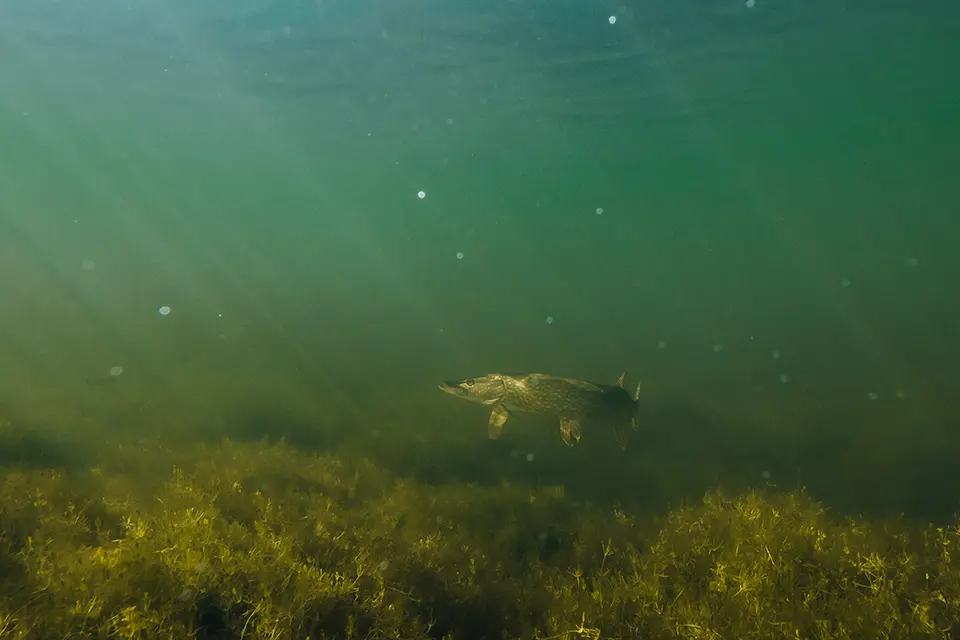
The Institute is a major research institution focused on freshwater ecology, fish genetics and aquatic biotechnology. A significant portion of its research addresses severe ecological challenges in freshwater habitats, specifically analyzing the toxic cyanobacterial blooms that rapidly expand in warming waters. Through its State Key Laboratory of Freshwater Ecology and Biotechnology, researchers utilize advanced genomics and CRISPR gene-editing to study freshwater fish developmental biology and environmental adaptation. Studies investigate how specific fish genomes respond to physiological stressors, including hypoxia and metabolic strain, which are greatly exacerbated by warming aquatic environments. The Institute applies this genetic data to bio-breeding programs, engineering robust, disease-resistant fish strains optimized for commercial freshwater aquaculture operations.
Technological maturity: Horizon
Contracting type: N/A
Technology level: High
Place of origin: China
Availability: Under development
Contact: WIPO GREEN Database
Innovative floating structure for photovoltaic systems
PROvendis GmbH

Scientists at the Aachen University of Applied Sciences have developed an innovative floating structure technology for mounting photovoltaic systems on water bodies. Unlike conventional bulky plastic pontoons, this patented invention utilizes a unique “twisted tubing” design to provide buoyancy. By constructing the float out of coiled or spiraled tubes, the system significantly reduces material usage, overall weight, as well as transportation costs due to its highly stackable nature. This specialized twisted tube architecture is engineered to be highly ecologically friendly. Gaps within the twisted tubing allow sufficient sunlight and ambient air to penetrate the water surface, protecting the underlying aquatic ecosystem from severe shading and oxygen depletion. Furthermore, this open structure maximizes water’s natural cooling effect on the solar panels, increasing electrical efficiency.
Technological maturity: Horizon
Contracting type: N/A
Technology level: Medium
Place of origin: Germany
Availability: Under development
Contact: WIPO GREEN Database