
As climate-driven crises intensify, emerging technologies, such as AI, IoT, drones, satellites, and nature-based systems, are redefining how we protect lives and livelihoods. From flood forecasting to modular shelters, these adaptive solutions combine digital intelligence with disaster-ready infrastructure in an increasingly volatile climate.
- Foreword by WIPO
- Foreword by partners
- Acknowledgments
- Acronyms
- Methodology
- Key messages
- Executive summary
- Introduction: The new reality of climate-driven disasters
-
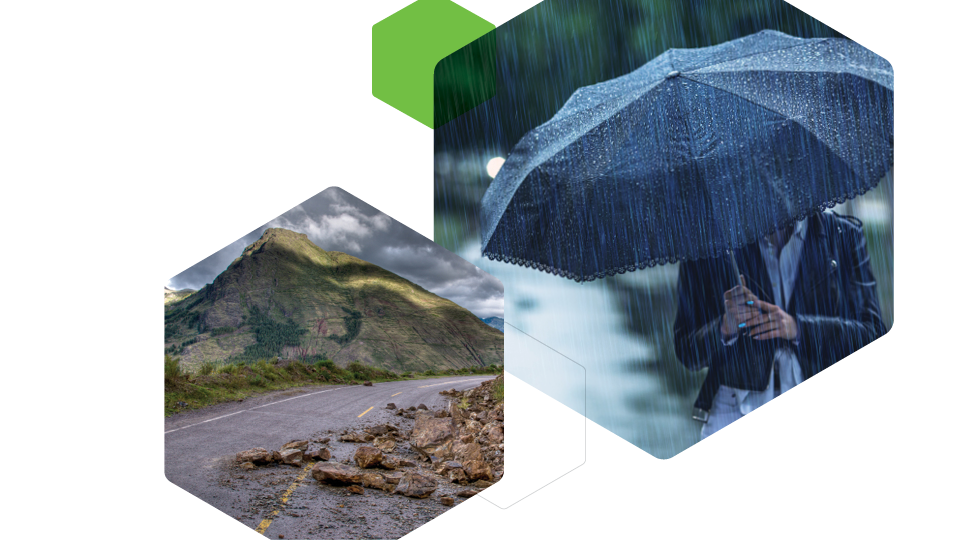
Image: WIPO 1. Water-related disasters
Water is essential for life. But when it arrives in excess, the consequences can be devastating. Tropical cyclones, hurricanes and typhoons – powerful storms that form over warm ocean waters – bring with them a deadly combination of strong winds, torrential rain and storm surges. Climate change is exacerbating these events. Warmer oceans and a warmer more moisture-saturated atmosphere are triggering stronger and slower-moving storms that linger over land for longer, causing greater damage, and often leading to more catastrophic flooding.
-
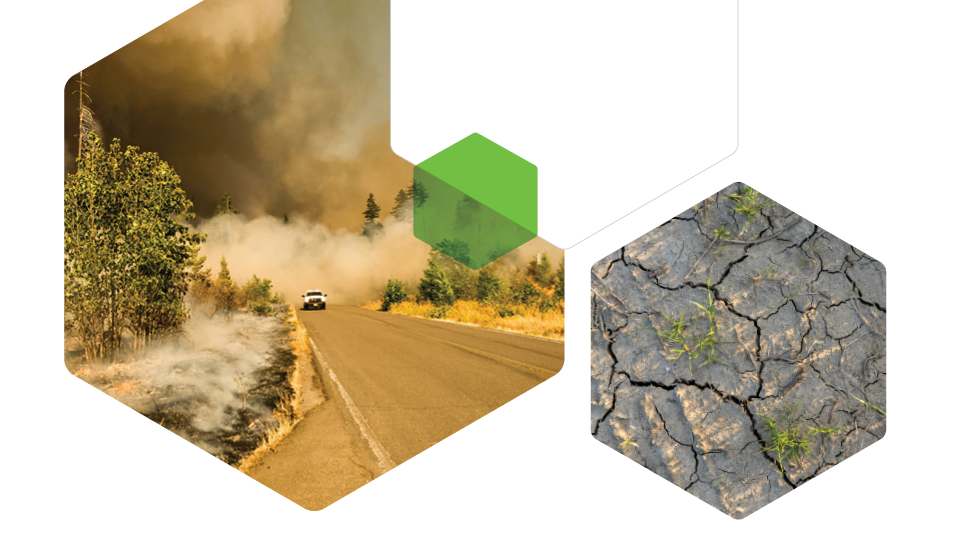
Image: WIPO 2. Dry weather-related disasters
Wildfire and droughts are escalating from seasonal hazards into full-blown crises, threatening ecosystems, economies and lives. Wildfires, fueled by hotter temperatures and drier landscapes, now rage with unprecedented ferocity. Fortunately, innovation is rapidly advancing technologies for early detection, from artificial intelligence (AI)-powered satellites to thermal drones and digital twins (virtual models that simulate real-world systems or processes) that predict fire behavior. Meanwhile, prolonged droughts are destabilizing food and water systems, pushing communities to innovate with drought-resistant crops, atmospheric water harvesters and smart irrigation networks.
-
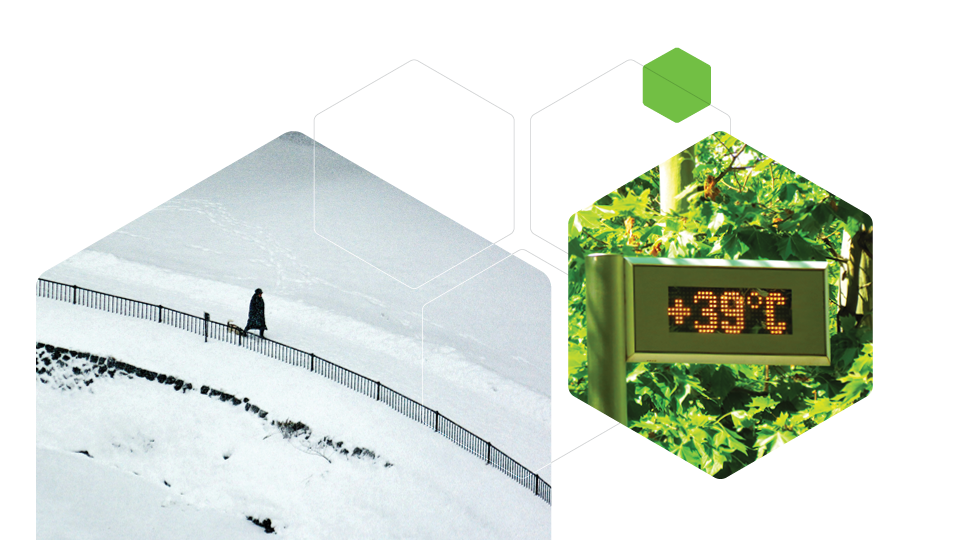
Image: WIPO 3. Extreme temperatures
As climate change intensifies, the world faces increasingly deadly heatwaves and cold snaps, demanding innovative solutions to protect lives, infrastructure and economies. New technologies are emerging to combat these extremes, from reflective roofs and wearable heat sensors to ultra-insulated building materials and precision frost protection for agriculture. While cities deploy smart ventilation, cooling centers and heat-resistant urban design, communities in cold regions rely on Arctic-ready electric vehicles (EVs), self-regulating heaters and winterized energy grids.
-

Image: WIPO 4. Disaster response logistics
The transformative technologies that are reshaping the world more broadly – such as artificial intelligence (AI), machine learning, satellite systems, aerial robotics, mobile communications, blockchain and social media – are also being applied to improve disaster response. The difference in this case is they are being used to save lives, reduce chaos and improve resilience.
- Bibliography
- Copyright