Коллективные знаки как инструмент развития
Коллективные знаки – это товарные знаки, принадлежащие членам коллективной организации и используемые ими.
WIPO is carrying out a project that aims to empower SMEs and local communities in developing countries to collective marks to add value to their products and services.
Five countries are participating in the project: the Plurinational State of Bolivia, Brazil, Indonesia, the Philippines, and Tunisia.
В каждой из этих стран проектная группа отобрала несколько предпринимателей для участия в проекте на пилотной основе. Проект поможет группе этих предпринимателей разработать и зарегистрировать коллективный знак для своей продукции. Участие в тренингах и мероприятиях по повышению осведомленности поможет заинтересованным сторонам лучше понять, как использовать этот инструмент брендинга для коллективной реализации своей продукции.

Что нового

Основные данные по странам

Боливия
В Боливии производители объединены в 42 различных организаций, каждая из которых является частью головной ассоциации под названием ARACH (Asociación Regional de Apicultores del Chaco Chuquisaqueño (Региональная ассоциация пчеловодов Чако Чукисакеньо). Они производят мед в регионе Чако Чукисакеньо.

Бразилия
В Бразилии в рамках проекта налажено сотрудничество с ассоциацией производителей APAFE (Associação dos Produtores Agroextrativistas da Floresta Nacional de Tefé e Entorno), расположенной в муниципалитетах Тефе и Альвараэш в Амазонии. Основные виды производимой ими продукции – мука из маниоки и продукты ее переработки, мед и масла.

Indonesia
In Indonesia, the project empowers Bali’s spa and handicraft SMEs through the “UnBALIvable” collective mark, celebrating local creativity and driving tourism.
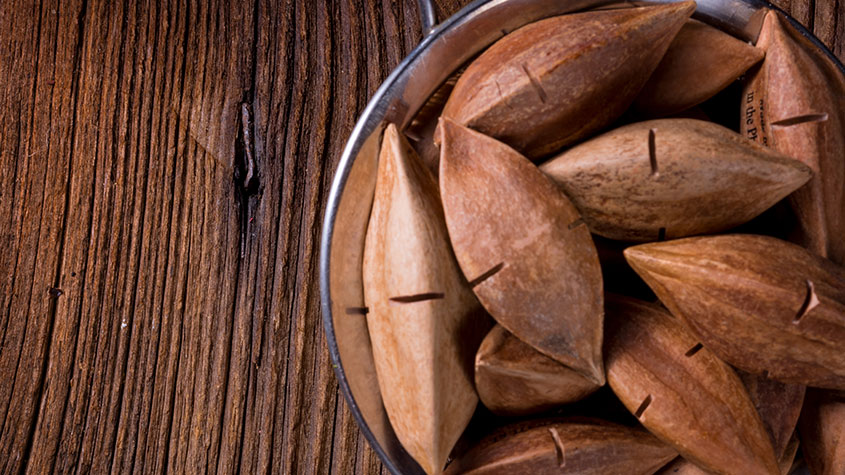
Филиппины
На Филиппинах отобранная группа состоит из производителей, переработчиков и продавцов орехов и других продуктов из дерева пили в регионе Бикол. Проект реализуется под руководством ассоциации Orgullo Kan Bicol (OKB).

Тунис
В Тунисе проект реализуется в горном районе Гардимау региона Джендуба совместно с группой, объединяющей производителей меда, продуктов на его основе, эфирных масел и других местных продуктов.
Outputs
Training program
The first output of the project is to develop a practical training materials on registration, management, and use of collective marks.
Toolkit and guide
Following that, the project focuses on creating a toolkit for managing and using the collective marks, covering regulations, compliance, governance, quality control, and consumer protection.
Business strategy
Thirdly, the project plans to formulate a development strategy to boost competitiveness of the collective mark holders in domestic and global markets.
С чего начинался проект
Работа над проектом была начата по решению Комитета по развитию и интеллектуальной собственности (КРИС) ВОИС, после того как Боливия представила соответствующее предложение. Впервые это предложение было представлено на 23-й сессии Комитета (в мае 2019 г.) и одобрено на 24-й сессии (в ноябре 2019 г.). After the completion of the project, the beneficiary countries proposed a Phase II of the project at the 32nd session (May 2024) of the Committee, which was approved. This project started its iplementation in 2025.
Комитет осуществляет этот проект в рамках своих усилий по эффективной реализации Повестки дня ВОИС в области развития.
Основные документы:
Phase I

Повестка дня в области развития
Проект «Регистрация коллективных знаков» способствует выполнению рекомендаций Повестки дня ВОИС в области развития, в частности рекомендаций №№ 1, 4 и 10.