Global patent overview
This section provides an overview of global patent activity related to mine action. Technologies were categorized into detection and clearance, as well as PPE. The patent search identified 3,548 patents published between 2004 and 2024 (Figure 2). The number of patent families published each year showed a small upward trend, starting from 165 patent families in 2004 and increasing to 225 patent families in 2024, averaging about 169 published patent families annually, with noticeable peaks around 2011, 2018 and in 2023. Patent activity remained steady throughout the 2000s (2004–2008), with around 60–80 inventions being filed annually.
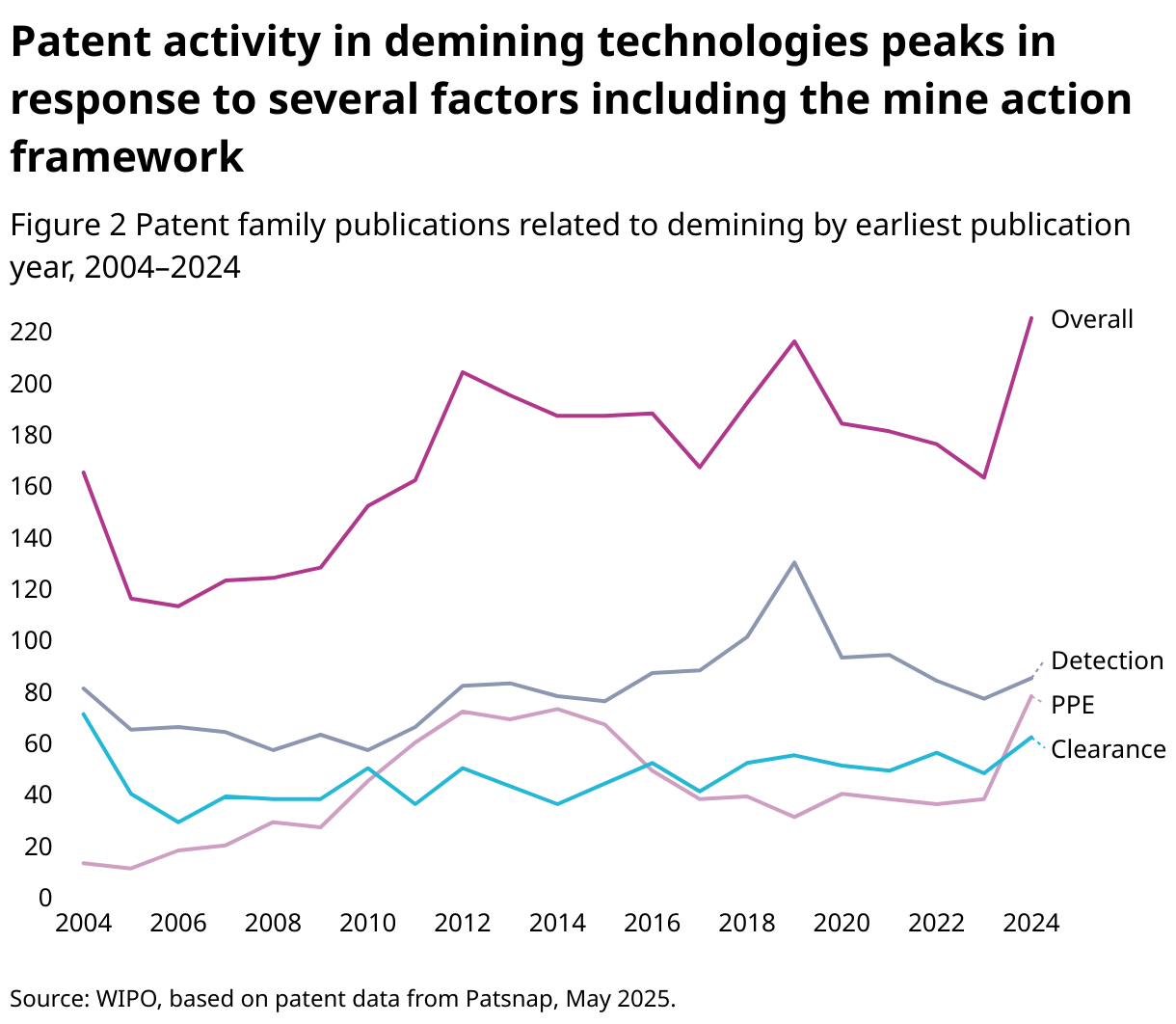
The earliest peak in 2011–2012 likely reflects the maturation of R&D programs initiated in the mid-2000s, particularly in response to conflict in the Balkans, followed by Afghanistan and Iraq, with a plausible 5–6 year lag between project inception and patent filing. While this first peak was likely to have been driven by mine action, the later peaks in 2019 and again in 2024 had a stronger focus on military applications in the context of the stabilization operations that followed the military campaigns of 2001 (Afghanistan) and 2003 (Iraq). The 2018–2019 increase coincides with the emergence of multi-sensor systems that integrate metal detectors, GPR and trace detection, alongside early applications of AI and advanced signal processing to improve detection capabilities. The sustained high levels of patent activity during 2023–2024 suggest a growing interest in autonomous and AI-assisted detection platforms, including UAV-based surveys and robotic ground vehicles, aimed at enhancing operational efficiency, while reducing risk to humans. Overall, this slow but steady growth in patents reflects the technical complexity of mine action, the historical slow translation of R&D into field-ready solutions, and the combined influence of historical funding cycles, technology maturation and the recent adoption of digital and autonomous technologies.
Detection technologies
Resources for responding to EO contamination are limited and chronically less than what is needed. Therefore, cost efficiency is a very important driver of innovation in the area of mine action. It is to be expected that authorities, agencies, operators and other parties either involved in or associated with EO programs do the utmost to ensure that assets are deployed in such a way as to achieve as much as possible for the least cost in the shortest time. Achieving such efficiency represents a significant challenge when dealing with the complexity of EO contamination.
Practical effort is applied through the process of land release, encompassing non-technical survey, technical survey and clearance. Non-technical survey is the collection and analysis of any information indicating evidence as to the presence, type, distribution and environment withing the vicinity of EO contamination. This is undertaken in order to better define where EO contamination is present and what areas are free of contamination as evidence to support decision-making and clearance prioritization. Non-technical surveys use any method of collection and analysis of information that does not require physical intervention, typically desk research and field assessment leading to the creation of maps, sketches and other documentation, as well as potentially, UAV-based surveys, satellite imagery analysis and remote sensing.
Technical survey builds on non-technical surveying by providing physical, evidence-based confirmation of hazards through the deployment of survey and/or clearance assets. It entails physical intervention at the surveyed site, and relies on assets being deployed, such as detectors, mechanical tools or clearance teams gathering evidence as to the presence of EO. Crucially, technical survey is not only about confirming or dismissing the presence of hazards; it is about collecting and preserving high-quality information that supports confident decision-making about where clearance is necessary, when it can stop, and how resources can be used most efficiently. The choice of survey assets must therefore balance safety, reliability, cost, speed and environmental suitability, ensuring that the information and data generated genuinely strengthens the land release process.
Technical survey is the primary means of defining, with confidence, those areas that require full clearance and of supporting the decision as to when it is appropriate to bring clearance to an end. In this context, accurate detection is essential: technologies must provide sufficient evidence of EO to justify clearance, while also preventing unnecessary effort being made to clear safe areas.
During clearance, assets are deployed to ensure that all EO within a specified area is either removed and/or destroyed to the extent required. The type of asset deployed depends mostly on the type of EO present, and also on the information collected during the survey. The extent required is defined by the national authorities responsible for the quality management of the whole process.
The process starts with locating the EO. Technical survey and clearance assets must provide a high probability (near certainty) that the expected presence of hazard items will be detected by the equipment and methodology in use and that the personnel conducting this task can operate safely. Handheld detectors (metal detectors and in some cases dual sensor GPR/metal detector) remain the most commonly used detection asset.
Analysis of how detection technologies have evolved over time shows a steady progression from manual and mechanical methods to sophisticated, autonomous and multimodal systems. Early patents primarily focused on mechanical and chemical approaches to handling and analyzing explosives. Over time, the integration of automation and multimodal sensing technologies began to emerge, expanding the range of potential applications for these detection capabilities.
Between 2004 and 2024, 1,677 patent families were published in the field of EO detection-related technologies. Patent family publications reached a peak of 130 in 2019 (Figure 2). This increase in patents can be linked to the growing application of robotics and unmanned aerial vehicle (UAV)-based platforms for mine detection, reflecting broader technological advances in autonomy, remote sensing and AI-driven navigation. Such systems potentially offer the dual advantage of reducing the risk to human deminers, while also improving the efficiency of large-area surveys. The scale of EO contamination arising out of the conflict in Ukraine since 2022, together with the global attention given by the media to the conflict and the openness of the Ukrainian authorities in embracing innovation technologies and methodologies, may be sustaining this trend, as the renewed increase in 2023 and 2024 might suggest. Maturing technologies in unmanned systems, sensor fusion and AI may also support this recent upward trend by opening new avenues for innovation in mine action.
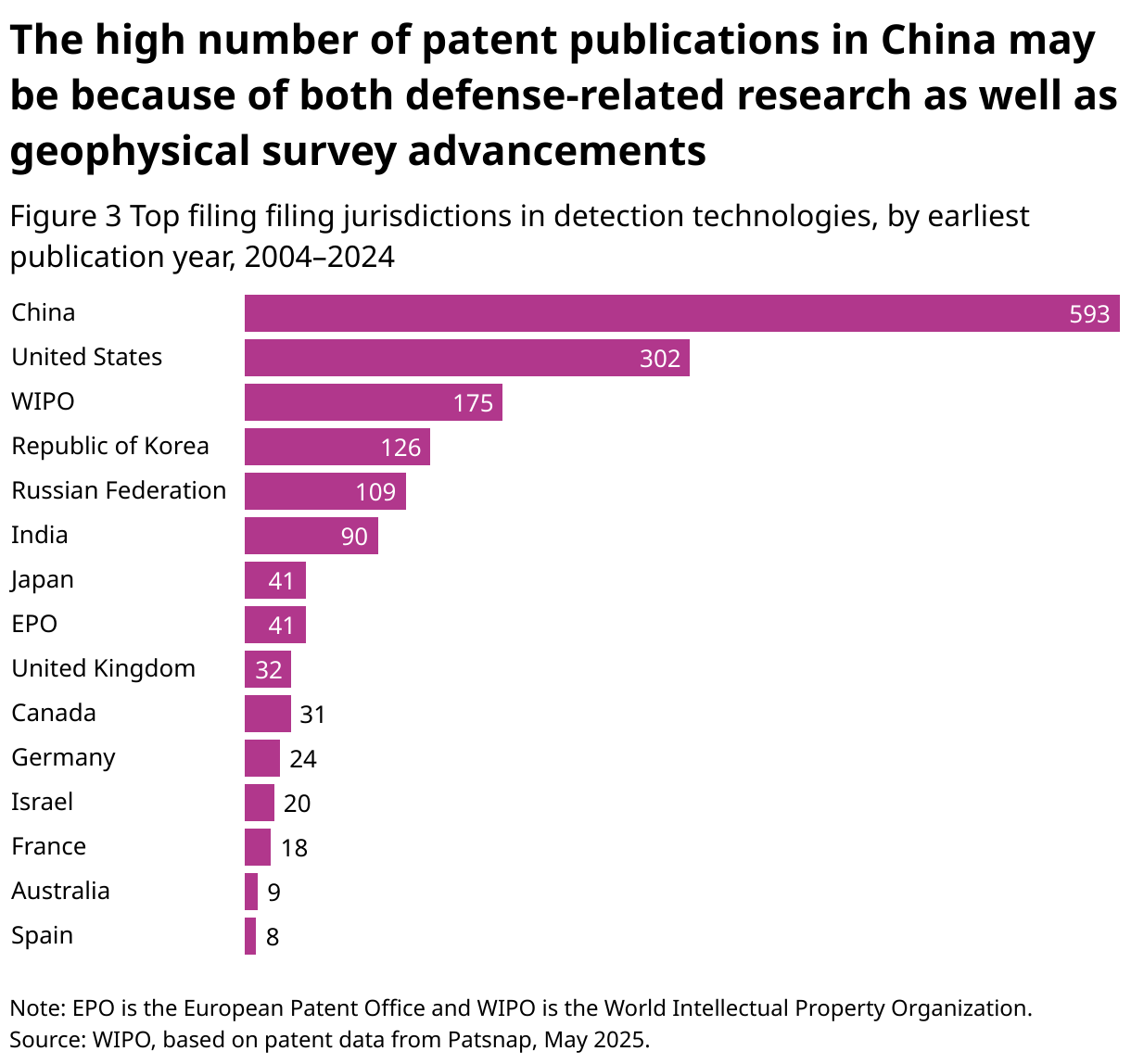
Figure 3 shows patent family publications related to mine detection across the top jurisdictions by earliest publication year. The highest number of patents families were published in China (593), followed by the United States of America (US) (302).
In the United States, a substantial share of patents originated from military research programs, reflecting the historical role of the Department of Defense and defense industry blocks in developing mine detection and clearance technologies. These patents often form the technological basis for later humanitarian applications, illustrating the military-to-humanitarian technology transfer that has shaped the global innovation landscape until very recently. Similarly, China's high patent publication numbers reflect a combination of defense-related research and advancements in geophysical survey technologies that are often adapted for mine detection applications. While some of China’s patents may relate to military defense technologies, a significant portion is also tied to geophysical techniques with dual-use potential, spanning both the commercial and defense sectors.
Xinjiang Technical Institute of Physics and Chemistry (China) and the Agency for Defense Development (Republic of Korea) topped the list of top patent owners for mine detection technologies, with 18 patent families each, followed by BAE Systems (United Kingdom), with 17 patent families (Figure 4).
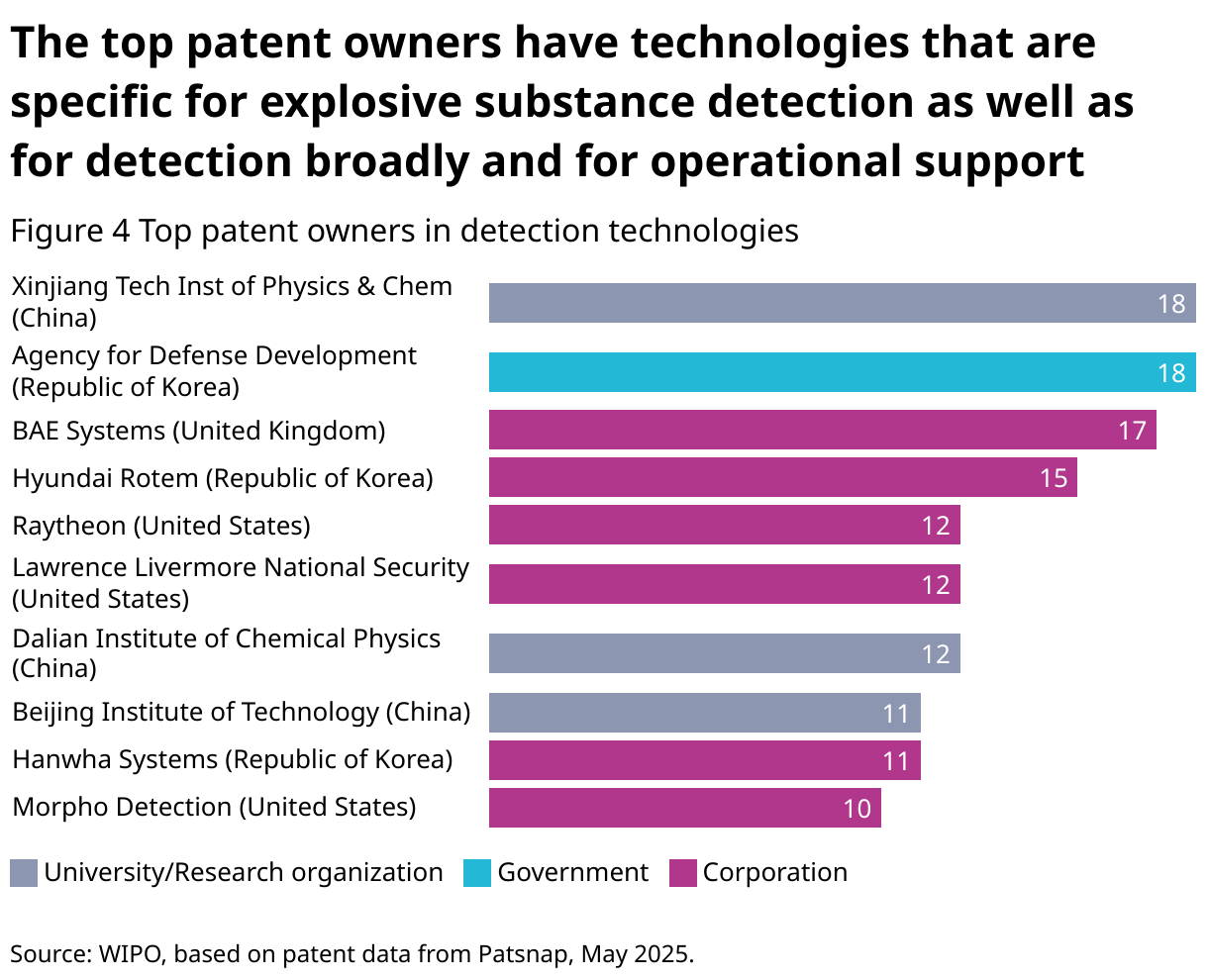
The Xinjiang Technical Institute of Physics & Chemistry (China) demonstrates a strong focus on explosive substance detection, with patents covering gas sensor arrays, fluorescent nanomaterials, hydrogel-based test kits, colorimetric and optical platforms, and rapid detection methods for both conventional and improvised explosives. These patents suggest a concerted effort to develop sensitive, portable and rapid detection systems, which show promise as both laboratory and field applications in EO detection. Fuel testing appears as a surprisingly prominent domain – likely linked to patents in explosive residue detection – in which techniques developed for fuel or hydrocarbon analysis are adapted to trace explosives.
By contrast, the Republic of Korea’s Agency for Defense Development emphasizes a broader spectrum of detection and operational support technologies, including GPR, adjustable-range metal detectors, vehicle-mounted sensors, and advanced explosive sensing using quantum dots and air-intake detection platforms. While some patents target civilian applications, several clearly retain dual-use or exclusive military applications.
As background to the patent data analyzed from 2004 onwards, earlier developments in EO detection technologies laid the foundation for modern advancements. Between the 1960s and 1980s, patents primarily focused on mechanical and chemical detection methods, such as electromagnetic sensing and acoustic techniques. The 1990s and early 2000s saw the integration of multimodal sensing technologies, including X-ray, chemical and optical methods, as well as the introduction of robotic systems for handling explosives.
By 2004, UAVs had entered the detection landscape, indicating an advance toward remote sensing and the surveying of EO, and opening the door to greater operational reach and safety. Around 2006, GPR technology became more prevalent within detection systems in combination with existing metal detection technologies, leading to an improvement in the ability to distinguish between subsurface EO and the metal clutter responsible for previously extremely high rates of false positive detections in the field. This period also saw the miniaturization of devices, making them more portable and suitable for diverse operational environments.
In 2019, patented technologies in EO detection show a notable spike in the use of AI, marking its growing prominence within detection technologies. The integration of AI computational methods enabled faster sensor data analysis and pattern recognition, while also supporting decision-making through digital systems and information management. This advancement holds significant potential for improving the efficiency and accuracy of detection systems in the future.
The evolution described shows several consistent trends spanning decades: namely, increased automation and robotics; multimodal sensing; portable and UAV-based platforms; advanced material use for high sensitivity; and real-time, AI-assisted detection. The following timeline traces these developments in detail, highlighting key milestones in explosives, mine, and hazardous material detection technologies:
2004–2015: miniaturization, integration and expanded robotics
Growth of handheld, wearable, and portable detection devices.
Multimodal integration is explored: optical + chemical + electromagnetic + acoustic sensors.
Expansion of robotics and UAVs for EO detection, including amphibious and subterranean systems.
Nuclear quadrupole resonance (NQR) and hyperspectral imaging become mobile and potentially field deployable.
2016–2024: AI, multi-robot systems and advanced materials
AI and machine learning applied to real-time detection, signal processing and threat classification.
Multi-robot and UAV platforms enhance mapping, detection and operational safety.
Nanomaterials, quantum dots and covalent/metal–organic frameworks improve sensitivity and selectivity.
Multi-environment adaptability introduced: soil, water, vehicle interiors and industrial sites.
Portable, integrated and autonomous detection platforms dominate patents.
Autonomous robots with sensor fusion, adaptive control and real-time mapping for landmine and explosive detection.
Multimodal sensing: fluorescence, Raman/SERS, X-ray, electromagnetic and acoustic technologies combined.
UAV-based surveying and mapping for hazardous terrains.
Advanced chemical detection and nanomaterials improve field readiness and selectivity.
Key overarching trends that span decades
Automation and robotics: attempts to shift from manual and mechanical detection to autonomous robots and UAVs.
Multimodal sensing: integration of chemical, optical, acoustic, electromagnetic, and nuclear techniques.
Miniaturization and portability: lab-scale → handheld/wearable → UAV-mounted systems.
Materials innovation: fluorescent polymers, nanomaterials, quantum dots, and functional surfaces enhance sensitivity.
AI and real-time analysis: multi-sensor fusion, threat recognition, and assistance to decision-making.
Safety and operational focus: Remote, standoff, and automated detection reduces risk to operators.
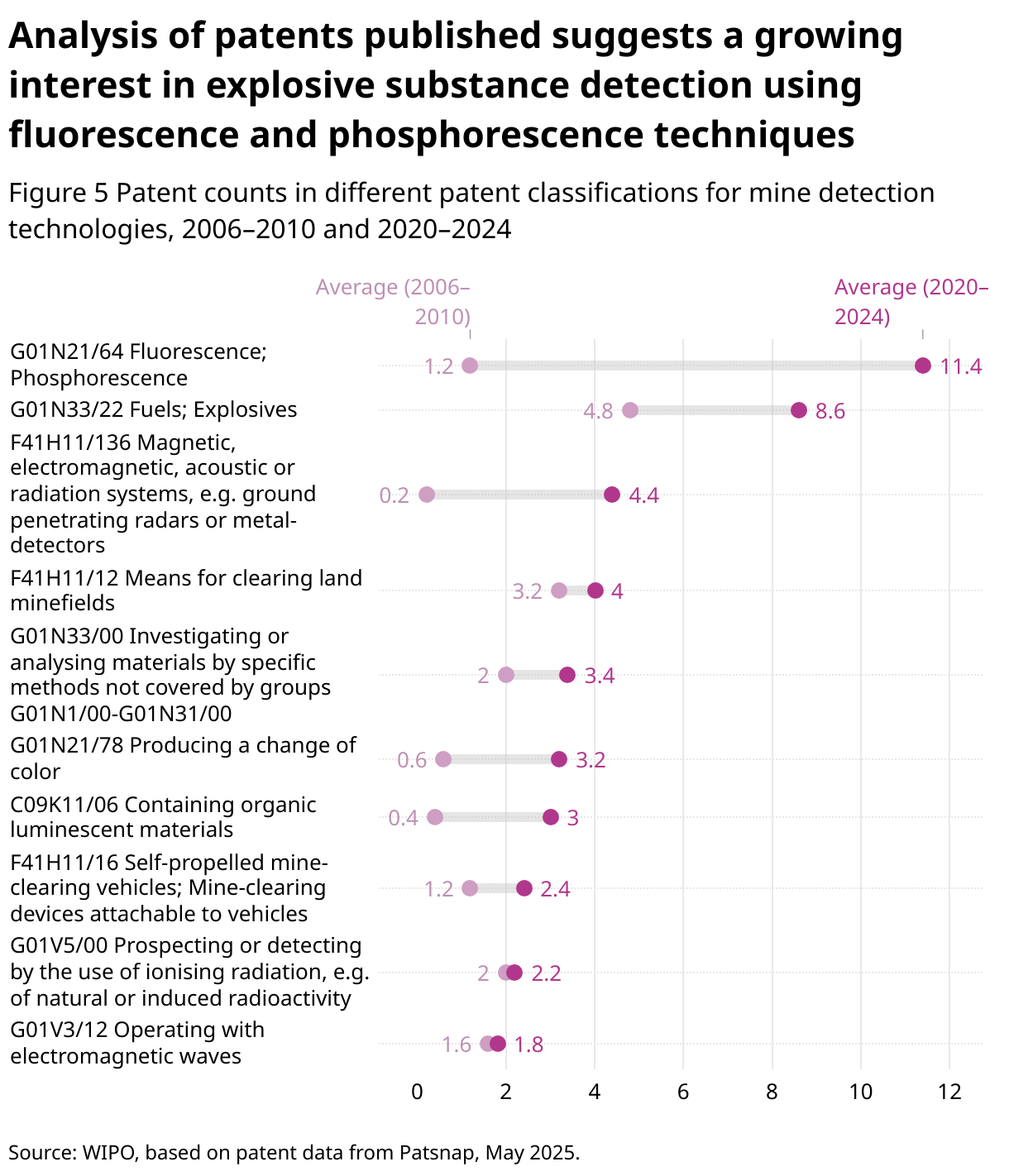
The evolution of mine detection technologies was analyzed through patent classification, a system of language-independent symbols for categorizing patents according to technological area.
Clearance technologies
The clearance process is an essential component of land release activities, which is preceded by non-technical survey and technical survey. Clearance refers to the tasks or actions required to ensure the removal and/or destruction of all EO within a specified area, to a specified depth or other agreed parameters. These parameters are defined by the National Mine Action Authority (NMAA) or the relevant tasking authority.
Between 2004 and 2024, 980 patent families were published related to mine clearance technologies, with publications having remained relatively steady since 2005 (Figure 2).
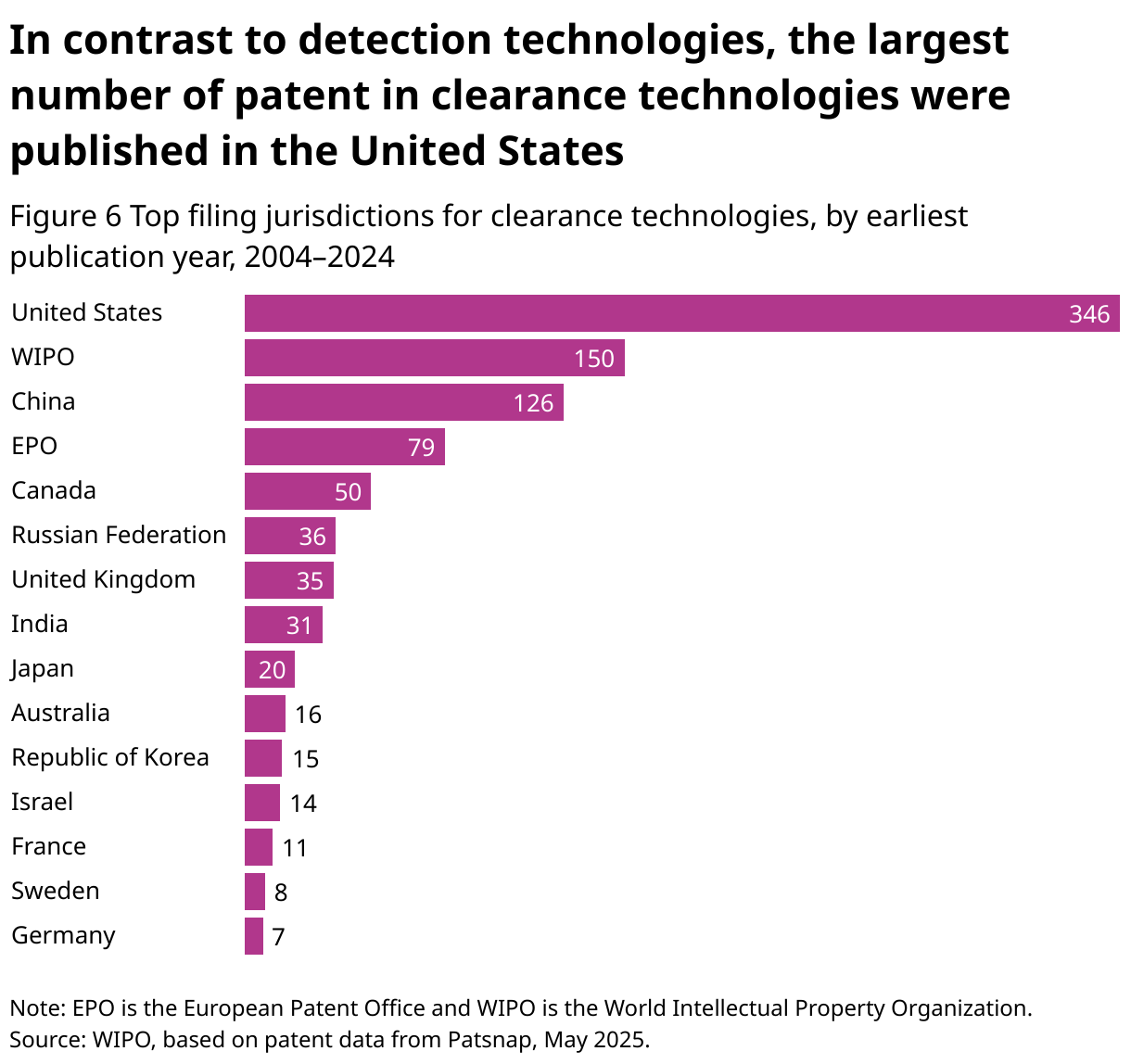
The highest number of patent families were published in the United States (346), followed by Patent Cooperation Treaty (PCT) applications filed at WIPO (150) and then in China (126), as shown in Figure 6. This is in contrast to patent families in detection technologies where the highest number were published in China.
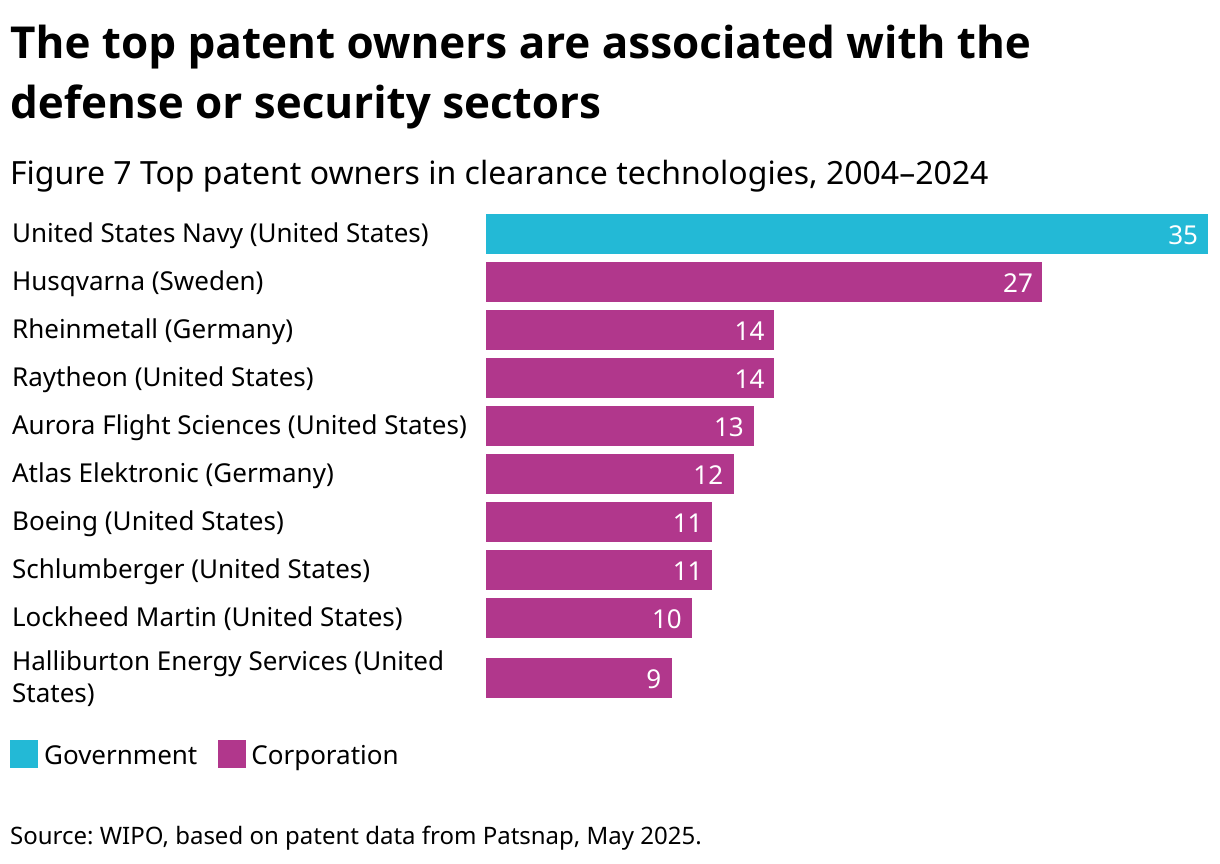
As Figure 7 shows, the top patent owner in clearance technologies is the United States Navy, with 35 published patent families, followed by Husqvarna (Sweden, 27) and Rheinmetall (Germany, 14). Similar to detection technologies, the top patent owners are associated with either the defense or security sectors.
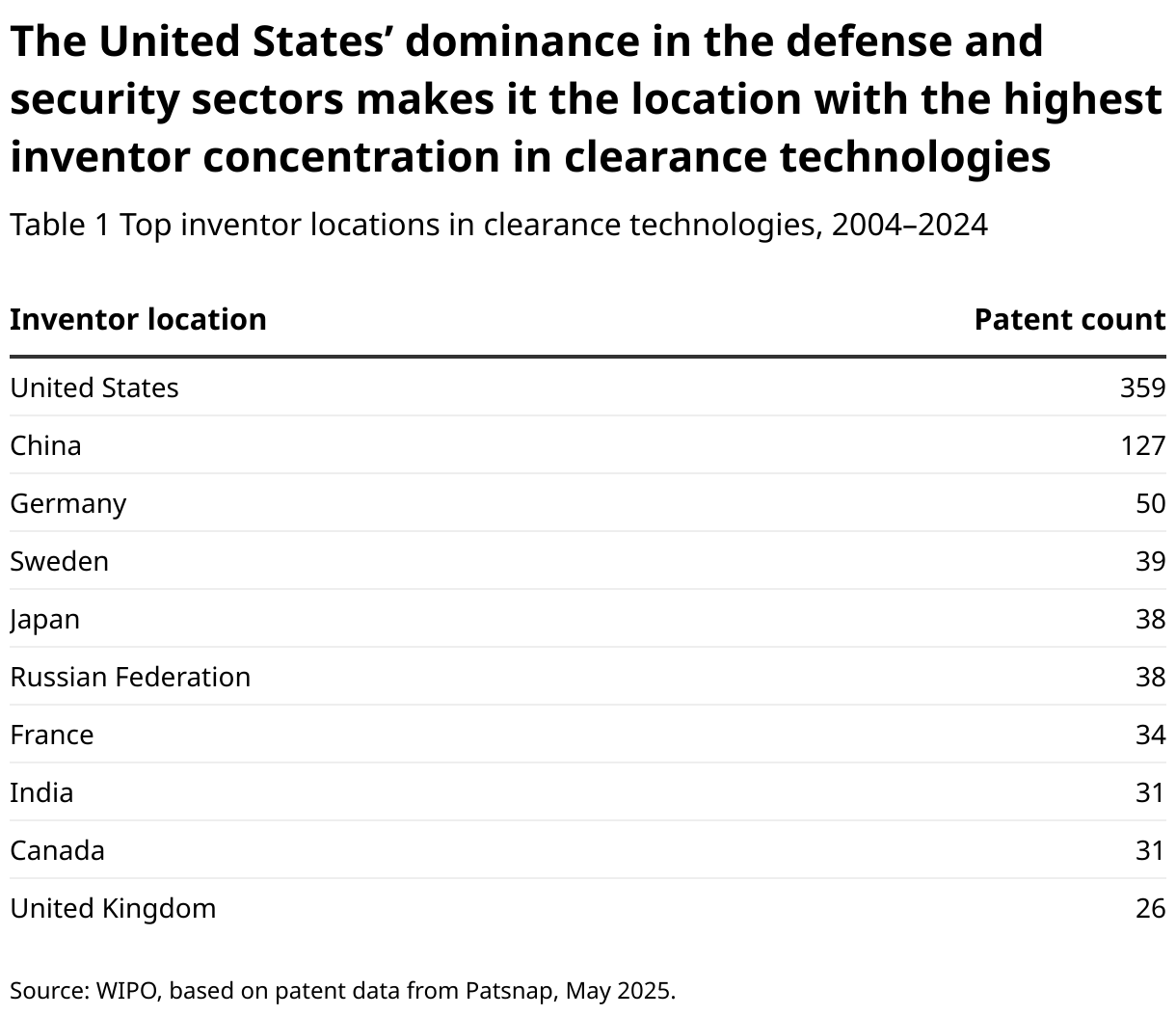
Unsurprisingly, the United States, with a dominance in the defense and security sectors, was the location that had the highest inventor concentration in mine clearance technologies, with 359 patent families originating in that country (Table 1). Published inventor addresses were used to determine where the research took place. China had the next highest inventor concentration, with 127 patent families originating in that country.
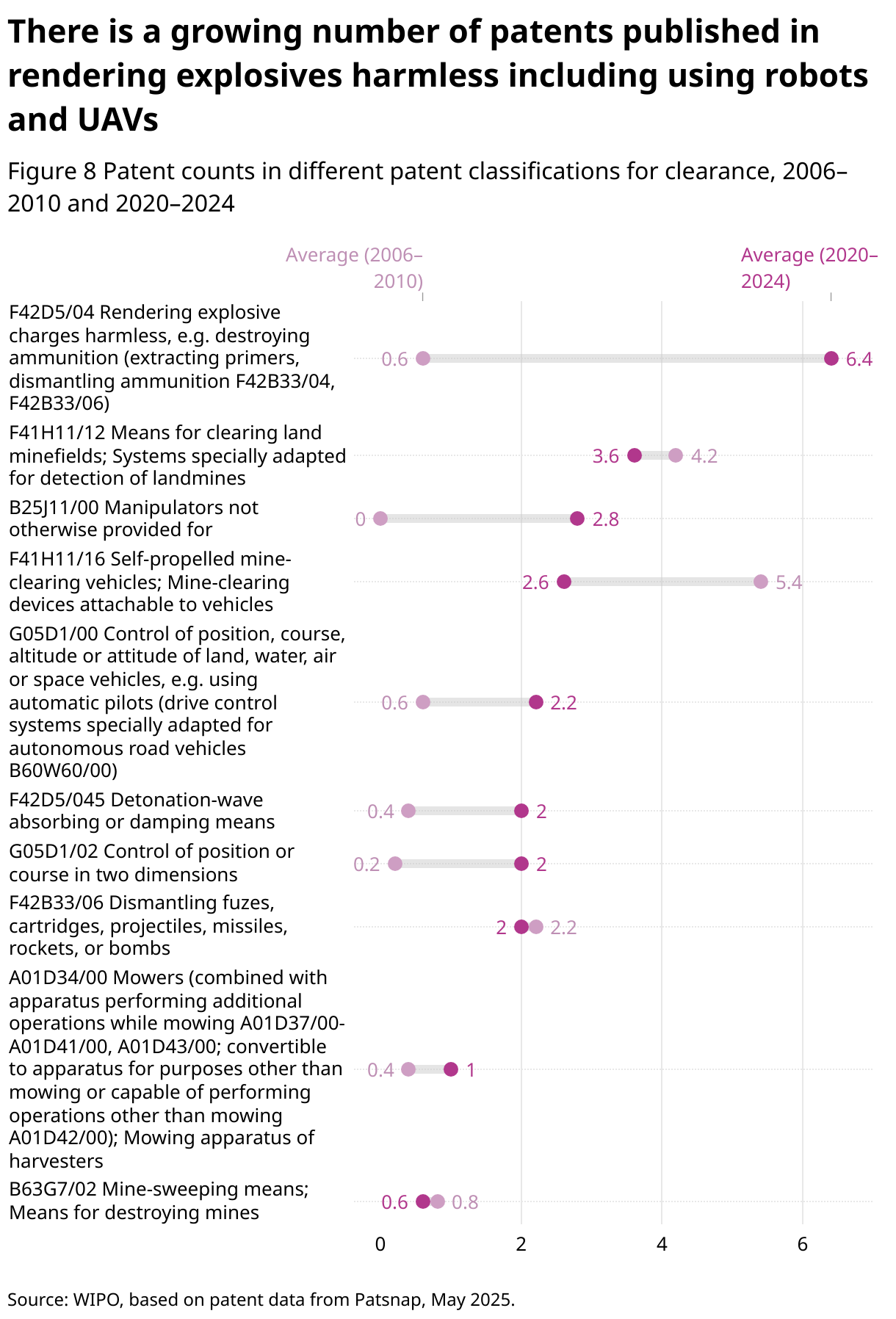
By comparing the average number of patents in different patent classification areas between 2006–2010 and 2020–2024 in the clearance dataset (Figure 8), an increase in filings for patents related to technologies for rendering explosive charges harmless (F42D5/04) or detonation-wave absorbing means (F42D5/045) was found. Patent filings have also increased in the area of manipulators (B25J11/00) and special use aircrafts (B64C39/02), suggesting advances in applications for manipulators and/or industrial robots and aircrafts/UAVs in clearing EO. At the same time, although it has been a consistent presence, activity in the area of self-propelled mine-clearing vehicles (F41H11/16) has been on the decline.
Personal protective equipment
Safety is a paramount principle of mine action. Personal protective equipment (PPE) is particularly important when conducting clearance, as deminers work within very close proximity to EO. Protective and blast-protected body suits, helmets, screens, safety gloves and boots are some examples of PPE used by deminers. Blast shields, protective barriers and such like are other examples of safety equipment to be found.
Alongside technological advances in detection and clearance technologies, the safety of personnel has remained a central concern. There were a total of 891 published patents related to PPE. There was a peak in patent publications between 2011 and 2016, with patents dropping off slightly afterward before picking up again in 2024 (Figure 2). Innovations in PPE have maintained steady prominence, with notable activity peaks in 2018, 2020 and again in 2024. This focus complements developments in armored vehicles, protective garments and defensive devices, reflecting a broader application-domain emphasis on safeguarding both deminers and equipment operating in high-risk environments.
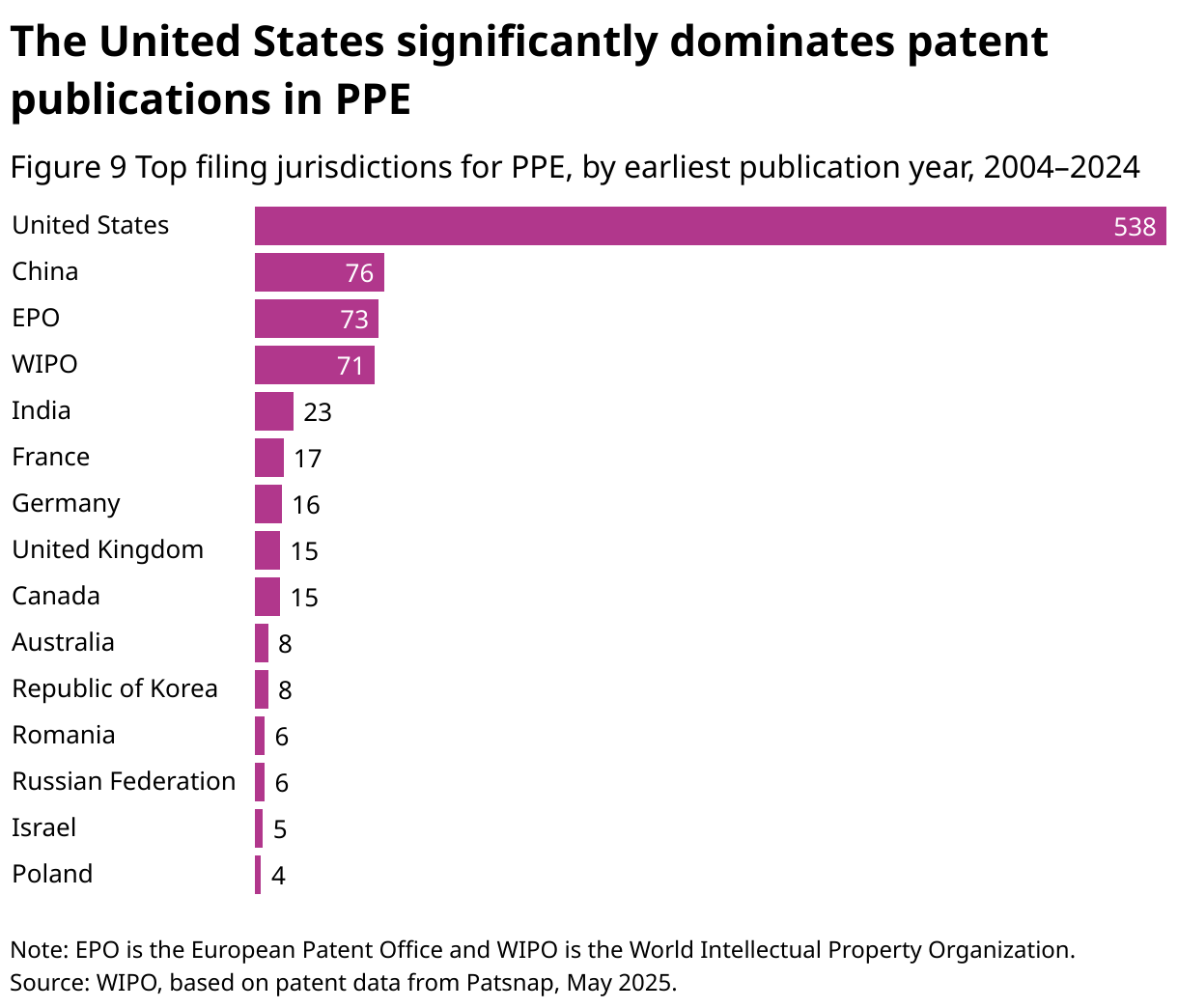
The United States has a dominant lead in top jurisdictions for PPE patents, with 538 published patent families, followed by China, the EPO and WIPO, with publication numbers within the 70–80 range (Figure 9).
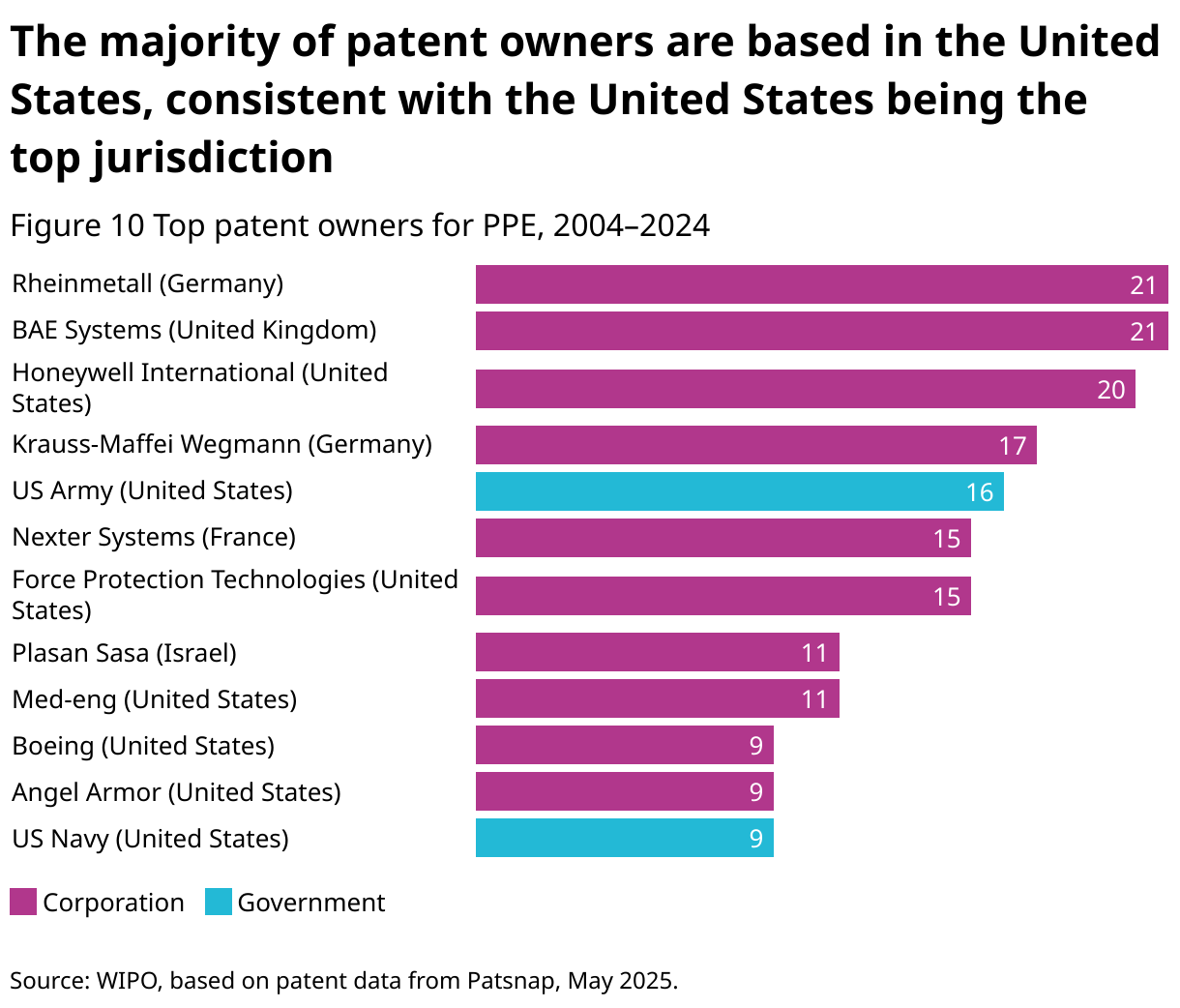
Rheinmetall (Germany) and BAE Systems (United Kingdom) are the top patent owners, with 21 patents each, followed by Honeywell (United States), with 20 patents (Figure 10). However, of the 25 top patent owners, 15 are US-based, consistent with the United States being the top jurisdiction.
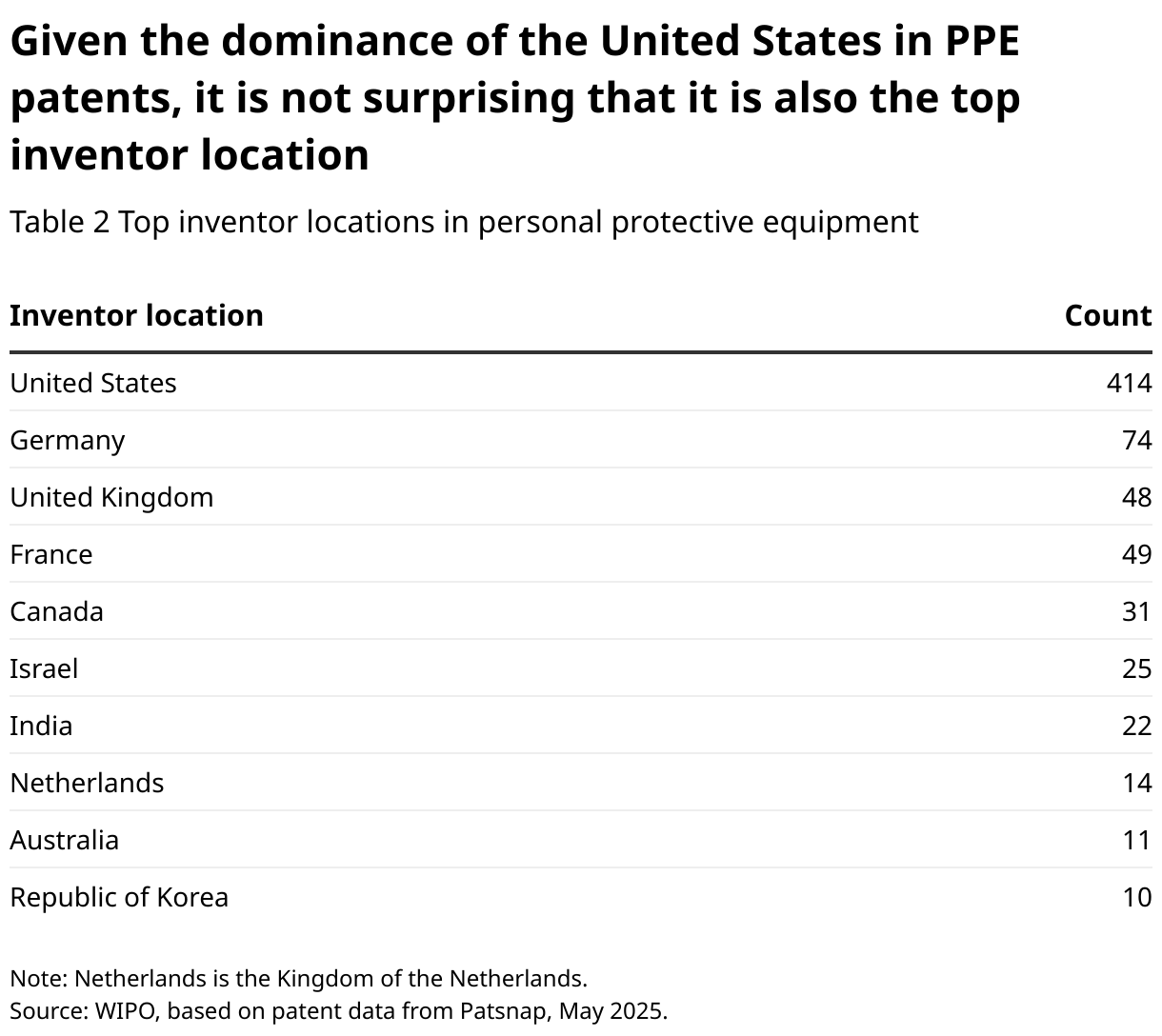
Thus, it also follows that the top inventor location for PPE patents is the United States, followed by Germany and the United Kingdom (Table 2).
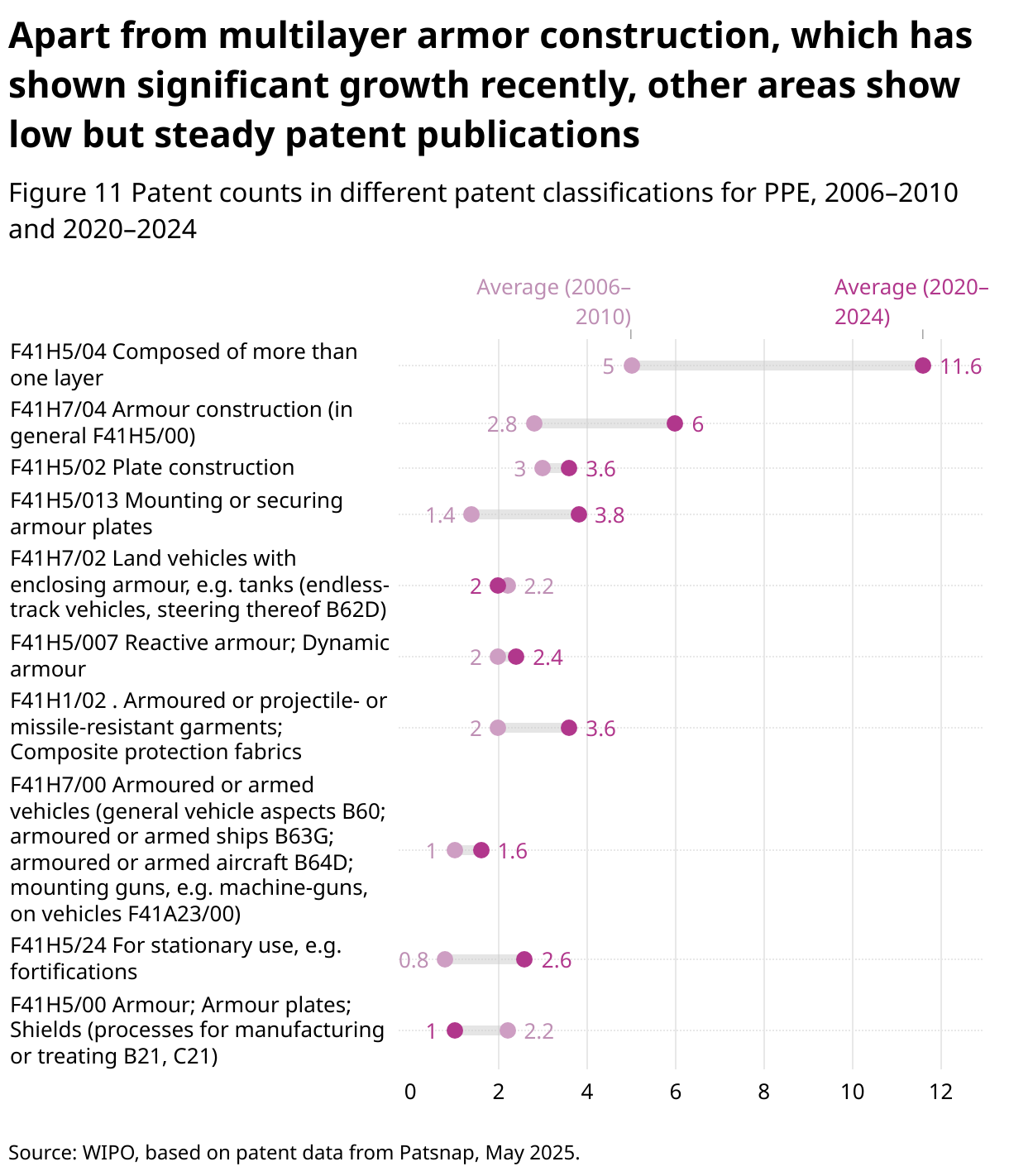
By comparing the average number of patents in different patent classification areas between 2006–2010 and 2020–2024 in the PPE dataset, no remarkable changes in patent filings within different technical categories between the two time periods were observed (Figure 11). There has been a growth in the number of patents in the area of multilayer armor plate construction (F41H5/04), indicating continued and increasing interest in multilayer armor systems likely to be relevant for PPE and vehicle protection. Other categories, such as blast protecting garments, helmets, shields and footwear, have maintained a low but steady presence during both time periods.