
Technologies focusing on alternatives to petroleum- or animal-based fibers, or improvements to cotton growing and extraction of synthetic fibers, aim to realize versatile and high-performance fibers with low environmental impact at low production cost. Other technologies focus on more sustainable alternatives to yarn and textile manufacturing, dyeing and finishing processes with fewer harmful chemicals and lower water and energy requirements.
Bio-based alternative raw materials can replace cotton-, animal- and petroleum-based fabrics. Many forms of agricultural waste can be used to produce materials for fashion applications. These include regeneratively grown natural fibers and closed-loop recycled fibers. Nature-based solutions make use of renewable fibers such as hemp or kapok and agricultural waste that can be transformed into fibers with fewer harmful chemicals. However, it is notable that very few of the waste materials are from garments.
While many of these technologies hold promise, there is a pressing need to prioritize and invest in viable and environmentally benign fiber-to-fiber recycling technologies to enable the fashion industry to deal with its own waste (European Commission, 2022). High-quality recycling (as distinct from downcycling) supports a circular fashion economy by ensuring that the quality of the material is preserved or recovered for reuse in products with the same market value and allows further recyclability of the same quality at end-of-life.
Raw materials and the circular economy
Circular processes utilizing pre- and post-consumer plastic waste or carbon dioxide captured from industrial fumes can produce virgin-grade alternatives to synthetic fibers such as polyester or nylon. Bio-based polyester alternatives from renewable agricultural feedstocks such as plant starch, algae, corn and sugar are abundant and offer biodegradability and industrial compostability.
However, a recent comparative study found that bio-based fibers had higher environmental impacts than polyester in terms of acidification, eutrophication, ecotoxicity, water and land use, which all increase with the bio-content and relate to the first-generation feedstock (agriculture and transport) (Ivanović et al., 2021).
Isolating squid genes led to the development of a bioengineered protein-based fiber that reduces microfiber pollution. Bypassing the need for agricultural land and chemicals for cotton farming can be achieved with lab-grown cotton through cellular agriculture, where cells are placed into bioreactors and grown into cotton fibers. There are also technologies that focus on improving soil health and maximizing crop efficiency for cotton.
Leather-like materials can be fabricated from apple waste, grape waste, citrus waste, shrimp shells, brewer’s saved grain, garden and park waste, mycelium and bacterial cellulose. Other bio-based waste resources that can be transformed into materials suitable for fashion applications include coffee grounds, pineapple leaf, milk and bananas.
Agricultural waste can be used instead of trees for producing viscose and in textile processing, for example to produce natural dyes at scale and to produce industrial enzymes for textile bio-polishing, desizing and bio-scouring.
Water use
There is a pressing need for textile manufacturing to shift from wet processing to dry processing technologies that need very little to no water to reduce energy needed to heat vast amounts of water and the reliance on coal for thermal energy (Accenture, 2023). Carbon dioxide (dry) dyeing technology is well established for synthetics (de Oliveira et al., 2024) and there are various other means of waterless dyeing such as using microbes, producing pigment and ink from algae, wood waste or textile fibers from pre- and post-consumer textile waste.
Other alternatives include fiber dyeing for polyester yarn by melting color pigments and recycled polyester mass together before it is extruded to fiber and spun into yarn and even DNA sequencing to engineer microorganisms to produce, deposit and fix pigments onto textiles. Some technologies focus on wastewater treatment, for example by mimicking biological membranes for water purification, using microbial fuel cells or electro-coagulation.
Innovation example
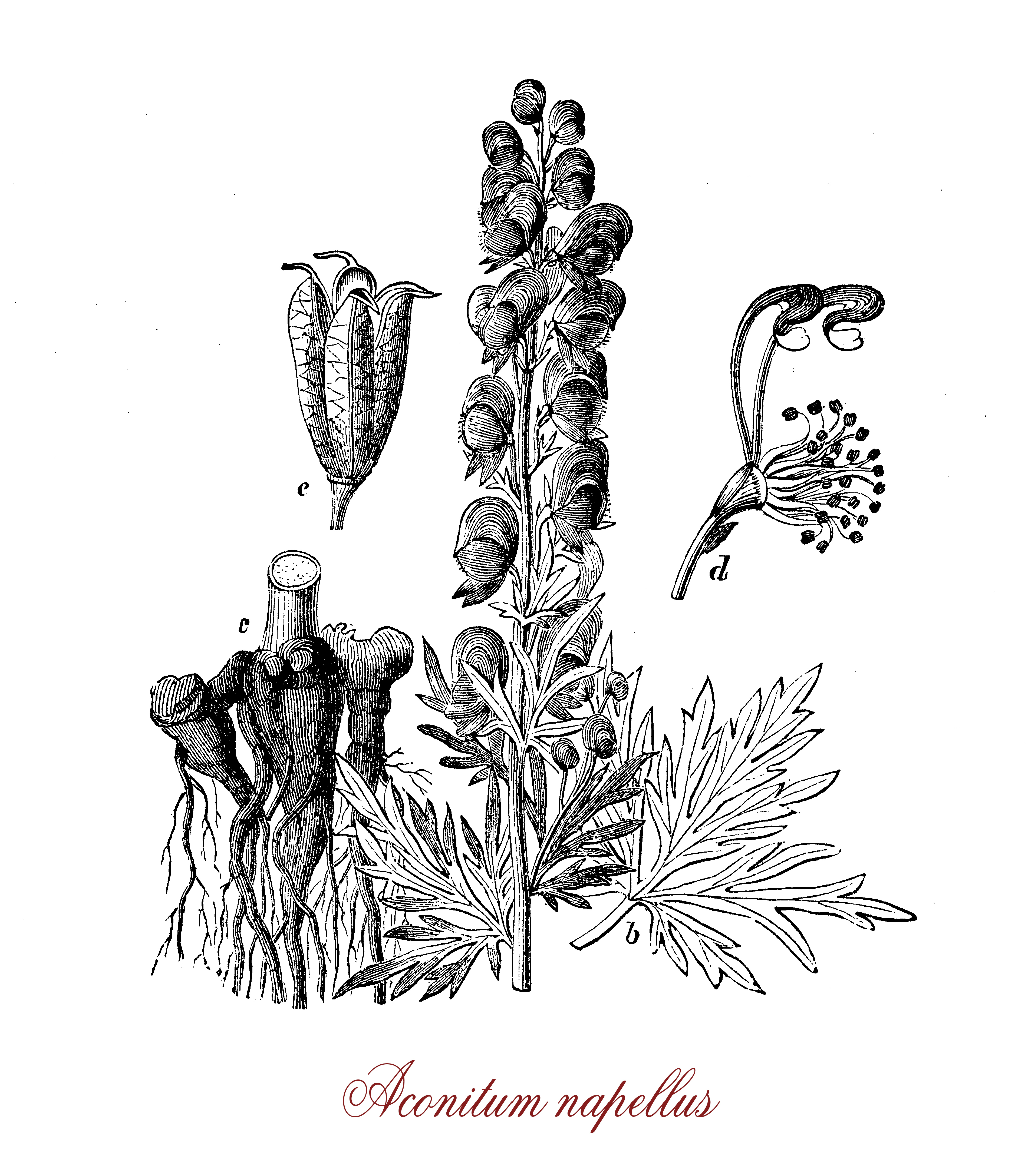
Ancient vegan silk, also known as peace silk, this production method refers to any type of silk that is produced without harming or killing the silkworms. In conventional silk production techniques, the cocoons are steamed, boiled, or dried in the sun, thereby killing the silk larvae inside. Peace silk was first patented in India in the early 2000s as Ahimsa silk and until today it is made on a small scale with the involvement of rural silk farmers, who are usually women (Khanna, 2019). Other types of vegan silk manufacturers work with cactus or eucalyptus as origin materials.
Technology solutions
Regenerated nylon yarn from pre- and post-consumer waste
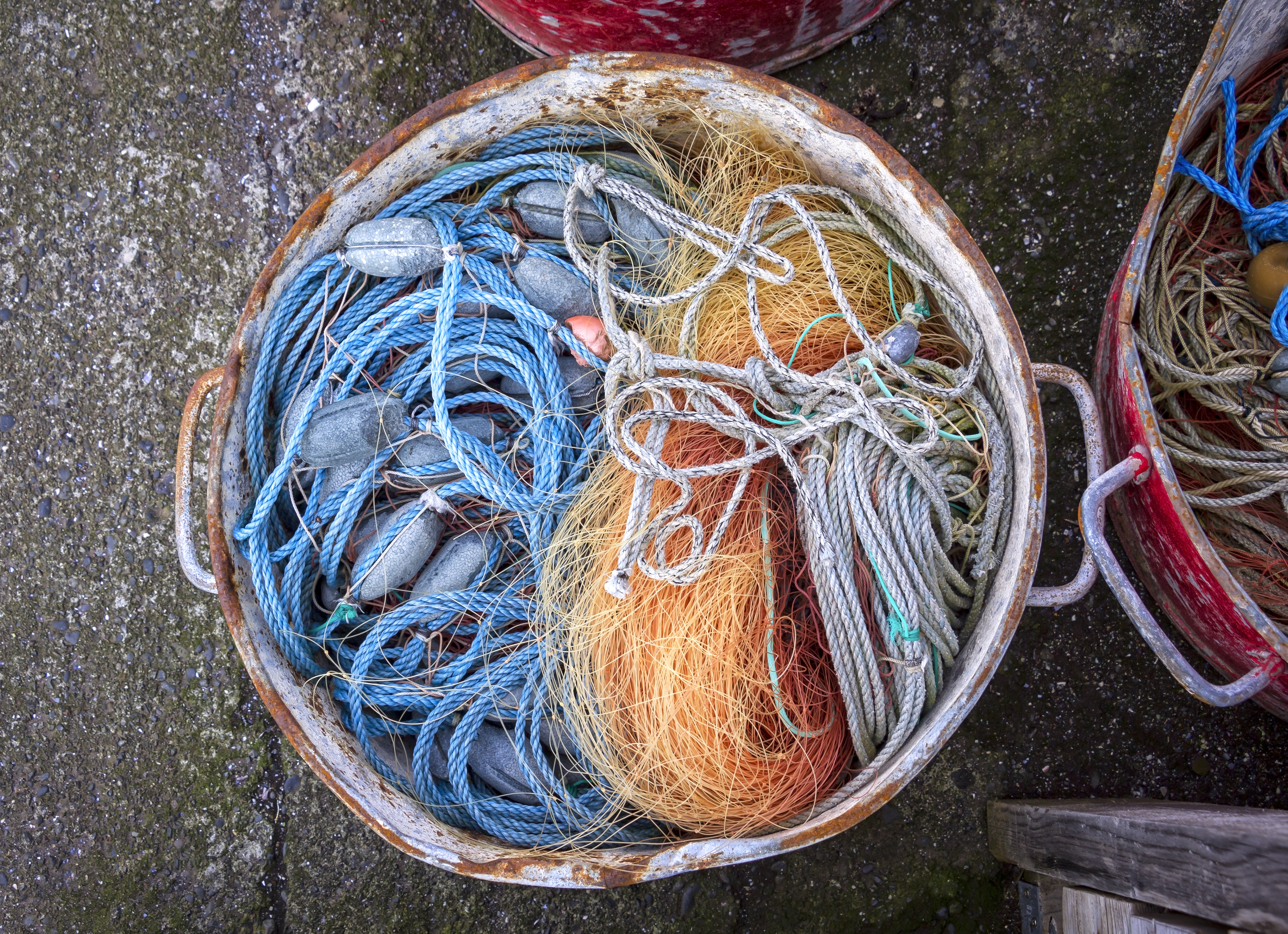 ECONYL® (Database ID 148608)
ECONYL® was an early pioneer of waste regeneration to reduce reliance on fossil fuels for synthetic fibers. It launched on the market in 2011 as a 100% regenerated virgin-grade nylon yarn made from pre- and post-consumer plastic waste such as fishing nets, fabric scraps, carpet and industrial plastic, which can be infinitely reused. Collected waste is cleaned and shredded, depolymerized to extract nylon, polymerized, spun into yarn, and then used for producing textile products. The material has the same performance characteristics as virgin nylon and is used by thousands of fashion brands around the world, including luxury, sportswear, outdoor and intimates players. The producer company Aquafil claims it reduces the climate impact of nylon by up to 90% compared with standard nylon made from petroleum. Prada pledged to replace virgin nylon with ECONYL® by 2021 and in 2023 Stella McCartney launched its first closed-loop circular garment – a parka made entirely from ECONYL® that is designed for disassembly so it can be sent back to Aquafil to be recycled into new ECONYL® yarn at the end of its useful life. However, owing to its synthetic nature, it sheds microfibers and is not biodegradable.
Contracting type: For sale
Readiness level (TRL): Scaling up (TRL 9)
Contact: WIPO GREEN Database
Mycelium-based biodegradable leather substitute
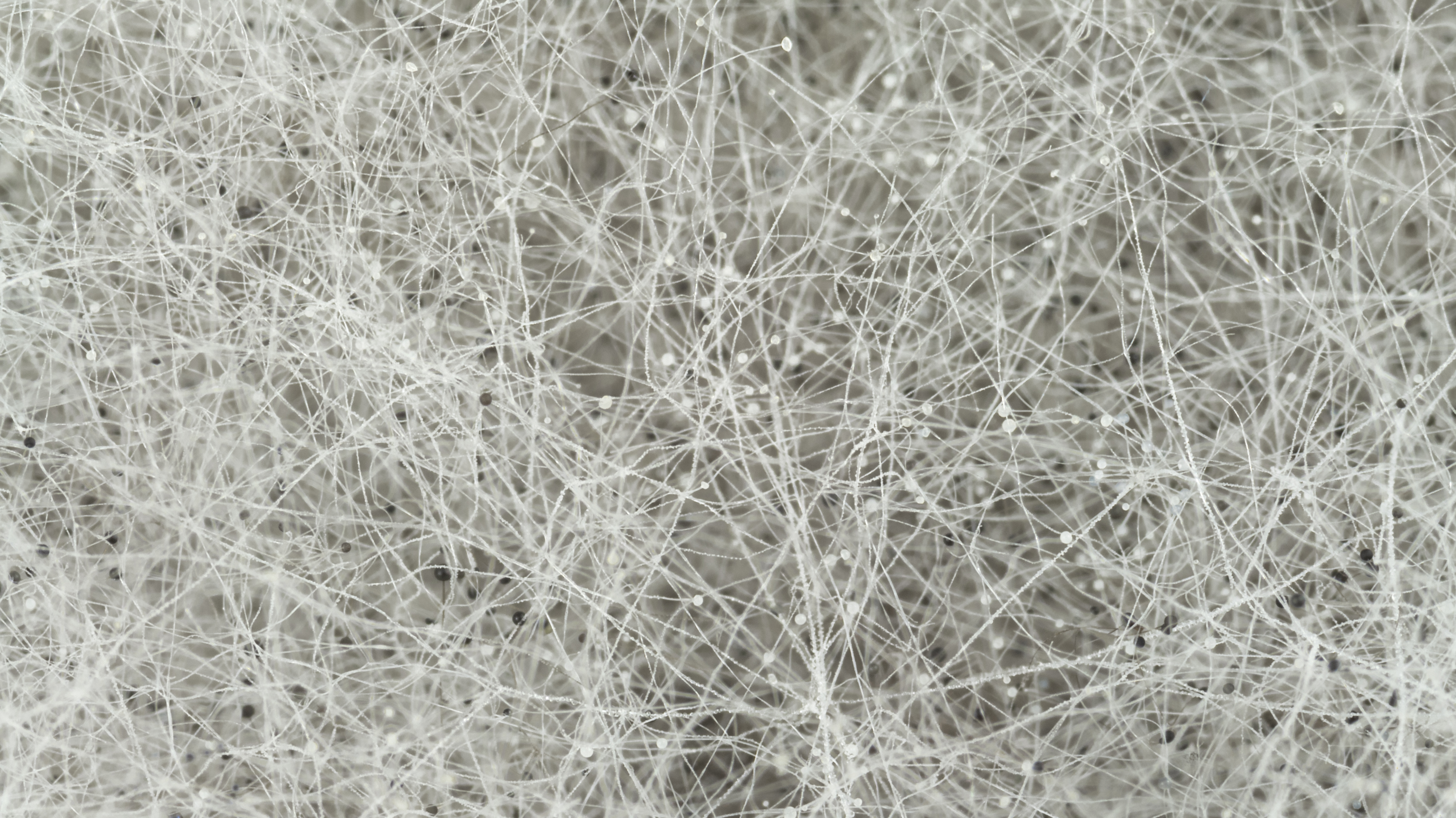 Ecovative (Database ID 148958)
The material MycoComposite™ is a combination of mushroom mycelium, cultivated from filamentous fungi on organic feedstocks and shredded plant fibers, such as kenaf, hemp stalks and other plant-based agro-waste. The mycelium binds the material together into a natural composite for a range of applications. The process requires little energy and the final product is 100% bio-based and biodegradable. The AirMycelium™ technology enables large-scale production of 100% pure mycelium, with applications such as Forager™ as a sustainable replacement for leather. However, the industrial-scale growth of mycelium materials raises concerns about the carbon footprint tied to nonlocally sourced growth substrates. Its latest round of funding in 2023 raised USD 30 million to scale its Forager business into a world-class supplier of sustainable textile products suitable for fashion applications.
Contracting type: For sale, licensing (MycoComposite)
Readiness level (TRL): Scaling up (TRL 9)
Country of origin: United States
Contact: WIPO GREEN Database
Synthetic fiber technology that converts waste carbon emissions into polyester pellets
 Fairbrics (Database ID 148825)
This company has pioneered a process to collect carbon dioxide emissions from industrial fumes that would otherwise be released into the atmosphere, which are then reacted with a catalyst and solvent to produce chemicals used in polyester synthesis. These chemicals are polymerized to form polyester pellets, which can be spun into yarn and then into fabric for apparel applications. Using carbon dioxide instead of fossil fuels to manufacture polyester, Fairbrics is developing the first synthetic fiber that could achieve a potential net positive impact on climate change, as the process reduces reliance on coal and petroleum to produce polyester. It is scaling its Belgian plant and has received funding from the EU’s Horizon Europe research and innovation program to valorize sustainable PET textile products from carbon dioxide waste streams at industrial scale.
Contracting type: For sale
Readiness level (TRL): Scaling up (TRL 9)
Country of origin: France
Contact: WIPO GREEN Database
Bio-based and biodegradable polyester alternative
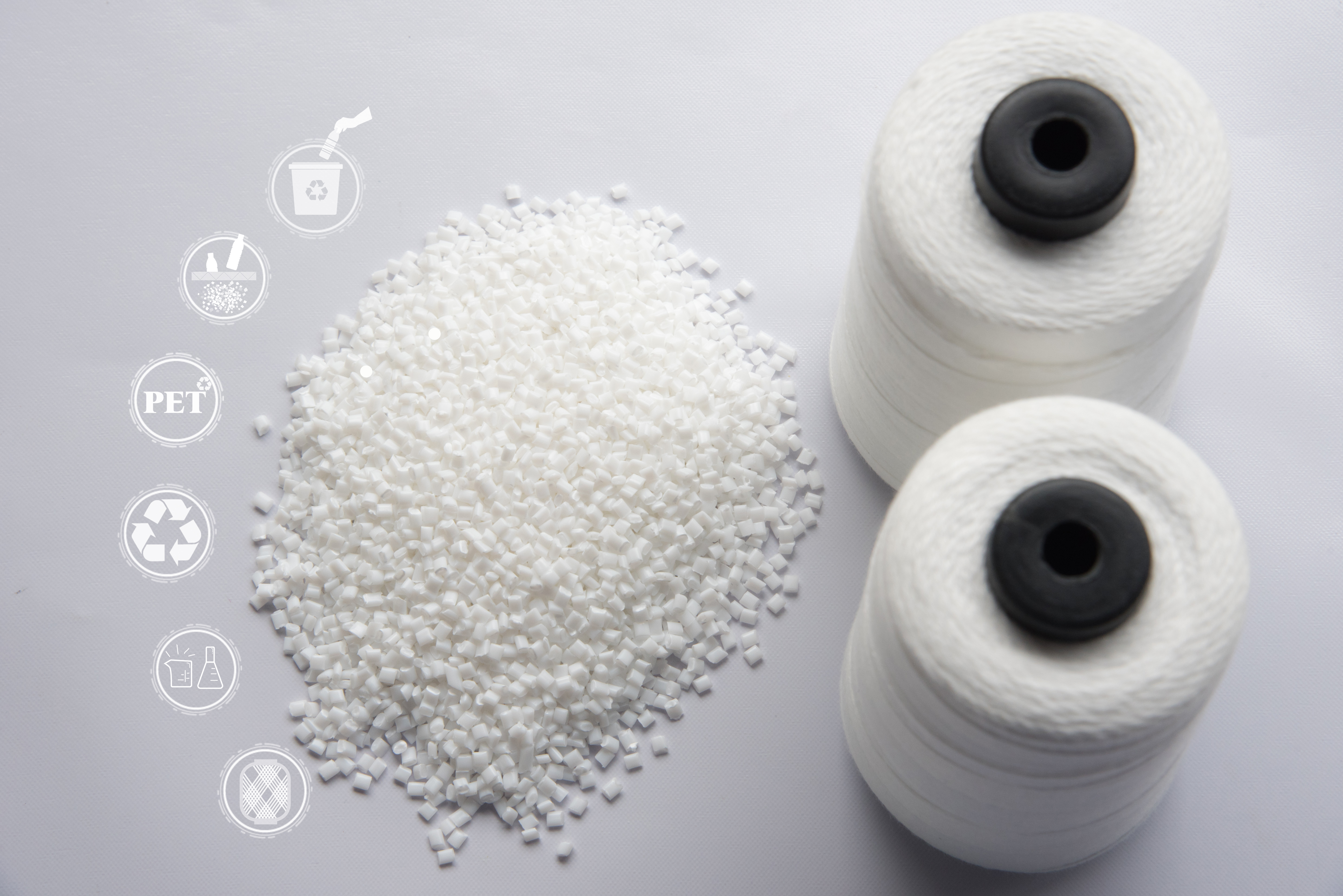 Kintra Fibers (Database ID 149137)
This company has succeeded in producing a fully bio-based and biodegradable synthetic alternative to PET polyester that aligns with apparel performance requirements. By using 100% bio-based inputs (for example, corn and sugar) instead of traditional polyester (PET) that relies on fossil fuels, Kintra Fibers has achieved a 95% reduction in emissions, a 30% decrease in water usage and 20% less energy consumption. The new fiber is biodegradable in aerobic environments and the resin and yarns are produced on the same equipment as PET. This means that specialist new infrastructure is not necessary, which could help the company scale quickly and competitively. In 2023, the company raised USD 8 million in funding and partnered with several retailers in a commercial pilot.
Contracting type: For sale
Readiness level (TRL): Technology development/prototype (TRL 5-6)
Country of origin: United States
Contact: WIPO GREEN Database
Agro-waste based cellulosic fiber pulp for viscose
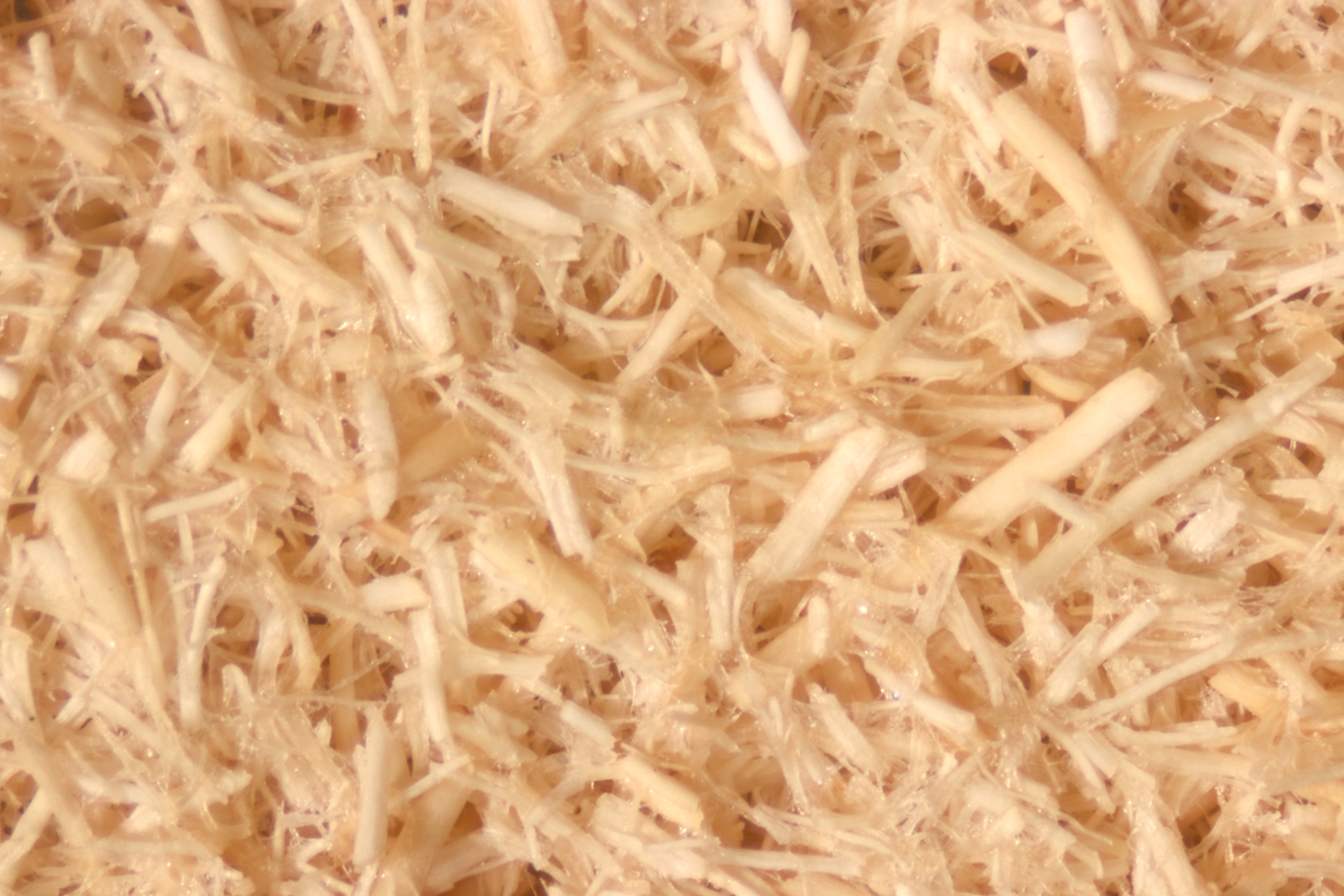 The Hurd Co. (Database ID 148939)
Founded in 2019, The Hurd Co. has developed a technology for producing MMCF pulp called agrilose™ from agricultural waste. This addresses the problem of deforestation, as MMCF is usually made from trees. The pulp can be used to make lyocell or viscose/rayon, with the same quality and price as tree pulp. Its patented technology has a significantly lower environmental impact, using 50% less water and 90% less energy than the conventional pulping processes. The agro-waste in question is hemp, which is harvested for CBD and protein as well as traditional hemp fiber, but most of it is thrown away or burned. The Hurd Co. uses 70% of this waste for their pulping process. The company was selected for the Fashion for Good Accelerator Program in 2021 and the Los Angeles Cleantech Incubator in 2020.
Contracting type: For sale
Readiness level (TRL): Scaling up (TRL 9)
Country of origin: United States
Contact: WIPO GREEN Database
Waterless coloration process for recycled polyester
 We aRe SpinDye (Database ID 148961)
We aRe SpinDye has introduced Waterless Dyeing, an innovative method for coloring polyester yarns and textiles with notable sustainability benefits. The process involves integrating color directly into the molten plastic solution before filament formation, minimizing water and chemical usage. In contrast to conventional methods, Waterless Dyeing achieves a remarkable 75% reduction in water consumption, a 90% decrease in chemical usage and a 30% cut in carbon dioxide emissions. The resulting fabrics exhibit vibrant colors, have exceptional durability and are produced with full transparency and certification.
Contracting type: For sale
Readiness level (TRL): Scaling up (TRL 9)
Country of origin: Sweden
Contact: WIPO GREEN Database
An industrial technology to color cellulosic yarn with a reduced environmental impact
 COLOURizd™ (Database ID 148964)
COLOURizd’s patent-pending QuantumCOLOUR dyeing technology injects pigment and a binder directly into the yarn, using only 0.95 liters of water per kilogram of colored yarn and producing zero effluent, enabling a transition to dry processing in dye factory environments. This almost eliminates water consumption, achieving a reduction of 98% in water consumption alongside zero wastewater and harmful chemical discharge, a 73% decrease in carbon footprint and 50% reduction in energy use compared to traditional wet dyeing. The technology simplifies and streamlines the 30 or more steps of conventional yarn dyeing into a five-step process; it is suitable for synthetic and cellulosic yarns and for high volume production. Current clients include fashion brands such as Gant, Lee and Wrangler, as well as other sustainable fiber producers such as Renewcell and Circulose, and chemical dye specialist Archroma. In 2023, COLOURizd was a finalist in both the H&M Foundation Global Change Award and Fast Company’s Innovation by Design Awards.
Contracting type: For sale
Readiness level (TRL): Scaling up (TRL 9)
Country of origin: Hong Kong, China
Contact: WIPO GREEN Database
Textile fibers derived from macroalgae
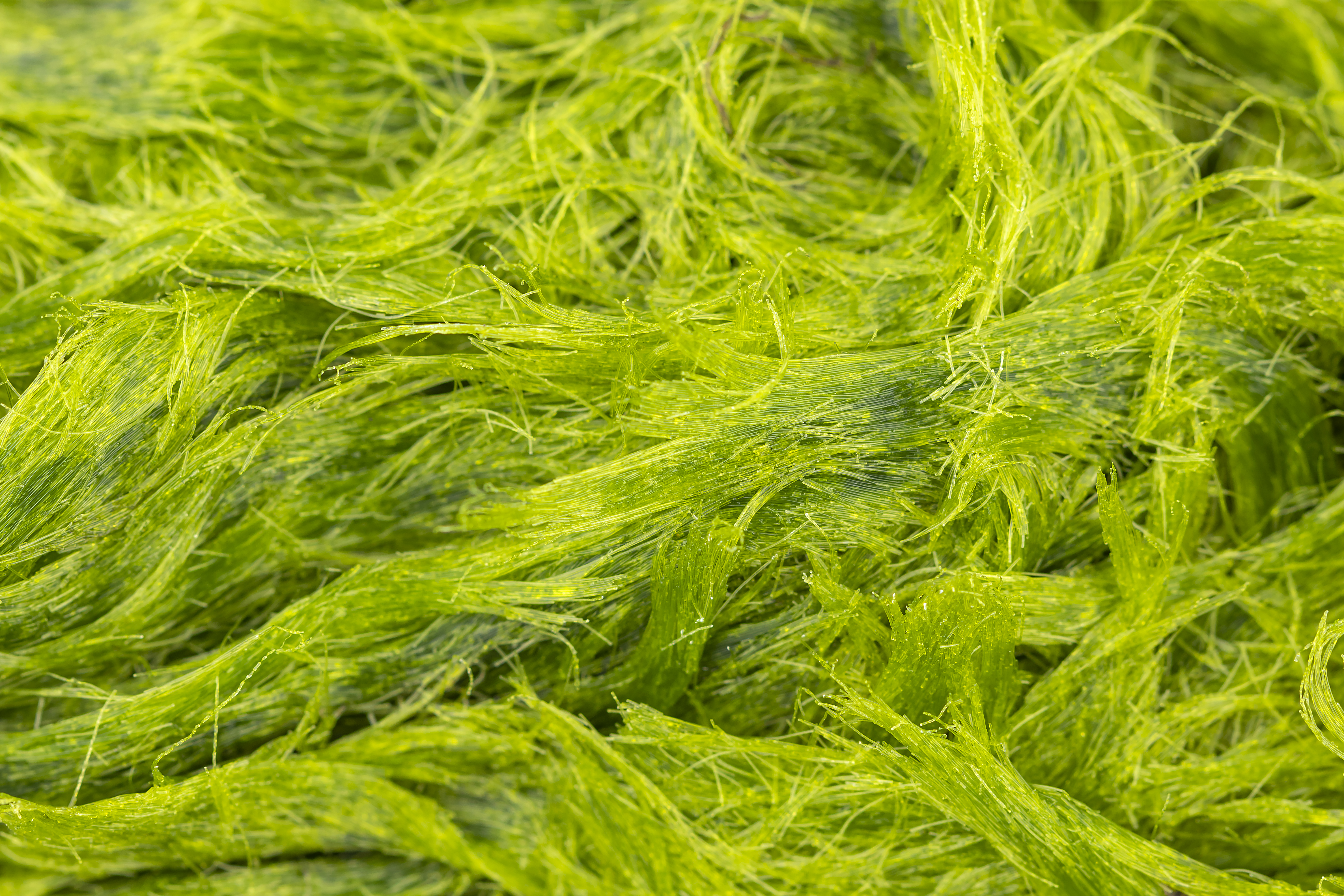 Phycolabs (Database ID 148889)
Textile fibers derived from macroalgae, such as those pioneered by companies like Phycolabs, offer a groundbreaking and sustainable approach to textile production. Harvested from renewable macroalgae in an environmentally friendly manner, these fibers undergo extraction, processing, and transformation into yarns and fabrics. Noteworthy advantages include biodegradability, minimized chemical usage and potential carbon sequestration benefits from macroalgae cultivation. Some macroalgae-derived textiles also possess natural antimicrobial properties, making them suitable for diverse fashion applications.
Contracting type: For sale
Readiness level (TRL): Scaling up (TRL 9)
Country of origin: Brazil
Contact: WIPO GREEN Database
Technology to turn agricultural waste into biodegradable textile fabric
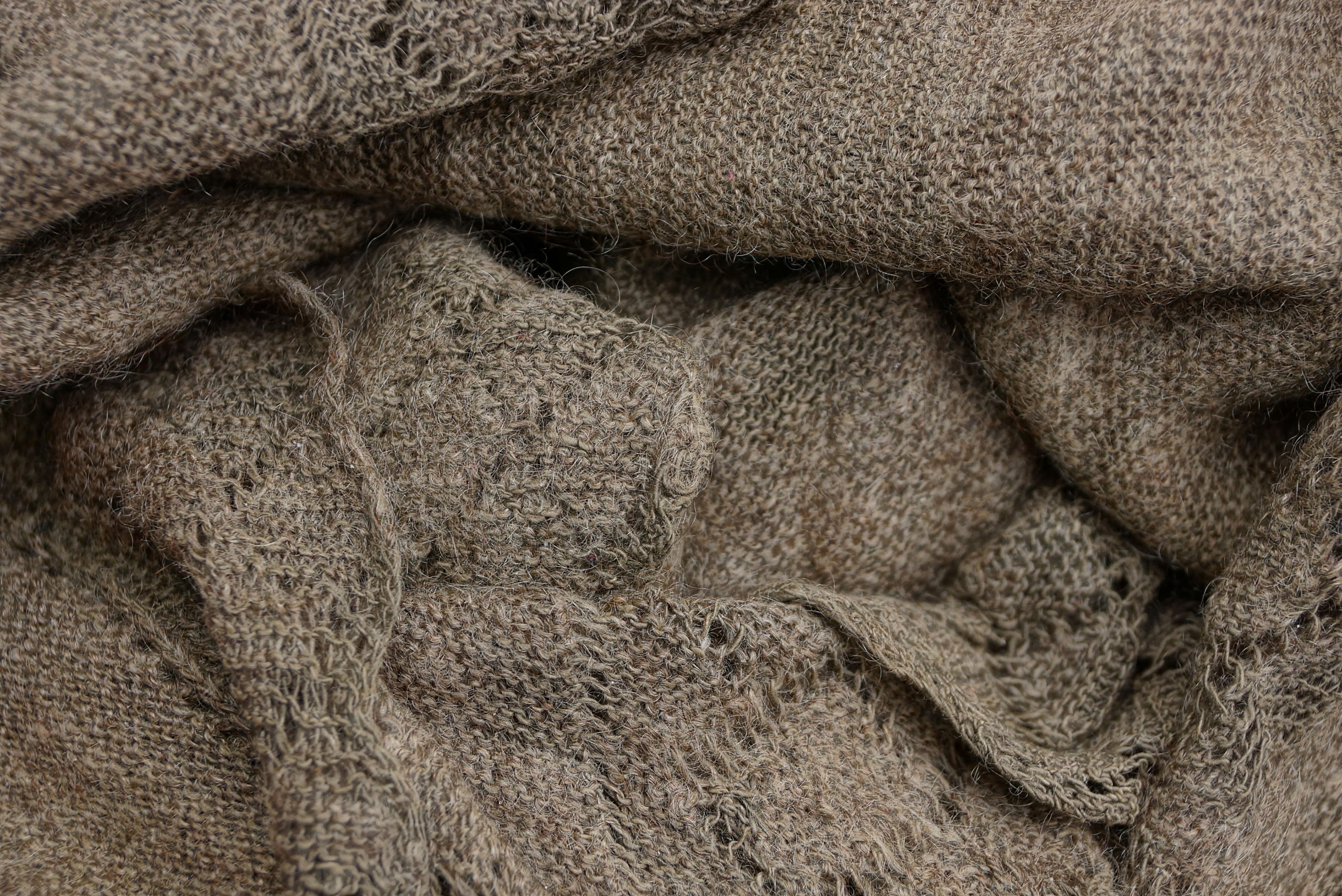 Rethread Africa (Database ID 148891)
Rethread Africa is revolutionizing sustainable circular fashion by employing innovative technology to transform agricultural waste into biodegradable textile fabric. The company collaborates with small-holder farmers, collecting materials such as maize husk residue, providing extra income while reducing waste. The meticulous breakdown of these materials results in fibers that are spun into yarn, creating a versatile, eco-friendly textile. This process requires only 1% of the water used in traditional cotton production, significantly cuts carbon dioxide emissions by 80% and reduces eutrophication by 51%. The material naturally decomposes, enriching the soil and lessening landfill impact. Rethread Africa’s forward-thinking approach extends to exploring water hyacinth for athleisure wear, promoting sustainability and supporting local farming communities.
Contracting type: For sale
Readiness level (TRL): Scaling up (TRL 9)
Country of origin: Kenya
Contact: WIPO GREEN Database
Transforming carbon waste into polyester for the fashion industry
 LanzaTech (Database ID 149101)
LanzaTech, a biotech startup, has innovated a technology that transforms carbon emissions into useful products, notably for the textile industry. The process involves capturing emissions from sources like steel mills, converting them into ethanol via fermentation and then transforming the ethanol into the building blocks of polyester. This is done in collaboration with India Glycols Limited and Far Eastern New Century. The end product, a waste-gas-based polyester, matches virgin polyester in appearance and functionality. LanzaTech has partnered with Lululemon to create the first yarn and fabric from captured carbon emissions.
Contracting type: For sale
Readiness level (TRL): Scaling up (TRL 9)
Country of origin: United States
Contact: WIPO GREEN Database
Garment manufacture
Overproduction is a critical issue during garment manufacture and technologies are focused on aligning demand to production in real time to enable a shift to on-demand manufacturing, as well as reducing cutting room waste. There are several examples of software enhanced with artificial intelligence to reduce material wastage and support zero-waste manufacturing, identify the value of waste materials or products, find high value reuse options for waste materials, and connect demand directly to production for on-demand manufacturing to reduce overproduction and waste. Cutting room waste for woven fabrics can be eliminated through 3D-weaving of yarn directly into garments on an on-demand basis, which also powers on-demand mass customization to reduce overproduction, although these technologies are not yet commercially available.
Innovation example
On-demand production
 On-demand production
This is a method of manufacturing garments in response to customer orders, instead of producing large quantities in advance. In this manner, only the items that have been ordered by customers are produced, so there is little excess inventory (Samuel, 2023). Kornit Digital, based in Israel, provides on-demand production for brands and manufacturers.
Technology solutions
AI-powered software solutions for zero-waste pattern cutting
 Synflux (Database ID 148772)
Speculative fashion lab and research collective Synflux, founded in 2019, has pioneered a method using 3D scanning, computer-aided design (CAD) software and machine learning algorithms to find the optimum garment pattern that eliminates fabric waste from the cutting stage. The method allows custom sizing and fit, as well as customization of garment shape, fabric and color to reflect personal style. The software program generates optimized pattern pieces comprised of rectangles and straight lines that can be modeled with CAD software to produce a fashion pattern. The next step to develop the technology for large-scale production is to work with major fashion brands for proof of concept.
Contracting type: For sale
Readiness level (TRL): Scaling up (TRL 9)
Country of origin: Japan
Contact: WIPO GREEN Database
3D-weaving yarn into garments to reduce cutting waste
 Weffan (Database ID 148777)
Weffan is pioneering a garment manufacturing method that designs out waste, by 3D-weaving yarn into garments and thereby merging textile production and garment manufacturing into one step and minimizing fabric and resource waste from cutting. It uses existing jacquard loom technology as a base. In 2022, the company collaborated on 3D-woven concept trousers with fashion brand Liquid Editions and went on to win the Design Futures Innovation Prize 2022 for this collaboration. In 2023, Weffan exhibited at ITMA 2023 in Milan, the world’s largest textile and garment technology trade show, and partnered with Future Fashion Factory, a UK-based R&D partnership exploring and developing new digital and advanced textile technologies to support the UK fashion and textiles industry. This enabled prototyping and proof of concept in a factory setting, which could support further collaborations with fashion brands to expand the options of styles that could be produced using this method.
Contracting type: For sale
Readiness level (TRL): Technology development/prototype (TRL 5-6)
Country of origin: United Kingdom
Contact: WIPO GREEN Database
Vega™ 3D technology seamlessly weaves yarn directly into garments
 Unspun (Database ID 148734)
Founded in 2015 with an on-demand custom jeans offer to consumers, Unspun has now pioneered a 3D-weaving technology called Vega™ that weaves yarn directly into garment pieces, at speed. The process combines textile production and cutting of pattern pieces into one step, removing cutting waste from the conventional weave–cut–sew process. It eliminates the need for large order quantities, reducing the likelihood of overproduction and waste, while empowering localized production in micro-factories to reduce transportation distances of conventional offshore production. Garments could also be unwoven and rewoven into new products, powering a circular business model by creating a new life for the yarns over and over again. USD 14 million funding raised in 2023 will enable it to develop the robotic manufacturing technology needed for scaling the concept.
Contracting type: For sale
Readiness level (TRL): Scaling up (TRL 9)
Country of origin: United Kingdom
Contact: WIPO GREEN Database
AI-powered platform for zero-waste patterns to eliminate fabric waste
 SXD (Database ID 148771)
SXD has developed an AI-powered platform that combines sketch and fabric information into zero-waste patterns that can auto-adjust across sizes, fabrics and styles. The method of multiobjective optimization eliminates fabric waste during the cutting stage of production, which in conventional design process can amount to between 10 to 30% of the fabric becoming waste. SXD has worked with fashion brands Albirds, Desigual and Woolrich. In 2023, the company delivered a proof of concept for a major European brand by transforming four of its best-selling items into zero-waste products and was the sole design category winner of the H&M Foundation’s Global Change Award.
Contracting type: For sale
Readiness level (TRL): Scaling up (TRL 9)
Country of origin: United States
Contact: WIPO GREEN Database
Digital matching service to route waste materials to reuse options
 Excess Materials Exchange (Database ID 148774)
Founded in 2017, Excess Materials Exchange is an AI-powered digital platform to match waste materials with their highest value use potential, supporting a circular system of reuse at the highest value. Since businesses often have to pay to dispose of waste, this B2B matching service supports financial as well as environmental goals – the company estimates that the financial value of material flows increases by 110% when routed to their highest reuse potential as opposed to disposal, while the environmental footprint reduces by 60 percent, by extending the use value and minimizing the amount of materials that go to landfill or incineration. By working across multiple sectors, the opportunities for matches are increased – for example, coffee grounds from a restaurant could be used to extract pigment for ink, bioplastics or fibers. Biotechnology company Fruitleather Rotterdam uses fruit waste to produce a leather-like material (Database ID 148563). The platform provides every material with a digital passport, then tracking and tracing identifiers match the materials to their digital twin, enabling materials to be followed through their lifecycle and a quantification of the financial, environmental and social impact to be made.
Contracting type: For sale
Readiness level (TRL): Scaling up (TRL 9)
Country of origin: Netherlands
Contact: WIPO GREEN Database
Platform that connects demand directly to production for on-demand manufacturing to reduce overproduction waste
 Unmade (Database ID 148778)
Established in 2014, Unmade is a software as a service (SaaS) subscription platform to support on-demand production and avoid overproduction of clothing, while lowering carbon emissions and reducing waste. The software interface allows customers to customize items within parameters predefined by the brand. The customer data is then translated into production data and can be sent to any factory partner and even directly to specific machines within the factory. This enables customized items to be manufactured at the same cost and speed as mass-produced items. The company partnered with Rapha cyclewear to allow customers to create their own unique, digitally printed team kit and with New Balance to power custom products for all major sports in its teamwear business. Funding rounds have enabled Unmade to continue its global expansion and development of its technology, as well as improvements in serving existing customers.
Contracting type: For sale
Readiness level (TRL): Scaling up (TRL 9)
Country of origin: United Kingdom
Contact: WIPO GREEN Database
Mechanical recycling to make 100% recycled fabric from 60% preconsumer textile waste and 40% plastic waste
 Rewoven (Database ID 148603)
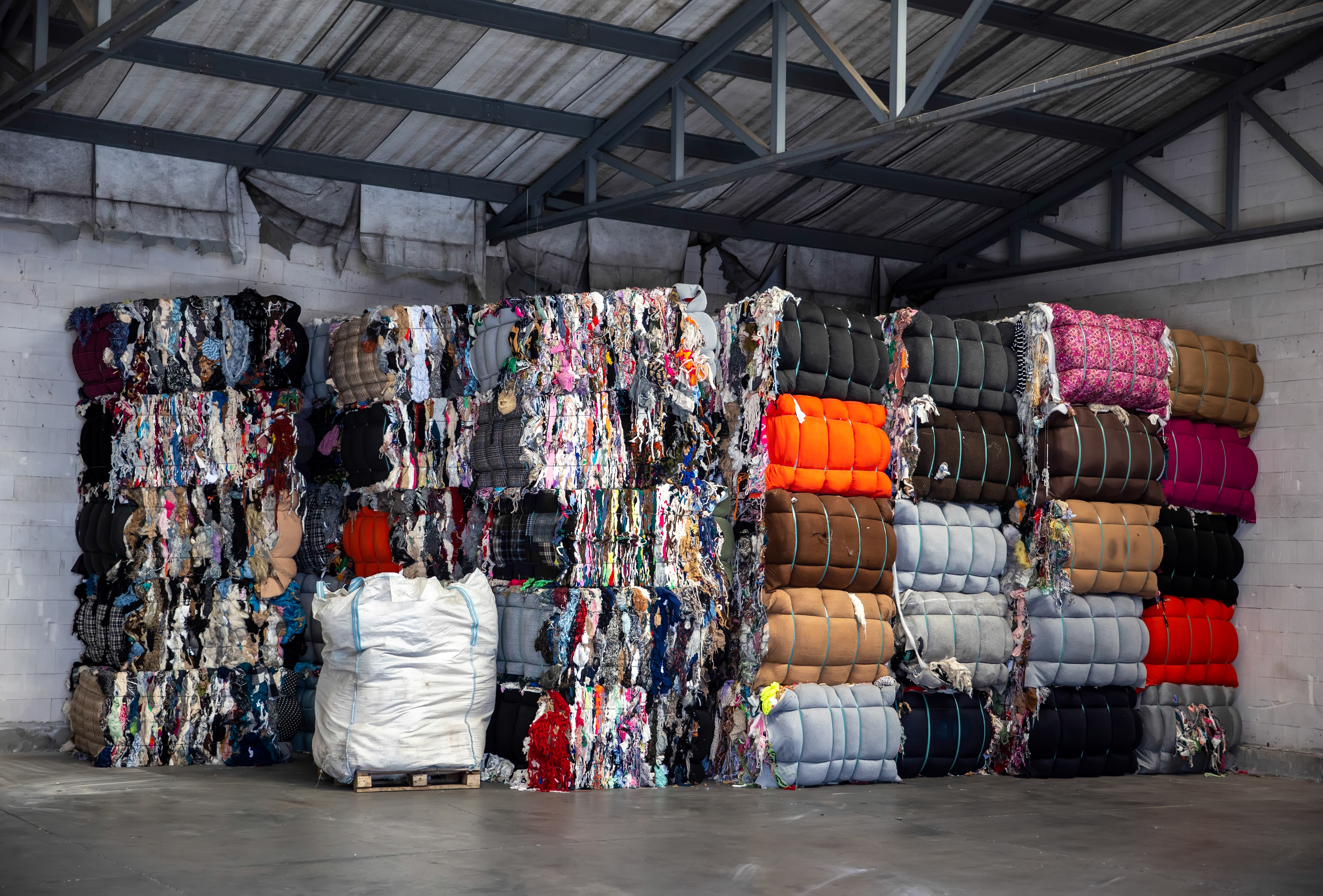
In South Africa, textile waste constitutes 6.5% of total landfill waste, amounting to around 6 million tons. Cape Town-based project Rewoven, initiated in 2018 by Tshepo Bhengu, Esethu Cenga and Lonwabo Mgoduso, has successfully diverted over 1 million kilograms of textile waste from landfills during its ongoing commercial pilot phase. Driven by a commitment to sustainability, positive impact and entrepreneurship, Rewoven provides a cost-effective, accessible and reliable solution for textile waste disposal. The project not only promotes recycling but also introduces circular practices, producing and retailing products from recycled textiles, thus minimizing water usage, avoiding dyeing and reducing carbon emissions. The emphasis on circularity is evident as the retailed fabric can be recycled at the end of its useful life.
Contracting type: For sale
Readiness level (TRL): Early commercial demonstration/adoption/dissemination (TRL 8)
Country of origin: South Africa
Contact: WIPO GREEN Database