
This section examines OHS technologies associated with Prediction through the lens of patents. Innovations focus on the proactive identification and assessment of potential hazards in order to prevent accidents and incidents before they occur. By anticipating risks early, Prediction technologies and methodologies enable the implementation of preventive measures, improve decision-making processes, and contribute to creating safer work environments.
To build this analysis and create the patent dataset, the Prediction category has been segmented into three key technology areas:
Statistics-based analysis: This approach leverages historical data and statistical methods to identify trends and patterns that could signal potential safety risks. By analyzing past incidents and correlating them with workplace conditions, organizations are able to make data-driven decisions designed to mitigate hazards before they materialize.
Machine learning: Machine learning algorithms process vast amounts of data in order to predict safety incidents. Such systems learn from historical events and near misses, generating insights and actionable recommendations to enhance safety protocols. This approach is particularly effective in identifying complex, non-linear relationships that traditional statistical methods might overlook.
Behavior-based safety: This methodology focuses on observing, analyzing and influencing worker behavior, so as to improve safety outcomes. By identifying unsafe practices and encouraging positive behavior through training, feedback and intervention, organizations can foster a culture of safety and reduce risks related to the human-factor.
This chapter is structured into three main parts:
Global patent landscape: A broad analysis of the global Prediction patent landscape is conducted, publication trends examined, the most innovative regions or countries identified, and the key players driving advancements in the field of Prediction technologies profiled.
Focus on international patent families (IPFs): Focusing on IPFs allows the detection of the technology trends that companies consider valuable enough to internationalize and seek protection in overseas markets. Such a focus emphasizes those areas in which significant investments are being made, indicating promising channels for innovation and potential market returns.
Benchmark inventions: Lastly, specific patents that illustrate the field particularly well are highlighted. These examples showcase the cutting-edge innovations shaping the future of Prediction.
This multi-faceted approach ensures a comprehensive understanding of how Prediction technologies are evolving within the OHS domain and provides actionable insights into the technological strategies shaping workplace safety.
Global patenting landscape
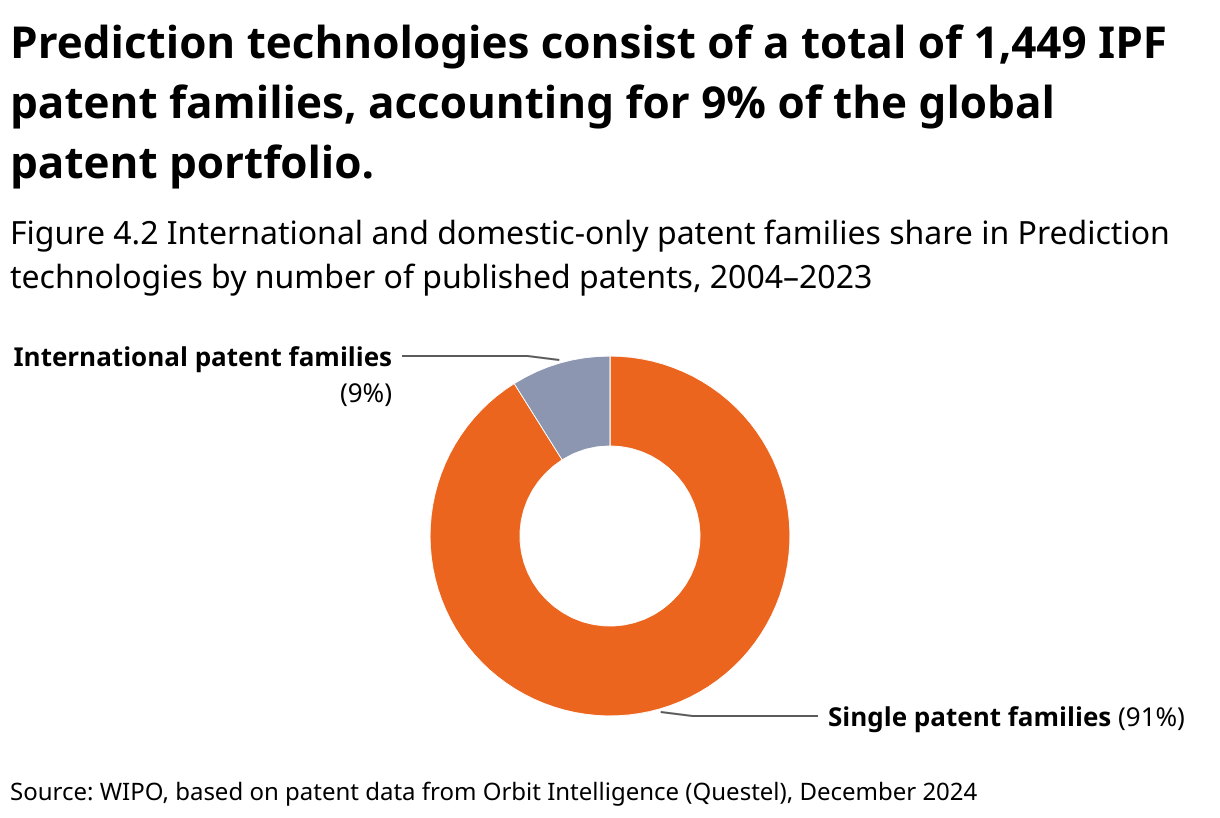
Based on the data collected in this study, the Prediction technologies category comprises a total of 14,777 patent families, representing 3% of the global patent portfolio in this domain. 1,449 of these are classified as international patent families (Figure 4.2).
Patenting activity refers to the number of patent families published annually within a specific field. This metric is based on the first publication date of each patent family, which typically occurs approximately 18 months after the filing date. Analyzing patenting activity provides valuable information on innovation trends in a particular field. Comparing the evolution of patent filings in a specific field to the overall growth in global patent filings enables an assessment of the dynamism and innovation intensity of that field. Such a comparison serves to determine whether a field is experiencing rapid development, stagnation or decline relative to overall technological progress.
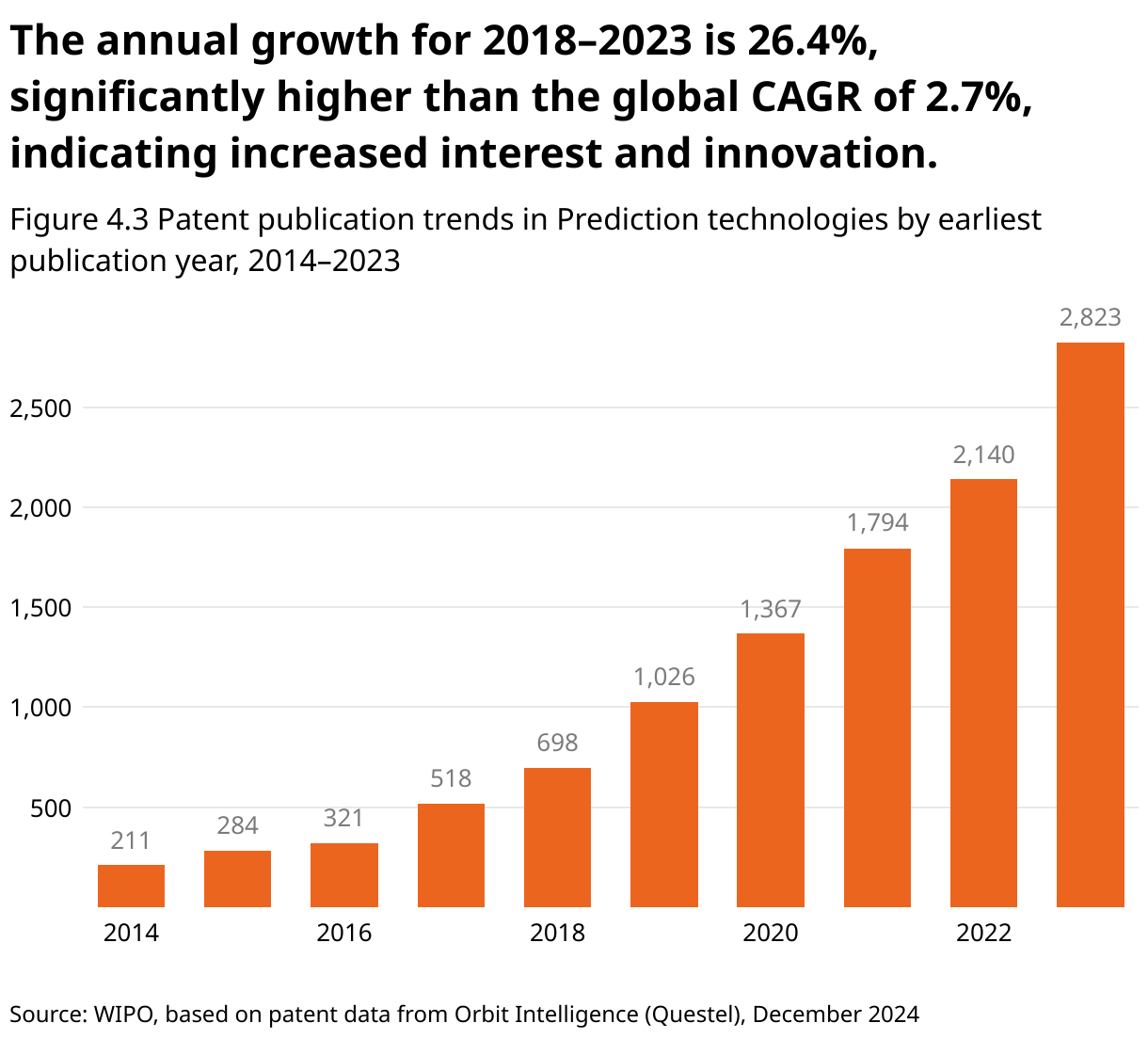
The database analyzed contained nearly 15,000 patent families. As shown in Figure 4.3, in the five years between 2018 and 2023, the field of Prediction underwent a significant upward trajectory in terms of patent filings. The compound annual growth rate (CAGR) for this period was 26.4%, compared to a global CAGR of 2.7% across all technology fields
Top jurisdictions
Analyzing patent families provides valuable insights into which countries are driving innovation in a particular field. Typically, the first filing of a patent family (known as the priority filing) is made in the applicant's country of origin. This is influenced by legal frameworks and cost considerations, making the location of the priority filing (office of first filing) a strong indicator of where innovation is actively taking place.
In the field of Prediction, Asia emerges as the leading region for innovation (Figure 4.4). China plays a dominant role, accounting for an impressive 11,404 patent families, followed by Republic of Korea with 958 patent families. Northern America, driven primarily by the United States, with approximately 1,231 patent families, rank next. European countries trails behind, contributing around 209 patent families to the field.
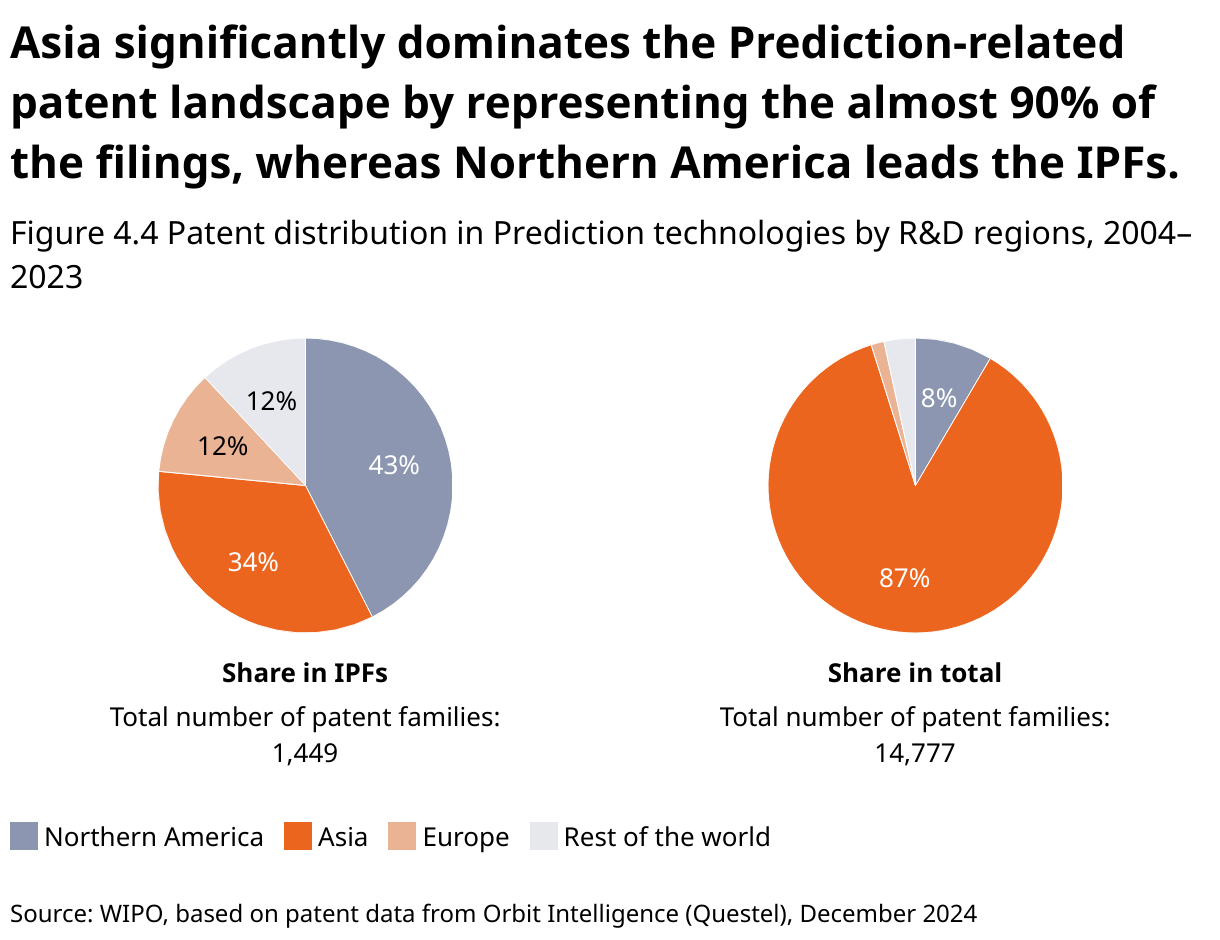
This geographic distribution highlights the significant role Asia, particularly China, plays in advancing OHS technologies related to Prediction. The dominance of Chinese innovations underscores the region's strategic focus on workplace safety technologies, while contributions from other regions, such as Northern America and Europe, reflect more modest levels of activity in comparison.
The Relative Specialization Index (RSI) is used to compare the published patenting activity of different countries within the same technology area. RSI is a measure of a country's share of patent families in a particular field of technology as a fraction of that country’s share of patent families in all fields of technology. ln other words, RSI has the advantage of providing a comparison between the patenting activity of two countries relative to the overall patenting activity of those same two countries. When analyzing patent data, normalized RSI is used
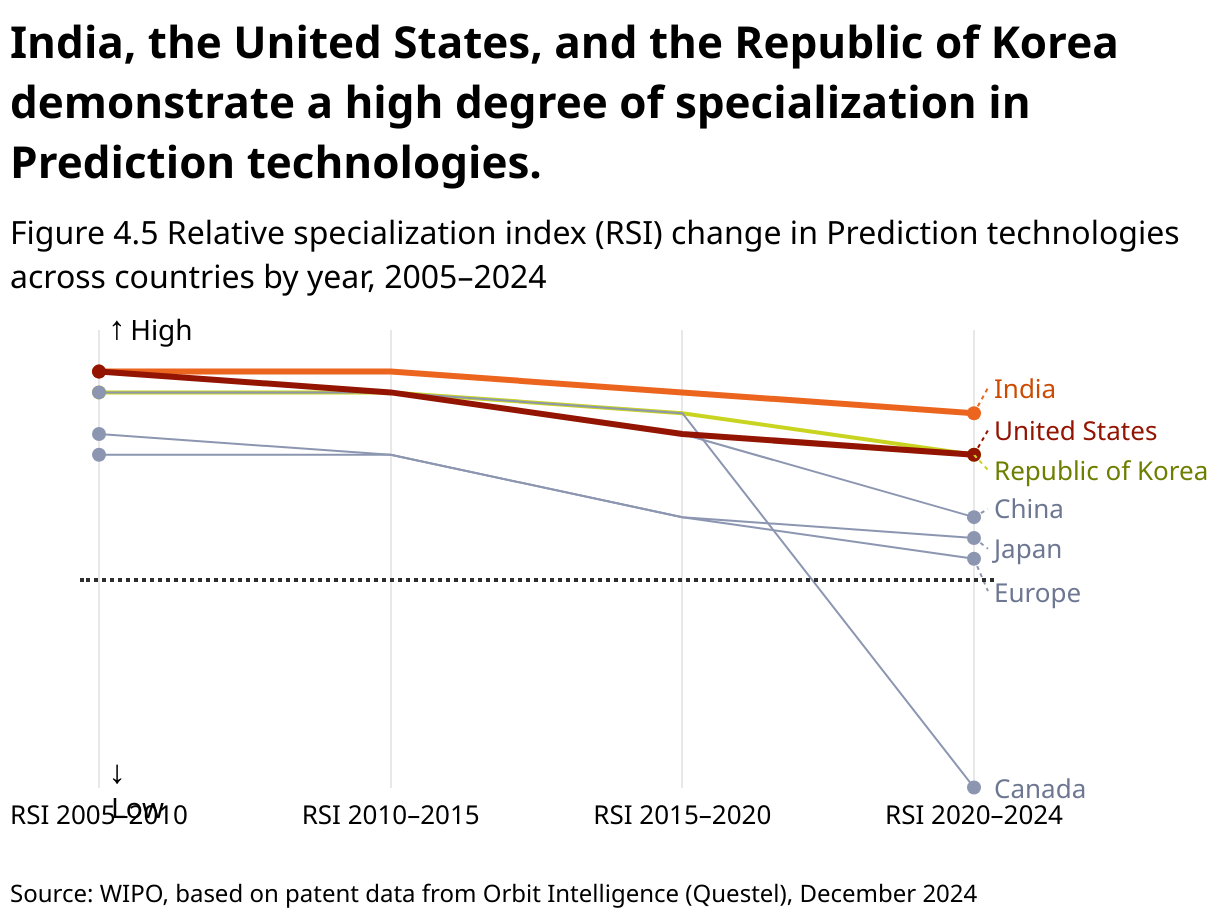
Figure 4.5 shows that India demonstrates consistently high specialization (RSI = 1 in early years, declining slightly to 0.8 by 2020–2024), reflecting sustained innovation in this domain. Similarly, the Republic of Korea maintains above-average RSI values but show gradual declines, indicating reduced emphasis in recent years. Conversely, Canada has undergone a notable decline over the past five years.
The United States and China initially exhibit strong specialization (RSI = 1) but each has experienced a steady decline over time, with an RSI values falling to 0.6 and 0.3, respectively, by 2020–2024. This trend suggests either a shift in research priorities or a diversification into other technological areas. In contrast, European countries and Japan have consistently recorded a low RSI values, reflecting a limited focus on Prediction technologies, with Europe's RSI dropping to 0.1 and Japan’s to 0.2 by the final period.
Overall, most regions show a declining RSI values over time, signaling a global decrease in patenting activity in this domain relative to others. Despite this, India, Canada, and Republic of Korea remain notable contributors, while regions like Europe and Japan lag behind.
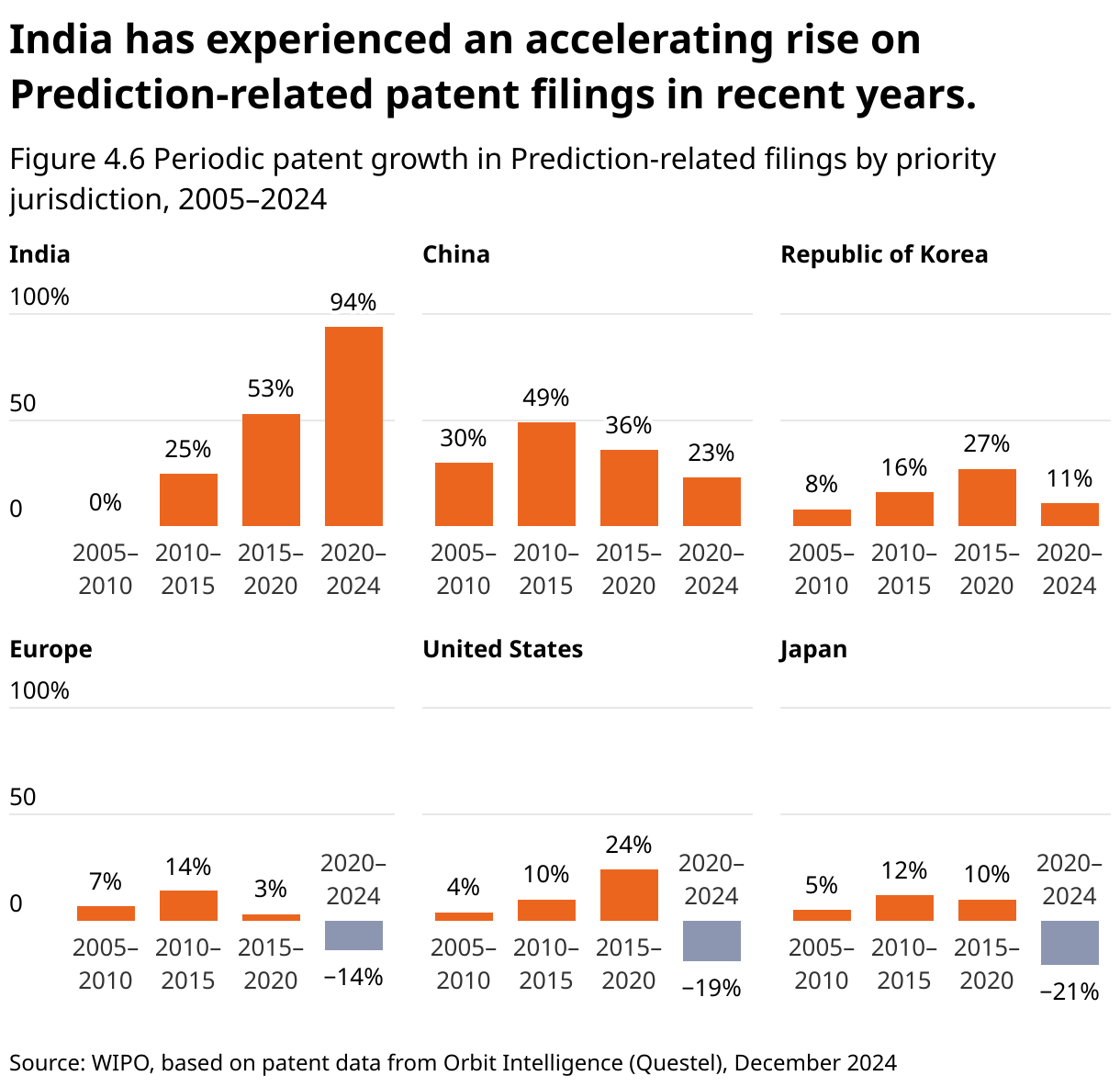
Patent growth in Prediction technologies by priority country shows that China experienced strong growth initially but slowed down in later years (Figure 4.6). The United States grew slowly at first and then underwent a significant decline. The Republic of Korea has shown steady growth, while India has seen a sharp rise over recent years. Japan and the region covered by the European Patent Office (EPO) show early growth but then experienced a declines. Overall, most regions have shown a decrease in growth, with India being a notable exception.
Analyzing the global coverage of patent families provides valuable insight into the key markets that manufacturers target for their innovations. Companies naturally prioritize patent protection in those countries they deem essential for securing market share and ensuring a competitive advantage.
China stands out as a dominant force in the field of Prediction in Figure 4.7, with 8,948 patent families protected within its borders, making it the most attractive market for these technologies. The United States follows with 1,247 protected patent families, highlighting the prominence of Prediction innovations in two of the world's foremost technological and economic hubs.
Other countries and regions also demonstrate significant engagement in this field. The Republic of Korea has 968 patent families, while the EPO (514), to which must be added national protections, at least – Germany (236), United Kingdom (157) and France (119) – Japan (486), and India (395) serve to further illustrate the global reach and adoption of Prediction solutions.
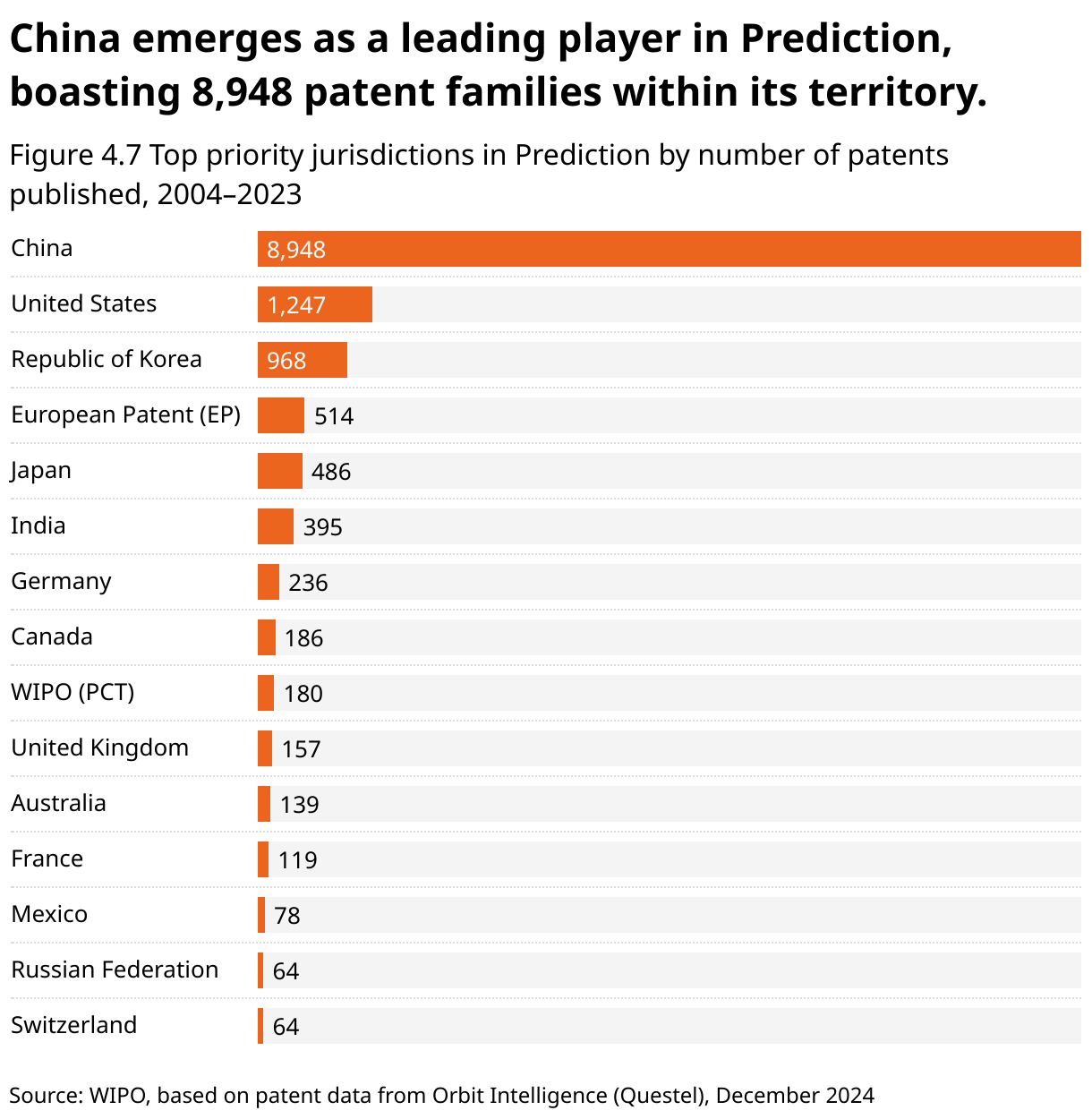
In conclusion, these figures reflect the strategic focus of innovators on key global markets, with China and the United States leading as major hubs of innovation and market activity. Substantial protection efforts across other regions and countries, such as the Republic of Korea, Europe and Japan, underline the growing international demand for and development of technologies aimed at enhancing workplace safety.
Top patent applicants
Examining the patent applicants in this area affords a comprehensive overview of those companies and organizations driving innovation and actively seeking to protect their technological advancements. This analysis identifies the key players contributing to the development of Prediction solutions and highlights their commitment to securing IP rights for their innovations.
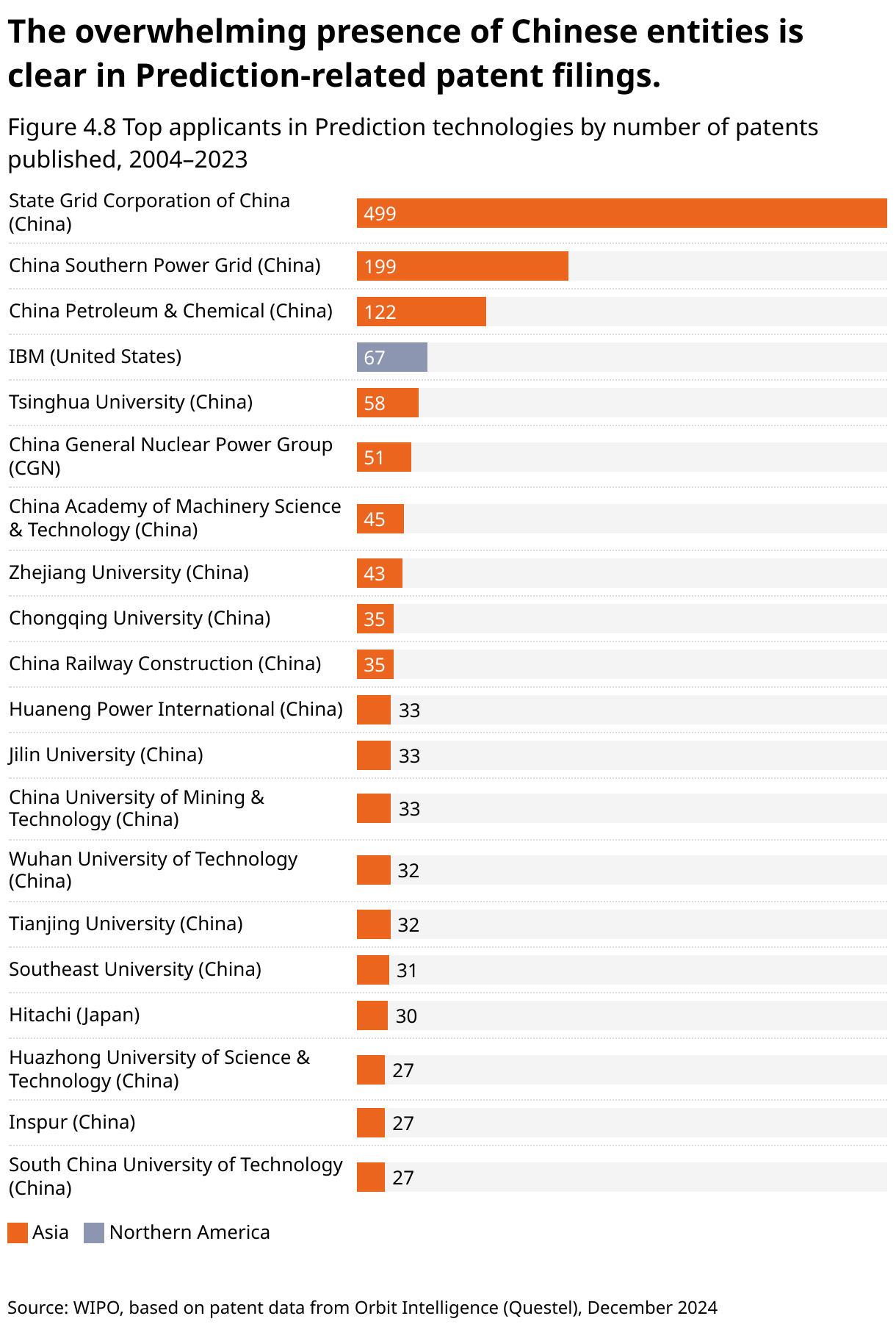
Among the top 20 patent applicants in the field, the State Grid Corporation of China (SGCC) leads with an impressive 499 patent families (Figure 4.8). It is followed by other notable entities China Southern Power Grid (199 patent families), China Petroleum and Chemical (111) and IBM (67). This dominance highlights a significant focus on Prediction technologies both by corporate and academic/research organizations, particularly within China.
The activity of top applicants reveals the surge in patent filings observed since 2015 to have been driven primarily by Chinese applicants. Interestingly, this wave of corporate filings in China was preceded by earlier contributions from Chinese universities, such as Tsinghua University, Zhejiang University, and Wuhan University of Technology, which laid the groundwork for innovation in this domain.
Between 2014 and 2023, IBM and Zhejiang University tied for the highest CAGR in OHS prediction patents at 29.2%, followed by State Grid Corporation of China at 28.6%. Tsinghua University achieved a 24.1% CAGR, and China University of Mining & Technology posted 18.2%. At the lower end, Wuhan University of Technology recorded the slowest growth, at 10.7%. These figures highlight the varying levels of patenting activity in OHS prediction technology across organizations.
Notably, IBM emerges as a key non-Chinese player, distinguishing itself by being an early innovator in the sector and continuing to make substantial investments in Prediction technologies. This highlights IBM's strategic commitment to advancing safety-focused solutions on a global scale.
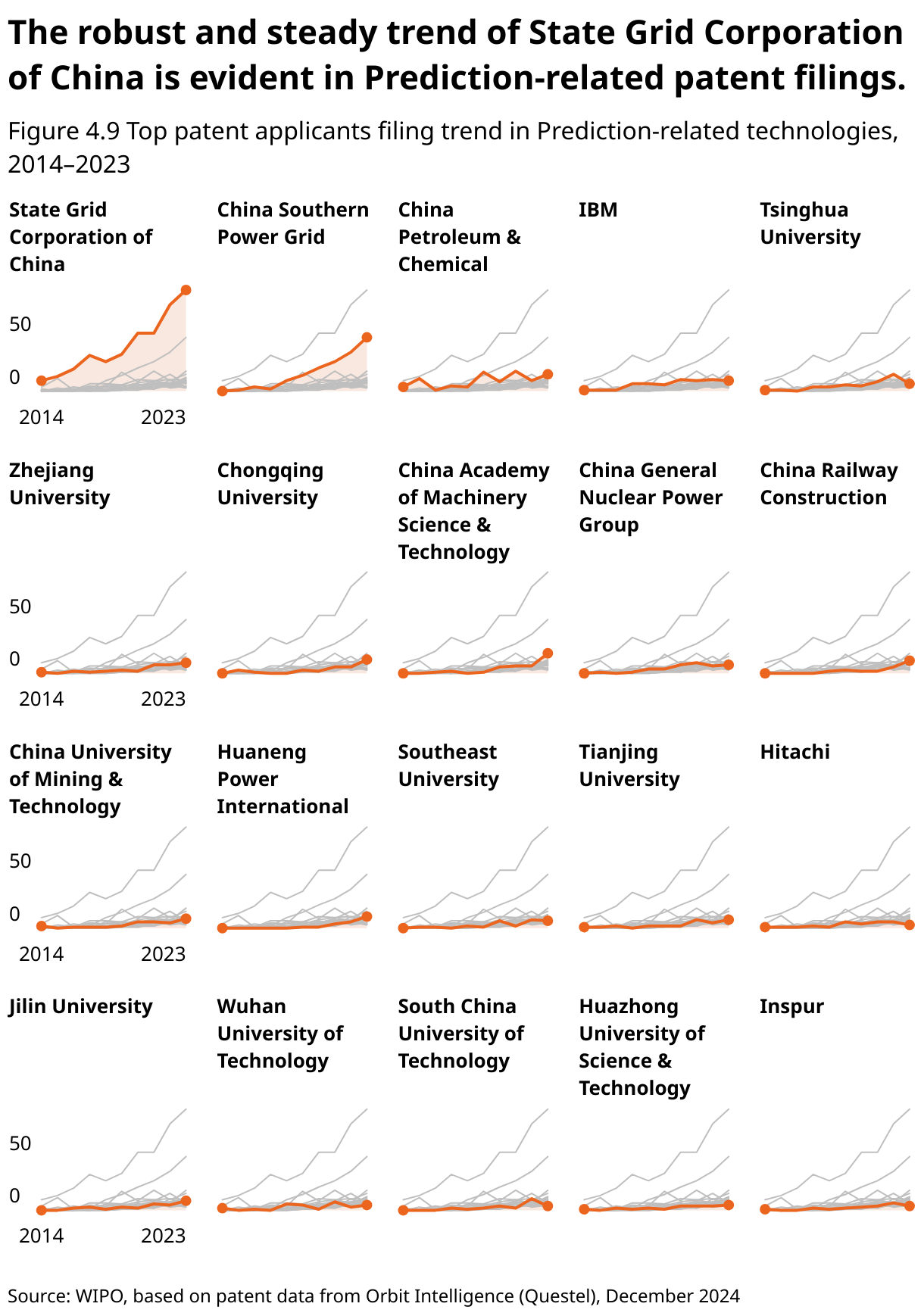
In conclusion, Chinese players are the primary drivers behind the growth in patent filings within the OHS Prediction category. While Chinese companies dominate innovation in this domain, their success seems to be closely tied to the strong foundation and contributions provided by leading Chinese universities. This synergy between academia and industry highlights a robust innovation ecosystem in China, fueling advancements and shaping the global landscape of Prediction technologies.
International patenting landscape
This section emphasizes the value of analyzing International Patent Families (IPFs) to uncover meaningful insights into technological trends.
Analyzing IPFs helps to filter out less impactful or localized inventions, leaving a dataset that reflects substantial investments and a focus on long-term technological and commercial viability. As a result, this approach provides a clearer view of the key trends shaping innovation and reveals the areas where companies are placing their strategic bets for the future.
IPF development and growth
An analysis of patent filing trends in Prediction technologies reveals two key observations:
Explosive growth driven by China: While the number of patents in this field has surged over the past decade, growth has been primarily concentrated in China. However, a significant proportion of the patent families are China-only filings and therefore do not qualify as an IPF, as they do not extend beyond China's borders.
Stagnant growth in internationally significant innovation: The growth rate of IPF filings in this sector is almost flat, showing a 0% growth rate compared to a 26% growth rate for total patents in this field and 2.7% across all sectors globally. This stagnation tempers the overall growth narrative, indicating that innovations of global significance have remained steady, with approximately 120 IPFs filed annually over recent years.
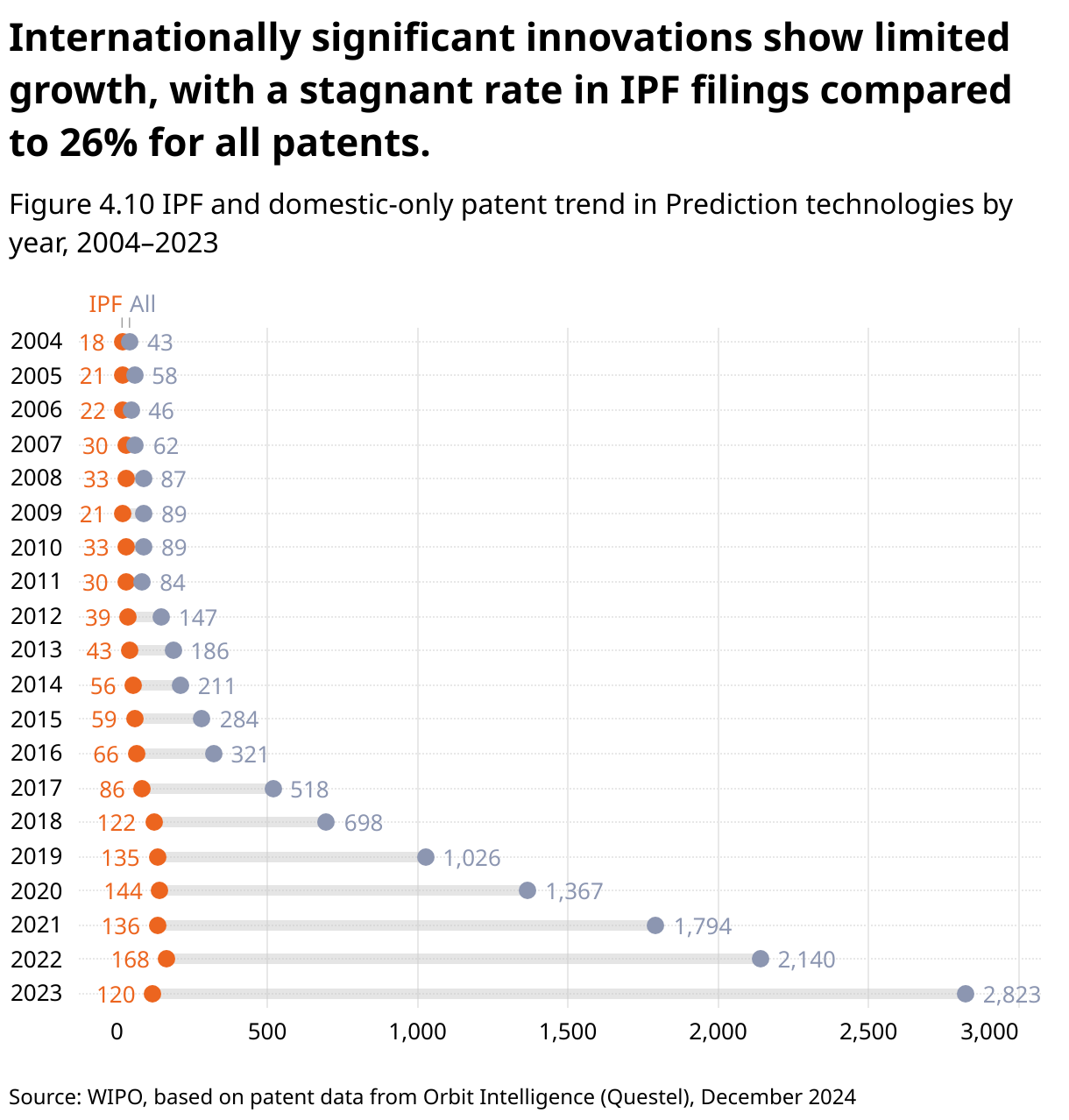
In conclusion, these findings highlight a dual dynamic – while the field is experiencing significant local growth in China (mostly non-extended patent families), the pace of globally impactful innovation remains stable.
IPF top jurisdictions
Top jurisdiction ranking underscores a deliberate strategy by innovators to secure their IP in major global markets, prioritizing regions with strong technological ecosystems and significant commercial potential.
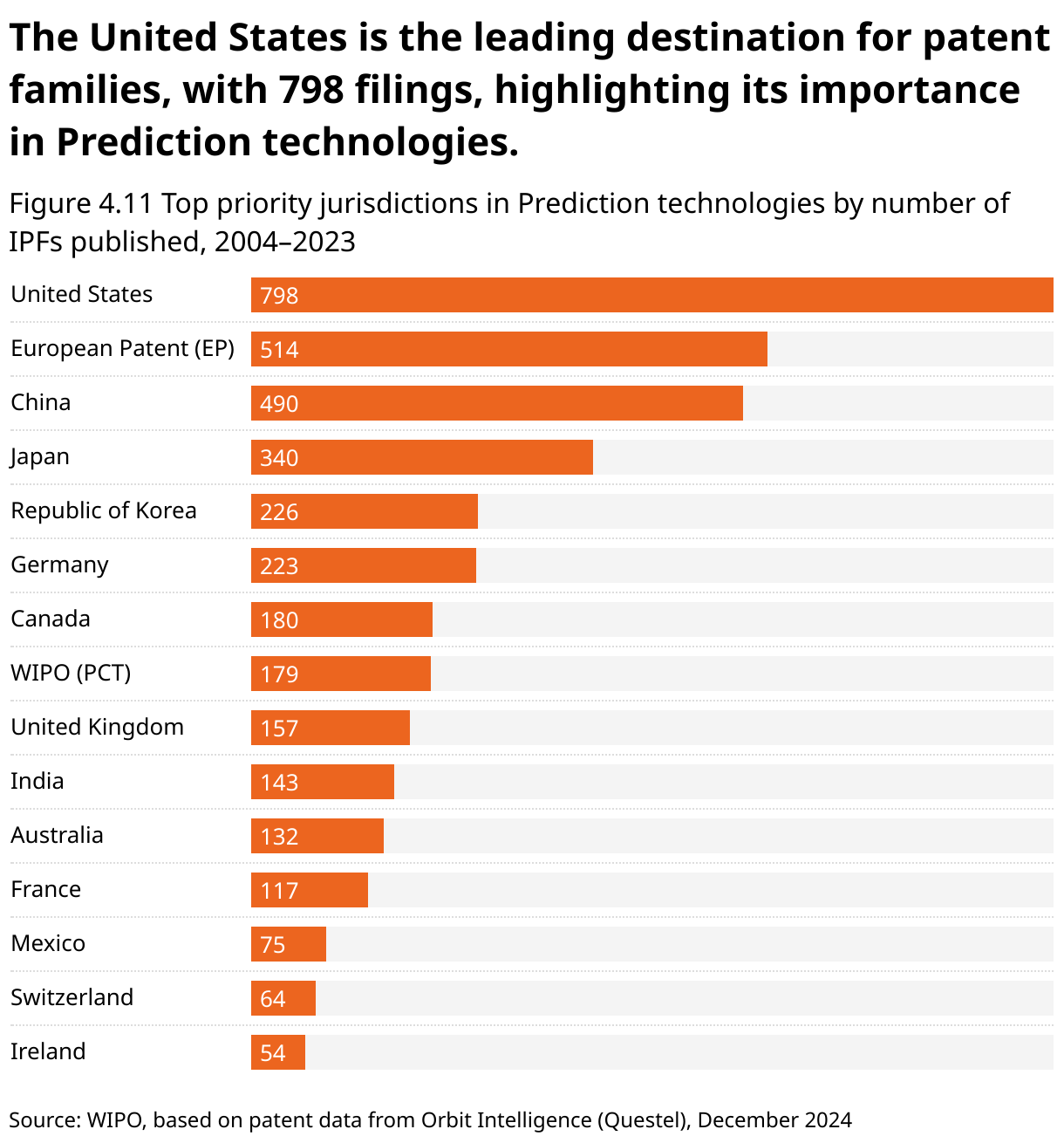
The United States stands out as the leading destination, with 798 patent families, reflecting its central role as a key market for Prediction technologies (Figure 4.11). The EPO follows, with 514 patent families, while China ranks third with 490. Japan and the Republic of Korea complete the top five, with 340 and 226 patent families, respectively.
In China, the total number of patent families filed domestically (8,948) far exceeds the number of internationally extended IPFs (490). This disparity highlights the predominance of local filings in China, where many patents remain focused on the domestic market without international extension. This could indicate that while China is a hub of innovation, a significant portion of its inventions are tailored to local market needs rather than having a more global reach.
The IPF data highlights the patent strategy used by applicants in targeting the key regions for IP protection, namely the United States, Europe, China, Japan and the Republic of Korea. It also reflects the dual dynamics of innovation in China, where a strong domestic focus contrasts with a more selective approach to international patenting.
IPF top patent applicants
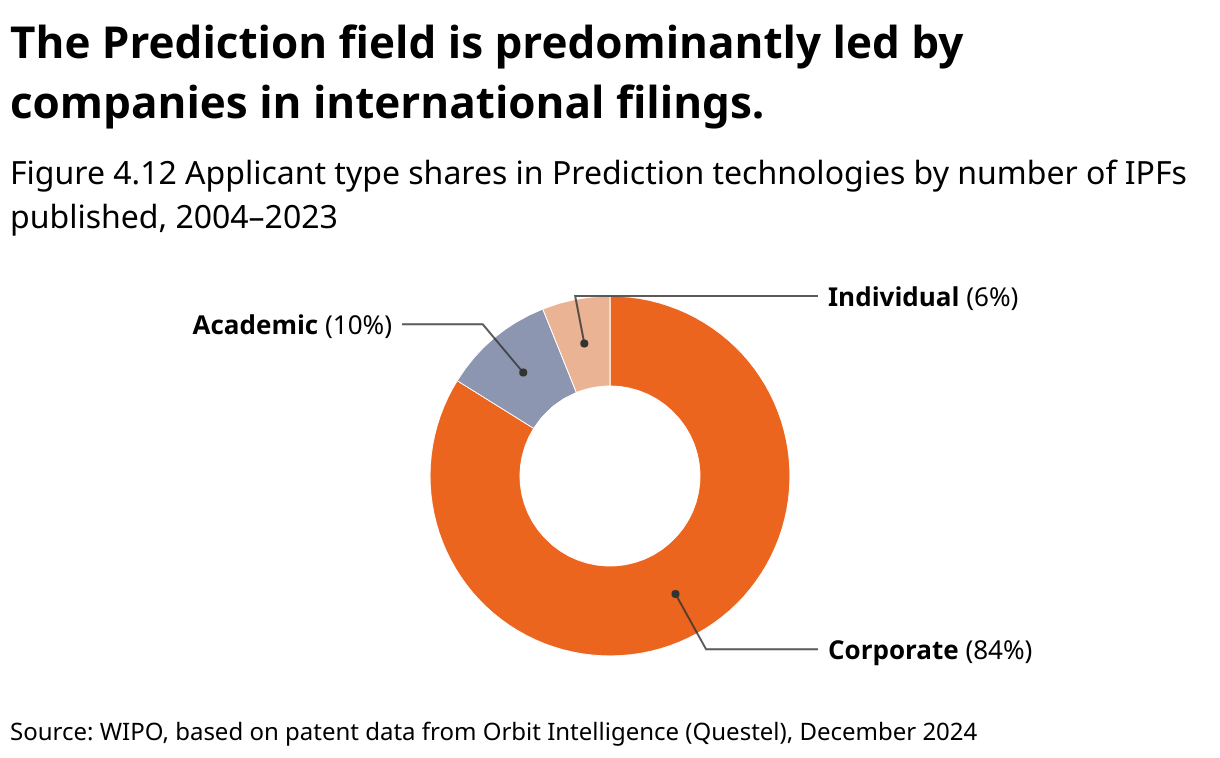
The OHS category of Prediction technologies has the standard characteristics of emerging technology sectors, with Figure 4.12 showing that 81% of applicants are from industry and hold 84% of the IPFs (which indicates fairly small portfolios) and a relatively large number of academic players (11% of applicants) hold 10% of the IPFs in the field.
Key players in Prediction technologies (Figure 4.13) include:
3M Innovative Properties leads the field, with 20 patent families, showcasing the largest and most established portfolio. The size of its portfolio and broad protection suggests a diverse and well-rooted presence in this domain. Furthermore, 3M Innovative Properties demonstrated significant activity in 2019, filing seven patent families. However, its activity has since declined, with no filings recorded in 2023, suggesting a slowdown in innovation efforts.
Chengdu QinChuan IoT Technology follows closely, with 17 patent families. Chengdu QinChuan IoT Technology emerged as a notable player, entering the field in 2022 and experiencing a sharp spike in filings in 2023, signaling a focused and aggressive push into this sector.
NEC Corporation holds 15 patent families, reflecting steady and consistent filing activity, with 1–3 filings per year. This indicates a deliberate, ongoing commitment to innovation in workplace safety technologies.
Robert Bosch, Honeywell International, and Philips are prominent industrial players with 15, 13 and 10 patent families, respectively. These companies leverage their expertise in automation and safety systems to develop predictive safety solutions.
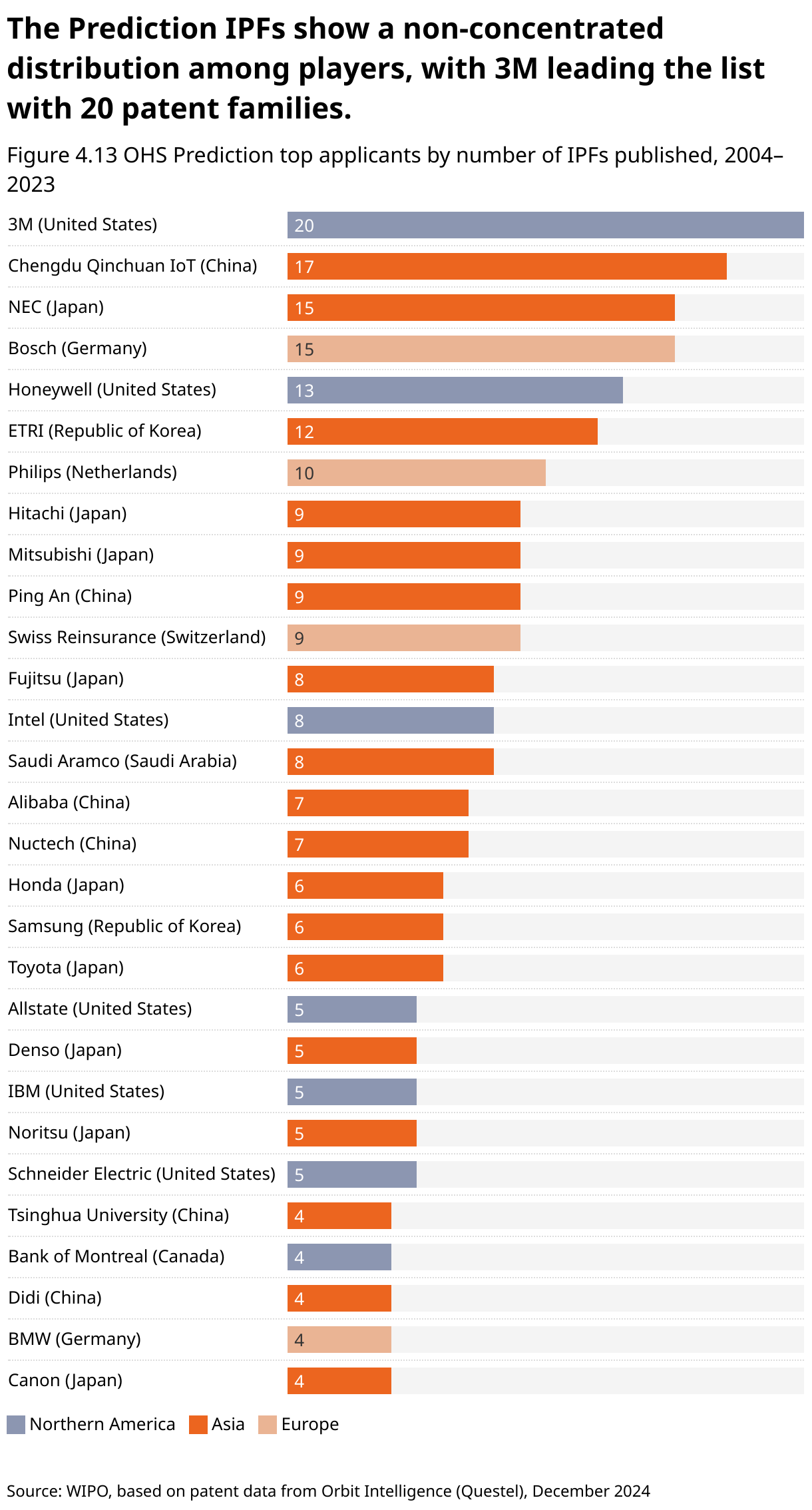
Prediction technologies feature a diverse range of players, from industrial giants to emerging innovators. While 3M Innovative Properties holds the largest portfolio and broadest protection, Chengdu QinChuan IoT Technology is quickly establishing itself with a focused and rapidly growing presence. Companies like NEC, Robert Bosch, and Honeywell International have made a steady contribution, each with distinct strategies tailored to their strengths. This dynamic landscape highlights both the maturity of the established players and the fresh momentum brought by emerging innovators.
IPF main technologies
Study of international patent families (IPFs) reinforces the insights from the broader portfolio analysis: that is, the Prediction sector has evolved significantly, transitioning from traditional statistical and behavioral methodologies to more advanced AI-based approaches.
Figure 4.14 highlights the trajectory taken by IPF growth across three major technological approaches:
Statistics-based analysis (626 IPFs): This technology area experienced consistent growth between 2018 and 2023, peaking in 2022 with 80 patent families. However, there has been a notable decline over recent years, with filings dropping to 48 in 2023 and further to 17 in 2024, indicating a diminishing focus on this established technique.
Behavior-based safety (570 IPFs): Growth in this technology area has been steady, peaking in 2018 with 50 patent families. From 2019 onward, a gradual decline is observed, with filings reducing to 47 in 2022 and continuing to fall to 37 in 2023.
Machine learning (517 IPFs): This technology area has shown robust and sustained growth, beginning its significant rise in 2016. Filings peaked at 75 in 2022 and remained strong in 2023, with 72 patent families, highlighting an increasing reliance on AI-driven solutions for accident prediction.
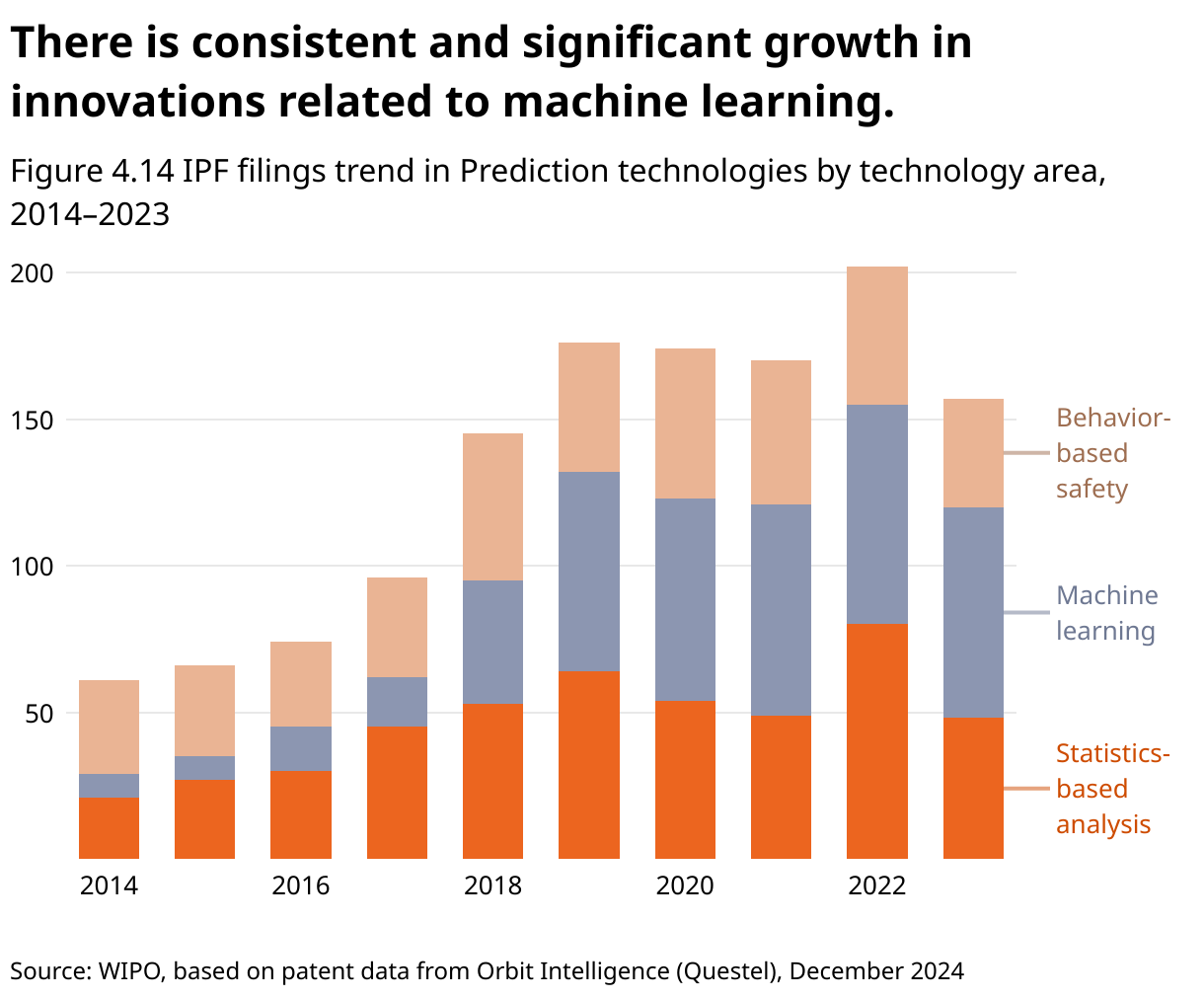
The IPF analysis underscores a clear technological shift within the Prediction sector. While traditional approaches like statistics-based and behavior-based methodologies are declining, AI continues to drive innovation and attract investment. Key players such as IBM and Chengdu QinChuan IoT Technology are shaping the future of this field, paving the way for more sophisticated, data-driven safety solutions.
Benchmark inventions in Prediction technologies
Main technologies and application fields
To gain a deep understanding of the technological approaches in the OHS Prediction category, the dataset of related simple patent families has been segmented into three main distinct technology areas listed below in descending order according to the number of patents:
Statistics-based analysis: This technology area, with 7,941 patent families, represents technologies that leverage historical data and statistical methods in order to predict risks and improve safety outcomes.
Behavior-based safety: A total of 4,808 patent families focusses on solutions designed to analyze and influence worker behavior, so as to enhance safety.
Machine learning: AI-driven approaches account for 4,325 patent families, emphasizing the use of advanced algorithms to predict s more effectively.
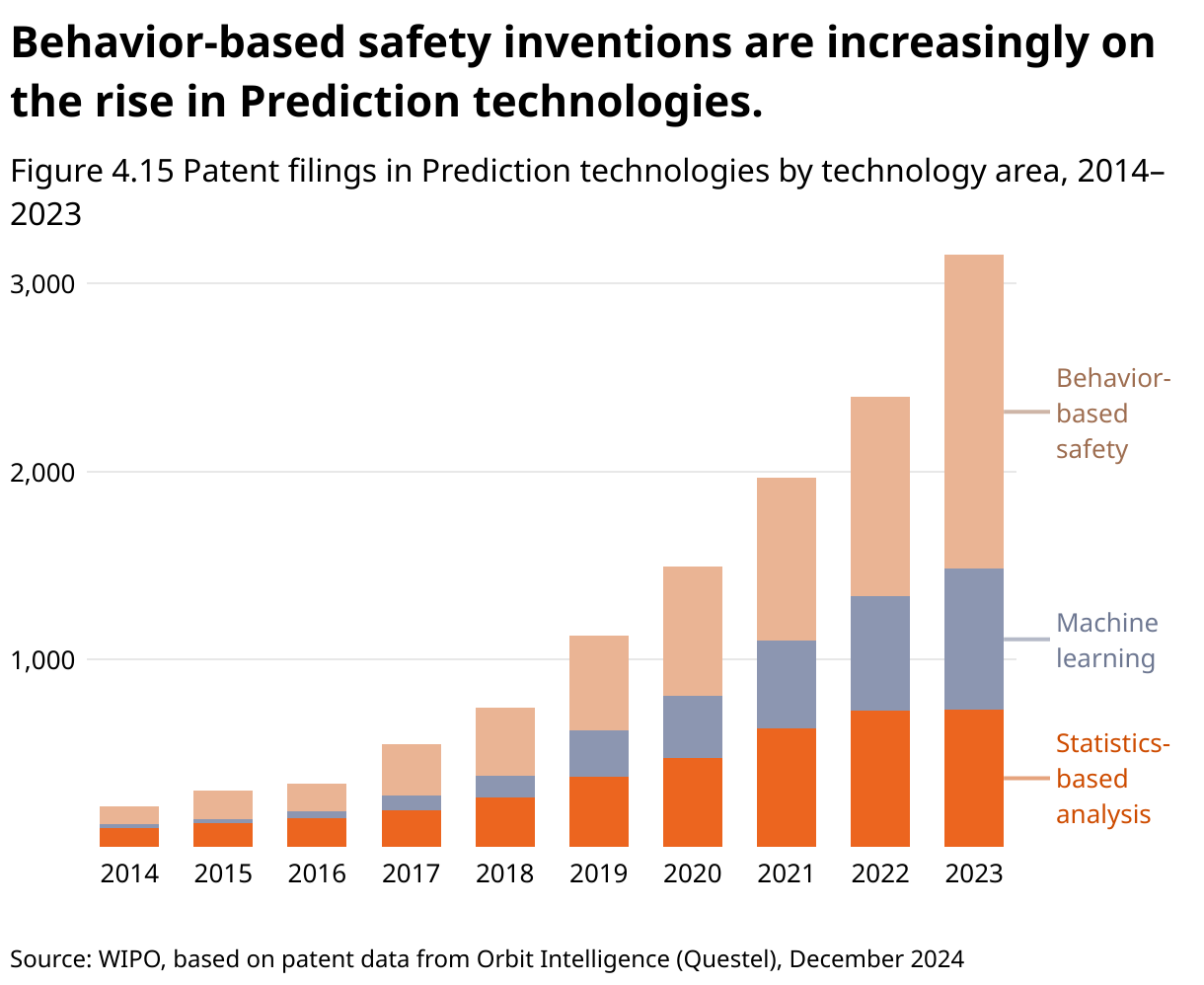
Analysis of patent filings over time reveals the emergence of a new trend beginning in 2021. Since the data are based on publication dates and there is typically an 18-month delay between a patent's filing and its publication, the actual shift in filing activity can be traced back to the period between 2018 and 2019.
Statistics-based analysis remains the largest technology area in terms of patent volume. However, growth has stagnated over recent years, with filings having leveled off by 2021 and showing a decline since then. In contrast, behavior-based safety and machine learning are gaining momentum, with their patent filing volumes increasing steadily year-on-year, particularly in 2023.
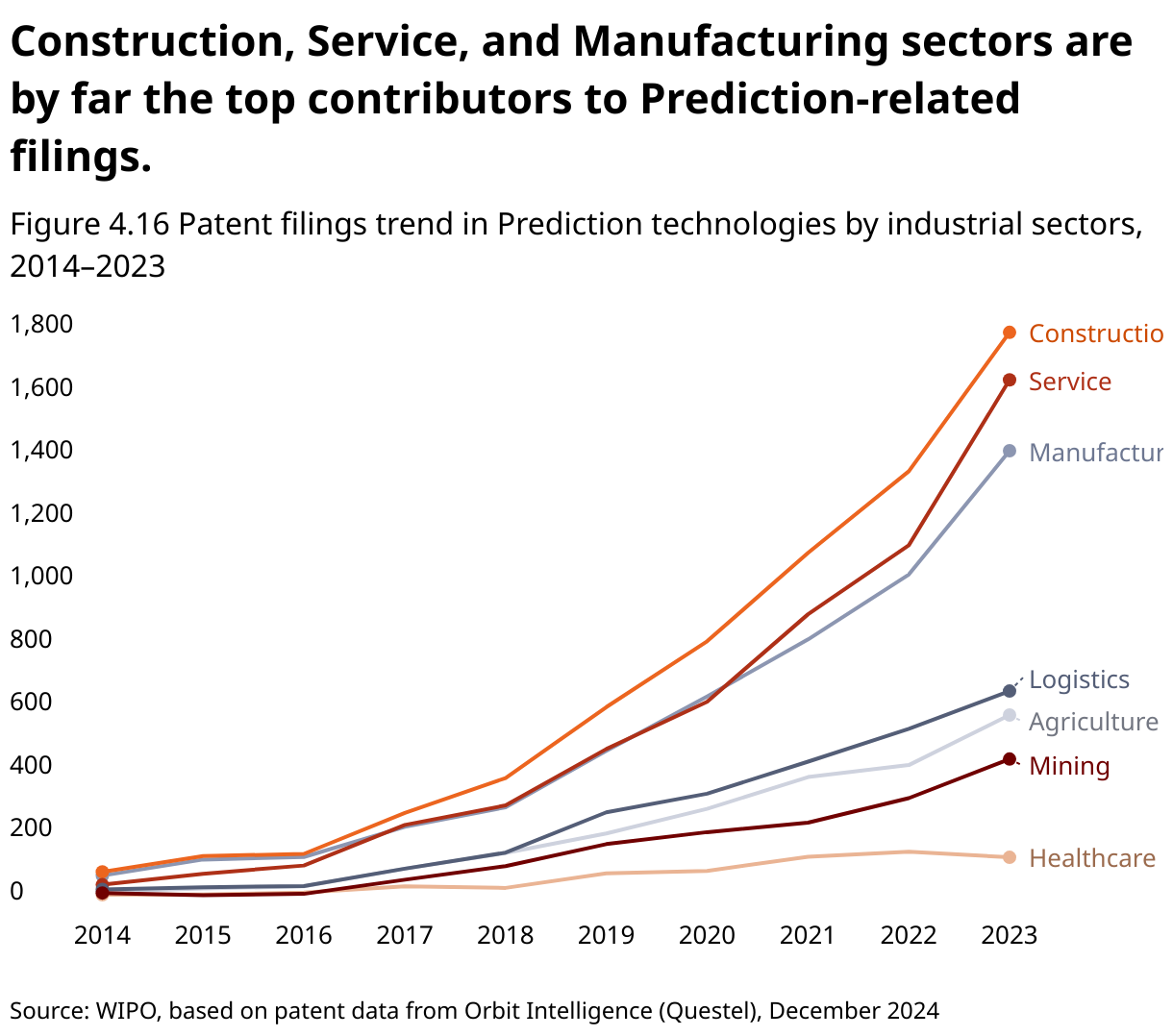
Figure 4.16 reveals a strong overall increase in patent filings for Prediction technologies across various industrial sectors between 2014 and 2023:
Construction, services, and manufacturing sectors lead in patenting activity, reflecting a significant focus on solutions to enhance safety in these industries.
Logistics, agriculture and mining sectors have likewise experienced notable growth in workplace safety innovations.
The health care sector, while not seeing rapid growth, has maintained a steady and consistent increase in patenting activity, highlighting its ongoing commitment to safety technologies.
The analysis highlights a clear shift in technological focus within Prediction since 2019. While statistics-based approaches have historically dominated the field, newer and more dynamic approaches such as behavior-based safety and especially machine learning have driven innovation over recent years. The steady rise in patent filings across diverse industrial sectors underscores a growing recognition of workplace safety as a critical area for technological advancement.
Example patents
The examples that follow have been chosen because considered particularly example of the field.

Patent CN115812301 describes an innovative system, owned by American multinational computer hardware, software and services company International Business Machines Corporation (IBM), that aims to predict and mitigate the effects of stored energy release by combining AR and IoT technologies. The system uses sophisticated machine learning algorithms to improve safety and preparedness in situations where stored energy can present risks.
The invention presents a comprehensive method and system designed to predict and mitigate the consequences of stored energy release in diverse environments. By aggregating data from IoT sensors and employing sophisticated machine learning algorithms, the system is capable of calculating energy levels and forecasting potential hazardous situations. The use of AR allows for the simulation of energy release effects, providing users with visual representations of potential hazards and recommending actionable solutions to minimize risks.

Patent US10572493 filed by Honeywell International outlines an innovative method for dynamically estimating and visualizing hazard frequencies in industrial processes. The method leverages real-time data to enhance safety management and operational efficiency, making it applicable across various industrial settings.
The invention introduces a systematic approach to estimating hazard occurrence frequencies in industrial environments. By identifying initiating causes and their respective frequencies, along with evaluating the effectiveness of independent protection layers, the method provides a comprehensive safety management tool.

The invention outlined in patent EP4285303, developed by Adam AI Solutions, focuses on enhancing workplace safety through real-time monitoring and risk assessment. This document outlines the features and advantages of a predictive system and method. Utilizing wearable devices and IoT sensors, the system aims to significantly reduce workplace incidents and foster a culture of safety by enabling proactive decision-making based on real-time data.
The invention utilizes wearable devices and IoT sensors to monitor vital signs and environmental conditions. The system processes this data through an AI-driven risk calculation module to generate real-time accident risk profiles, enabling proactive safety measures and decision-making. This approach significantly reduces workplace incidents and fosters a culture of safety.
Summary of Prediction technologies
The domain of Prediction is undergoing significant evolution by analyzing the global patent filing evolution. It is important to note that the surge in patenting activity is primarily driven by Chinese applicants, who predominantly focus on securing local protection rather than pursuing extensive international coverage. In contrast, the evolution of IPFs suggests a more stable rate of filings and a steady level of innovation, rather than a dramatic surge. This indicates a consistent, sustained effort in advancing technologies, without the rapid expansion observed in local Chinese filings.
The key centers driving innovation in this field are:
China: A dominant force, with contributions from universities (e.g., Tsinghua University, Zhejiang University) and established players like State Grid Corporation of China (SGCC). Emerging innovators such as Chengdu QinChuan IoT Technology are also making significant strides in future-oriented technologies like IoT and AI.
United States: Leading industrial players, including IBM, 3M, and Honeywell International, are advancing cutting-edge solutions in this space.
Europe and Japan: European companies like Robert Bosch and Japanese firms such as NEC also play a pivotal role as key innovators.
The principal markets targeted for patent protection are the United States, Europe, China, Japan, and the Republic of Korea. Chinese players predominantly focus on domestic protection, with exceptions among emerging industrial innovators seeking broader international reach.
Analysis reveals there has been a distinct shift in technological focus within the sector since 2019. The historical dominance of statistics-based approaches is waning, and newer, dynamic methodologies like behavior-based safety and especially machine learning are now driving innovation, reflecting an increasing adoption of data-driven and predictive technologies.