Sports have a long-standing connection with music in many forms. Teams and leagues license music for use during competition, athletes themselves are celebrities and influencers at varying levels, and many stadiums have dual use as venues for some of the largest concerts and live events. This connection is held together through an array of licensing and copyright relationships. These agreements protect the copyrights of the musicians, both songwriters and performers, the trademarks and copyrights related to team branding, and the individual name and likeness rights of any players who may be involved, alongside other rights such as broadcast, synchronization, and public performance.
Esports, however, work differently from athletics in several ways that fundamentally alter the collaboration with the music industry. Teams and organizations tend to be newer, smaller, and more transitory; players are younger, more niche, and more social media savvy; esports rely heavily on livestreaming and social media rather than physical events; and the “venues” exist only in digital space. All of these represent challenges to IP collaborations in terms of music licensing, brand crossover, and rights agreements. Some of these challenges simply require modified agreements or different kinds of licensing than collaborations with sports. Others require fundamentally rethinking how music is licensed and consumed in connection with sports.
Several divisions of the Warner Music Group around the world made interesting inroads into this space starting in 2021. Working with esports teams, leagues, and games, they have created relationships that may be instructive as models for how esports and music can work together going forward.
Music for sporting events
Music is part of the experience of sports events, helping fans stay engaged in slow moments and energized, and creating the atmosphere organizers want during games. Some players and teams also build music into their brands, whether in the form of walk on music, fight songs, or team traditions. These are generally handled by various dedicated licenses. The exact terminology and contract will vary, but in essence, they cover public performance within the stadium and may allow for additional uses, such as broadcast rights, as needed.
Players and teams and popular music
Players and teams are often some of the most prominent pop culture figures and collaborate closely with the music industry. Music videos often feature players as part of their cast. Players and teams create playlists, compilations, and collaborate with artists on some songs. Commercials and social media posts feature players or teams alongside popular music. All of these uses build on licensing agreements, either allowing the players synchronization, distribution, or performance rights for music; licensing name and likeness rights for players to musicians; or providing both sets of rights to a third party.
Music collaborations in esports
Music collaborations are well established for sports, but collaborations with esports present something of a challenge. A newer industry with smaller and less stable teams leads to a legal landscape that can feel complicated and uncertain. Esports have a different distribution system than sports, drawing audiences primarily through livestreams, on platforms such as Facebook, Twitch, and YouTube, with clips and replays available on demand. The players themselves often have personal social media identities with as much or more weight than their personas in the context of their teams and competitions. This gives collaborations with esports teams and stars a very different character than those in traditional athletic disciplines.
Warner Music Group as Music Provider for Esports Tournaments
Starting in 2021, Warner Music Group (WMG) made inroads into esports, adopting relationships with organizations that parallel those they would have with athletic teams and leagues. Importantly, though these relationships have strategic similarities, they can be very different in terms of IP due to the unique nature of esports.
The Esports Players League (ESPL) was a Singapore-based esports platform. It facilitated and managed tournament organization with a dedicated platform intended to connect fans, players, teams, and organizers. Warner Music Asia collaborated with them starting in 2021 as their exclusive music partner. This allowed ESPL to embed Warner Music content into platforms and broadcasts, in much the same way that the label could collaborate with a team or venue in sports. It also led to several concerts by prominent Warner musicians as part of ESPL tournaments, such as D Gerrard playing at the Music Gaming Arena Online Valorant Tournament in 2023. Since the events are primarily carried over livestreams and online platforms, synchronization rights and broadcast rights take on a central role as opposed to the venue or performance rights for sports.
MAD Lions players’ music cameo
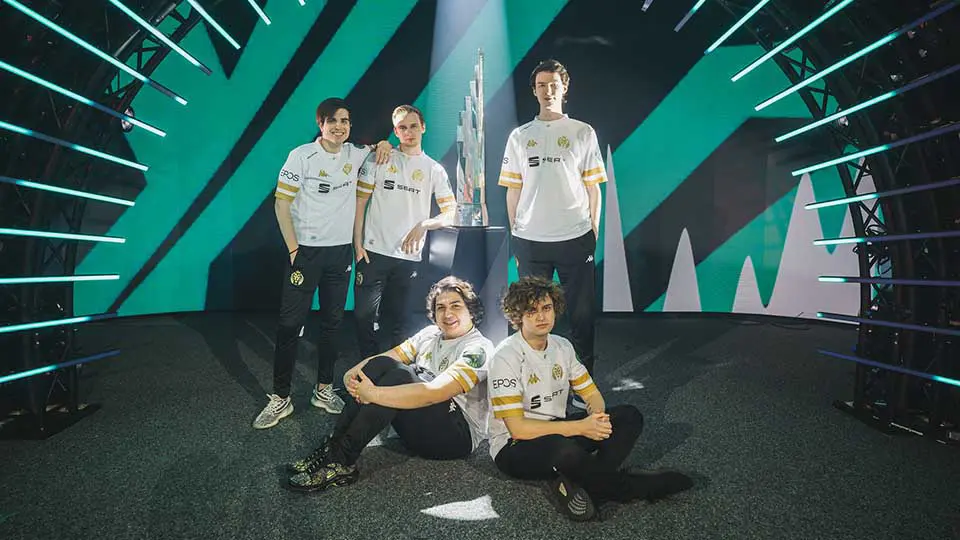
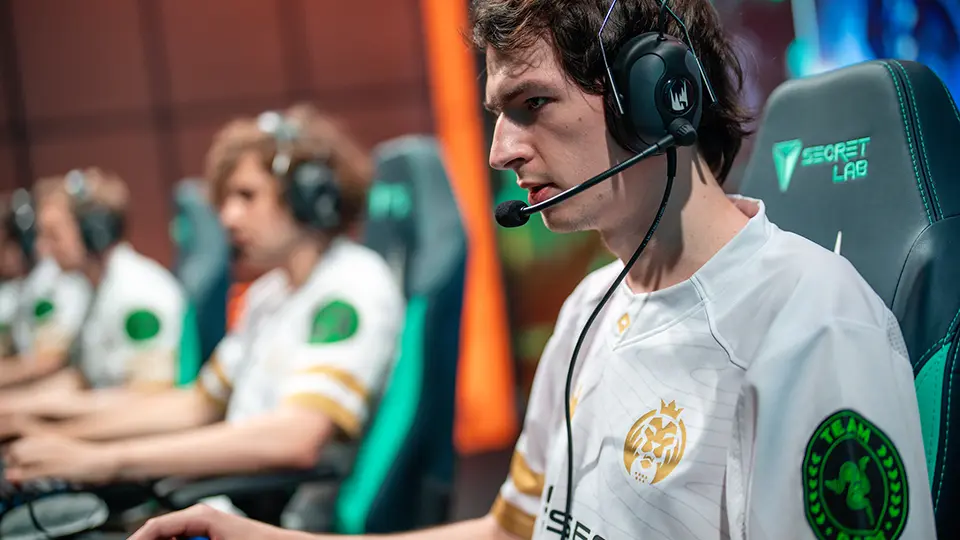
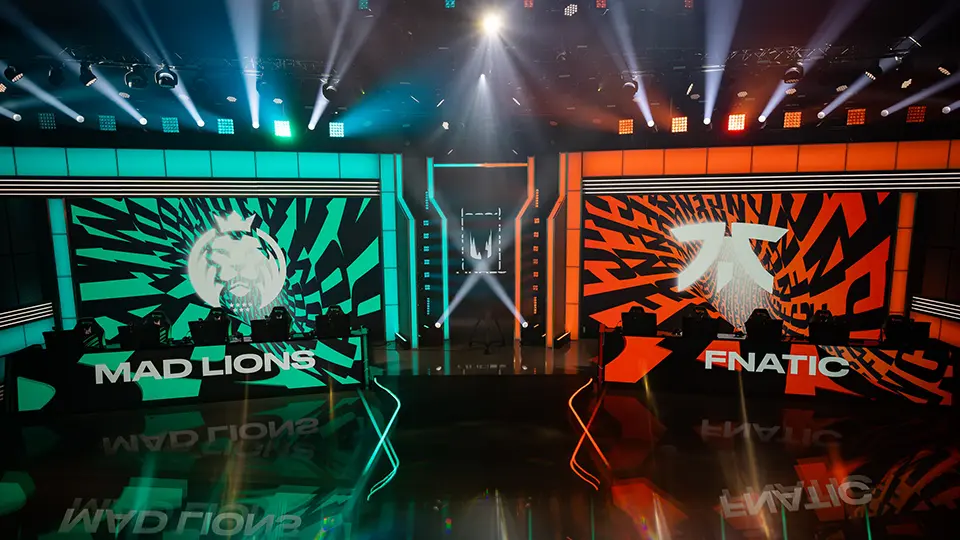
Also in 2021, Warner Music Spain signed a creative agreement with the MAD Lions. The Lions were already a notable esports franchise, having won the League of Legends European Championships that year. As part of the agreement, MAD Lions players appeared in music videos and other online content by WMG, the team released an official playlist featuring WMG artists, and WMG provided music and support for a video filmed at the Royal Palace in Madrid, debuting the MAD Lions’ updated uniforms. While this is not dissimilar from how WMG might work with a sports team, the centrality of the online identity for the players and team would have shaped the rights and licensing discussion around the projects.
Marshmello’s Fortnite Concert
Finally, traditional sports have long provided some of the premier venues for music performances. Stadium venues are often the largest concert spaces in a country, and performances at major games and tournaments draw tremendous audiences both domestically and globally. Labels and organizers are generally well versed in managing the performance and often merchandise or broadcast rights needed for these events to take place.
There have been a number of attempts to use virtual spaces inside major videogames in much the same manner. The games offer special events and unique in-game purchases, and turn the concerts into major events. One of the early successes in this vein was the 2019 concert by Marshmello, which occurred in one of the stages of the Fortnite video game, which drew over 10 million concurrent viewers. Fortnite offered unique cosmetics for sale, and Marshmello released a concert recording as a album.
While this is conceptually similar to a musician playing at a sporting venue like Madison Square Garden or Wembley Stadium, the fact that the concert is occurring in a digital space fundamentally transforms the rights relationships. It intrinsically requires broadcast and synchronization rights, since it is being streamed, rather than occurring live. The merchandise rights need to be rethought for products which can be infinitely replicated, and often the owners of the games need to rework fundamental gameplay elements to make the concert function or to creature unique experiences, such as Fortnite retooling the simulated gravity to allow players to fly during Marshmello’s set.
Music Licensing in Sports vs. Esports Tournaments
The push by Warner Music Group and its subsidiaries into the esports and video games space was a mix of old and new. Companies like WMG collaborate regularly with the sports industry, whether for music rights during games, working with athletes and teams on collaborations, or holding concerts at sports venues. While all of these have analogues in the virtual world of esports, the strategic parallels hide legal and IP distinctions. The simple movement from a physical to digital event completely changes how music rights are managed and often leads to a novel kind of licensing or collaboration. WMG collaborations with ESPL, MAD Lions, and the emerging field of in-game concerts show that there is substantial space for music industry to create ties with esports, which are as deep as those with sports, and may serve as a model for more collaborations to come.