WIPO participated in the Rio Innovation Week (RIW), held in Rio de Janeiro, Brazil, in early August, offering startups from across Latin America practical insights into how intellectual property (IP) can support innovation, attract investment, and enable international growth.
Building an IP mindset for startups
Throughout the week, WIPO experts introduced founders and entrepreneurs to the Innovator’s Journey, a step-by-step pathway that connects startups to the global IP systems, tools, programs, and services they need to identify, protect, and leverage their IP assets as they expand into international markets. The initiative supports innovators at every stage of development, from selecting appropriate forms of IP protection to using IP to secure financing, build partnerships, license technology, and scale across borders.
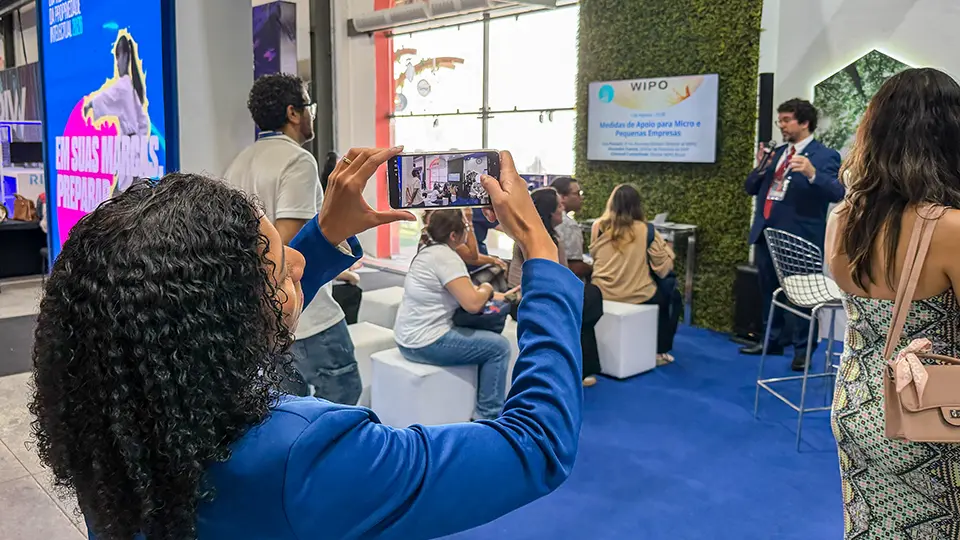
WIPO experts led workshops addressing questions many startups face as they grow, including the support schemes available to small and growing businesses, strategies for international IP protection, and IP considerations for commercializing healthcare innovations. A dedicated session on artificial intelligence and IP examined how emerging technologies are reshaping the way startups protect and use their innovations.
Twenty startups working in fields including artificial intelligence, digital platforms, social innovation, and agribusiness also received individualized IP consultations, as part of WIPO IP Management clinics. WIPO experts, together with Brazil's National Institute of Industrial Property (INPI) and partners, advised founders on selecting the appropriate forms of protection for their inventions or creations, clarifying ownership of IP developed with partners, contractors, or research institutions, and using IP strategically to attract investors and secure licensing partners for international expansion.
Leveraging the PCT System for technology commercialization: Ouronova case
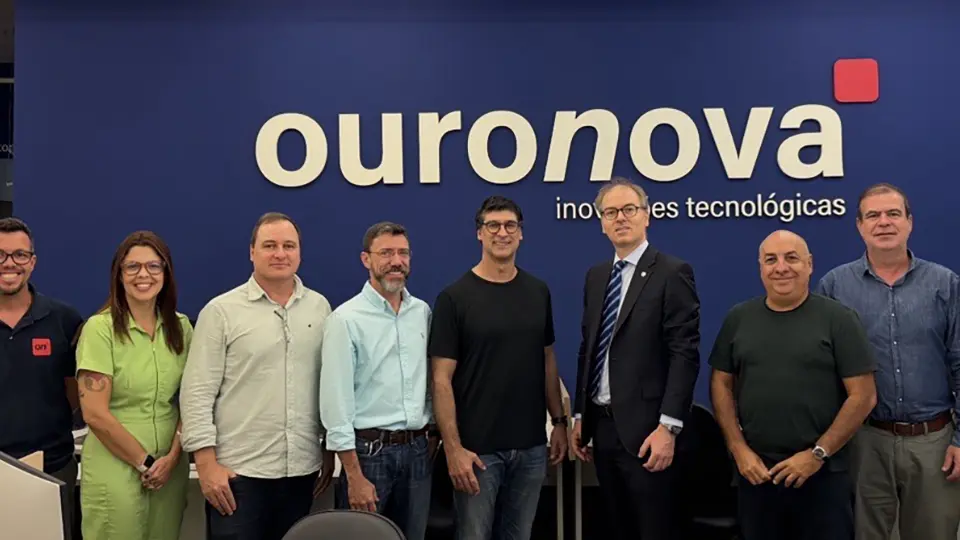
On the sidelines of the Rio Innovation Week, WIPO visited Ouronova (Ouro Negro Tecnologias em Equipamentos Industriais S/A), a deep-tech company based in Rio de Janeiro. The company’s experience illustrates how the international patent system can protect and support technology development and commercialization at scale.
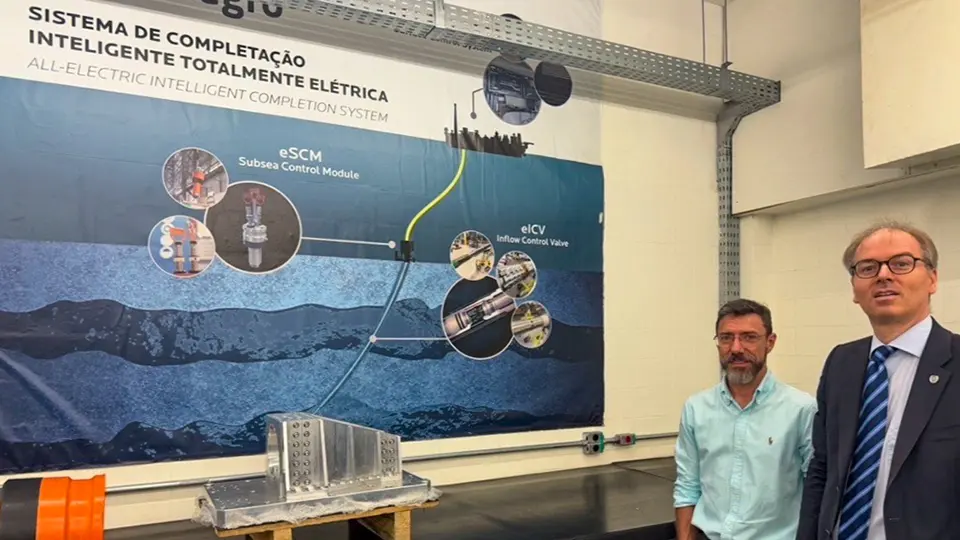
Ouronova develops all-electric well-completion technology for deepwater oil and gas production, designed to replace conventional hydraulic systems with electric alternatives capable of more precise and reliable control under extreme pressure and temperature conditions.
Ouronova filed 13 applications under the Patent Cooperation Treaty (PCT). Three of these covered the core components of its system: an electric inflow control valve, an electric subsurface safety valve, and an electromagnetic-mechanical locking system that keeps the safety valve fail-safe. Together, the three patents form the core of an all-electric completion system that replaces decades-old hydraulic technology in deepwater wells, a field where Brazil, through the pre-salt fields, is a global leader.
The company chose the PCT route for two reasons. The first was financial, as filing internationally allowed Ouronova to defer the most significant costs of patenting, including translations, national fees, and local counsel in each country, by up to 30 months from the priority date. For a technology-based company funding long development cycles, that deferral mattered. The second, and more decisive, reason was maturity. Deepwater completion equipment can take years to move from concept to a qualified product, and the international phase gave Ouronova time to advance and test its technology before committing to specific markets, to observe which countries and operators were likely to demand it, and to use the international search report and written opinion to assess the strength of its claims before making major investments. National-phase entries in Brazil, the United States, the United Kingdom, and Norway followed as a result.
All three technologies are now licensed to Baker Hughes, one of the world's largest energy technology companies. For Ouronova, the PCT System provided more than a pathway to patent protection. It helped the company attract investment, strengthened its position in negotiations with a global partner, and prepared its technology for international commercialization.
The use of the PCT System gave us the maturity to make informed decisions with capital we did not yet need to spend. That maturity proved decisive; a licensing deal of this scale between a Brazilian technology company (Ouronova) and a global oilfield service leader (Baker Hughes) would not have been possible without robust international protection.
Giancarlo Vilela de Faria, Manager of Ouronova's Intellectual Property Committee
Making IP central to startup growth in Latin America
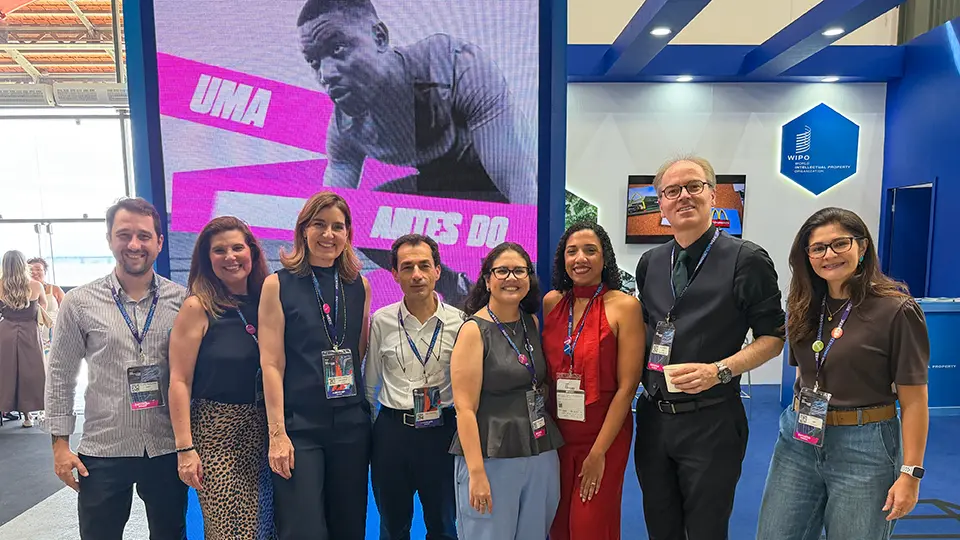
RIW brought together more than 205,000 participants, including 2,000 startups, making it one of the region’s most important gatherings for entrepreneurs and innovators. For many participants, including those who received one-on-one IP consultations, the week marked a shift in how they view IP, from a back-office requirement to a core part of their growth strategy – central to funding, partnerships, and global expansion.
WIPO’s IP for Business connects startups and SMEs to a wider range of programs and resources designed to help them integrate IP into their growth strategy. Startups interested in exploring their own Innovator’s Journey can learn more about WIPO’s tools and services, including the PCT System for patents, the Madrid System for trademarks, and the Hague System for designs.