WIPO, in cooperation with the Papua New Guinea Intellectual Property Office under the Investment Promotion Authority, organized the Heads of Intellectual Property Conference (HIPOC) for Western Pacific Island Countries in Port Moresby, Papua New Guinea, from June 22 to 23, 2026, with the support of the Japan Patent Office (JPO) through the Funds-in-Trust Japan Industrial Property Global.
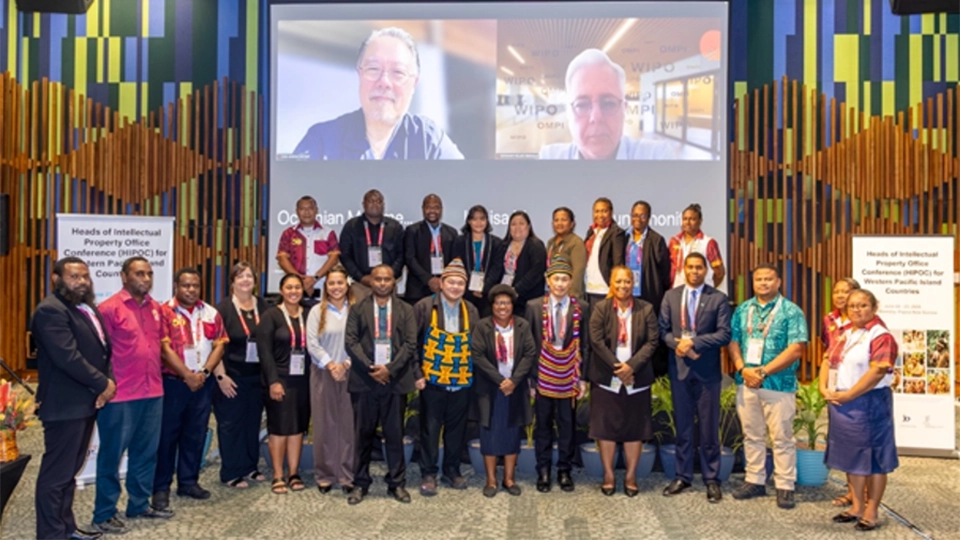
The Conference brought together government officials, heads of intellectual property offices and WIPO experts from Papua New Guinea, Naoero, Solomon Islands, the Marshall Islands, the Federated States of Micronesia, Palau and Vanuatu. It followed last year’s HIPOC for Eastern Pacific Island Countries, which was held in Tonga.
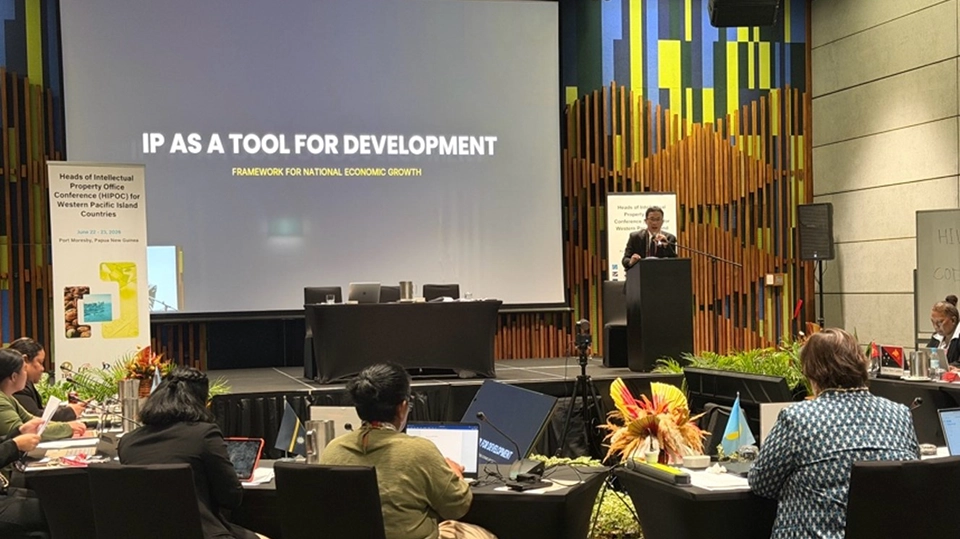
The two-day meeting provided a platform for Pacific IP leaders to exchange views on how IP can better support national development priorities, including economic diversification, innovation, entrepreneurship, cultural industries, small and medium-sized enterprise development and sustainable development.
Positioning IP as a Practical Development Tool
The Conference focused on how IP can support national development priorities in Pacific Island countries, including economic diversification, innovation, entrepreneurship, cultural industries, SME growth and sustainable development. Discussions emphasized the need to move beyond legal frameworks and use IP as a practical tool for businesses, creators and communities.
Participants also exchanged views on shared institutional, legal and practical challenges facing IP systems in the region, which informed the identification of priority areas for future cooperation.
Several key themes emerged from the conference:
- Public awareness remains limited. Participants noted that IP is still not widely understood by the public, businesses and some government stakeholders. Greater outreach will be needed to demonstrate how IP can support innovation, creativity and business competitiveness.
- SMEs need more practical IP support. Although trademarks and other IP tools can help businesses build value, many SMEs in the region do not yet make full use of them. Participants emphasized the importance of practical, user-friendly support for entrepreneurs and small businesses.
- Institutional and technical capacity needs strengthening. IP offices in the region face resource and technical constraints, including limited human capacity, outdated legal frameworks, and gaps in digital infrastructure and records management. Participants emphasized the need to strengthen staff training, modernize IP laws and regulations, and improve digital systems to enhance service delivery, transparency and efficiency.
- Regional cooperation can help address shared challenges. Participants recognized that many countries face similar issues and that structured regional exchanges can support peer learning, technical cooperation and more coordinated action.
From Discussion to Country Action Planning
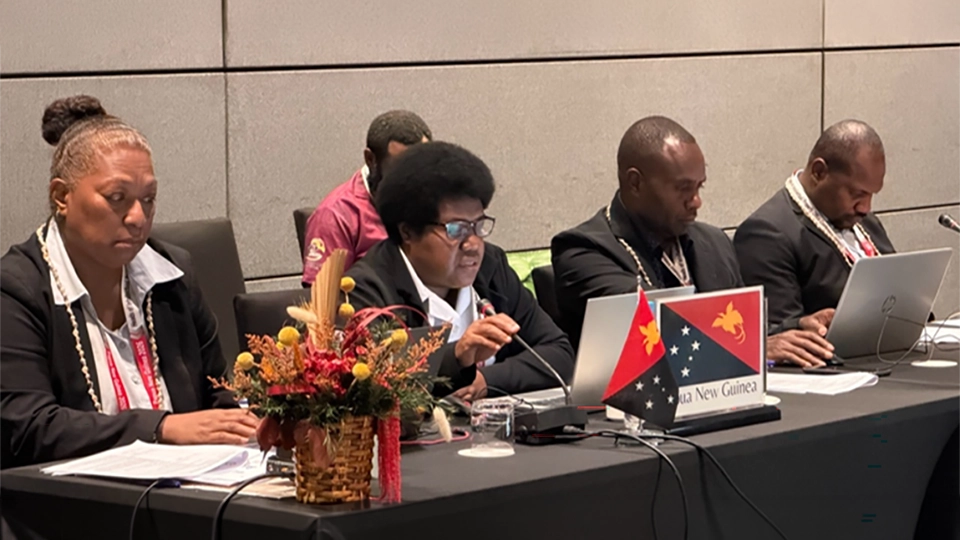
As next steps, WIPO will hold bilateral consultations to confirm priorities, timelines and implementation approaches. Periodic regional exchanges will also be organized on shared priorities such as trademark administration and digital transformation.
The HIPOC in Port Moresby helped establish a stronger foundation for cooperation among Western Pacific Island countries on IP. By focusing on practical implementation, institutional sustainability and development impact, the Conference contributed to a more action-oriented regional conversation on how IP can support innovation, culture, business growth and sustainable development in the Pacific. WIPO will continue to support participating countries as they implement their priorities and strengthen their national IP systems.