La radiodiffusion et les droits médiatiques dans le domaine du sport

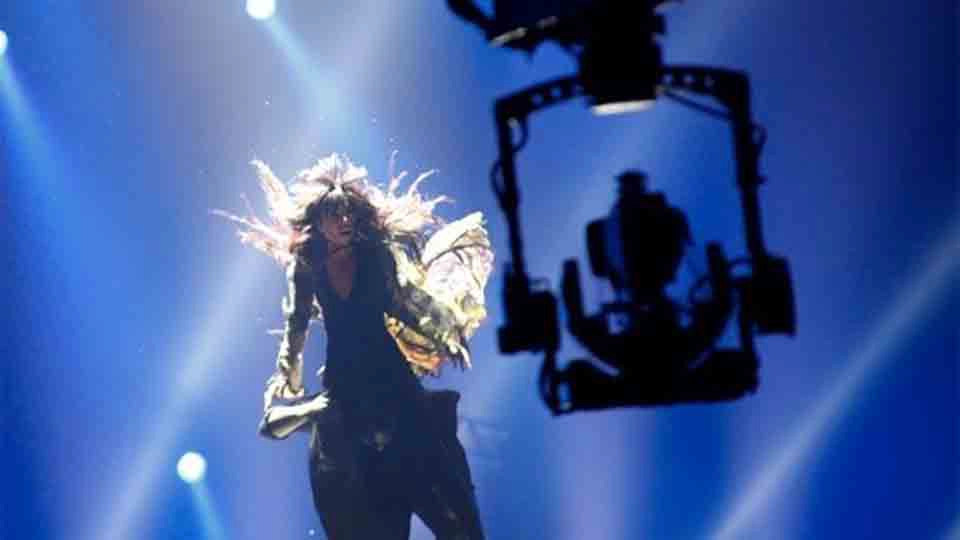
Advances in communications technologies have revolutionized broadcast sports coverage and enabled billions of people around the world to take part in the spectacle and excitement of major sporting events.

Copyright and related rights, particularly those relating to broadcasting organizations, underpin the relationship between sports and television and other media. Television and media organizations pay huge sums of money for the exclusive right to broadcast top sporting events live. 

IMAGE: David Peperkamp/GettyImages

Sport media rights licensing

For most sports organizations, the sale of broadcasting and media rights is now the biggest source of revenue, generating the funds needed to finance major sporting events, refurbish stadiums, and contribute to the development of sports at grassroots level. The royalties that broadcasters earn from selling their exclusive footage to other media outlets enable them to invest in the costly organizational and technical infrastructure involved in broadcasting sports events to millions of fans all over the world.

Broadcasters' rights:

  • safeguard costly investments in televising sporting events
  • recognize and reward the entrepreneurial efforts of broadcasting organizations
  • recognize and reward their contribution to diffusion of information and culture
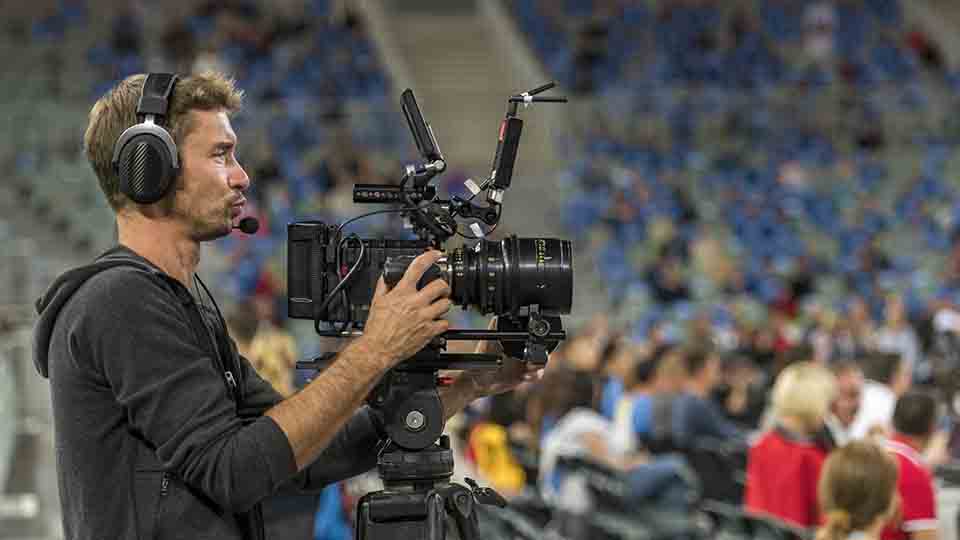
IMAGE: Simonkr/E+/Getty

Television rights

Sports broadcasting by media

Competitive sports have has become a global billion-dollar industry due in large part to intellectual property rights and ever closer cooperation between the media, sponsors and sports authorities. However, more sophisticated communications technologies, accessible to a wide public, have not only enabled fans to follow live sports wherever they may be, but have opened new possibilities for signal theft. Live sports broadcasts have been a particular target for unauthorized retransmission on the internet.

Broadcasting platforms and formats for live sports

Sports broadcasting spans a variety of media platforms, each offering unique advantages in delivering live coverage and engaging audiences. While traditional television remains the dominant medium, radio broadcasting continues to play an important role. Digital platforms, including online streaming services and mobile applications, are transforming the way many fans consume sports as well.
Together, these media formats ensure that sports coverage is accessible to diverse audiences worldwide, while also raising complex questions of rights management, exclusivity, and protection against piracy.

Television remains the most traditional and valuable platform for sports coverage. Broadcasters acquire exclusive TV rights to show live matches, tournaments, and highlights, ensuring they can attract mass audiences and maximize advertising and subscription revenue. These are often limited to specific territories, times, and in some cases specific games within a league or sport.

Radio broadcasting continues to play a significant role, particularly in regions where television or internet access is limited. Radio rights ensure live commentary reaches wide audiences, maintaining the cultural tradition of experiencing sports through sound.

As fans increasingly consume content online, digital streaming rights have become central to modern sports broadcasting. Streaming platforms compete to secure rights that allow them to deliver matches directly to viewers’ devices, often supplementing or competing with traditional television coverage.
Mobile rights for sports streaming

Mobile-specific rights enable broadcasters and digital platforms to provide sports coverage optimized for smartphones and tablets. These rights have grown in importance with the rise of mobile-first audiences, ensuring access to live sports anytime, anywhere.

On-demand sports streaming rights

Beyond live coverage, on-demand rights give platforms the ability to provide replays, highlights, and full-match access after events. These rights extend fan engagement and open additional revenue streams for rightsholders.
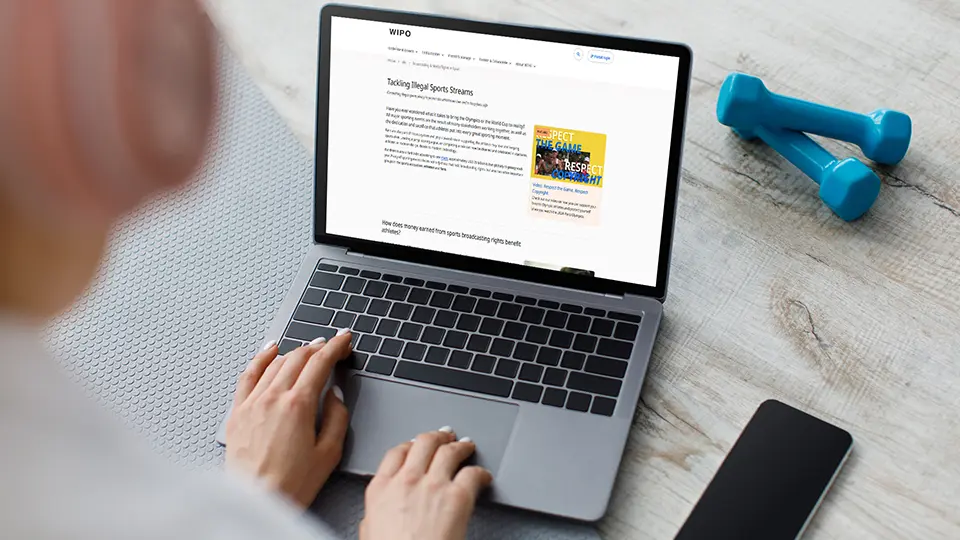
Tackling Illegal Sports Streaming

Lutter contre le piratage illégal de contenus sportifs afin de protéger les athlètes que nous admirons et d’assurer la sécurité des amateurs de sport

Who owns broadcasting and media rights in sports

Broadcasting and media rights are typically owned and managed by the sporting event organizers, such as international federations, national associations, or professional leagues. These organizations act as rightsholders and negotiate contracts with broadcasters and media companies, granting them the right to transmit live coverage, highlights, or on-demand content.

Monetization of broadcasting rights

Broadcasters and sports organizations generate revenue through multiple models, including advertising, sponsorships, pay-per-view, and subscription services. The monetization of broadcasting rights sustains the commercial ecosystem of sports and funds future events.

Geographical broadcasting

Media rights are often divided by territory, with broadcasters purchasing domestic or international rights. Territorial exclusivity allows rights holders to tailor coverage, pricing, and marketing strategies to specific regions and audiences.
Notably, the growth of streaming services has complicated these agreements. In many cases, specific content needs to be “Geoblocked” or prevented from being accessed in specific geographical areas to respect exclusivity agreements.

Domestic rights cover the sale of broadcasting within the home market of the sport or league, often commanding the highest value due to strong local demand.

International rights extend coverage beyond national borders, allowing sports organizations to expand their global reach and fan base.

Broadcasters purchasing rights for a specific region typically enjoy exclusivity, ensuring they alone can distribute live coverage and secure associated revenues.

Time-based sports media

Media rights are also divided by time, distinguishing between live coverage, delayed broadcasts, and highlights. These distinctions allow broadcasters to maximize audience engagement across different viewing preferences.

Live rights grant broadcasters the ability to show events in real time, often the most valuable category of sports media rights.

While many high-profile events include a small delay for practical purposes, more notably for broadcasting rights is a longer delay, which can allow prerecorded material to be seen after a game is completed. This is often connected to territorial considerations, allowing broadcast or rebroadcast of competitions at better times for audiences, such as a game played in Europe being rebroadcast in the evening on South American television. 

Highlight rights give broadcasters permission to package and distribute key moments, summaries, and recaps, providing fans with quick and accessible content.

Sports venue rights

Venue rights cover the filming and broadcasting of events within stadiums and arenas. These rights ensure that organizers control access to live footage and can negotiate with broadcasters to maximize value while protecting the live spectator experience.

Legislation on broadcasting and media rights

National and international laws regulate the protection, licensing, and enforcement of media rights in sports. Legal frameworks address issues such as piracy, unauthorized retransmission, and fair competition, ensuring that the value of broadcasting rights is preserved for rights holders and broadcasters alike.
Under the International Convention for the Protection of Performers, Producers of Phonograms and Broadcasting Organizations (Rome Convention) of 1961, broadcasters have exclusive rights for 20 years to authorize rebroadcasting, “fixation” (recording), reproduction and communication to the public of their broadcasts. However, there is wide agreement that the protection of broadcasters’ rights needs updating to accommodate the digital communications revolution. Ongoing negotiations at WIPO aim to create an international legal framework that adequately and efficiently protects against the piracy of broadcast signals.