As part of its ongoing efforts to support innovation ecosystems, WIPO delivered targeted national training programs in Dhaka, in collaboration with Bangladesh’s Department of Patents, Designs and Trademarks (DPDT), supported by FIT/Japan IP Global, to strengthen capacity in biotechnology and pharmaceutical inventions.
Held from April 12 to 16, the two training programs were designed for two distinct groups of audiences, and brought together patent examiners, policymakers, researchers and IP professionals, reflecting growing interest in the role of IP systems in supporting innovation in emerging sectors.
Strengthening Technical Expertise of the DPDT Patent Examiners
The first program of advanced-level sessions, held over three days, focused on enhancing the technical expertise of the IP Office of Bangladesh (DPDT) patent examiners mainly in the fields of pharmaceuticals and biotechnology, while also raising awareness on the advantages of the Budapest Treaty (BT) and the Patent Cooperation Treaty (PCT).
The training program was attended by around fifteen DPDT patent examiners. The sessions were delivered by WIPO experts, Mr. Taegeun Kim, Senior Program Officer, and Ms. Isabelle Chauvet, Senior Legal Officer, who introduced core principles of patent examination and how to prosecute patent applications with inventions in biotechnology.
Participants also received practical guidance on the operation and advantages of international frameworks, including the PCT and BT. Contributions from a practical point of view were provided by Mr. Wouter de Schamphelaire of the Belgian Coordinated Collections of Microorganisms (BCCM), who joined remotely. Mr. Andrew Clarke, Patent Attorney and Head of the Biotechnology Team at James and Wells in Brisbane, Australia provided an agent’s perspective on patent strategies in the field of biotechnology.
Mr. Takuya Yasui, Director of the Multilateral Policy Office, International Policy Division at the Japan Patent Office (JPO), who has extensive experience in biotechnology and pharmaceutical patent examination and in-depth knowledge of Japanese examination practices, shared insights on examination methodologies and practices, drawing on Japan’s experience in biotechnology and pharmaceutical patent examination.
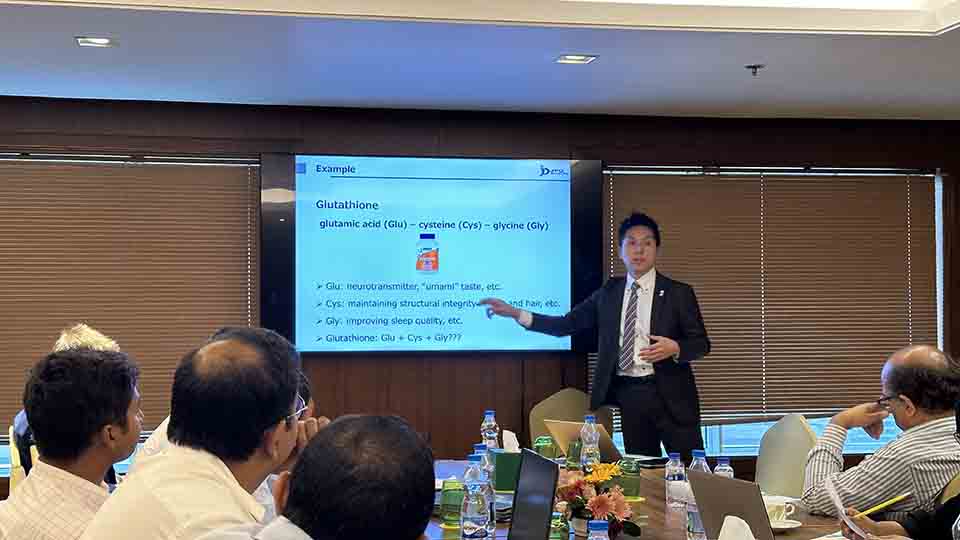
The training included case studies and interactive discussions on prior art search and patentability assessment, enabling participants to engage with real-world examination scenarios. They enabled the examiners to develop a comprehensive and efficient understanding of patent examination, including aspects relating to the PCT and BT, and particularly in the complex fields of biotechnology and pharmaceuticals.
The examiners actively participated in the exercises and discussions, showing strong interest in the subject matter. The post-training survey showed high satisfaction among the participants, and they found the training very valuable and insightful, hoping for more in the future.
Engaging a Wider Stakeholder Base
Another program covering the topics, expanded participation to a wider group of stakeholders, including patent attorneys, researchers, and intellectual property professionals from academia and industry, as well as government representatives, reflecting growing institutional interest in international IP frameworks.
This training focused on building foundational understanding of patent protection in general and in biotechnology and pharmaceuticals, while also highlighting the operational and strategic benefits of the PCT and BT for both users and national systems.
Ms. Chauvet and Mr. Kim delivered sessions on the patent system and biotechnology, highlighting the role of patents in protecting biotechnological inventions. Mr. Kim also presented on key patentability requirements. They also covered the advantages of the PCT particularly when seeking patent protection in multiple countries, and of the BT, which eliminates the need for patent applicants to make multiple deposits of microorganisms when seeking patent protection in many countries – thereby reducing the costs and saving time.
In addition, Mr. de Schamphelaire provided insights into how the International Depositary Authorities (IDAs) store microorganisms and make samples available to authorized parties under certain conditions. Mr. Clarke shared practical patent-protection strategies for biotechnological inventions in major markets, while Mr. Yasui addressed key patentability considerations specific to the fields of biotechnology and pharmaceuticals.
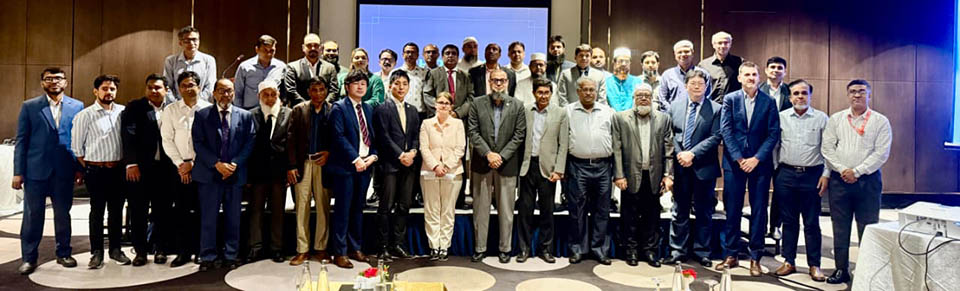
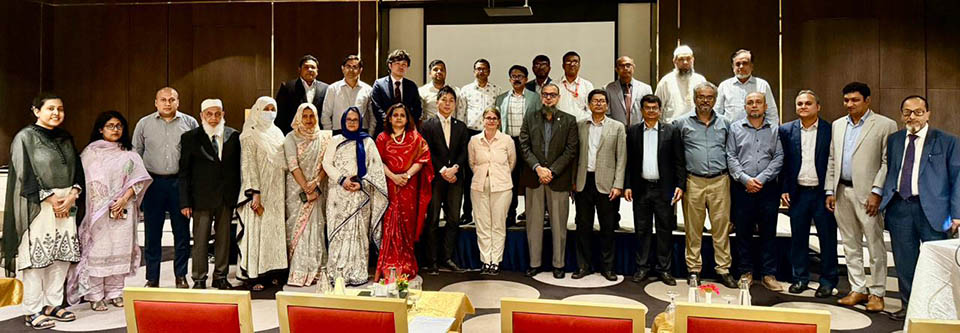
Interactive discussions and Q&A sessions throughout the program reflected strong interest in navigating patent systems in emerging sectors and underscored the importance of continued capacity-building efforts. Participants welcomed the opportunity to deepen their understanding of the patent system, with many describing the experience as “eye-opening”. The feedback received after the training further indicated that the training raised awareness and interest in the patent protection, along with strong interest in similar programs in the future.
“What stood out was how global IP frameworks like the PCT can support streamlined international patent filing, while the Budapest Treaty plays a key role in facilitating the protection of microorganism-based inventions. The discussions on patentability criteria -novelty, inventive step, and industrial applicability – were particularly useful in understanding the practical challenges faced in biotech sector. It was an insightful experience that deepened my understanding of how Bangladesh can strengthen its IP ecosystem to better support innovation in emerging sectors like biotechnology.”
- Tanjila Marjahan, Public Policy & Development Professional and Research Associate
Supporting Bangladesh’s IP Development
These programs form part of WIPO’s broader efforts to support Member States in strengthening institutional capacity and increasing the effective use of intellectual property systems.
In Bangladesh, the trainings contributed to building the capacity of both the DPDT and the broader innovation ecosystem to address biotechnology and pharmaceutical inventions. They also helped raising awareness and interest in international IP frameworks.
WIPO continues to work with its Member States and partners to deliver capacity-building initiatives that support more effective IP systems and strengthen innovation-led growth. With support from FIT/Japan, WIPO is organising a series of national and regional training programs globally, including a recent one in Africa.
Countries interested in hosting similar trainings are encouraged to contact WIPO for further information.