التحديات التي تعترض قياس عدم المساواة بين الجنسين في مجال الابتكار

6 أبريل 2022

6 أبريل 2022 ・ minutes reading time

#
الصورة: Getty Images/PeopleImages

المستخلصات الرئيسية

يمكن أن يؤدي سد فجوات القائمة بين الجنسين والتنوع في مجال الابتكار إلى زيادة القدرة الإنتاجية للبلدان. ومن الضروري أن يفهم واضعو السياسات أين وكيف ولماذا تحدث التفاوتات من أجل معالجتها بشكل أفضل.

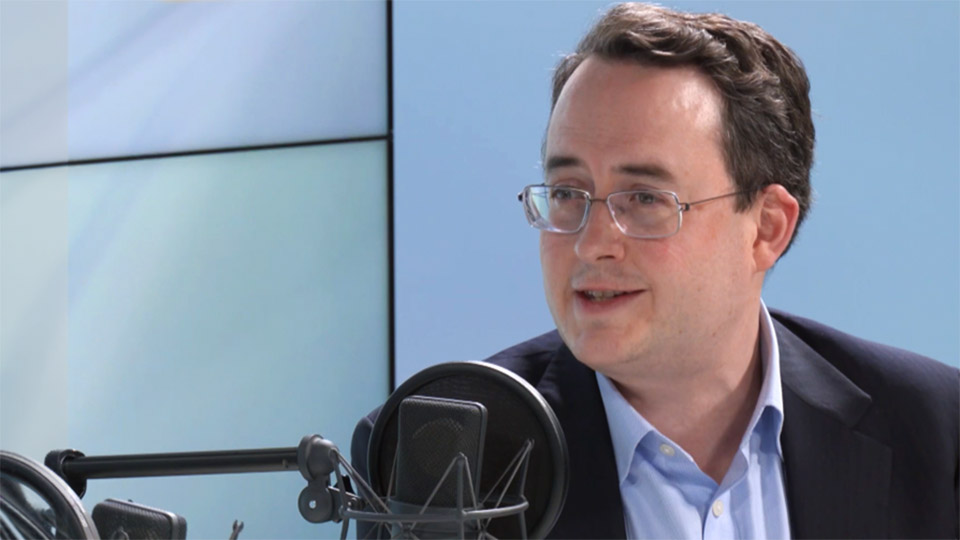
عرض الدكتورة ليزا دي كوك حول تحديات الفجوة القائمة بين الجنسين في مجال الملكية الفكرية

عرض الدكتورة ليزا كوك خلال جلسة فريق المناقشة الثاني: فريق من الخبراء الاقتصاديين في مجال الملكية الفكرية معني بالتحديات التي تعترض قياس وتحليل الفجوة القائمة بين الجنسين في نظام الملكية الفكرية في منطقة الأمريكيتين.

مشاركة المرأة في عملية الابتكار في الولايات المتحدة

تظهر دراسات أُجريت في الولايات المتحدة أن مشاركة المرأة أقل في كل مرحلة من المراحل الثلاث لعملية الابتكار:

  • التعليم والتدريب؛
  • ممارسة الاختراعات؛
  • تسويق الاختراعات.

سياسات الولايات المتحدة بشأن الابتكار والتنوع

يؤثر عدم وضع المواهب في المكان المناسب على ما يقارب 40% من إنتاجية الولايات المتحدة. ولحل هذه المشكلة، ينظر واضعو السياسات في سياسات من قبيل قانون SUCCESS (دراسة عن الفئات الممثلة تمثيلا ناقصا والتي تسعى إلى النجاح في الهندسة والعلوم) لعام 2018 وقانون IDEA (تنوع المخترعين من أجل التقدم الاقتصادي) لعام 2021، وذلك من أجل تحديد الفجوة القائمة بين الجنسين وقياسها بهدف تضييقها.

الخبيرة:

الدكتورة ليزا كوك باحثة بارزة ورائدة تدرس قضايا التفاوت بين الجنسين والتفاوتات العرقية. وهي أستاذة في الاقتصاد والعلاقات الدولية في جامعة ولاية ميتشيغان. وفي عام 2022، تم ترشيحها لمجلس الاحتياطي الفيدرالي.

هل ترغبون في معرفة المزيد عن عمل الدكتورة ليزا؟ اطلوا على مجموعة مختارة من المنشورات من قاعدة بيانات الدراسات الاقتصادية التابعة للمنظمة.


موارد ذات الصلة

المبادئ التوجيهية جراء تحليل جنساني استناداً إلى بيانات الابتكار والملكية الفكرية

 

Disclaimer: The short posts and articles included in the Innovation Economics Themes Series typically report on research in progress and are circulated in a timely manner for discussion and comment. The views expressed in them are those of the authors and do not necessarily reflect those of WIPO or its Member States

Related stories

An iPhone with a blue case rests on a grey laptop keyboard, showing a home screen at 4:31 with a collection of leading AI chatbot applications, including OpenAI's ChatGPT, Google's Gemini, Anthropic's Claude, Perplexity AI, xAI's Grok, and Microsoft Copilot. The image highlights the rapid proliferation and mainstream adoption of generative AI assistants on mobile devices.
Image: hapabapa/Getty Images
The largest mural in Kortenberg, 'The Tipping Point'
Image: Mjose Rivas/Toon Van Ishoven/Tim Marschang – Artwork: Artoon (2021)
People on a street surrounded by murals in Soho, a popular nightlife area in Hong Kong
Image: gionnixxx/iStock Unreleased/Getty Images

Discover Where Your Economy Stands In The Innovation Landscape

WIPO's Innovation Capabilities Navigator is an interactive platform that enables policymakers, researchers, and analysts to explore and analyze the innovation landscape of economies around the world.

The AI Era Is Here. But Will It Reach Everyone?

AI is already here. It is already reshaping economies, industries, and jobs. The question is no longer whether it will change the world. The question is whether that change will work for everyone, or just a few.

How Electronic Sport is Powering a $184 Billion Innovation Economy

From basement hobby to billion-dollar industry: discover how intellectual property rights empowered competitive gaming into a global economic powerhouse creating careers, driving innovation, and reshaping entertainment.

Does technology spread faster than ever before?

Inventions alone do not change the world; it is their diffusion that does. GenAI spread globally within a few days while other life-saving technologies took decades. How rapidly technologies spread has changed dramatically throughout history, and the shift to digital technologies has accelerated diffusion to unprecedented speeds. Discover how diffusion patterns have evolved across countries in this post!